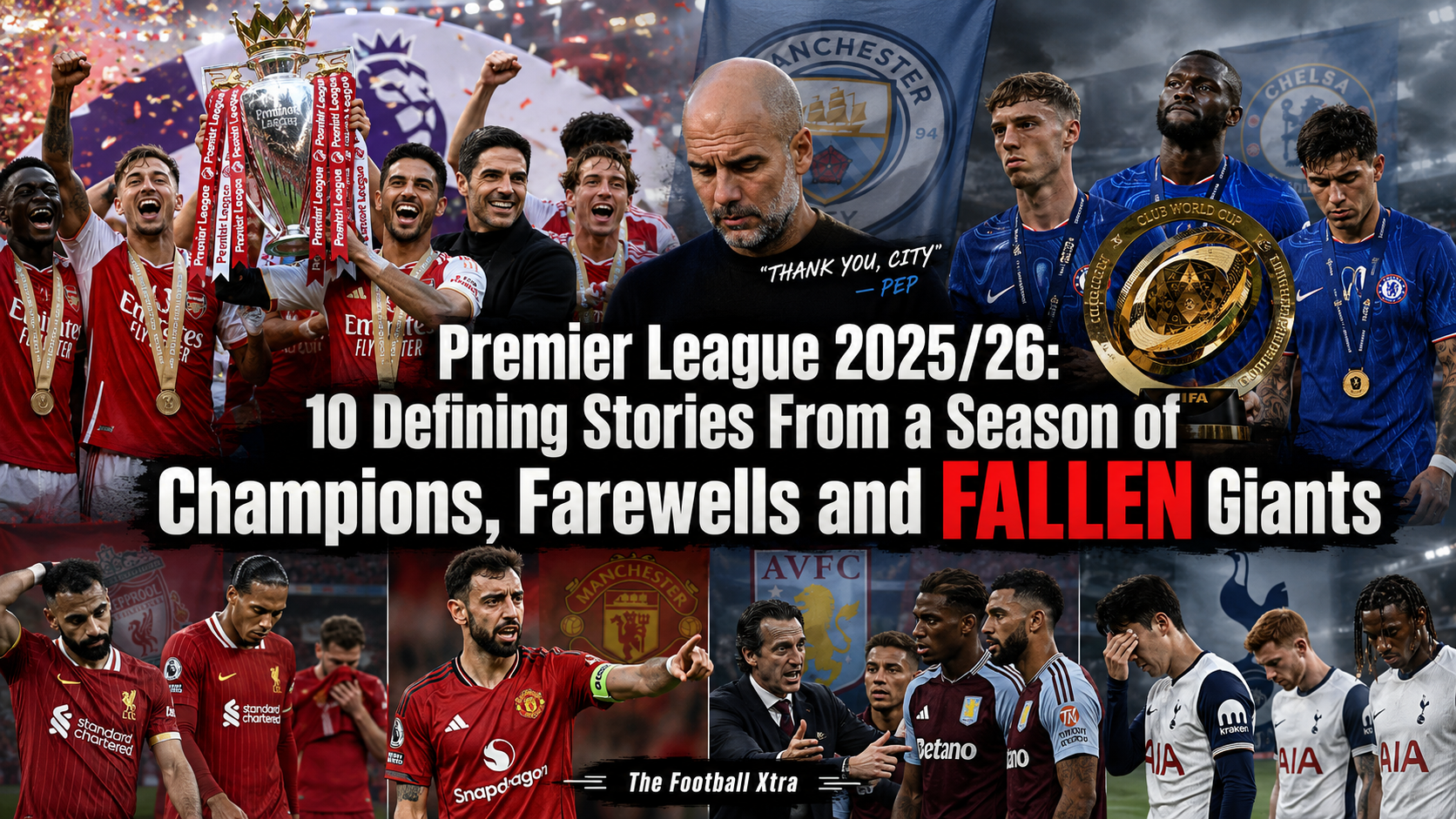
The Premier League season ends tomorrow, but this campaign already feels like one that will be discussed for years.
It was not just a season about who won the title. It was a season about endings, collapses, rebuilding projects, surprise stories and uncomfortable truths. Arsenal finally ended 22 years of waiting. Pep Guardiola prepared to say goodbye to Manchester City after a decade of dominance. Chelsea entered the season as world champions but failed to make that status count in the league. Liverpool lost control of their title defence. Tottenham found themselves dragged into a relegation fight few people could have imagined.
With the title already decided and the final day still carrying questions around Europe and survival, the 2025/26 Premier League season has given us a full picture of what makes English football so unforgiving. Arsenal have already been confirmed as champions, while the Premier League has noted that the final day still carries major battles elsewhere in the table.
Here are 10 defining stories from the Premier League 2025/26 season.
1. Arsenal Finally Ended 22 Years of Waiting
 The first and biggest story belongs to Arsenal.
After more than two decades of frustration, rebuilding and near misses, Arsenal finally returned to the top of English football. This was their first Premier League title since the Invincibles season of 2003/04, and it arrived as a powerful statement about patience, investment and tactical maturity.
What made Arsenal’s title different was the way they won it. This was not a team relying only on emotion or attacking beauty. It was a side built on structure, defensive control, squad depth, set-piece detail and a stronger mentality than previous versions of the project.
Mikel Arteta’s team had been close before, but this season they crossed the line. That is the difference between a promising side and a champion side.
For Arsenal fans, this was not just a trophy. It was the end of a long argument about whether the club could ever truly return to the summit after the Emirates-era struggles.
2. Mikel Arteta’s Project Became a Winning Machine
 For several years, Arsenal under Arteta were judged through potential.
This season, they were judged through delivery.
The title changed the meaning of the project. Recruitment decisions that once carried pressure now look like part of a longer plan. The academy core, the expensive signings, the tactical discipline and the improved physicality all came together at the right time.
Arteta’s greatest achievement was not simply coaching Arsenal to play good football. It was changing the competitive personality of the club.
Arsenal became harder. More patient. More ruthless. More comfortable in difficult matches.
That is why this title feels like more than a good season. It feels like the completion of a long rebuild.
3. Pep Guardiola’s Farewell Closed an Era at Manchester City
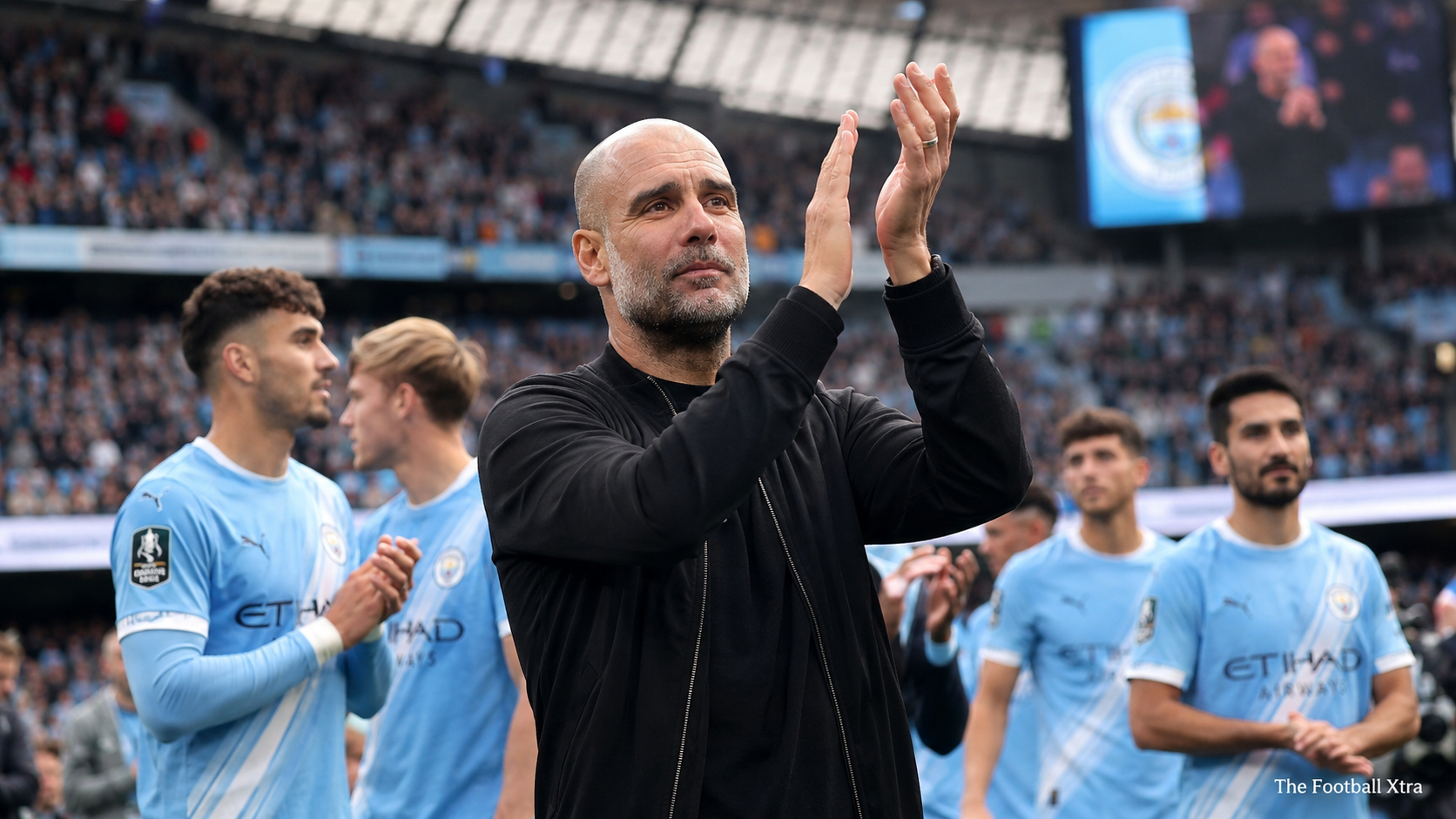 This season also carried one of the biggest managerial stories in Premier League history: Pep Guardiola’s farewell.
Guardiola is expected to leave Manchester City at the end of the season after 10 years in charge, closing one of the most dominant managerial eras English football has ever seen. Sky Sports reported that Guardiola was expected to leave after a decade at City, having won 20 trophies during an unprecedented period of success.
That alone gives this campaign historic weight.
City were still strong. They still had elite players, elite structure and the ability to dominate opponents. But emotionally, this felt like the end of a cycle.
For years, the Premier League was shaped around one question: who can stop Guardiola’s City?
This season, Arsenal did.
And as Guardiola prepares to leave, the league now enters a different future. City will remain powerful, but the psychological certainty around them has changed.
4. Manchester City Were Still Dangerous — But No Longer Untouchable
City did not suddenly become weak.
That would be the wrong reading of the season.
They remained one of the best teams in England, still capable of playing devastating football and still filled with players who can decide matches. But this campaign showed that their aura was no longer absolute.
For so long, City had the ability to make title races feel inevitable. Once they got close, most opponents cracked. This time, Arsenal sustained the pressure and finished the job.
That matters.
The 2025/26 season may be remembered as the year City’s dominance did not disappear, but became contestable.
The empire did not collapse. But the league found a team brave and consistent enough to beat it.
5. Chelsea: World Champions, But Not Premier League Contenders
 Chelsea entered this season with a unique kind of status.
They had beaten Paris Saint-Germain 3-0 to win the 2025 FIFA Club World Cup, becoming the first winners of the expanded tournament. FIFA’s own report noted Cole Palmer’s two goals and assist in that final, while Al Jazeera also described Chelsea’s 3-0 win over PSG as a statement result in FIFA’s club showpiece.
But the Premier League did not follow the same script.
That is what makes Chelsea one of the strangest stories of the season. On one hand, they were world champions. On the other, their league campaign did not match that title.
The problem was not a lack of talent. Chelsea had plenty of it. The issue was consistency, balance and identity. Too often, they looked like a club with excellent individual pieces but not enough collective authority to impose themselves over 38 matches.
Winning a global trophy gave Chelsea prestige.
Failing to carry that authority into the Premier League exposed the gap between tournament success and league reliability.
6. Liverpool’s Title Defence Lost Its Shape
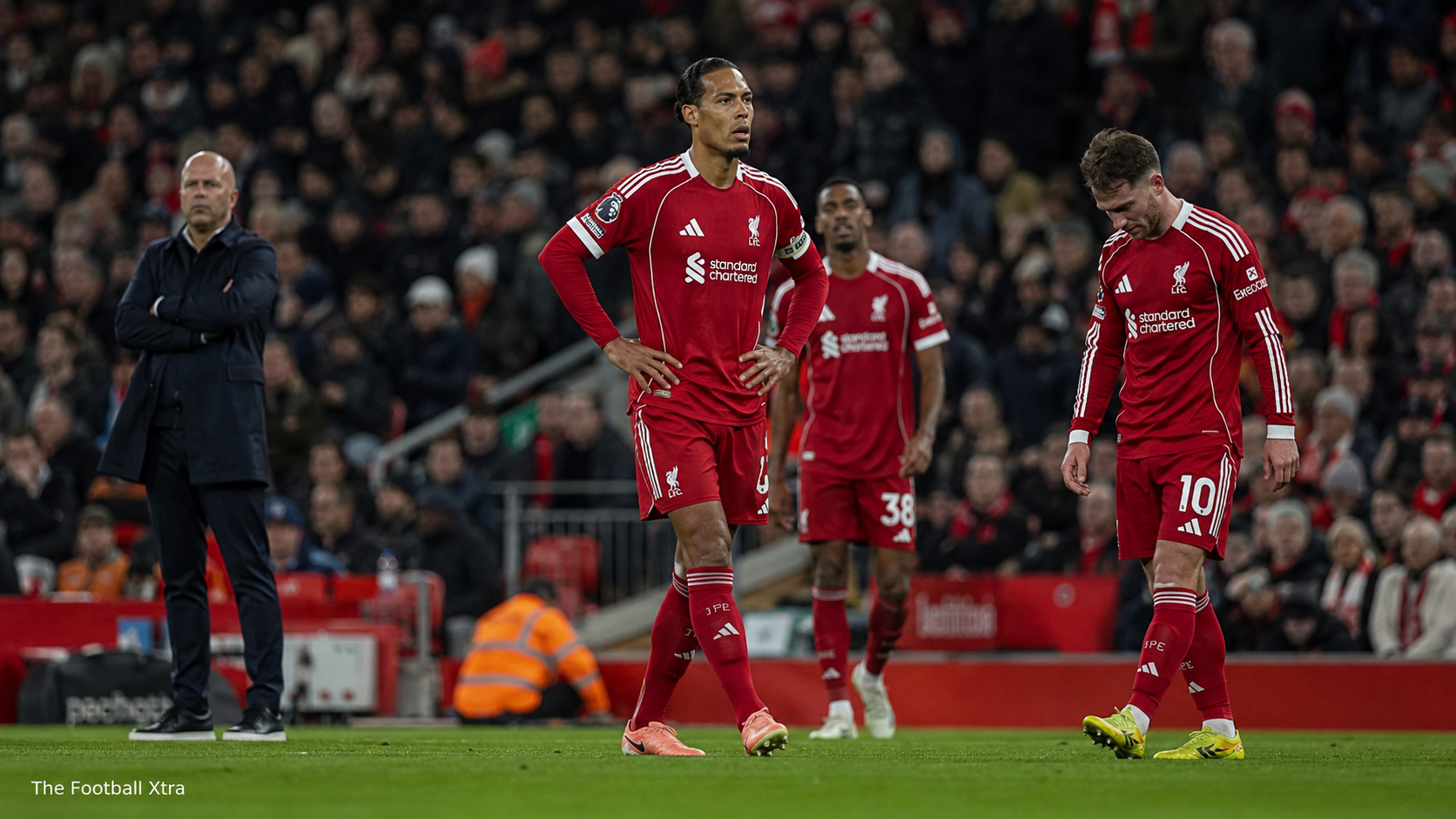 Liverpool also became one of the season’s major talking points — but not for the reasons they wanted.
As defending champions, they were expected to compete seriously again. Instead, their campaign became defined by inconsistency and a loss of control. ESPN described the season as one in which Chelsea and Liverpool both collapsed, while tactical discussions around Liverpool pointed to structural weaknesses and defensive problems without the ball.
Liverpool did not become a poor team overnight. But they became easier to play against.
That was the key difference.
At their best, Liverpool used to overwhelm opponents with intensity, timing and emotional force. This season, those qualities appeared less reliable. The structure looked more open. The transitions looked more vulnerable. The rhythm of the team was not the same.
The result was a season that raised uncomfortable questions about whether Liverpool’s next evolution is already overdue.
7. Manchester United Found a Leader in Bruno Fernandes
 Manchester United’s season had a different tone.
It was not perfect, but it had direction. And much of that direction came through Bruno Fernandes.
Reuters reported that Fernandes was named Premier League Player of the Season after a campaign in which he played a major role in United’s third-place finish and their return to the Champions League. He also equalled the Premier League single-season assist record with 20 assists, while adding eight goals and leading the league in chances created.
That is elite influence.
United still have questions to answer as a club, but Fernandes gave them leadership, output and personality. In a league filled with stars, his consistency stood out.
For United, this season was not only about finishing higher. It was about regaining a place in the Champions League conversation with a player who carried the team’s creative burden week after week.
8. Aston Villa Proved Their Rise Is Real
 Aston Villa are no longer just a nice story.
They are now a serious European-level club.
Under Unai Emery, Villa have become one of the most tactically mature teams in England. They are organised, brave, difficult to play against and capable of competing with bigger financial powers.
The Premier League confirmed that Arsenal, Manchester City, Manchester United and Aston Villa had all secured Champions League football for next season, with England earning a fifth Champions League place this campaign.
That matters because Villa’s rise now has substance.
They have moved from ambition to achievement. From a club hoping to disturb the elite to a club sitting inside the European conversation.
The next challenge is sustainability. Reaching this level is difficult. Staying there is harder.
9. Tottenham’s Relegation Fear Became the Season’s Shock
 Few stories were more surprising than Tottenham’s fall into relegation danger.
This is a club with a modern stadium, major revenue, global visibility and recent European history. Yet going into the final day, Spurs were part of a relegation battle with West Ham. The Premier League itself described the fight to stay up as a straight battle between Tottenham and West Ham heading into the final day.
That is extraordinary.
Tottenham being in this position tells a wider story about poor planning, instability and how quickly a big club can lose control when recruitment, coaching and confidence all break down at the same time.
For Spurs, survival would not feel like success. It would feel like relief.
And even if they stay up, this season will demand serious reflection. A club of Tottenham’s size should not be fighting to avoid relegation on the final day.
10. The Premier League Power Map Is Changing
The biggest lesson of the season is that the Premier League’s power map is shifting.
Arsenal are champions. Manchester City are entering life after Guardiola. Manchester United are back in the Champions League conversation. Aston Villa are now part of the elite race. Chelsea remain talented but unreliable. Liverpool must rebuild momentum. Tottenham must repair damage after a frightening collapse.
That is a lot of movement in one season.
The league did not simply produce a champion. It produced a new set of questions.
Who controls the post-Guardiola era?
Can Arsenal turn one title into dominance?
Can City rebuild without losing their edge?
Can Liverpool recover their intensity?
Can Chelsea turn talent into consistency?
Can Villa stay among the elite?
Can Tottenham avoid a deeper crisis?
That is why the 2025/26 season feels important.
It may not only be remembered for what happened.
It may be remembered for what it started.
Final Thoughts
The 2025/26 Premier League season was a campaign of champions, farewells and fallen giants.
Arsenal ended 22 years of waiting. Pep Guardiola prepared to close his Manchester City chapter. Chelsea learned that being world champions does not automatically make you league contenders. Liverpool discovered how quickly a title-winning structure can lose its edge. Tottenham faced the kind of relegation anxiety that should never happen to a club of their scale.
At the same time, Manchester United found direction through Bruno Fernandes, Aston Villa confirmed their rise, and the final day kept the tension alive at both ends of the table.
This was not a normal Premier League season.
It was a season that changed the mood of English football.
And when the final whistle blows tomorrow, the table will not just show positions. It will show a league entering a new era.