Liverpool vs Chelsea is more than a Carabao Cup tie: it is a test of tactical flexibility, squad depth, attacking creativity and the ability to respond when pressure is at its highest.
When Chelsea travel to Anfield on Wednesday, 28 October 2026, they will face a Liverpool side arriving with renewed confidence after a 2–0 Premier League victory over Brighton. For Xabi Alonso, the challenge is complicated by the absence of Cole Palmer, who was sent off during Chelsea’s 2–0 defeat to Tottenham Hotspur at Stamford Bridge on Saturday.
The fixture is scheduled to kick off at 8pm UK time, equivalent to 11pm in Tanzania. The winner will advance to the Carabao Cup quarter-finals, making this a potentially significant night for both clubs. Liverpool will hope to build on their recent momentum, while Chelsea must demonstrate that one disappointing league performance will not derail their progress in the cup.
There are reasons to expect a competitive contest. Liverpool have rediscovered some attacking rhythm, with Alexander Isak scoring against Brighton, while Chelsea possess technically gifted players capable of exploiting spaces if the hosts press too aggressively. Yet both teams must also consider squad rotation, fitness concerns and their upcoming Premier League commitments.
The most interesting question is not simply which team has the better individual players. It is which manager can create the more effective collective structure.
Can Liverpool turn Anfield’s energy into sustained pressure without exposing their defence? Can Alonso find a new creative solution without Palmer? Will Isak’s movement trouble Chelsea’s back line? And which midfield will control the transitions that often determine tight knockout matches?
These are the four tactical battles that could decide the outcome.
Liverpool vs Chelsea Tactical Battle 1: Can Liverpool’s Press Break Chelsea’s Build-Up?
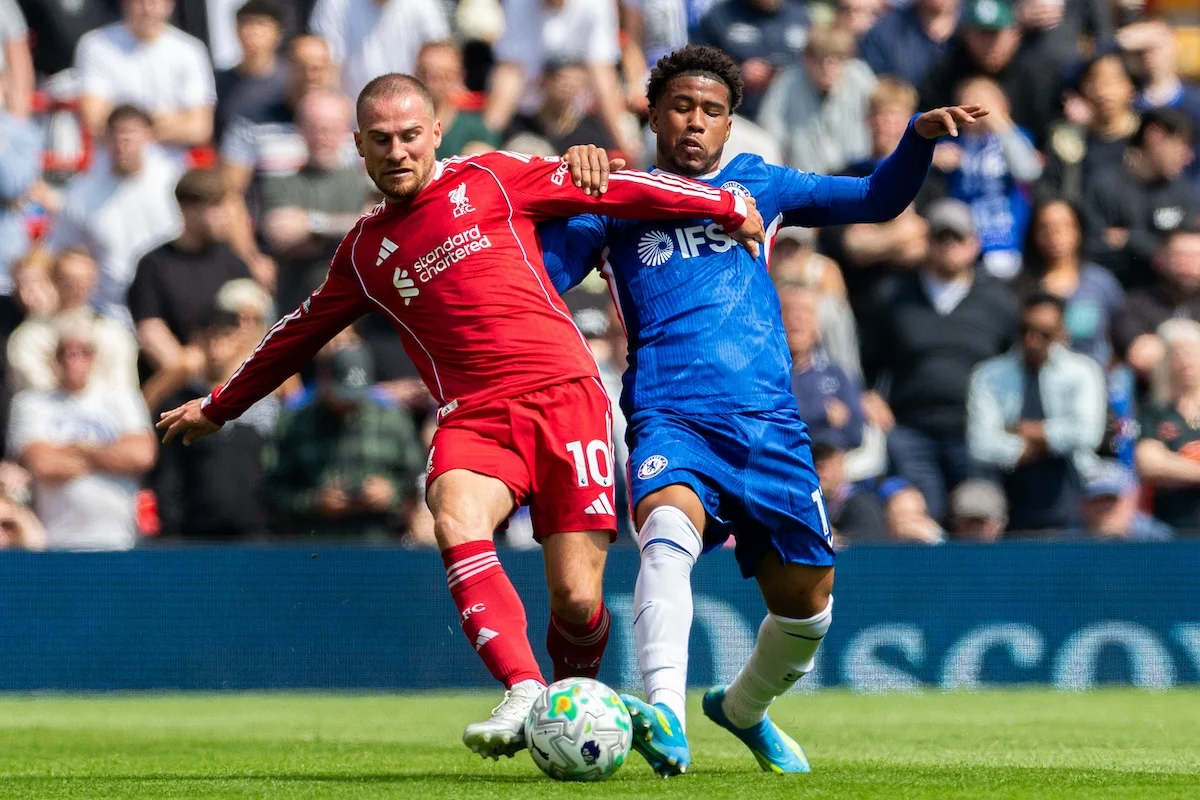 The first major contest will begin whenever Chelsea attempt to play out from the back.
Liverpool’s recent performances suggest that aggressive pressure, quick recoveries and forward movement can be important features of their approach under Andoni Iraola. Their 2–0 win over Brighton offered encouragement, particularly because the team scored twice in the first half and preserved its clean sheet despite Brighton creating opportunities of their own.
However, pressing is not simply about running towards the ball. It requires coordinated movement, intelligent positioning and a clear understanding of which passing options the opposition should be allowed to use.
That distinction could be crucial in this Liverpool vs Chelsea encounter.
How Liverpool can create pressure
Liverpool could begin by directing Chelsea’s possession towards one side of the pitch. A forward might close down the centre-back from an angle that discourages a pass into midfield, forcing the defender to play towards the full-back.
Once the ball moves wide, Liverpool’s winger, central midfielder and full-back can move together to reduce the available space. The objective is to make Chelsea’s next decision difficult and, ideally, recover possession close to the opposition penalty area.
A successful high press offers several advantages:
- It can create chances before Chelsea’s defensive structure is fully organised.
- It can force inaccurate passes and hurried clearances.
- It can prevent Chelsea’s creative players from receiving the ball facing forward.
- It can energise the Anfield crowd and sustain pressure during important periods.
Liverpool will nevertheless need to balance aggression with defensive discipline. If one player presses without support, Chelsea could bypass that individual and find a free teammate behind the first line.
A high press becomes dangerous for the pressing team when its forwards advance but its midfielders remain too far away to challenge the next pass. The opposition can then play through the first line and attack a defence that has been stretched.
Chelsea’s solution: patience, movement and direct passes
Alonso’s response should depend on how Liverpool organise their pressure.
If the hosts close down the centre-backs aggressively, Chelsea could use short combinations to create passing angles or switch the ball towards the opposite flank before Liverpool can move across.
The goalkeeper may also become an important participant in the build-up. By offering an additional passing option, he can help Chelsea create a numerical advantage against Liverpool’s first line of pressure.
But Chelsea should not insist on short passes simply because they want to dominate possession.
Sometimes the correct solution is a direct pass towards a forward who can protect the ball, win a challenge or direct it into the path of a supporting midfielder. A team that recognises when to play through pressure and when to go over it becomes more difficult to predict.
The danger for Chelsea is repeatedly trying to play through congested central areas. If their midfielders receive the ball with their backs to goal and limited support, Liverpool could trap them and recover possession in dangerous territory.
The importance of the second ball
Direct play is only useful if Chelsea are prepared to compete for the ball that follows the initial pass.
If a forward challenges a Liverpool centre-back but no Chelsea midfielder moves close enough to collect the loose ball, the home side may regain possession immediately. Liverpool could then launch another attack while Chelsea’s players are still moving forward.
Chelsea therefore need compact distances between the defence, midfield and forward line. Their midfielders must anticipate where the ball is likely to land, rather than waiting until the duel has finished.
Liverpool face a similar responsibility when they press. Their defensive line must be ready for balls played behind the midfield, and their central defenders need to recognise when to step forward and when to protect the space behind them.
The key tactical question is whether Liverpool can force Chelsea into mistakes without giving the visitors an easy route through the press.
If the home side repeatedly wins the ball in advanced positions, it could control the match territorially. If Chelsea bypass the pressure consistently, the visitors may be able to create dangerous counterattacks and reduce Liverpool’s ability to sustain attacks.
Liverpool vs Chelsea Tactical Battle 2: How Will Alonso Replace Palmer’s Creativity?
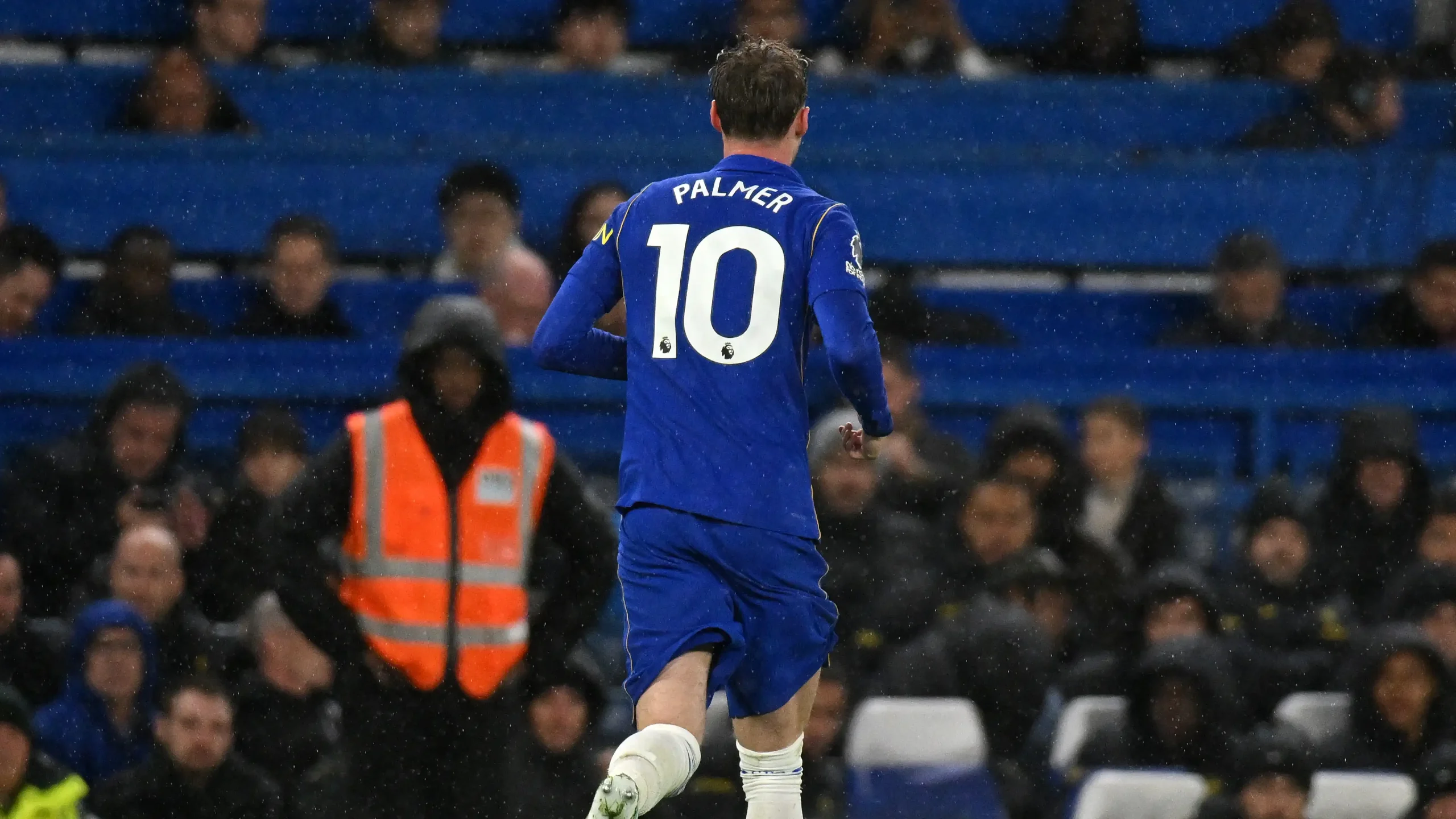 Cole Palmer’s suspension is one of the most important selection issues ahead of the match.
Palmer was sent off during Chelsea’s 2–0 defeat to Tottenham after receiving two yellow cards. His absence removes a player who can contribute through chance creation, combination play, ball carrying and intelligent movement in advanced areas.
Replacing those qualities requires more than selecting another attacking midfielder. Chelsea must decide how to distribute Palmer’s responsibilities across the available players.
For Alonso, this is an opportunity to demonstrate whether his attacking structure can remain effective when a central creative figure is unavailable.
Why Palmer’s role matters beyond goals
An attacking player’s influence cannot be measured solely by goals and assists.
SEE ALSO: Xabi Alonso Chelsea System: Why 12 Goals Conceded?
Palmer can receive the ball between midfield and defence, turn towards goal, combine with a forward or move into a half-space to create a passing angle. His presence can also attract defenders, opening space for teammates to attack.
Without him, Chelsea must find another way to connect their midfield possession with their forward line.
If no player consistently occupies those central pockets, Chelsea could become too dependent on wide attacks. Their wingers might receive the ball far from goal, with several defenders positioned between them and the penalty area.
That would make it easier for Liverpool to defend compactly and force Chelsea towards low-probability crosses.
The alternative is to distribute creative responsibility across multiple players. One midfielder could carry the ball forward, another could make progressive passes, and a forward could drop into space to connect the attack.
This approach would require clear positioning and coordinated movement, but it could make Chelsea less predictable.
Could Estêvão become a central attacking outlet?
Estêvão Willian is one potential source of attacking imagination. His dribbling and ability to take on defenders could help Chelsea progress the ball when Liverpool block central passing lanes.
However, asking a young player to replace Palmer’s entire contribution would be unrealistic. Estêvão can offer a different kind of threat, but the wider team must create the conditions for him to succeed.
Chelsea could give him opportunities to receive the ball one-on-one, with a supporting midfielder nearby to offer a short passing option. A full-back overlapping outside him could force Liverpool’s defender to choose between following the runner and confronting the ball carrier.
These movements could create the space Estêvão needs to attack defenders.
The danger is isolation. If Chelsea leave him alone against two Liverpool players, his technical quality may not be enough to sustain possession or create a meaningful chance.
The same principle applies to other attacking options. Neto can offer direct running and width, while Morgan Rogers can provide movement between the lines or operate closer to goal. The final selection will determine which combinations are possible.
The João Pedro question
Chelsea’s centre-forward situation also deserves attention.
João Pedro missed the Tottenham game with an injury sustained in training, according to Chelsea’s official match report. His availability for Liverpool should be checked against the latest club update before publication.
If he is unavailable, Alonso must choose between using a recognised striker and adjusting the shape of the attack.
A natural centre-forward can occupy the centre-backs, provide a target for direct passes and create room for attacking midfielders by moving across the defensive line. Without that reference point, Chelsea may struggle to keep the ball in the final third.
A more mobile forward line can still be effective, especially if players exchange positions quickly. But it needs a clear plan for who occupies the penalty area and who attacks crosses from wide areas.
If several players repeatedly drop towards the ball, Chelsea may have plenty of possession but insufficient presence in front of goal.
How Liverpool can exploit Chelsea’s creative uncertainty
Liverpool will want to prevent Chelsea’s remaining playmakers from receiving the ball in dangerous central positions.
The midfielders can narrow the passing lanes, while the defenders maintain a compact line behind them. If Chelsea are forced to play wide, Liverpool can move across as a unit and challenge crosses.
However, the home side must not overcommit to blocking the middle. If Liverpool’s defensive midfielders move too far towards the ball, Chelsea could exploit the space behind them with a quick pass or a run from deep.
Liverpool must therefore defend the passing options as well as the player in possession.
Chelsea’s challenge is to replace Palmer’s influence collectively, while Liverpool’s task is to make the visitors’ alternative attacking structure uncomfortable from the opening minutes.
If Alonso establishes clear roles, Chelsea can still create opportunities. If the attack lacks coordination, Liverpool could dominate possession recoveries and restrict the visitors to hurried attempts from wide areas.
Liverpool vs Chelsea Tactical Battle 3: Can Isak Punish Chelsea’s Defensive Organisation?
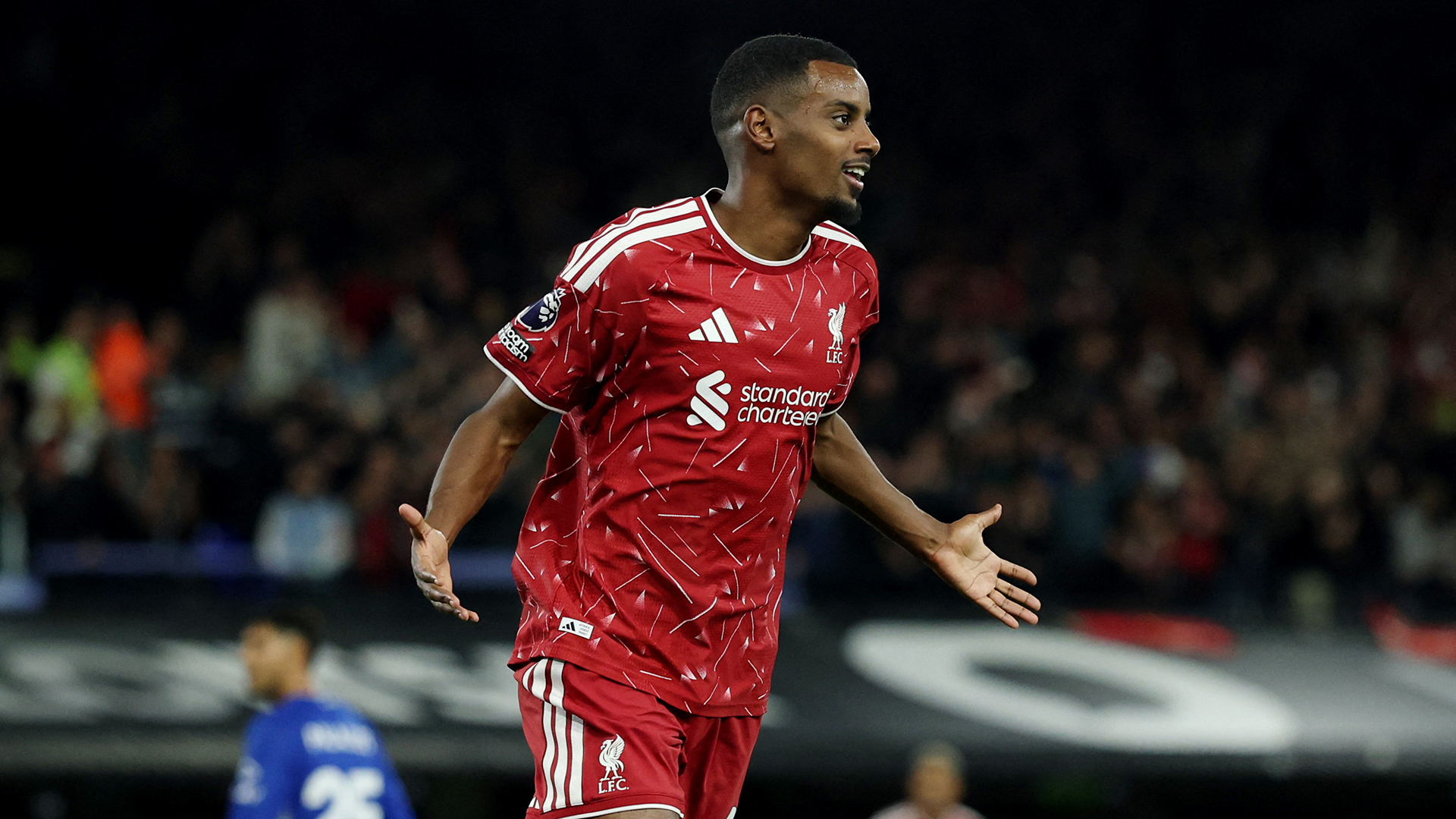 Alexander Isak gives Liverpool a different kind of attacking threat.
The Swedish striker scored in the 2–0 win over Brighton on 25 October, converting a delivery from Bradley Barcola after Liverpool had moved into a promising attacking position. The goal followed Florian Wirtz’s earlier effort, which deflected into the net off Pascal Groß.
The result extended Liverpool’s run of victories in all competitions, according to the club’s official match report. It also offered evidence that Liverpool can combine attacking movement with a more controlled defensive performance.
Isak’s role could be especially important against Chelsea because his movement may force the visitors’ defenders to make difficult decisions.
Why striker movement matters
A striker does not need to touch the ball frequently to influence a match.
A run behind the defence can force centre-backs to retreat. A movement towards the near post can create space for a teammate arriving at the far post. Dropping into midfield can draw a defender forward and open a channel for a winger.
Isak can threaten through these different movements, giving Liverpool options beyond simply crossing towards a stationary centre-forward.
Chelsea must decide whether their centre-backs should follow him closely or maintain their defensive positions and rely on midfield support to limit the service.
If the defenders follow Isak too aggressively, Liverpool may create space behind them. If they allow him to receive the ball in front of goal without pressure, he could turn and create a shooting opportunity.
The balance between these choices is one of the most important defensive questions for Chelsea.
How Liverpool can use the wings
Liverpool can make Isak more dangerous by stretching Chelsea’s defensive shape.
A winger holding the touchline can force Chelsea’s full-back to move wide. A midfielder can then occupy the half-space, creating an additional passing option between the full-back and centre-back.
Once the defence shifts towards the ball, Liverpool can deliver a low cross, play a pass into the channel or switch play towards the opposite side.
The objective is not to cross as often as possible. It is to create situations in which the striker receives the ball with defenders moving towards their own goal and limited time to organise.
Barcola’s delivery for Isak against Brighton illustrated the value of getting the ball into the penalty area at the right moment. Liverpool will hope to reproduce that type of combination against Chelsea.
Chelsea must protect the space around the centre-backs
The visitors cannot leave their defenders isolated against Liverpool’s forward line.
Their defensive midfielders need to recognise when to drop towards the back four and when to challenge Liverpool’s advancing midfielders. Full-backs must also decide whether to follow Liverpool’s wide attackers or remain close enough to protect the penalty area.
If the full-backs move too far forward, Liverpool could exploit the space behind them. If they remain too deep, Liverpool’s wingers may receive the ball without pressure and deliver crosses into the box.
Chelsea therefore need a clear defensive plan that considers the ball, the runners and the spaces between the lines.
Set pieces will be another important consideration. In a knockout match, one poorly defended corner can change the entire contest. Chelsea must maintain their assignments, challenge for the first ball and prepare to clear the second ball rather than assuming the danger ends with the initial delivery.
Can Liverpool prevent counterattacks?
The home side must also consider the consequences of committing players forward.
If Liverpool send both full-backs high up the pitch and lose possession, Chelsea could attack the space behind them. Even without Palmer, the visitors have players capable of carrying the ball at speed and moving into open areas.
Liverpool therefore need sufficient defensive cover when attacking.
One midfielder may need to remain behind the ball, while the centre-backs maintain a position that allows them to defend the channels. The nearest players should press immediately after losing possession, attempting to prevent Chelsea from making the first forward pass.
This balance between attacking numbers and defensive protection will determine how confidently Liverpool can commit players into the final third.
Liverpool’s attacking opportunity lies in Isak’s movement and the quality of their wide service. Chelsea’s opportunity lies in remaining compact and turning Liverpool’s attacking commitment into counterattacking space.
Liverpool vs Chelsea Tactical Battle 4: Midfield Control, Rotation and Late-Game Decisions
 The fourth battle concerns the area where many matches are won or lost: midfield.
Liverpool have players capable of connecting possession with forward movement, while Chelsea can call on technically capable midfielders to protect the defence and move the ball into attacking areas.
The result may depend on which side controls the spaces around the ball rather than which team completes the most passes.
Liverpool’s midfield must control transitions
Alexis Mac Allister can help Liverpool connect their defensive and attacking phases, while Ryan Gravenberch offers the ability to carry the ball and cover ground. Their exact roles will depend on the starting formation and the players selected around them.
Liverpool need their midfielders to recognise when to advance and when to protect the defence.
If too many players move forward at the same time, Chelsea could exploit the spaces left behind. If the midfield remains too deep, Liverpool may struggle to support the press or provide passing options close to Isak.
The best solution is coordinated movement. One player can move forward to support the attack while another remains in a position to protect against the counterattack.
The midfielders must also be prepared to defend after losing the ball. An immediate counter-press can prevent Chelsea from escaping pressure, but it needs support from the forwards and full-backs.
Chelsea’s midfield must offer both security and progression
Moisés Caicedo can provide defensive protection, while Romeo Lavia may offer another option if available and selected. Chelsea’s final midfield configuration will depend on fitness and the manager’s assessment of the players best suited to the occasion.
The visitors need a balance between stopping Liverpool’s transitions and progressing the ball towards the attacking players.
If Chelsea’s midfielders focus only on defensive duties, the team may struggle to move the ball forward and could spend long periods under pressure. If they all advance together, Liverpool could exploit the spaces in front of Chelsea’s centre-backs.
Chelsea need at least one midfielder to provide a reliable passing option under pressure and another to support the attack without abandoning defensive responsibilities.
That balance becomes particularly important when Palmer is absent. His movement often helps connect midfield possession with the final third, so other players must be prepared to take on greater responsibility.
Rotation could change the match
Liverpool’s upcoming Premier League fixture against Arsenal on Sunday, 1 November, creates a selection challenge for Iraola.
The manager must balance the opportunity to reach the Carabao Cup quarter-finals against the physical demands of another important match. Rotation could give fringe players and younger squad members an opportunity, but too many changes might weaken the relationships that help the team press and defend effectively.
Liverpool’s recent victory over Brighton included several changes compared with their Champions League line-up. The official report lists Isak, Wirtz, Milos Kerkez and Barcola among those restored to the starting XI.
The match also featured substitutions for Trey Nyoni, Rio Ngumoha and Lewis Koumas, demonstrating that Liverpool have options they can use as the game develops.
Chelsea face a similar challenge. Their next league fixture is against Manchester United on Saturday, 31 October. Alonso must therefore consider how much physical and tactical energy his players can commit to the cup tie.
The managers will need to make substitutions based on the state of the match rather than follow a rigid plan.
If Liverpool lead, they may seek to maintain control and reduce the number of transitions. If Chelsea trail, Alonso may introduce additional attacking players, but doing so could leave his defence exposed.
The direct penalty shootout changes late-game calculations
The Carabao Cup fourth round does not require extra time before penalties. If the match remains level after 90 minutes, the teams go directly to a shootout under the competition format.
That rule changes the decisions managers face in the closing stages.
A team that is level in the final minutes must decide whether to commit more players forward in pursuit of a winner or protect its defensive shape and prepare for penalties.
The decision depends on the available players, the opponent’s weaknesses and the risks involved in losing possession.
Managers may also need to consider which players are likely to remain on the pitch and who would be suitable penalty takers. A substitution made late in the match could be influenced by the possibility of a shootout as well as the need for fresh legs.
Neither team should assume that a late goal is inevitable. In knockout football, controlling emotions and making disciplined decisions can be as important as producing moments of individual quality.
The fourth battle may ultimately be decided by game management: which manager makes the better choices when the match becomes physically demanding and the margin for error disappears?
Team News: What Liverpool and Chelsea Must Confirm Before Kick-Off
 Team news can influence every tactical prediction, especially when a cup fixture falls between important league matches.
The following points should be checked against official club updates and the confirmed starting line-ups before publication.
Liverpool: Isak, Wirtz and the balance of the attack
Isak’s recent goal against Brighton makes him a natural focus of the preview, but the final selection remains a managerial decision.
Liverpool also need to assess Florian Wirtz’s condition. He featured against Brighton before being substituted, and any concern about his fitness could affect the way Liverpool create chances between the lines.
If Wirtz is available, Liverpool could use him to link midfield possession with the forward line. If he is unavailable or begins on the bench, the team may need to rely more heavily on wide combinations and forward runs from midfield.
The manager must also consider whether to start Barcola and Gakpo together, use a younger player in a wide role or preserve some attacking options for the Arsenal fixture.
The key issue is not simply choosing the strongest available eleven. It is selecting a group capable of pressing, attacking and recovering defensively as a unit.
Chelsea: Palmer’s suspension and João Pedro’s fitness
Palmer’s suspension is confirmed following his dismissal against Tottenham. His absence forces Chelsea to reconsider the structure of their attack.
João Pedro missed the Tottenham match with an injury, so his status must be checked before the final team prediction is published. If he remains unavailable, Alonso must decide whether to select a recognised centre-forward or adjust the formation.
Chelsea’s defensive and midfield availability should also be reviewed. A change at full-back or centre-back can affect how confidently the team defends wide attacks and how effectively it plays out from the back.
The confirmed starting line-ups will provide the clearest indication of each manager’s priorities. Until then, predicted formations and player combinations should be labelled as possibilities rather than facts.
Why the bench could matter
The match may be decided by the players introduced after the opening hour.
A fresh winger can challenge a tiring full-back. A defensive midfielder can help protect a lead. A forward with different movement can disrupt centre-backs who have become comfortable defending against one style of attack.
The quality of the bench matters, but so does the timing of the substitutions.
Introducing a player too late may leave insufficient time for that player to influence the game. Making an attacking change too early can expose the team if the match remains finely balanced.
Liverpool and Chelsea must therefore prepare for several possible scenarios rather than focus exclusively on the starting eleven.
Historical and Psychological Context: Why Anfield Can Matter
Anfield is not a guarantee of victory, but playing at home can influence how a team approaches a knockout match.
Liverpool’s supporters can create an intense atmosphere, particularly when the team presses aggressively, wins second balls and attacks quickly after recovering possession. That energy can encourage the home side to sustain pressure and may increase the difficulty of making calm decisions for the visiting team.
However, atmosphere alone does not determine results.
Chelsea must avoid becoming distracted by the environment. The visitors need to maintain their defensive distances, communicate clearly and resist the temptation to force an attacking pass simply because the crowd is demanding a response.
A composed opening period could be valuable for Alonso. If Chelsea keep possession, defend set pieces effectively and prevent Liverpool from creating early chances, they may gradually reduce the emotional intensity of the contest.
Liverpool, meanwhile, must turn home advantage into disciplined football. Pressing too aggressively or attempting to score too quickly could give Chelsea the counterattacking opportunities they need.
The opening 15 to 20 minutes may therefore provide an important indication of how the match will develop.
If Liverpool establish pressure early, Chelsea may be forced to defend deeper than they would prefer. If the visitors can play through the first line and threaten the space behind Liverpool’s full-backs, the home side may need to adjust its pressing approach.
Psychological control is not separate from tactics. It influences whether players stick to their roles when the match becomes difficult.
The Wider Stakes: What Progression Would Mean for Each Club
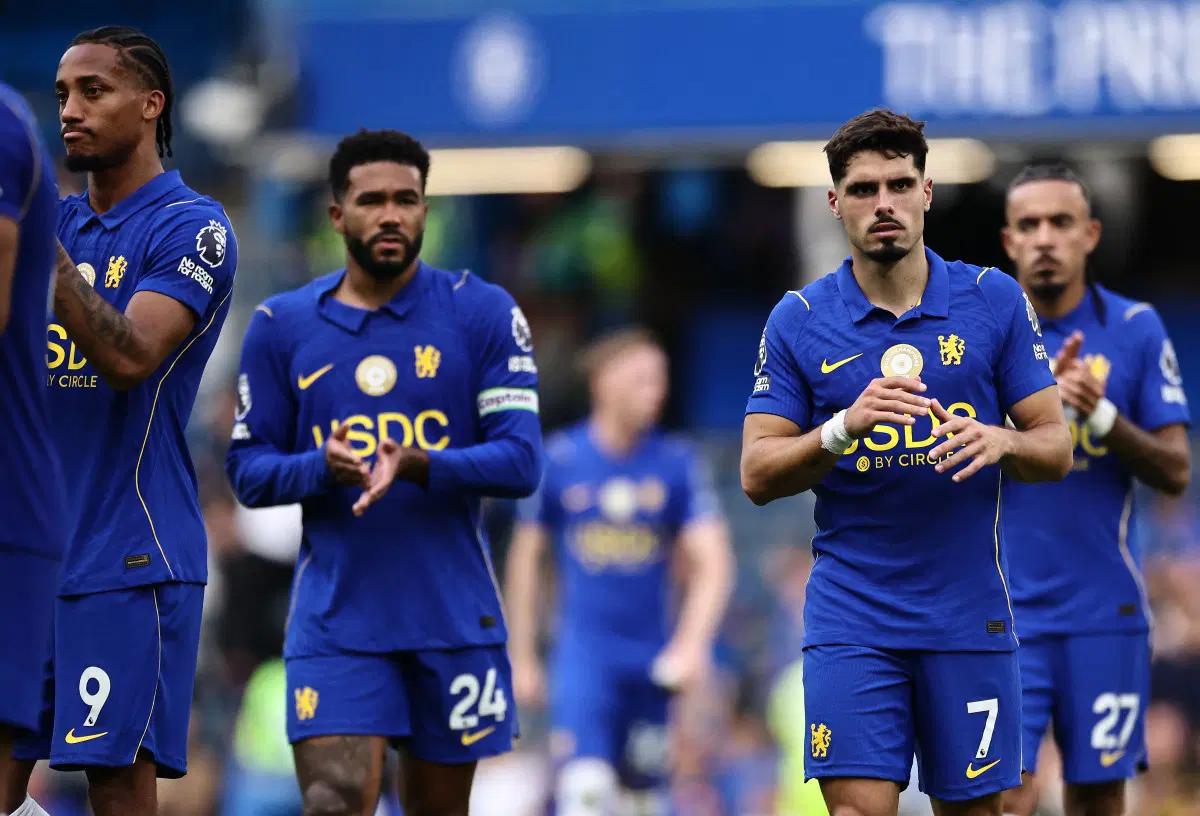 The Carabao Cup may not carry the same prestige as the Premier League or Champions League, but progressing to the quarter-finals would still be valuable for both clubs.
For Liverpool, a victory would offer another opportunity to build confidence under Iraola. The team’s recent win over Brighton provided a positive result at Anfield, and a successful cup performance could reinforce the value of its pressing and transition game.
However, Liverpool should not judge their progress solely by the result. The ability to control the match, defend leads and manage rotation will be important throughout the season.
For Chelsea, the match offers a chance to respond after losing to Tottenham. A disciplined performance would show that Alonso’s team can adapt to setbacks and compete without one of its most influential attacking players.
Victory would not automatically solve Chelsea’s creative questions or prove that their wider tactical structure is complete. It would, however, provide evidence that the team can find alternative solutions when important players are unavailable.
The fixture is also an opportunity for squad members who do not always start league matches. Strong performances in the cup can increase competition for places and give the manager more confidence in his options.
Yet rotation must be managed carefully. Younger players need clear responsibilities, while experienced players must help maintain organisation when the match becomes tense.
The best cup teams are not necessarily those that make the fewest changes. They are the teams that maintain their identity despite changes in personnel.
Four Match Scenarios That Could Decide Liverpool vs Chelsea
Several possible match patterns could determine which side advances.
Scenario 1: Liverpool score early
An early Liverpool goal would place pressure on Chelsea to take greater attacking risks.
The visitors might push their full-backs forward, move additional players into the final third and attempt to increase the tempo. That could create space for Liverpool to exploit on the counterattack.
Chelsea would need to remain patient. A rushed response could produce turnovers and allow Liverpool to create further chances.
Scenario 2: Chelsea survive the opening pressure
If Chelsea defend well during the opening period and consistently bypass Liverpool’s press, the visitors could gain confidence.
Liverpool might then have to reduce the intensity of their pressure to avoid being played through. That could give Chelsea more opportunities to establish possession and move their attacking players into dangerous positions.
For Alonso, the challenge would be to ensure that possession produces chances rather than becoming an end in itself.
Scenario 3: The match remains level after an hour
A level scoreline after 60 minutes would increase the importance of substitutions and game management.
Both managers would need to decide whether to introduce fresh attacking players or preserve their defensive structure. The possibility of a penalty shootout would also influence their choices.
The team that maintains its concentration and avoids unnecessary mistakes could gain a decisive advantage.
Scenario 4: One side loses a key player during the match
An injury or further disciplinary problem could force either manager to change the system.
If Liverpool lose a creative midfielder, they may need to attack more directly. If Chelsea lose a defensive player, Alonso could have to alter the shape of the back line or protect the affected area with an additional midfielder.
Adaptability would become essential. A team that can adjust its structure without losing its organisation is better equipped to handle unexpected situations.
The Football Xtra Verdict: Who Has the Tactical Advantage?
Liverpool have reasons to approach the contest with confidence. They will play at Anfield, arrive after a 2–0 victory over Brighton and have an attacking forward in Isak who has just found the net.
Chelsea’s task is more complicated because Palmer’s suspension removes an important creative option. João Pedro’s fitness also needs to be confirmed, while the manager must decide how to balance the cup tie with the next league fixture.
Nevertheless, Chelsea possess players capable of causing Liverpool problems if they can progress the ball cleanly and exploit the space behind the home side’s pressing structure.
The decisive factors are likely to be:
1. Pressing and build-up: Liverpool must pressure Chelsea without leaving open routes through midfield.
2. Creativity without Palmer: Chelsea need a coordinated attacking plan rather than relying on one player to solve every problem.
3. Isak and the defensive line: Liverpool must use intelligent movement and accurate deliveries to create high-quality chances.
4. Midfield and game management: Both teams need to control transitions and make sound decisions as fatigue increases.
Liverpool have a slight advantage because of home conditions and their encouraging recent result. But the outcome will depend on how effectively the teams execute their plans, not simply on their reputations.
For Alonso, the challenge is to show that Chelsea can remain dangerous and tactically coherent without Palmer. For Iraola, it is to convert Liverpool’s momentum into a controlled performance without allowing the cup tie to expose weaknesses in transition.
The best approach for Liverpool is likely to combine an organised press with carefully timed attacking runs. Chelsea’s most promising route may involve patient build-up, quick changes of direction and attacks that target the space left behind Liverpool’s advancing full-backs.
Ultimately, Liverpool vs Chelsea could be decided by which team handles pressure more intelligently. Liverpool have the home advantage, but Chelsea have enough quality to make the contest difficult if they remain organised and take their chances.
Will Liverpool’s pressing and attacking movement carry them into the Carabao Cup quarter-finals, or can Alonso find a new solution without Palmer and produce a statement victory at Anfield?
Share your prediction in the comments and follow The Football Xtra for more team news, tactical previews and detailed post-match analysis.