For Arsenal, the danger at Fleetwood is not simply facing a lower-league opponent. It is making the wrong selection decisions and giving an ambitious underdog an opportunity to turn a routine cup tie into an uncomfortable night.
The Fleetwood vs Arsenal Carabao Cup fourth-round tie takes place on Tuesday, 27 October 2026, at Highbury Stadium, with kick-off at 20:00 UK time. Arsenal arrive after a 2–0 Premier League victory over Everton, while Fleetwood are looking to produce another memorable cup result after eliminating Sheffield United 1–0 to reach the fourth round for the first time in their history.
The contrast between the clubs makes Arsenal favourites, but the tie is more complicated than the league positions might suggest. Fleetwood are competing in League Two, England’s fourth tier, and are among the lowest-ranked sides remaining in the competition. Yet their cup run demonstrates that they can prepare effectively for a single match against a stronger opponent.
Arsenal have their own objectives. Mikel Arteta must protect key players, manage injuries and keep his squad fresh ahead of a demanding schedule that includes a Premier League trip to Liverpool on Sunday, 1 November.
That creates a difficult balance. Too many changes could weaken Arsenal’s cohesion. Too few could expose senior players to unnecessary physical demands. Giving young talents responsibility could reward their development, but relying on inexperience across too many positions would increase the risk of an upset.
Arteta acknowledged the danger before the match, insisting that his players must respect the opponent and deliver the standards expected of Arsenal.
Here are five selection risks that could determine whether Arsenal progress comfortably or give Fleetwood a genuine opportunity to make history.
1. Fleetwood vs Arsenal: Could Arteta Rotate Too Many Players at Once?
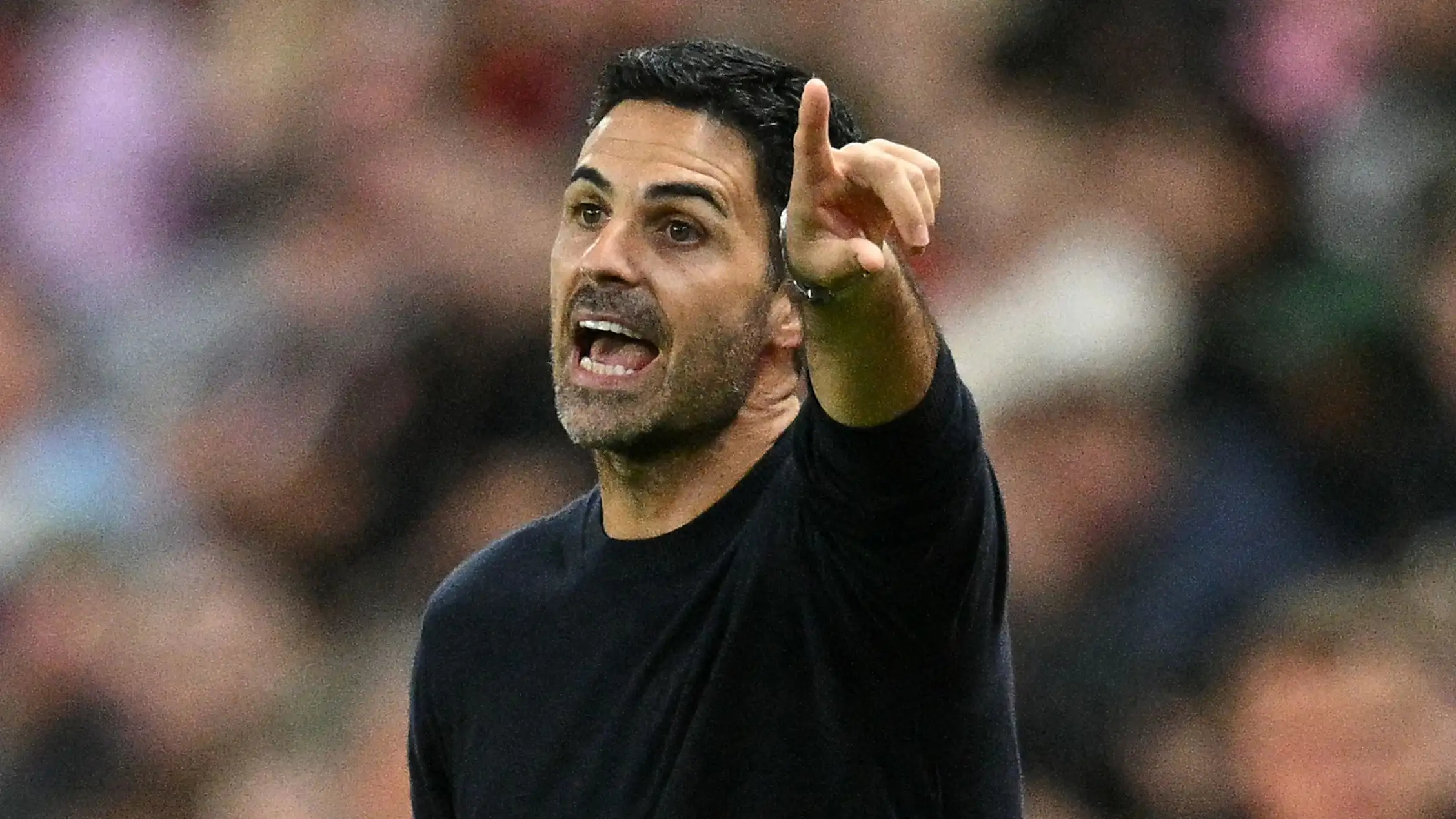 The first selection risk is excessive rotation.
Arsenal have good reasons to make changes. The team played Everton on Saturday, faced Bayern Munich in the Champions League earlier in the week and now have another important league fixture approaching. Repeating the same starting XI across such a demanding schedule would place unnecessary pressure on players who have already accumulated significant minutes.
However, rotating individual players is different from changing the entire structure of a team.
Why cohesion matters more than the names on the team sheet
Football depends on relationships between players. Centre-backs need to understand when a full-back will advance. Midfielders must know when to provide a passing option and when to remain behind the ball. Forwards need to anticipate one another’s movements.
These relationships are built through training and competitive minutes.
If Arteta changes too many positions simultaneously, Arsenal could lose some of their usual rhythm. A goalkeeper playing with unfamiliar defenders, for example, may need additional time to establish communication. A rotated midfield could also struggle to recognise when to press aggressively or when to retain possession.
That matters against Fleetwood because the home side will be motivated to make Arsenal uncomfortable.
The hosts do not need to dominate the match. They need to remain organised, compete for second balls and exploit moments when Arsenal’s combinations break down.
Arsenal’s previous cup performance against Ipswich offers encouragement. The Gunners won 4–2, demonstrating that their squad players can contribute to a productive attacking display. But conceding twice also shows why a rotated line-up must still maintain defensive discipline.
The selection challenge: Arteta must rest enough senior players to protect their fitness without removing too many of the relationships that make Arsenal effective.
A sensible approach would retain a stable central spine while rotating in selected positions. That would allow emerging players to gain experience while giving the team enough continuity to control the match.
2. Max Dowman: Can Arsenal Give Their Teenager Opportunity Without Overloading Him?
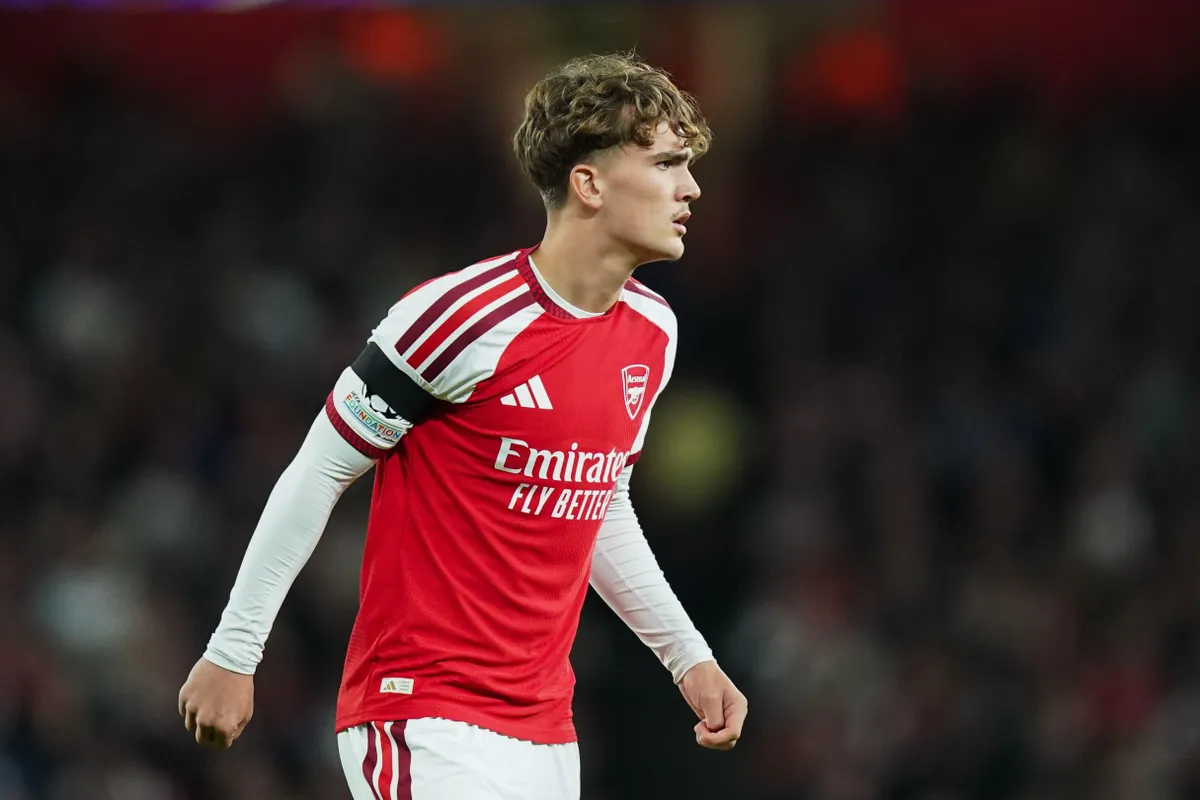 Max Dowman is one of the most intriguing selection questions ahead of Fleetwood vs Arsenal.
The teenage attacker impressed in the previous round against Ipswich Town, scoring twice in Arsenal’s 4–2 victory. His performance made him a strong candidate for further minutes as Arteta considers how to rotate his squad.
SEE ALSO: Arsenal Saka injury: 5 Reasons 16-Year-Old Dowman Could Explode
For a young player, another competitive cup appearance could be a valuable step in his development. But the manager must distinguish between offering an opportunity and making a teenager responsible for solving every attacking problem.
Why Dowman could be valuable against Fleetwood
Dowman’s directness and confidence in possession offer Arsenal a different attacking option.
Against a side defending with a compact shape, a winger who is willing to take on his opponent can force the defence to adjust. If the full-back needs support, another defender may be pulled away from the centre, opening space for a midfielder or striker to receive the next pass.
Dowman can also threaten by moving into the space behind the opposing defence. Those runs would be particularly important if Fleetwood push forward to pressure Arsenal’s build-up.
His involvement could help Arsenal create numerical advantages in wide areas rather than relying exclusively on patient passing around a settled defensive block.
However, one impressive cup performance should not become an unrealistic standard. Experienced defenders will study his movement, anticipate his preferred direction and attempt to limit the space in which he can operate.
The danger of placing too much responsibility on youth
A young attacker can contribute effectively without playing the entire match. Dowman could start, contribute during the first hour and then be replaced by an experienced forward if Arsenal need to change the game’s rhythm.
Alternatively, starting him on the bench could allow him to enter against tired defenders.
The right decision depends on his physical condition, training performances and the other players selected around him. His role must also suit the team’s tactical plan.
If Arsenal start several inexperienced players together, Dowman could receive fewer passes in useful positions or be forced to attempt difficult actions because the team lacks established combinations.
Arteta’s objective should be to create the conditions for Dowman to succeed, not simply to put him on the team sheet.
A successful performance would involve more than goals. His pressing, movement, decision-making and ability to follow the team’s defensive responsibilities would all be important indicators of progress.
3. Viktor Gyökeres: Is This the Right Match to Build His Confidence?
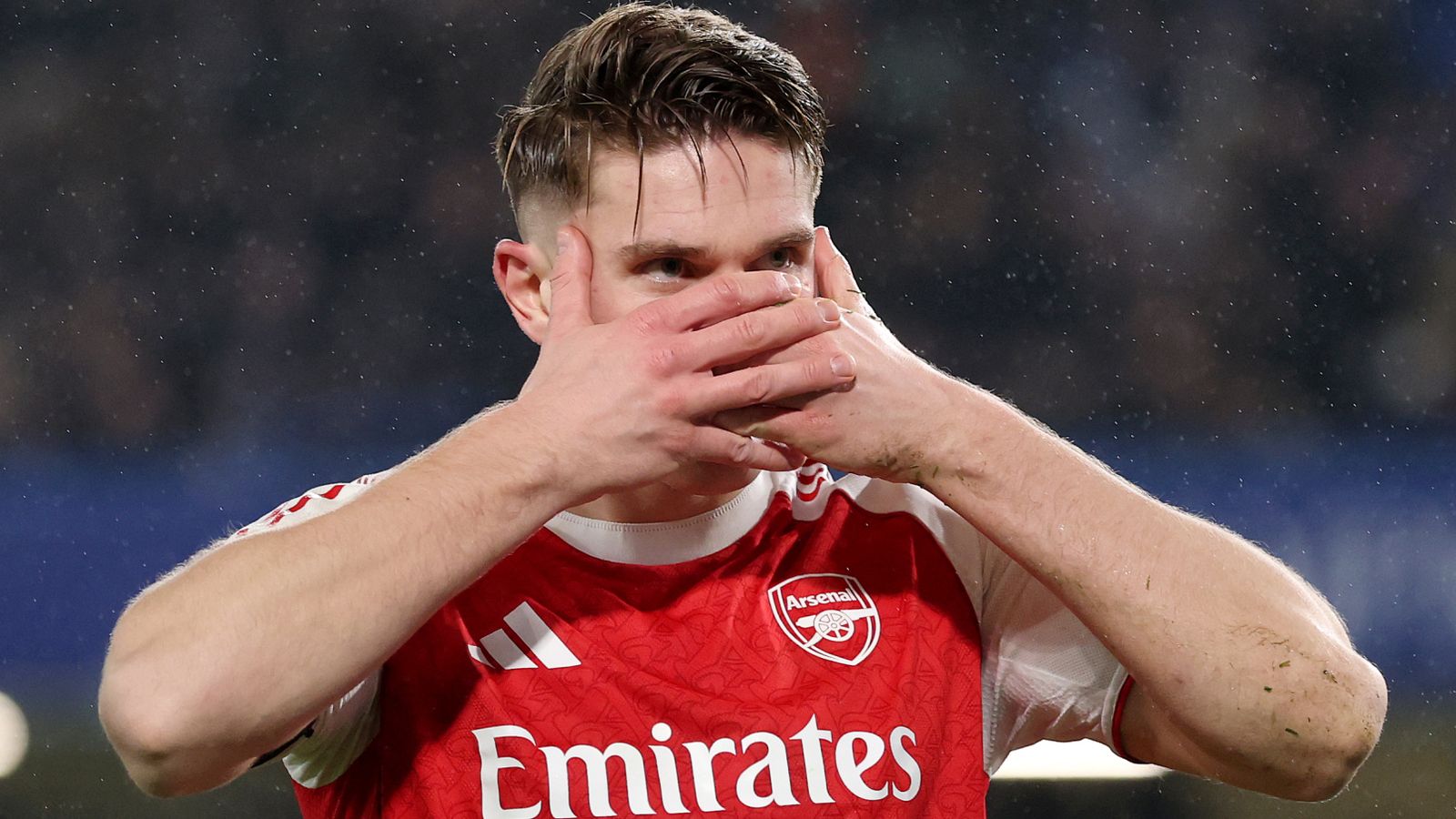 Another major selection question concerns Viktor Gyökeres.
The Arsenal striker is expected to be among the attacking options considered for the Fleetwood tie, and the match could give him an opportunity to strengthen his confidence in front of goal.
Arteta has defended Gyökeres’ recent contribution, saying that he was unlucky in several moments during the Everton match and praising the other work he produced for the team.
That matters because a striker’s contribution cannot be evaluated only by whether the ball crosses the goal line.
Why the match could suit Gyökeres
Against a lower-league opponent, Arsenal may enjoy more possession and spend longer periods in the attacking third. That could create opportunities for the striker to attack crosses, receive passes inside the penalty area and make runs behind the defence.
Gyökeres can also help Arsenal by occupying both centre-backs. If he uses his strength to hold up the ball and link play, teammates can advance around him and create additional attacking options.
The key will be the quality of Arsenal’s supply.
A striker can make the right run and still receive a poor pass. He can occupy a defender and create space for someone else without receiving the final ball himself. Those details should be considered when assessing his performance.
The pressure of needing a goal
Cup ties against lower-league opposition can become psychologically complicated for forwards who are searching for a breakthrough.
An early goal can make the match more comfortable, but repeated missed chances may create frustration. A striker might begin shooting from poor positions, taking unnecessary touches or abandoning the team’s wider attacking plan in an effort to score.
Arteta must therefore decide whether Gyökeres needs a start, a substitute appearance or a protected period of minutes.
If he starts, Arsenal should provide the service and movement required to give him a fair opportunity. If the game is comfortable, removing him before the final stages could protect his workload while allowing another attacker to gain minutes.
The important question is not simply whether Gyökeres scores. It is whether Arsenal use the match to improve his rhythm without placing the entire attacking burden on him.
A goal would be welcome, but a composed all-round performance would also represent progress.
4. Injuries and Senior Absences: Could Arsenal’s Defence Become Too Experimental?
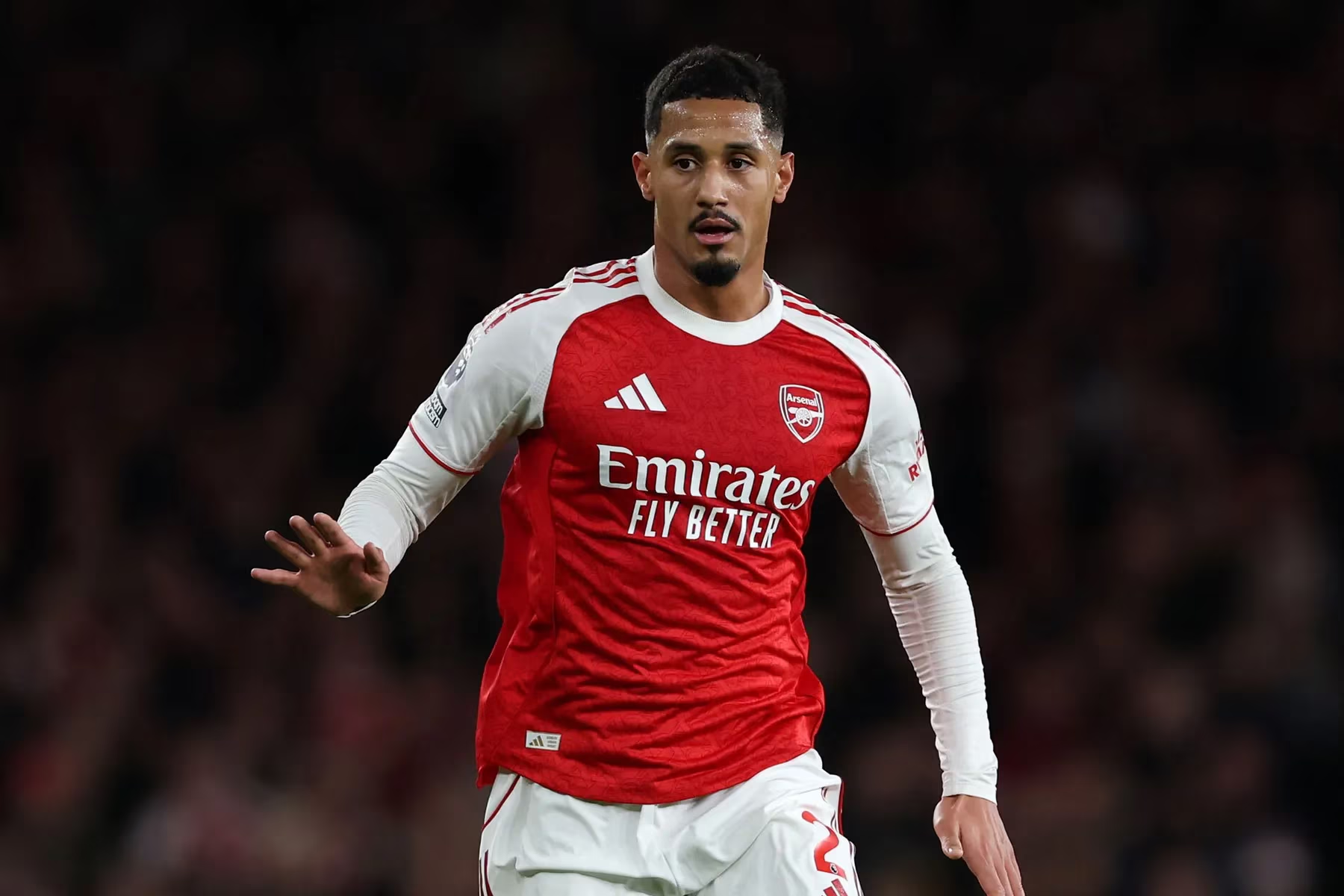 The fourth risk concerns Arsenal’s defensive selection.
Pre-match reporting lists Bukayo Saka as unavailable with a thigh injury and William Saliba as absent with a back problem. Declan Rice and Riccardo Calafiori have also been listed as doubtful in some previews, although the available reports differ on the details of Calafiori’s fitness. The official starting XI had not been announced at the time of writing.
These absences make rotation more complicated.
Why defensive balance must remain a priority
A centre-back partnership depends on communication, anticipation and familiarity. Defenders must decide when to step forward, when to cover a teammate and how to deal with runners arriving from different angles.
Changing several defensive positions at once can disrupt those relationships.
Arsenal might use the tie to provide minutes to Cristhian Mosquera, Piero Hincapié or young defender Marli Salmon, depending on availability and Arteta’s plans. Each could benefit from competitive experience, but the manager must ensure that the players around them provide adequate support.
The same principle applies in midfield.
If Rice is rested or unavailable, Arsenal will need another combination capable of protecting the defenders while retaining enough passing quality to build attacks. A midfield that pushes too far forward could leave the centre-backs exposed when possession is lost.
Fleetwood’s best route to an upset
Fleetwood are unlikely to want a prolonged open contest against Arsenal’s technical quality. A disciplined defensive shape, direct forward passes and determined work in the wide areas could be more effective.
The hosts may try to win free-kicks and corners, attack second balls and create pressure around Arsenal’s penalty area.
These situations become particularly dangerous when a rotated defence is uncertain about its assignments.
Arsenal must therefore defend set pieces with the same concentration they would show in a Premier League match. A lower-league opponent does not need many chances if one mistake is enough to change the tie.
The selection risk is not giving young defenders a chance. It is introducing them without the experienced support needed to make the team function as a unit.
Arteta must judge whether a rotated defence can maintain Arsenal’s usual standards or whether one senior defender should remain to provide leadership and stability.
5. Looking Ahead to Liverpool: Could Arsenal’s Schedule Influence the Wrong Decisions?
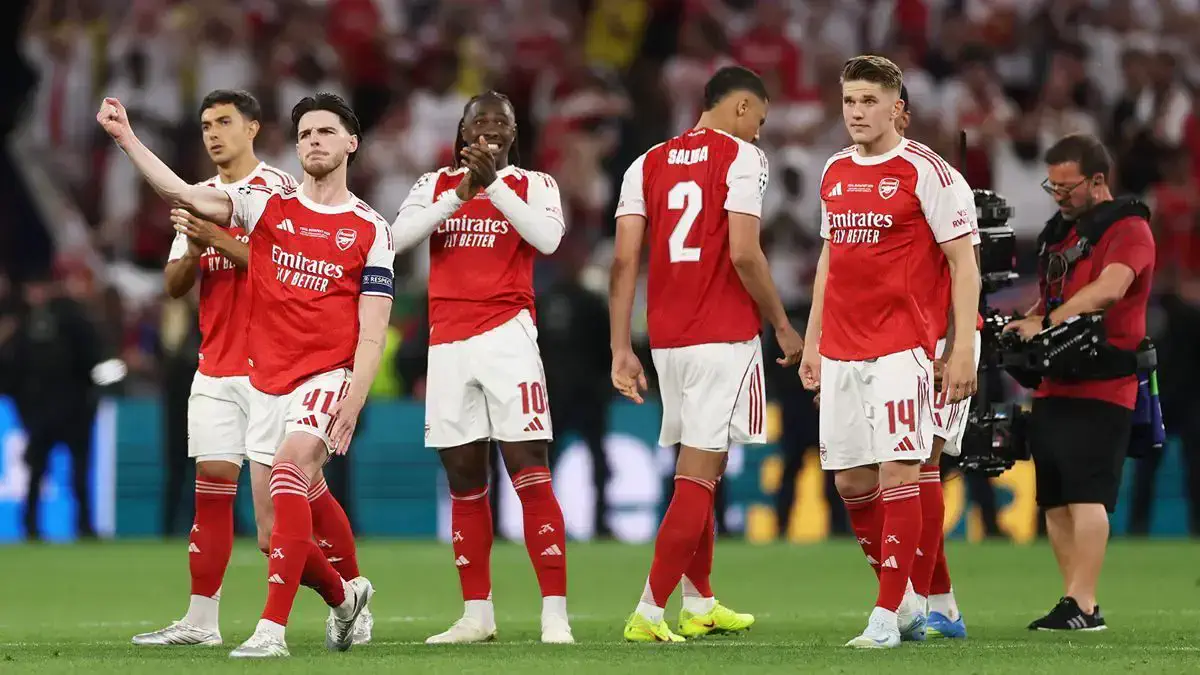 The final risk is allowing the weekend’s Premier League fixture to dominate selection decisions too heavily.
Arsenal travel to Liverpool on Sunday, 1 November. That is a major league assignment, and it is understandable that Arteta will want his most important players available and as fresh as possible.
But the Carabao Cup is also an opportunity to progress towards a trophy.
The danger of focusing too much on the next game
If Arsenal rest too many players because of Liverpool, they risk making the Fleetwood tie more difficult than necessary. A tight match could require senior players to come on late, potentially increasing their workload rather than reducing it.
An early concession could create even more urgency, forcing Arteta to turn to his strongest attackers and midfielders when he would have preferred to rest them.
On the other hand, playing key players for the full 90 minutes would undermine the purpose of rotation and increase their exposure to fatigue or injury.
The ideal solution is controlled rotation: select a team that can win, use substitutions according to the match situation and avoid unnecessary minutes for players managing fitness concerns.
Why the first goal could shape the entire evening
If Arsenal score early, the home side may have to abandon a cautious defensive plan. That would create more space for Arsenal’s forwards and potentially make the match easier to manage.
If Fleetwood keep the game level deep into the second half, pressure will increase. Arsenal could begin forcing passes, rushing attacks or leaving space behind the defence.
The manager must prepare the team for both scenarios.
Arsenal also need to respect Fleetwood’s own achievements. The hosts reached this round by beating Sheffield United 1–0, while Arsenal won their previous tie 4–2 against Ipswich. Those results do not guarantee how either team will perform tonight, but they show that cup football can produce difficult games even when the teams come from different divisions.
The challenge is to protect the Liverpool objective without treating Fleetwood as a formality.
What Fleetwood Can Do to Make Arsenal’s Selection Decisions Look Risky
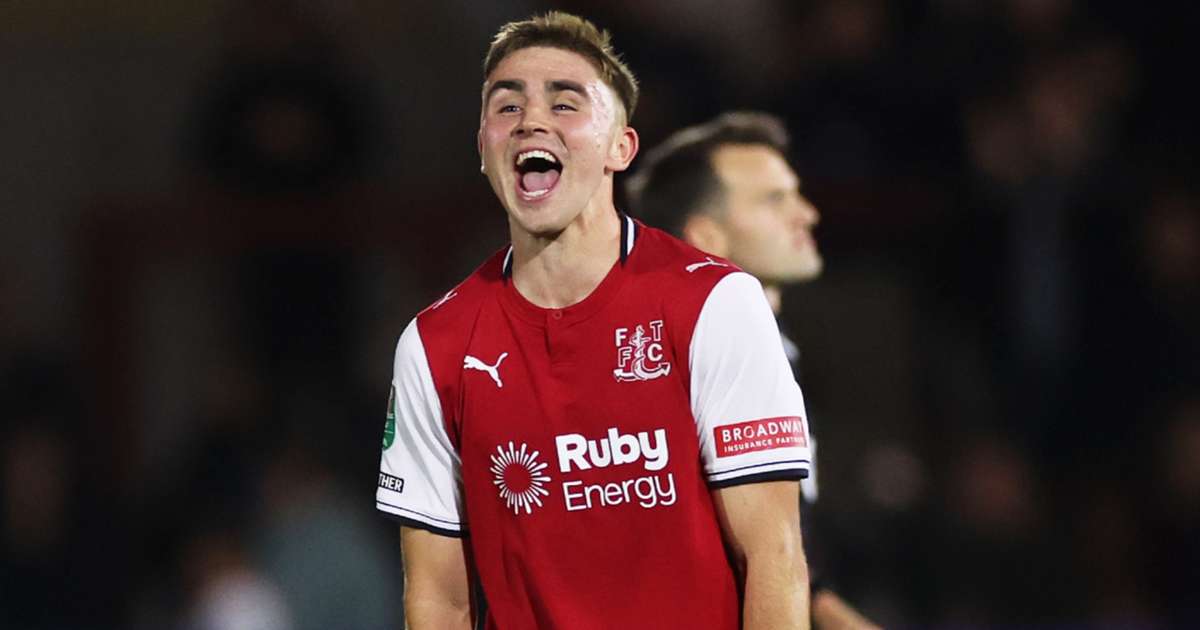 Fleetwood’s recent league form has been mixed. They lost 2–1 away to Exeter City on 24 October and 4–2 at Cheltenham Town on 20 October, but had beaten Rotherham United 2–0 shortly before those defeats.
Their league position should not overshadow the significance of reaching the fourth round. Eliminating Sheffield United was a meaningful achievement, and a home cup tie against Arsenal gives the players an opportunity to produce an even bigger result.
Fleetwood can make the match uncomfortable by remaining compact, pressing selectively and attacking the spaces left behind Arsenal’s full-backs. They should also be prepared to compete for second balls and deliver dangerous set pieces.
The hosts do not need to match Arsenal in possession. They need to remain disciplined long enough to create a few high-value opportunities.
For Arsenal, the answer is to play with tempo, move the ball quickly and avoid giving Fleetwood the belief that an upset is possible. The Gunners should use their technical superiority to create chances without losing the defensive balance needed to control counterattacks.
The Football Xtra Verdict: Five Selection Risks Arteta Must Manage
The Fleetwood vs Arsenal tie presents five key selection challenges:
1. Excessive rotation: Too many changes could weaken Arsenal’s cohesion and communication.
2. The Dowman decision: The teenager deserves opportunities, but he should not be expected to solve every attacking problem.
3. Gyökeres’ role: The striker needs useful service and a well-managed opportunity to build confidence.
4. Defensive selection: Injuries and possible rotation could force Arsenal into unfamiliar combinations.
5. The Liverpool distraction: Protecting senior players is important, but not at the expense of taking the cup tie seriously.
Arsenal remain favourites to progress. Their superior technical quality and recent results give them a clear advantage, but the safest route to victory is a balanced selection rather than wholesale changes.
Arteta has the opportunity to develop young players, protect key figures and move one step closer to another cup quarter-final. The decision is not about choosing between youth and experience; it is about combining them in a team capable of performing its responsibilities.
The real test of Arsenal’s squad depth is whether the team can win convincingly even when several of its biggest names are rested or unavailable.
A professional performance would allow Arteta to manage the squad and give emerging players valuable minutes. A disjointed one could turn a routine cup fixture into a much more demanding contest.
The Football Xtra prediction: Arsenal should have enough quality to progress, provided they maintain defensive concentration, avoid excessive rotation and take their chances. Fleetwood’s best hope is to keep the tie close and turn the final stages into a high-pressure contest.
Can Max Dowman and Arsenal’s second-string players deliver a convincing performance, or could Fleetwood produce the cup upset of the round? Share your prediction in the comments and follow The Football Xtra for team news, tactical previews and post-match analysis.