Manchester City’s season now has two clocks running at the same time. One is the football calendar, with Enzo Maresca trying to build a team capable of competing for the Premier League. The other is legal, after the club lodged an appeal against the independent commission ruling that found serious breaches of the competition’s financial rules.
The appeal does not erase the ruling. It moves the dispute into another stage, with City continuing to deny wrongdoing and challenging what they say are errors of law, principle and fact. For the club, the distinction matters. For the players, the manager and the transfer market, however, uncertainty can be just as influential as a final verdict.
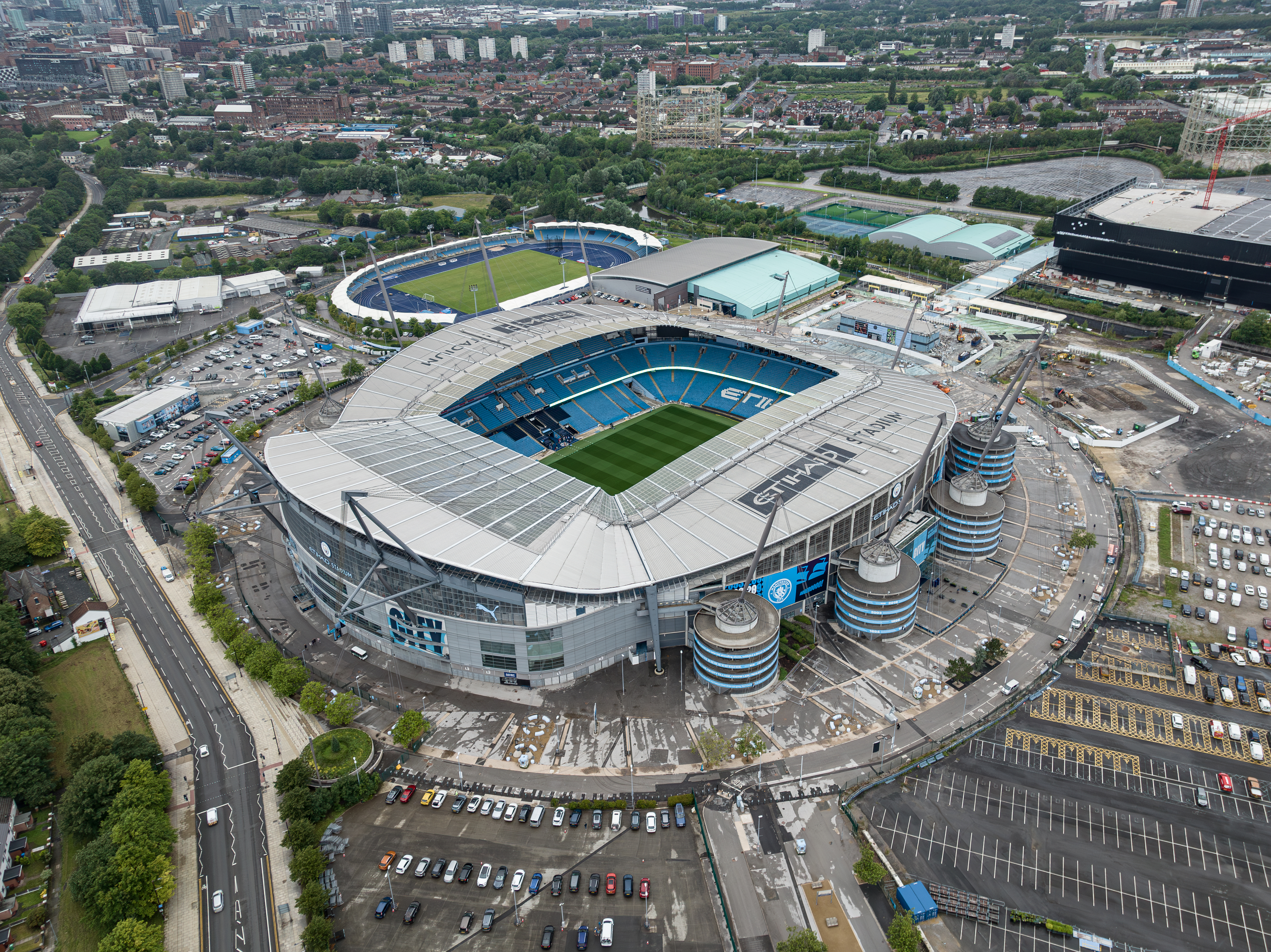
The appeal changes the timetable, not the pressure
The immediate effect of an appeal is that the biggest sporting consequences remain unresolved. That gives City room to keep functioning normally, but it also means every major decision around the squad now sits beside a question nobody inside football can answer with certainty: what will the final outcome look like?
That is why the next few months are about more than lawyers. Contract negotiations, recruitment plans and player conversations can all become more complicated when the future competitive environment is unclear.
Read Here: What the Manchester City charges ruling actually means.

Why the dressing room now matters
Elite players are used to noise around a club, but this is not normal transfer speculation or a poor run of results. It concerns the structure around the team. England manager Thomas Tuchel has already acknowledged that City-connected players are talking about the case while on international duty. That does not mean anyone is preparing to leave. It does show that the issue has travelled from the boardroom into football conversations.
Maresca’s challenge is therefore psychological as well as tactical. He must keep the squad focused on matches while the club’s legal team fights a parallel battle. The easiest way to control the mood is to win, because victories reduce the space in which uncertainty grows.
Haaland is the obvious name, but not the only one
Erling Haaland will naturally dominate any discussion about City’s future because he is their most valuable match-winner. But the wider question is about the entire core of the squad. Senior internationals have career timelines, commercial interests and ambitions that can be affected by long periods of uncertainty.
City’s best defence on that front is the same one they have used for years: provide an elite environment, compete for major trophies and convince players that the sporting project remains stable.
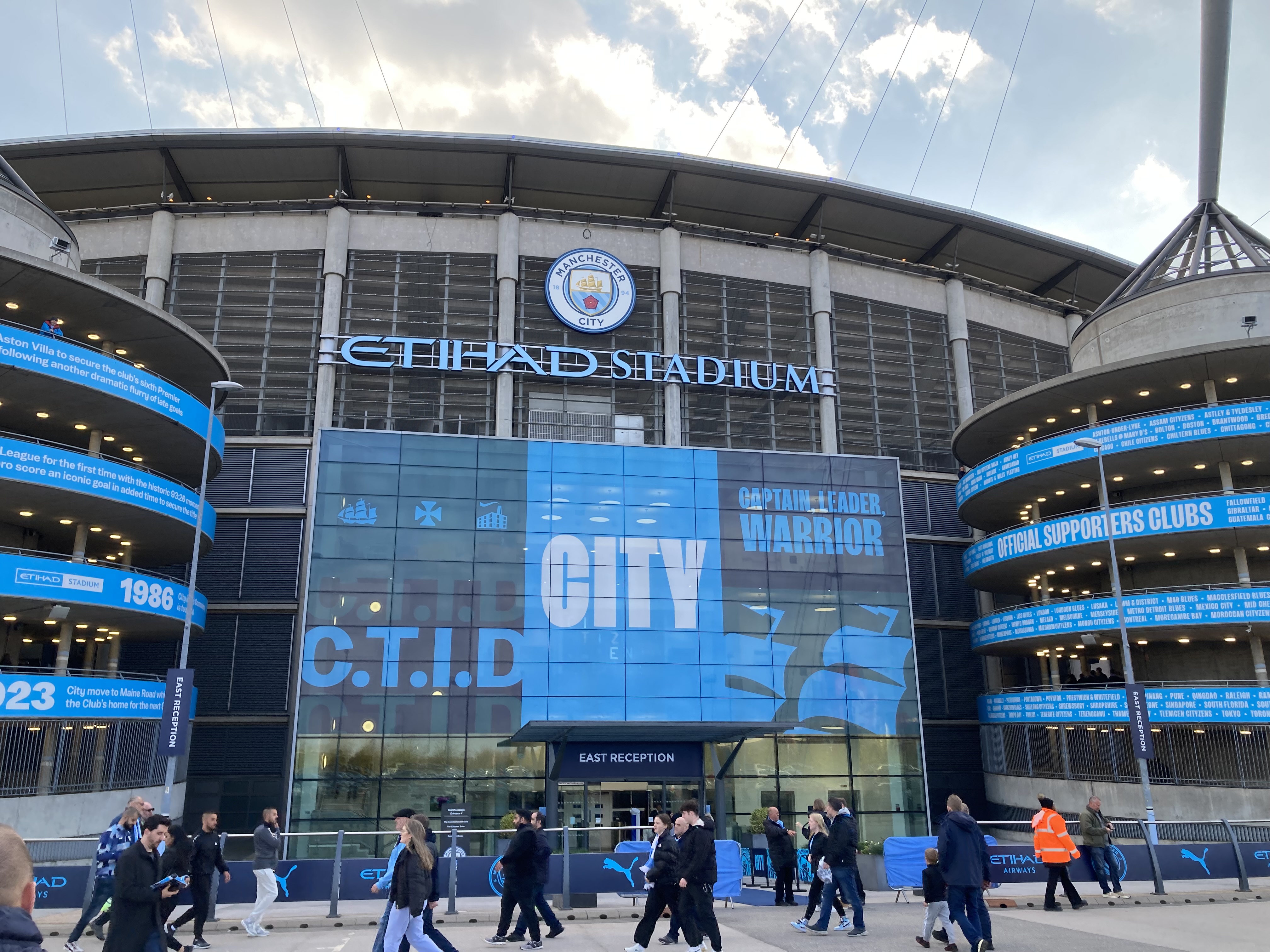
Maresca also has a football problem to solve
There is a danger that the legal story becomes an excuse for every imperfect performance. It should not. City’s football has its own questions. Maresca is reshaping a side that had already entered a period of transition, and his team still has to find the right balance between control and attacking speed.
The legal case does not explain a missed chance, a poor defensive transition or a bad selection. Those remain the manager’s responsibility. In fact, the situation makes strong football decisions even more important. A team that looks coherent on the pitch sends a message that the institution can separate the sporting operation from the dispute above it.

The transfer market could move before the legal case does
January may become the most revealing window. Clubs rarely wait for complete certainty if they believe there is an opportunity. Agents will test City’s position, rivals will monitor players and City themselves may have to decide whether to accelerate contract talks.
None of that means a fire sale is inevitable. It means the normal calculations become sharper. A player deciding between extending now or waiting six months has more information to weigh. A potential signing will want clarity about the sporting project. City will also have to judge whether spending heavily during an unresolved appeal strengthens the team or adds another layer of scrutiny.
For the Premier League, this is also bigger than one club. The final appeal will help define how financial regulation is enforced and how much confidence clubs can place in the system. Until then, City will continue to play under a spotlight that is not going away. The next 12 weeks may not settle every legal question, but they can still reshape the football decisions that follow.