Manchester City’s long-running Premier League financial case has moved into its most serious phase yet, but the distinction between a reported finding and a final sporting punishment remains important.
Multiple reports, including The Sun and AllFootball, say an independent commission has found City guilty on 114 of the 115 original charges brought by the Premier League. City have not accepted that characterisation as a final resolution. A club spokesperson has said the process remains ongoing, that important elements are still to be completed and that the matter is subject to strict confidentiality.

That leaves two separate questions. The first concerns what the commission has decided on the alleged breaches. The second concerns what sanctions, if any, ultimately survive the remaining process and any appeal. Those questions are connected, but they are not the same thing.
What the reported findings mean
The charges cover alleged breaches of Premier League financial rules across a period stretching from 2009 to 2018, alongside issues connected to the club’s cooperation with the investigation. City have consistently denied wrongdoing.
If the reported findings are confirmed through the formal process, the scale would be extraordinary. This is not a case involving one accounting period or a single technical breach. The allegations were built around years of financial reporting, sponsorship and compliance questions.
But a finding of liability does not automatically tell us the final football consequence. The commission must still deal with punishment, and City are expected to challenge an adverse outcome. The Sun reported on Sunday that the Premier League is expected to put forward its position on sanction in the coming weeks.
Why the punishment cannot be assumed
The list of possible outcomes discussed publicly is broad: financial penalties, points deductions, sporting restrictions and, at the most severe end of speculation, relegation or action affecting historical honours. None of those should be treated as the confirmed punishment at this stage.
The commission’s reasoning, the categories of breach and the way any sanction is calculated will matter. An appeal can also challenge parts of the outcome. That is why headlines suggesting one automatic penalty go further than the public facts currently allow.
For supporters, this legal distinction can feel remote from football. For the Premier League, however, it is essential. A punishment of this scale would need to be defensible not only as a disciplinary response but through the next phase of legal scrutiny.
The uncertainty now reaches the football operation
City’s players and coaching staff still have matches to prepare for, but a case of this magnitude inevitably sits in the background. The club’s squad planning, commercial position and long-term recruitment can all be affected by uncertainty over future sanctions.
That comes at a moment when City are already evolving on the pitch. The Football Xtra’s analysis of the 5-3 win over Sunderland looked at how Enzo Maresca’s attack is changing. The team’s tactical development does not stop because lawyers are working, yet the institutional context around it has become much heavier.

Rival clubs will be watching the precedent
The importance of the case is not limited to Manchester City. Other Premier League clubs want to know what the rules mean when breaches are alleged on this scale, how the league proves its case and how punishment is calibrated.
AllFootball has reported that rival clubs are already assessing what the outcome could mean for potential legal claims. Those possibilities remain separate from the commission’s sporting sanction, but they show why the next stages could extend well beyond one announcement.
The league also has a credibility issue to manage. A weak response to serious proven breaches would invite questions about enforcement. An excessive punishment that fails on appeal would create a different problem. The process has to withstand scrutiny from every side.
City’s recent success makes the stakes unusually high
Manchester City have been one of the defining clubs of the modern Premier League era. Any final sanction will therefore be discussed in relation to titles, Champions League qualification, revenues and the competitive balance of seasons that have already been completed.
That is why the debate has become emotionally charged. Former players, rival supporters and City fans are arguing not only about regulations but about the meaning of results they watched on the pitch.
For current football, the more immediate question is how the club keeps the squad insulated. City still have domestic and European objectives, and the Manchester derby showed how quickly sporting narratives can move. The legal process operates on a different timetable.

What happens next
The next meaningful development is the sanction process and the formal detail around the commission’s findings. City are widely expected to appeal an adverse decision, which means the story may still have another legal stage before the football consequences are settled.
Until then, two statements can be true at once: the reported findings are extremely serious, and the final outcome is not yet complete.
For City, the coming weeks are therefore about more than discovering a number of points or the size of a fine. They are about learning how the Premier League intends to translate a historic disciplinary case into a punishment — and how much of that punishment will remain after the club uses the appeal routes available to it.
Read Here: The Sun — reported commission findings | The Sun — what happens next | AllFootball — charges and City response
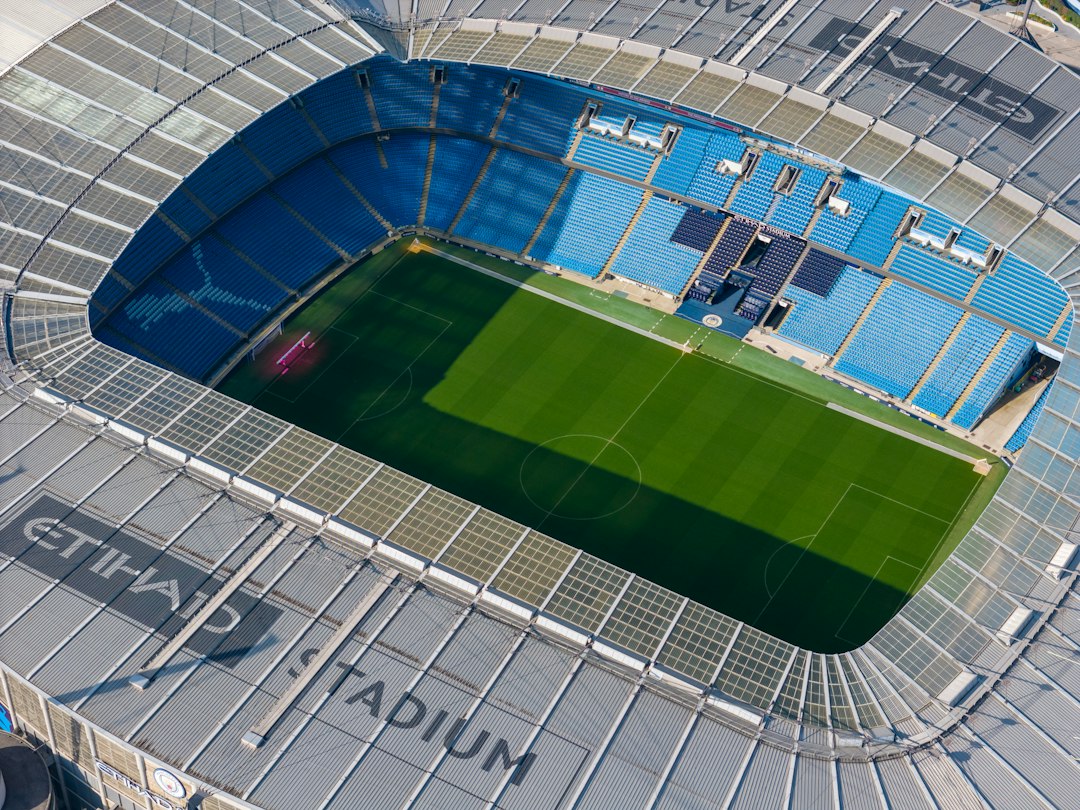
Featured image: Etihad Stadium by Daniel, Wikimedia Commons, CC BY 2.0.