

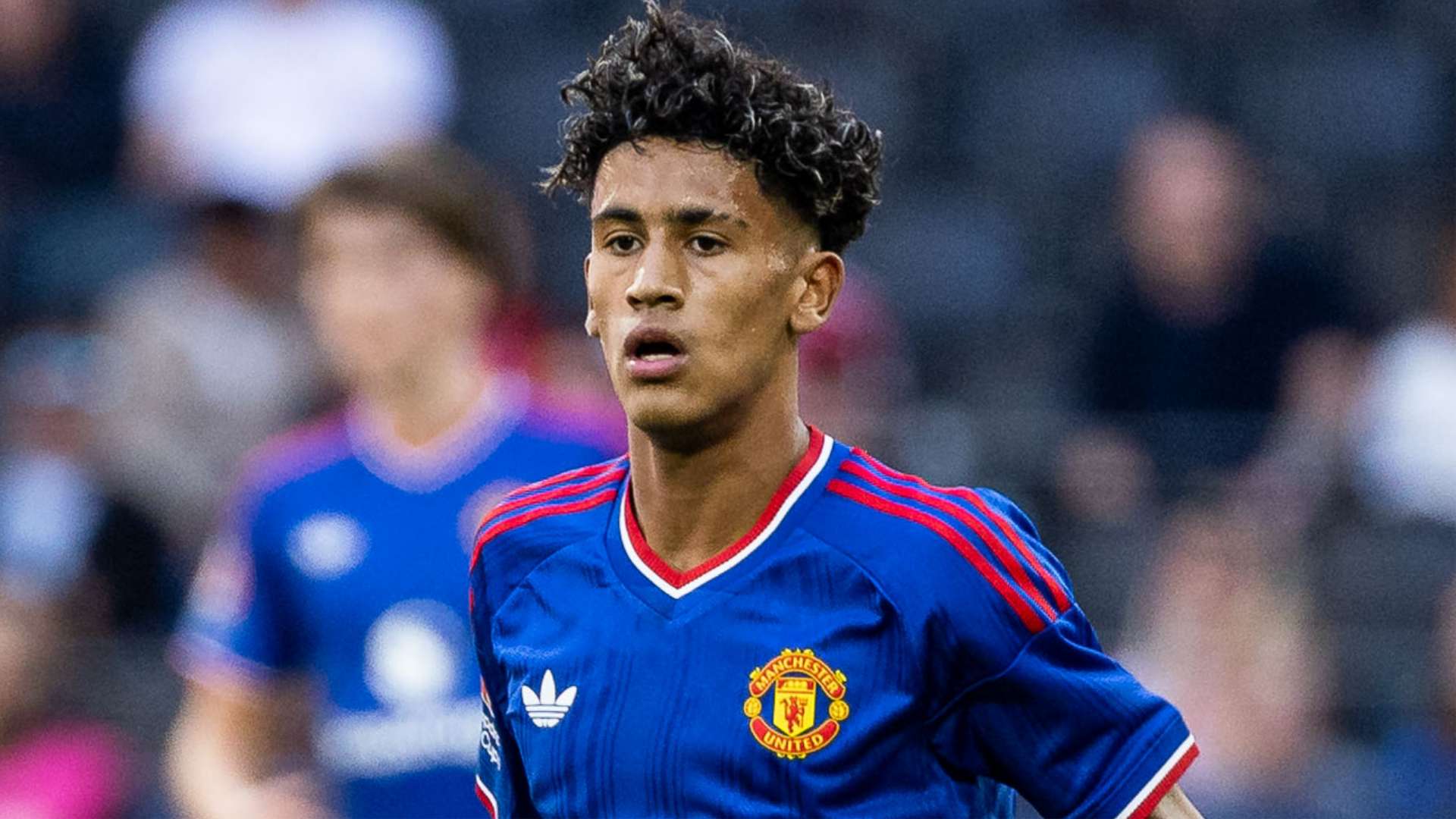
Manchester United have spent years trying to make the academy pathway part of their competitive advantage. JJ Gabriel is now testing how strong that promise really is.
The highly rated forward is still only 15, but interest from Real Madrid, Barcelona and Bayern Munich has turned his future into one of the most closely watched youth-transfer stories in Europe. Gabriel turns 16 on October 6, an important point because the next stage of his registration, scholarship and eventual professional contract becomes more immediate.
For United, this is not a normal transfer negotiation. They are trying to keep a player developed inside their own system before another elite club can offer him a different route. For Gabriel, the decision is less about the biggest badge and more about which club can show the clearest path from academy football to meaningful senior minutes.
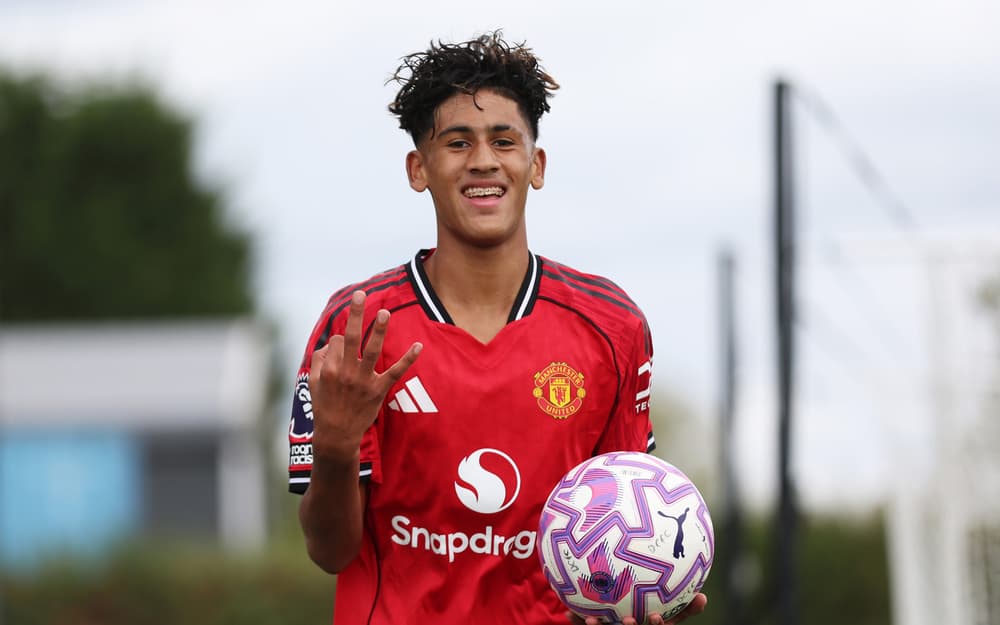
Why Gabriel’s age changes the pressure
English clubs can protect young talent through academy registrations and scholarship agreements, but a teenager’s move across borders operates under a different set of rules from a conventional senior transfer. Reports around Gabriel have also highlighted his eligibility for an Irish passport through his father, a detail that could make a move within the European Union easier than it would be for many England-based prospects.
That does not mean he can simply disappear from United overnight. Registration status, compensation and timing still matter. What it does mean is that United cannot assume the player who grew through their academy will inevitably sign a long professional deal at Old Trafford.
The club have reportedly explored every avenue available to protect their position, while Gabriel’s camp has attracted sustained attention from continental heavyweights. That is why his 16th birthday feels less like a ceremonial milestone and more like the point at which the recruitment battle becomes harder to keep in the background.

Real Madrid can sell a pathway, not only prestige
The obvious temptation is to frame Madrid’s interest as a teenager being dazzled by the biggest club in Europe. The more important detail is the pathway. Madrid can point to Castilla, a structured reserve environment and a recent willingness to invest heavily in young players before they become finished products.
Barcelona can make a similar argument through La Masia, while Bayern have built a reputation for targeting elite teenagers early and accelerating them when the level is right. These clubs are not simply competing with United on wages or status; they are competing on development design.
That is significant because Gabriel is already playing above the level normally associated with his age. A teenager who believes he can become a first-team player quickly will judge every academy promise against one question: how many obstacles stand between me and senior football?
United are facing a similar challenge elsewhere in their youth structure. The Football Xtra recently examined the club’s academy strategy around Isaac Konde, another example of how aggressively elite clubs now recruit before a player has built a senior CV.

Manchester United’s strongest argument is still Manchester United
For all the uncertainty, United have a powerful case of their own. The club’s history is full of academy graduates becoming first-team players, and that heritage still carries weight with young footballers and their families. The question is whether the modern version of United can turn the slogan into a reliable process.
A prospect of Gabriel’s level does not need a guarantee of Premier League starts at 16. He needs evidence that exceptional performance will move him through the age groups quickly, place him around senior training and eventually create a real first-team opportunity rather than an endless sequence of loans.
That is where United’s sporting leadership matters. The academy cannot operate separately from first-team planning. If a club tells a teenager he is part of the future, the recruitment department has to avoid blocking that future with three expensive signings in the same position.
The compensation question is secondary to the sporting loss
If Gabriel eventually leaves for a European club, United would be entitled to the relevant development and training compensation rather than simply losing all value. But any fee at youth level would be small compared with the potential value of an elite attacker who becomes a Premier League regular.
That is why the story matters beyond one teenager. Academy economics work because a small number of graduates can become first-team players worth tens of millions of pounds. Losing the very best before they sign senior contracts weakens that model even if the club receives compensation.
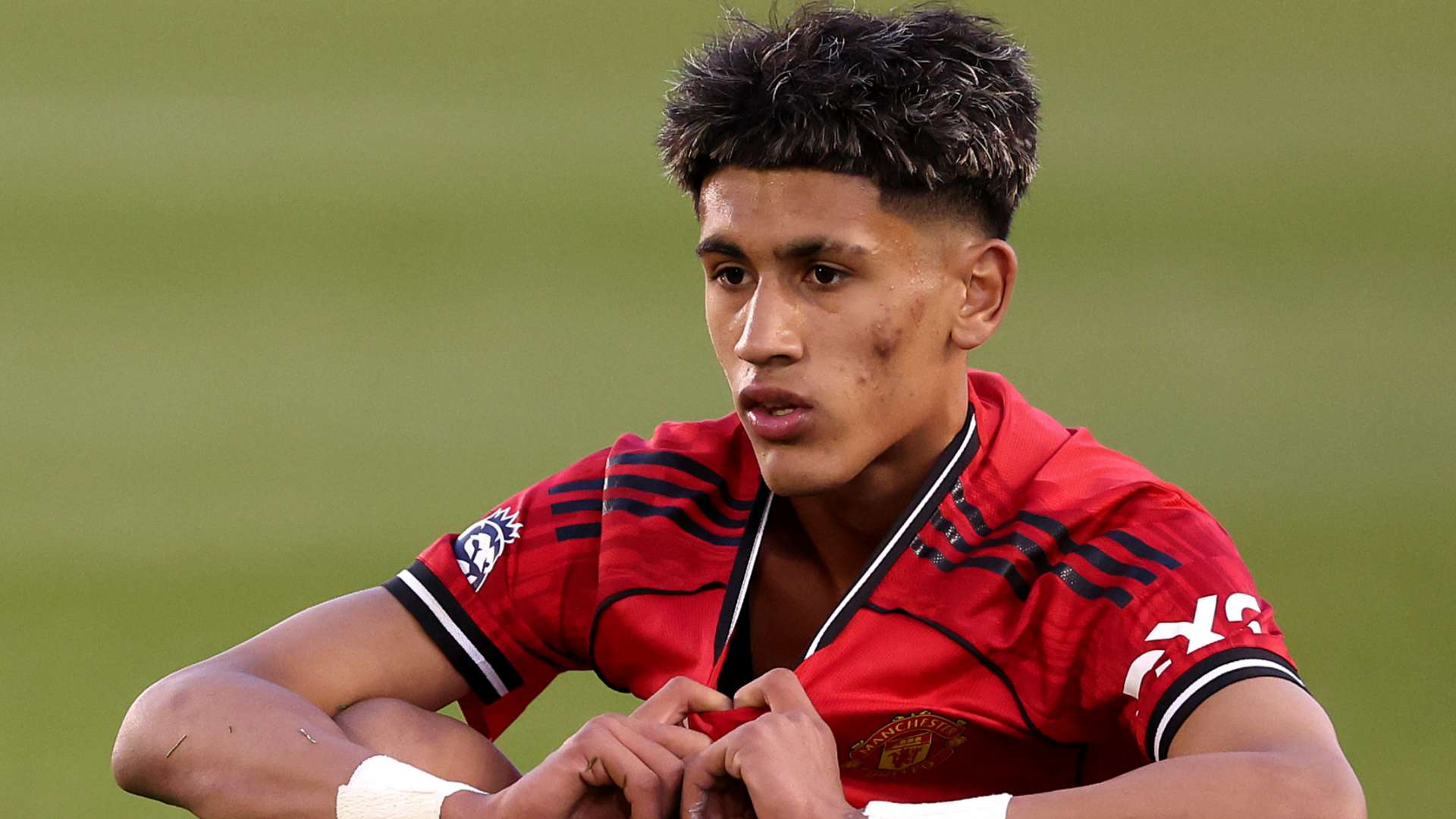
Europe’s biggest clubs are recruiting earlier than ever
Gabriel’s situation reflects a wider shift. Real Madrid, Barcelona, Bayern, Manchester City, Chelsea and other elite clubs increasingly treat the 15-to-18 age bracket as a strategic recruitment market. By the time a player breaks into a senior side and becomes obvious to everyone, the price can already be enormous.
The result is that academy retention has become almost as important as academy recruitment. United can scout the best teenagers in Britain, but the system only creates value if the club can also convince its own best prospects that staying is the fastest route forward.
Gabriel’s next decision will therefore be watched closely inside Old Trafford. If he stays, United can present it as evidence that their pathway remains persuasive despite interest from Europe’s most powerful clubs. If he leaves, the questions will not stop with one player; they will move to how the club protects its best academy talent before the senior transfer market ever begins.
Read Here: Why Alex Scott’s England rise changed his transfer market.