


Haaland Manchester City: Haaland has spent most of his Manchester City career being discussed in the language of goals, records and trophies. This week, his name is being pulled into a very different conversation.
Manchester City are fighting an independent commission’s findings over serious breaches of Premier League financial rules, and the uncertainty around the club’s eventual punishment has pushed one question to the front of the transfer market: what happens to City’s biggest players if the sanction changes the level at which they can compete?
That question is no longer confined to transfer gossip. Google Trends in the United Kingdom has shown a sharp rise in searches around Haaland and the Manchester City verdict, while the wider debate has moved from the commission’s findings to the consequences that could follow. City have said they will appeal and continue to reject the case against them, so no final sporting sanction should be treated as settled.
Haaland Manchester City: Why Haaland has become central to the Manchester City story
Haaland is the obvious reference point because he is both City’s most valuable goalscorer and one of the few players in world football capable of reshaping another elite club immediately. Any scenario involving a points deduction, relegation or expulsion would therefore create pressure on both the player and the club even if his contract does not provide an easy route out.
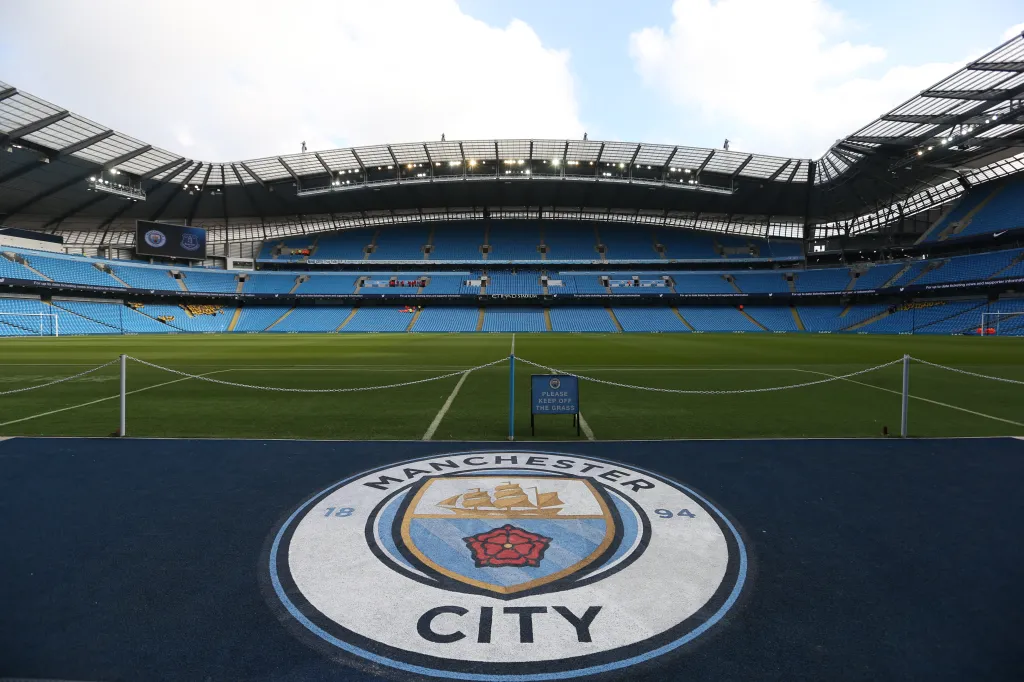
The key distinction is between a contractual escape clause and a football decision. Recent reporting has indicated that Haaland does not simply become available for a cut-price fee if City are relegated. That would leave any interested club needing to negotiate with City, while the striker himself would have to decide whether one season outside the Premier League or Champions League fits the prime years of his career.
The Sun has looked at the possible transfer consequences for City’s squad, including interest that could develop around Haaland and other senior players if the club’s status changes. Read Here.
A sanction would affect much more than one superstar
The more important football issue is the chain reaction. City have built a squad that expects to challenge for the Premier League and Champions League every season. If the punishment removes that platform, even temporarily, recruitment departments across Europe will not look only at Haaland.
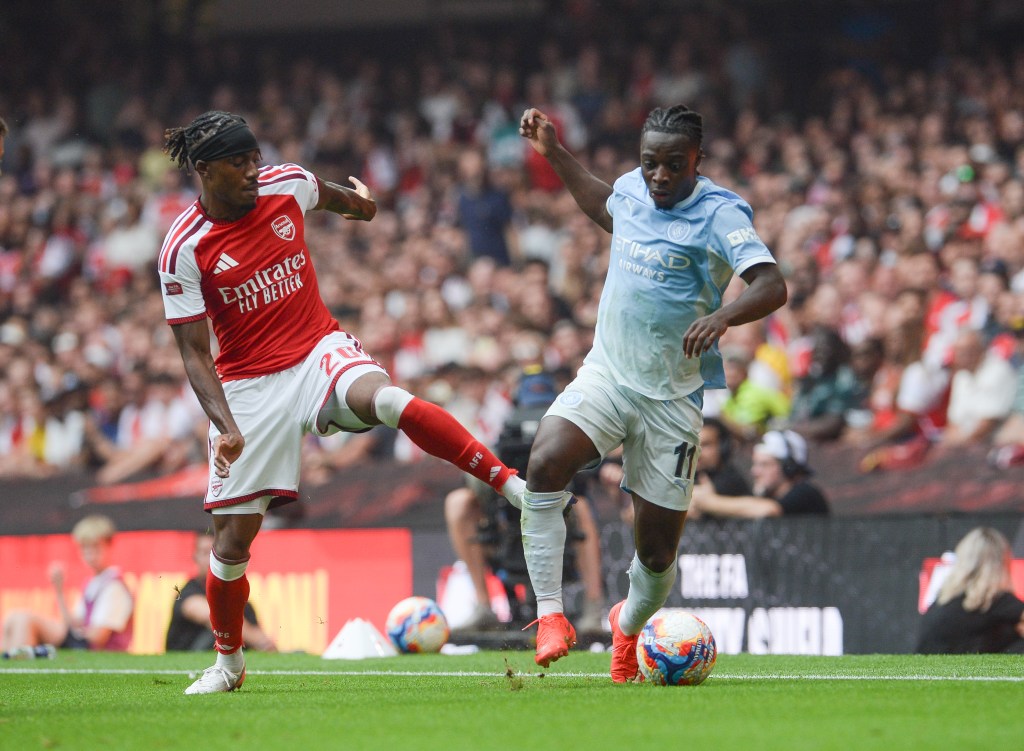
Players such as Jeremy Doku, Josko Gvardiol, Rayan Cherki and other senior members of the squad would immediately become part of conversations at clubs looking for elite-level talent. That does not mean City would sell them. It means the balance of leverage would change.
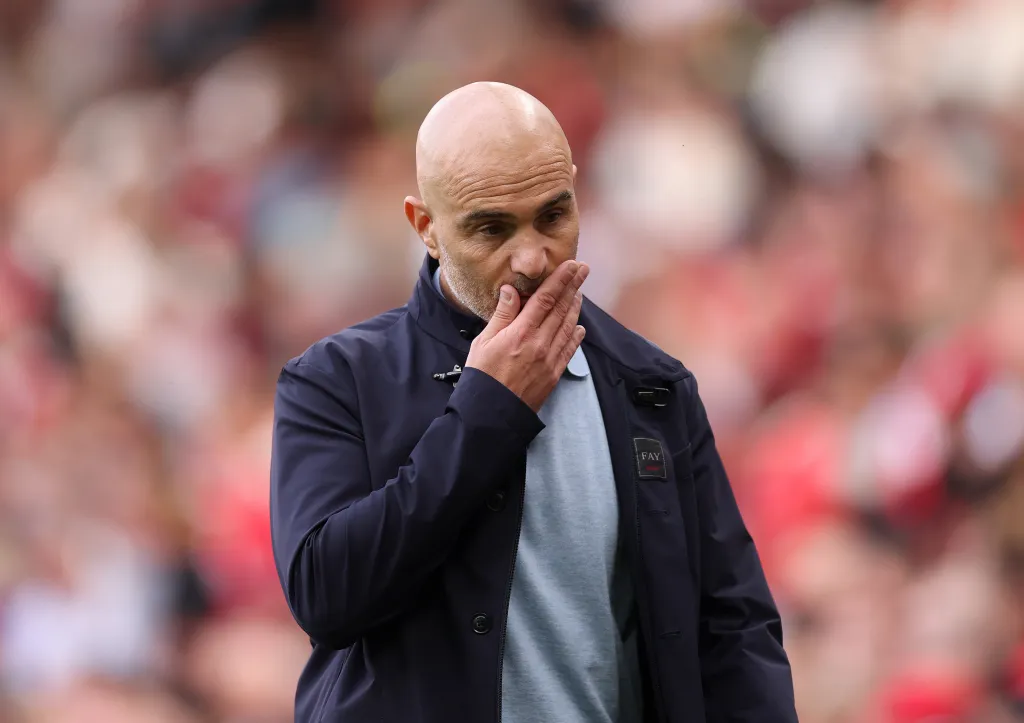
For Enzo Maresca, that uncertainty would create a squad-management problem before it becomes a transfer problem. A dressing room built to win the biggest competitions needs clarity about the competitions it will actually be allowed to enter. City can plan for tactical changes, injuries and normal transfer cycles. It is much harder to plan around a legal process whose final sporting impact remains unresolved.
Why rival clubs would move quickly
Elite clubs rarely wait for certainty when a market opportunity might emerge. They establish the player’s position, the agent’s position and the selling club’s position long before a formal bid is made. If City’s appeal fails and a severe sanction follows, the groundwork for possible moves will already have been done.
That is particularly relevant for clubs in Spain. Real Madrid and Barcelona are repeatedly linked with the best attacking players in Europe, and Haaland’s name naturally sits in that bracket. The financial reality of any deal would still be enormous, but the sporting argument becomes easier if one side can offer Champions League football and the other cannot.
City still control the immediate process
There is an important reason not to treat a squad break-up as inevitable. City are appealing. The final punishment has not been imposed, and the club insist that the commission’s conclusions contain serious errors. Until that process is complete, transfer scenarios remain exactly that: scenarios.
The Football Xtra has already broken down what the Manchester City charges and reported guilty findings mean. The next phase matters because the appeal timetable will determine whether sporting sanctions can affect the current season, a future campaign, or both.
That timing changes the transfer calculation. A player may accept a temporary disruption if there is a clear route back to the top level. A longer exclusion or a punishment that damages European qualification creates a very different choice.

The transfer market is now watching the appeal, not only the verdict
City’s players will continue to train and play while lawyers handle the next stage. That separation is necessary, but it will not stop rival clubs monitoring the situation. The possibility of a forced sale is not the only attraction. Uncertainty itself can change negotiations over new contracts, extensions and future plans.
Haaland is the headline because his scoring record makes him impossible to ignore, but the real story is the value concentrated across City’s squad. A severe sanction could create one of the most unusual transfer markets English football has seen: not because City suddenly want to sell, but because almost every major club would ask whether circumstances have made players available who normally would not be.
For now, City’s football season continues. The appeal will decide whether the discussion around Haaland remains speculation or becomes the beginning of a much larger market shift.