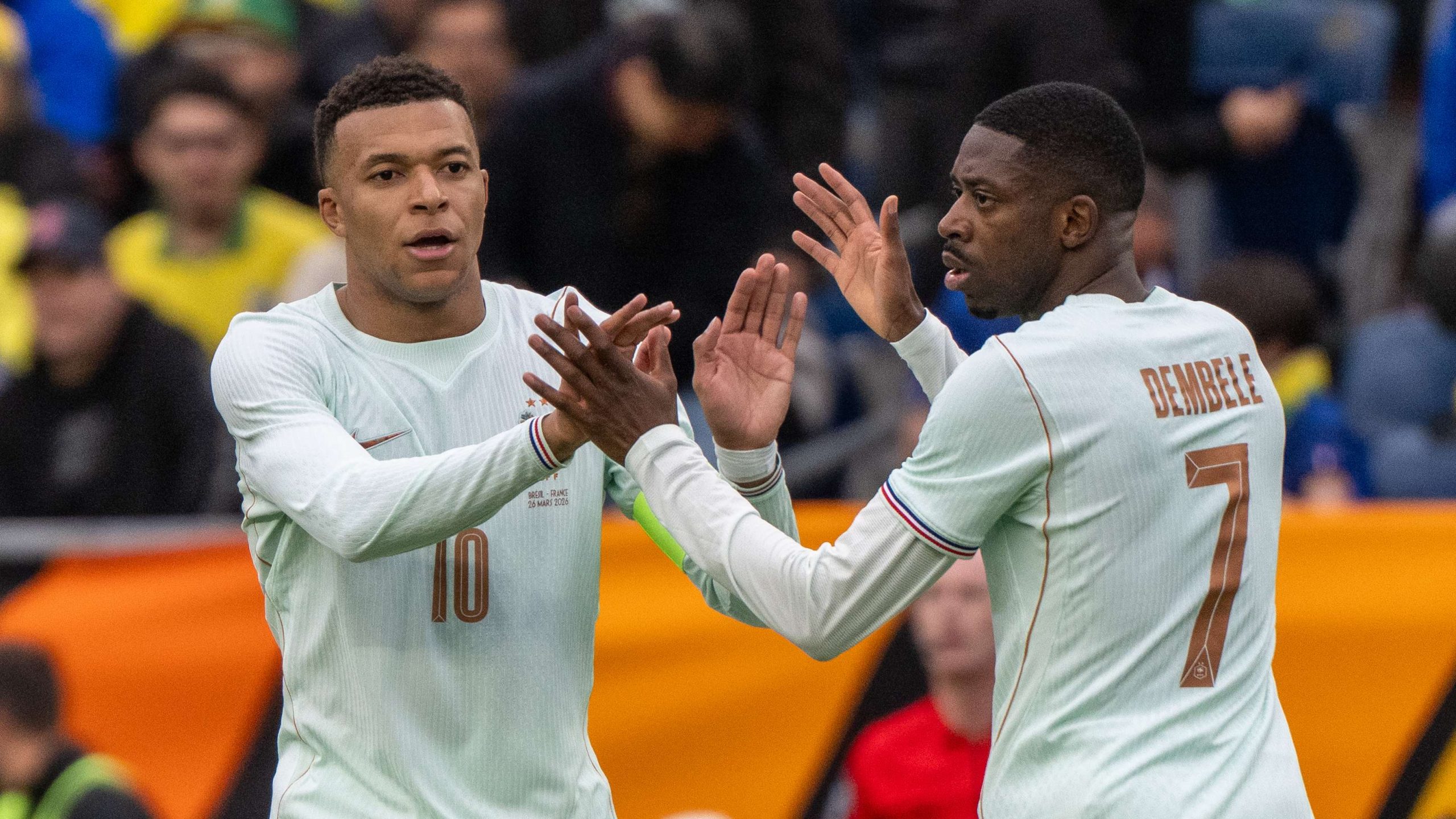
France Without Mbappé, Zinedine Zidane has begun his France career with two wins, two clean sheets and a problem every international manager would like to have: evidence that his team can win without its biggest star.
Kylian Mbappé scored the winner in Zidane’s first match, a 1-0 victory away to Turkey, before a knee problem ruled him out of the trip to Belgium. France then won 1-0 again, this time through a spectacular late Michael Olise goal. The results are narrow, but the first week has already offered a useful picture of how Zidane wants his side to operate.
France now prepare to face Italy at the Stade de France with six points from six. Mbappé’s fitness remains an important issue, but the more interesting tactical question is whether Zidane has already reduced France’s dependence on one player.
Two victories, two very different attacking problems
Turkey and Belgium asked France different questions. Against Turkey, Mbappé provided the decisive finish and France had a natural focal point for transitions. Against Belgium, Zidane had to build an attack without the captain and without the same direct threat behind the defence.
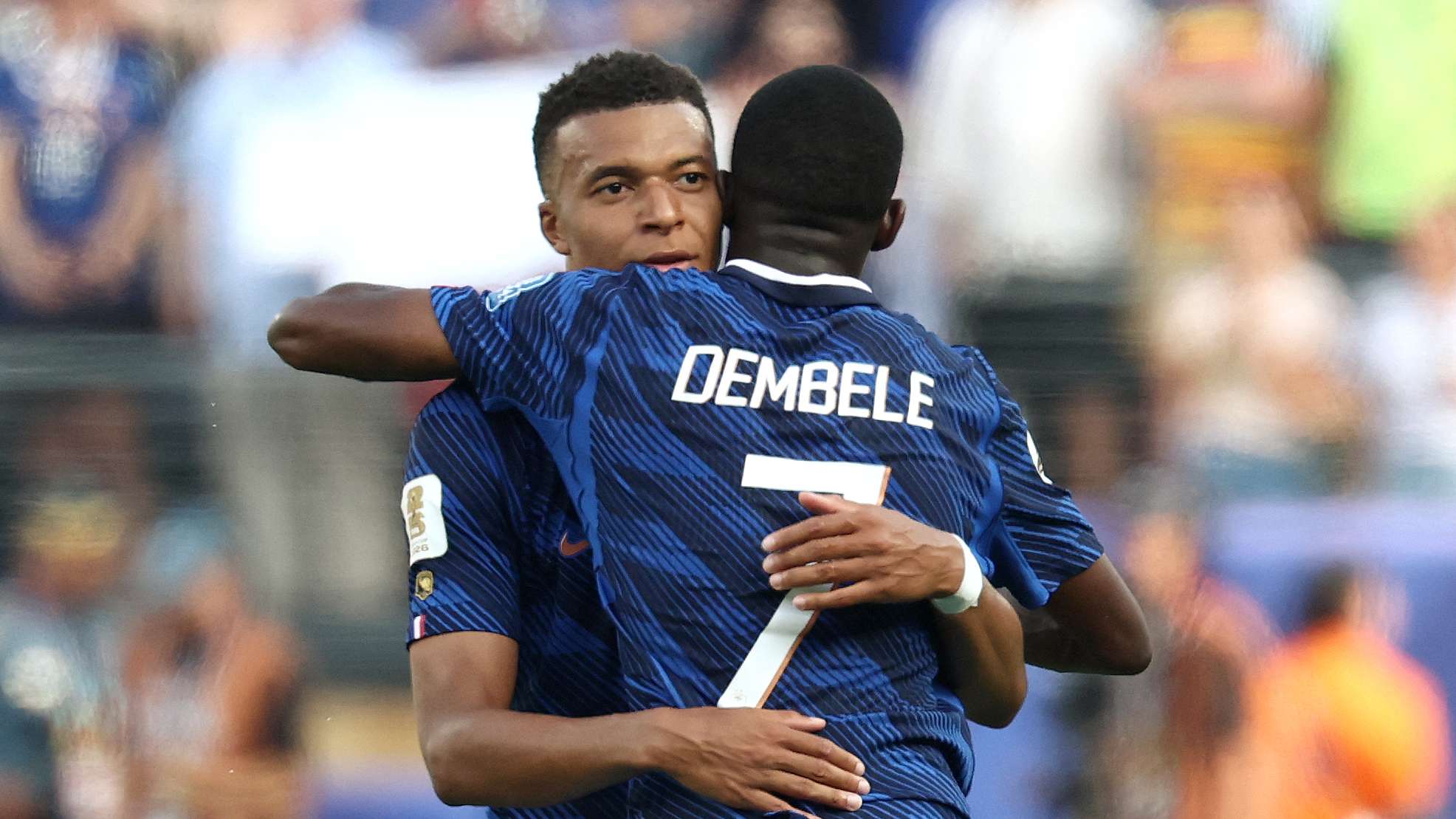
That changed the distribution of responsibility. Ousmane Dembélé, Bradley Barcola, Désiré Doué and Michael Olise all became more important in different phases of the game. France did not suddenly become a free-scoring side, but they showed enough variety to avoid looking paralysed by Mbappé’s absence.
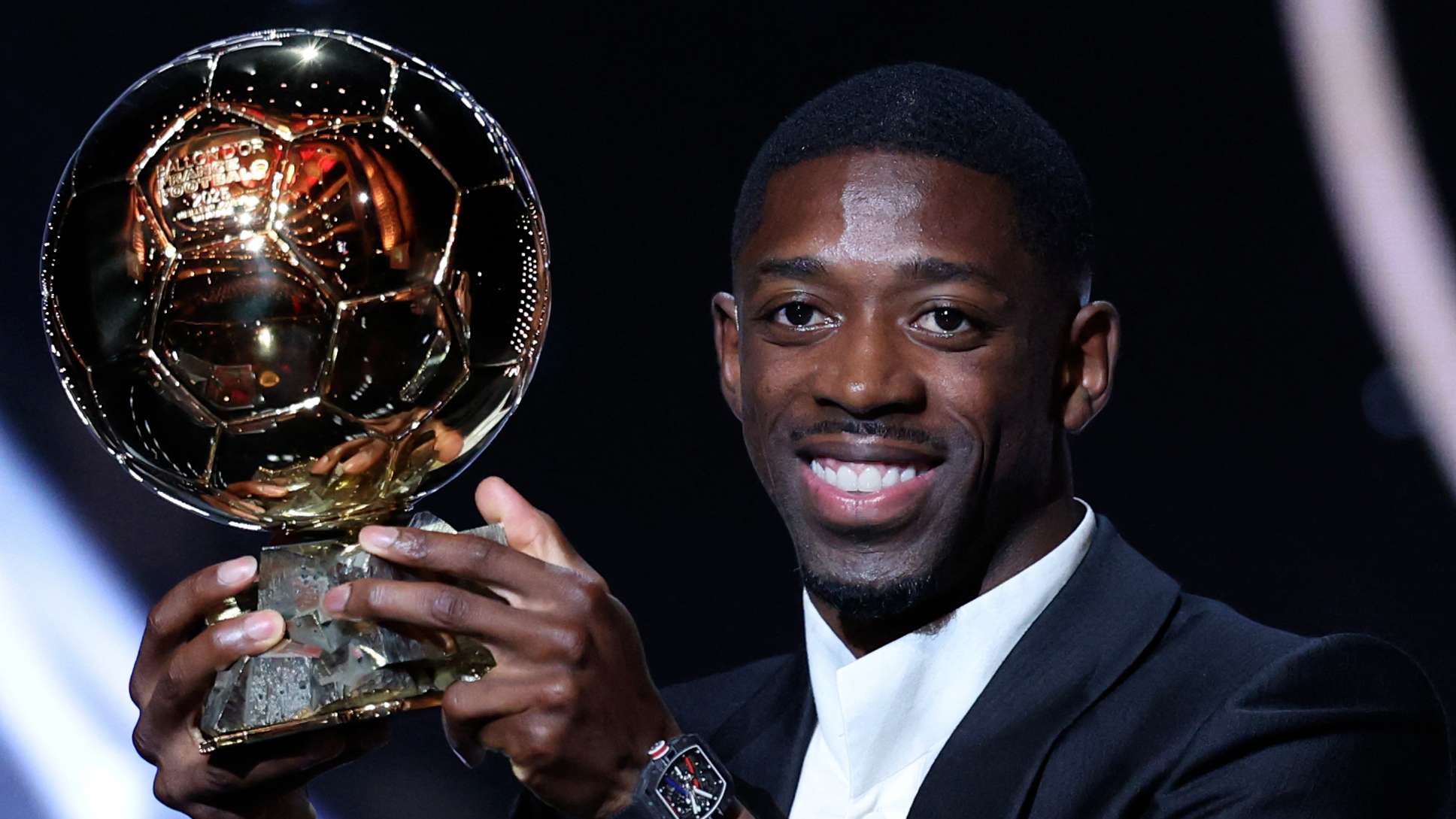
Against Belgium, the breakthrough came from Olise after he entered from the bench. He carried the ball from inside his own half before finishing from the edge of the area in the 88th minute. It was an individual goal, but it also underlined something Zidane will value: France have match-winners beyond the obvious names.
The Guardian’s match report detailed the 1-0 win in Brussels, Mbappé’s absence and Olise’s late intervention. Read Here.
France Without Mbappé: Zidane appears to be simplifying the international game
International management rarely offers enough training time for complicated club-style systems. The best national teams usually need clear principles that players can understand quickly: where the first pass goes, how the front line presses, who protects transitions and which players receive freedom in the final third.
Zidane’s opening games suggest he understands that reality. France have not looked overloaded with instructions. They have defended compactly, trusted their individual quality and allowed attacking players to solve situations rather than forcing every possession through a rigid pattern.
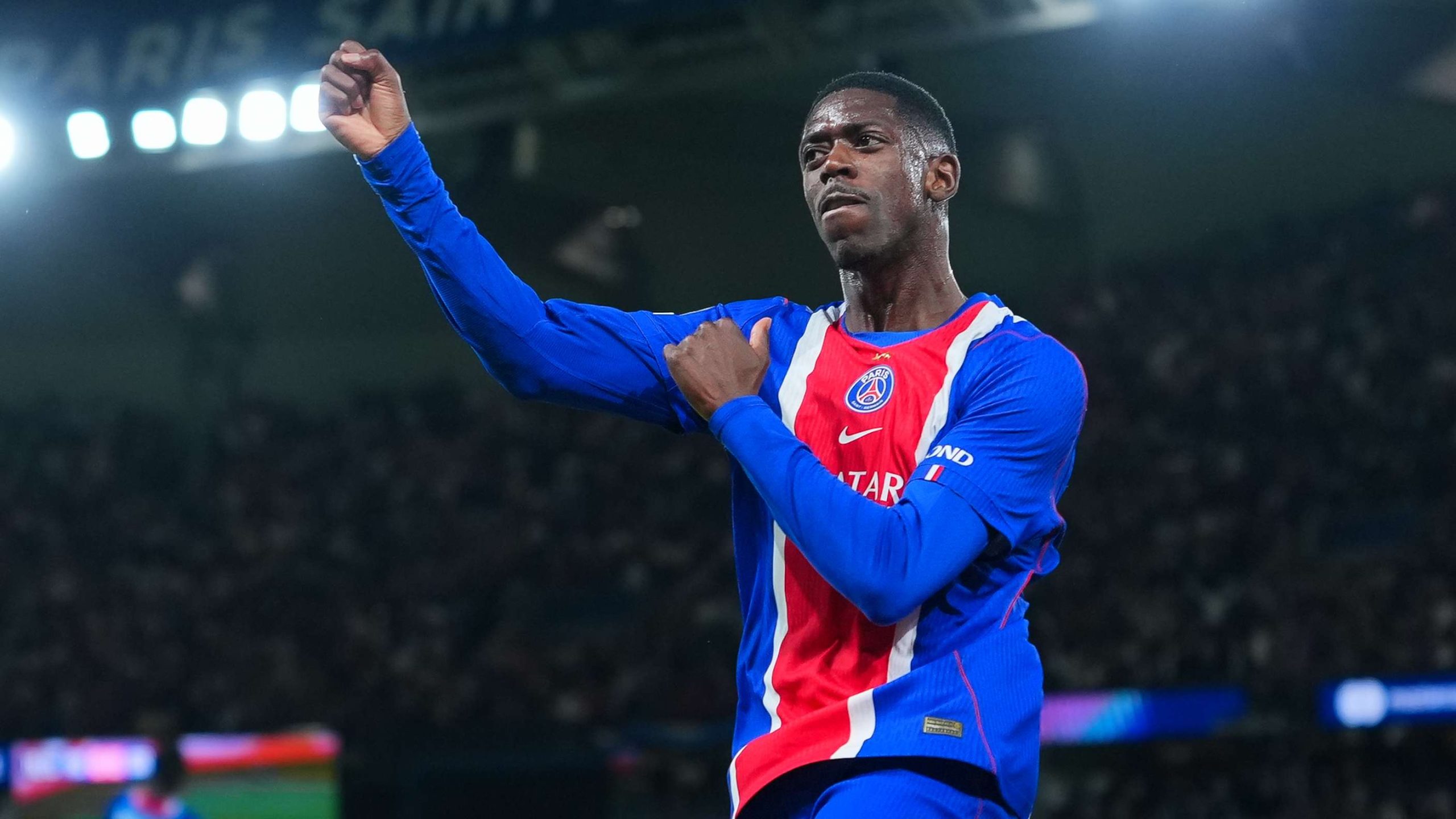
That approach suits Dembélé in particular. His best football comes when he can attack from different positions rather than receiving the ball in exactly the same zone every time. With Mbappé unavailable, France can use Dembélé as a wider creator, an inside forward or a temporary central reference depending on the game state.
The hierarchy is becoming more flexible
Mbappé remains France’s captain and most reliable goalscorer. Nothing from the first two matches changes that. What may be changing is the idea that every important attack has to finish with him.
That distinction matters over a long international cycle. France have enough talent to survive injuries, but only if the structure gives other players genuine responsibility before a major tournament forces the issue.
The Football Xtra recently looked at Zidane’s early France test against Belgium. The result strengthened the argument that he is trying to build a team with several points of attack rather than a side waiting for one superstar to rescue it.
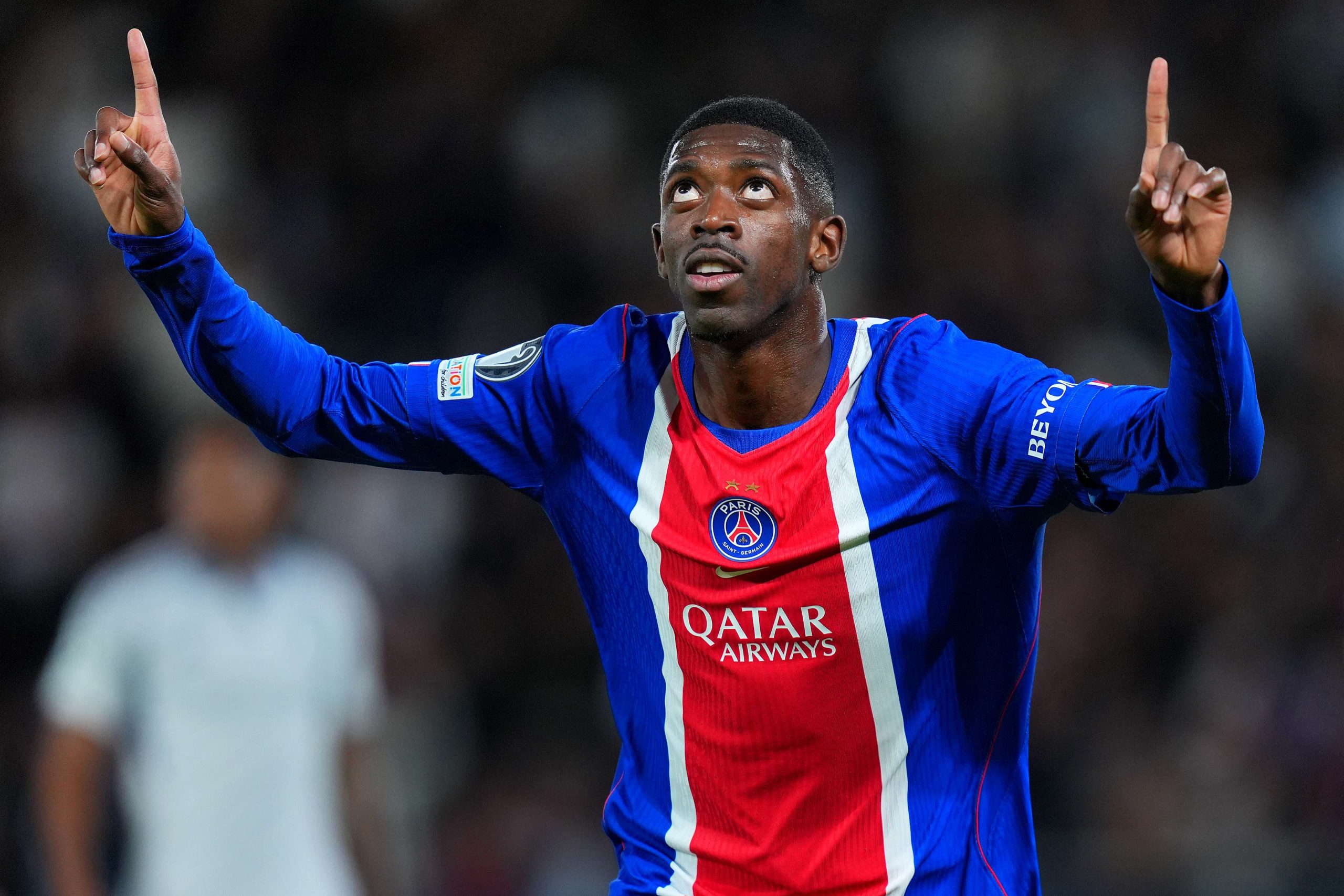
Italy will test France’s patience more than Belgium did
France’s next opponent brings another change of rhythm. Italy recovered from their opening defeat by Belgium with a convincing 4-1 win over Turkey, showing more aggression in the final third and a willingness to attack early when possession changes hands.
For France, the challenge will be managing a game in which the opponent may be happier defending in organised spells and forcing Zidane’s side to create against a settled block. That is where Mbappé’s availability becomes especially significant. His movement can turn a static possession into an immediate threat, but France must also prove they can create through combinations if he is not fully fit.
Doué and Dembélé can provide dribbling between the lines. Olise offers a different type of left-footed creator. Barcola can stretch the pitch. Zidane’s task is less about finding talent than deciding which combination gives France the right balance.
The early results are useful because they have not been easy
A 1-0 win can hide problems, but two different 1-0 wins can also reveal a team learning how to control difficult moments. France have had to protect leads, survive periods without the ball and find a late solution when a match appeared to be drifting towards a draw.
Zidane will know that the performances need to grow. France have too much attacking talent to build an identity around narrow margins forever. But international teams are often shaped first by reliability and then by expression.
The first week has given France that base. Mbappé remains central to everything they want to become, yet the victory in Belgium showed that his absence does not have to remove their threat. Against Italy, Zidane gets another opportunity to see whether that emerging flexibility can survive a stronger tactical test.