

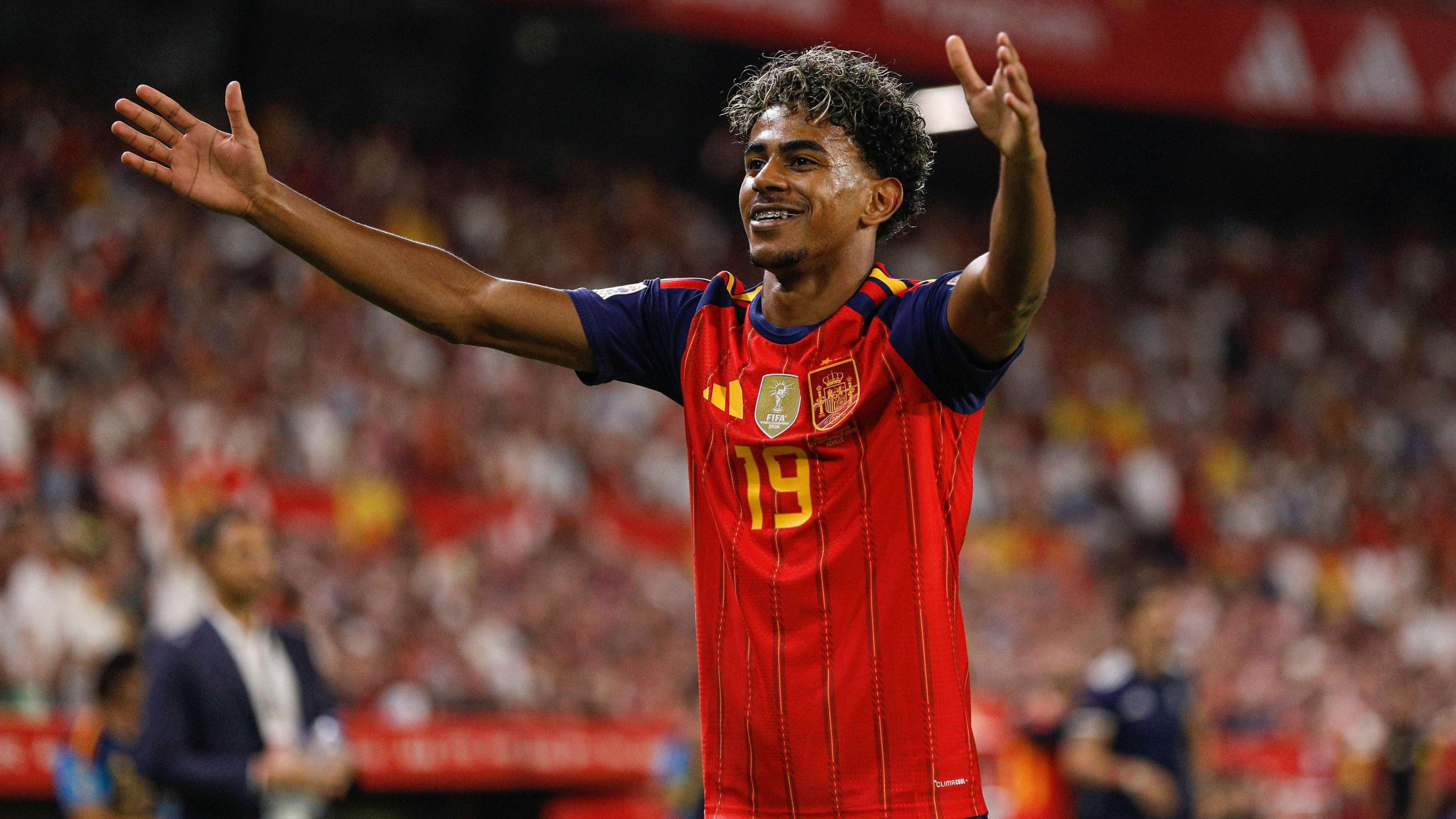
Lamine Yamal Ballon d’Or did not need another international night to prove that he can decide matches. What Spain’s 4-1 win over Croatia did was strengthen the argument that his influence is no longer based on potential.
The Barcelona forward scored twice, created another goal and repeatedly forced Croatia to defend deeper than they wanted in Seville. Spain were playing their first home match since winning the World Cup, but the evening quickly became another demonstration of why Yamal sits at the centre of the Ballon d’Or conversation.
At 19, the discussion around him has changed. The question is no longer whether he belongs among the world’s best players. It is whether anyone else has built a stronger case across club and international football in 2026.
Spain gave Yamal the stage and he controlled it
Croatia are experienced enough to understand what happens when Yamal receives the ball with space on the right. Their problem was that knowing the danger did not make it easier to stop.
Spain’s possession repeatedly moved Croatia’s midfield towards the centre before the ball was released wide. That created the one-on-one situations Yamal wants. Once he isolated a defender, Spain could attack in several ways: he could drive inside onto his left foot, combine around the box or hold his width long enough to create a passing lane for an overlapping runner.
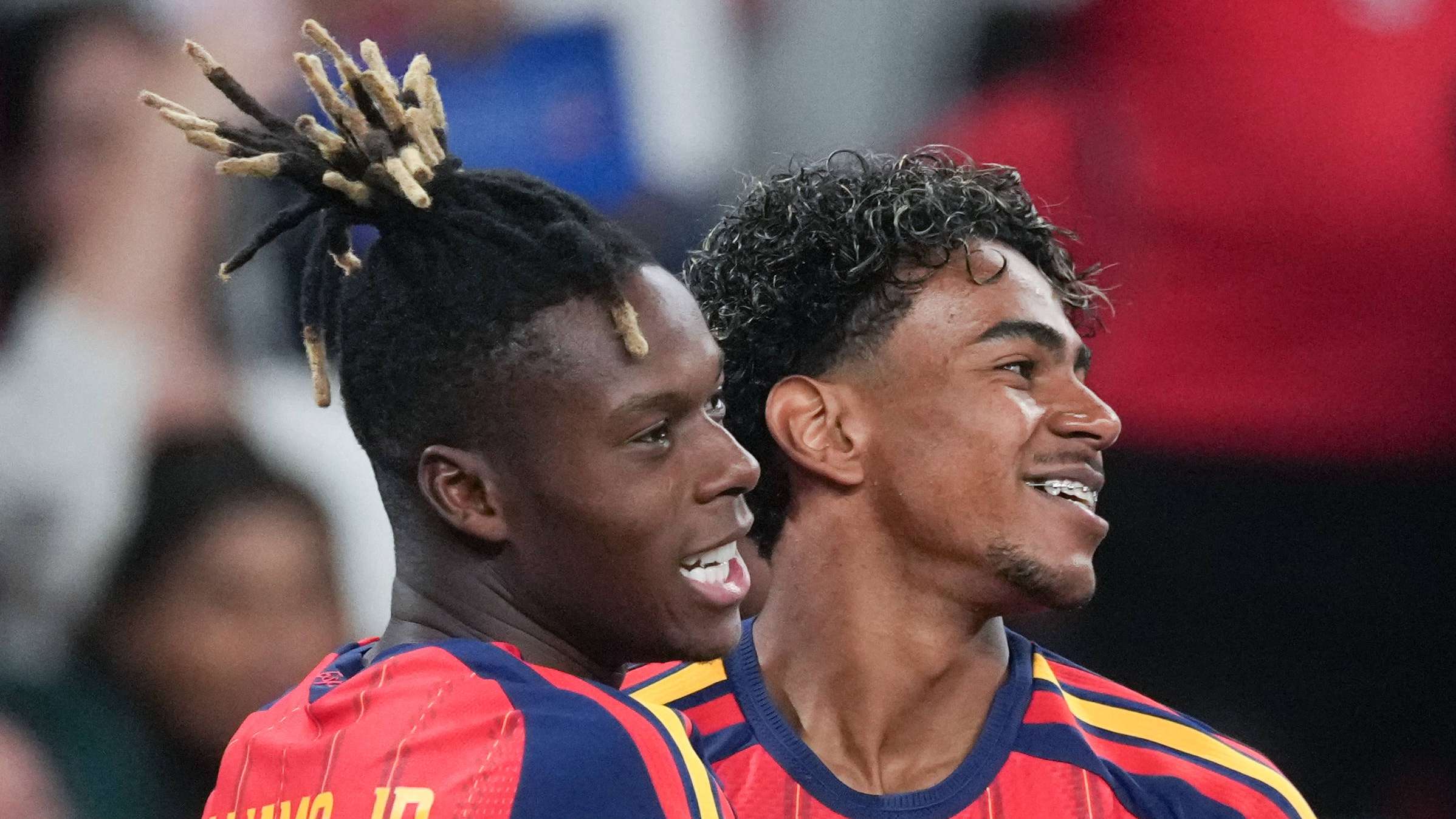
The numbers were the headline — two goals and an assist — but the more important part of his display was the amount of attention Croatia had to give him. A winger who requires a second defender changes the geometry of an attack. Space appears elsewhere before the decisive pass is even played.
That is one reason Spain have become so difficult to control. Yamal does not have to dominate every possession to dominate the opponent’s defensive plan.
Nico Williams put the Ballon d’Or debate into public view
After the game, Nico Williams openly backed his Spain teammate in the Ballon d’Or race. His argument was based on what Yamal is doing in decisive matches rather than simply on reputation. The award ceremony is scheduled for later this month, and the final weeks before voting discussions settle are inevitably full of lobbying from players, managers and supporters.
GOAL reported Williams’ support after the Croatia win and detailed Yamal’s two-goal, one-assist performance. Read Here.
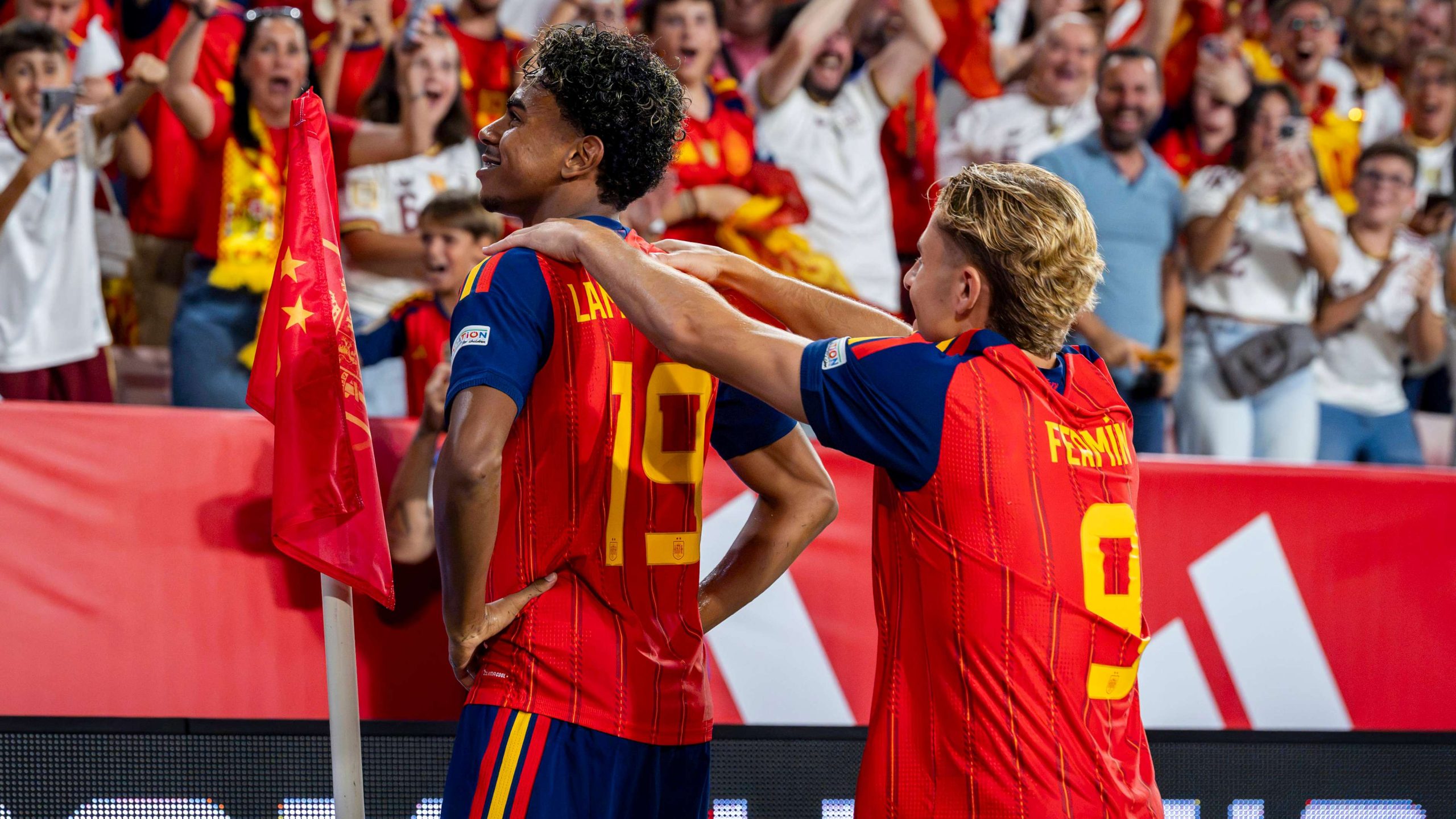
There is a danger in reducing the award to one international performance. A Ballon d’Or case is built over months. Yamal’s advantage is that the Croatia match fits a wider pattern rather than standing alone.
For Barcelona, his importance has already been obvious. He has become one of the players around whom Hansi Flick’s attacking structure is built. The Football Xtra previously examined how Barcelona’s explosive attack has developed, and Yamal’s ability to stretch the pitch is a major part of why that system creates so many high-quality situations.
The strongest part of Yamal’s case is role, not age
Age inevitably follows Yamal into every discussion because his achievements are extraordinary for a teenager. But it can also distract from the more serious football argument.
He is not being carried by an experienced side while producing occasional moments. He is being given responsibility. Barcelona look for him when matches tighten. Spain use him to create advantages against organised defences. Opponents alter their shape because of where he stands.
That is a stronger measure of elite status than simply counting spectacular goals.
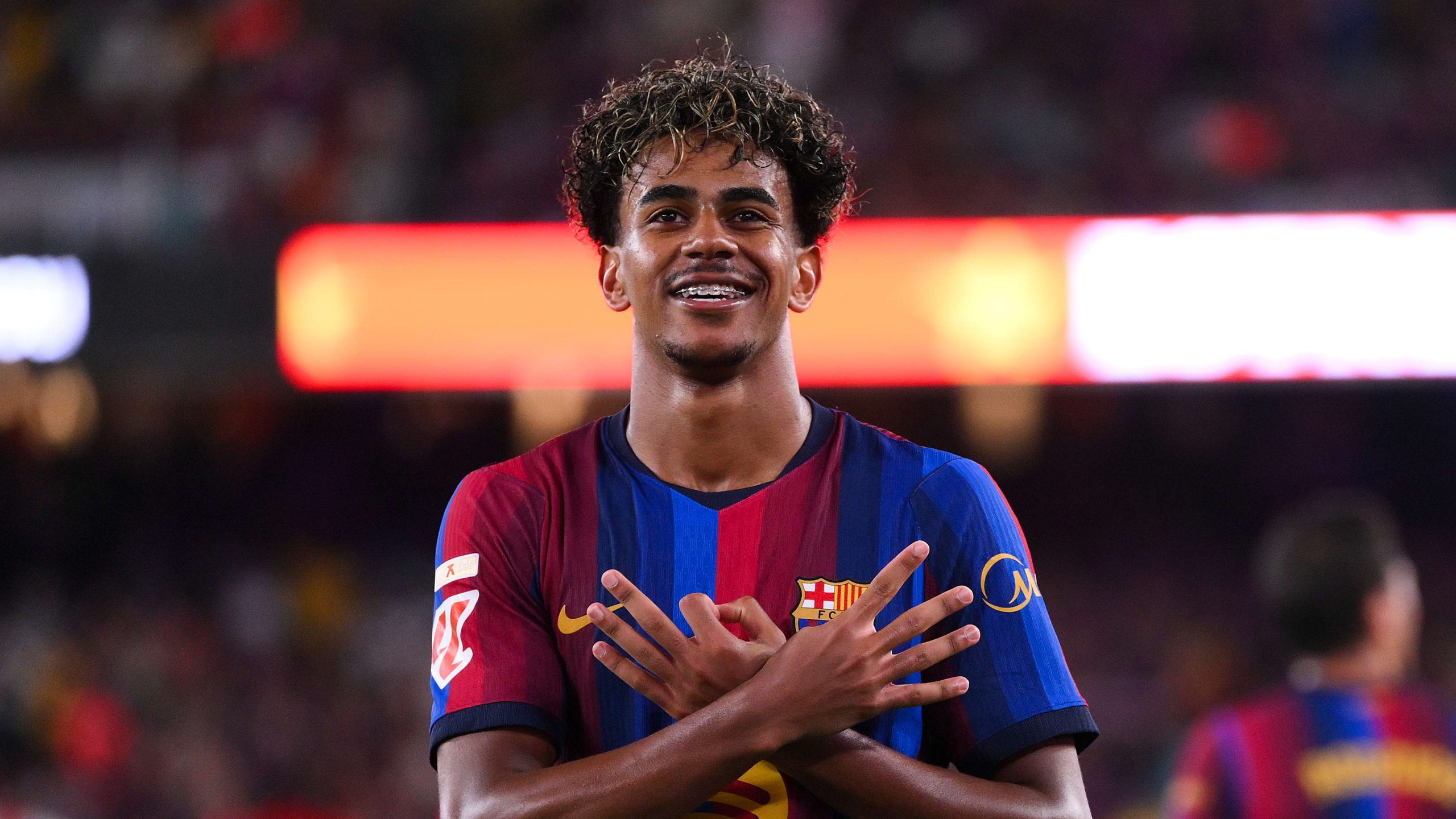
The Ballon d’Or race still has serious competition
Yamal is not running alone. Kylian Mbappé, Harry Kane and other leading contenders have produced seasons that deserve comparison, while the weight given to club trophies, international tournaments and individual numbers is never completely consistent.
That is why arguments about who “deserves” the award often become arguments about what the award is supposed to measure.
If it is simply a reward for the player with the highest scoring total, Yamal may not lead every category. If it is a judgement on who has combined production, responsibility, trophies and influence at the highest level, his case becomes much harder to dismiss.
The Football Xtra looked at that debate earlier in the season in our Ballon d’Or 2026 analysis of Yamal’s position. The Croatia performance has added a fresh piece of evidence rather than changing the argument completely.
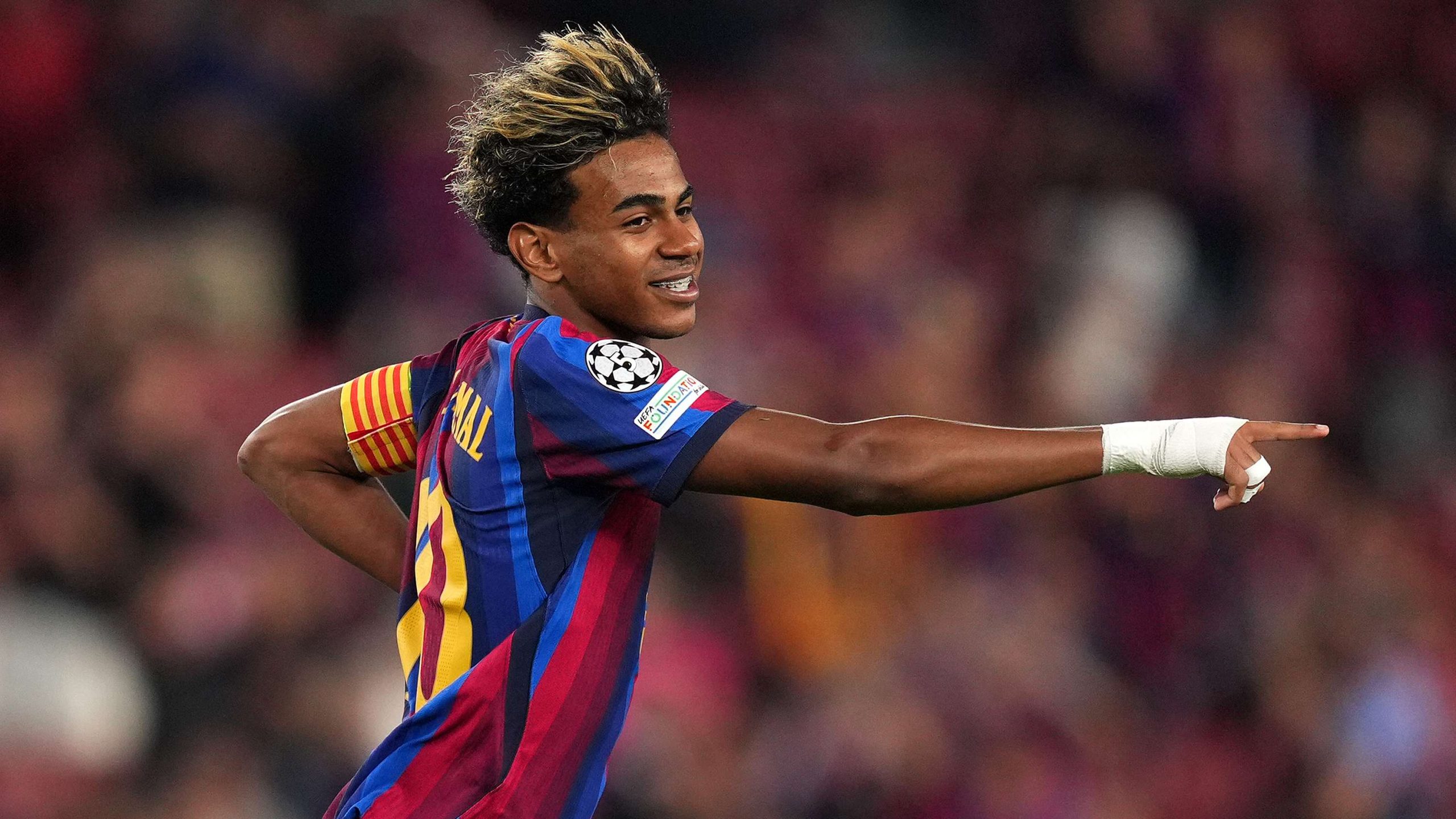
Spain are benefiting from a player who no longer looks surprised by the occasion
Perhaps the clearest sign of Yamal’s development is how normal these nights now appear to him. International football can slow young attackers down because the spaces are different, combinations are less familiar and the pressure around every match is amplified.
Yamal increasingly plays as if those complications are somebody else’s problem.
Spain can still improve around him and Barcelona will continue to manage his workload carefully, but the level of responsibility has already been established. When a major game needs a player to take control of the final third, both club and country are comfortable placing that responsibility on him.
That is why the Croatia win mattered to the Ballon d’Or discussion. It was not an isolated highlight. It looked like another high-level performance from a player for whom high-level performances are becoming routine.