Imagine every national football association in Africa receiving access to $25 million in development funding over four years. That could mean better pitches, stronger youth academies, improved women’s football and more professional football administration. But it could also expose weaknesses in how money is managed, projects are monitored and results are measured.
The proposed FIFA’S $1.35bn Africa plan has the potential to reshape the continent’s football landscape—but the headline figure needs an important clarification. FIFA has not announced a separate, approved $1.35 billion fund exclusively for Africa. Rather, the figure represents the combined potential allocation if each of Africa’s 54 FIFA member associations receives the proposed $25 million under a new global development-funding initiative.
On 15 October 2026, FIFA announced that it was proposing a worldwide football-development package worth $6.35 billion for the 2027–2030 cycle. The initiative, known as the FIFA Surplus Solidarity Programme, would increase support for member associations, confederations and other football stakeholders. The proposal remains subject to further work and approval. [FIFA’s official announcement](https://inside.fifa.com/organisation/fifa-council/media-releases/president-calls-for-unity-council-meeting-stresses-commitment-serving-member-associations).
For Africa, where national associations operate under very different financial and infrastructure conditions, the opportunity is enormous.
However, funding alone cannot guarantee better football. The outcome will depend on how money is allocated, whether projects are completed, and whether supporters and communities can see tangible improvements.
For The Football Xtra, the real story is not simply how much money FIFA might distribute. It is whether African football can convert a potentially historic financial opportunity into lasting development—or risk repeating familiar governance and implementation problems.
1. FIFA’s $1.35bn Africa Plan: What Has Actually Been Proposed?
 Understanding the numbers is the first step towards assessing the initiative accurately.
FIFA’s proposed global programme would increase football-development investment across its 211 member associations, confederations and other stakeholders to $6.35 billion for the 2027–2030 period.
Under the proposal, allocations to individual FIFA member associations would reach $25 million. Multiplying that figure by Africa’s 54 member associations produces the widely reported potential total of $1.35 billion.
The distinction matters: $1.35 billion is an aggregate calculation, not confirmation that African associations have already been awarded that amount.
FIFA says the proposed programme follows exceptional commercial returns from the 2026 World Cup. Its administration presented an estimated surplus of between $5.2 billion and $5.6 billion for the 2023–2026 cycle, although FIFA described that forecast as unaudited in its 15 October announcement.
The proposal would retain $1.7 billion in hard reserves for unforeseen circumstances while using part of the available financial resources to increase development investment. [FIFA’s Council statement](https://inside.fifa.com/organisation/fifa-council/media-releases/president-calls-for-unity-council-meeting-stresses-commitment-serving-member-associations).
When could the money arrive?
There is no confirmed payment timetable yet.
FIFA says the relevant committees must finalise matters including eligibility, applications, approvals, disbursement, controls and audit requirements. The plan is then scheduled to go before the FIFA Council in December 2026, with the wider proposal subject to approval at the 77th FIFA Congress in March 2027.
Consequently, football associations should not treat the potential $25 million as money already available for spending.
Nor does the announced figure establish that every association will automatically receive identical payments on the same dates. The detailed distribution rules remain to be finalised.
That uncertainty is crucial for governments, sponsors, football clubs and supporters planning around potential investment.
2. Could FIFA Funding Transform African Football Infrastructure?
 Infrastructure is one of the most obvious areas where increased funding could make a difference.
Across African football, facilities vary substantially. Some associations operate modern training centres and well-maintained pitches, while others need better playing surfaces, medical facilities, equipment, changing rooms and training infrastructure.
A major increase in development resources could help associations address these gaps.
Better pitches, academies and training centres
Grassroots football depends on accessible facilities where young players can train consistently and safely.
Funding could support natural-grass and artificial pitches, youth academies, regional training centres and facilities that allow coaches to work with players throughout the year.
However, the most important question is not how many projects can be announced. It is whether those facilities will remain functional after construction.
A training centre that lacks maintenance budgets, qualified staff, water, electricity or reliable equipment can become an expensive asset with limited sporting value.
National associations would therefore need realistic plans for long-term operating costs, staffing and maintenance before committing to major infrastructure projects.
They would also benefit from prioritising facilities according to local football needs rather than building expensive projects primarily for visibility.
What could this mean for Tanzania?
For Tanzania, the potential benefits could extend from grassroots development to stronger youth structures and better preparation for national-team competitions.
The Tanzania Football Federation could potentially benefit from funding eligible projects involving coaching education, youth development, women’s football, technical facilities and the structures needed to identify and develop talented players.
But these are potential applications, not confirmed allocations. The final FIFA rules will determine which projects qualify and how applications are assessed.
Tanzania’s strongest approach would be to identify projects with measurable outcomes: more trained coaches, more players accessing organised competition, better-quality pitches and improved opportunities for girls and women.
The key test is whether increased investment improves the daily experience of players and coaches—not simply the appearance of football infrastructure.
3. Women’s Football and Youth Development: The Biggest Long-Term Opportunity?
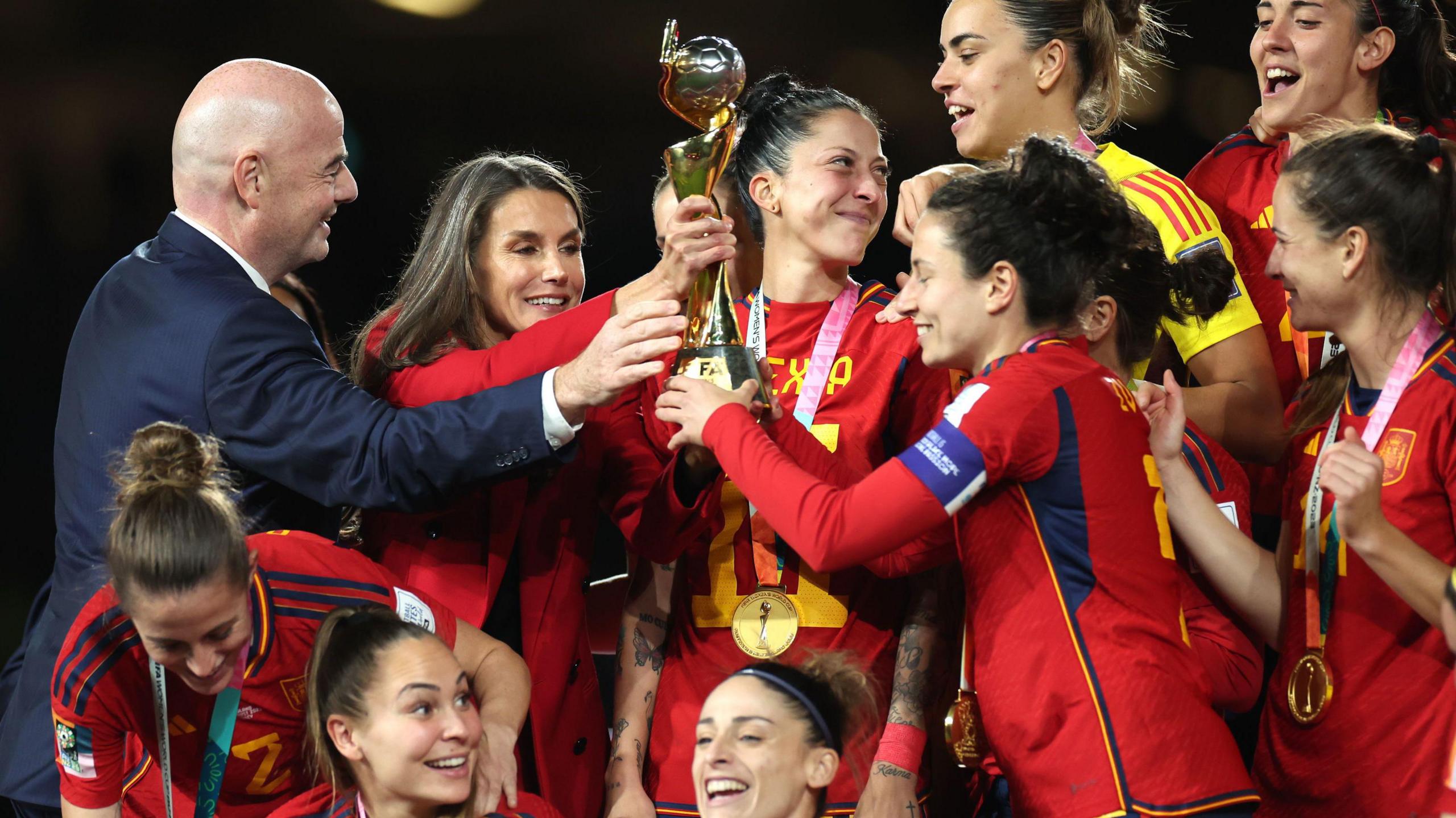 The proposed funding could also help address one of African football’s structural challenges: ensuring that promising talent receives the coaching, facilities and competitive opportunities needed to progress.
FIFA has said the distribution terms are intended to align funding with women’s and youth football, long-term football projects and football infrastructure. The details of those requirements remain subject to finalisation. [FIFA’s development-funding proposal](https://inside.fifa.com/organisation/fifa-council/media-releases/president-calls-for-unity-council-meeting-stresses-commitment-serving-member-associations).
Why investment must start before players become stars
Youth development requires years of consistent work.
A player needs regular competition, qualified coaching, access to safe training facilities and medical support. Scouts must also be able to identify talent outside established urban centres.
Associations could use additional resources to improve regional competitions, strengthen youth coaching programmes and create clearer pathways between grassroots football, academies and senior teams.
For women’s football, investment could support girls’ leagues, coaching qualifications, referee development, better facilities and more consistent domestic competitions.
The challenge is to create sustainable structures rather than one-off events. A successful youth tournament has limited long-term value if talented players return to environments without regular matches or professional support.
Funding should therefore support the whole development pathway, from entry-level participation to elite performance.
Can African countries keep more talent at home?
Better development structures might also help African clubs create more attractive environments for young players.
However, increased funding alone cannot eliminate the financial gap between leading African clubs and Europe’s richest teams. Transfer fees, salaries, scouting networks, broadcasting income and the global football market will continue to influence where players choose to develop their careers.
SEE ALSO: FIFA trust crisis: Infantino’s World Cup faith gamble is playing with fire
The more realistic goal is to improve the quality of local football, strengthen clubs’ ability to develop talent and ensure that domestic competitions offer meaningful opportunities.
If implemented well, the funding could help African football improve its ability to nurture, showcase and retain talent for longer.
4. The Biggest Risk: Can Every Federation Manage the Money Properly?
This is where the initiative faces its most important test.
Providing additional money is a financial decision. Turning it into better football requires effective management, credible procurement, competent administrators and transparent reporting.
The 54 African member associations operate in different economic, institutional and sporting environments. Their administrative capacity, commercial income, infrastructure and governance systems are not identical.
A uniform funding figure does not automatically produce uniform results.
Transparency must be built into the process
FIFA should publish clear eligibility criteria, project requirements, disbursement schedules and reporting standards before the new allocation system begins.
Member associations should also publish accessible summaries showing how development funding is used and what each project is expected to achieve.
Independent audits, competitive procurement and clear conflict-of-interest policies would help protect resources from waste and ensure that funds serve football-development priorities.
The proposed programme already identifies control and audit requirements as matters that must be finalised. The effectiveness of those safeguards will depend on their design and enforcement.
There is also a difference between financial compliance and sporting success. An association might account correctly for every dollar but still deliver a project that has little impact on participation, coaching quality or competitive performance.
Monitoring must therefore consider both how money is spent and what it achieves.
For example, reports could measure the number of active youth teams, trained coaches, functioning facilities, women’s competitions and players moving through development pathways. These indicators should be adjusted to account for the starting conditions of each country.
The real measure of accountability is not simply whether an association spends the money legally. It is whether the spending delivers demonstrable benefits for football.
Avoiding short-term spending decisions
A large funding allocation can create pressure to launch visible projects quickly.
Yet football development often requires less glamorous investments: coaching courses, referee education, league administration, medical services, pitch maintenance and youth competitions.
Those activities may attract less publicity than a new stadium, but they can be central to a country’s ability to produce better players and more sustainable competitions.
Associations should resist the temptation to concentrate resources in one flagship project at the expense of the wider football system.
The strongest plans will balance infrastructure with the people, competitions and maintenance arrangements needed to make that infrastructure useful.
5. FIFA’s Governance Challenge: Why the Timing Matters
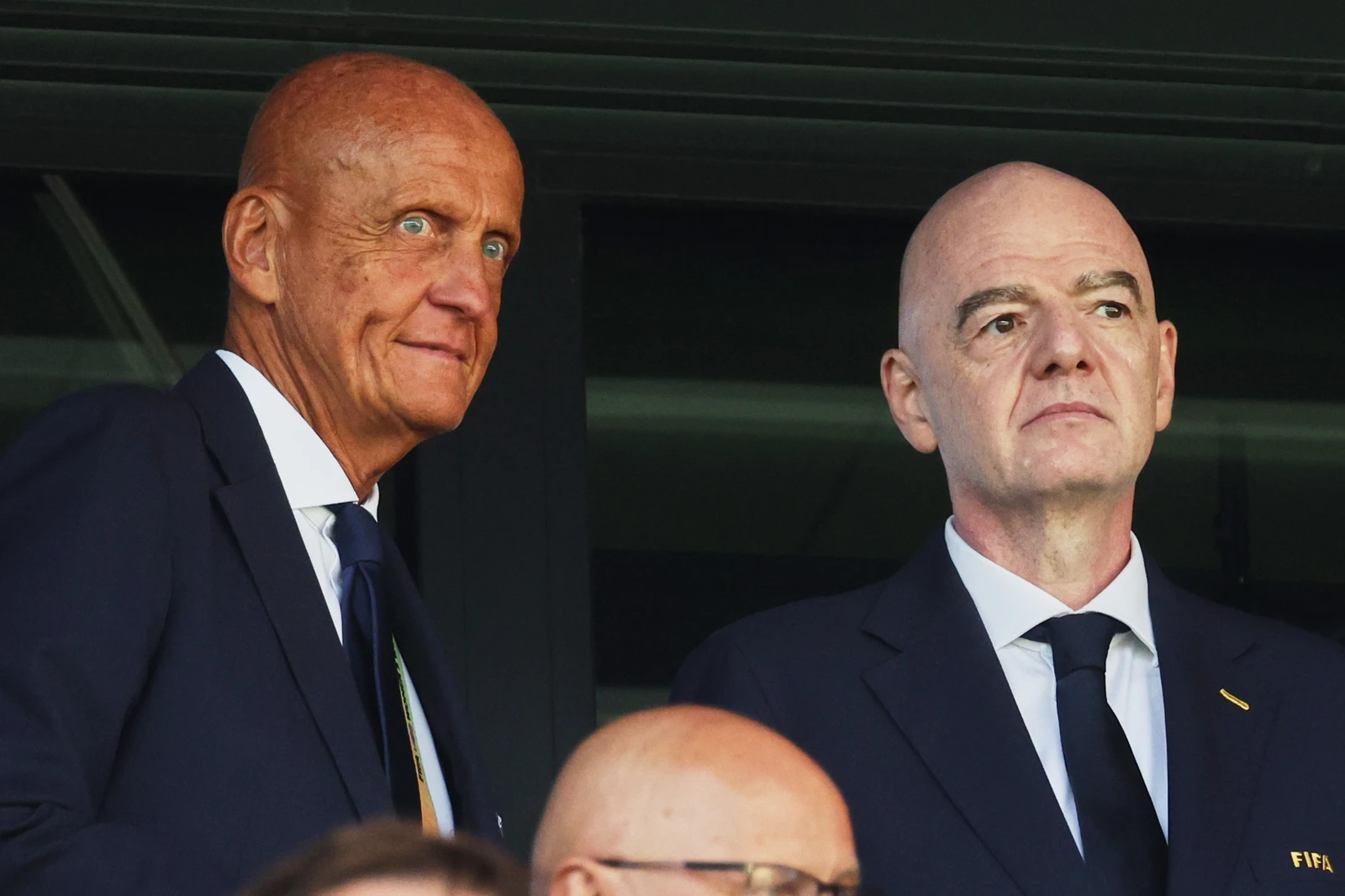 The proposed development programme comes after an unusually difficult period for FIFA’s leadership.
In July 2026, FIFA presented its FIFA Forward Enterprise proposal, which involved establishing a new commercial entity to manage FIFA’s commercial and event operations, with a proposed minority stake available to private investors.
The proposal faced criticism over governance and consultation. FIFA withdrew it in August after discussions revealed significant divisions among stakeholders. [Reuters’ reporting on the abandoned proposal](https://www.reuters.com/sports/soccer/fifa-says-review-shelved-investment-plan-be-presented-council-2026-09-16/).
It is important not to confuse that abandoned plan with the new Surplus Solidarity Programme. The latter is presented as a proposal to increase development funding using part of FIFA’s financial surplus and reserves, rather than proceed with the previously proposed commercial entity.
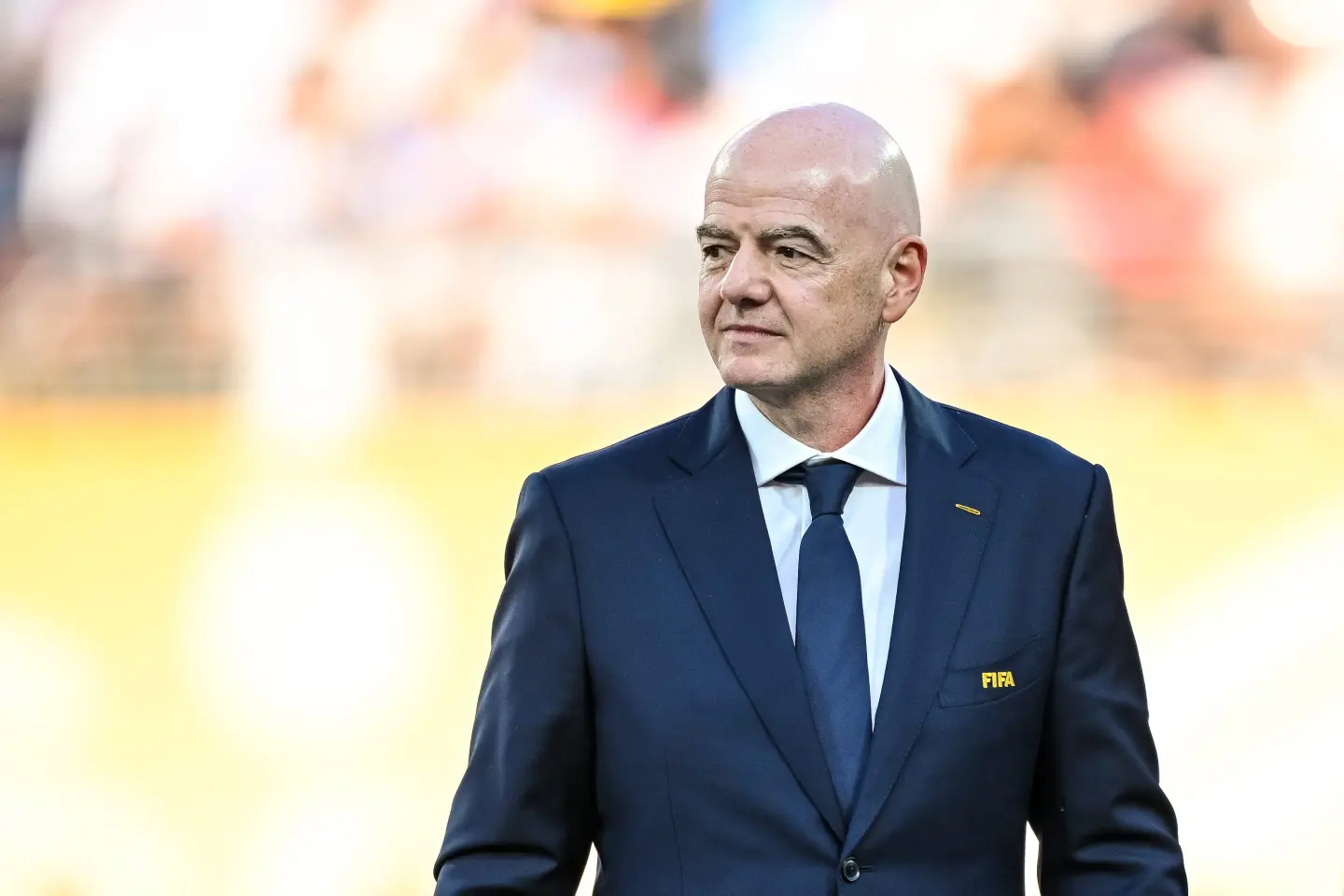
At the FIFA Council meeting on 15 October, Gianni Infantino apologised for mistakes in communicating and consulting over the earlier proposal. FIFA also announced a working group to examine possible governance reforms, alongside reviews of disciplinary procedures and the FIFA Peace Prize. [FIFA’s official statement](https://inside.fifa.com/organisation/fifa-council/media-releases/president-calls-for-unity-council-meeting-stresses-commitment-serving-member-associations).
Reuters reported that England FA chair Debbie Hewitt and German FA president Bernd Neuendorf remained critical of Infantino’s leadership and called for further answers and governance changes. Some African football leaders, by contrast, publicly defended the FIFA president’s record on development funding. [Reuters’ report](https://www.reuters.com/sports/soccer/infantino-apology-fails-sway-england-germany-over-fifa-future-2026-10-15/).
This division matters because funding decisions do not occur in a political vacuum.
For African associations, increased support could represent a major opportunity to improve their football systems. For FIFA, delivering measurable development results could strengthen confidence in its international funding model.
However, the new proposal should be judged on its own terms. It is neither proof that the earlier commercial plan was justified nor a substitute for addressing legitimate governance concerns.
The test will be whether FIFA publishes clear rules, applies them consistently and demonstrates that the resources achieve their intended purpose.
6. FIFA and CAF Funding: Two Separate Opportunities for African Associations
The potential FIFA allocation is not the only financial development affecting African football.
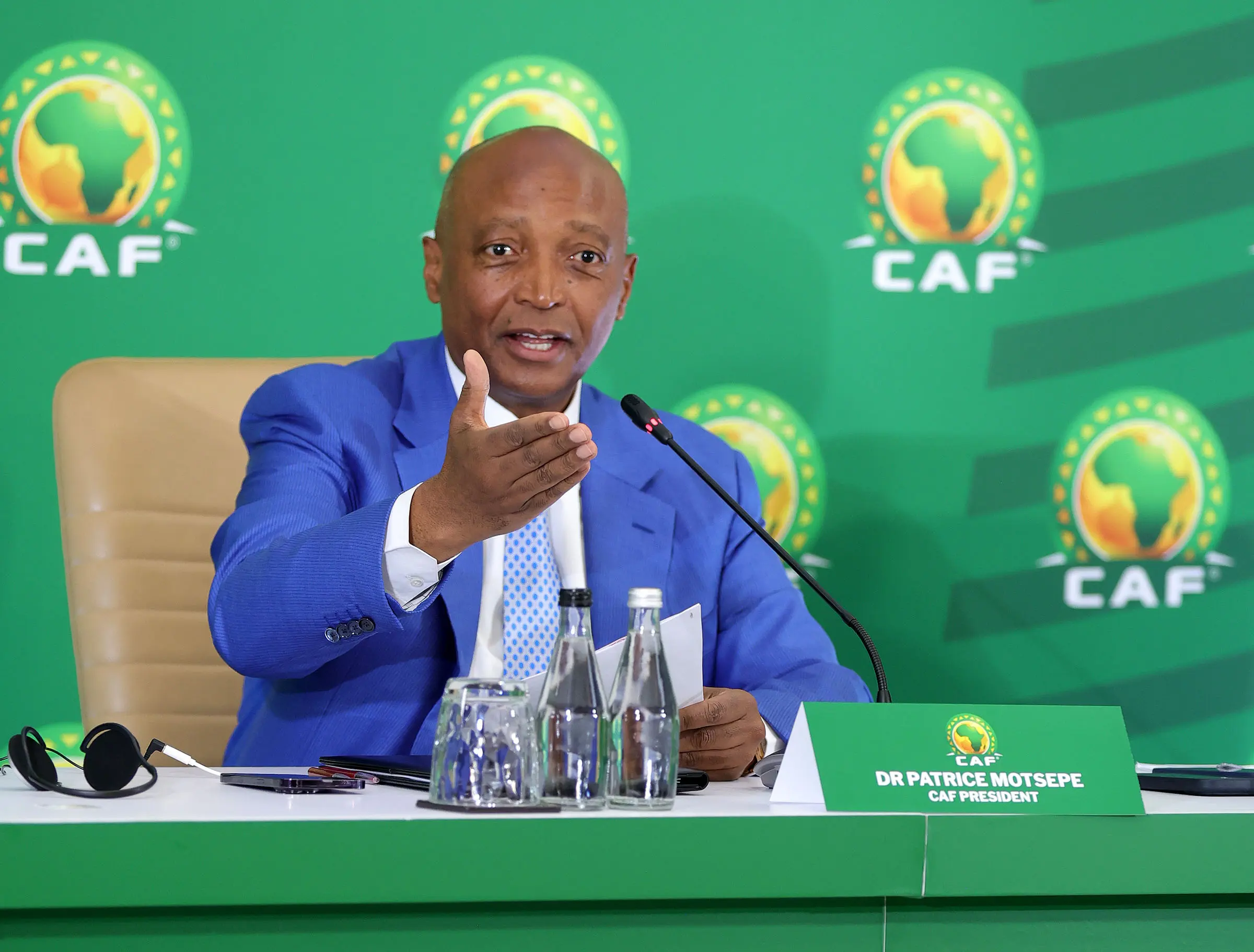
On 14 October 2026, the Confederation of African Football announced that annual subventions for each of its 54 member associations would rise from up to $525,000 to up to $700,000. CAF also announced an increase in support for zonal unions from $750,000 to $900,000 annually, while the African Clubs Association’s allocation would rise from $400,000 to $500,000. [CAF’s official funding announcement](https://www.cafonline.com/inside-caf/news/caf-president-dr-patrice-motsepe-announces-33-increase-in-annual-subventions-to-usd-700-000-for-the-54-caf-member-associations-and-further-usd-900-000-to-caf-zonal-unions-each-year/).
This is a separate CAF funding decision—not part of the proposed $1.35 billion FIFA calculation.
For national associations, the two developments could create complementary opportunities if the funding arrangements proceed as announced and the proposed FIFA programme receives approval.
CAF’s annual subventions could help support administration and ongoing football programmes, while FIFA’s potential development allocation could support longer-term projects under its eventual eligibility and audit rules.
The opportunity is to coordinate funding intelligently instead of treating each payment as an isolated windfall.
Associations should identify which costs require predictable annual support and which projects need multi-year capital investment. Better coordination could help prevent duplicated projects or the construction of facilities that lack long-term operating support.
The combined effect could be meaningful, but only if each funding source is managed according to its own rules and purpose.
7. Five Tests That Will Determine Whether the Plan Succeeds
The headline allocation will attract attention, but the programme’s success will depend on practical details.
First, approval: FIFA must complete the proposal’s governance process. The $25 million figure should not be treated as a guaranteed payment until the relevant approvals and conditions are confirmed.
Second, allocation rules: Associations need transparent eligibility requirements and a clear understanding of which projects qualify.
Third, accountability: Independent audits and accessible reporting should show how money is spent and what outcomes it produces.
Fourth, long-term sustainability: Facilities and development programmes need operating budgets, qualified staff and maintenance plans beyond the initial investment.
Fifth, measurable impact: Success should be assessed through improvements in youth participation, women’s football, coaching, competition quality and infrastructure—not merely through the amount of money distributed.
These tests apply across Africa, but their implementation should recognise the different needs and starting points of individual countries.
An association with limited playing facilities may prioritise pitches and regional training centres. Another may have adequate infrastructure but need better coaching, competition administration or women’s football structures.
A sensible development strategy must allow for those differences while maintaining consistent standards of accountability.
Final Verdict: A Historic Opportunity, but Not Yet a Guaranteed Transformation
The proposed FIFA $1.35bn Africa plan could represent a major step forward for African football. Its potential value lies in giving the continent’s 54 national associations more resources to develop players, improve facilities and strengthen their football institutions.
Yet the figure itself does not guarantee success.
The programme remains a proposal, its detailed distribution conditions are still being finalised, and the outcome will depend on approval and implementation. It is also essential to distinguish the potential allocation for Africa’s national associations from FIFA’s wider global development programme and CAF’s separate funding commitments.
For African football, the central challenge is to turn financial opportunity into sustainable sporting progress. That requires transparent administration, carefully chosen projects, strong technical development and a willingness to measure results honestly.
The real legacy of the FIFA $1.35bn Africa plan will not be determined by the announcement itself. It will be determined by whether young players gain better opportunities, women’s football becomes stronger, facilities remain functional and national associations become more capable of serving the game.
What’s Next?
The next major milestones are FIFA’s planned Council consideration in December 2026 and the proposal’s consideration for approval at the FIFA Congress in March 2027. Until the detailed conditions and approvals are confirmed, African associations should plan carefully rather than treat the potential allocation as guaranteed income.
Will this proposed funding transform African football, or will governance and implementation determine how much of the opportunity is realised? Share your views in the comments and follow The Football Xtra for more African football analysis, FIFA developments and football-business reporting.