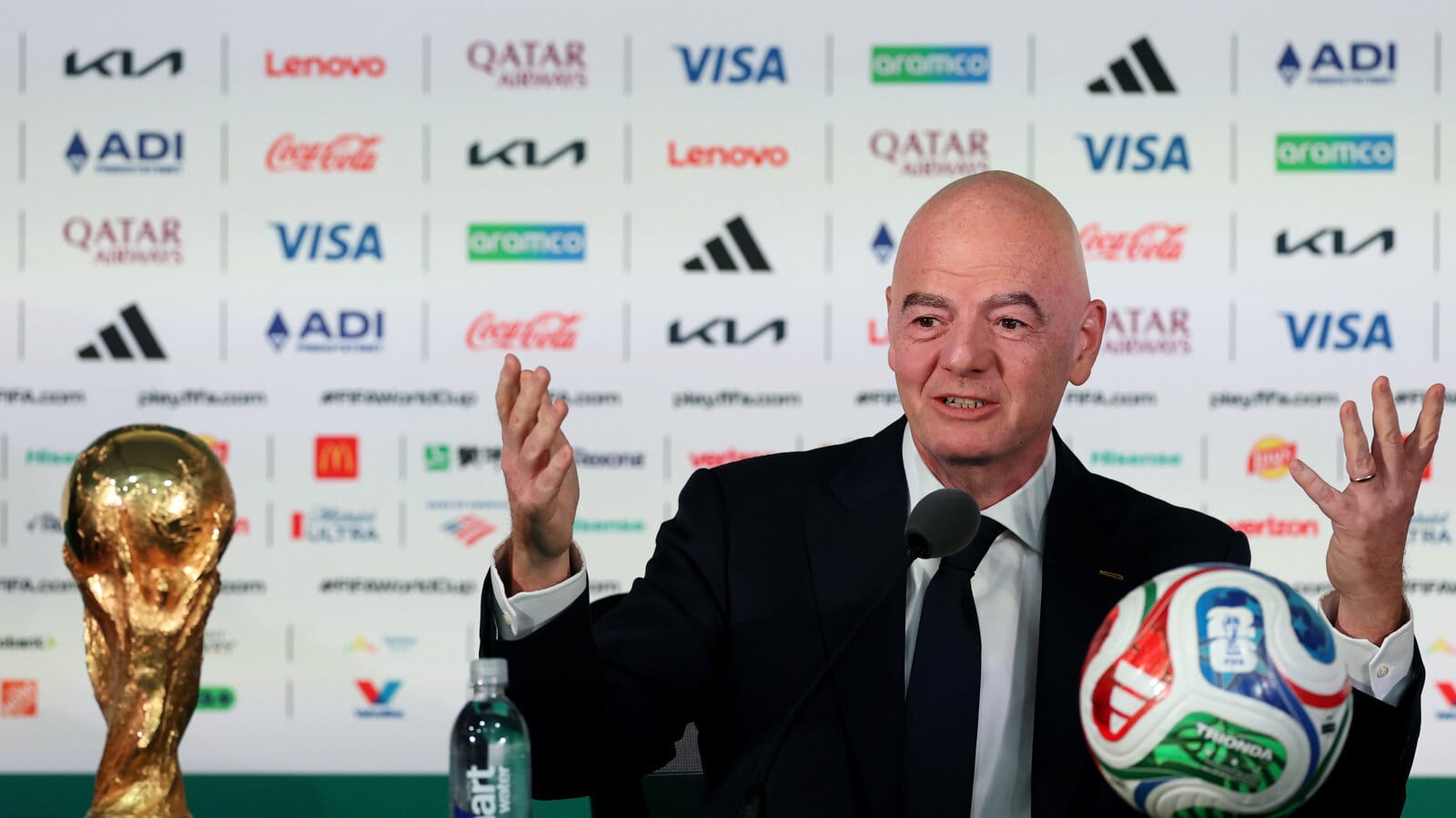
The FIFA trust crisis is not only about corruption scandals or bad decisions. It is about whether supporters still believe the people running the game are acting in football’s best interests. Once that belief starts to erode, every controversial draw, schedule, ruling, or public statement becomes another reason to doubt the sport’s guardians.
FIFA trust crisis and why perception matters
Infantino’s World Cup faith gamble is playing with fire because football’s credibility depends on belief as much as proof. The FIFA trust crisis is dangerous precisely because once suspicion takes hold, even a legitimate result can look contaminated, and the game’s rulers have very little room to win that trust back.
A story from a sports desk in Bucharest shows how quickly that trust can vanish. A late Chelsea comeback in a Premier League game had one reporter waving a betting slip as if he had caught a fix in real time. The English visitor saw a dramatic turnaround. The Romanians, shaped by years when match-fixing was part of football’s darker backdrop, saw something else entirely.
There was no evidence that match had been manipulated. In the modern game, with high salaries and betting-monitoring systems designed to flag unusual patterns, fixed Premier League matches are hard to imagine. But the point is not proof. The point is perception. In football, the reaction to an event can be as damaging as the event itself.
That is the heart of the FIFA trust crisis: not simply whether an institution has broken the rules, but whether it has lost the right to be presumed clean, fair and impartial.
The problem becomes even sharper at World Cup level because every decision is magnified. A scheduling change, a disciplinary call or a seemingly minor communication error can be read as evidence of a larger pattern. Once that happens, the FIFA trust crisis stops being a theory and starts becoming the lens through which every move is judged.
At international level, the smallest mistake can create the biggest story. That is why FIFA cannot rely on technical correctness alone. It must also think about whether the public can follow its reasoning and accept its motives. Without that confidence, even a fair process can feel rigged from the outside.
Big-team and big-name bias
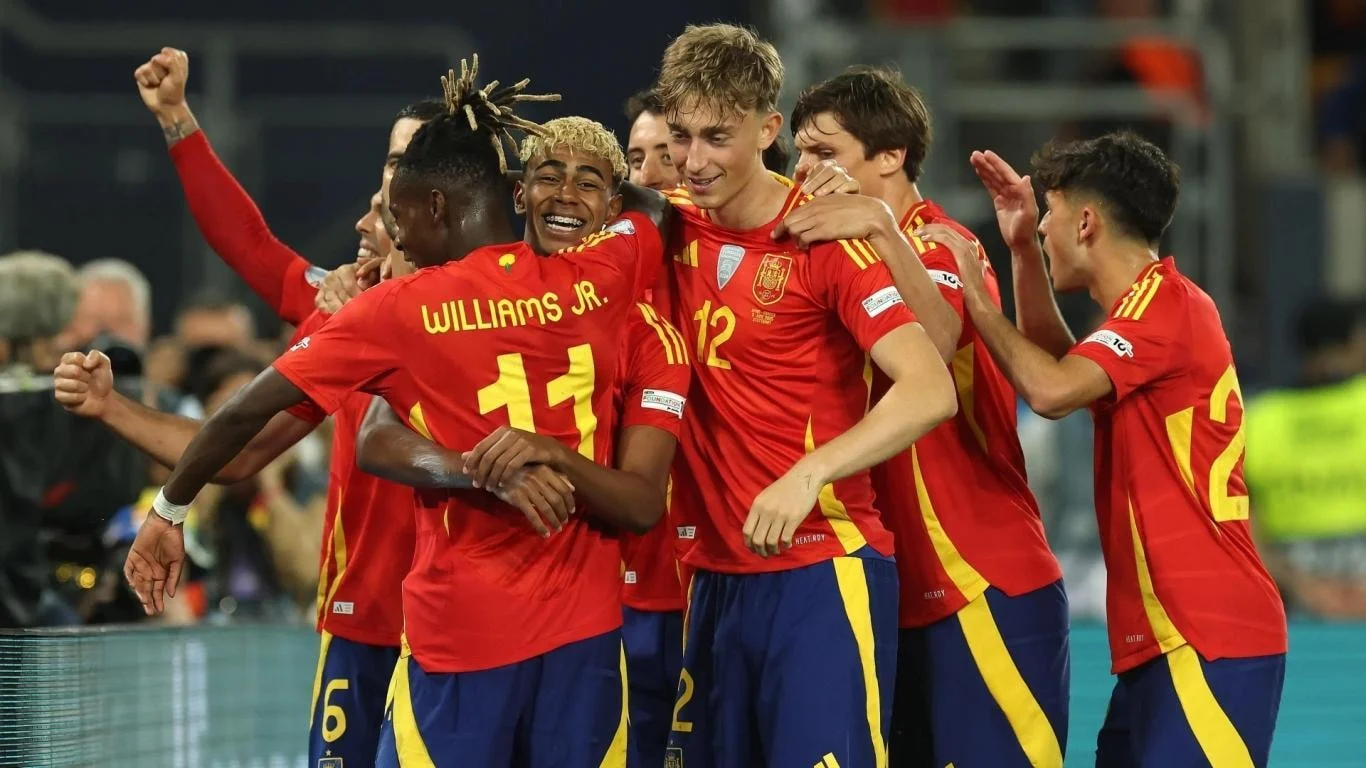 That is where FIFA runs into trouble. Swirling doubts about its machinations, together with the sense of big-team and big-name bias, create a dangerous atmosphere. Once supporters start believing the deck is stacked for the powerful, every draw, every scheduling choice and every headline moment comes under suspicion.
This is why the issue matters so much at World Cup level. The tournament is supposed to stand above the weekly noise of club football. It is the event that invites the whole planet to trust the same rules, the same process and the same authorities. If that trust starts to wobble, the damage reaches far beyond one competition.
The modern game already lives with constant scrutiny. Fans compare fixtures, analyse refereeing trends and question every controversial decision on social media within seconds. When that environment meets an organisation with FIFA’s history, the burden becomes even heavier. The governing body does not have to be perfect, but it does have to be visibly fair.
That is why the FIFA trust crisis cannot be dismissed as online grumbling or media overreaction. In football, perception shapes legitimacy. If people think powerful nations, powerful clubs or powerful officials are being protected, the argument is lost before the whistle blows.
For readers following broader World Cup politics, The Football Xtra has also examined how pressure shapes the tournament through pieces such as why World Cup coaches leave so often, which shows how quickly tension can spread when results, reputations and expectation collide.
And that suspicion does not stay contained. It leaks into debates about refereeing, VAR, seeding and tournament planning. Each new controversy feeds the same conclusion: that FIFA must work harder than most organisations simply to be believed.
When the public starts looking for hidden motives, even ordinary administration becomes politically loaded. A fixture adjustment looks strategic. A disciplinary decision looks selective. A press release looks like damage control. That is the environment in which the FIFA trust crisis grows, because distrust is never just about one event; it is about what people think the next event means.
Why faith matters in football
 Football can survive controversy. It can survive bad refereeing, ugly politics and the occasional chaotic night. What it cannot survive for long is a permanent cloud of doubt hanging over the people running it.
That is because football is not just a business or a broadcast product. It is a shared act of belief. Fans believe the competition is real, managers believe the structure is fair, players believe the outcome is earned, and broadcasters believe the audience will keep caring. Remove that shared belief and the sport becomes a spectacle without soul.
In that sense, faith is not a religious metaphor tacked on for drama. It is the foundation of the game’s social contract. A supporter who trusts the process can stomach defeat. A supporter who believes the process is rigged will see defeat as theft.
The Bucharest anecdote works so well because it captures that divide. One person saw momentum, skill and drama. Another saw the ghost of corruption. The facts did not change, but the meaning of the match changed entirely based on who was watching and what they had lived through before.
The same logic applies to FIFA. When an organisation is already viewed with suspicion, even innocent decisions can look sinister. That is why a FIFA trust crisis is so difficult to repair. It is not solved only by statements, investigations or branding campaigns. It is solved by time, consistency and a visible commitment to fairness.
If supporters stop believing the system is fair, football loses something more valuable than money or prestige: it loses credibility.
The Guardian’s original report on this issue explores the wider idea behind Infantino’s approach and the risks attached to governing a tournament where every move is interpreted through a lens of suspicion. You can read that source here: The Guardian’s analysis of Infantino and the World Cup trust problem.
That wider lesson matters because the World Cup is not simply judged by results. It is judged by whether the public feels the competition was managed honestly. In a period where mistrust spreads quickly, FIFA has to assume every action will be examined for signs of favouritism.
Faith also matters because football is emotional before it is technical. A tournament may be run efficiently on paper, but if it feels manipulated, supporters will reject it. That emotional response is what makes the FIFA trust crisis so serious: the harm is not only administrative, it is psychological. Once the audience emotionally withdraws, rebuilding the relationship becomes far harder than fixing a regulation.
What FIFA must protect at the World Cup
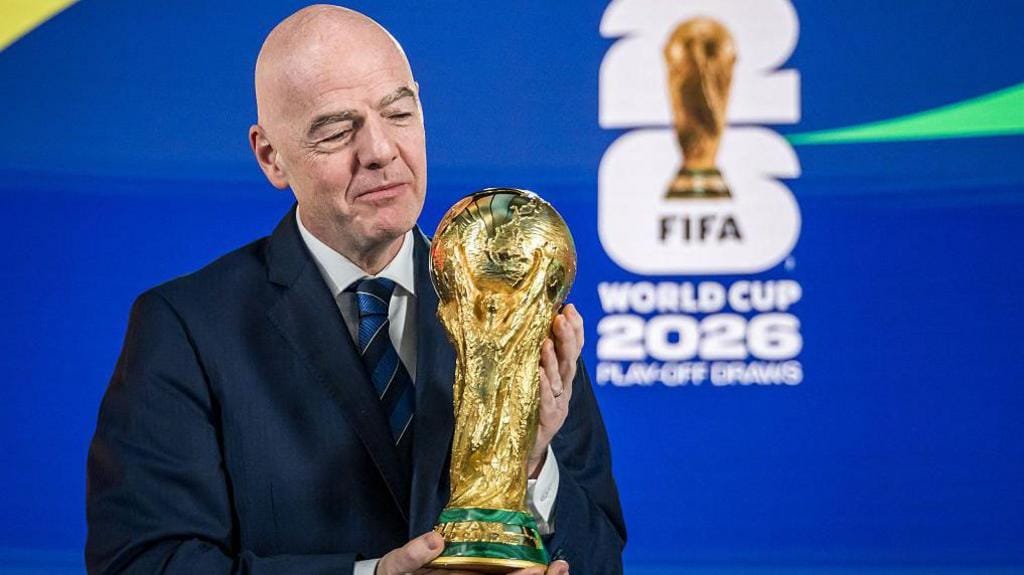 That is why the World Cup argument matters beyond the tournament itself. If FIFA wants the game to be trusted, it must guard not only against corruption, but against the appearance of favoritism. In football, legitimacy is fragile. Lose it, and no amount of spectacle will put it back together.
At a minimum, FIFA has to protect three things: transparency, consistency and restraint. Transparency means explaining decisions clearly and early. Consistency means applying the same standards no matter which federation, star player or host nation is involved. Restraint means understanding that every unnecessary flourish, every opaque process and every vague explanation adds fuel to the fire.
That is especially important when the world’s biggest tournament is being framed as a test of institutional integrity. The World Cup is not just a football event; it is a global trust exercise. Fans do not merely want entertainment. They want confidence that the competition is legitimate from the first whistle to the last.
In practical terms, that means FIFA should be thinking about how its actions look as well as how they function. A decision that is technically defensible can still be politically damaging if it appears to favour certain teams or certain regions. The modern audience does not separate optics from reality; both shape the story.
The governing body’s challenge is made harder by the wider history of football administration. Supporters have seen too many examples of bureaucracy, secrecy and inconsistency to give institutions the benefit of the doubt automatically. Rebuilding that trust requires more than public relations. It requires habits that are boring, predictable and fair.
For that reason, the FIFA trust crisis is really a warning about governance everywhere in the sport. The game survives because people continue to believe the system can still produce a result that feels honest. If that belief weakens, football becomes more fragile than many executives seem prepared to admit.
It is also why scrutiny should not be treated as hostility. Fans asking hard questions are not necessarily trying to undermine the tournament; they are trying to protect it. In the long run, skepticism can be a sign that supporters still care enough to demand standards.
That is the difficult balance Infantino and FIFA must strike. The sport needs excitement, storylines and scale. But it also needs institutions that know when spectacle becomes overreach. A World Cup can be bold without becoming reckless, and ambitious without appearing manipulative.
The FIFA trust crisis becomes more serious when those lines are blurred. Once supporters feel that messaging is being used to distract from governance, every announcement starts to sound defensive, and every defence starts to sound rehearsed.
How suspicion spreads through modern football
Suspicion in football rarely arrives all at once. It creeps in through repeated experiences. A questionable refereeing call here, an unexplained delay there, a controversial sanction somewhere else, and gradually a fanbase starts to assume bad faith. That is how the FIFA trust crisis grows: not in one dramatic collapse, but through a steady accumulation of doubts.
Modern communication makes that process faster. A clipped video of an incident can travel around the world before any explanation is available. A half-true claim can become accepted wisdom long before the facts are checked. FIFA therefore faces a challenge that previous generations did not: it must manage not just events, but narratives around events.
That is particularly true during a World Cup, when every country has a stake in the story. If a fan thinks their side has been slighted, the grievance rarely stays local. It becomes part of a wider global debate about power, influence and bias. In that context, even neutral decisions need careful explanation.
Supporters are also more informed than ever. They know how tournament formats work. They understand disciplinary rules. They notice patterns in scheduling, travel, rest periods and match timing. When those patterns seem to favor one team, the backlash can be immediate and intense.
FIFA cannot prevent every theory, but it can reduce the conditions that allow them to flourish. Clear communication, published criteria and open accountability do not eliminate scepticism, but they make it harder for mistrust to metastasize. That is one of the most practical lessons of the FIFA trust crisis.
The danger is that institutions often mistake repetition for reassurance. Saying the same thing over and over does not restore belief if the audience thinks the underlying process is opaque. Trust comes from evidence, not slogans.
The World Cup as a test of legitimacy
The World Cup is the one tournament in football that claims to belong to everyone. That is why its legitimacy matters so much. If the biggest event in the game feels compromised, the damage spreads to every level beneath it.
National teams and their supporters invest months, sometimes years, in a cycle that is supposed to end in a fair competition. They accept sacrifices because they believe the route is honest. The moment that belief weakens, the whole structure feels less worth the effort.
That is why the FIFA trust crisis carries extra weight at this level. Club football can absorb mistrust because there are always other competitions, other stories and other forms of loyalty. The World Cup, by contrast, is supposed to be the ultimate common ground. If people begin to suspect that its management is tilted, there is nowhere bigger to retreat to.
The danger is not only reputational. It is practical. Sponsorship, broadcast interest and public engagement all depend on the sense that the tournament is credible. A World Cup that is perceived as politically manipulated would still draw attention, but not the kind that helps the sport in the long term.
That is why FIFA must think beyond the next headline. It needs to protect the tournament’s moral capital. Once that is spent, it cannot be replaced by marketing alone.
The same principle applies to individual controversies. Even if a single decision is later shown to be lawful, the damage may already have been done if people believed the process lacked fairness. The lesson of the FIFA trust crisis is that justice in football must be seen as well as done.
For younger fans especially, the expectation is simple: explain the rules, apply them consistently and avoid unnecessary secrecy. If a tournament fails that test, the audience does not simply disagree; it disengages.
What restores belief in the game
Ultimately, football without faith has very little left. It may still have goals, noise and money, but it loses the quality that makes those things matter. That is why the current argument is so serious: once the FIFA trust crisis deepens, every future controversy arrives already carrying a burden of doubt.
So what restores belief? Not rhetoric, and not defensiveness. Trust returns when institutions behave in ways that are easy to understand and hard to distrust. It returns when rules are applied evenly, when explanations are timely, and when leaders accept scrutiny rather than resent it.
It also returns when governance is boring in the best possible sense. The ideal football administrator is not the one who generates excitement, but the one who makes his or her decisions feel predictable, transparent and unremarkable. That is the opposite of the image often projected by football politics, but it is exactly what legitimacy requires.
FIFA’s challenge, then, is not to become invisible. It is to become trusted. That means resisting the temptation to stage-manage every moment and instead allowing the integrity of the competition to speak for itself.
The FIFA trust crisis is a warning that football’s deepest asset is not spectacle but confidence. Lose the confidence, and the spectacle eventually loses meaning too. Keep it, and even the hardest decisions can be absorbed because supporters believe the system is worth defending.
The lesson for FIFA is simple, even if the execution is not: protect the credibility of the competition first, and the spectacle will follow. Ignore the FIFA trust crisis, and even the biggest event in world sport risks feeling smaller than it should.
Football’s rulers should remember that the game is held together by more than rules on paper. It is held together by trust. And when trust begins to fail, everything else starts to wobble with it.
That is why the warning around Infantino’s World Cup approach matters so much. The sport can survive noise, criticism and even outrage. What it cannot survive is a culture in which too many people stop believing that the outcome is earned. If that happens, the FIFA trust crisis will no longer be a phrase in an article; it will be the defining story of the tournament itself.
For that reason, the best path forward is clear: explain more, obscure less, and let football be seen as fair. Because once faith is gone, getting it back is the hardest job in the game.