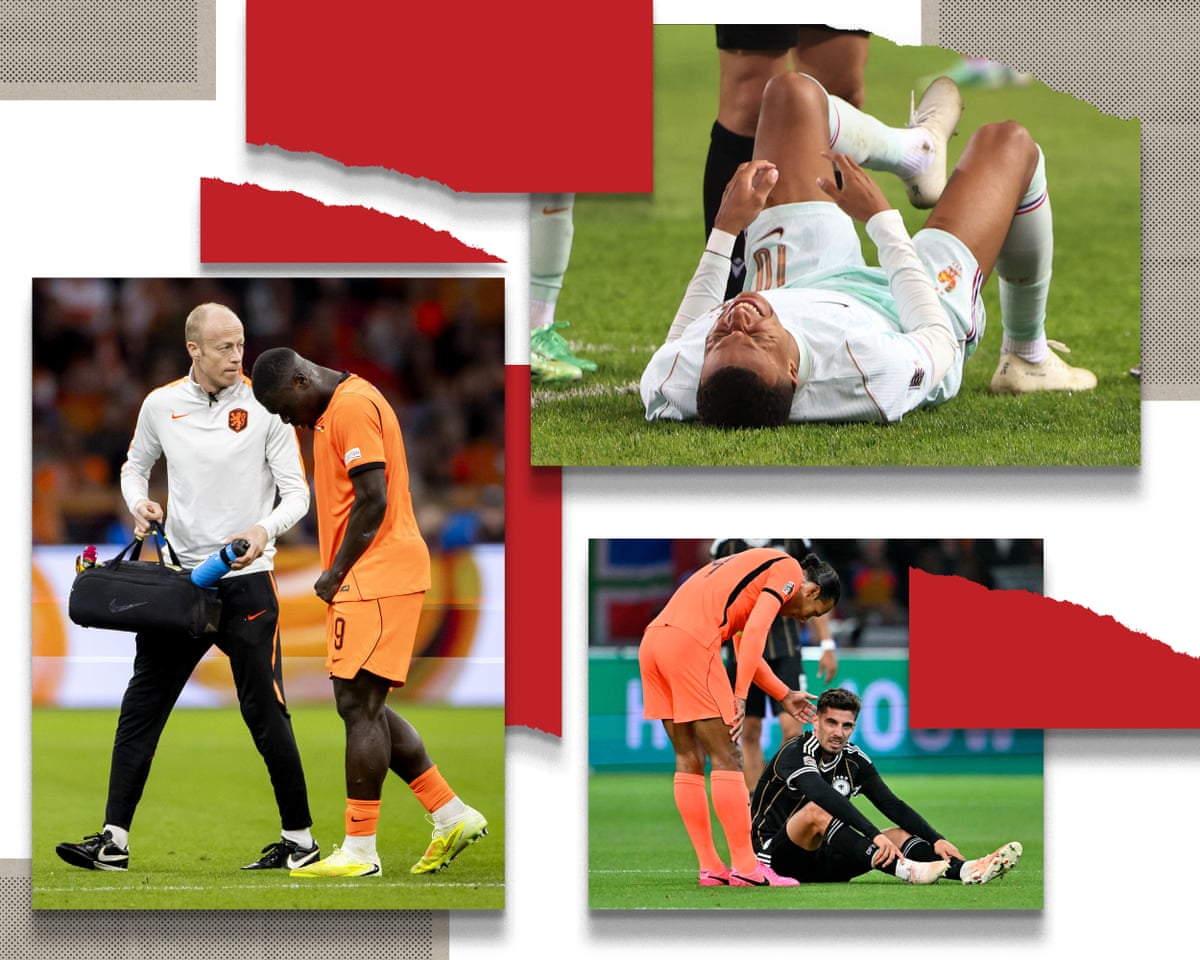
The Premier League returns this weekend, but several clubs are coming back with a different squad from the one they sent into the international break. The problem is not transfers or suspensions. It is the growing list of muscle injuries collected during a demanding run of international matches.
Kai Havertz, Alexander Isak and Patrick Dorgu are among the high-profile players affected. Bournemouth have lost Alex Scott for an extended period, Liverpool have concerns around more than one attacker and Manchester United are preparing for Tottenham with fresh fitness problems. What was supposed to be a pause in the domestic season has become an expensive medical handover.
Four international matches changed the calculation
The unusual length of the window matters. Some national teams played four matches in a short period, creating a workload more familiar to club football in December than an international break. Coaches have tried to rotate, but important players are still being asked to travel, train and play with limited recovery.
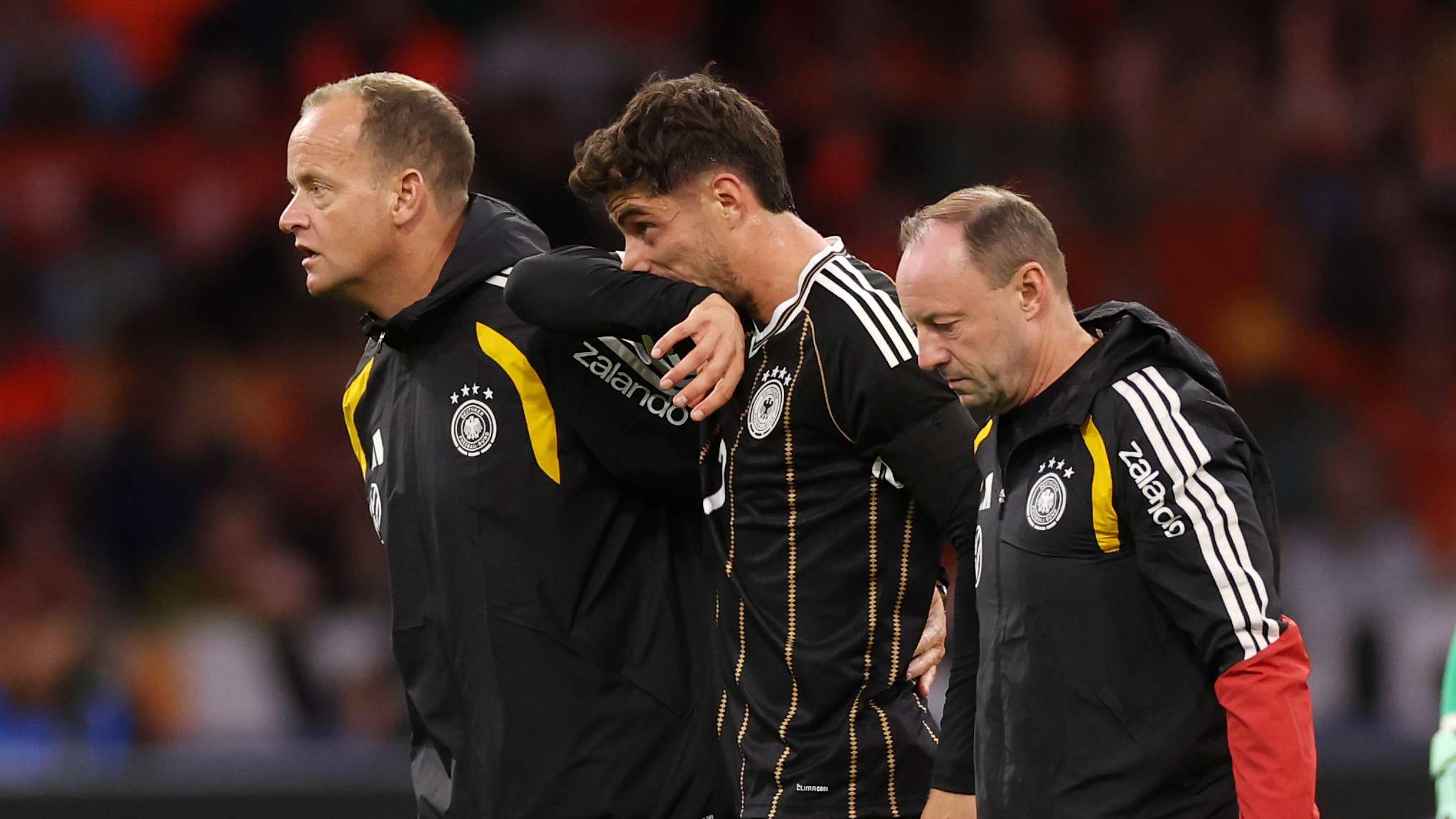
Havertz is one of the clearest examples. The Arsenal forward picked up a hamstring problem with Germany, another setback for a player whose availability has repeatedly shaped Mikel Arteta’s attacking options. Arsenal had 17 players called into international squads, so every return to London Colney has carried a degree of uncertainty.
The issue is not that international football automatically causes injuries. Muscle problems are usually the product of accumulated load, recovery time, previous injuries and match intensity. The calendar simply reduces the margin for error.
Liverpool and Manchester United feel the cost
Liverpool’s Alexander Isak returned early from Sweden duty with a minor problem and is being assessed. Cody Gakpo has also been among the concerns after international action, while Jérémy Jacquet reportedly suffered a hamstring issue with France. For a team about to face Manchester City, those are not minor details.

Isak has started the season strongly and gives Liverpool a central threat that changes how opponents defend them. Losing even a percentage of his sharpness before the meeting with City would alter the choices available to Andoni Iraola. Our recent analysis of Liverpool’s new defensive structure also showed how important Jacquet has become to the balance of the side.
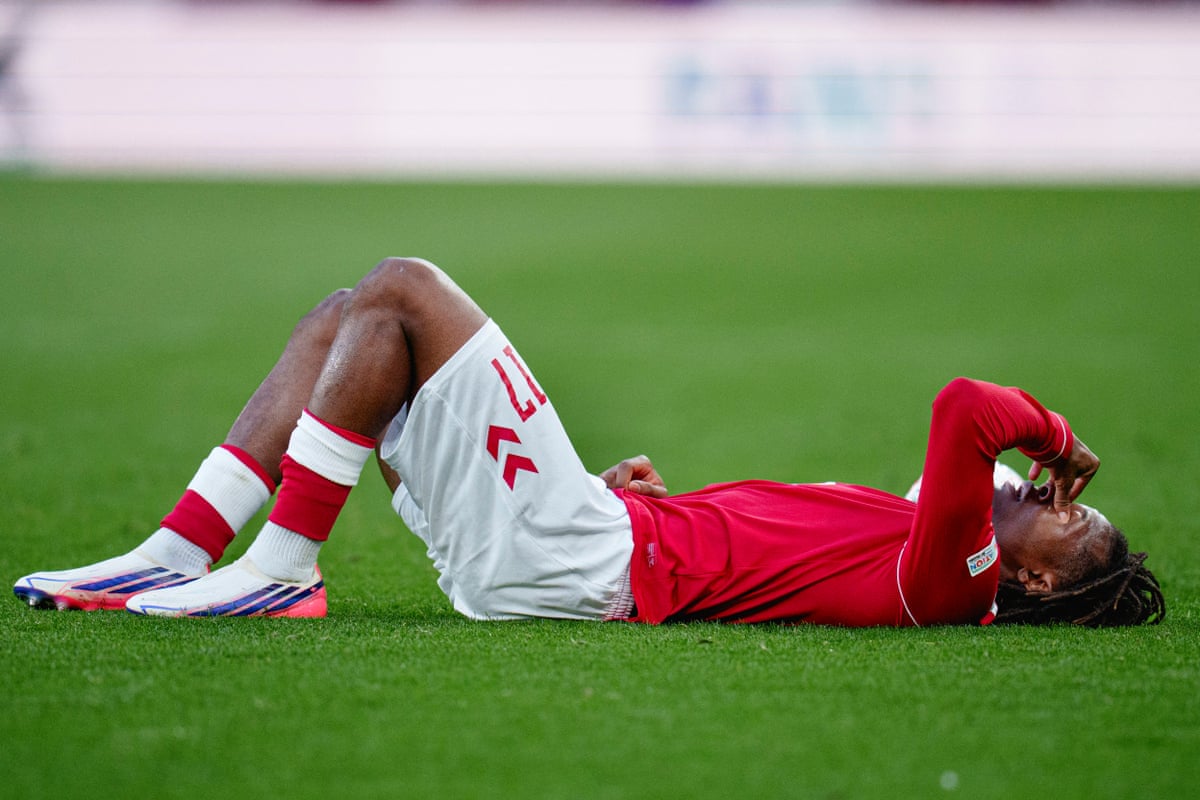
Manchester United have a similar problem at left-back. Dorgu suffered a hamstring injury with Denmark, while Noussair Mazraoui also picked up a knock with Morocco. United host Tottenham in a game carrying pressure for both clubs, and the absence of natural wide defenders could influence how aggressively Michael Carrick can set up his side.
Load management is no longer an American phrase
Before this break, “load management” was used to explain why some players were protected from international duty. The phrase is associated with the NBA, but elite football now faces a similar problem: stars are being asked to sustain club and international schedules with increasingly small recovery windows.
Declan Rice played 69 matches and more than 5,000 minutes last season. Even players who feel physically healthy can arrive at October carrying the fatigue of the previous campaign, summer tournaments and a short pre-season.
The clubs now have decisions to make
The temptation is to rush important players back because the fixtures are important. Arsenal have domestic pressure after the 3-0 defeat at Brighton. Liverpool are preparing for the league leaders. United need stability. Those circumstances can make a player who is “almost ready” feel essential.
The smarter approach may be the opposite. A minor hamstring concern in October can become a six-week absence if managed badly. Clubs with deep squads have spent heavily precisely so they do not have to make that gamble every time the calendar tightens.
The weekend will therefore be shaped as much by medical departments as by tactical boards. Managers will have to decide who can start, who can only contribute from the bench and who needs another week.
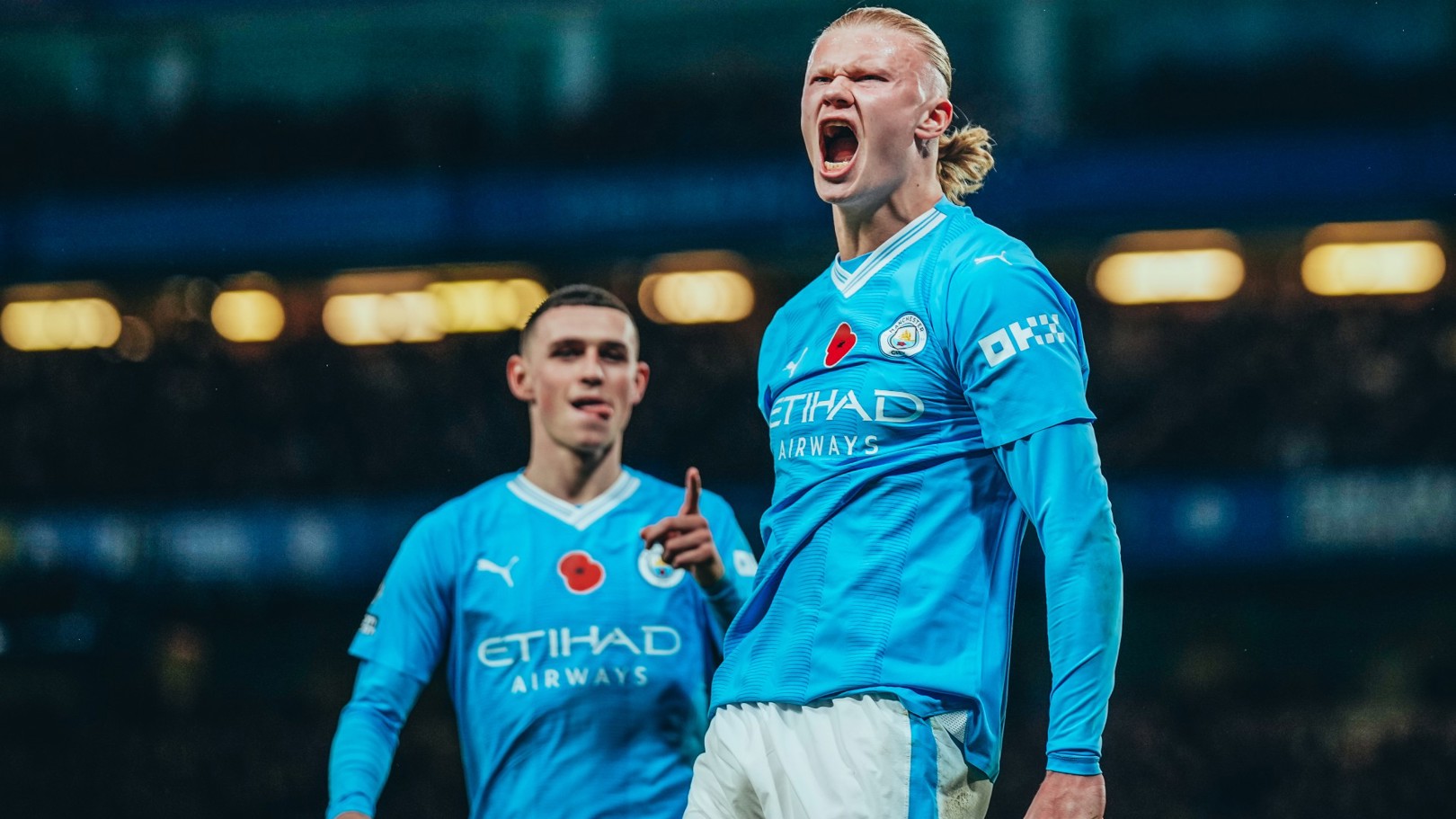
Not every star came back damaged. Erling Haaland had a scare with Norway but was managed through the window and is expected to be central to Manchester City’s trip to Anfield. That contrast is important: international duty itself is not the enemy. The problem is how little space exists between maximum effort and physical breakdown.
For United, the injuries arrive while Carrick is already under scrutiny; read our analysis of the pressure around Manchester United’s manager. Arsenal’s situation also connects directly to the questions raised by their defeat at Brighton.
Why this weekend could expose squad depth
The clubs that cope best will not necessarily be those with the biggest names, but those with the clearest replacements. Liverpool, Arsenal and Manchester United all have players capable of filling gaps, yet replacing a starter can still alter the way a team presses, builds attacks or defends transitions. Coaches now have to balance the immediate need for points with the risk of turning a minor injury into a longer absence. That makes selection this weekend unusually revealing: it will show which managers trust their squads and which still depend too heavily on a small core of players.
Read Here: The Guardian’s report on the international-break injury list.