
England’s 3-0 win over Czechia did not carry the shock value of the 7-0 demolition of Croatia three days earlier. In some ways it was more useful. Thomas Tuchel’s team showed they could move from a chaotic, attacking performance away from home to a controlled Wembley match without losing the aggression that has defined this international window.
Three wins have followed the narrow 3-2 defeat to Spain. England have scored 12 unanswered goals in those victories and Tuchel has now reached 20 wins in 26 matches, the fastest an England manager has reached that mark. The numbers are strong, but the more interesting development is the change in how England are trying to control matches.
Tuchel wants control without caution
England teams have often treated control as a reason to slow the game down. Tuchel is moving in another direction. He wants possession, but he also wants his players to attack spaces early, press immediately after losing the ball and take what he has described as calculated risks.
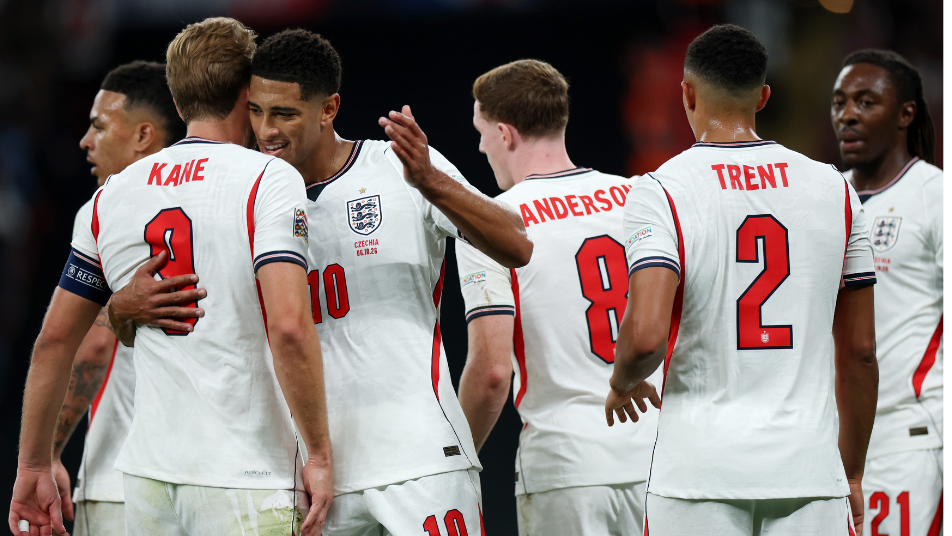
The distinction matters. A risk is not the same as an unnecessary gamble. England are being encouraged to play forward more quickly when the structure behind the ball can protect them. The attacking players can rotate because the team understands who fills the empty space when someone moves.
That was visible in Croatia, where England repeatedly found gaps between midfield and defence. It was visible differently against Czechia, where they had to move a deeper block rather than run into open grass.
Harry Kane remains the reference point
Whatever tactical changes Tuchel makes, Harry Kane is still the player around whom the attack makes sense. His 125th cap against Czechia drew him level with Peter Shilton’s England record and he marked the night with two goals and a decisive cross that produced an own goal.
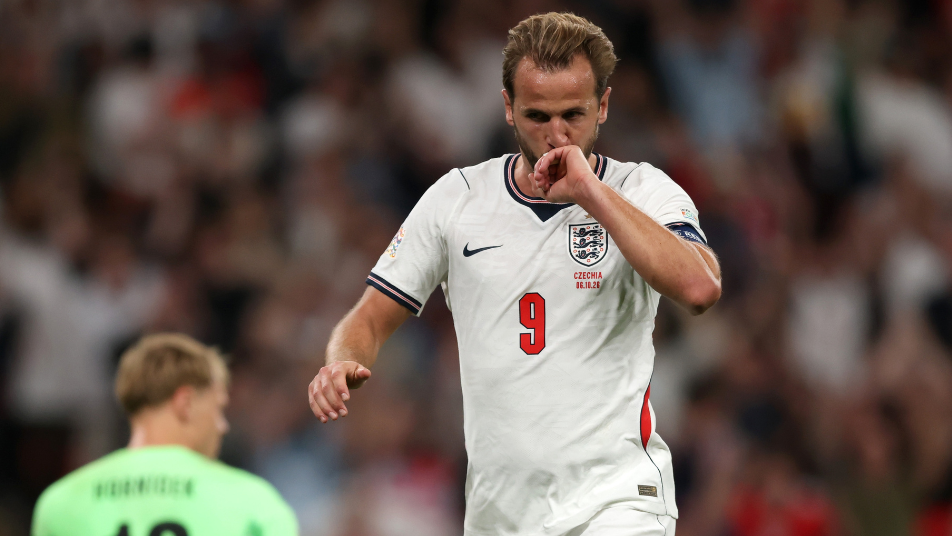
Kane’s value is not limited to finishing. He can still drop away from centre-backs, connect with Jude Bellingham and the wide players, and force defenders to decide whether to follow him. When they step out, England can attack the space behind them. When they stay, Kane can turn and play.
Bellingham has described the captain as still improving, and the current system gives both players licence to occupy different layers of the attack rather than constantly arriving in the same zone.
The Croatia result showed the ceiling
A 7-0 away win against Croatia is an extreme scoreline, but the performance offered evidence of what Tuchel is chasing. England scored early, continued to press and did not retreat into game management once the result was secure.
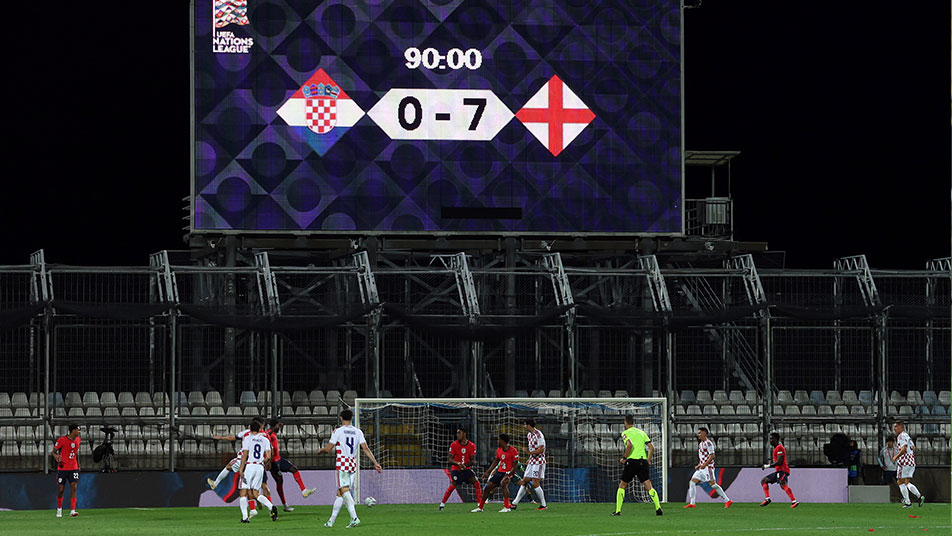
Tuchel called it a complete performance because the attacking freedom was matched by counter-pressing and basic defensive discipline. That combination is more important than the seven goals. England have had talented attacking squads before; the recurring question has been whether they can remain aggressive without becoming stretched against elite opposition.
The competition for places is changing the squad
The international window also showed that Tuchel is prepared to reward players who adapt quickly. Injuries forced changes, but younger players and less established names were trusted rather than protected from responsibility. That creates pressure on bigger names who were absent.
England’s recent World Cup run gave Tuchel a base, but he has not treated the squad as fixed. Lewis Hall, Alex Scott and others have created genuine competition. The effect can be healthy if selection remains connected to form and tactical suitability rather than reputation.
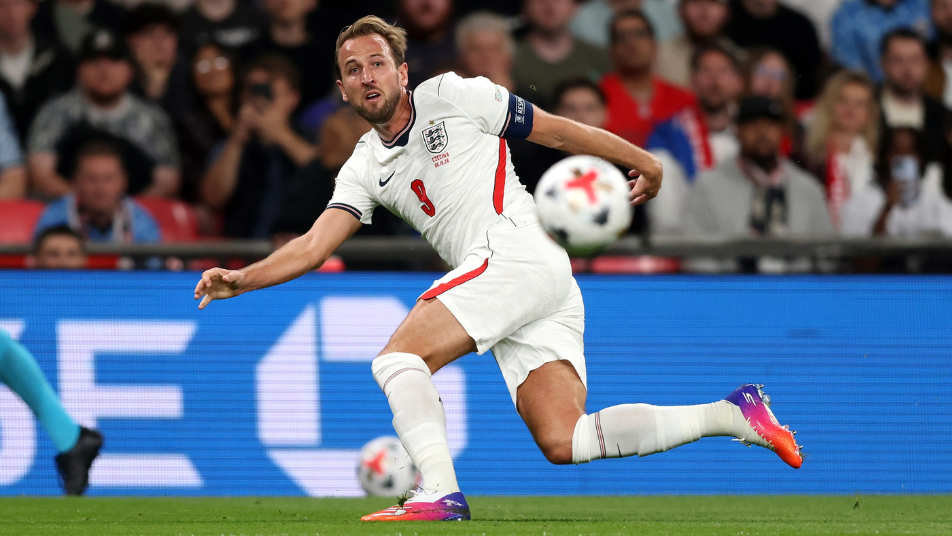
There are still harder examinations ahead. Spain exposed England in the opening match and the Nations League is not the same as a major tournament knockout game. But the response since that defeat has been significant because England have not simply become more cautious.
The wider injury picture also matters. Cole Palmer was already unavailable during this period, an issue we examined in our piece on what Palmer’s England withdrawal means. Tuchel has still managed to create momentum without waiting for a perfect squad.
For England, the next step is to prove that the risk-taking survives when the opponent can punish mistakes with the same speed. The current version looks more fluid, more aggressive and less afraid of losing the ball in pursuit of something decisive. That is a useful direction for a team whose talent has rarely been the main question.
The real test will come against another elite press
England have shown they can dominate a deep defence and punish a side that leaves space, but the next level is doing the same against an opponent that presses them high. That is where Tuchel’s idea of calculated risk will face its hardest examination. The midfield must be brave enough to receive under pressure without turning every possession into a forced vertical pass. If England can keep the aggression while protecting the spaces behind the ball, the recent results will look less like a strong international window and more like the start of a recognisable playing identity.
Read Here: The Guardian’s report on Tuchel’s calculated-risk approach.