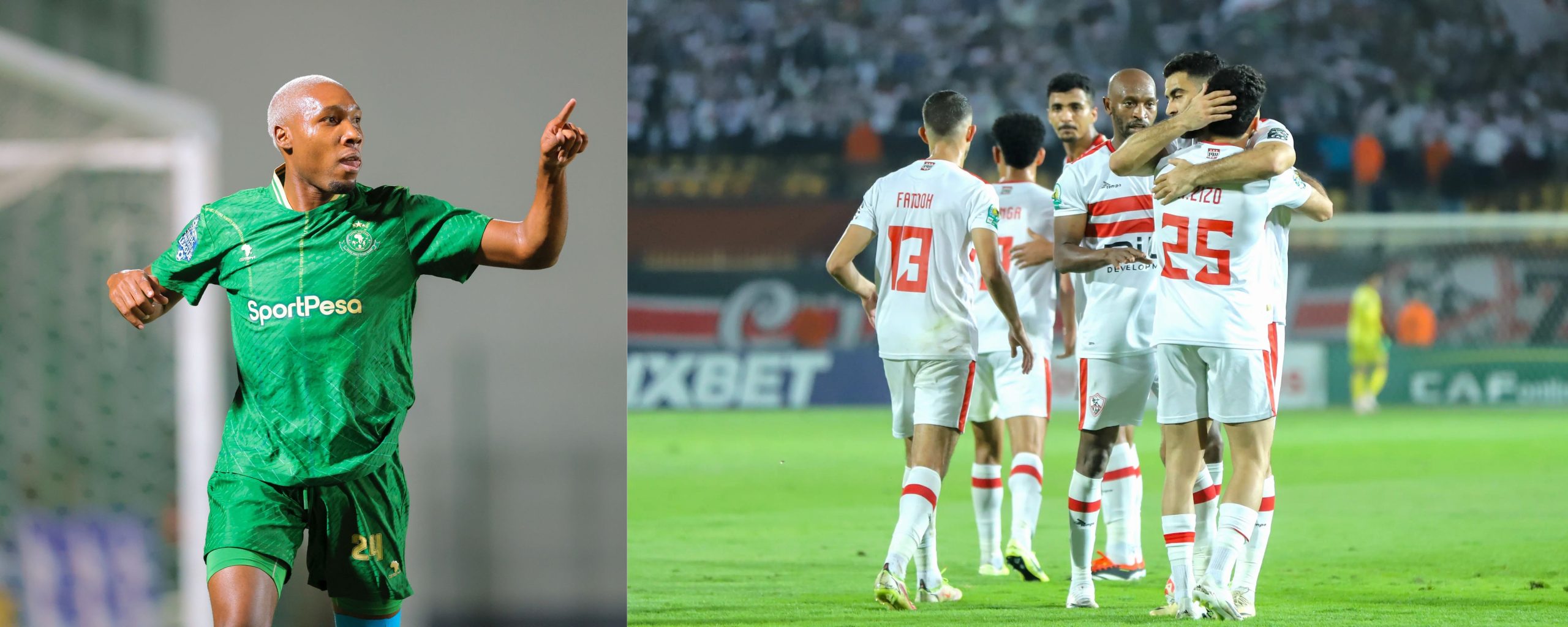
The road to African football supremacy has taken another dramatic turn, and Young Africans SC have been handed a demanding assignment in the 2026/27 CAF Champions League. Tanzania’s champions will face Egyptian giants Zamalek SC, Algeria’s MC Alger and Tunisia’s Club Africain in a Group B contest that promises to test their continental ambitions.
For Yanga, this is more than another group-stage appearance. It is an opportunity to demonstrate that their growing reputation in African football can translate into consistent results against some of the continent’s most established clubs.
Yanga vs Zamalek could become one of the defining tactical contests of the group stage, bringing together two ambitious teams with contrasting continental histories and a shared desire to progress towards the championship.
The draw, conducted in Cairo on October 28, has created a difficult challenge for all four participants. Zamalek arrive with five CAF Champions League titles, MC Alger bring their own continental pedigree, while Club Africain represent another significant challenge from North Africa.
Yanga, meanwhile, enter the competition after securing their fourth consecutive group-stage appearance, an achievement that reflects the club’s growing consistency.
However, reaching the group stage and competing successfully against continental giants are two different challenges.
For head coach Manqoba Mngqithi, the assignment will require tactical discipline, intelligent squad management and the ability to adapt to different opponents.
The central question surrounding Yanga vs Zamalek is whether the Tanzanian champions have developed enough tactical maturity to challenge the Egyptian giants and establish themselves as genuine contenders for the quarter-finals.
CAF Champions League Group B: A Difficult Assignment for Yanga
 The composition of Group B immediately makes it one of the most interesting sections of the 2026/27 competition.
The four participants are:
- Zamalek SC – Egypt
- Young Africans SC – Tanzania
- MC Alger – Algeria
- Club Africain – Tunisia
Each club brings a different footballing identity, competitive history and continental ambition.
Zamalek possess enormous experience in African competitions, having won the Champions League five times. MC Alger are also former continental champions, while Club Africain have a rich history in Tunisian and African football.
For Yanga, this represents a serious examination of their development.
The group-stage competition will feature six matches for every club, with home and away encounters against each opponent. Only the top two teams will advance to the quarter-finals.
This format leaves little room for inconsistency.
A strong home record could provide the foundation for qualification, but dropping points in Dar es Salaam would create unnecessary pressure during difficult away fixtures.
Yanga’s continental progress provides confidence
Young Africans enter the competition with encouraging momentum following their preliminary-round performances.
The Tanzanian champions defeated Madagascar’s CFFA 4–0 in the first leg before completing the job with a 4–1 victory in the return encounter at the Azam Complex.
The results produced an impressive 8–1 aggregate triumph.
Ibrahim Kazimoto opened the scoring in the second encounter, while Selemani Mwalimu scored twice before Juma Issa Abushiri completed the victory.
CAF confirmed that the achievement secured Yanga’s fourth consecutive appearance in the Champions League group stage.
This consistency is important because it demonstrates that the club has developed a stronger understanding of continental competition.
Nevertheless, the quality of opposition will increase significantly.
The tactical demands of facing Zamalek, MC Alger and Club Africain will be different from those encountered against CFFA.
That is why Yanga vs Zamalek deserves particular attention.
1. Midfield Control Could Decide Yanga vs Zamalek
 One of the most important battles will take place in central midfield.
Modern football increasingly rewards teams capable of controlling possession, winning second balls and managing transitions effectively.
For Yanga, midfield organisation will be especially important because Zamalek possess the technical quality to exploit spaces between defensive and midfield lines.
If the Egyptian side establish control in central areas, they could dictate the rhythm of the encounter and force Yanga into prolonged defensive periods.
Manqoba Mngqithi must therefore ensure that his midfielders maintain their positional discipline.
The coach has demonstrated an interest in structured possession, coordinated pressing and organised movement. However, Yanga’s 2–1 defeat against Simba SC in the October 10 Dar es Salaam Derby provided an important tactical warning.
Following the defeat, Mngqithi identified the loss of midfield control as a decisive factor.
He explained that an early substitution involving Duke Abuya disrupted the team’s balance and allowed Simba to gain greater influence in central areas.
Simba also benefited from Nathaniel Chilambo’s movement into midfield, which provided additional numbers in the central battle.
SEE ALSO: Simba 2-1 Yanga: The Costly Midfield Collapse That Changed the Derby
This experience should influence Yanga’s preparation.
Against Zamalek, the Tanzanian champions cannot afford similar structural problems.
Their midfielders must maintain compact distances, protect the defence and ensure that the opposition cannot receive possession comfortably between the lines.
The objective should not simply be to dominate possession but to control the important moments when possession changes hands.
That distinction could prove decisive in Yanga vs Zamalek.
2. Zamalek’s Continental Experience Against Yanga’s Ambition
 Zamalek’s historical achievements give them an important psychological advantage.
The Egyptian club has won the CAF Champions League five times, establishing itself among the most successful institutions in African club football.
Their experience in high-pressure continental encounters cannot be underestimated.
Such experience becomes particularly valuable during difficult away matches, when players must remain composed, protect narrow advantages and manage difficult periods.
Zamalek demonstrated their ability to navigate the preliminary rounds during their qualification campaign against Rwanda’s APR FC.
They secured a 1–0 victory away from home before repeating the result in Cairo, progressing 2–0 on aggregate.
Ahmed Sherif scored just 45 seconds into the second leg, giving the Egyptian side an early advantage.
The qualification demonstrated their ability to manage a two-legged contest without necessarily requiring spectacular attacking performances.
However, historical achievements do not automatically guarantee victories.
Yanga have steadily developed their own continental identity through consecutive group-stage appearances.
Their experience against different African opponents has improved their understanding of the competition’s demands.
The challenge now is to translate that experience into results against stronger opposition.
For Yanga vs Zamalek, the psychological battle will be just as important as the tactical contest.
Yanga must approach the fixture with confidence rather than allowing Zamalek’s reputation to influence their performance.
3. Yanga’s Attacking Strength Against Zamalek’s Defensive Organisation
 Yanga’s attacking performances during the preliminary rounds provide reasons for optimism.
Scoring eight goals across two encounters against CFFA demonstrated their ability to create opportunities and convert them efficiently.
However, the quality of opposition in the group stage will be considerably higher.
Against Zamalek, Yanga may find it more difficult to create clear opportunities because the Egyptian side possess considerable experience in organising defensive structures.
This means Mngqithi must consider alternative attacking solutions.
One possible approach is to increase the speed of attacking transitions.
Rather than attempting to build every attack through prolonged possession, Yanga could benefit from exploiting spaces immediately after recovering the ball.
Quick forward passes, intelligent movement from attacking midfielders and supporting runs from wide players could create opportunities before Zamalek reorganise defensively.
Why attacking variety matters
A predictable attacking structure is relatively easy for experienced defenders to manage.
If Yanga repeatedly rely on crosses from wide positions, Zamalek could organise their defensive line to deal with those situations.
The Tanzanian champions therefore need different attacking solutions.
These should include:
- Quick combinations through central areas.
- Overlapping runs from full-backs.
- Movement behind the opposition’s defensive line.
- Long-range shooting when central spaces become available.
- Effective use of set pieces.
The quality of decision-making in the final third will also be important.
Against experienced continental opponents, clear scoring opportunities may be limited.
For Yanga vs Zamalek, attacking efficiency could become more important than the overall number of chances created.
4. Set-Pieces Could Become Yanga’s Secret Weapon Against Zamalek
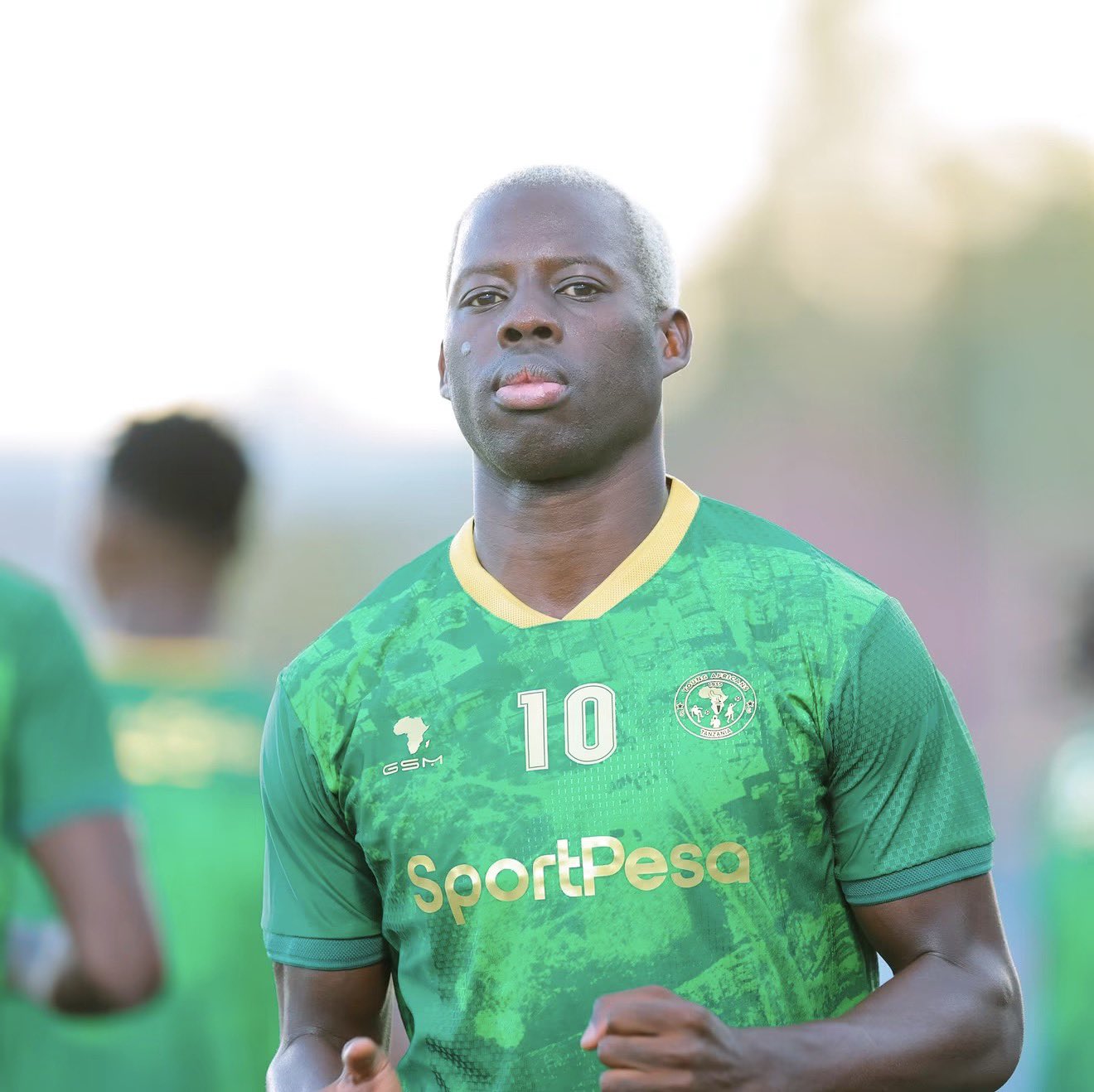 When two experienced African sides meet, opportunities from open play may not always come easily. That is why set-pieces could become a decisive factor in Yanga vs Zamalek.
Free-kicks, corners and long throws offer opportunities to create danger even when an opponent has successfully organised its defensive structure. For Yanga, maximising these situations could provide an alternative route to goal, particularly if Zamalek makes it difficult to penetrate through open play.
The Tanzanian champions will need quality delivery, intelligent movement inside the penalty area and effective timing from players attacking the ball. Simply winning corners will not be enough; Yanga must turn those opportunities into genuine scoring threats.
Defensively, however, concentration will be equally important. Zamalek’s experience in continental competitions means Yanga cannot afford to lose runners, leave opponents unmarked or switch off during second-ball situations.
The positioning of defenders, communication with the goalkeeper and organisation around the penalty area could all prove crucial. One poorly defended corner or free-kick could change the momentum of a closely contested encounter.
For Yanga, set-pieces should therefore be treated as an important part of the match strategy rather than an afterthought. If they can deliver accurately and defend with discipline, these situations could provide a valuable advantage in a contest where clear chances may be limited.
In a fixture of this magnitude, the smallest details can make the biggest difference.
5. Home Advantage Could Become Yanga’s Biggest Weapon
Home advantage remains one of the most important factors in African club football.
For Yanga, playing in Dar es Salaam provides an opportunity to benefit from the passionate support of their supporters.
Benjamin Mkapa Stadium could become an intimidating environment for visiting opponents.
The atmosphere, crowd intensity and emotional connection between the team and its supporters can provide additional motivation.
However, home advantage must be supported by tactical discipline.
Yanga cannot allow the excitement of playing in front of their supporters to encourage unnecessary attacking risks.
An experienced opponent such as Zamalek may look for opportunities to exploit spaces left behind when the home team commits too many players forward.
The Tanzanian champions must therefore balance attacking ambition with defensive organisation.
Winning home matches could prove essential in the qualification race.
Nevertheless, Yanga must also develop a strategy for difficult away encounters.
A successful continental campaign requires more than strong performances in Dar es Salaam.
It requires the ability to collect valuable points in challenging environments.
For Yanga vs Zamalek, the venue could influence the tactical approach, but discipline will remain the determining factor.
MC Alger and Club Africain: The Other Threats in Group B
 Although the meeting between Yanga and Zamalek attracts considerable attention, the other two clubs must not be underestimated.
MC Alger are among Algeria’s most established football institutions.
Their continental experience and competitive mentality make them dangerous opponents, particularly in matches where tactical discipline becomes important.
Their qualification campaign also demonstrated considerable resilience.
After suffering a 2–0 first-leg defeat against Nigeria’s Rangers International, MC Alger scored three unanswered second-half goals in the return match to secure qualification.
That comeback demonstrated their ability to respond under pressure.
Club Africain also bring significant continental tradition.
Their elimination of five-time African champions TP Mazembe was one of the notable qualification results.
The Tunisian side progressed after securing a 1–0 second-leg victory and completing a 2–1 aggregate triumph.
These results underline the difficulty of Group B.
Concentrating exclusively on Zamalek would be a serious strategic mistake.
Every match could influence the final qualification positions.
Yanga must therefore prepare differently for each opponent.
Against Zamalek, midfield organisation and defensive discipline could be particularly important.
Against MC Alger, controlling the physical and tactical intensity of the contest will matter.
Against Club Africain, patience and attacking efficiency could become decisive.
The club that manages these different challenges most consistently will have the strongest chance of reaching the quarter-finals.
What Yanga Must Do to Reach the CAF Champions League Quarter-Finals
There are five major areas that could determine Yanga’s qualification prospects.
1. Protect the home record
Winning matches in Dar es Salaam should be a priority. Dropping points at home could create unnecessary pressure during the remaining fixtures.
2. Improve midfield stability
The defeat against Simba demonstrated the importance of maintaining structural balance when substitutions or tactical adjustments become necessary.
3. Improve attacking efficiency
Yanga must convert opportunities against stronger opponents because clear chances may be limited.
4. Develop an effective away strategy
The team must understand when to press, when to defend and when to attack. Away matches require intelligent game management.
5. Use squad depth intelligently
Six group-stage matches between November and January will demand careful management of player fitness, rotation and tactical consistency.
These factors will be central to determining whether Yanga can progress beyond the group stage.
The Bigger Picture: What Yanga’s Success Would Mean for Tanzanian Football
Yanga’s participation in another Champions League group stage represents an important development for Tanzanian football.
The club’s repeated appearances have strengthened its continental profile and increased expectations among supporters.
However, reaching the group stage should not become the ultimate objective.
The next step must be to establish Tanzanian clubs as consistent contenders for the later stages of African competitions.
A strong campaign against Zamalek, MC Alger and Club Africain would send an important message about the development of domestic football.
There is also a significant financial dimension.
CAF has confirmed that the winners of the 2026/27 Champions League will receive a record USD 6 million.
That prize underlines the growing commercial importance of continental football.
Progressing through the competition could improve Yanga’s commercial appeal, increase its international visibility and strengthen its ability to attract quality players.
However, these opportunities depend on performances.
The club must first demonstrate that it can compete consistently against Africa’s established sides.
Yanga vs Zamalek: The Football Xtra’s Tactical Verdict
The contest between Yanga and Zamalek could become one of the defining encounters of Group B.
Zamalek enter the competition with a considerable advantage in continental experience and historical achievements.
However, Yanga have developed into a more consistent continental competitor and possess the attacking quality to challenge established opponents.
The decisive factor could be midfield control.
If Yanga maintain their defensive organisation, manage transitions effectively and take advantage of opportunities in the final third, they have a realistic chance of producing a positive result.
Mngqithi must also demonstrate tactical flexibility, particularly when the opposition changes its approach during difficult moments.
Zamalek may begin as the more experienced side, but that does not make them unbeatable.
The Football Xtra’s verdict is that Yanga have a realistic opportunity to challenge for one of Group B’s two quarter-final places, provided they maintain consistency across all six matches.
The biggest test will not simply be whether they can compete against Zamalek. It will be whether they can demonstrate the same level of discipline against MC Alger and Club Africain.
Ultimately, continental football rewards consistency rather than reputation.
For Yanga supporters, the ambition of reaching the latter stages remains alive. The question is whether the Tanzanian champions can turn that ambition into performances capable of changing their position in African football.
Can Yanga finish above Zamalek in Group B, or will the Egyptian giants prove too experienced? Share your prediction in the comments.