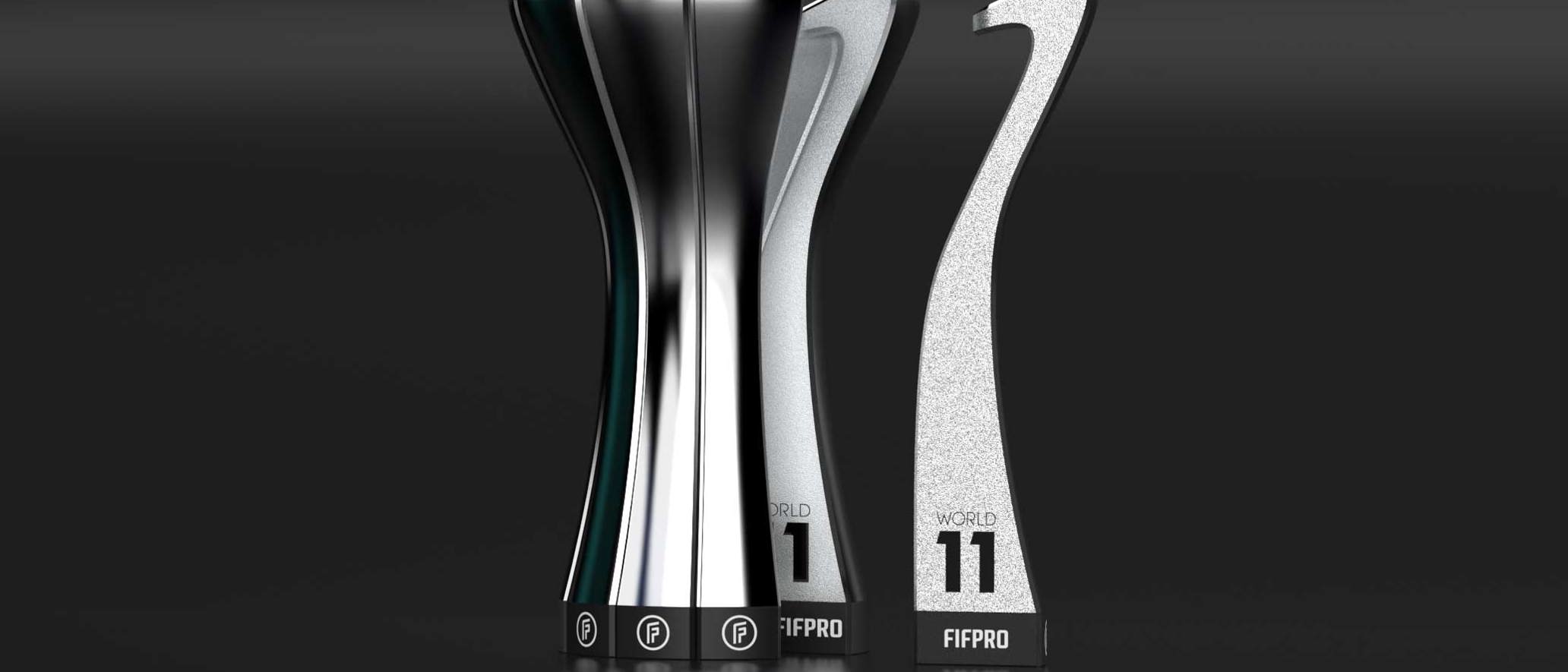
Football’s greatest players are usually recognised through trophies, individual awards and unforgettable performances. But when professional footballers themselves choose the best team of the year, the result carries a different kind of significance. The 2026 FIFPRO World 11 has delivered a historic return for Lionel Messi, another extraordinary milestone for Lamine Yamal and a surprising omission involving Ballon d’Or winner Harry Kane.
The FIFPRO World 11 2026 was officially announced on 9 November after 19,806 professional male footballers from 73 countries participated in the voting process. Messi extended his record to 18 selections, Yamal became the first player to earn two selections before turning 20, and Kylian Mbappé emerged as the most-voted outfield player.
However, the biggest talking point is arguably Kane’s absence. Despite winning the 2026 Ballon d’Or and enjoying an outstanding campaign with Bayern Munich, the England captain failed to secure a place in the final team.
The outcome creates an interesting debate about individual excellence, positional competition and how professional footballers evaluate their colleagues.
For The Football Xtra, this is more than an announcement of 11 names. It is an opportunity to examine the changing hierarchy of world football, the continuing influence of Messi and the emerging generation represented by Yamal and Mbappé.
FIFPRO World 11 2026: The Complete Official Team
 Before examining the individual stories, it is important to understand the composition of the team.
The official FIFPRO Men’s World 11 consists of:
Goalkeeper
- David Raya – Arsenal and Spain
Defenders
- Pau Cubarsí – Barcelona and Spain
- Achraf Hakimi – Paris Saint-Germain and Morocco
- Nuno Mendes – Paris Saint-Germain and Portugal
Midfielders
- Jude Bellingham – Real Madrid and England
- Rodri – Manchester City/Barcelona and Spain
- Vitinha – Paris Saint-Germain and Portugal
Forwards
- Erling Haaland – Manchester City and Norway
- Kylian Mbappé – Real Madrid and France
- Lionel Messi – Inter Miami and Argentina
- Lamine Yamal – Barcelona and Spain
The selection features players from some of Europe’s most influential clubs, alongside Messi, who continues to represent Inter Miami in Major League Soccer.
Paris Saint-Germain have three representatives in Hakimi, Nuno Mendes and Vitinha, while Barcelona have two through Cubarsí and Yamal.
The team also illustrates the continued importance of players who can influence matches in different ways: from Raya’s goalkeeping to Rodri’s midfield control and the attacking quality of Messi, Mbappé, Haaland and Yamal.
Lionel Messi’s 18th FIFPRO World 11 Selection: A Record That Defines an Era
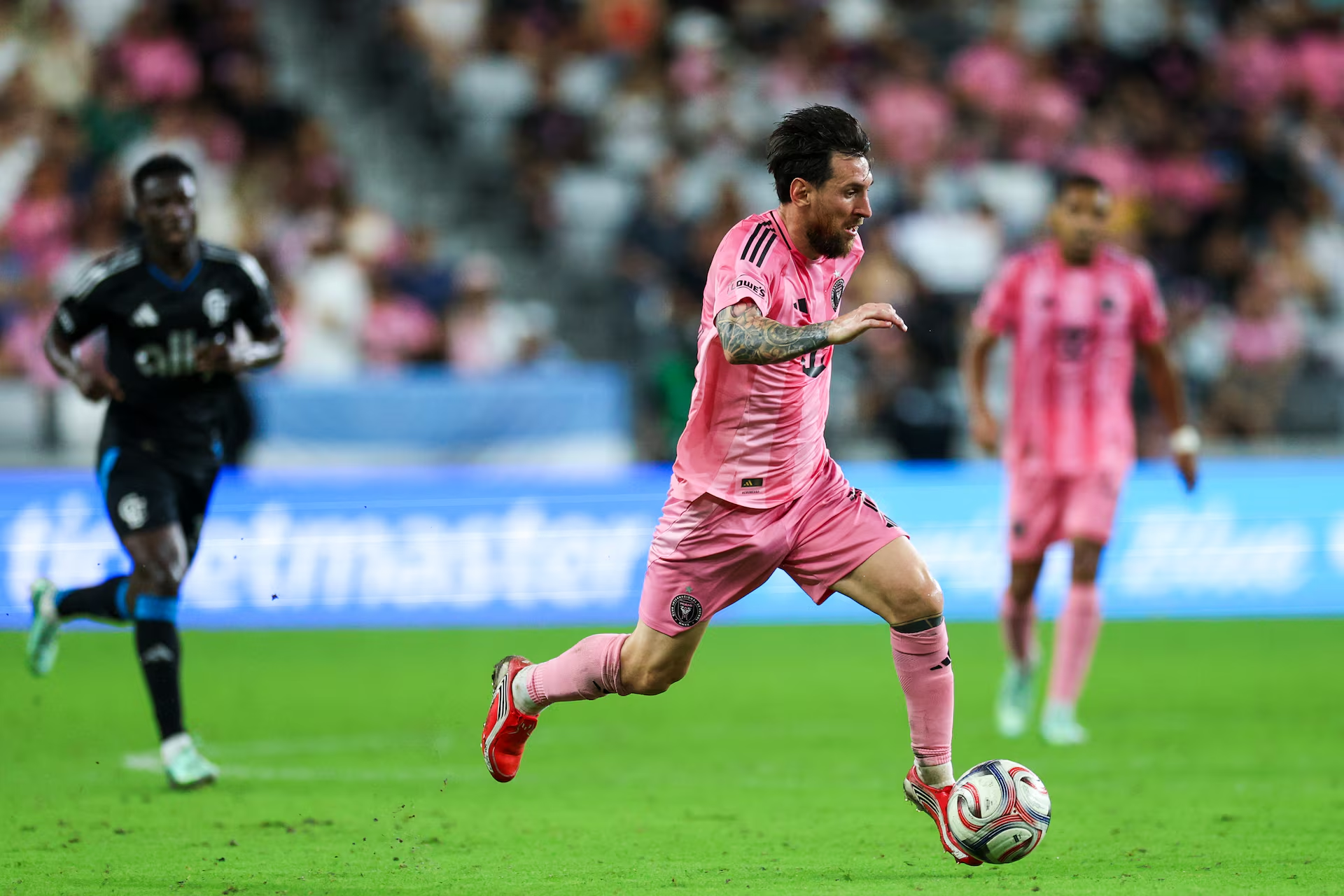 Lionel Messi’s return is arguably the most emotional part of the 2026 selection.
At 39, the Argentine superstar has earned his 18th FIFPRO World 11 appearance, extending a record that already separates him from every other player in the award’s history.
His first selection came in 2007. Since then, Messi has remained a regular presence in the team across different football generations, tactical systems and stages of his career.
His latest inclusion is particularly interesting because he returns for the first time since 2023.
That gap makes the achievement more significant. It demonstrates that his reputation among professional footballers has not disappeared despite his departure from European football and his move to Inter Miami.
Messi’s inclusion also reflects the broader influence he has maintained in the game. His ability to dictate attacking movements, create opportunities and influence decisive moments has made him one of football’s most recognisable performers.
However, his selection should be understood within the voting period rather than judged purely through his current age or league.
FIFPRO assessed performances between 4 August 2025 and 19 July 2026. The award therefore recognises what players delivered during that specific period, not simply their historical reputation.
The important takeaway is that Messi’s 18th selection is not just another personal milestone. It reinforces his extraordinary longevity among the players most respected by their professional peers.
Lamine Yamal Breaks a Historic Record: The Future Is Already Here
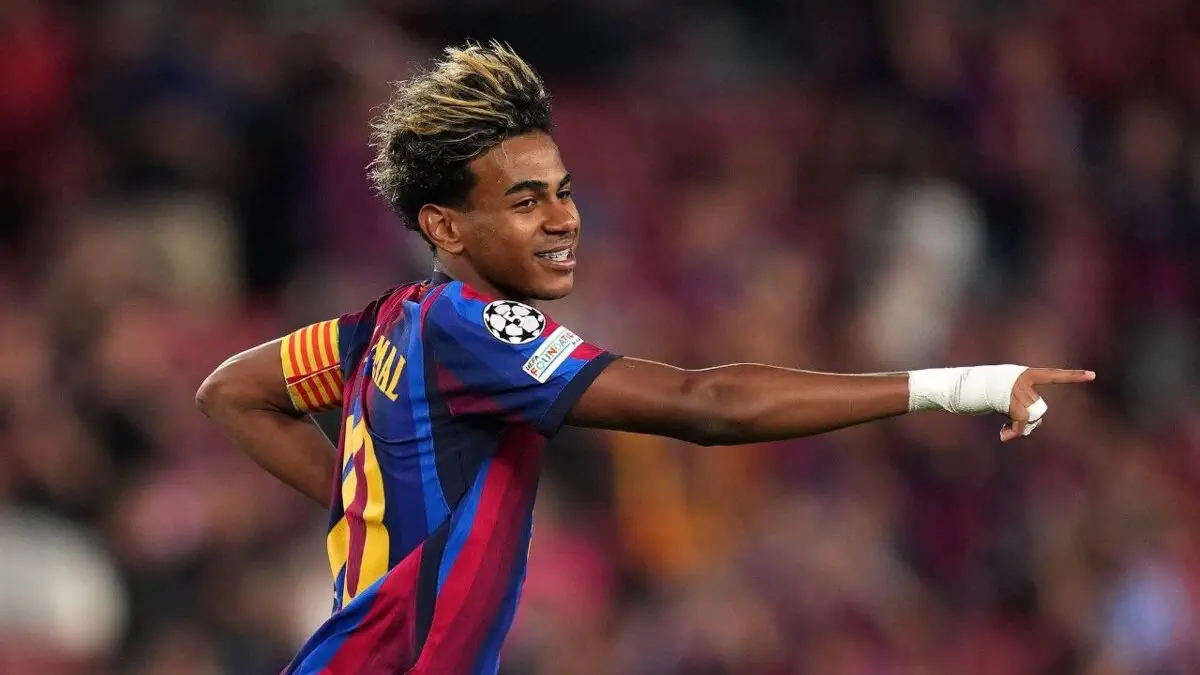 If Messi represents football’s established greatness, Lamine Yamal represents the generation preparing to take control.
At 19, the Barcelona forward has become the first player to earn two FIFPRO World 11 selections before reaching the age of 20.
His achievement is particularly remarkable because the award is decided by fellow professional footballers rather than a public popularity vote.
Yamal’s inclusion in consecutive editions demonstrates how quickly he has established himself among the game’s leading attacking players.
His footballing qualities explain why.
Operating primarily from the right side of Barcelona’s attack, Yamal combines close control, acceleration, creativity and an ability to manipulate defenders in one-on-one situations.
Unlike traditional wide players who depend mainly on speed and crossing, he frequently moves inside to create passing angles, combine with central attackers and open shooting opportunities.
This makes him tactically valuable in possession-based football.
Why Yamal’s influence goes beyond his age
There is a temptation to focus entirely on Yamal’s age when discussing his achievements. However, his importance to Barcelona cannot be explained by youth alone.
His ability to influence attacking sequences, create numerical advantages and force opposition defenders into difficult decisions has made him a significant part of Barcelona’s attacking structure.
His second FIFPRO selection suggests that professional players recognise those qualities.
It also creates an interesting generational contrast.
Messi, who has spent nearly two decades collecting individual honours, and Yamal, who is only beginning his career, now share the same forward line.
That image captures the transition taking place in world football.
The established generation remains influential, but a new group of players is already demanding recognition at the highest level.
Kylian Mbappé: The Most-Voted Outfield Player in FIFPRO World 11 2026
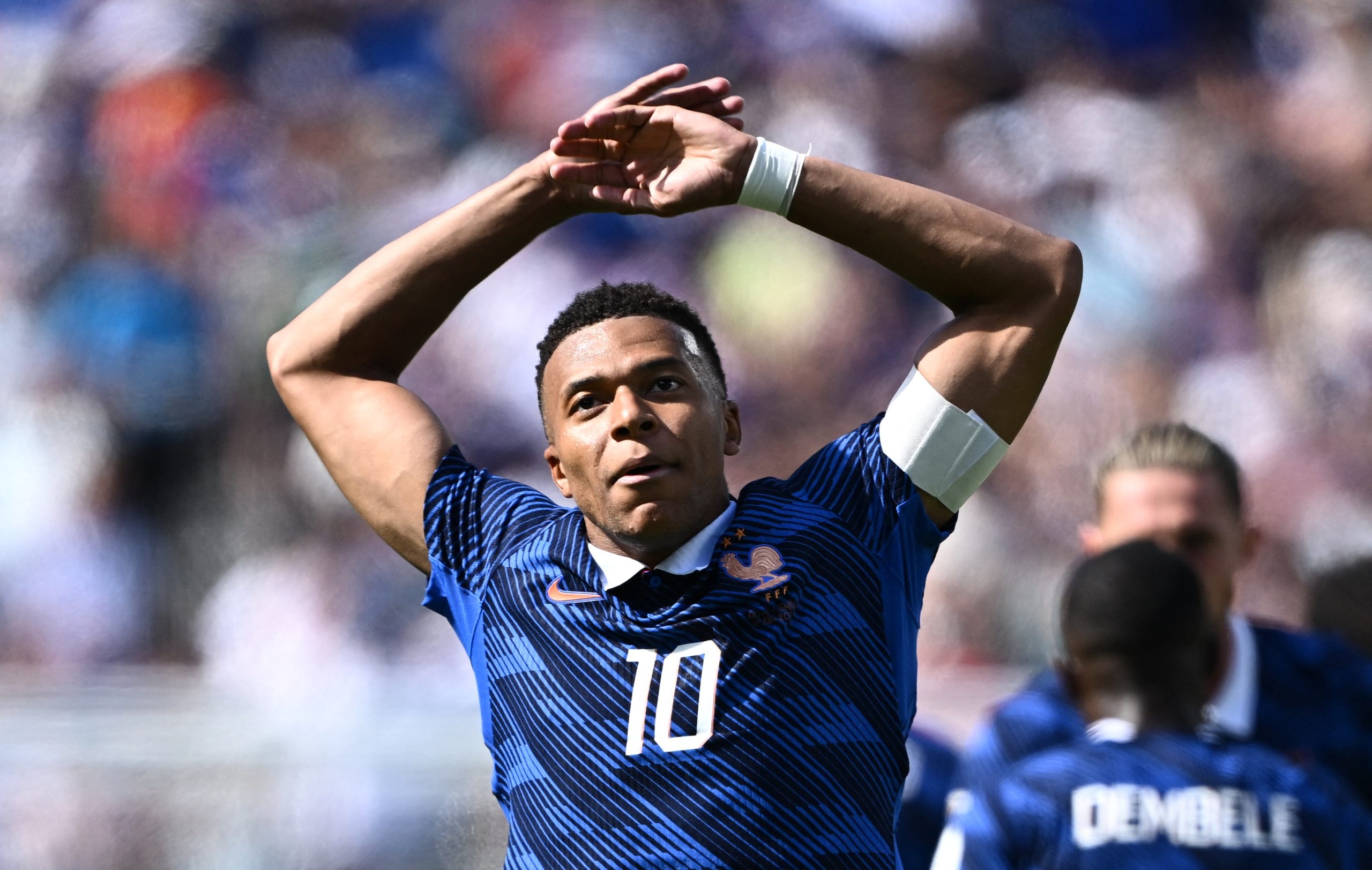 Kylian Mbappé’s position in the team is another major talking point.
The Real Madrid forward received 9,105 votes, equivalent to 46% of the votes in his category. That made him the most-voted outfield player in the 2026 men’s selection.
Only goalkeeper David Raya received a higher overall total, with 10,278 votes.
Mbappé’s result underlines the level of recognition he continues to command among professional footballers.
His qualities are obvious: explosive acceleration, direct running, intelligent movement behind defensive lines and the ability to turn individual situations into major attacking opportunities.
At Real Madrid, these characteristics make him a constant threat.
His presence also creates tactical questions for opponents. Defenders must decide whether to protect the space behind their defensive line, follow his movements inside or prevent him from receiving the ball in dangerous wide areas.
That uncertainty is one of the reasons elite attacking players are so difficult to contain.
Mbappé’s position in the new football hierarchy
The voting figures offer an interesting comparison between Mbappé and the other forwards.
He received 46%, ahead of Yamal on 37.4%, Messi on 29.5% and Haaland on 28.4%.
The numbers suggest that Mbappé enjoyed particularly strong support among his professional peers.
However, they should not be interpreted as a complete ranking of footballing ability.
The vote measures recognition within a specific position and performance period. It does not prove that the player with the highest percentage is automatically superior in every tactical or statistical category.
Nevertheless, Mbappé’s position reinforces his status as one of the defining attacking players of the current generation.
Harry Kane’s FIFPRO World 11 Omission: The Biggest Controversy
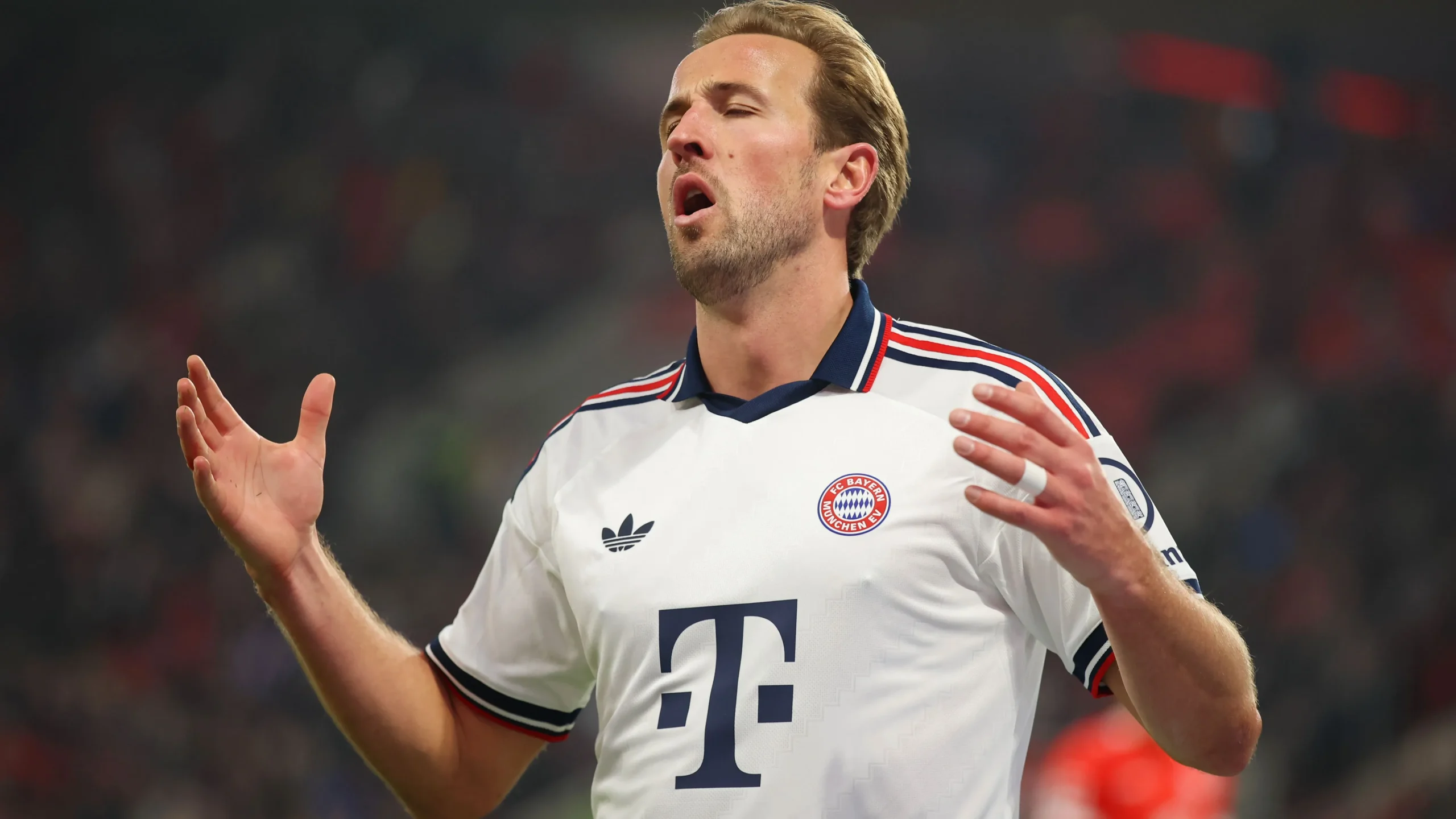 The most surprising story from the announcement is the absence of Harry Kane.
Kane won the 2026 Ballon d’Or after an exceptional season with Bayern Munich and also captained England during its run to the World Cup semi-finals.
Yet he was not selected for the FIFPRO World 11.
His omission is especially interesting because the voting figures reveal just how close he came to earning a place.
Kane received 27.6% of the forward vote, while Erling Haaland secured 28.4%.
That represents a difference of only 0.8 percentage points.
The other selected forwards were Mbappé, Yamal and Messi, who received 46%, 37.4% and 29.5% respectively.
Kane therefore finished fifth among the forwards, narrowly behind Haaland.
Why the Ballon d’Or did not guarantee Kane a place
The difference between the two awards is essential to understanding the controversy.
The Ballon d’Or and FIFPRO World 11 have different voting structures and objectives.
The Ballon d’Or recognises an individual player through its own award process, while the FIFPRO World 11 asks professional footballers to select the players they believe performed best in each position.
A player can therefore win one award without necessarily appearing in the other.
Kane’s situation demonstrates this distinction.
His Ballon d’Or victory recognises his individual achievements during the relevant award cycle. His FIFPRO omission reflects the fact that four other forwards received more support in their category.
SEE ALSO; Ballon d’Or 2026: Harry Kane’s Stunning Triumph as Mbappé and Yamal Miss Out!
It would be inaccurate to conclude that the FIFPRO voters considered Kane an inferior footballer in every respect.
The result simply shows that he did not receive enough votes to enter the final forward line.
Was Kane unlucky?
There is a reasonable argument that Kane was unlucky.
His contribution to Bayern Munich’s Bundesliga success and his individual attacking output made him one of the most influential forwards of the period.
However, the competition was exceptionally strong.
Mbappé offered explosive attacking influence, Yamal delivered creativity and directness, Messi retained his ability to shape attacking situations, and Haaland remained one of the most dangerous penalty-box forwards in football.
The final result demonstrates how competitive the forward category was.
Kane’s narrow margin behind Haaland makes the omission even more striking. A difference of less than one percentage point separated the two players.
For The Football Xtra, the central question is not whether Kane deserved recognition. It is how two different voting systems can produce such different outcomes for the same player.
What the Voting Figures Reveal About the 2026 FIFPRO World 11
The voting statistics provide a deeper understanding of the final selection.
David Raya received the highest overall number of votes, demonstrating the level of recognition he earned among professional footballers.
Mbappé was the most-voted outfield player.
The forward category was particularly competitive, with Kane missing out by a narrow margin to Haaland.
There is also an important geographical dimension.
Spain now holds the record for the most men’s FIFPRO World 11 appearances, with 53 selections across 17 players.
The 2026 team adds three more Spanish representatives to that historical total: Raya, Cubarsí and Rodri.
This reflects Spain’s continued ability to produce players who influence the highest levels of club and international football.
It also demonstrates the importance of the country’s leading football development structures.
However, the presence of Spanish players should not automatically be interpreted as proof that Spain has the strongest national team in every respect. The FIFPRO World 11 is an individual recognition system, not a ranking of national teams.
How the FIFPRO World 11 Voting System Works
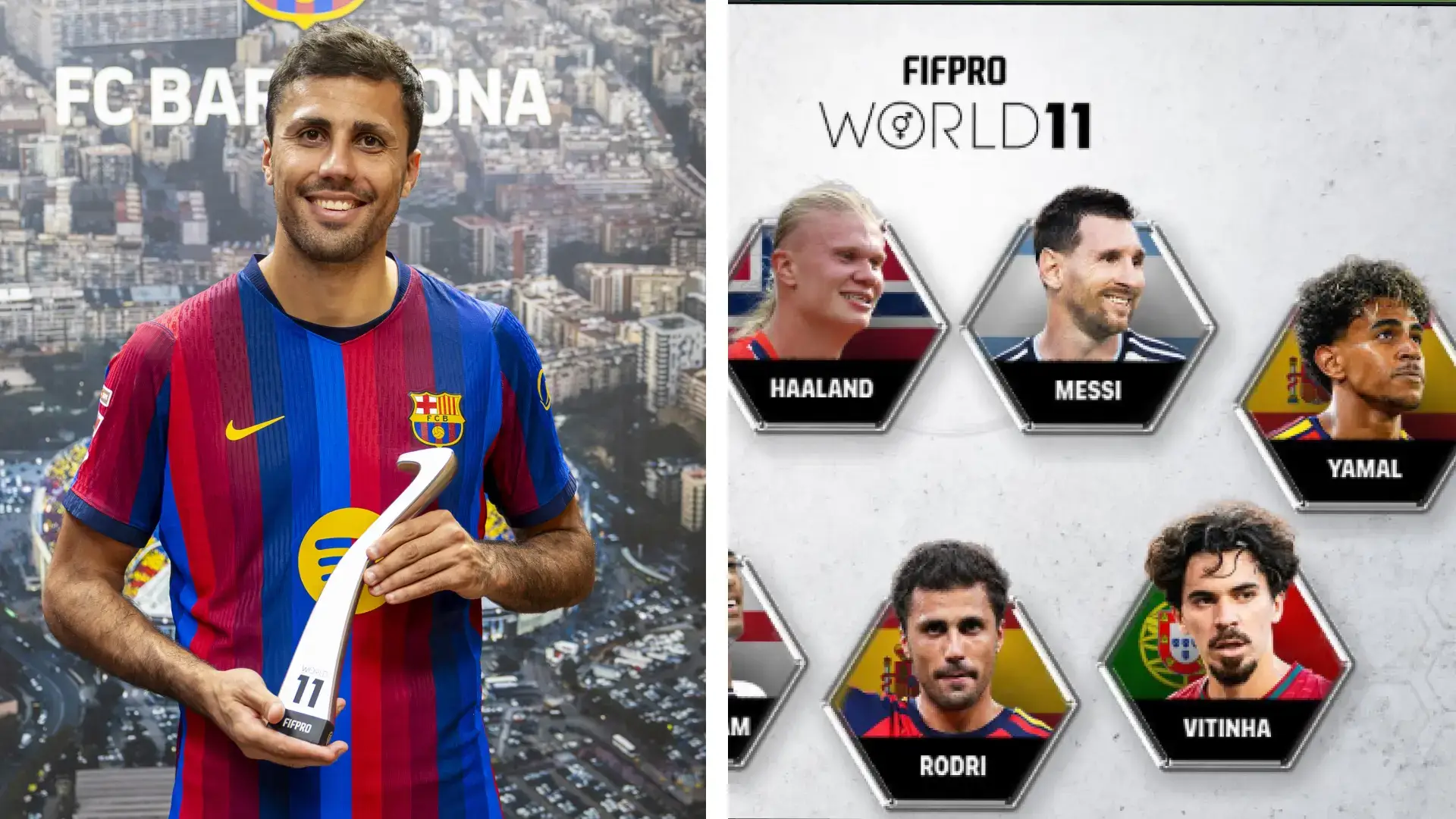 One of the most important features of this award is that professional footballers make the selections themselves.
FIFPRO has organised the World 11 since 2005, creating a platform through which players can recognise the colleagues who impressed them most.
For the 2026 men’s selection, 19,806 footballers from 73 countries participated.
The assessment period ran from 4 August 2025 to 19 July 2026, and players needed at least 30 official appearances during that period to be eligible.
Each voter selected three players they considered the best in each of four positional categories:
- Goalkeeper
- Defender
- Midfielder
- Forward
The goalkeeper with the most votes was selected, alongside the three leading defenders, three leading midfielders and three leading forwards.
The final position went to the remaining outfield player with the highest number of votes.
This method explains why the final team contains four forwards and only three players in each of the other outfield categories.
It also explains why positional competition is so important.
Kane was not competing directly with Rodri or Jude Bellingham for a midfield position. His challenge was to secure enough votes among the forwards.
That distinction is crucial when interpreting the result.
The system creates a team based on positional voting rather than simply selecting the 11 players with the highest overall vote totals.
What the 2026 FIFPRO World 11 Says About Football’s Future
The 2026 selection offers a fascinating picture of football’s current hierarchy.
Messi continues to represent the extraordinary longevity of an established superstar. Mbappé demonstrates the influence of the modern elite forward, while Yamal represents a new generation already earning recognition from experienced professionals.
Meanwhile, players such as Jude Bellingham, Rodri and Vitinha highlight the continued importance of midfielders who can influence both possession and attacking transitions.
The defensive selections also deserve attention.
Hakimi and Nuno Mendes represent the growing importance of full-backs who can contribute significantly to attacking phases, while Cubarsí’s inclusion recognises the value of modern defenders who combine composure with intelligent distribution.
David Raya’s selection highlights the importance of goalkeepers who contribute beyond traditional shot-stopping responsibilities.
Together, the players illustrate how modern football increasingly rewards versatility, technical quality and the ability to influence different phases of a match.
But the omission of Kane reminds us that even the most prestigious individual achievements do not guarantee selection in every award.
Football’s recognition systems are different, and their outcomes can sometimes create unexpected debates.
Conclusion: Messi’s Legacy, Yamal’s Future and Kane’s Unanswered Question
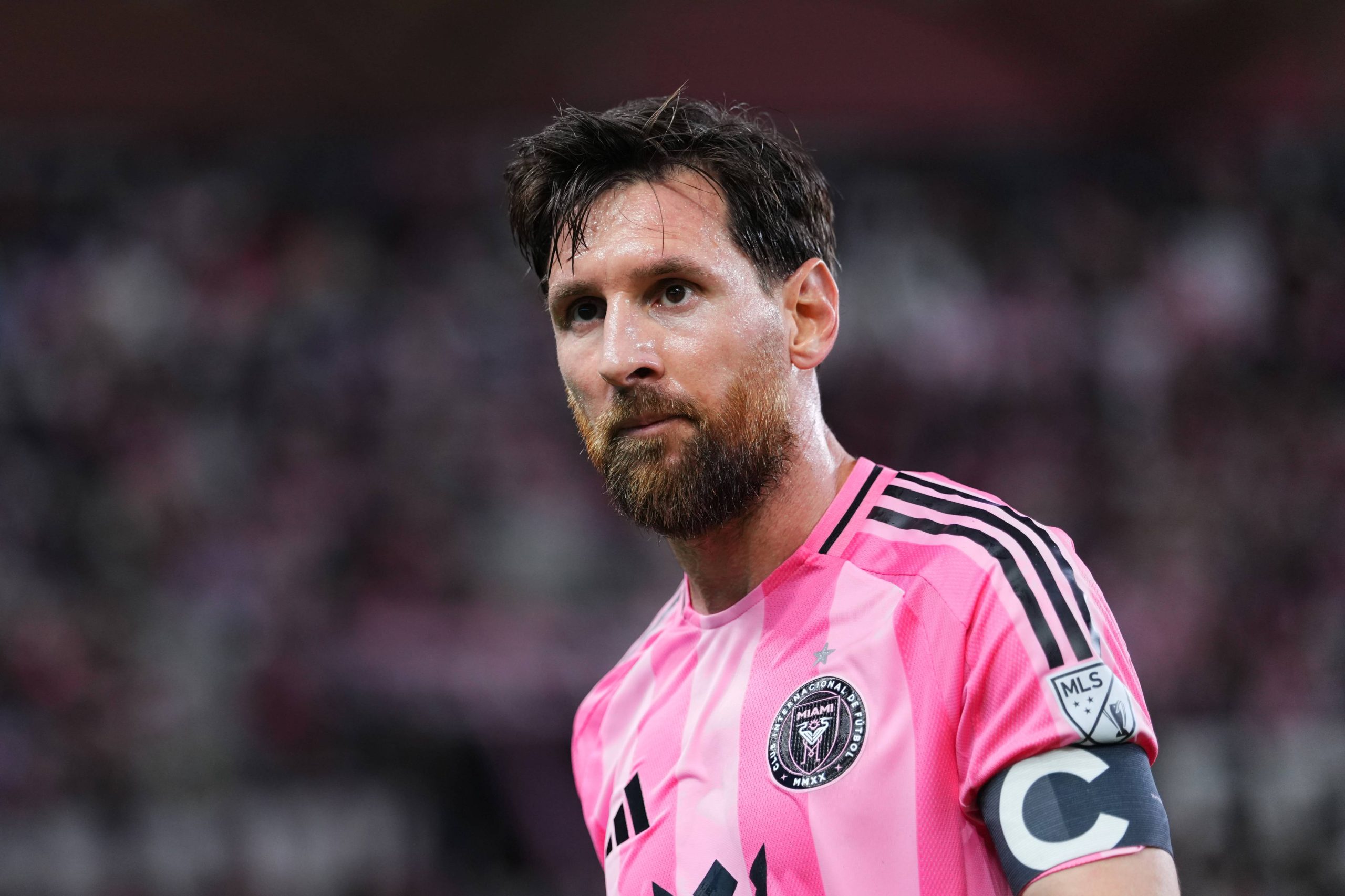 The 2026 FIFPRO World 11 has delivered three major narratives.
Lionel Messi has extended his record to 18 selections, proving that his influence among professional footballers remains extraordinary. Lamine Yamal has made history by earning two selections before turning 20, offering another indication of his remarkable rise. Kylian Mbappé has received the highest outfield vote total, reinforcing his position among the game’s leading attacking stars.
Yet Harry Kane’s absence may generate the most debate.
The England captain’s Ballon d’Or victory and outstanding Bayern Munich campaign make his omission difficult to ignore, particularly when the difference between his voting percentage and Haaland’s was just 0.8 points.
Ultimately, the FIFPRO World 11 is a recognition of performances as judged by fellow professionals during a defined period. It is not designed to settle every debate about who is the best footballer in the world.
Messi represents the legacy, Mbappé represents the present, and Yamal represents the future. But Kane’s omission proves that even football’s biggest individual honours do not guarantee a place among the players’ chosen eleven.
Do you agree with the 2026 FIFPRO World 11 selection, or should Harry Kane have replaced one of the four forwards? Share your opinion in the comments.