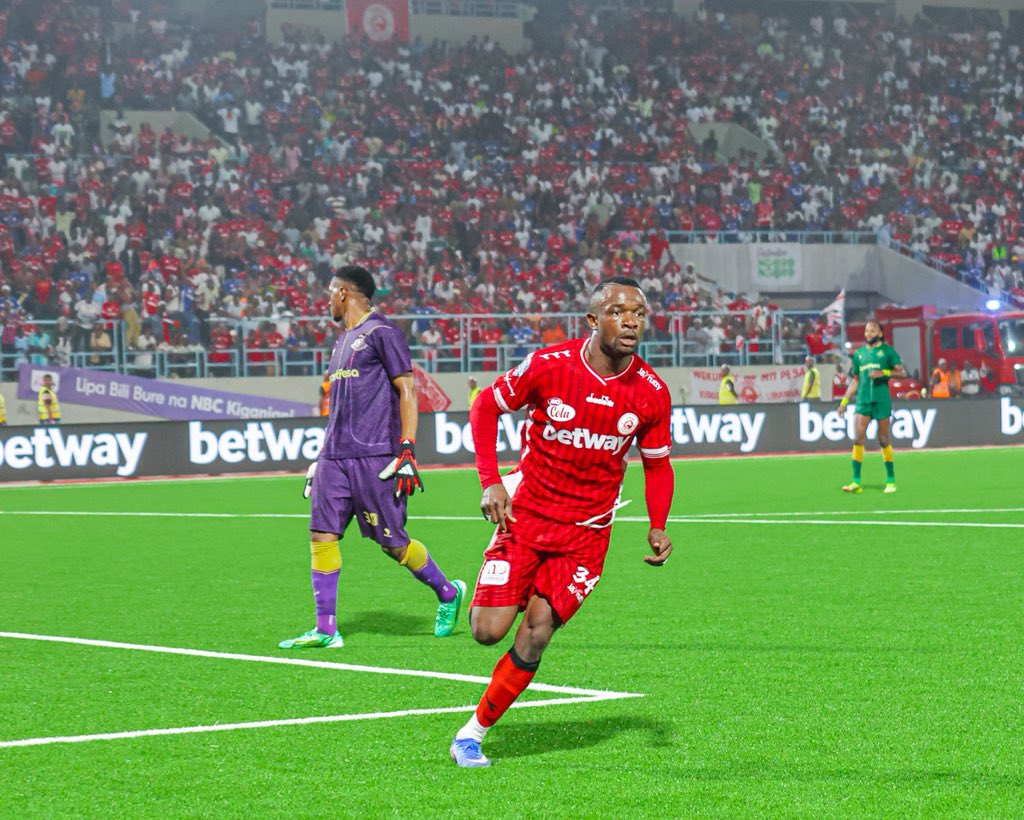
One early injury. One disrupted midfield. Two devastating goals. Simba SC turned the Kariakoo Derby upside down, defeating defending champions Young Africans SC 2-1 on October 10, 2026, after exposing the weaknesses that emerged when Yanga lost control of the centre of the pitch.
For more than an hour, Yanga looked capable of protecting their advantage after Peter Shalulile put them ahead in the fifth minute at Uhuru Stadium. But Neo Maema equalised in the 68th minute before Elie Mpanzu struck the winner around three minutes later, completing a comeback that transformed the early NBC Premier League title race.
The headline result was a victory for Simba. The deeper story was a tactical warning for Yanga.
Coach Manqoba Mngqithi subsequently identified the loss of midfield control following Duke Abuya’s early withdrawal as a decisive factor. His explanation raises an important question: did Simba deliberately exploit a structural weakness, or did Yanga’s injury-enforced adjustment expose a vulnerability that the defending champions must address before their title defence gathers further momentum?
The answer lies in how the match evolved, the movement of Simba’s midfield players and the contrasting ways the two teams responded to adversity.
Simba 2-1 Yanga: How the Kariakoo Derby Changed
 Yanga made the brighter start. Shalulile scored in the fifth minute after an attacking move created by Maxi Mpia Nzengeli, giving the defending champions an early advantage and placing immediate pressure on their rivals.
The goal appeared to provide Yanga with the platform to control the contest. They had entered the derby after winning their opening six league matches, while Simba had also won their first six. Both teams had collected 18 points before the meeting, making the encounter an important early test of their title ambitions.
Yet an early lead does not automatically translate into control of a football match.
Simba responded by increasing their attacking tempo and searching for an equaliser. Although Yanga reached half-time in front, the momentum had begun to shift as the home side pushed forward more aggressively.
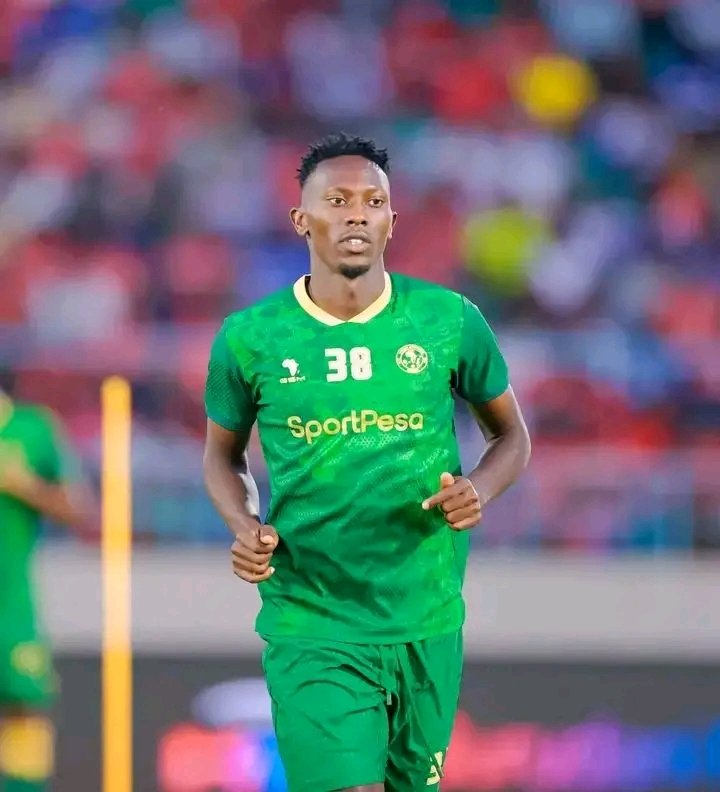
According to The Citizen’s [match report](https://www.thecitizen.co.tz/tanzania/sports/football/simba-end-long-wait-to-beat-yanga-in-league-derby-5627522), the decisive disruption came when defensive midfielder Duke Abuya was forced off with an injury in the 24th minute and replaced by Fred Ngoma.
That substitution became one of the defining moments of the derby.
Duke Abuya’s Injury Exposed Yanga’s Midfield Weakness
 Midfield balance is rarely about one player alone. It is about how several players work together to protect the defence, recover possession, control passing lanes and provide reliable outlets when a team is under pressure.
Abuya’s importance became apparent because Yanga struggled to reproduce the same balance after his departure.
In his post-match assessment, Mngqithi directly connected the substitution to his team’s loss of control.
“What cost us a lot was the first substitution of Duke Abuya because when we lost him, we lost control of the midfield,” the coach said, according to [Pan Africa Football’s report](https://panafricafootball.com/article/lost-control-midfield-yanga-derby).
The admission matters because it identifies more than disappointment with the result. It points to a structural problem that emerged when Yanga lost a specialist defensive presence.
Abuya’s role was particularly important in the transition between defending and attacking. A defensive midfielder must recognise danger early, close passing lanes and protect the space in front of the centre-backs. When possession changes hands, that player must also help prevent the opposition from progressing through the middle.
If those responsibilities are not redistributed effectively after a substitution, opponents can begin receiving the ball in more favourable positions.
Mngqithi also defended Ngoma, explaining that the replacement was technically capable but that Abuya offered different physical qualities, work rate and defensive commitment.
That distinction is important. The problem should not be reduced to the claim that Ngoma was simply a poor replacement. Rather, Yanga appeared to lose a particular combination of attributes that their existing structure depended upon.
The real question is whether Yanga had an adequate alternative plan once Abuya became unavailable.
At elite level, injuries are inevitable. Title contenders must be able to preserve their tactical identity even when an important player cannot continue.
How Simba Found Space in the Centre of the Pitch
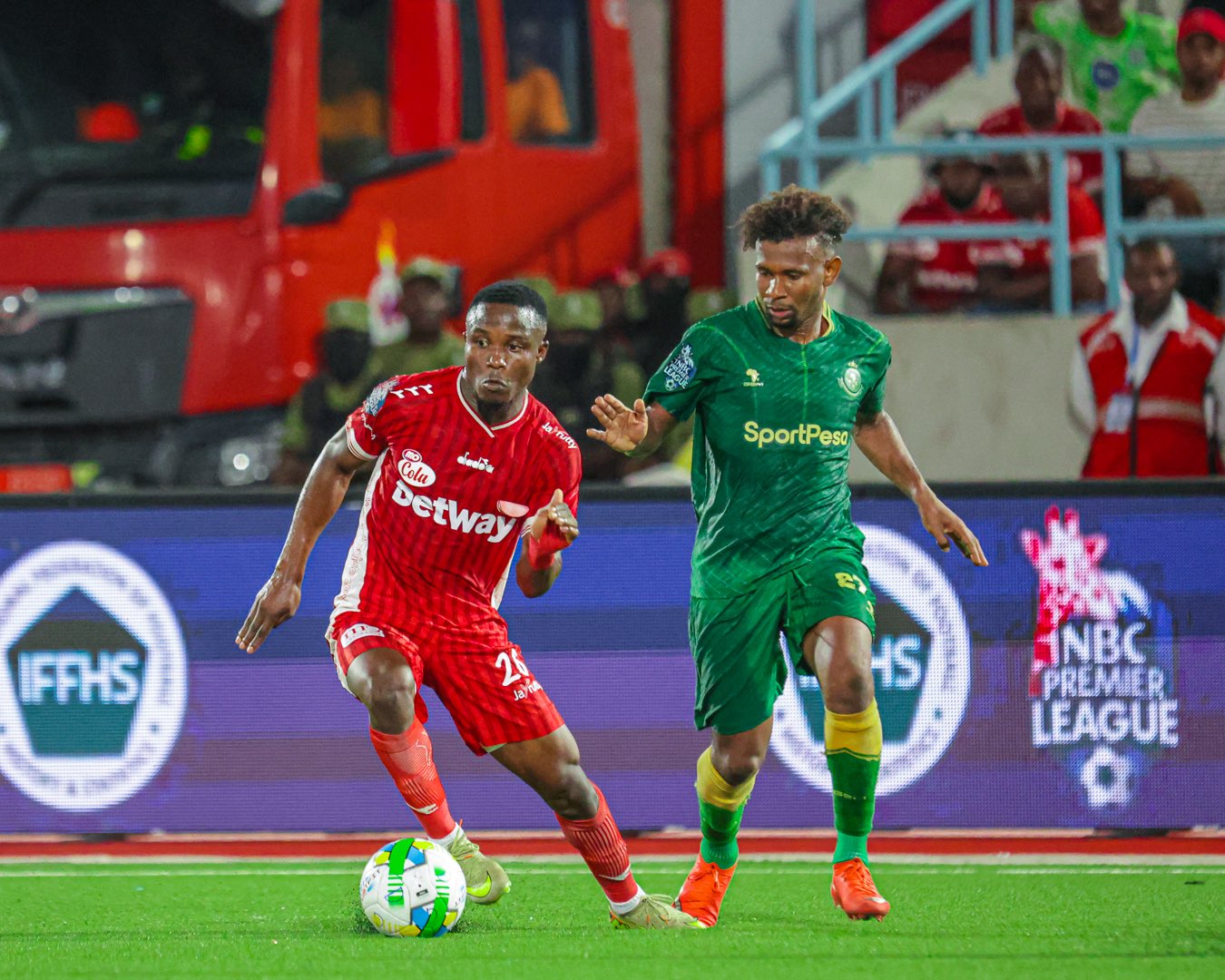 The most revealing part of Mngqithi’s explanation concerned Simba’s midfield movement.
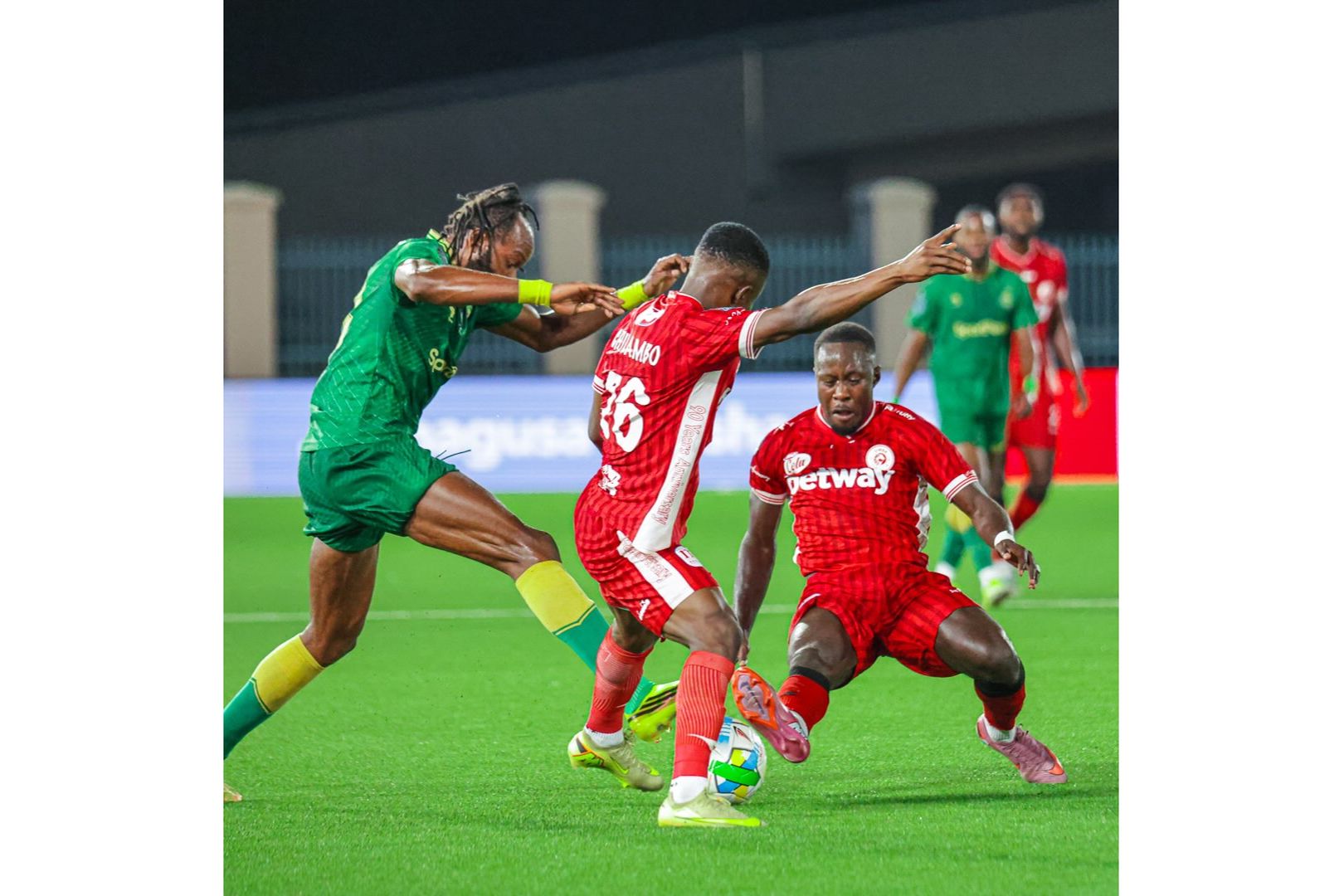
He highlighted the positioning of Nathaniel Chilambo, whose movement into central midfield gave Simba an additional presence in the area and made it more difficult for Yanga to maintain their pressing intensity.
“When we lost control of the midfield, we started to see Neo Maema playing and Nathaniel Chilambo coming in, moving into that midfield position and adding numbers,” Mngqithi explained in the same [post-match report](https://panafricafootball.com/article/lost-control-midfield-yanga-derby).
This suggests that Simba’s advantage was not simply about having more players in central areas. It was about using movement to create a problem for Yanga’s defensive organisation.
When an additional player moves into midfield, the opposition must decide how to respond. A midfielder can step forward to close the space, a forward can drop deeper to help, or the defensive line can adjust to protect the area behind the press.
Every choice carries a cost.
If a Yanga midfielder stepped out aggressively, another space could open behind him. If the player held position, Simba could have more time to turn and progress the ball. If the forwards did not contribute enough defensively, the remaining midfielders faced greater pressure.
This is how a numerical adjustment can become a tactical advantage.
Simba’s approach appeared to make Yanga’s pressing structure less effective, giving the hosts more opportunities to progress through central areas. Mngqithi himself acknowledged that his team was no longer pressing opposing midfielders with the same aggression.
That does not prove every attacking opportunity came from the centre, nor does it establish that midfield was the only factor behind the defeat. But the coach’s assessment provides credible evidence that Yanga’s central structure became less effective as the game progressed.
For Steve Barker, the challenge was to keep asking questions until the opposition’s defensive organisation began to break down.
Steve Barker’s Patience Paid Off
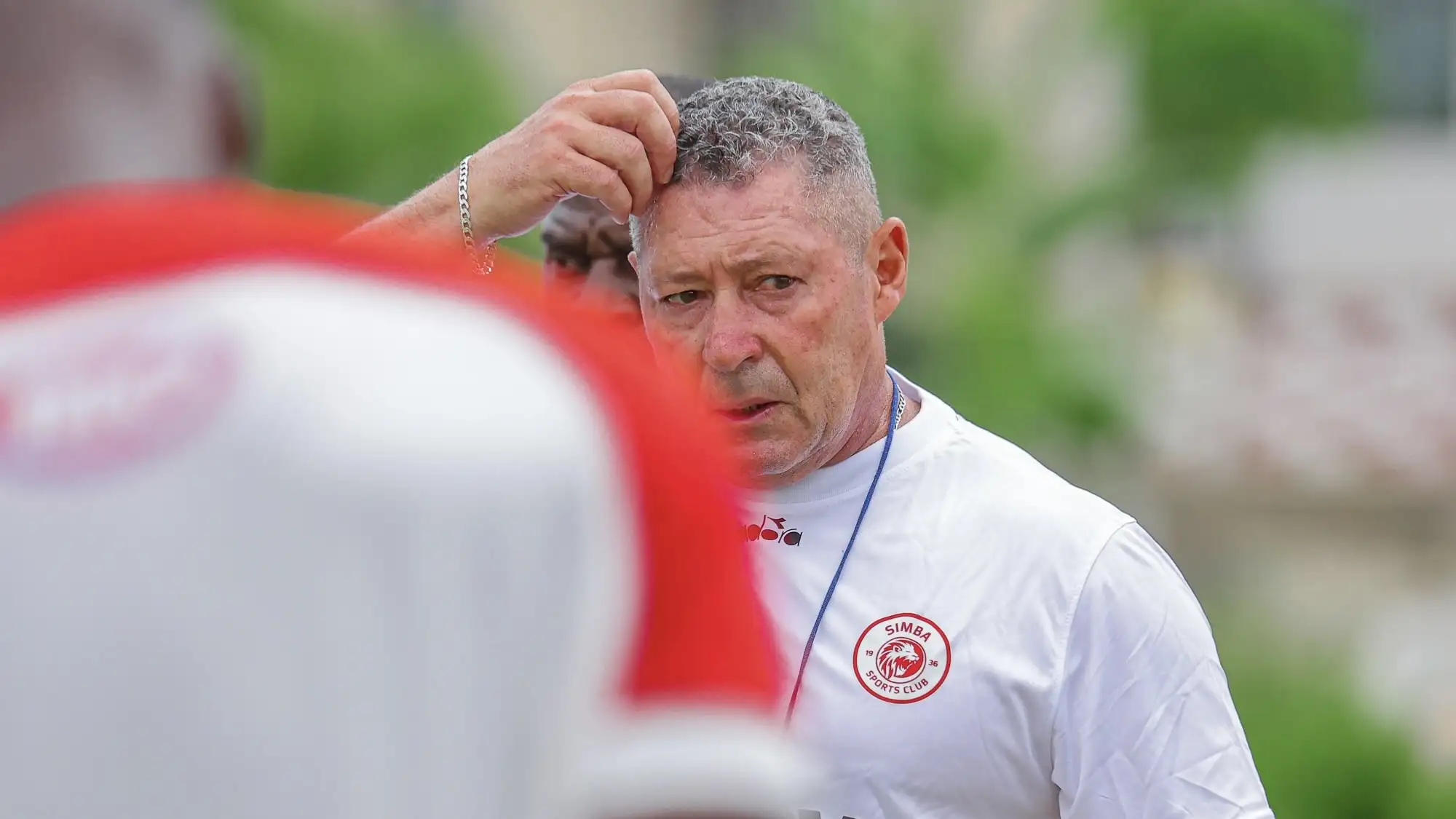 Simba entered half-time trailing, but Barker resisted the temptation to abandon his team’s approach.
Instead, he encouraged his players to remain composed, move the ball and continue creating pressure. Speaking after the game, Barker said he believed Simba could recover as long as the team avoided unnecessary mistakes.
“After we conceded the goal, I knew we would equalise and win the game,” Barker said, according to [Pan Africa Football](https://panafricafootball.com/article/simba-sc-overturn-yanga-in-derby).
His confidence was supported by Simba’s attacking activity before the interval. The same report noted that Elie Mpanzu had hit the post towards the end of the first half, suggesting that Simba were already creating opportunities despite trailing.
The key was persistence rather than panic.
Teams chasing a goal can become impatient, forcing passes into crowded areas or sending too many players forward without adequate protection behind the ball. That can make it easier for the leading side to defend compactly and attack the resulting space on the counter.
Simba instead continued to move the ball and look for openings.
Barker’s approach also required his players to recognise when the game was changing. As Yanga struggled to maintain their earlier midfield control, Simba needed to increase their attacking threat without losing their own organisation.
The comeback therefore reflected two connected developments: Yanga became less effective at controlling central areas, while Simba maintained the patience required to exploit the opportunities that emerged.
Neo Maema and Elie Mpanzu Deliver the Final Blow
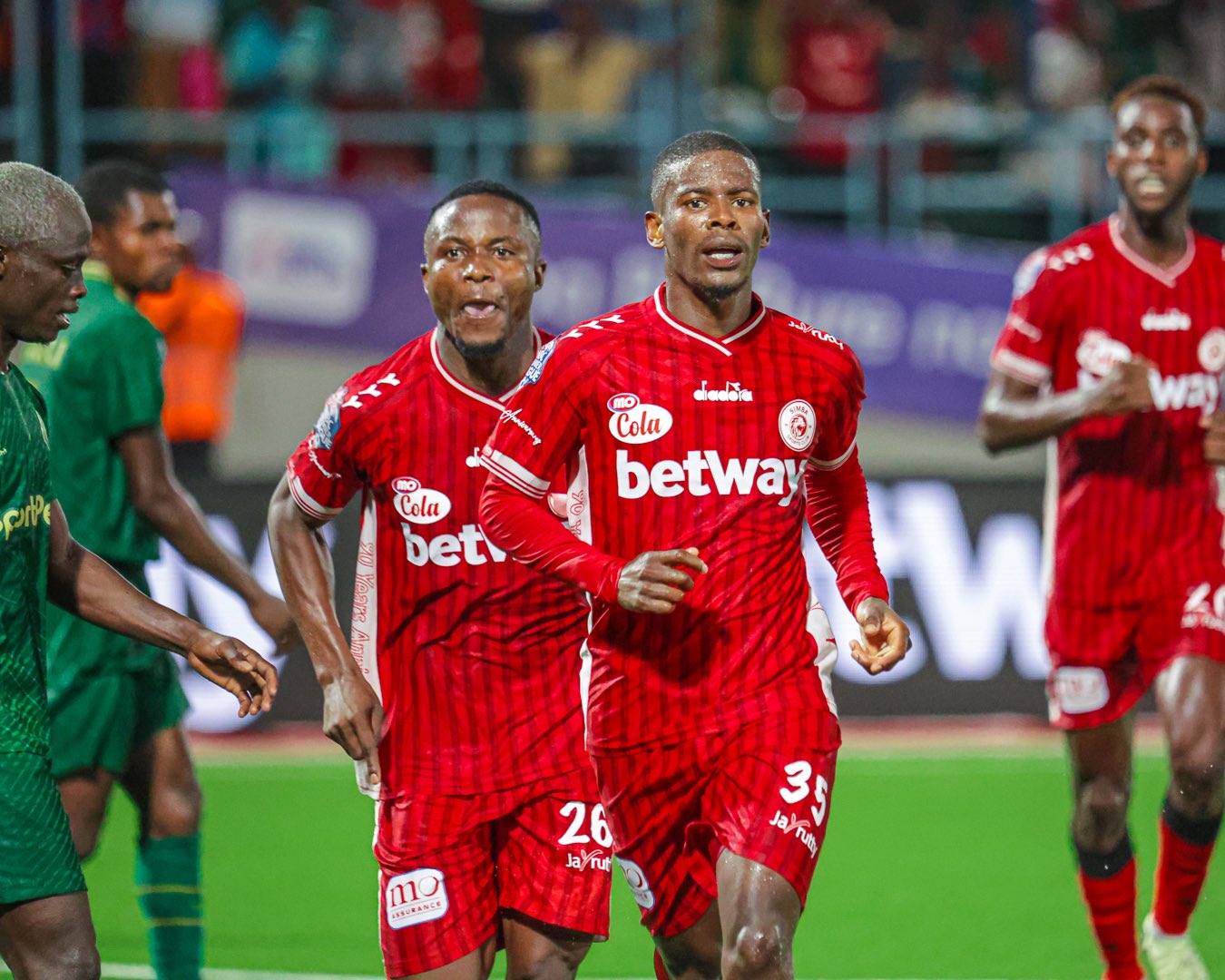 The decisive phase began with Barker’s second-half adjustments.
Keletso Makgalwa replaced Clatous Chama around the 65th minute as Simba increased the urgency of their search for an equaliser.
Three minutes later, Maema restored parity. The attacking midfielder finished a move assisted by Libasse Gueye, bringing Simba level at 1-1 and shifting the psychological balance of the contest.
Once the equaliser arrived, Yanga faced a different challenge. The team that had spent much of the opening period protecting a lead now needed to respond to renewed pressure while rebuilding confidence and defensive stability.
Simba took advantage.
Mpanzu scored the winning goal in the 71st minute, with some match reports recording the goal in the 72nd. Makgalwa provided the cross, completing a significant contribution after entering from the bench.
The two goals illustrated the value of making attacking changes at the right moment. Maema supplied the equaliser, while the combination involving Makgalwa and Mpanzu produced the decisive finish.
But substitutions alone do not explain the result. Simba’s changes became effective because the team continued to apply pressure and because Yanga struggled to regain control of the contest after conceding.
For Yanga, the immediate problem was game management. After losing the lead, they needed to slow Simba’s momentum, re-establish compact distances between the midfield and defence, and avoid allowing the hosts to attack with confidence.
They could not prevent the turnaround.
What the Result Means for the NBC Premier League Title Race
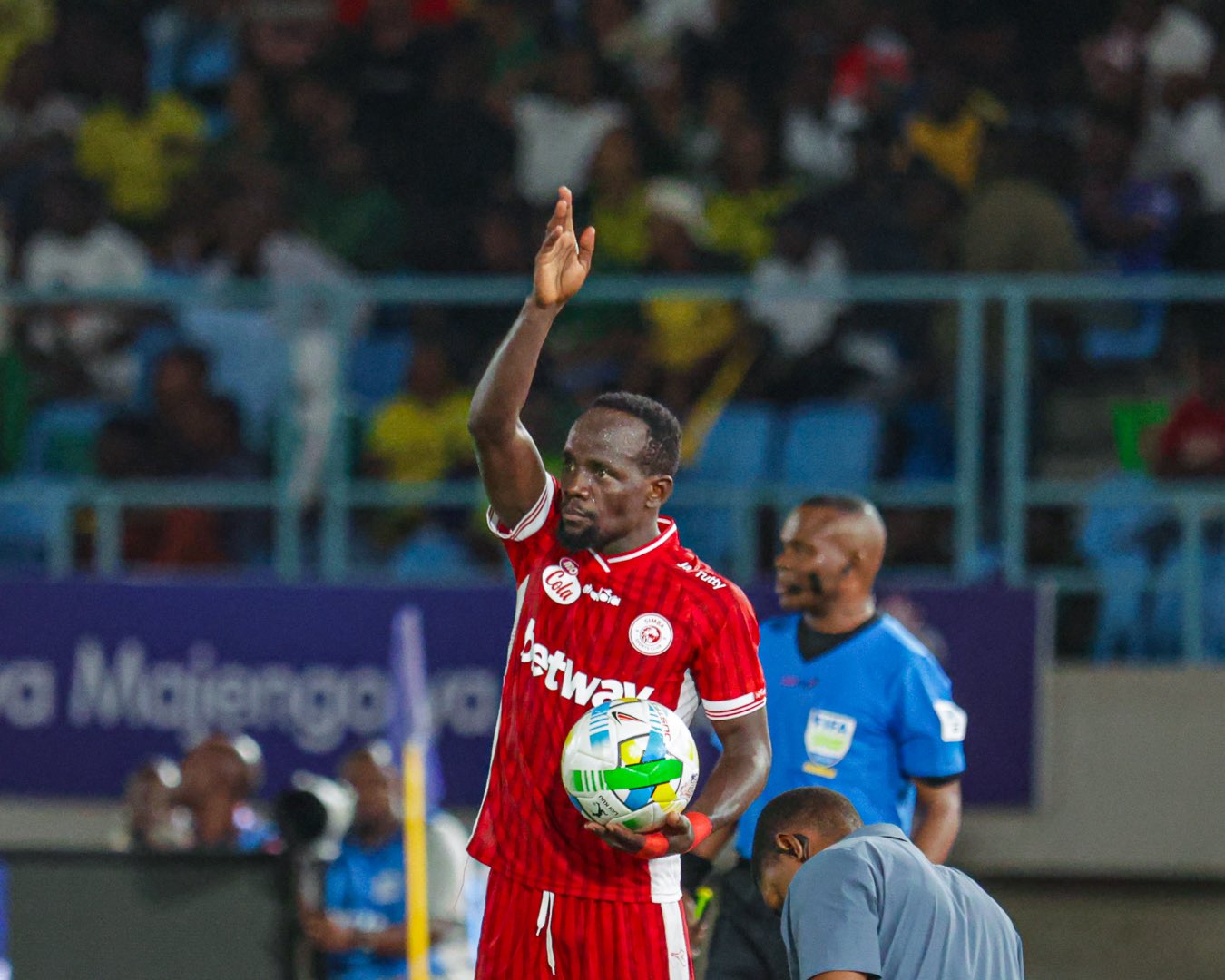 The victory carried significance beyond the rivalry.
According to [The Citizen’s match report](https://www.thecitizen.co.tz/tanzania/sports/football/simba-end-long-wait-to-beat-yanga-in-league-derby-5627522), Simba reached 21 points after seven consecutive league victories, moving three points clear of Yanga, who remained on 18 points after their first league defeat of the 2026/27 campaign.
Before the derby, both clubs had won their opening six matches. Yanga had scored 16 goals and conceded two, while Simba had scored 11 and conceded two.
SEE ALSO: Simba CAF Champions League: The Real Test Starts Now
Those early figures illustrated the strength of both teams’ starts, but the derby revealed a different dimension of the competition: how each side responds when its original plan is disrupted.
Simba demonstrated that they could recover after conceding against their fiercest rivals. That resilience could prove valuable over a long league campaign, in which title contenders will inevitably face difficult spells and unexpected setbacks.
For Yanga, the defeat should not erase the quality of their opening performances. One match cannot establish that a team has a season-long midfield problem, particularly when an early injury forces a tactical adjustment.
Nevertheless, the manner of the defeat gives Mngqithi important questions to answer.
Yanga need to determine whether the problem was specific to Abuya’s absence, whether their pressing structure needs modification against opponents who add numbers centrally, or whether fatigue and second-half game management also played a significant role.
The previous league meeting between the sides before this season’s derby was Simba’s 2-0 victory on April 16, 2023. The October 2026 comeback ended a wait of more than three years for another league derby win, giving Simba an additional psychological boost. [The Citizen](https://www.thecitizen.co.tz/tanzania/sports/football/simba-end-long-wait-to-beat-yanga-in-league-derby-5627522)
However, the title race remains open. Simba have earned an important advantage, but maintaining it will require consistency across the remainder of the campaign.
How Yanga Can Fix Their Midfield Problem
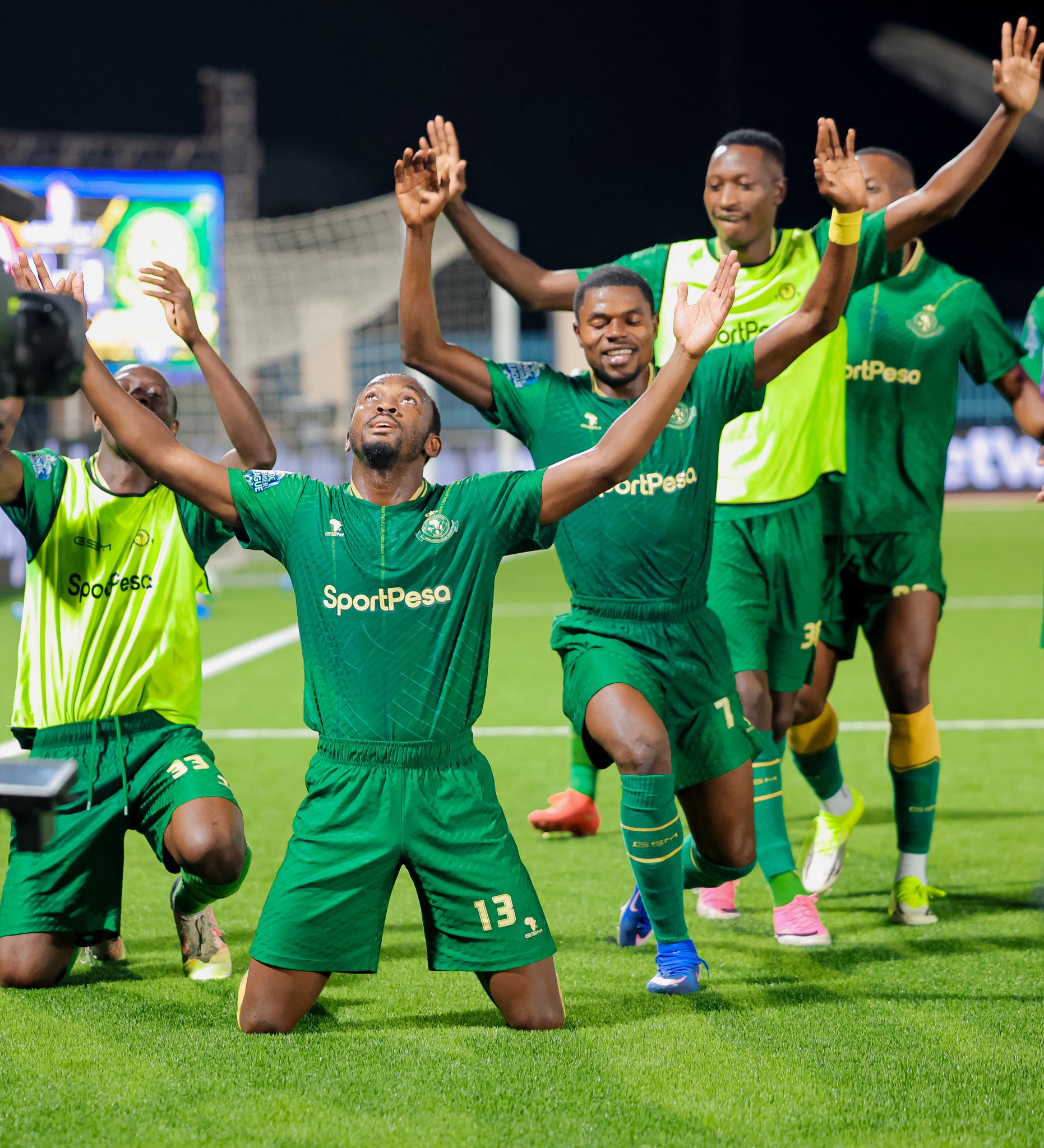 The first task is to develop a reliable contingency plan for the defensive midfield position.
If Abuya is unavailable, Yanga must know which combination of players can protect the back four without sacrificing their ability to build attacks. That may involve changing individual responsibilities rather than simply replacing one player with another.
Second, the team must improve the coordination of its press.
When an opponent moves an additional player into central midfield, Yanga need a clear response. They must decide whether to press higher, allow the opposition centre-backs more possession while blocking forward passing lanes, or adjust the positioning of a forward to prevent easy access into midfield.
An uncoordinated press can create precisely the spaces that a technically capable opponent wants to exploit.
Third, the coaching staff must manage fatigue carefully. Mngqithi explained that Mudathir Yahya had worked hard but was visibly tiring, influencing the decision to withdraw him. That indicates the challenge of balancing fresh energy against the need to preserve an effective midfield partnership.
Finally, Yanga must learn how to control the match after taking the lead. Protecting a one-goal advantage is not simply a matter of defending deeper. It requires keeping possession when appropriate, recognising when to press and ensuring that the midfield remains connected to both the attack and defence.
The club should examine the match footage and its internal performance data to establish precisely where the gaps emerged, which pressing triggers failed and whether the replacements maintained the required distances between players.
Without detailed event data, it would be premature to assign exact passing, possession or pressing figures to the problem. The strongest available evidence is the match outcome combined with Mngqithi’s own explanation.
Conclusion: A Derby Victory for Simba and a Warning for Yanga
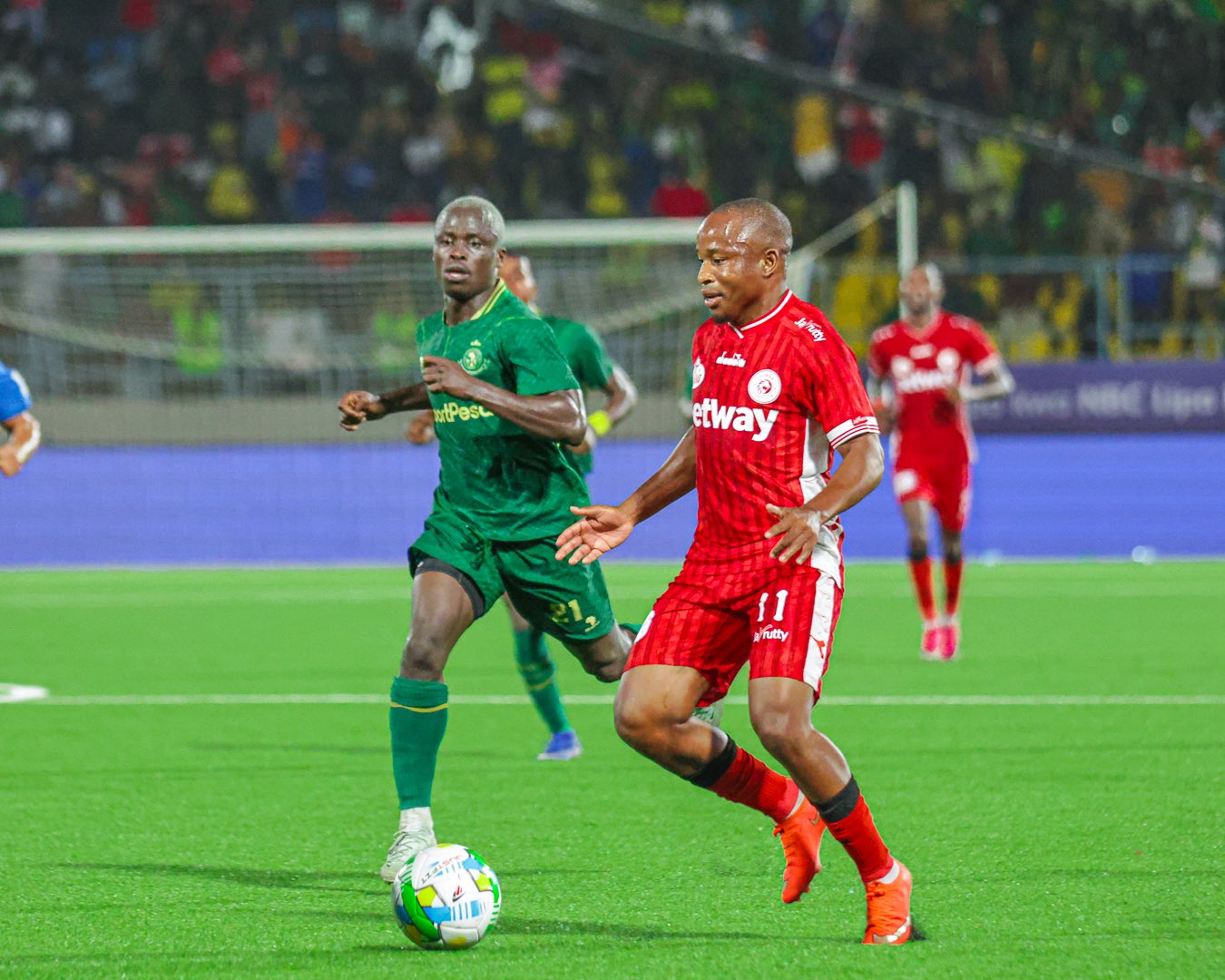 Simba’s 2-1 comeback was a statement of intent. Barker’s team recovered from an early setback, stayed patient and found the goals required to turn a difficult match into a memorable victory.
Yanga, meanwhile, must confront an uncomfortable but valuable lesson. The loss of one midfielder should not automatically leave a title contender unable to control central areas, particularly when a determined opponent begins increasing the pressure.
Mngqithi’s explanation provides a starting point for the rebuilding process, but the next step must come through tactical adjustments on the training ground and on matchday.
For Simba, the task is to turn this momentum into a sustained title challenge. For Yanga, it is to ensure that a single injury or a well-timed opposition adjustment cannot destabilise the entire team.
The biggest lesson from the Kariakoo Derby is that controlling the midfield can determine who controls the match.
Do you believe Simba deliberately exposed a weakness in Yanga’s system, or did Abuya’s injury make the difference? Share your opinion in the comments and follow The Football Xtra for more tactical analysis of Tanzanian and African football.