Real Madrid comeback vs Roma delivered one of the most dramatic finishes of the Champions League season. Trailing 3–1 in the closing stages, Real Madrid scored three late goals originating from corner kicks to secure a remarkable 4–3 victory at the Stadio Olimpico on 14 October 2026. Arda Güler’s deliveries proved decisive, exposing Roma’s defensive weaknesses and demonstrating why set pieces can change the outcome of even the most intense European encounters.
Football can punish a team in the cruelest possible fashion. For 82 minutes, Roma appeared capable of delivering one of the most memorable victories in their European history. They had taken a 3–1 lead against Real Madrid, their attack was causing problems, and the home crowd at the Stadio Olimpico had every reason to believe that all three points were within reach.
Then the game changed dramatically.
Real Madrid scored three times in the closing stages to secure a remarkable 4–3 Champions League victory over Roma on 14 October 2026. Carlos Espí, Endrick and Antonio Rüdiger delivered the decisive finishes, with all three goals originating from corners taken by Arda Güler.
According to [Real Madrid’s official match report](https://www.realmadrid.com/en-US/news/football/first-team/reports/cronica-roma-real-madrid-14-10-2026), the comeback was completed in seven extraordinary minutes. Opta Analyst also confirmed that Madrid became the first team to win five European Cup or Champions League matches after falling at least two goals behind.
But this was more than another dramatic Madrid comeback. It was a match that exposed the fine line between defending a lead and surrendering control, while demonstrating how set pieces can reshape even the most complicated European contest.
The central question is not simply how Real Madrid won. It is why Roma could not defend the same type of situation when the match was on the line.
Roma 3–4 Real Madrid: How the Champions League thriller unfolded
 Roma began aggressively, taking the game to their illustrious visitors. Matías Soulé and Paulo Dybala helped create early attacking pressure, while goalkeeper Thibaut Courtois was called into action before the home side found the breakthrough.
Marten de Roon opened the scoring in the 20th minute with a strike from outside the penalty area that took a deflection. Madrid responded five minutes later, when Kylian Mbappé scored on his 100th Champions League appearance to make it 1–1.
The match remained competitive, but Roma emerged from the interval with greater attacking momentum. Donyell Malen struck in the 51st minute before scoring again in the 58th, giving the Italian side a seemingly commanding 3–1 advantage.
Madrid were struggling to contain Roma’s attacking movements, and the home side had good reason to believe that the match was going according to plan. Yet football’s most dangerous moment can arrive when a team begins to think primarily about protecting its advantage.
Madrid continued to push forward. A disallowed Mbappé goal briefly threatened to provide a breakthrough, but the decisive turnaround came through a different route: repeated pressure from corners.
Real Madrid’s late goals turned the scoreline upside down and secured a second victory in the league phase. The [Opta Analyst match report](https://theanalyst.com/articles/roma-vs-real-madrid-stats-uefa-champions-league-10-2026) records the comeback as one of the most remarkable late turnarounds in the competition’s history.
Real Madrid Comeback vs Roma: How Three Late Corners Changed the Match
 1. Carlos Espí: The rebound that reopened the match
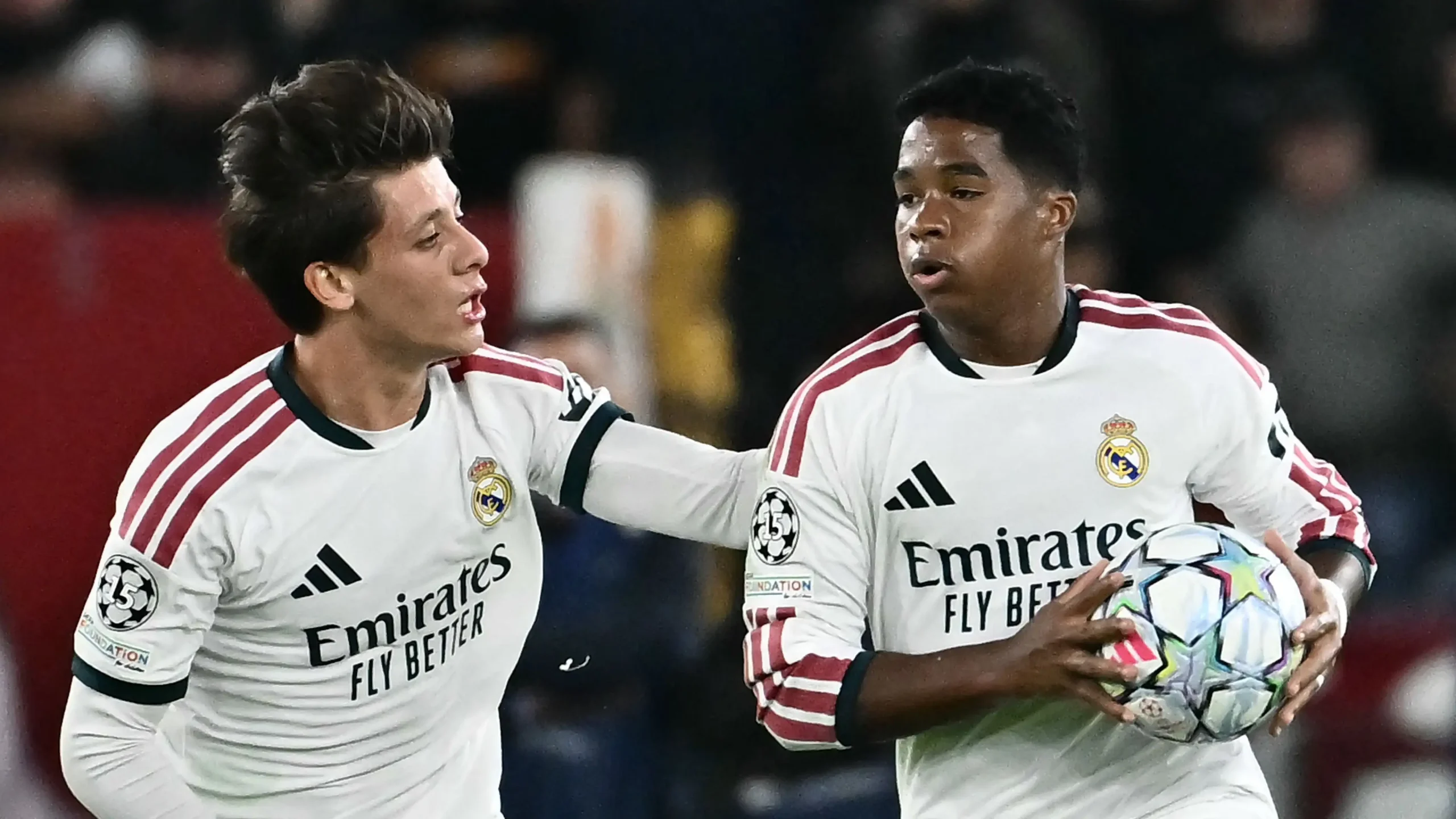
The first breakthrough arrived in the 83rd minute. Güler delivered a corner into the penalty area, and Endrick directed a header towards goal. Roma goalkeeper Pierluigi Gollini kept out the initial effort, but the rebound fell to Carlos Espí, who finished to make it 3–2.
The goal mattered for two reasons.
First, Madrid had finally converted sustained late pressure into a result on the scoreboard. The deficit was no longer two goals; Roma now had to protect a narrow advantage against a team that had regained belief.
Second, the goal highlighted the importance of the second ball. Defending a corner does not end when the goalkeeper stops the first attempt. The defensive unit must also react to rebounds, loose balls and the movement of attackers around the six-yard area.
Gollini’s save had temporarily prevented Endrick from scoring, but Roma could not complete the defensive sequence. Espí reacted to the rebound and gave Madrid a lifeline.
That distinction is central to set-piece defending. The first contact may be defended correctly, yet the phase remains dangerous until the ball is cleared or possession is secured.
2. Endrick: Roma’s marking fails again
Madrid were level around four minutes later.
Once again, Güler delivered from a corner. This time Endrick found space to connect with the ball and headed past Gollini, bringing the score to 3–3.
The equaliser exposed a different problem from the first goal. Espí’s finish came from a rebound; Endrick’s header demonstrated how a runner can become decisive when the defending team loses track of the immediate threat.
At this level, corner defending depends on communication, timing and responsibility. Players must know whether they are protecting an area, tracking an opponent or attacking the ball. Hesitation between those tasks creates gaps that elite attackers can exploit.
Endrick’s header was therefore not merely a product of Madrid’s persistence. It was evidence that Roma had failed to restore order after conceding the first goal.
The psychological effect was equally significant. Roma had watched a two-goal cushion disappear in a matter of minutes. Madrid, by contrast, now had the momentum and could sense that a full comeback was possible.
3. Antonio Rüdiger: The former Roma defender delivers the final blow
The decisive moment came in the closing minute.
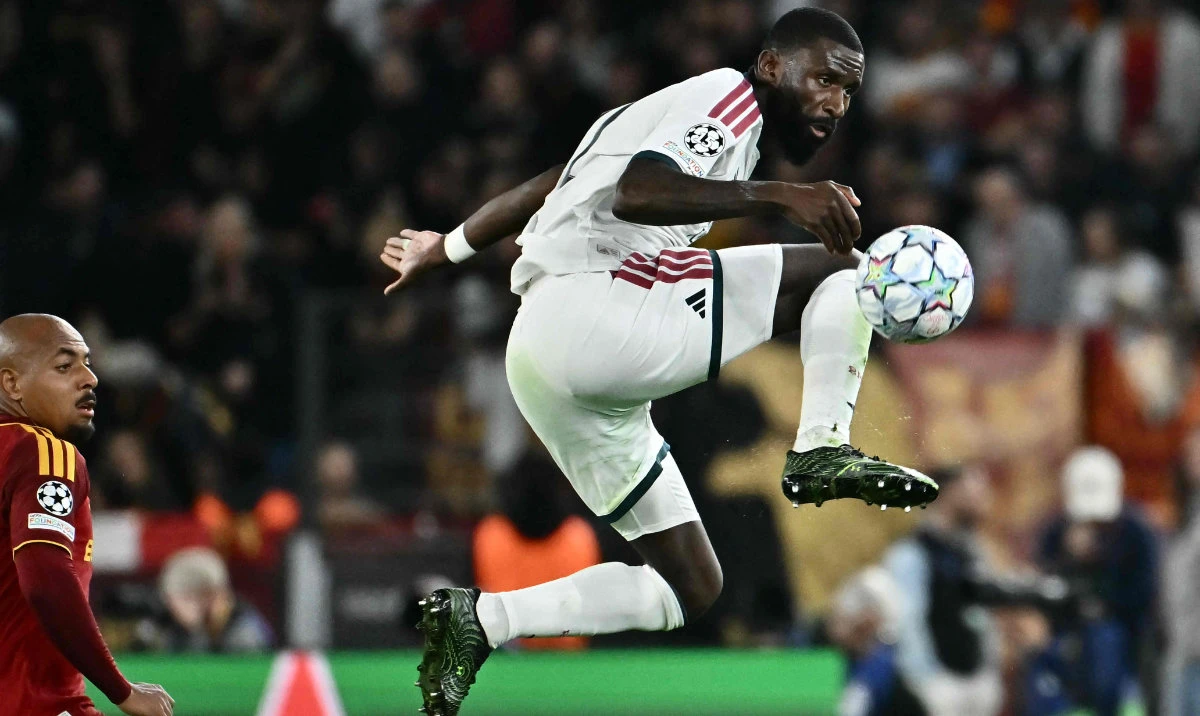
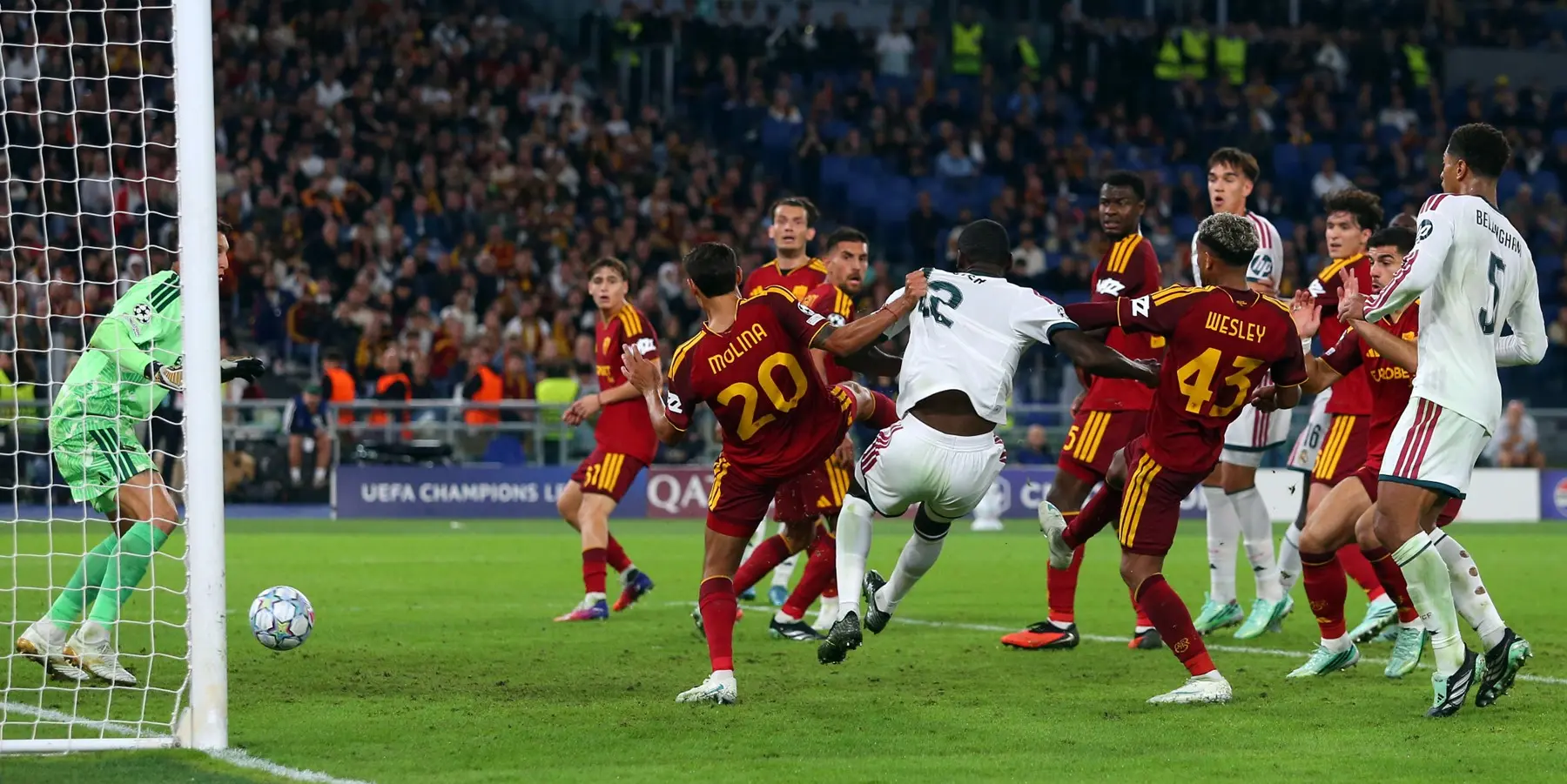
Madrid won another corner, Güler supplied the delivery, and Antonio Rüdiger completed the turnaround with an acrobatic finish. The former Roma defender had delivered the final blow against his old club.
The goal made it 4–3 and completed a turnaround that had seemed almost impossible only moments earlier.
Rüdiger’s finish gave the comeback its dramatic conclusion, but the goal cannot be separated from the sequence that preceded it. Roma had already conceded twice from corners and then had to defend another dangerous delivery under enormous pressure.
The match was no longer simply about individual quality. It had become a test of concentration, organisation and the ability to withstand one more attacking phase.
Madrid passed that test. Roma did not.
The official [Real Madrid report](https://www.realmadrid.com/en-US/news/football/first-team/reports/cronica-roma-real-madrid-14-10-2026) confirms that Güler’s deliveries initiated all three late scoring moves, making the Turkish playmaker a pivotal figure in the comeback.
Arda Güler’s corners: The tactical detail that changed the match
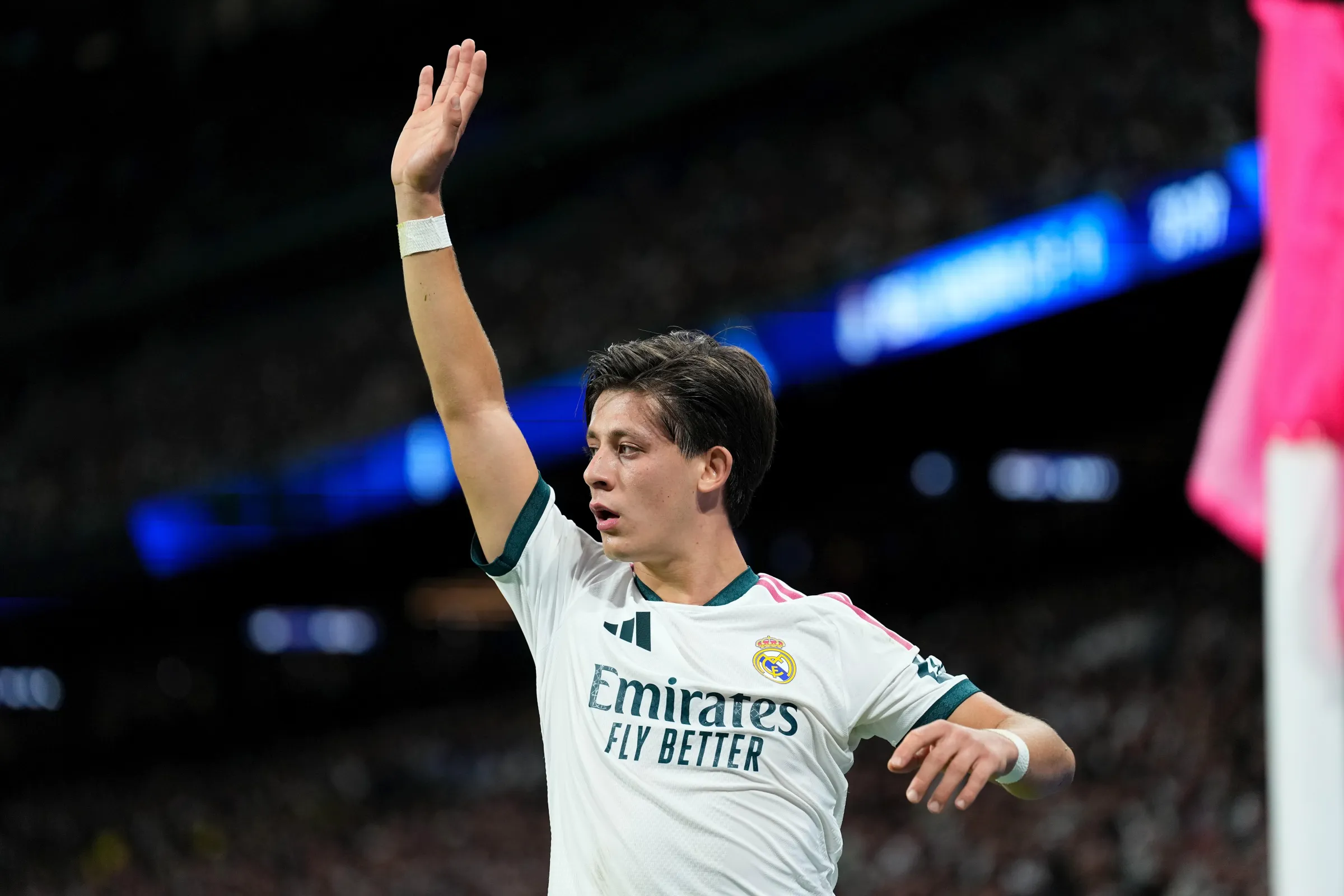 It would be easy to describe Madrid’s comeback as a demonstration of their famous European mentality. That reputation is real, but the tactical explanation is more specific.
Güler’s delivery repeatedly gave Madrid an opportunity to attack Roma’s penalty area with pace and precision. Each corner forced the home side to organise its defenders, identify the attacking runners and manage the ball’s path through a crowded space.
SEE ALSO: Vinícius Júnior’s Real Madrid Struggles: Mourinho’s Bigger Problem
The first corner produced a header, a save and a rebound for Espí. The second created the conditions for Endrick to score with a header. The final corner led to Rüdiger’s decisive finish.
Those outcomes were different, but the repeated source of danger was the same.
Madrid found a reliable attacking route and continued to use it until Roma demonstrated that it could defend it.
That is an important coaching lesson. When a team repeatedly creates dangerous situations from one phase of play, it should not abandon the method simply because the opponent knows what is coming. The delivery, attacking movement, timing and second-ball positioning can all create different outcomes from a similar starting point.
For Roma, the problem was not merely that three corners led to goals. It was that the team could not restore the defensive stability required to survive those situations.
Gian Piero Gasperini acknowledged the failure after the game, saying his side had been too passive in the closing stages. His assessment, reported by [Football Italia](https://football-italia.net/gasperini-roma-outclassed-real-madrid-regret/), reflected the central frustration of the night: Roma had produced enough good football to put themselves in a winning position, only to lose it through repeated defensive failures.
Roma’s collapse: When protecting the lead becomes a problem
A 3–1 advantage should provide a team with options. Roma could continue attacking when the opportunity appeared, slow the match when required or use possession to reduce Madrid’s attacking opportunities.
The final stages instead became a sequence of defensive emergencies.
There is an important distinction between defending deep and defending passively. Dropping closer to the penalty area can reduce the space available behind a defensive line, but it also places greater demands on positioning, communication and the ability to deal with crosses and rebounds.
A team that retreats without maintaining these responsibilities risks giving its opponent repeated opportunities to deliver into dangerous areas.
The corners were especially damaging because they gave Roma little opportunity to reset its shape through open-play possession. Each delivery demanded an immediate defensive response. After conceding, the team had to recover emotionally and tactically before facing the next phase.
That is where Madrid’s persistence became so effective. The Spanish side did not need to dominate every minute of the match to win it. It needed to maintain enough attacking pressure to make Roma defend correctly, repeatedly, under increasingly intense pressure.
Roma eventually failed to do so.
The result should not erase the strong attacking performance that had put the hosts ahead. De Roon’s goal and Malen’s double demonstrated Roma’s ability to hurt Madrid. But a team competing at the highest European level must manage both sides of the match: creating the lead and protecting it.
Roma succeeded at the first task and failed spectacularly at the second.
Real Madrid’s comeback adds another chapter to European history
Madrid’s reputation for late European comebacks is supported by more than folklore. According to [Opta Analyst’s post-match statistics](https://theanalyst.com/articles/roma-vs-real-madrid-stats-uefa-champions-league-10-2026), the Roma victory was the club’s fifth win in European Cup or Champions League history after trailing by at least two goals.
Opta also recorded that Madrid were still two goals behind in the 82nd minute, making this the latest point at which an away team had trailed by two goals and then won a Champions League match, excluding games decided after extra time.
Those numbers illustrate why the comeback deserves to be treated as a significant European result. Madrid did not simply turn a narrow defeat into a narrow victory. They reversed a two-goal deficit in the closing stages against an opponent that had repeatedly troubled them.
Mbappé also reached an individual milestone. He scored on his 100th Champions League appearance, becoming the youngest player to reach 100 appearances in the European Cup or Champions League, at 27 years and 298 days, according to Opta.
Yet the defining contribution on the night came from a combination of players rather than one superstar. Güler’s deliveries, Endrick’s presence in the penalty area, Espí’s reaction to the rebound and Rüdiger’s decisive finish all contributed to the result.
That collective contribution is part of what makes the comeback such a useful tactical case study. A dramatic result can emerge not from complete dominance, but from a team identifying a weakness and exploiting it repeatedly.
What the result means for both clubs
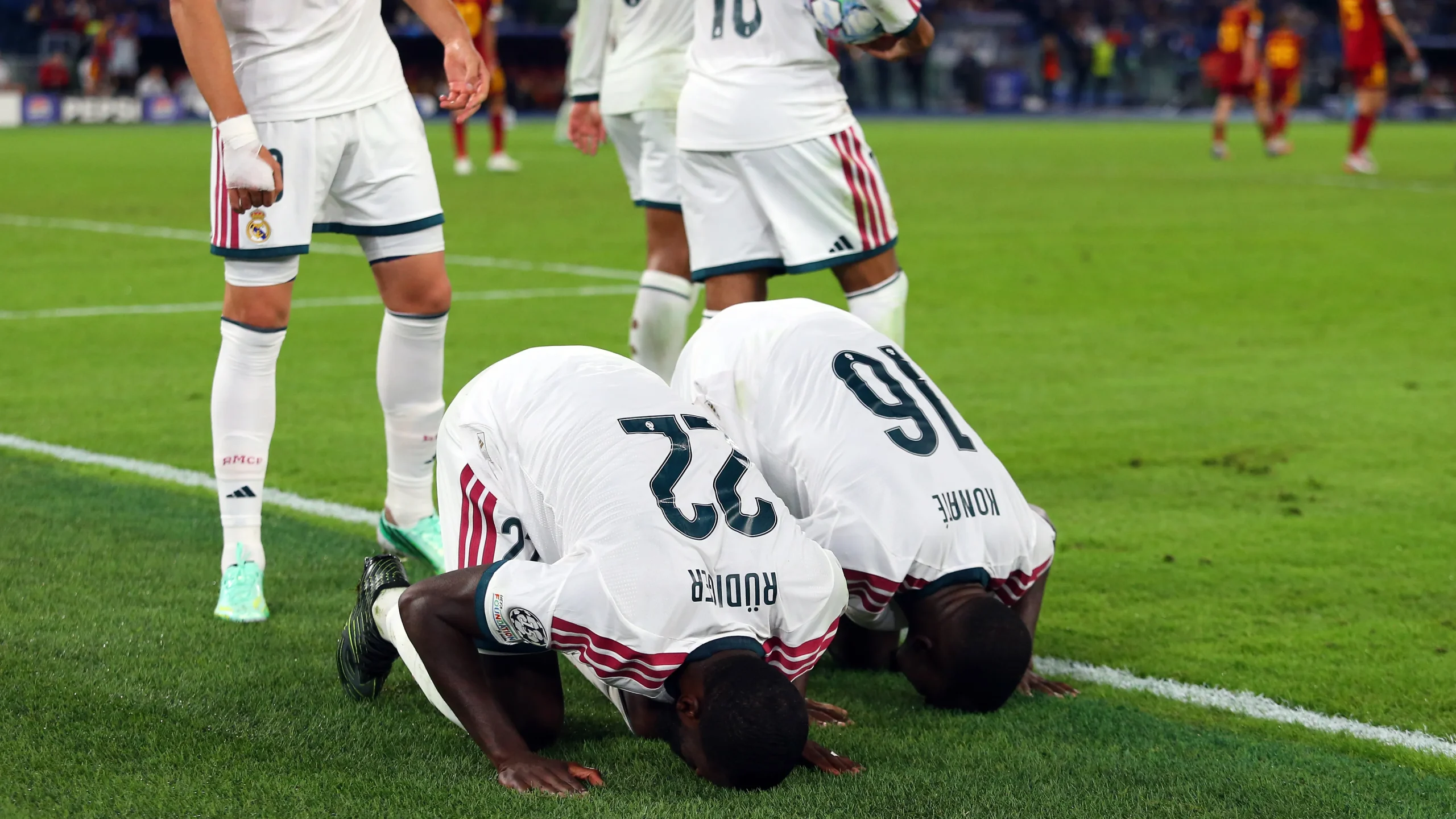 For Real Madrid, the victory provides more than three points. It reinforces the value of persistence, intelligent use of set pieces and the impact of substitutes in changing a match’s rhythm.
It also gives Mourinho’s team a clear lesson in attacking flexibility. When open play is difficult, dead-ball situations can offer an alternative route to goal—provided the delivery and movement are precise enough to cause problems.
For Roma, the defeat demands an honest review of defensive responsibility. The coaching staff must examine how the players were positioned, who was responsible for tracking the main threats and why the team could not adjust after conceding the first corner goal.
It would be premature to conclude that Roma’s entire defensive system is broken because of one match. However, conceding three late goals from corners is too significant to dismiss as bad luck alone. It calls for detailed video analysis and clear corrective work on set-piece organisation.
The psychological response will matter as much as the technical one. Roma must learn to manage the period immediately after conceding, when frustration and panic can turn a recoverable situation into a decisive collapse.
Madrid, meanwhile, can take confidence from a victory that demonstrated both attacking quality and an ability to stay engaged when the result appeared to be slipping away.
Conclusion: Three corners, one unforgettable lesson
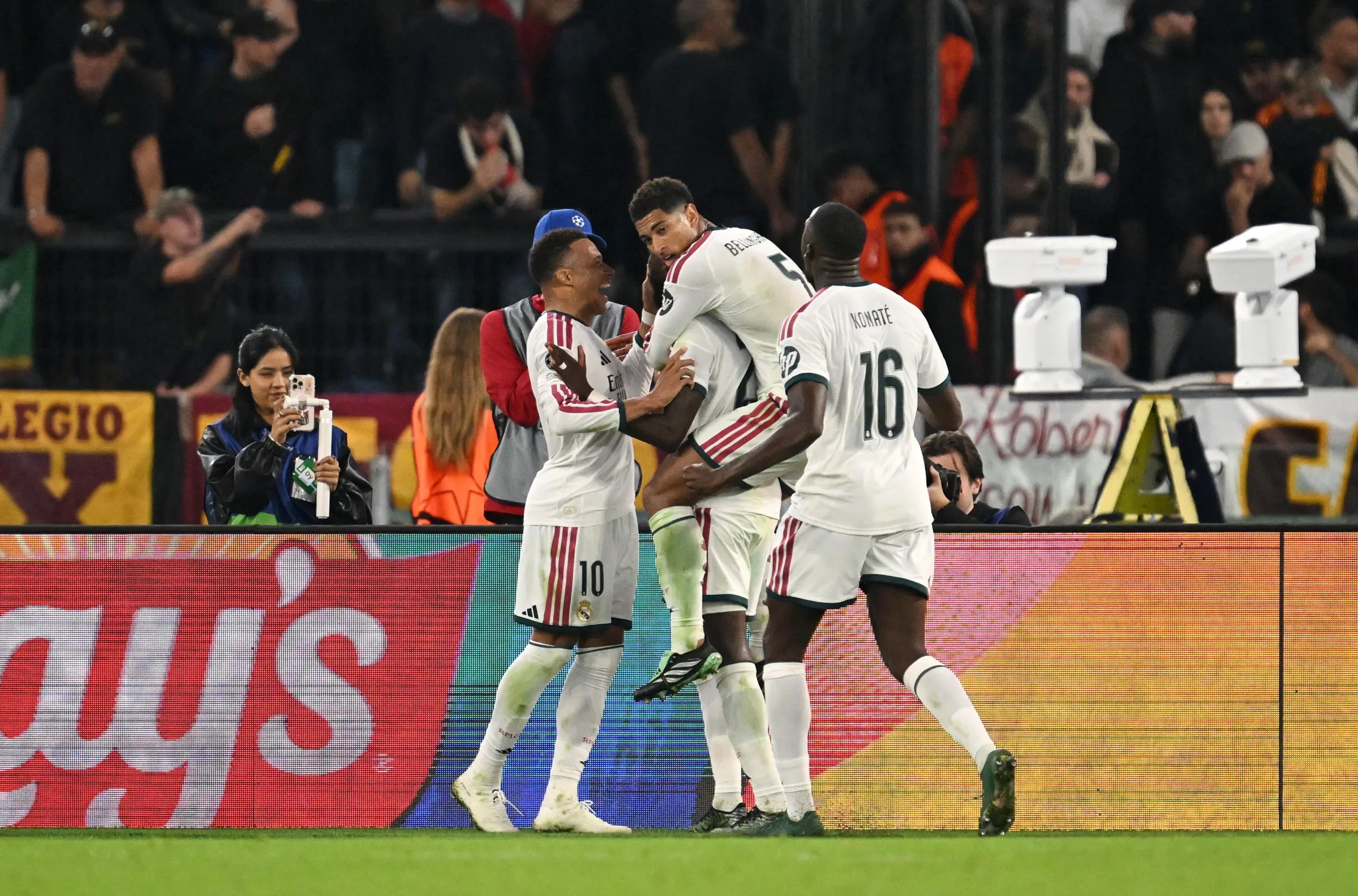 The 4–3 victory over Roma will be remembered for its drama, but its lasting lesson is tactical.
Real Madrid did not need seven minutes of total football to complete the comeback. They needed three decisive attacking sequences from corners, the quality to execute them and the composure to keep attacking after the first goal changed the match.
Roma had done enough to build a 3–1 lead. What it could not do was defend that advantage when the pressure reached its peak.
For Madrid, the result reinforces the importance of belief backed by execution. For Roma, it is a reminder that every phase of a match requires concentration—especially when the finish line is close.
Three corners transformed a defeat into a victory and turned a promising Roma performance into a painful lesson in game management.
Was this one of Real Madrid’s most remarkable Champions League comebacks, or should Roma’s defensive failure be the main talking point? Share your view in the comments.