Barcelona’s attacking brilliance has made them one of the most dangerous teams in Europe this season, but their defensive problems could now face their toughest examination yet.
PSG vs Barcelona brings together two elite sides with contrasting challenges ahead of their UEFA Champions League league-phase encounter at the Parc des Princes on Tuesday, 20 October 2026. Barcelona arrive in Paris with an impressive run of victories, while Paris Saint-Germain have demonstrated their European credentials with convincing performances in their opening matches.
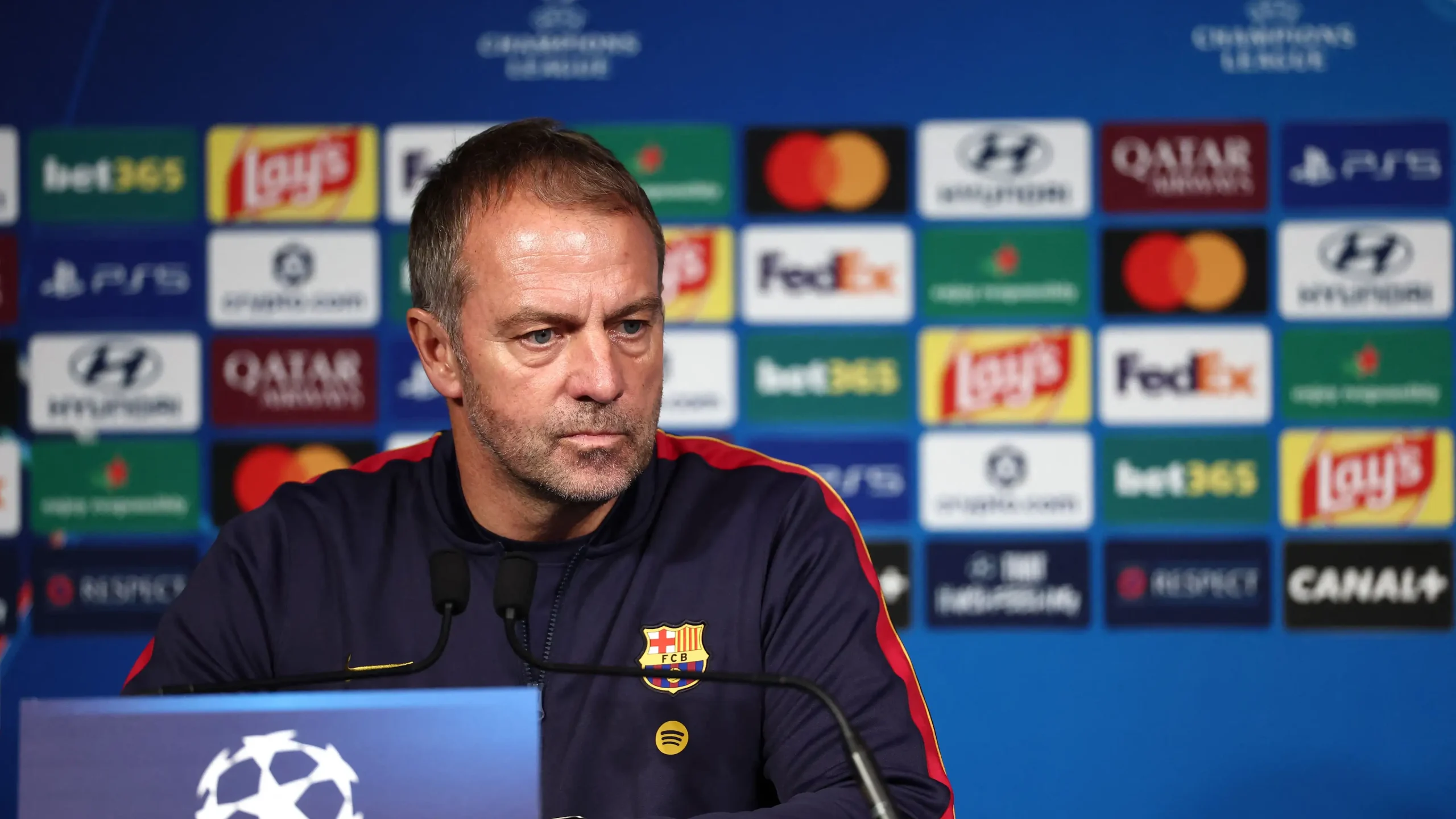
Yet the spotlight is firmly on Hansi Flick’s defensive options. Injuries to Jules Koundé and Eric García have weakened Barcelona’s back line, while Andreas Christensen also remains unavailable. The situation leaves the German coach with difficult decisions about how to protect his goal against a PSG side capable of turning defensive hesitation into dangerous opportunities.
Barcelona’s official medical update confirmed that García suffered a right-thigh injury, with an estimated recovery period of three to four weeks, while Koundé sustained a left-ankle sprain that rules him out of this match. ([FC Barcelona](https://www.fcbarcelona.com/en/football/first-team/news/4594024/medical-updates-on-eric-and-kounde))
For Flick, the challenge is not simply to find replacements. He must maintain Barcelona’s attacking identity while preventing the absence of experienced defenders from exposing weaknesses in their high defensive line.
With both teams seeking another important European result, the tactical battle may prove just as decisive as individual quality.
PSG vs Barcelona: Why Flick’s Defensive Crisis Matters
 Barcelona’s start to the 2026/27 campaign has generated considerable optimism. The Catalan club defeated Feyenoord 5–1 in their opening Champions League fixture before recording a 4–1 victory away to Galatasaray.
Their domestic performances have also been impressive. Barcelona’s official preview reported a 5–2 win over Real Betis, extending their run of consecutive victories and reinforcing the impression that Flick’s side have become increasingly effective in attack. ([FC Barcelona](https://www.fcbarcelona.com/en/football/first-team/news/4594863/preview-paris-saint-germain-v-fc-barcelona))
However, sustained attacking success can obscure a different question: how well can Barcelona defend when opponents have the quality to exploit the spaces they leave behind?
Flick’s approach generally encourages his players to press aggressively, move the defensive line forward and win possession high up the pitch. When the system works, Barcelona can overwhelm opponents before they have time to organise themselves.
The risk emerges when that pressure is bypassed.
If an opponent finds a forward pass through the press, Barcelona’s defenders may be forced to defend large spaces while retreating towards their own goal. That challenge becomes more demanding when experienced defenders are unavailable and replacements are required to perform unfamiliar roles.
Against PSG, those circumstances could have significant consequences.
Luis Enrique’s side have the technical quality to play through pressure and the attacking movement to exploit spaces between defenders. A poorly timed challenge, a misplaced pass or a failure to track a runner could transform a promising Barcelona attacking position into a PSG counterattack.
The central issue is therefore one of balance.
Barcelona do not necessarily need to abandon their aggressive philosophy, but they must decide when to press, when to maintain their defensive line and when to protect the spaces behind their midfield.
Flick’s biggest challenge is to preserve Barcelona’s attacking threat without allowing the defensive absences to dictate the entire match.
1. The Absence of Koundé and García Changes Barcelona’s Defensive Structure
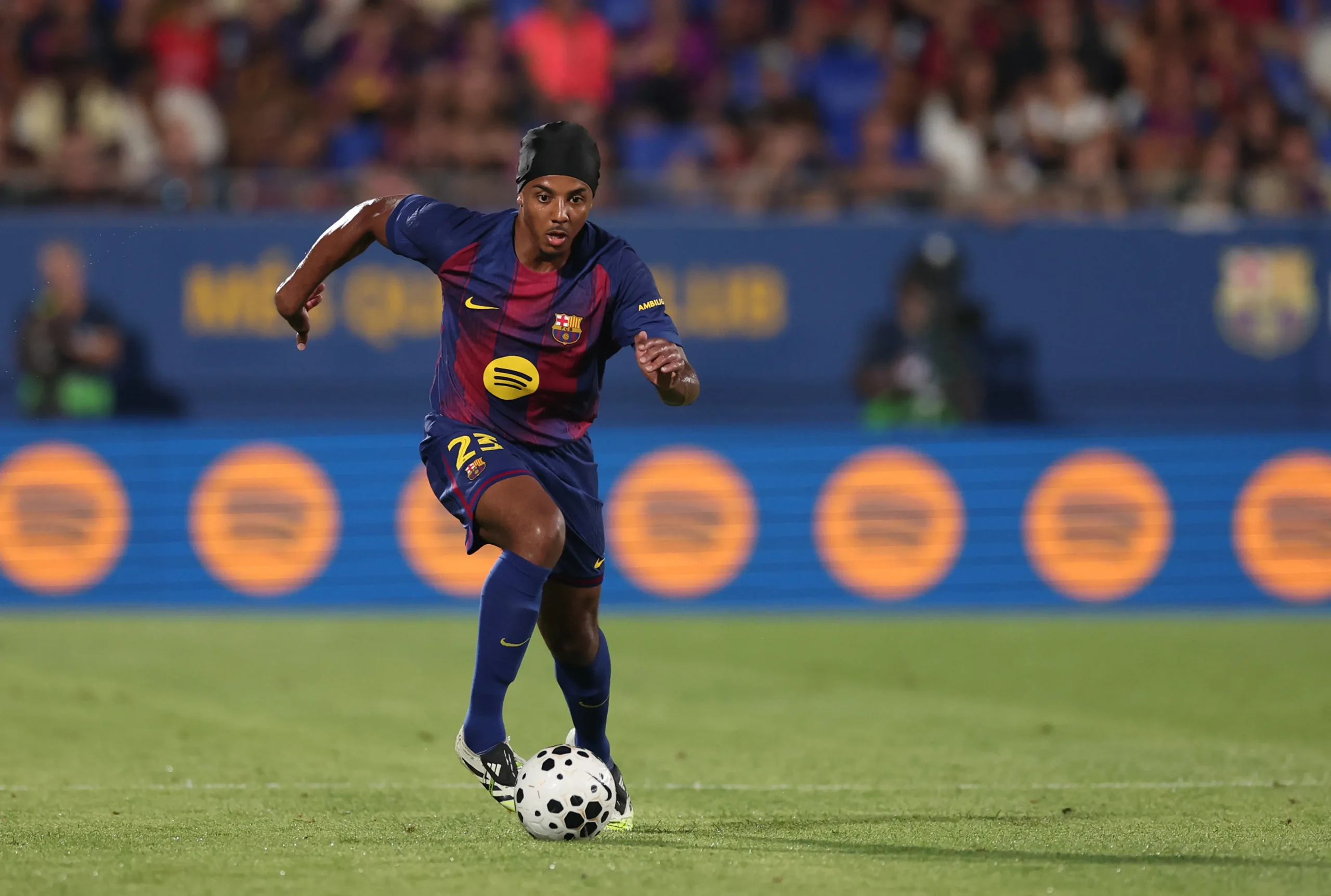 Losing one established defender can disrupt a team’s organisation. Losing multiple players in the same defensive unit creates a more complicated problem.
Koundé’s absence removes an experienced option from the right side of the defence, while García’s injury takes away another player capable of operating centrally or across the defensive line.
Christensen’s continued absence further limits Flick’s choices. Reuters reported ahead of the fixture that the injuries had left Barcelona with only five fit senior defenders, placing additional pressure on the players available for selection. ([Reuters](https://www.reuters.com/sports/soccer/flick-clarifies-barcelona-backline-options-before-psg-real-madrid-showdowns-2026-10-19/))
That situation raises questions about Barcelona’s defensive combinations.
Pau Cubarsí remains an important figure in the centre of the defence, but the manager must consider the experience, pace and positional familiarity of whoever partners him.
Full-back selection is equally significant. If João Cancelo or another versatile option is required to cover an unfamiliar role, Barcelona may gain technical quality in possession but lose some of the natural positioning and defensive coordination that a specialist defender provides.
These differences matter against elite opposition.
PSG can move attackers between the lines, switch the point of attack and use overlapping players to force defensive decisions. Barcelona’s replacements must recognise those movements quickly, particularly when the team is defending while running towards its own goal.
There is also a communication issue. An established back four develops an understanding of when to step forward, when to cover a teammate and how to defend crosses. Changes to several positions can weaken those automatic responses.
Flick must therefore prioritise clarity.
The most effective solution may not necessarily be the most adventurous formation. It may be a structure that allows the available defenders to protect each other, limits isolated situations and reduces the need for emergency recovery tackles.
2. PSG’s Pressing and Counterattacks Could Expose the High Line
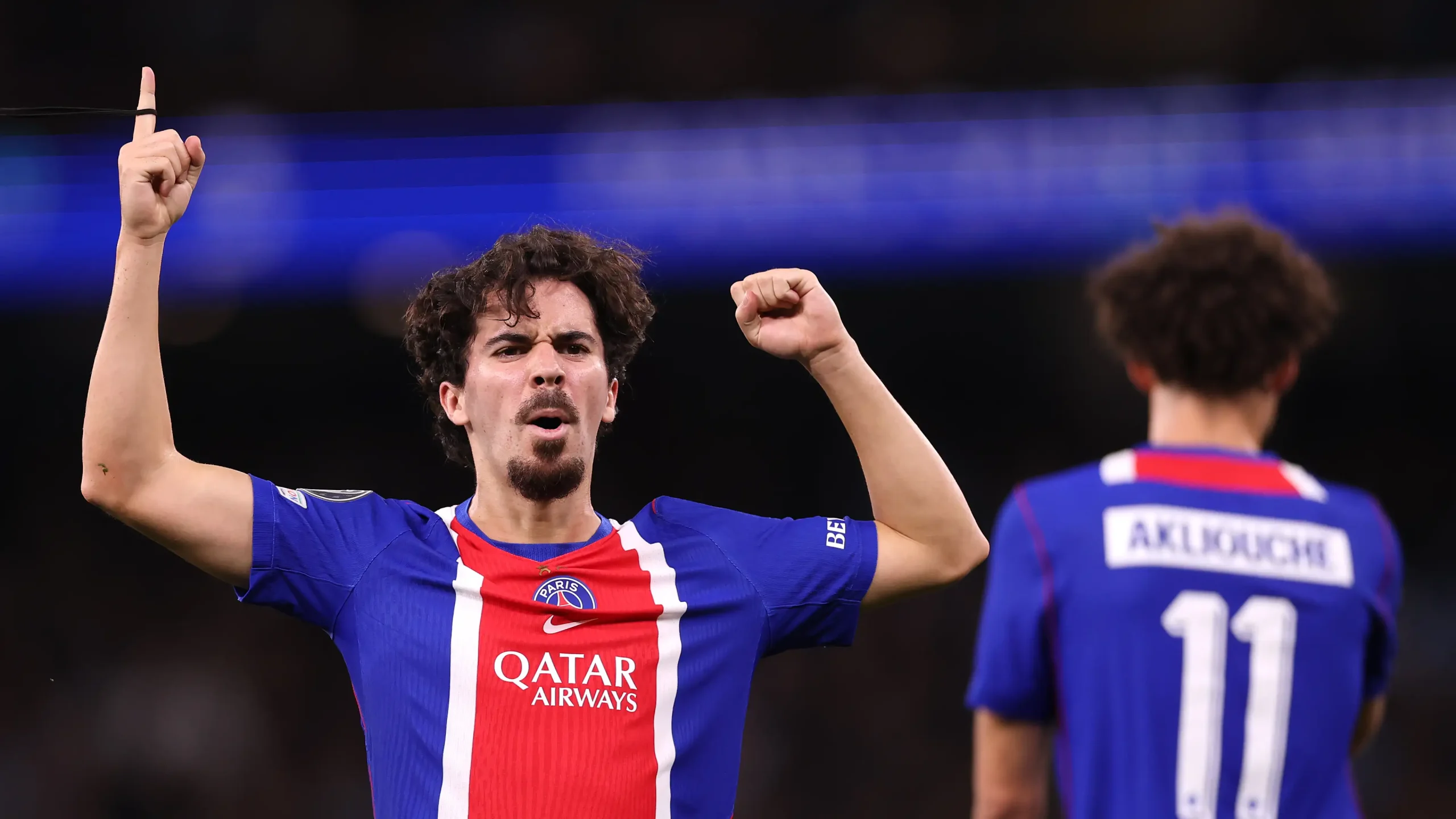 PSG’s attacking threat makes Barcelona’s defensive concerns especially important.
The Parisians began their European campaign with a 6–1 victory over Slovan Bratislava before producing a significant 4–2 away win against Manchester City. Those results underline their ability to create attacking opportunities against opponents who prefer to control possession. ([Paris Saint-Germain official preview](https://www.psg.fr/en/content/paris-saint-germain-fc-barcelona-preview-uefa-champions-league-20262027))
Luis Enrique’s side can press opponents high, but their threat extends beyond winning the ball near the opposition penalty area.
When possession is regained, quick combinations and intelligent forward movement can force defenders to make decisions before they have time to reset their positions.
That is precisely the situation Barcelona must manage carefully.
If Flick’s team push their defensive line high while committing midfielders and full-backs forward, PSG could look for passes into the space behind them. Quick attackers can then force Barcelona’s defenders to turn and sprint towards their own goal.
The danger is not simply pace. It is the combination of movement, timing and passing accuracy.
A well-timed run can pull one defender out of position and create a central opening for another attacker. A full-back moving forward can force Barcelona’s wide defenders to choose between following a runner and protecting the centre.
These decisions can become more difficult when defensive partnerships are unfamiliar.
Barcelona may consequently need a more selective pressing approach. Rather than attempting to win possession immediately in every situation, they could drop a few metres when necessary and prioritise maintaining a compact defensive shape.
That adjustment would not require abandoning Flick’s philosophy. It would represent a tactical response to the personnel available and the threat posed by the opposition.
The crucial test is whether Barcelona can recognise the moments when their aggressive approach becomes too risky.
3. Can Flick Find an Emergency Solution Without Sacrificing Midfield Control?
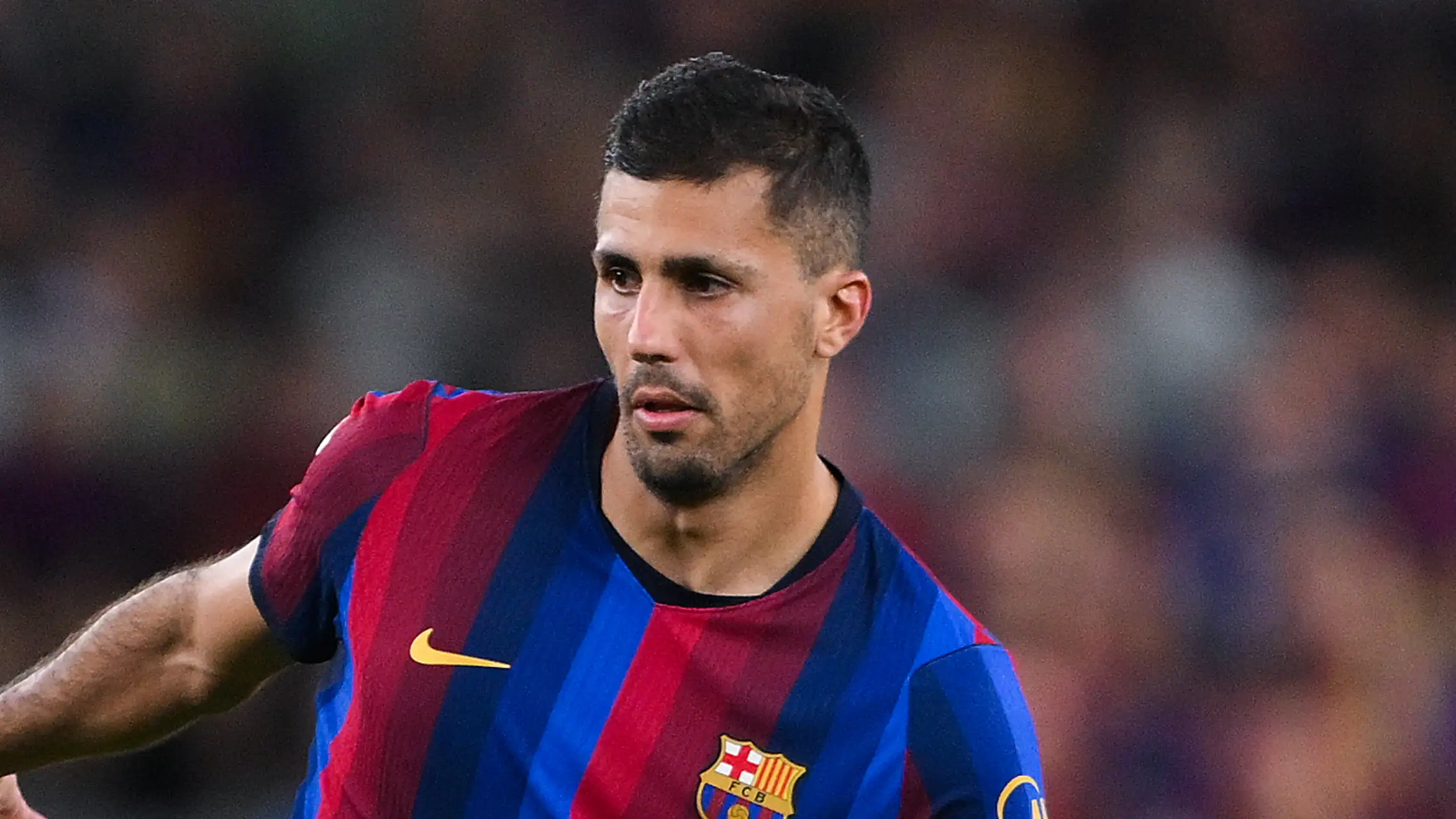 Barcelona’s defensive injuries create a selection dilemma extending beyond the back four.
Reuters reported that Flick had identified midfielders Rodri Hernández and Frenkie de Jong as possible emergency options for the defensive line. The possibility illustrates the shortage of natural defensive alternatives available to the coach ahead of the PSG fixture. ([Reuters](https://www.reuters.com/sports/soccer/flick-clarifies-barcelona-backline-options-before-psg-real-madrid-showdowns-2026-10-19/))
Using a midfielder in defence can offer certain advantages.
A player comfortable in possession may help Barcelona build attacks from deep, evade the first wave of PSG’s press and maintain passing connections with the central midfielders.
However, the trade-off can be significant.
Defending is not only about technical ability on the ball. Centre-backs must judge when to challenge an opponent, track runs behind them, defend aerial deliveries and coordinate their positioning with the goalkeeper and full-backs.
A midfielder adapting to a defensive role may be comfortable receiving possession but less accustomed to the physical and positional demands of defending against elite forwards.
There is also the effect on Barcelona’s midfield.
If De Jong or another central player is moved backwards, Flick may lose some of the control that normally allows his side to dominate possession. The remaining midfielders could be forced to cover more ground, increasing the difficulty of both pressing and protecting the defence.
The answer will depend on the specific combination selected.
A midfielder in defence could work if the surrounding players provide sufficient support and Barcelona avoid repeatedly exposing the makeshift defender in isolated one-on-one situations. It becomes more dangerous if PSG can dictate the tempo and force Barcelona’s defensive replacements to make repeated emergency interventions.
Flick must weigh those risks against the alternatives.
The best solution is likely to be the one that creates the clearest responsibilities for every player rather than simply selecting the most technically gifted individuals.
PSG vs Barcelona: The Attacking Threat Barcelona Cannot Ignore
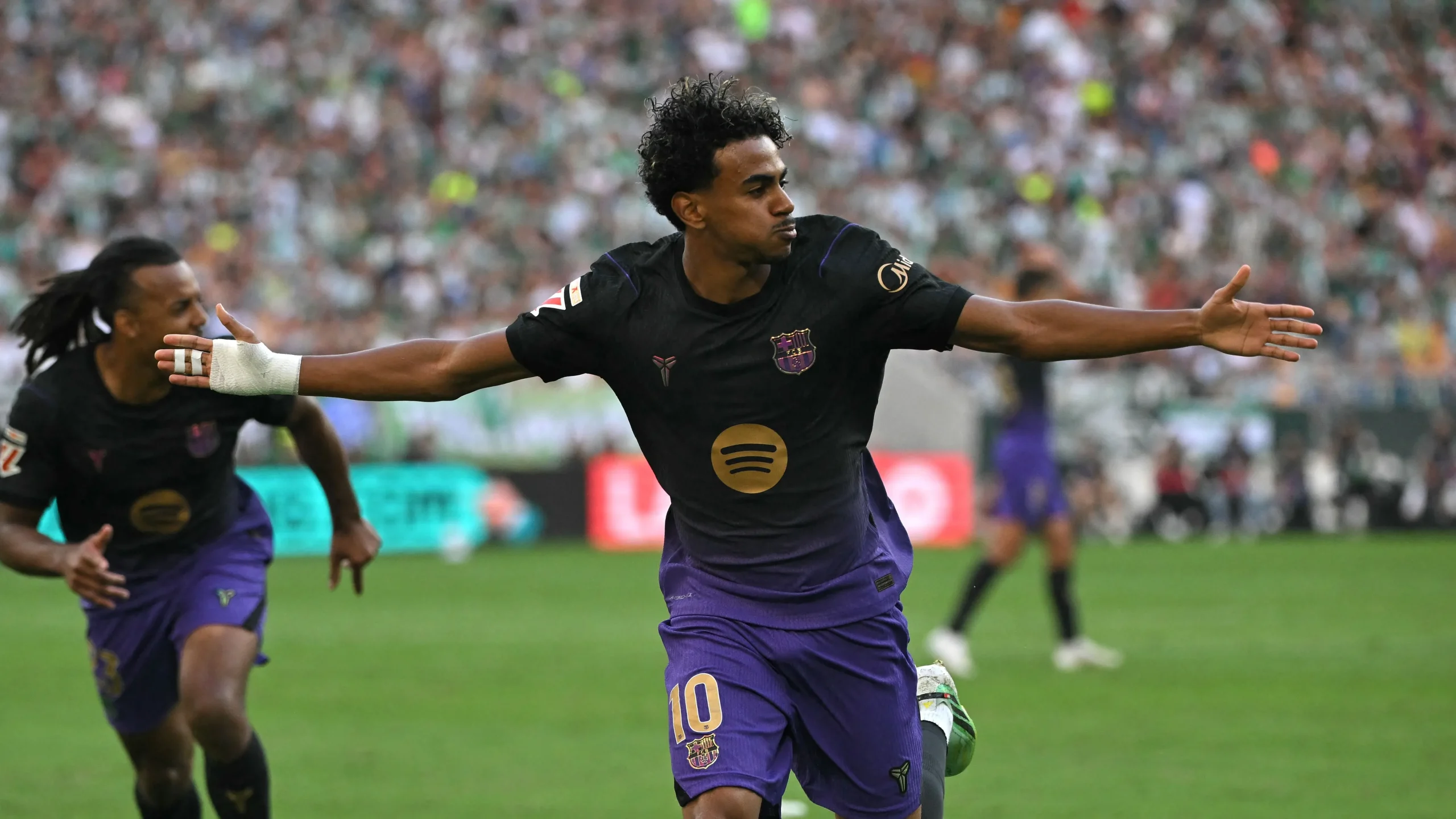 Despite the defensive concerns, Barcelona possess enough attacking quality to make this a difficult fixture for PSG as well.
Lamine Yamal has emerged as one of the central figures in the team’s attacking structure. PSG’s official preview listed nine goals and ten assists for the teenager across his opening 11 matches of the season, highlighting the influence he has had on Barcelona’s forward play. ([PSG official preview](https://www.psg.fr/en/content/paris-saint-germain-fc-barcelona-preview-uefa-champions-league-20262027))
Raphinha is another major factor. Ahead of the match, reports indicated that the Brazilian could return to Barcelona’s starting line-up, providing another potential source of movement, pressing and direct attacking production.
His availability would matter because Barcelona need ways to keep PSG occupied in their own half.
If the Catalans can establish possession around the opposition penalty area, PSG may have fewer opportunities to launch repeated counterattacks. An effective attacking performance could therefore provide an indirect form of defensive protection.
Yamal’s ability to threaten defenders in wide areas can force opponents to provide additional cover. That may create room for Barcelona’s midfielders to receive the ball and advance through central spaces.
Raphinha can also help Barcelona press after losing possession, potentially disrupting PSG’s attempts to begin counterattacks cleanly.
However, attacking aggression carries a risk.
If Barcelona commit too many players forward without maintaining suitable cover, they could leave their makeshift back line exposed. Flick must determine how much attacking freedom to permit without allowing the match to become a series of open transitions.
The objective is not merely to score more goals than PSG. It is to control the conditions under which those chances are created and conceded.
PSG Have Defensive Concerns of Their Own
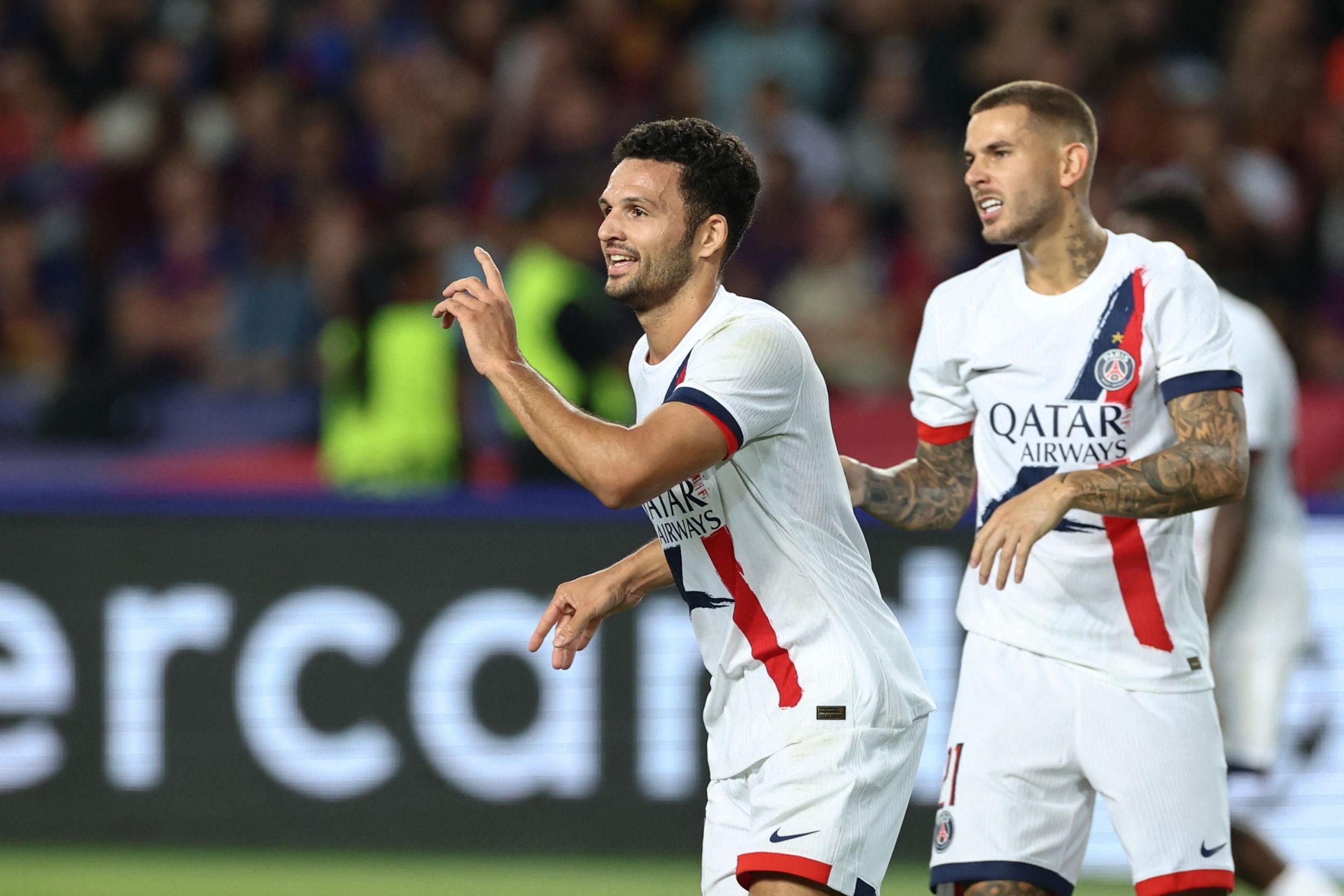 Barcelona’s injury list has understandably dominated the build-up, but PSG are not entirely free of problems.
The French club’s official preview confirmed that Nuno Mendes would miss the encounter because of a thigh problem. Senny Mayulu was also identified as a possible doubt. ([Paris Saint-Germain](https://www.psg.fr/en/content/paris-saint-germain-fc-barcelona-preview-uefa-champions-league-20262027))
Mendes’ absence could influence PSG’s attacking balance as well as their defensive structure.
A natural full-back contributes to defensive positioning, but he can also provide width, overlapping runs and options for progressing the ball down the flank. Whoever replaces him must combine those attacking responsibilities with the discipline required to defend against Barcelona’s movement.
This is particularly important when facing Yamal.
If Barcelona can isolate the winger against a defender without sufficient support, they may create opportunities to advance into the penalty area or deliver dangerous passes across goal.
PSG must therefore avoid becoming so focused on exploiting Barcelona’s weaknesses that they neglect their own defensive responsibilities.
Their attacking approach will have to be balanced with an awareness of Barcelona’s ability to punish mistakes.
A game in which both sides repeatedly expose each other’s defensive vulnerabilities could quickly become difficult to control.
The Head-to-Head Record Suggests Another Compelling European Contest
The history of PSG vs Barcelona provides another reason to expect a competitive encounter.
According to UEFA’s official statistical preview, the teams had met 16 times in UEFA competition before this fixture, recording six victories each and four draws. Each side had scored 29 goals across those meetings, reflecting how evenly matched the historical contest has been. ([UEFA Champions League](https://www.uefa.com/uefachampionsleague/news/02aa-21da40435076-55503ad281c5-1000–champions-league-matchday-3-paris-saint-germain-vs-barce/))
SEE ALSO: PSG vs Barcelona: 5 Key Battles That Could Redefine Europe
Their previous European meetings have featured dramatic changes in momentum, goals and tactical adjustments.
The broader pattern is important because neither side can comfortably assume that historical dominance will determine the outcome. Their encounters have often rewarded the team that manages the key moments most effectively.
For Barcelona, the priority is to avoid giving PSG opportunities to attack an unsettled defence.
For PSG, the challenge is to turn their attacking potential into sustained pressure without leaving space for Barcelona’s forwards to exploit.
The first goal could be particularly influential.
If PSG score early, Barcelona may feel compelled to commit additional players forward, increasing the possibility of counterattacks. If Barcelona score first, PSG could be forced to take greater risks, potentially creating more spaces for Yamal and his teammates.
Neither scenario guarantees a particular result, but both demonstrate how tactical decisions and the timing of goals could shape the contest.
The Wider Stakes for Hansi Flick
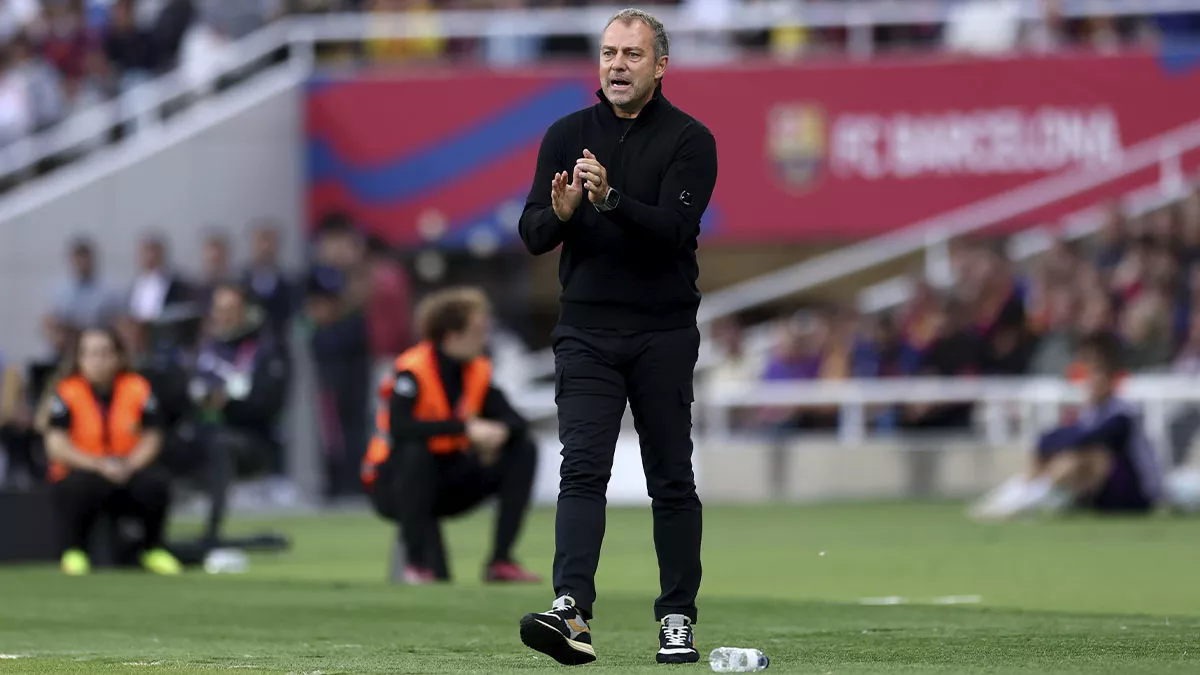 The PSG fixture arrives during an important period in Barcelona’s season, with the Clásico against Real Madrid scheduled for 25 October.
A positive result in Paris would strengthen Barcelona’s confidence ahead of that domestic contest. It would also demonstrate that Flick can manage difficult selection problems without abandoning the team’s attacking identity.
However, the consequences of defeat should not be exaggerated.
A single Champions League result does not determine the success or failure of an entire campaign, particularly under the competition’s league-phase format. Barcelona’s strong start means their broader objectives remain intact regardless of what happens in Paris.
Nevertheless, the performance will provide valuable information about their ability to adapt.
Can the team defend effectively when their preferred players are unavailable? Can Flick adjust the pressing intensity without undermining the attacking structure? And can Barcelona retain control when opponents manage to bypass their first line of pressure?
Those questions extend beyond one night.
The lessons from this match could influence Barcelona’s approach to subsequent European fixtures and help Flick decide whether his squad needs greater defensive depth in future transfer windows.
For PSG, the encounter is an opportunity to strengthen their position in the league phase and test their attacking structure against another major European opponent.
Both teams therefore have reasons to approach the match with ambition, but Barcelona’s injury situation places additional scrutiny on Flick’s decisions.
The Football Xtra Verdict: Will Barcelona’s Defence Survive the PSG Test?
PSG vs Barcelona promises a fascinating tactical contest between two teams with considerable attacking quality and different challenges to overcome.
Barcelona arrive with an impressive winning run and the ability to create opportunities through quick passing, intelligent movement and individual brilliance. Yet the absence of Koundé and García, alongside Christensen’s continued unavailability, creates genuine uncertainty about their defensive organisation.
PSG have the attacking tools to test that weakness, particularly if they can win possession and attack before Barcelona’s defenders recover their positions.
Flick’s response will be decisive. He must choose a defensive structure that protects his available players, decide how aggressively to press and ensure that any makeshift solution does not undermine the team’s midfield control.
Barcelona, meanwhile, cannot simply retreat and hope to survive. Their attacking players must keep PSG under pressure, while the entire team needs to understand when to take risks and when to prioritise defensive security.
The match may ultimately be decided by a handful of moments: a poorly defended run, a successful press, a transition executed at the right time or an individual intervention from one of the teams’ attacking stars.
The key question is whether Barcelona can make their defensive adjustments without losing the attacking identity that has driven their excellent start to the season.
Can Flick overcome the injury crisis and produce a statement result in Paris, or will PSG exploit Barcelona’s weakened back line?
Share your prediction in the comments and follow The Football Xtra for more Champions League analysis, team news and tactical coverage.