Tottenham Hotspur finally have something to celebrate, but one victory does not automatically transform a struggling team into a contender.
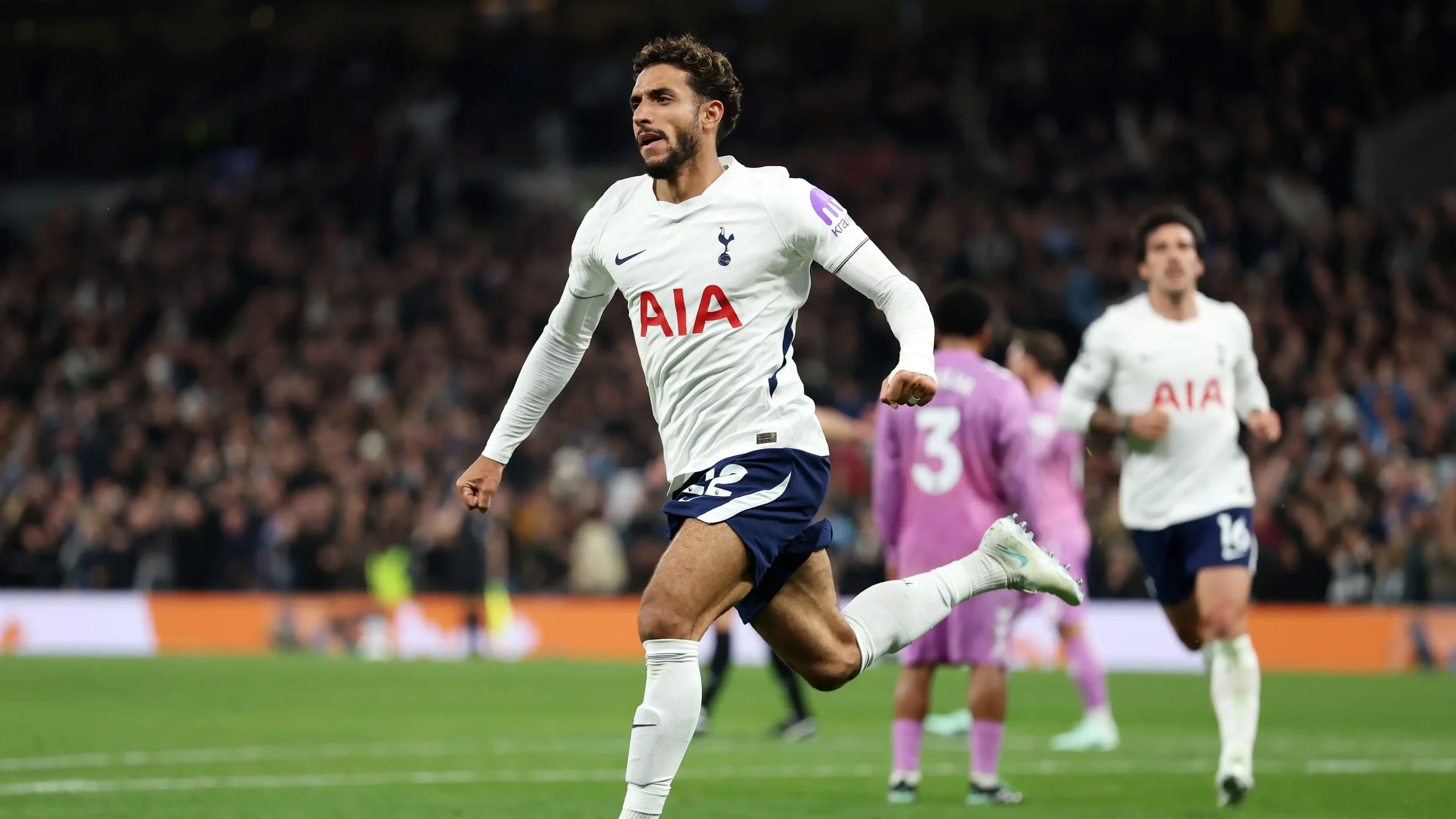
Their 3–1 win over Coventry City on Monday, 19 October, ended a miserable opening run in the Premier League and provided Roberto De Zerbi with his first league victory in charge. James Maddison marked his return to Tottenham’s starting line-up after 536 days with a spectacular opening goal, while Omar Marmoush and Ben Davies scored in the second half to secure three crucial points. ([The Guardian](https://www.theguardian.com/football/2026/oct/19/tottenham-coventry-premier-league-match-report))
For Tottenham, the result was significant both emotionally and practically. After three draws and three defeats in their first six league matches, Spurs had collected only three points and scored three goals. The victory lifted them from the bottom of the table to 16th place, giving the squad some much-needed breathing room. ([Reuters](https://www.reuters.com/sports/soccer/tottenhams-agonising-wait-premier-league-win-ends-with-coventry-victory-2026-10-19/))
Yet beneath the relief lies a more complicated question: has De Zerbi genuinely solved Tottenham’s problems, or have Maddison’s quality and two late goals simply produced a result that was urgently needed?
The performance offered encouraging signs of resilience, attacking quality and growing unity. It also exposed familiar concerns about slow possession, vulnerability during transitions and the difficulty of breaking down a compact defensive block.
For a club with substantial ambitions and significant summer investment, the distinction between winning a match and establishing sustainable progress could define the months ahead.
Tottenham vs Coventry: The Victory That Ended Spurs’ Winless Run
 The final score suggests a comfortable home victory, but the story was considerably more complicated.
Tottenham entered the match having failed to win any of their opening six Premier League fixtures. Their struggles had intensified questions about the squad’s balance, the effectiveness of De Zerbi’s tactical approach and the club’s ability to turn promising performances into points.
Coventry, managed by Frank Lampard, arrived with confidence following consecutive league victories, including an impressive 4–1 win over Newcastle United. They were not simply opponents waiting to be overwhelmed by Tottenham’s superior resources.
Maddison changed the atmosphere early.
In the 14th minute, Mohammed Kudus advanced down the right and supplied the ball for Maddison, who produced a superb bending finish from approximately 25 yards. It was a goal of outstanding technical quality, providing an immediate reminder of what Tottenham had missed during his prolonged absence. ([The Guardian](https://www.theguardian.com/football/2026/oct/19/tottenham-coventry-premier-league-match-report))
However, Tottenham failed to establish complete control.
Coventry remained organised and threatened on the counterattack, forcing the home side to remain alert despite enjoying more possession. Early in the second half, Tottenham’s defensive concentration briefly disappeared, allowing Jack Rudoni to equalise in the 49th minute.
The goal restored Coventry’s belief and placed Tottenham under renewed pressure. Another dropped lead could have revived the anxieties that had followed the club through the opening weeks of the season.
Instead, Spurs responded.
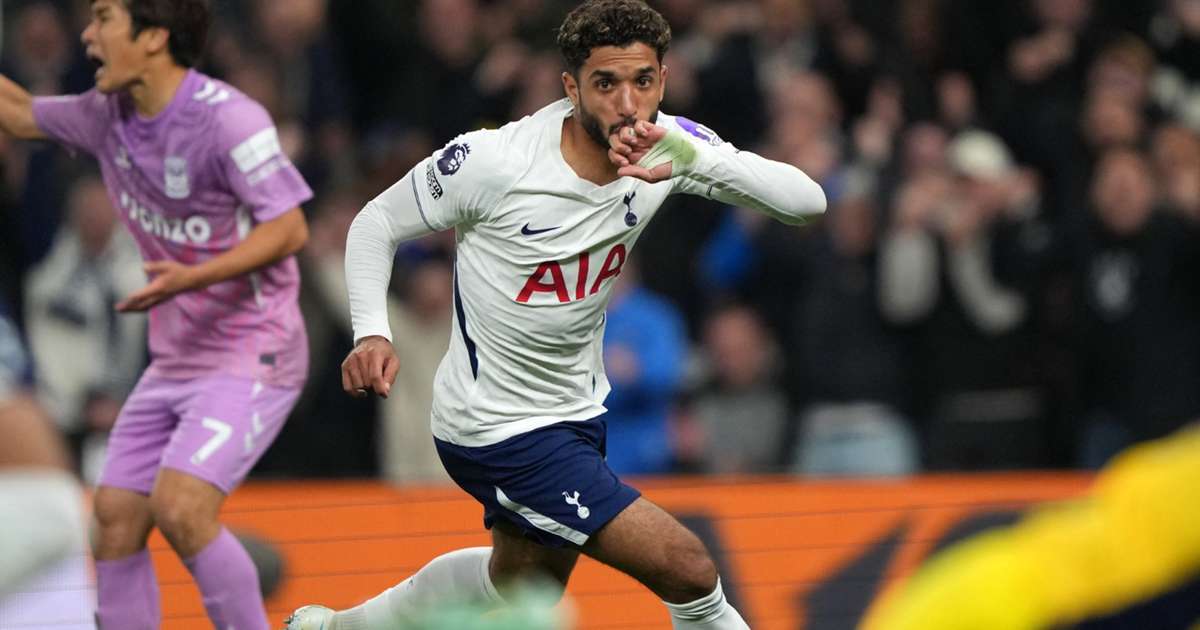
Marmoush restored their advantage in the 58th minute with another impressive finish, before substitute Ben Davies struck in the sixth minute of stoppage time to make the result secure.
The sequence mattered because Tottenham had previously struggled to turn positive spells into victories. This time, they recovered from an equaliser and found a way to close out the match.
The result ended the winless start, but the quality of Tottenham’s response—not merely the three goals—will determine whether this becomes a genuine turning point.
James Maddison’s Return Gives Tottenham a Missing Creative Dimension
 Maddison’s comeback was arguably the most encouraging development of the evening.
His first start in 536 days represented a major milestone after a lengthy spell away from the starting line-up. Scoring in the 14th minute made the occasion even more significant, giving Tottenham an immediate reward for restoring one of their principal creative players. ([The Guardian](https://www.theguardian.com/football/2026/oct/19/tottenham-coventry-premier-league-match-report))
His value extends beyond the ability to produce spectacular goals.
Maddison can receive possession between an opposing midfield and defence, turn into space, thread forward passes and create uncertainty through his positioning. These qualities can make an enormous difference against opponents determined to defend in a narrow, compact shape.
Tottenham have frequently struggled when opponents deny them space through the middle. Possession becomes slower, the available passing angles narrow and attacking moves can end with predictable deliveries from wide positions.
Maddison offers another route through those defensive structures.
His ability to receive the ball in tight spaces encourages defenders to make decisions. If a midfielder steps forward to challenge him, an opening may emerge behind that player. If the opposition maintains its shape, Maddison may have enough time to deliver a forward pass or attempt a shot.
Against Coventry, his opening goal demonstrated the importance of individual initiative when a team is struggling to create clear opportunities.
However, Tottenham must avoid treating his return as a complete solution.
After such a prolonged absence, his fitness and ability to sustain high-intensity performances will need careful management. The objective should be to reintegrate him gradually into a functioning attacking system rather than making the team dependent on his individual brilliance.
His comeback provides a foundation. It does not remove the need for better movement, quicker combinations and more consistent chance creation from the entire team.
Roberto De Zerbi’s Tactical Approach: Progress or Familiar Problems?
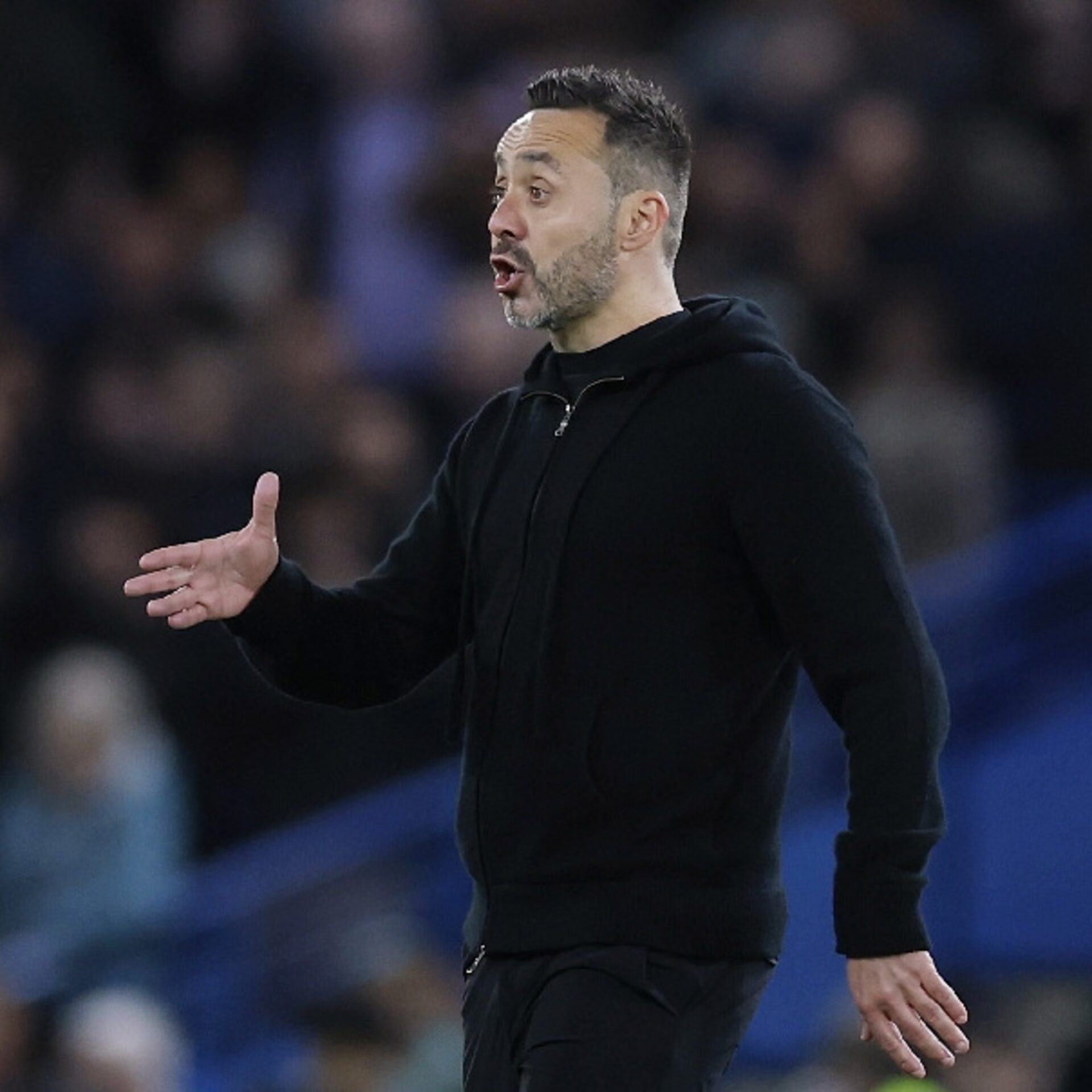 De Zerbi’s team selection against Coventry revealed a willingness to adjust his system to the circumstances.
Tottenham used a back three, with Mohammed Kudus deployed in an advanced right-wing-back role and Archie Gray partnering Sandro Tonali in midfield. The arrangement offered width and several passing options during the build-up, while Maddison occupied a central creative position. ([The Guardian](https://www.theguardian.com/football/2026/oct/19/tottenham-coventry-premier-league-match-report))
The approach produced periods of possession and allowed Tottenham’s attacking players to occupy useful positions.
Nevertheless, the performance lacked the fluency De Zerbi would have wanted.
In his post-match press conference, the manager acknowledged that Tottenham had not moved the ball quickly enough in the first half and had become too predictable against Coventry’s compact defensive block. He also credited the visitors for making the contest difficult. ([Tottenham Hotspur official website](https://www.tottenhamhotspur.com/news/1179218/spurs-3-1-coventry-every-word-of-roberto-de-zerbis-post-match-press-conference/))
That assessment is important because it highlights a problem that a favourable scoreline can obscure.
A possession-oriented system depends on coordinated movement and the ability to move opponents out of position. Simply circulating the ball between defenders and midfielders does not guarantee penetration.
When the ball moves too slowly, the opposition has time to adjust its defensive shape. The attacking team then has to take greater risks to find space, potentially losing possession in areas that invite counterattacks.
Tottenham’s possession figures underline the distinction between controlling the ball and controlling the match.
According to [Sky Sports’ match statistics](https://www.skysports.com/football/spurs-vs-coventry/stats/4774840669135103232), Spurs recorded 65.4% possession, completed 499 accurate passes and registered a passing accuracy of 89.3%. Coventry managed 34.6% possession and 222 accurate passes.
Those numbers demonstrate Tottenham’s greater involvement in possession, but they do not automatically prove that the team controlled the most dangerous moments.
De Zerbi needs his players to use possession more purposefully. Quicker passing, intelligent movement between the lines and better positioning around the penalty area would make it harder for opponents to defend deep without conceding meaningful opportunities.
The tactical framework may still work, but its effectiveness depends on execution.
The Numbers Behind Tottenham’s 3–1 Win
The match statistics provide a useful perspective on why optimism should be accompanied by caution.
Sky Sports recorded the following figures:
- Possession: Tottenham 65.4%, Coventry 34.6%.
- Total shots: Tottenham 16, Coventry 12.
- Shots on target: Tottenham five, Coventry one.
- Expected goals (xG): Tottenham 0.87, Coventry 0.82.
- Accurate passes: Tottenham 499, Coventry 222.
- Corners: Four each.
Source: [Sky Sports match statistics](https://www.skysports.com/football/spurs-vs-coventry/stats/4774840669135103232).
Tottenham were more accurate in possession and recorded more shots on target, which supports the argument that they had the better overall attacking output.
SEE ALSO: Tottenham vs Coventry: 5 Powerful Signs of Hope for Spurs
However, the reported xG figures were relatively close despite the 3–1 scoreline. Expected goals estimate the probability of shots being scored based on factors such as location and the nature of the opportunity. They are useful for evaluating chances, although different statistical providers can produce different figures.
The important point is that the result was considerably more emphatic than the underlying chance-quality figures alone might suggest.
Maddison’s long-range finish and Marmoush’s goal demonstrated the value of technical quality, while Davies’ stoppage-time strike put the result beyond doubt.
But spectacular finishing should not become a substitute for producing regular, high-quality chances.
Tottenham need to establish whether they can consistently create opportunities close to goal rather than relying on individual moments from distance or late interventions.
The defensive numbers deserve attention too. Coventry recorded 12 shots, despite having substantially less possession. That suggests Tottenham were not entirely successful in preventing the visitors from finding attacking opportunities.
The visitors managed only one shot on target, which is encouraging for Spurs, but their ability to create openings after the equaliser exposed moments when the home side lost its defensive organisation.
The statistics therefore support a mixed conclusion: Tottenham were more productive in several areas, but the margin of victory should not be interpreted as proof that their underlying problems have disappeared.
Coventry’s Equaliser Exposed Tottenham’s Defensive Vulnerability
The 49th-minute equaliser was one of the most revealing moments of the match.
Tottenham began the second half without the intensity required to protect their advantage. A loss of possession in defence allowed Coventry to move forward quickly, and Rudoni eventually found the net after a sequence involving Brandon Thomas-Asante. ([The Guardian](https://www.theguardian.com/football/2026/oct/19/tottenham-coventry-premier-league-match-report))
The incident demonstrated why defensive discipline remains a central concern for De Zerbi.
A team that commits players forward during possession must have a clear structure for responding when the ball is lost. If defenders move out of position or midfielders fail to provide immediate cover, even a comparatively brief transition can create a dangerous opportunity.
Tottenham cannot assume that greater possession will protect them against stronger opponents.
Against teams with faster attackers and greater individual quality, similar mistakes could be punished more severely. The ability to recover possession quickly must be matched by the ability to delay counterattacks and protect the central spaces.
The manager therefore faces an important balancing act.
He must preserve the aggressive approach that allows Tottenham to dominate territory while ensuring there are sufficient players behind the ball to prevent opponents from exploiting transitions.
The Coventry match showed that Spurs can recover from difficult moments, but a more complete performance would involve avoiding those situations in the first place.
Winning while making mistakes is encouraging. Eliminating those mistakes is what turns a team into a consistent winner.
Injuries and Squad Depth Could Influence Tottenham’s Progress
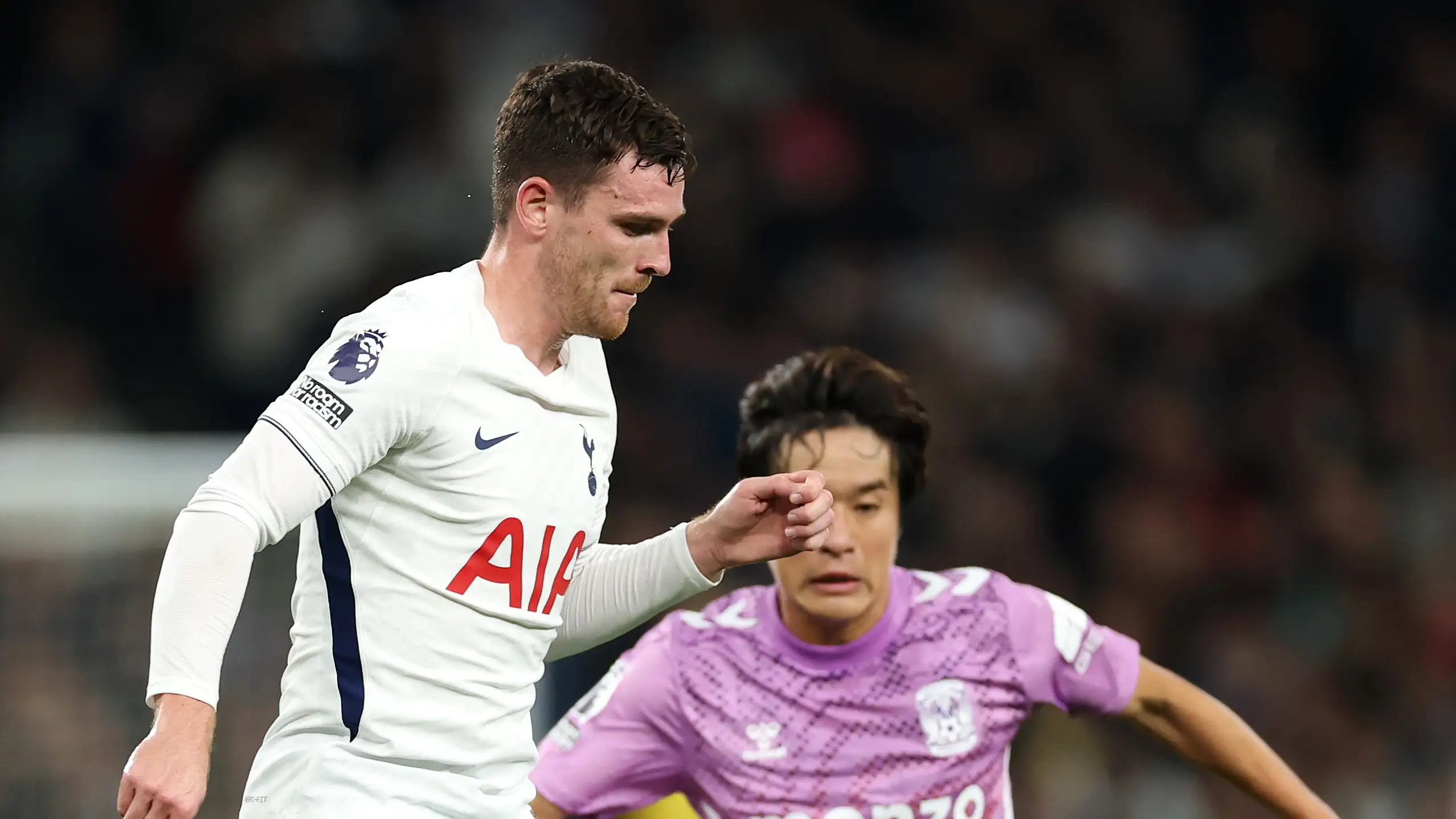 Tottenham’s victory also came at a cost.
Andy Robertson and Tosin Adarabioyo were forced off during the match, creating additional complications for De Zerbi. The manager explained after the game that losing two players was difficult to manage, particularly because Robertson provides experience and leadership. ([Tottenham Hotspur official website](https://www.tottenhamhotspur.com/news/1179218/spurs-3-1-coventry-every-word-of-roberto-de-zerbis-post-match-press-conference/))
The situation highlighted the importance of squad depth.
A team attempting to recover from a poor start needs stability in its defensive structure, midfield partnerships and attacking combinations. Repeated injuries can disrupt that development, forcing the manager to make changes before the preferred system has become fully established.
There were positive developments, however.
Maddison returned to the starting line-up, while Dejan Kulusevski made his long-awaited return to action as a substitute after an extended injury absence. Their availability provides Tottenham with additional creative options for upcoming fixtures.
Kulusevski’s return is particularly encouraging because he offers another way to progress the ball and create opportunities in advanced areas.
Nevertheless, both players must be managed carefully after prolonged periods away from regular action. Tottenham cannot rely on their return alone to address broader tactical concerns.
The priority is to build a more dependable team structure while allowing returning players to regain match fitness.
That will become increasingly important as the schedule becomes more demanding.
De Zerbi’s Team Meeting and Bonding Trip: A Change in Mentality?
De Zerbi has suggested that improved togetherness has played an important role in Tottenham’s recent response.
Before the Coventry victory, the squad held a meeting to discuss its situation and subsequently travelled to Marbella for team-building activities and warm-weather training. The manager described the period as an opportunity to strengthen the relationships between players and encourage them to support one another during difficult moments. ([The Guardian](https://www.theguardian.com/football/2026/oct/19/players-meeting-and-bonding-trip-have-boosted-tottenham-says-de-zerbi))
Those efforts may have contributed to a more positive atmosphere.
Football is not determined by tactics alone. Communication, trust and confidence can influence how players react when a match becomes difficult, particularly when a team has experienced a prolonged period without victory.
Tottenham’s response after Coventry equalised offered evidence of resilience. Instead of allowing frustration to dominate, the home side restored its advantage and continued fighting until Davies scored the third goal.
However, improved morale is not enough on its own.
The strongest teams combine collective belief with consistent tactical execution. Tottenham still need to improve their movement in possession, protect defensive spaces and convert control into better-quality chances.
The team-building exercise may help create the conditions for progress, but its value will ultimately be measured by the performances that follow.
The Coventry Controversy and Why Tottenham Cannot Rely on Late Drama
 Marmoush’s second-half goal was also a talking point because of Coventry’s reaction to the incident preceding it.
Lampard suggested that a possible elbow by Marmoush during the move should have resulted in the goal being disallowed. The Coventry manager expressed his belief that VAR should have intervened, although the goal stood. ([The Guardian](https://www.theguardian.com/football/2026/oct/19/players-meeting-and-bonding-trip-have-boosted-tottenham-says-de-zerbi))
The disagreement added another layer to a match in which Coventry had remained competitive despite conceding first.
For Tottenham, the most important lesson is not whether their opponents were satisfied with the decision. It is that they must produce performances strong enough to limit the influence of controversial moments.
Teams that depend on narrow advantages can find themselves exposed when a decision goes against them or when an opponent capitalises on a defensive mistake.
Tottenham need greater consistency so that their results are determined by sustained quality rather than a small number of decisive incidents.
The victory over Coventry was valuable precisely because Spurs found a way to win a difficult game. The next step is to make such results less dependent on late goals and individual moments.
What Comes Next for Tottenham and De Zerbi?
Tottenham’s next Premier League fixture is an away London derby against Chelsea on Saturday, 24 October, at Stamford Bridge. The match will provide a tougher test of whether the Coventry result has produced meaningful momentum. ([Tottenham Hotspur official fixture announcement](https://www.tottenhamhotspur.com/news/1085973/fixture-changes-october))
Chelsea will present a different challenge in terms of quality, intensity and the ability to exploit mistakes. Tottenham will need to remain compact without the ball, progress possession more quickly and avoid losing their defensive shape when attacking.
A positive result would strengthen the belief that De Zerbi is beginning to establish a more effective team structure.
Another disappointing performance, however, would raise questions about whether the Coventry victory represented genuine progress or simply a welcome interruption to a difficult run.
The manager must also assess the condition of Robertson and Adarabioyo after their substitutions and decide how to manage the returning Maddison and Kulusevski.
The match against Chelsea will therefore matter for more than the league table. It will test Tottenham’s ability to reproduce the resilience displayed against Coventry while improving the weaknesses that remained visible.
The Football Xtra Verdict: Has De Zerbi Fixed Spurs?
Tottenham’s 3–1 victory over Coventry was important, deservedly celebrated and potentially significant for the remainder of the season.
It ended their winless start, lifted them out of the bottom position and brought Maddison back into the starting line-up with an outstanding goal. Marmoush and Davies also delivered decisive contributions, while Kulusevski’s return offered further encouragement.
Those developments provide reasons for optimism.
Yet De Zerbi’s own assessment was revealing: Tottenham had moved the ball too slowly, become predictable and failed to create as many chances as in some previous performances. The statistical picture also suggests that the scoreline should not be mistaken for complete domination.
The manager has secured a much-needed result, but the structural work remains unfinished.
Tottenham must improve their attacking rhythm, protect the defence more consistently and ensure that possession translates into sustained pressure. They also need to manage injuries carefully and build on the growing unity De Zerbi believes is developing within the squad.
The verdict: Tottenham have taken an important step forward, but De Zerbi has not yet proved that he has fixed Spurs.
That judgement will depend on what happens next. If the victory over Coventry becomes the foundation for better performances and consistent points, the result could mark the beginning of a genuine recovery. If the same weaknesses return, it will be remembered as a night of relief rather than transformation.
For now, Tottenham can celebrate their first league victory of the season—but the real test begins with the next match.
Can De Zerbi turn this result into lasting progress, or do Tottenham still have too many problems to solve? Share your opinion in the comments and follow The Football Xtra for more Premier League reporting and tactical analysis.