Manchester United transfers are facing fresh scrutiny after Lisandro Martínez publicly challenged the club’s leadership over its recruitment strategy. His comments have raised three important questions: has United strengthened the right positions, who should be held accountable for transfer decisions, and can the club build a squad capable of challenging for major trophies?
The debate goes beyond one disappointing result. It concerns whether Manchester United’s recruitment policy matches the club’s ambitions—and whether the decisions made in the transfer market are translating into progress on the pitch.
The controversy became even more significant when Martínez clarified his position the following day. He acknowledged that frustration had influenced his post-match remarks, but he did not withdraw the substance of his criticism. Instead, he emphasised the need for ambition, collective responsibility and a stronger club. Reuters and Sky Sports reported on both the original comments and his subsequent statement. [Reuters](https://www.reuters.com/sports/soccer/martinez-stands-by-man-utd-criticism-after-atletico-defeat-2026-10-14/) | [Sky Sports](https://www.skysports.com/football/news/13599417/lisandro-martinez-man-utd-defender-releases-statement-to-clarify-outburst-but-does-not-apologise)
For Manchester United, the immediate challenge is not simply to manage an uncomfortable interview. It is to demonstrate that the club’s recruitment strategy, financial planning and football leadership are working towards the same objective.
Three questions now demand serious attention.
1. How Manchester United Transfers Can Fix Squad Weaknesses
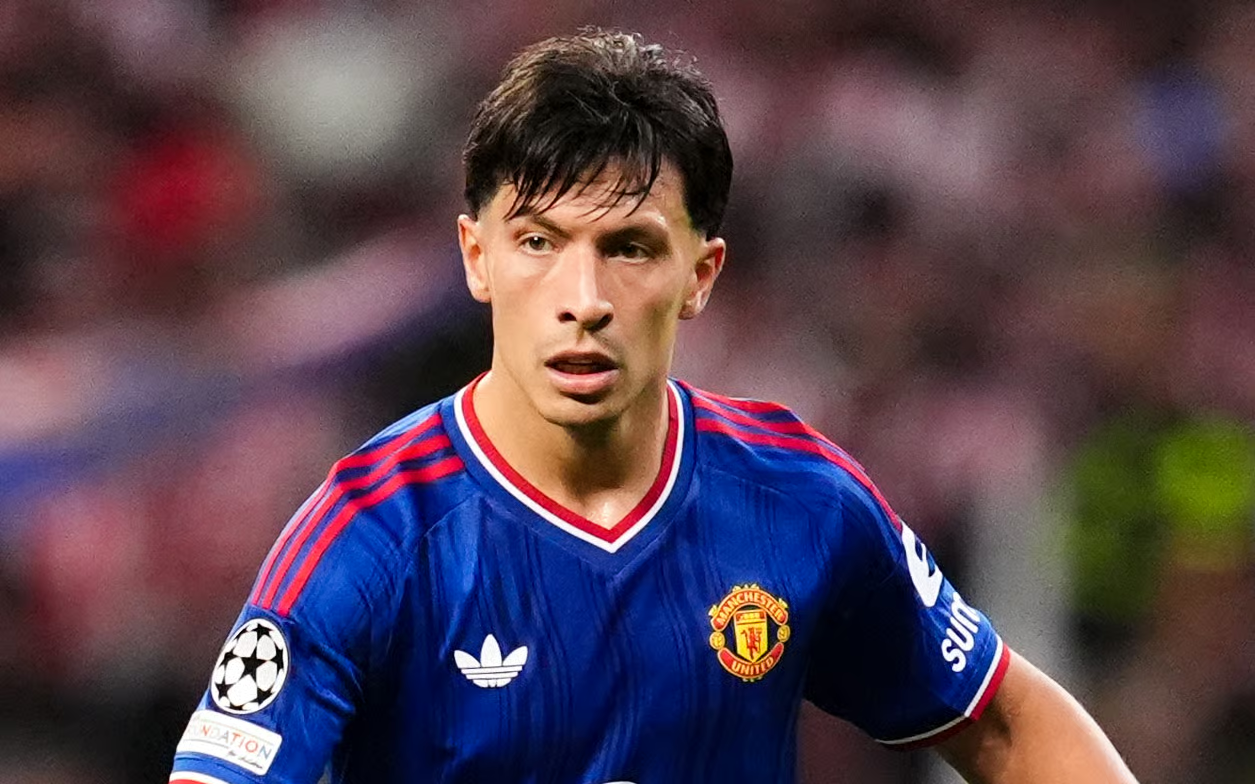 The first question is whether Manchester United have invested in the right positions, not merely whether they have spent enough money.
Martínez made his position clear after the defeat in Madrid. He said he expected more from the club’s leadership and specifically identified technical director Jason Wilcox when discussing the need for further investment.
His argument was straightforward: a club seeking to compete for major honours needs a squad deep and versatile enough to withstand the demands of a long season.
However, assessing the criticism requires more than accepting a player’s frustration as proof that recruitment has failed.
The midfield investment versus the remaining gaps
According to Sky Sports’ analysis of United’s recruitment, the club spent approximately £155 million on four major summer signings, with the midfield receiving particular attention. The report identified Carlos Baleba, Andrey Santos and Youri Tielemans among the midfield additions. United had also invested in attacking positions during the previous summer, bringing in Benjamin Šeško, Bryan Mbeumo and Matheus Cunha.
The club can therefore argue that it has been rebuilding the squad in stages rather than ignoring recruitment altogether. [Sky Sports’ transfer analysis](https://www.skysports.com/football/news/13599282/lisandro-martinez-manchester-united-outburst-qa-jason-wilcox-transfer-strategy-and-what-next)
But this raises an important distinction: signing more players is not necessarily the same as building a balanced squad.
A team can have several new midfielders and still lack sufficient depth at left-back, a reliable scoring alternative or the defensive cover needed when injuries and suspensions strike. Sky Sports highlighted concerns about United entering the campaign with Luke Shaw as their only recognised senior left-footed full-back, alongside continuing questions about the striker position.
Those are structural concerns. They cannot be solved simply by announcing another expensive signing in a different position.
Recruitment must also account for tactical compatibility. A midfielder may be technically gifted but struggle if the team lacks the defensive protection or attacking movement needed to make his strengths effective. Similarly, a defender’s performance can suffer when the players around him cannot maintain the team’s shape.
The relevant test is therefore whether the summer signings have improved the team’s overall balance, not whether the transfer spending looks impressive in isolation.
Did the financial strategy limit United’s ambition?
The financial picture complicates the argument.
Sky Sports reported that Manchester United recorded revenue of £678 million for the 2025/26 financial year while also registering a pre-tax loss of £47 million. Those figures illustrate why high revenue does not automatically translate into unlimited transfer spending.
The club’s leadership has reportedly favoured a phased rebuilding programme, arguing that it must avoid repeating previous mistakes involving expensive contracts and players who do not contribute consistently to the first team.
There is a legitimate argument for that approach. Spending heavily without a coherent plan can leave a club with an unbalanced squad, inflated wages and limited flexibility in future windows.
However, financial discipline must ultimately serve sporting progress. If a club repeatedly delays addressing critical weaknesses, the cost can emerge in missed opportunities, inconsistent performances and further managerial instability.
The first question United must answer is whether their recruitment priorities reflect the team’s actual needs—or the positions they have decided to address first.
2. Who Is Accountable for Manchester United’s Transfer Strategy?
 Martínez’s criticism became especially significant because he did not restrict his comments to the manager or the players. He directed attention towards the club’s senior leadership.
By questioning what happens “upstairs”, he challenged the familiar pattern in which poor results trigger intense scrutiny of the head coach while recruitment decisions receive less immediate attention.
That does not mean the manager is free from responsibility. It means accountability should extend throughout the football operation.
Jason Wilcox and the decision-making structure
Sky Sports reported that Wilcox retained the support of Manchester United’s senior leadership despite Martínez’s criticism. The outlet also described the transfer strategy as a planned approach backed by chief executive Omar Berrada and co-owner Sir Jim Ratcliffe.
That distinction matters. Recruitment decisions are rarely the responsibility of one individual alone. They involve scouting, data analysis, contract negotiations, budget approvals and agreement about the style of football the club intends to play.
If the manager wants one type of player but the recruitment department prioritises another, the team can end up with a collection of talented individuals who do not fit together.
If financial restrictions prevent the club from signing its preferred targets, that limitation must also be recognised when evaluating the manager’s results.
The public cannot determine every internal disagreement from a post-match interview. Martínez’s comments do not, by themselves, prove that Wilcox has failed or that the club’s strategy is fundamentally wrong.
They do, however, highlight a question that supporters are entitled to ask: who takes responsibility when recruitment priorities fail to produce the expected improvement on the pitch?
Why constant managerial change is not a complete solution
Martínez also questioned the habit of repeatedly changing managers while leaving other parts of the organisation under scrutiny.
His point is relevant to a club seeking stability. A new manager may improve performances, but a change in leadership cannot automatically correct weaknesses in squad construction, recruitment coordination or long-term planning.
Frequent changes in football philosophy can create additional recruitment problems. Players signed for one system may become less suitable when another coach arrives, encouraging further spending and another round of rebuilding.
Yet the opposite argument deserves consideration too. A manager must still demonstrate that the players available to him can execute his tactical plan. Recruitment problems cannot become a permanent excuse for poor performances.
The strongest model combines clear responsibility with cooperation: the board establishes a realistic budget and long-term direction; recruitment leaders identify players who fit that plan; and the manager develops the squad on the training ground.
When those responsibilities overlap without clear accountability, the club risks repeating the same mistakes.
For United, the next step should be greater clarity about how football decisions are made and how recruitment success is measured. Supporters should be able to see whether the club is improving its squad, controlling costs and moving towards a consistent playing identity.
3. Can Manchester United Turn Criticism Into a Better Long-Term Plan?
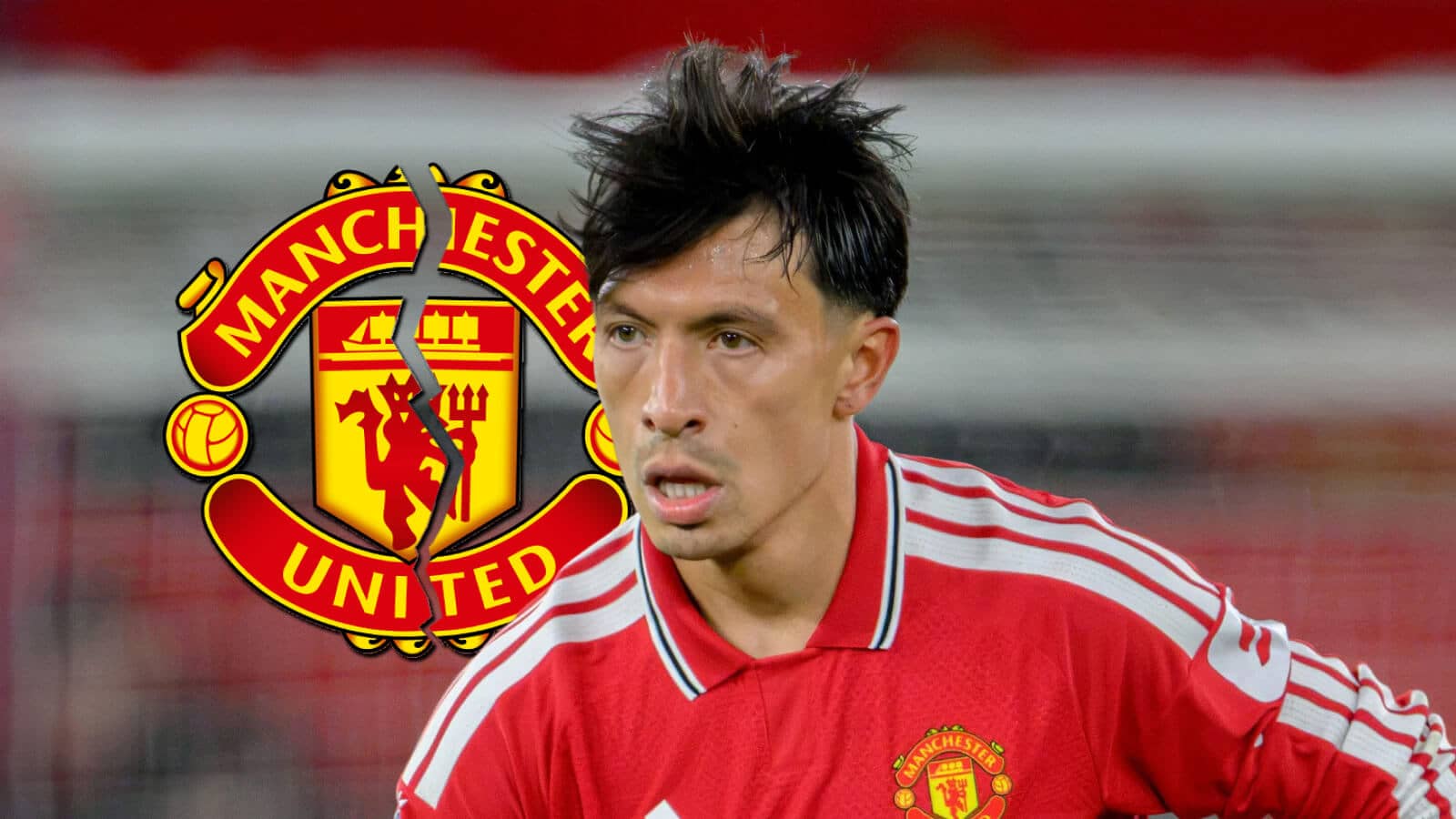 Martínez’s comments have created a difficult situation because the criticism concerns the club’s ambition, while the defender himself remains part of the team expected to improve results.
That tension makes the response especially important.
In his follow-up statement on 14 October, Martínez said his remarks came from anger and frustration but reflected his desire to see United competing for major honours. He also stressed that players must take responsibility for their own performances and work together to move the club forward.
That clarification matters because it prevents the story from being reduced to a simple confrontation between one player and the board.
The larger issue is whether United can turn the debate into practical decisions rather than another short-lived controversy.
The January window must be driven by evidence
Manchester United’s next recruitment decisions should begin with a clear assessment of the squad.
If left-back depth remains a concern, the club must decide whether to recruit a specialist or develop an existing option. If the attack needs greater reliability, it must assess the available forwards, their tactical roles and the likely cost of improving that department.
The same discipline should apply to central defence and midfield. The objective should not be to sign players simply to demonstrate ambition after a difficult result.
A January signing can be expensive and difficult to integrate midway through a season. United should therefore prioritise positions where the evidence shows that an addition would materially improve the team.
That means examining availability, performance, tactical suitability, injury record, age profile and resale risk—not merely the reputation of a target.
It also means considering the players already at the club. Better coaching, clearer roles and improved coordination can deliver progress without requiring a major transfer in every position.
Martínez’s future is a separate question
The defender’s criticism has also intensified speculation about his future at Old Trafford. Reports have raised questions about his contract situation and the possibility of a departure, but such reports should not be treated as confirmation of an agreed transfer.
United must evaluate his future on sporting and contractual grounds, including his contribution, availability, tactical importance and the cost of replacing him.
Equally, the club should avoid allowing a public disagreement to replace a proper assessment of his performances.
A player can raise legitimate concerns and still be accountable for his own football. A club can defend its strategy and still need to correct recruitment mistakes. These positions are not mutually exclusive.
Martínez’s remarks also underline a broader principle: squad building requires trust between players, coaches and executives. That trust is easier to maintain when everyone understands the plan and believes that decisions are being made consistently.
If United conclude that their current approach is working, they must demonstrate progress through results and a more balanced squad. If the evidence suggests that important weaknesses remain, they must be prepared to adapt.
What’s Next? Manchester United Must Prove the Plan Works
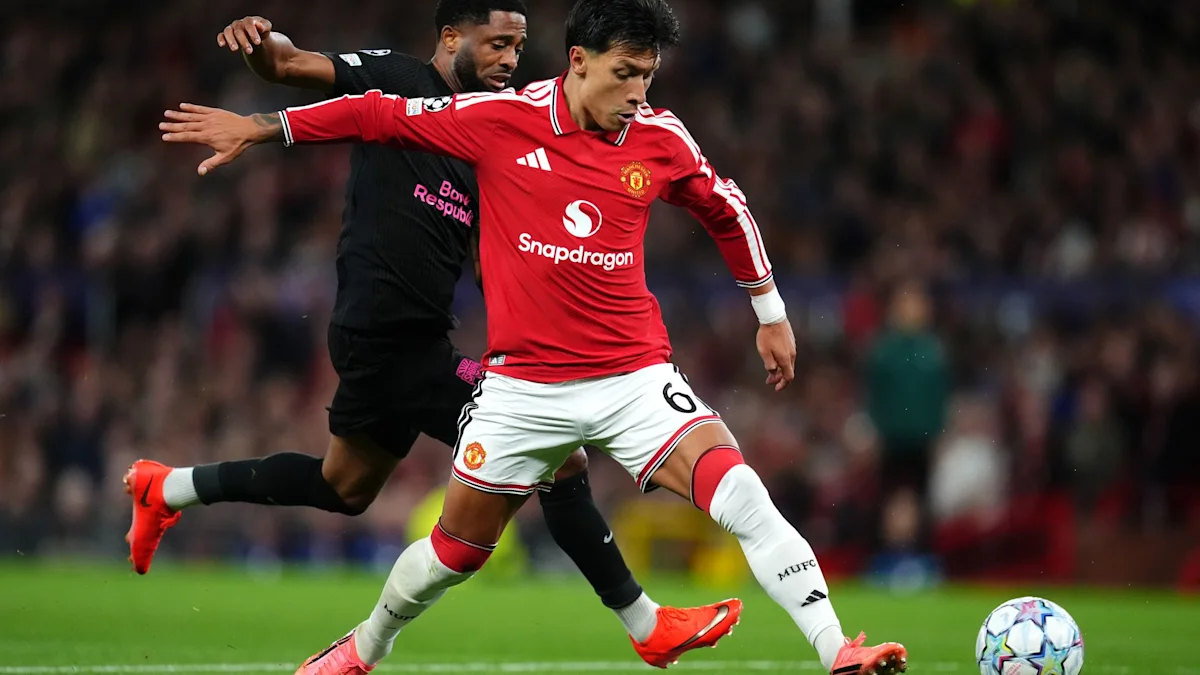 The controversy surrounding Martínez is unlikely to be resolved by one statement or one transfer window.
Manchester United have invested in the squad, and the club can reasonably argue that rebuilding takes time. But spending money is only one part of the process. The ultimate measure is whether those decisions produce a team capable of competing consistently at the highest level.
SEE ALSO: Michael Carrick Still Has Manchester United’s Backing — But Results Now Decide Everything
Three questions remain central:
– Recruitment: Have United strengthened the positions that most directly affect their performances?
– Accountability: Can the club explain who makes its football decisions and who is responsible for their outcomes?
– Long-term planning: Will the next transfer windows address the remaining weaknesses without sacrificing financial discipline or tactical coherence?
Martínez’s criticism should not be accepted uncritically, but neither should it be dismissed as nothing more than frustration after a defeat. It has exposed a debate about the relationship between spending, squad balance and ambition—one that Manchester United must address through evidence and action.
The club’s next moves will tell supporters more than another statement about its intentions.
For The Football Xtra, the verdict is clear: Manchester United do not simply need more transfers. They need the right transfers, a coherent football strategy and a system in which responsibility extends from the pitch to the boardroom.
What do you think? Should Manchester United prioritise defensive depth in the next transfer window, or is the bigger problem the club’s overall recruitment strategy? Share your view in the comments.