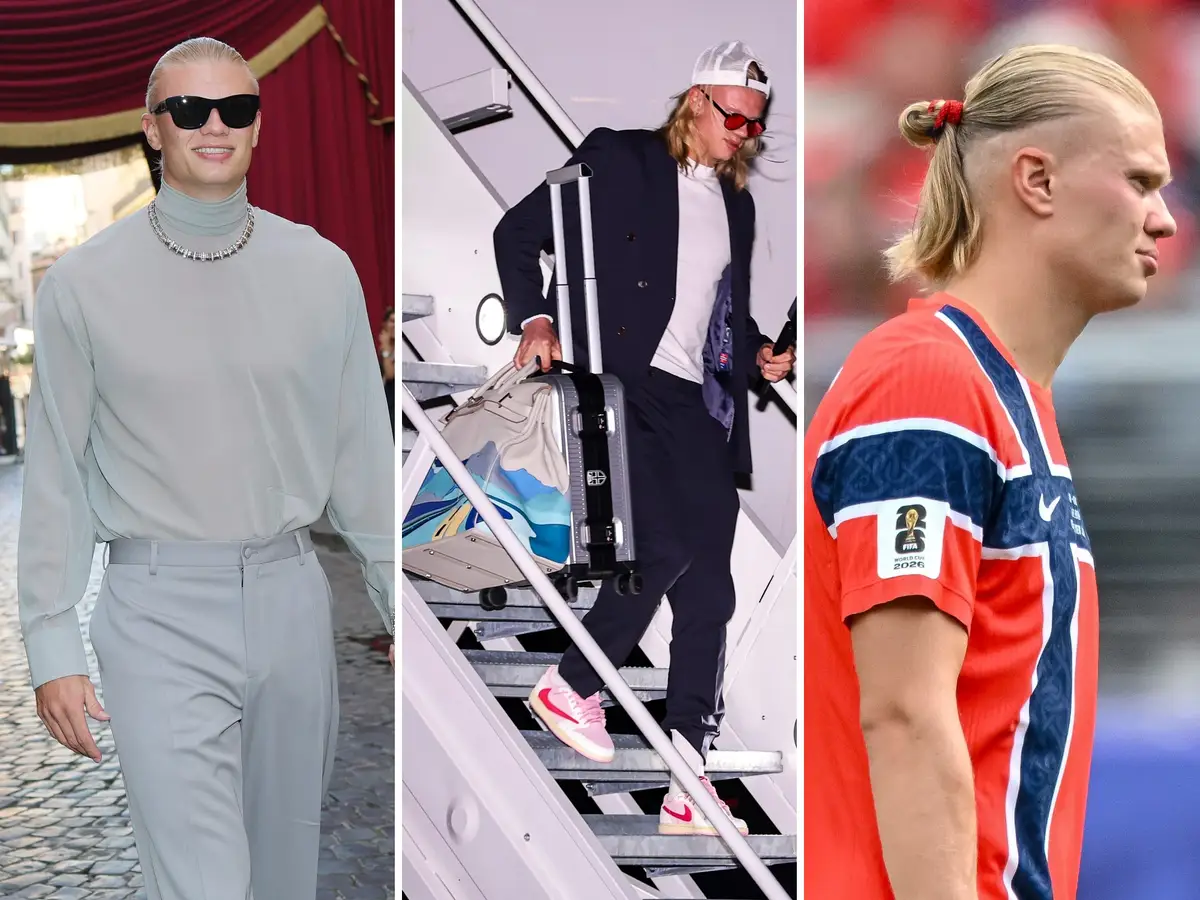
Some footballers become global icons through trophies. Others build their reputations through charisma, fashion or a carefully managed public image. Erling Haaland is taking a different route: he is turning extraordinary goalscoring into a commercial identity that is becoming difficult for the football world to ignore.
The Erling Haaland Champions League goals milestone reached on 14 October 2026 offers a powerful example. The Manchester City striker became the fastest player to score 60 goals in the competition, reaching the landmark in just 60 appearances. According to UEFA, Lionel Messi needed 80 appearances to achieve the same total. Haaland subsequently scored again in that match, taking his tally to 61 goals in 60 appearances. [UEFA’s official milestone report](https://www.uefa.com/uefachampionsleague/news/027d-170b3182d9ed-587169daf860-1000–champions-league-goalscoring-milestones-erling-haaland-q/) confirms the record.
But the significance extends beyond a statistic. In modern football, elite performance creates attention; attention can strengthen commercial appeal; and commercial appeal can turn an outstanding athlete into a global brand.
Haaland’s story shows how those forces can work together. Yet it also raises a more complicated question: how much of a footballer’s brand value comes from personal excellence, and how much depends on the club, teammates, sponsors and wider football culture surrounding him?
Erling Haaland Champions League Goals: Why 60 Matters
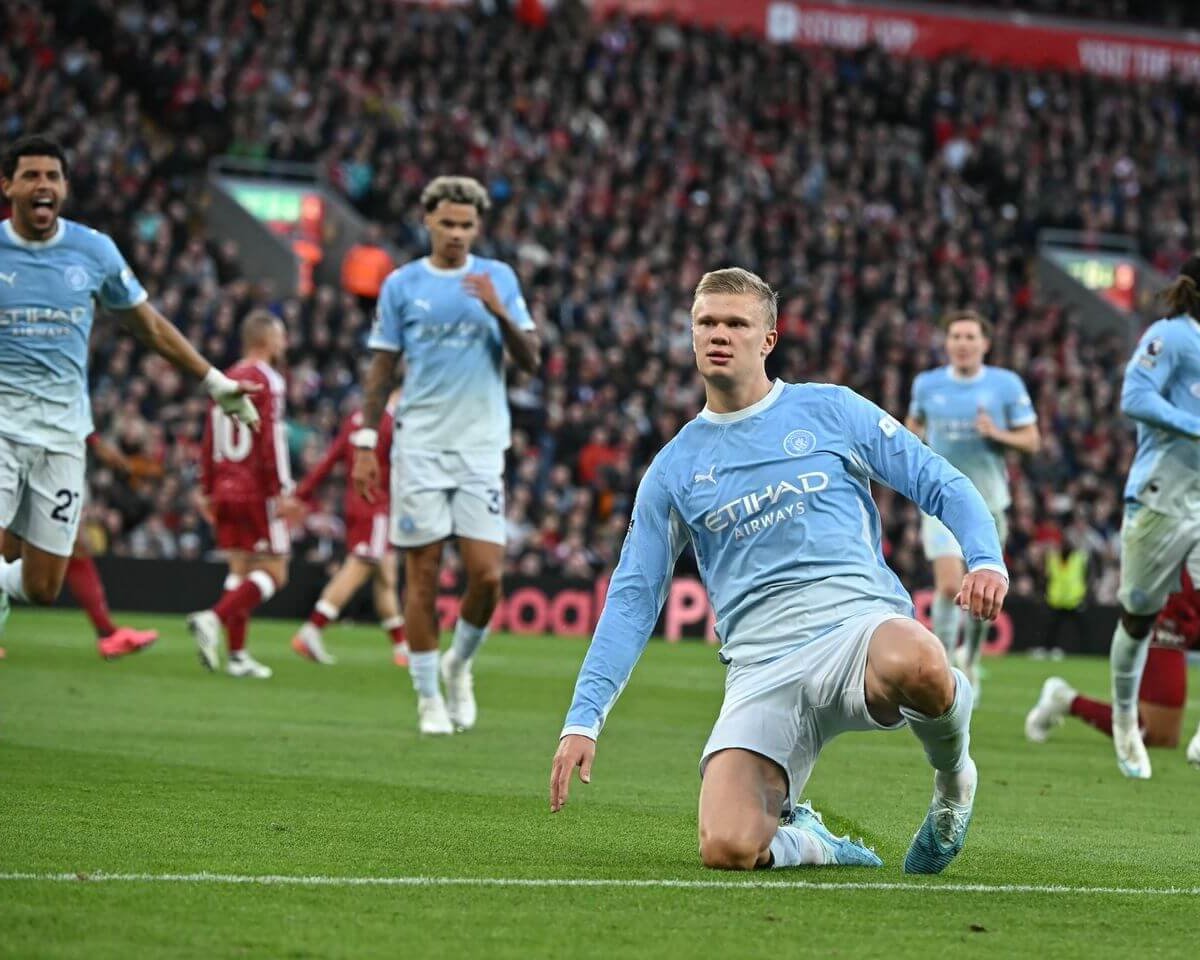 Reaching 60 Champions League goals is an achievement that places Haaland among the competition’s most prolific modern forwards. Doing it in 60 appearances makes the milestone even more striking.
UEFA’s historical statistics show that Haaland reached 30 goals in 25 appearances, 40 in 35 and 50 in 49. His progress towards 60 continued that pattern of exceptional efficiency. [UEFA’s Champions League records](https://www.uefa.com/uefachampionsleague/news/0268-11f9321e7599-fde3dd4a7bd0-1000–haaland-s-champions-league-stats/) provide the wider statistical context.
These numbers matter commercially because milestones are easy for supporters and media organisations to understand. A tactical analysis may require detailed knowledge of pressing structures, expected goals or movement between defensive lines. “Sixty goals in 60 games” communicates excellence immediately.
That simplicity gives the achievement a life beyond the match itself. It can be repeated in headlines, promotional material, highlight videos, documentaries and conversations among supporters.
The power of a record that tells its own story
Haaland’s achievement also benefits from historical comparison. Messi and Cristiano Ronaldo established extraordinary standards during their long periods of Champions League dominance. Haaland’s record gives audiences a new benchmark against which to measure the next generation.
The comparison should not be stretched too far. Messi and Ronaldo accumulated extraordinary totals over much longer careers, and reaching 60 goals quickly does not automatically establish Haaland as their equal in overall legacy. Longevity, trophies, performances in decisive matches and consistency over many seasons remain important.
Nevertheless, the record strengthens Haaland’s sporting credibility. It gives his brand something more substantial than popularity alone: a measurable achievement that can withstand scrutiny.
For sponsors, this distinction matters. Popularity can fluctuate with fashion and social-media trends. A recognised sporting record gives a player a durable story that can be used long after the original match has ended.
From Goals to Global Football Brand
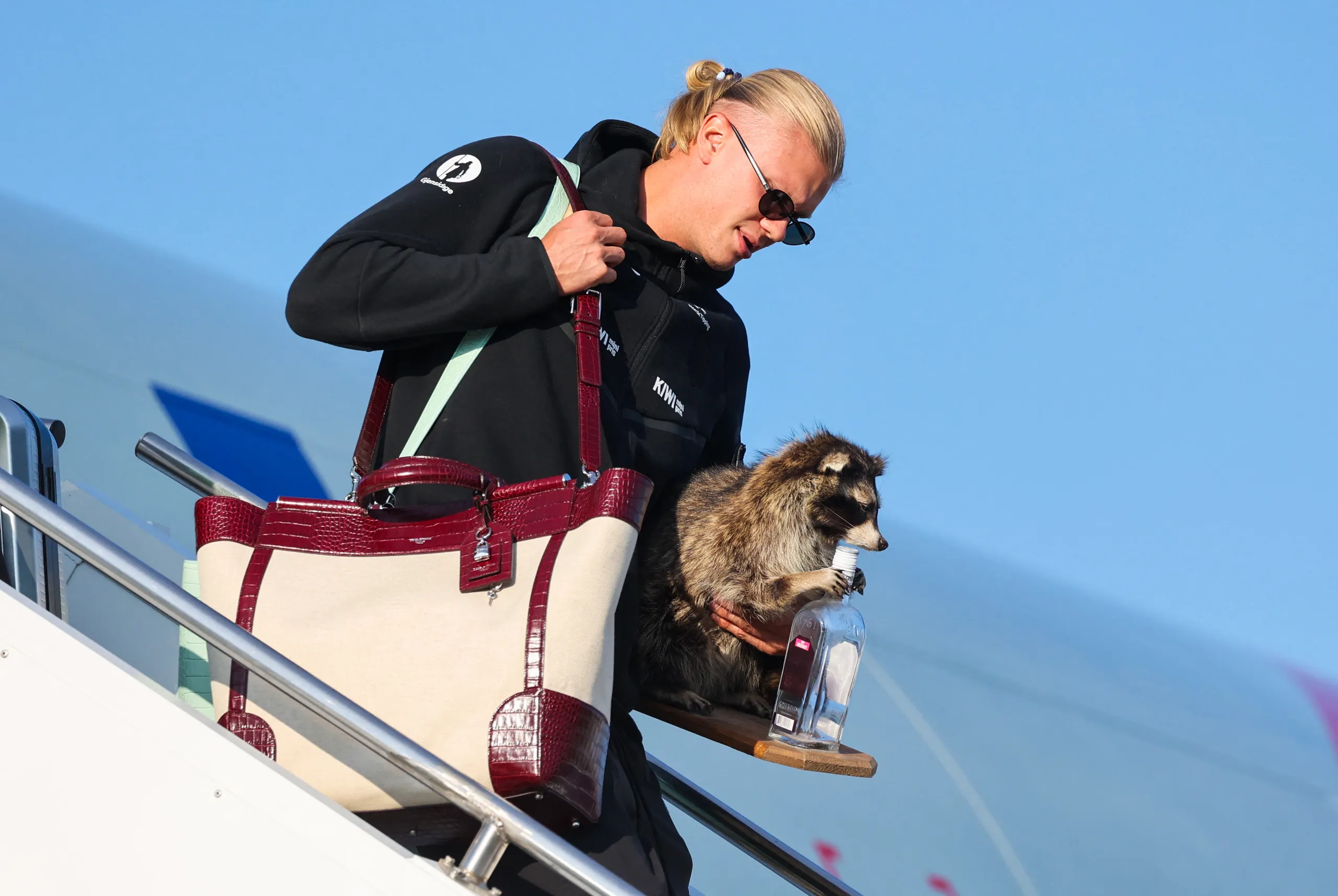 A global football brand is more than a famous name. It is the collection of associations that audiences attach to a player: performance, personality, reliability, ambition, style and cultural relevance.
Haaland’s identity is particularly clear. On the pitch, he is associated with power, speed, movement and ruthless finishing. Away from it, his public image combines an unusual sense of humour with a distinctive personal style.
That contrast gives marketers several ways to present him without abandoning his established identity.
A sportswear campaign can emphasise his athletic performance. A lifestyle campaign can highlight his personality. A technology or entertainment partnership can focus on his appeal to younger audiences. The common link is that the audience already recognises the person behind the product.
Why Manchester City matters
Haaland’s individual achievements cannot be separated entirely from Manchester City.
Playing for a club that regularly competes in major domestic and European matches provides repeated exposure to global audiences. Champions League fixtures create opportunities for high-profile performances, international broadcasting and sustained media coverage.
City’s tactical structure also helps explain Haaland’s output. Pep Guardiola’s teams work to create space, move defenders and deliver the ball into dangerous areas. Haaland’s movement and finishing convert many of those opportunities into goals.
This relationship benefits both sides. City gain a forward capable of deciding major matches, while Haaland gains a platform on which his records can be built and widely witnessed.
However, the relationship is not one-sided. Haaland’s goals also give City a recognisable individual star around whom promotional campaigns and match narratives can be organised. The club provides the stage; the player helps make that stage compelling.
The commercial lesson is that sporting success often emerges from a network rather than an individual acting alone. A player’s brand may be personal, but its growth is influenced by the quality of the team, the competition and the institution supporting it.
Haaland Sponsorship Deals: Turning Recognition Into Commercial Value
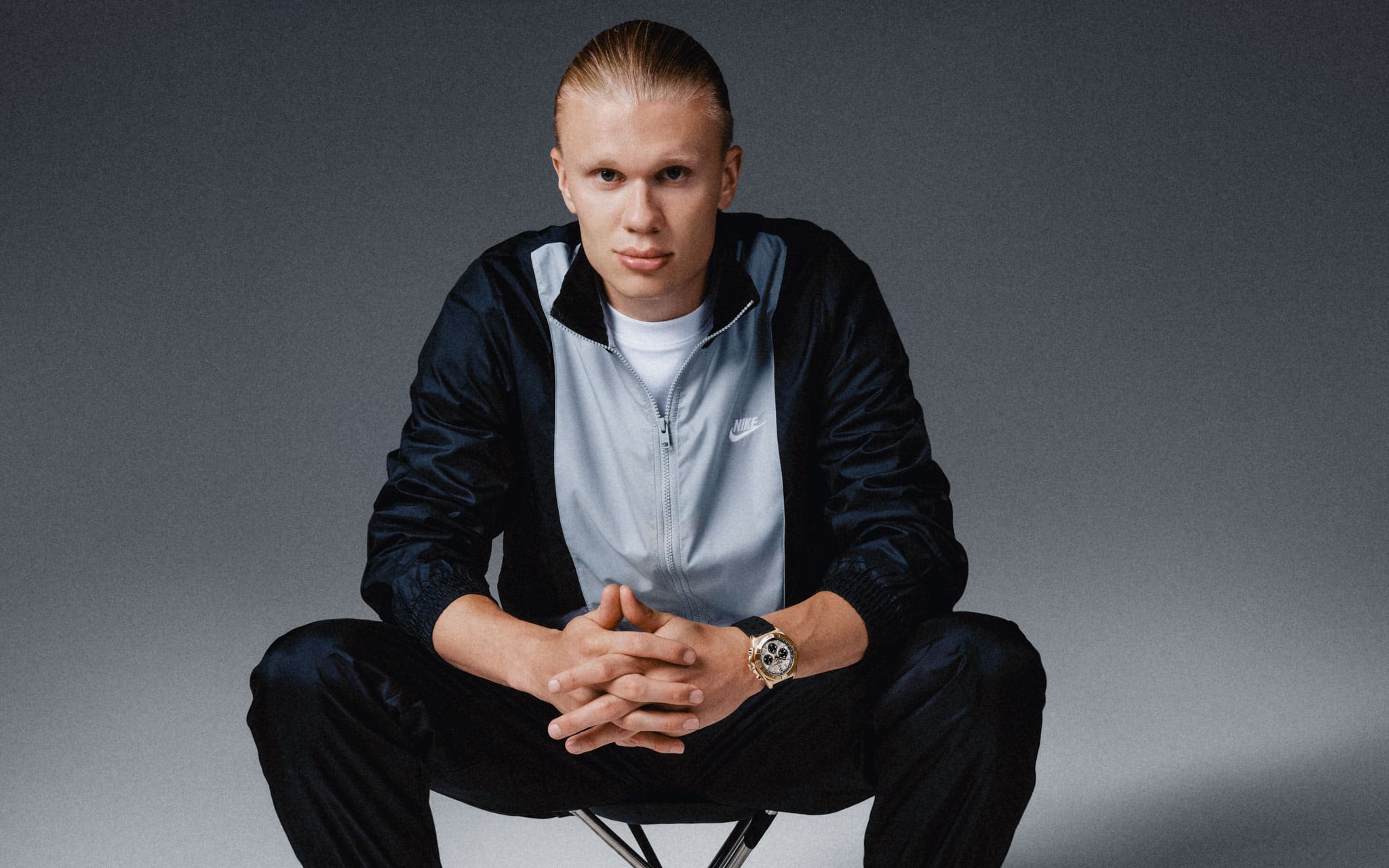 Haaland’s commercial portfolio illustrates how a leading footballer can appeal to different industries.
[Forbes’ Erling Haaland profile](https://www.forbes.com/profile/erling-haaland/?list=athletes) lists partnerships associated with brands including Nike, Beats by Dre, Breitling, Dolce & Gabbana, Electronic Arts, Marriott International, Midea, Supercell, Unilever and Visa.
These partnerships span sportswear, consumer technology, fashion, hospitality, entertainment and financial services. That range demonstrates why an elite footballer can have commercial relevance far beyond the audience that watches his matches.
Forbes listed Haaland at $80 million in estimated total earnings for its 2026 highest-paid athletes ranking. That is an estimate of total earnings, not an independently verified valuation of his personal brand. It should not be confused with the value of his sponsorship portfolio or the revenue generated by the companies associated with him.
What sponsors are buying
Brands generally want more than a famous face. They want access to an audience, an association with particular qualities and a credible story that connects their products with the athlete.
Haaland offers several potential advantages:
– Sporting credibility: His Champions League record provides evidence of elite performance.
– International recognition: Playing for Manchester City gives him exposure to audiences across multiple markets.
– A distinctive identity: His physical style, personality and appearance make him recognisable.
– A continuing story: New goals, records and major tournaments create fresh opportunities for media coverage.
The 60-goal milestone strengthens those qualities because it gives brands a timely achievement to reference. It can renew public attention around the player and create additional opportunities for interviews, promotional content and fan engagement.
That does not mean every new goal automatically increases the value of every sponsorship contract. Commercial agreements depend on factors such as contract terms, campaign performance, market conditions, audience demographics and the sponsor’s objectives.
The more defensible conclusion is that sustained elite performance gives Haaland a stronger platform from which to maintain and develop commercial relationships.
Beyond Football: Fashion, Personality and Social Media
 A player’s public identity increasingly extends beyond matchday. Supporters can follow training footage, interviews, lifestyle content and social-media posts, building a relationship with the athlete that is not limited to 90 minutes of football.
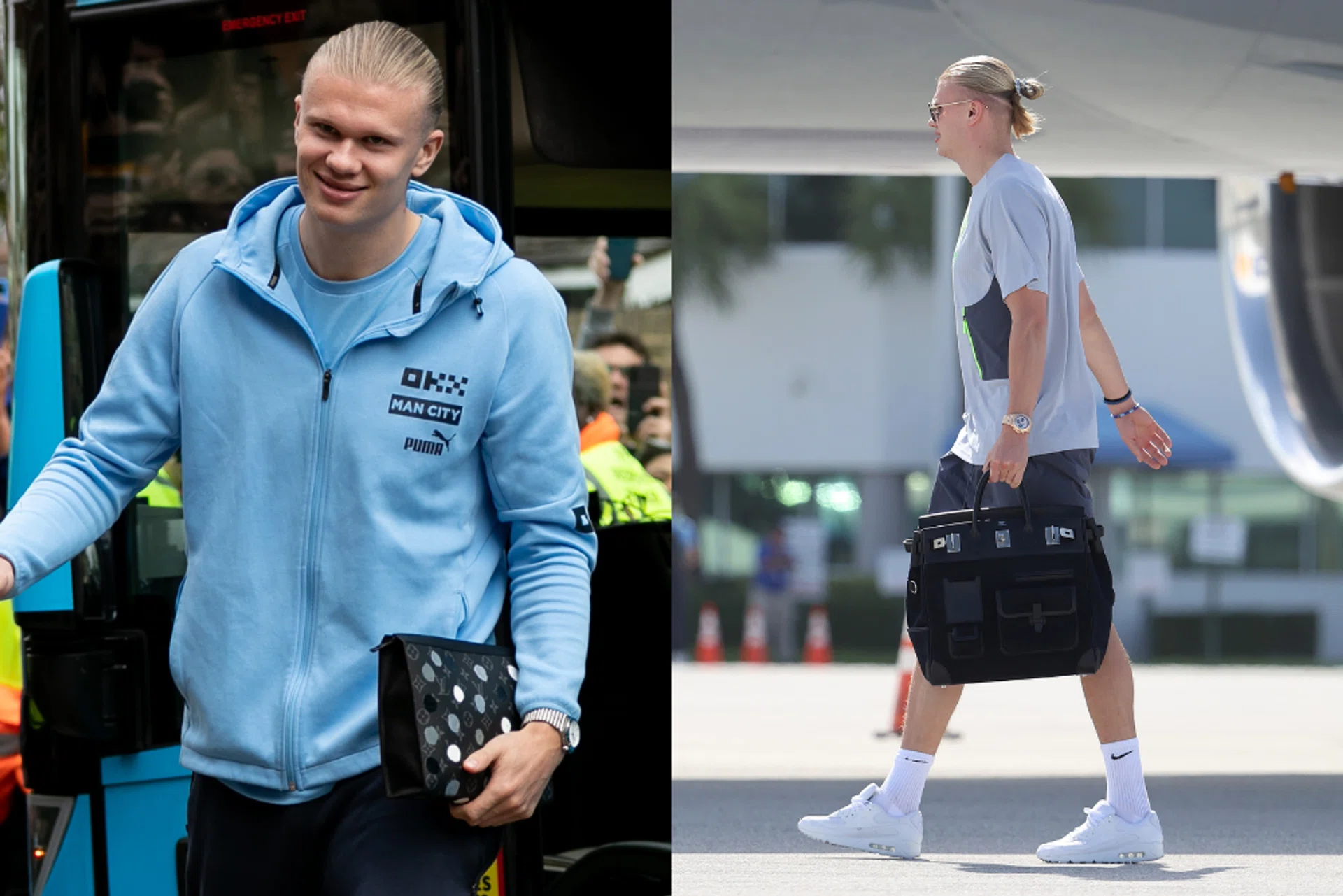
Haaland has attracted attention for his personal style as well as his performances. A July 2026 [Business Insider report on Haaland’s fashion influence](https://www.businessinsider.com/erling-haaland-fashion-style-big-business-hermes-nike-hair-tie-2026-7) described growing interest in his off-field clothing choices and the commercial attention surrounding his appearance during the World Cup.
The report also covered the limited-edition Kknekki hair-tie collaboration associated with Haaland and the brand’s parent company, Bon Dep. The company said the collection sold out within weeks of launch. This is a useful example of how a detail connected to a footballer’s personal identity can become a product story in its own right.
The significance is not that every fashion item worn by Haaland will become commercially successful. It is that a distinctive personal habit or style can create recognition in markets that do not usually follow football closely.
Why authenticity matters
The strongest athlete brands do not rely entirely on polished advertising. They benefit when audiences perceive a connection between the person’s public image and their actual behaviour.
Haaland’s playful public persona offers a contrast to his intensity as a striker. That contrast can make him more relatable without undermining his competitive reputation.
But authenticity is difficult to manufacture. If every appearance feels scripted or every personal moment becomes an advertisement, audiences may become less receptive. Commercial growth therefore requires a balance between visibility and credibility.
Social-media reach is also not the same as commercial conversion. Millions of followers do not automatically translate into purchases. Brands need to understand which audiences are engaged, how they respond to campaigns and whether that response supports the company’s objectives.
For Haaland, the opportunity is to use the attention generated by sporting achievement to maintain a recognisable identity across football, fashion and entertainment—without allowing commercial commitments to overshadow his performances.
The Limits of Football Brand Value
 There is a danger in treating every record as proof of a rising financial empire.
Haaland’s 60-goal milestone is a sporting fact. The extent to which it changes his endorsement income, merchandise sales or long-term market value is a separate question that requires commercial evidence.
A club may sell more shirts during a successful season, but it is difficult to attribute every sale to one player. Team success, kit design, pricing, distribution, marketing and the popularity of the club all influence demand.
SEE ALSO; Haaland Records: He’s Only 25, But Already Breaking Football History Built By Football Legends
Similarly, a viral social-media moment can increase visibility without producing a measurable long-term financial benefit.
There are risks, too. Injuries, changes in form, disappointing tournament performances or controversy can affect public perception. A player’s commercial portfolio may also become less effective if the brands he represents do not fit his audience or if he appears in too many competing campaigns.
Haaland’s strongest protection is therefore likely to be consistency: maintaining elite performances, preserving a credible public identity and choosing partnerships that make sense for his career.
His Champions League record creates a powerful foundation, but it does not guarantee that his commercial influence will grow indefinitely.
The Next Stage: Can Haaland Build a Legacy Beyond Goals?
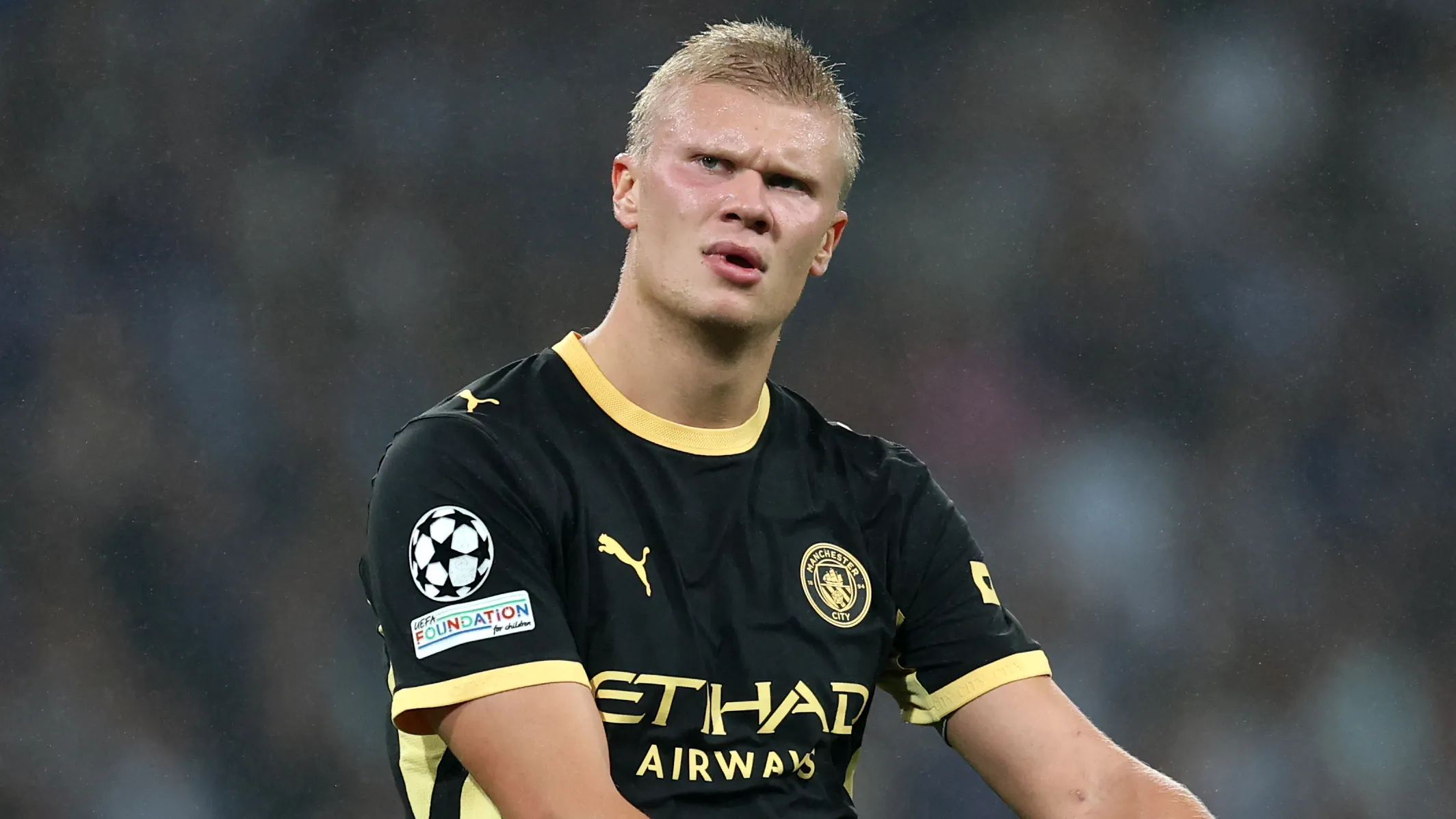 The challenge for Haaland is no longer simply to prove that he can score at the highest level. His record already provides compelling evidence of his finishing ability. The longer-term challenge is to maintain that standard while building a legacy that remains meaningful beyond individual milestones.
For Manchester City, his presence offers a sporting advantage and a recognisable figure in global football. For sponsors, it creates an opportunity to associate their brands with a player whose achievements are easy to communicate. For supporters, it provides a continuing story that connects historic records with future expectations.
The next milestones will matter, but so will the context in which they arrive. Champions League trophies, decisive performances against elite opposition and sustained success over several seasons could strengthen Haaland’s historical standing more than a single statistical landmark.
His brand will also depend on how he develops away from the pitch. The most durable sporting identities combine achievement with a clear sense of personality and purpose.
What’s Next? The Business of Being Haaland
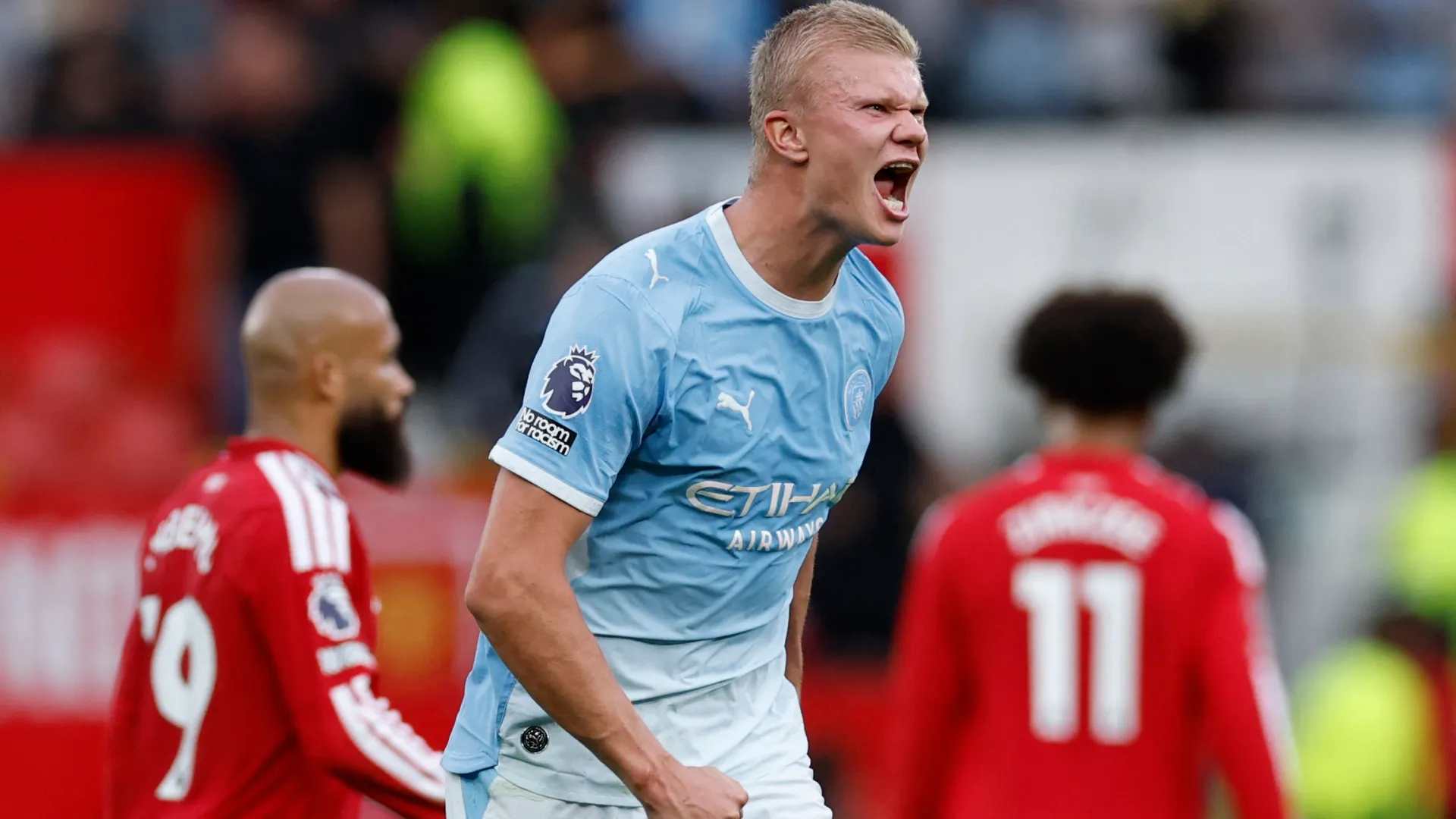 Erling Haaland’s 60 Champions League goals show how extraordinary sporting performance can create opportunities beyond football. The milestone provides a simple, powerful story; Manchester City supplies a global platform; and an established range of commercial partnerships offers ways to translate recognition into business opportunities.
But the record is a foundation, not a final verdict on his market value.
The decisive test will be whether Haaland can sustain his performances, build a lasting legacy and remain commercially relevant without losing the sporting identity that made him famous in the first place.
The Football Xtra verdict: Haaland’s greatest commercial asset is not simply his name or his image. It is the extraordinary level of football that gives people a reason to pay attention to both.
What do you think? Will Haaland become one of football’s defining global brands, or will his long-term influence depend on winning more Champions League titles? Share your opinion in the comments.