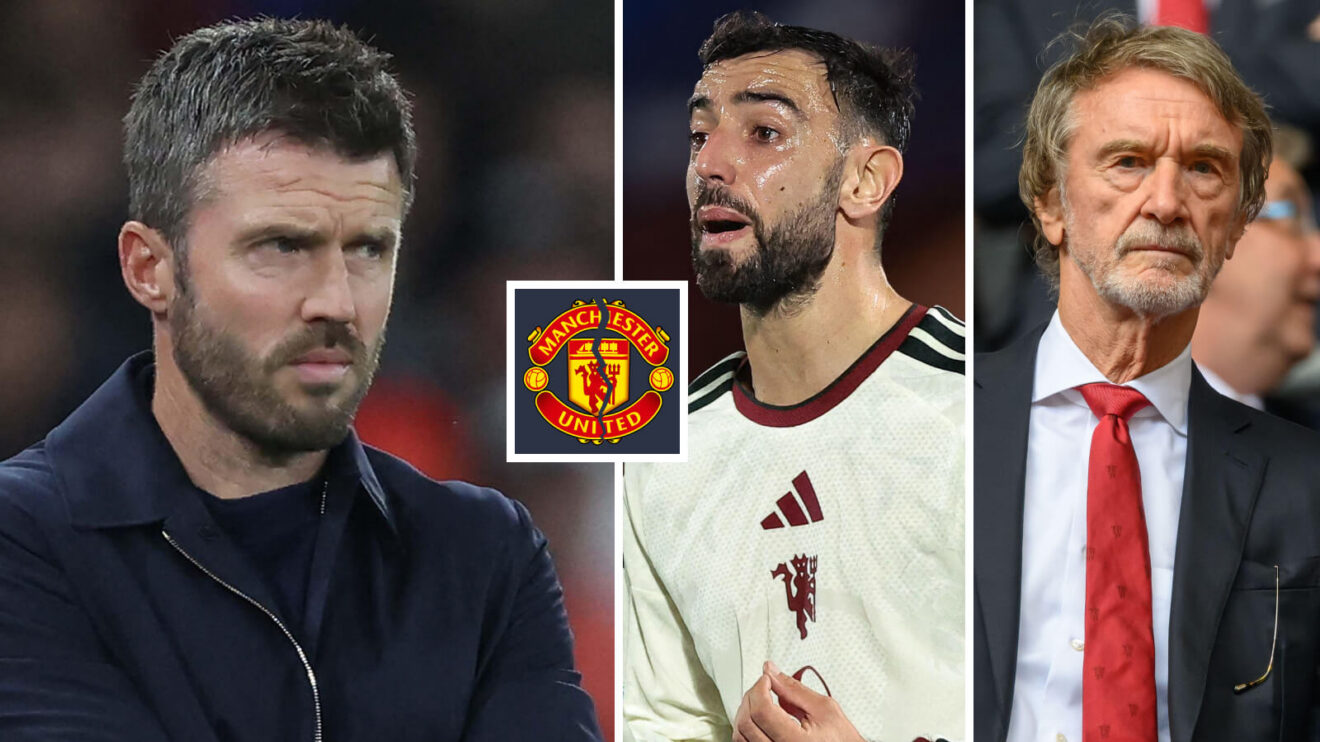
Man United crisis has deepened after a disappointing 3–0 defeat to Bournemouth on Sunday, 25 October 2026. The result has increased pressure on Michael Carrick, raised questions about Manchester United’s tactical identity and left supporters demanding answers about the team’s future.
United must now address five major concerns: defensive errors, tactical disagreements, poor attacking efficiency, declining confidence and uncertainty surrounding the club’s leadership.
The 3–0 home defeat to Bournemouth on Sunday, 25 October 2026, delivered another damaging blow to a club desperate for stability. Rayan opened the scoring in the 38th minute, Marcus Tavernier doubled Bournemouth’s advantage five minutes later, and Evanilson added a third in the 71st minute. United failed to respond, leaving Old Trafford with another defeat and more questions than answers.
According to Opta Analyst’s match review Manchester United have now gone eight matches without a victory in all competitions. Their opening eight Premier League matches have produced only seven points: one win, four draws and three defeats. Opta notes that this is United’s lowest points total at this stage of a league season since 1986–87, when they had four points.
The pressure has grown beyond the result itself. Carrick’s decision to leave captain Bruno Fernandes on the bench came after the midfielder publicly questioned aspects of United’s tactical approach following the 4–1 Champions League defeat to Como. Meanwhile, The Times reported on Monday that senior club executives were discussing Carrick’s future, although the report did not confirm a decision to dismiss him.
For United, the problem is no longer simply how to win the next match. The club must establish whether the current approach can deliver consistent performances—and whether the manager has the support, players and tactical clarity required to turn the situation around.
Here are five alarming signs that explain why the pressure on Carrick is escalating.
1. Man United Crisis: Defensive Problems Are Costing Them Matches
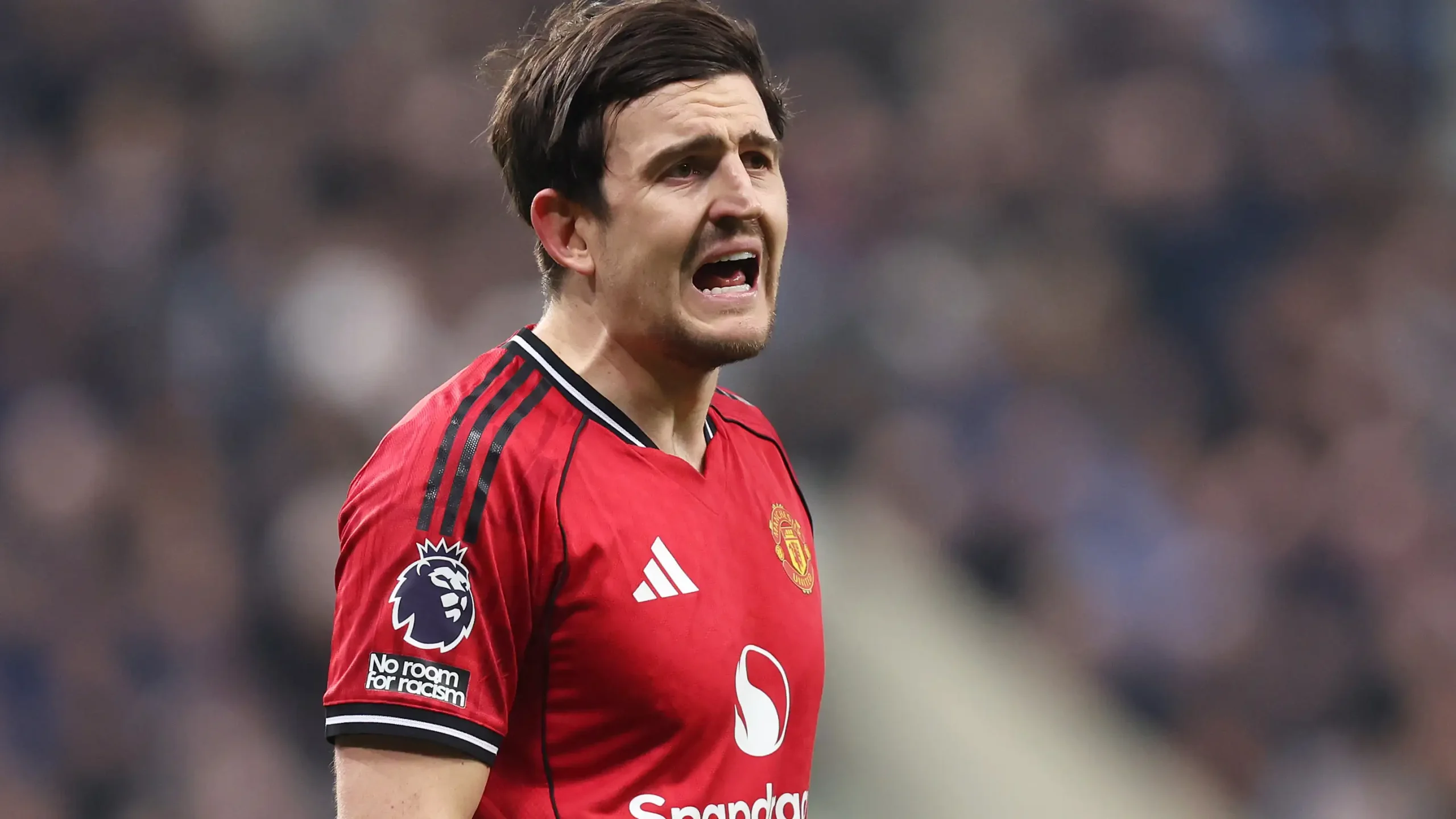 The first warning sign is the frequency with which individual errors and poor defensive coordination have undermined United’s performances.
Against Bournemouth, the opening goal came from a dangerous set-piece situation. After Ayden Heaven was penalised for a challenge, Justin Kluivert delivered a free-kick into the penalty area and Rayan finished at the far post in the 38th minute.
Five minutes later, the situation deteriorated further. Leny Yoro slipped near his own penalty area, allowing Bournemouth to recover the ball. Adrien Truffert then supplied Tavernier, who finished from close range to make it 2–0.
Evanilson’s third goal in the 71st minute completed the defeat. United’s goalkeeper, Senne Lammens, came out to deal with a long ball but could not prevent the Brazilian forward from taking advantage of the situation and scoring from a difficult angle.
Why the mistakes matter beyond one match
A single defensive error can happen to any team. The more serious issue is what happens after the first mistake—and whether the team has enough organisation to prevent a second.
United conceded twice before half-time, leaving themselves with a two-goal deficit and a difficult psychological task after the break. The second goal was particularly costly because it arrived only minutes after Bournemouth had taken the lead.
Defensive resilience is not simply a matter of individual ability. It also depends on communication, positioning, pressure on the ball and the availability of cover when a defender makes a mistake.
A well-organised side can sometimes recover from an error because teammates are positioned to manage the danger. When the defensive structure is loose, one mistake can expose another weakness.
United must therefore examine how their defensive unit responds under pressure. Are defenders receiving adequate protection from midfield? Are players making coordinated decisions when they press? Are set-piece responsibilities being executed consistently?
Those are coaching questions as much as individual ones.
Opta’s review also notes that United suffered their heaviest home Premier League defeat since losing 3–0 to Bournemouth in December 2024. The same analysis records just seven Premier League points from eight matches.
The verdict: Carrick cannot personally eliminate every individual mistake, but his team must become harder to break down. Until United improve their defensive organisation and concentration, even a better attacking performance may not be enough to produce consistent results.
2. The Bruno Fernandes Dispute Has Exposed a Tactical Identity Crisis
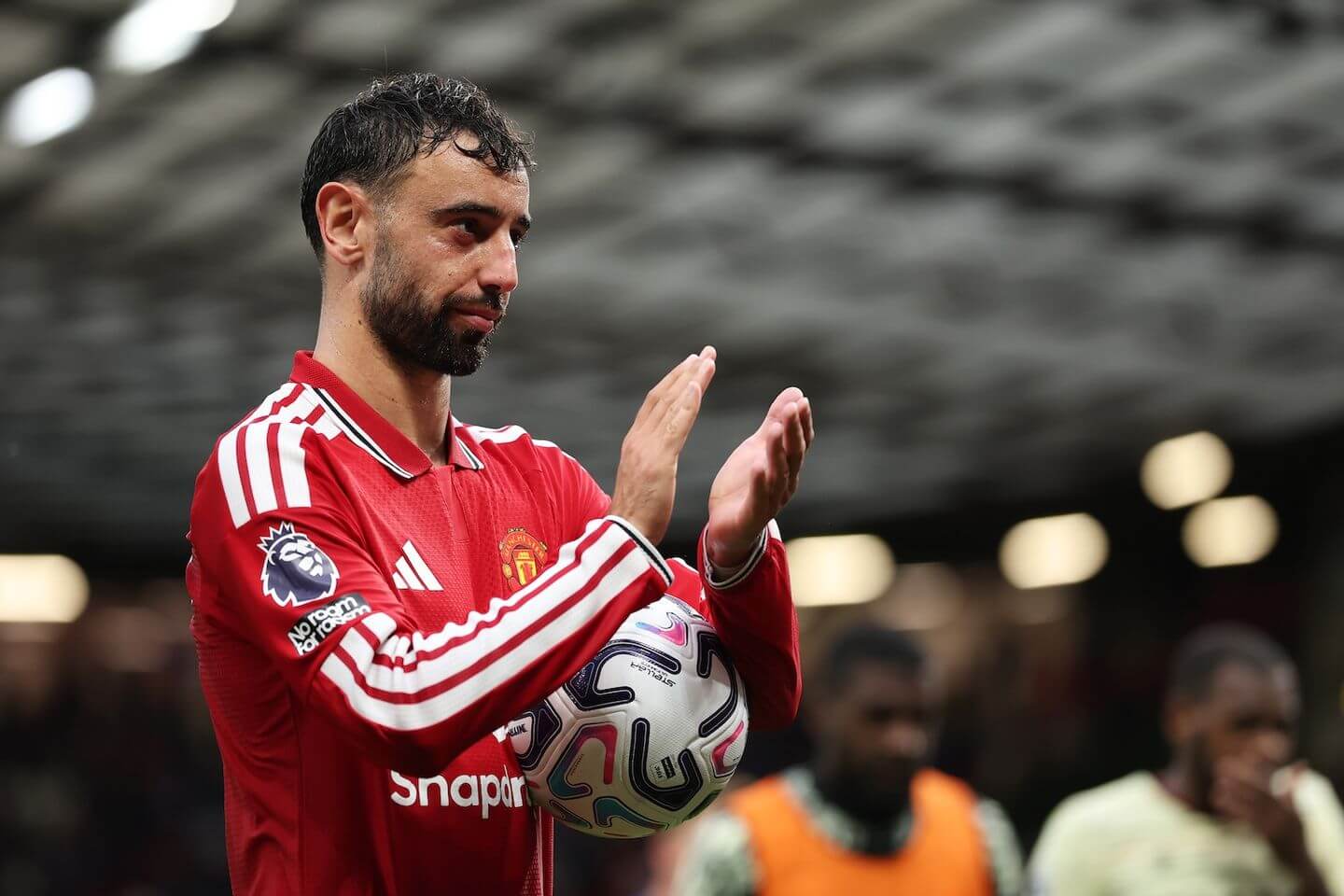 The second sign is the growing disagreement over how Manchester United should approach difficult matches.
The issue became public following the Champions League defeat to Como on 21 October. Fernandes questioned the decision not to press Como more aggressively, arguing that allowing the opposition time and space could give them confidence.
As reported by The Guardian, Fernandes said the decision not to press man-to-man was made by the coaching staff. He argued that United sometimes needed to take greater risks by pressing high and making opponents uncomfortable.
Carrick offered a different perspective. He explained that United had attempted a partial man-to-man press in the second half against Como and conceded a goal from that situation.
The disagreement reveals a genuine tactical dilemma. High pressing can disrupt an opponent’s build-up, win the ball closer to goal and create immediate scoring opportunities. But it can also expose the defence if the first wave of pressure is bypassed.
A more cautious approach can reduce those risks, yet it may give technically strong opponents too much time to organise their attacks.
The question is not whether pressing high is always right or whether a deeper defensive approach is always wrong. The key is whether the players understand when to press, who triggers the movement and how teammates provide cover.
Why leaving Fernandes out became a major talking point
Carrick left Fernandes out of the starting line-up against Bournemouth after the midfielder’s public comments. The decision inevitably attracted attention because Fernandes is captain and one of the team’s principal creative players.
It would be inaccurate to state definitively that Carrick dropped him as punishment. What is clear is that the selection decision came in the aftermath of a highly public disagreement about tactics.
Carrick subsequently described his selection decisions as attempts to change the course of the game, while United’s midfield and attacking structure struggled to produce a winning response against Bournemouth.
The broader problem is that a tactical dispute becomes particularly damaging when results are already poor. Players may begin to question the plan, supporters may wonder whether the squad is united, and every team selection becomes a subject of scrutiny.
A manager does not need every player to agree publicly with every decision. But a team does need a shared understanding of its responsibilities.
If Carrick wants United to press aggressively, the players must know how to do it collectively. If he prefers to wait for the right moment, they must understand how to close space and prevent the opposition from gaining control.
The crucial test is whether Carrick can establish a clear tactical identity that his players can execute consistently. Without that, arguments about pressing risk becoming a symptom of a larger problem.
3. Possession Without Penetration Is Not Enough
Manchester United also need to address the difference between having the ball and controlling a football match.
United enjoyed more possession against Bournemouth and registered 17 shots according to the match data published by Opta Analyst. Yet they failed to score, while Bournemouth found the net three times from a more efficient attacking performance.
Bournemouth did not need to dominate possession to hurt United. They attacked with purpose, punished defensive errors and made their opportunities count.
That contrast raises an important question about United’s attacking structure: are their possessions consistently producing high-quality chances, or are they simply moving the ball without creating enough danger?
The problem with hopeful attacks
A team can record numerous shots while still struggling to threaten the opposition goalkeeper. Efforts from long range, shots taken under pressure and crosses delivered without suitable support can inflate a team’s attacking numbers without generating reliable scoring opportunities.
United must evaluate the quality of their attacking movements rather than relying on possession or total attempts as proof of progress.
That means asking whether their midfielders can pass through opposition lines, whether forwards are making coordinated runs and whether wide players have effective options when they receive the ball.
It also means examining the spacing between the lines. If attackers become isolated, they may be forced into individual actions or low-probability shots. If too many players occupy the same area, opponents can defend compactly and block passing routes.
Against Bournemouth, United found themselves two goals behind before half-time. The urgency to respond increased, but a team cannot recover simply by taking more shots. It needs to create clear opportunities while avoiding the loss of defensive balance.
The importance of transitions
Modern attacking football requires more than patient possession. Teams must recognise when to circulate the ball, when to move forward quickly and when to use a direct pass to exploit space.
Bournemouth showed the value of taking advantage of moments when United were poorly organised. The visitors moved into dangerous areas and converted their chances while the hosts were unable to produce a comparable response.
Carrick’s staff need to identify a repeatable attacking approach: how United progress through midfield, how they create overloads in wide areas, and how they position players to recover the ball if an attack breaks down.
The objective should not be to copy Bournemouth’s approach in every match. United have different personnel and different expectations. But they must become more purposeful with the ball.
The verdict: More possession is useful only when it helps create better chances, control the opposition or reduce defensive exposure. United need to turn their attacking activity into goals and results.
4. Confidence Is Falling, and Old Trafford Is Feeling the Pressure
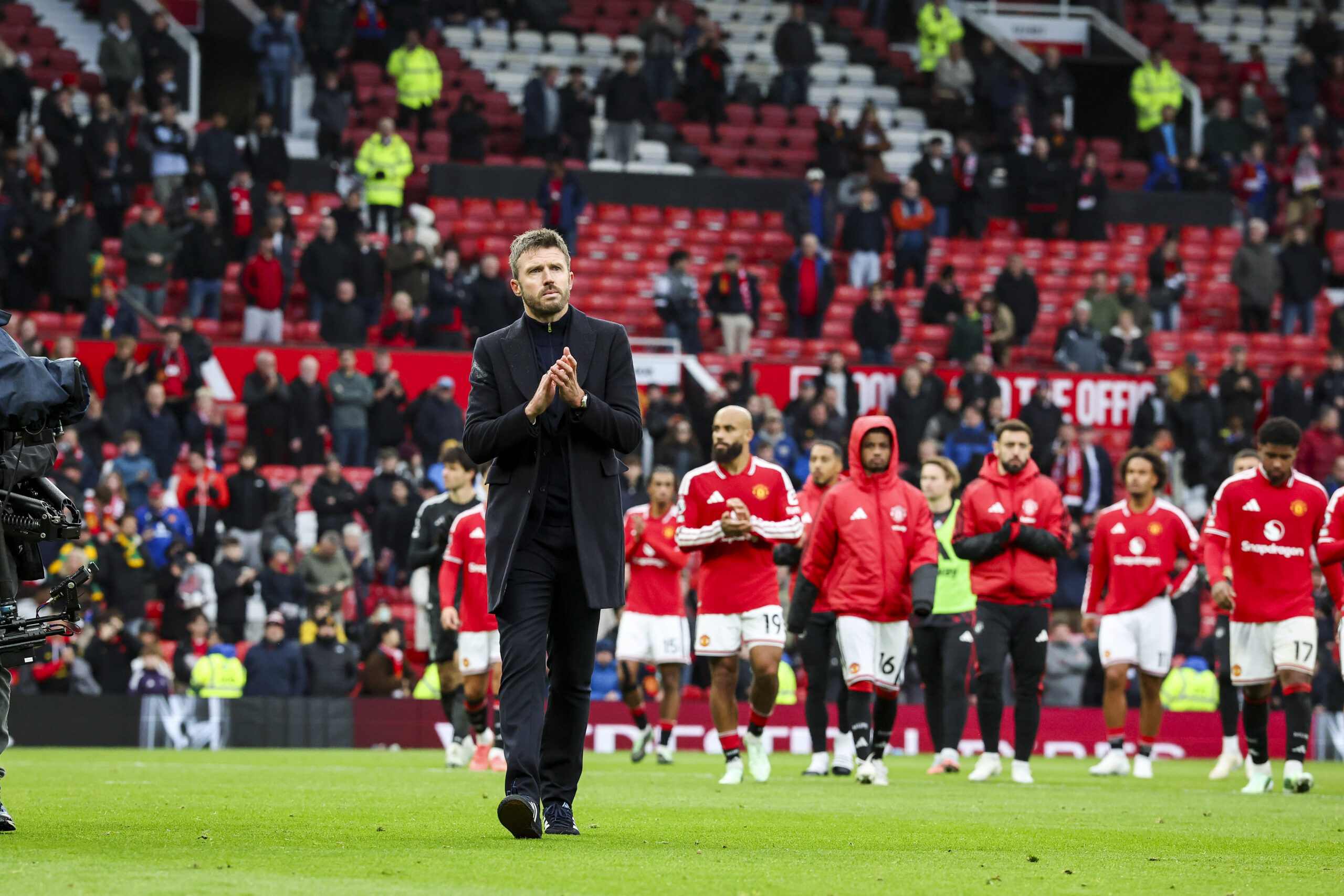 The fourth sign is the growing tension surrounding the team.
By half-time against Bournemouth, United were two goals down. The home crowd expressed its frustration, and the atmosphere became another challenge for players already dealing with a difficult run of form.
Carrick acknowledged the emotional pressure after the game. In comments published by the club’s official website, he described the day as difficult for everyone connected with Manchester United and admitted that the team’s performances and results had not been good enough.
He also said the situation was difficult to assess in the immediate aftermath, adding that there was no hiding from the club’s problems.
The reaction was not entirely hostile to the manager. United supporters sang Carrick’s name after the final whistle, showing that affection for him remains. That support, however, should not be interpreted as approval of the team’s performances.
Why confidence affects tactical execution
Confidence influences the speed and clarity of decision-making. A player who trusts the team’s structure may attempt a progressive pass or press aggressively because he expects teammates to cover the space behind him.
When confidence declines, the same player may hesitate, choose the safer pass or retreat when a coordinated press would be more effective.
Those small decisions can accumulate into a performance that looks slow and disconnected. A team then struggles to impose its plan, which increases anxiety and makes the next mistake more likely.
That can create a damaging cycle:
- Poor results increase pressure on players and coaches.
- Pressure produces hesitation and rushed decisions.
- Mistakes lead to more goals conceded or opportunities missed.
- Another disappointing result further reduces confidence.
Breaking that cycle requires more than a motivational speech. United need a clear match plan, reliable roles and performances that rebuild belief through evidence.
Carrick must also communicate effectively with the dressing room. Players need to understand why certain tactical decisions are being made and how they can improve the team’s situation.
The manager’s next challenge is to create an atmosphere in which players take responsibility without playing in fear.
5. The Boardroom Uncertainty Could Make the Crisis Worse
The fifth warning sign concerns the club’s longer-term direction.
On Monday, 26 October, The Times reported that chief executive Omar Berrada and director of football Jason Wilcox had arrived at Carrington for discussions about Carrick’s future and the club’s next steps. The report said no decision had yet been made about his position. This is a report of internal discussions, not confirmation that Carrick has been dismissed.
The report followed the 3–0 defeat to Bournemouth and the 4–1 Champions League loss to Como earlier in the week. United’s struggles in both competitions have intensified questions about the team’s trajectory and the suitability of the current approach.
Why changing the manager may not solve everything
A club must be willing to evaluate its head coach when results and performances fall below expectations. But a managerial change is not, by itself, a complete football strategy.
United’s issues involve several connected areas: defensive concentration, midfield organisation, attacking efficiency, squad selection and the relationship between the players and coaching staff.
A new manager might improve some of these areas, but a successful appointment requires a clear understanding of what the squad needs and how the club intends to build around it.
The decision-makers must ask difficult questions:
- Does the current squad have the profile and balance required for the intended tactical approach?
- Are recruitment decisions aligned with the team’s style of play?
- Does the coaching staff have the resources and specialist support needed to improve performance?
- Can the club give the next manager a stable sporting strategy instead of repeatedly changing direction?
These questions matter whether Carrick remains in charge or leaves.
Repeated changes at the top can create uncertainty for players and supporters. If the club replaces a manager without addressing the underlying football structure, it risks starting another cycle of short-term optimism followed by disappointment.
Equally, the club cannot ignore sustained poor results simply because a manager has a strong personal connection with supporters.
The challenge is to make a decision based on evidence, the squad’s needs and the club’s long-term objectives—not merely the emotional reaction to one defeat.
Chelsea away is an immediate test
United’s next Premier League fixture is away to Chelsea on Saturday, 31 October, according to the club’s published fixture list. That match will arrive at a time when every performance is likely to be scrutinised closely.
The immediate priority is to improve the team’s defensive organisation and attacking clarity. United need to show that the Bournemouth defeat has prompted a meaningful response rather than another round of explanations.
A positive performance would not automatically settle the questions surrounding Carrick. But another disjointed display could intensify the pressure on the manager and the club’s leadership.
The challenge is therefore bigger than a single fixture. United must demonstrate that they have a credible plan for recovery.
What Happens Next for Michael Carrick and Manchester United?
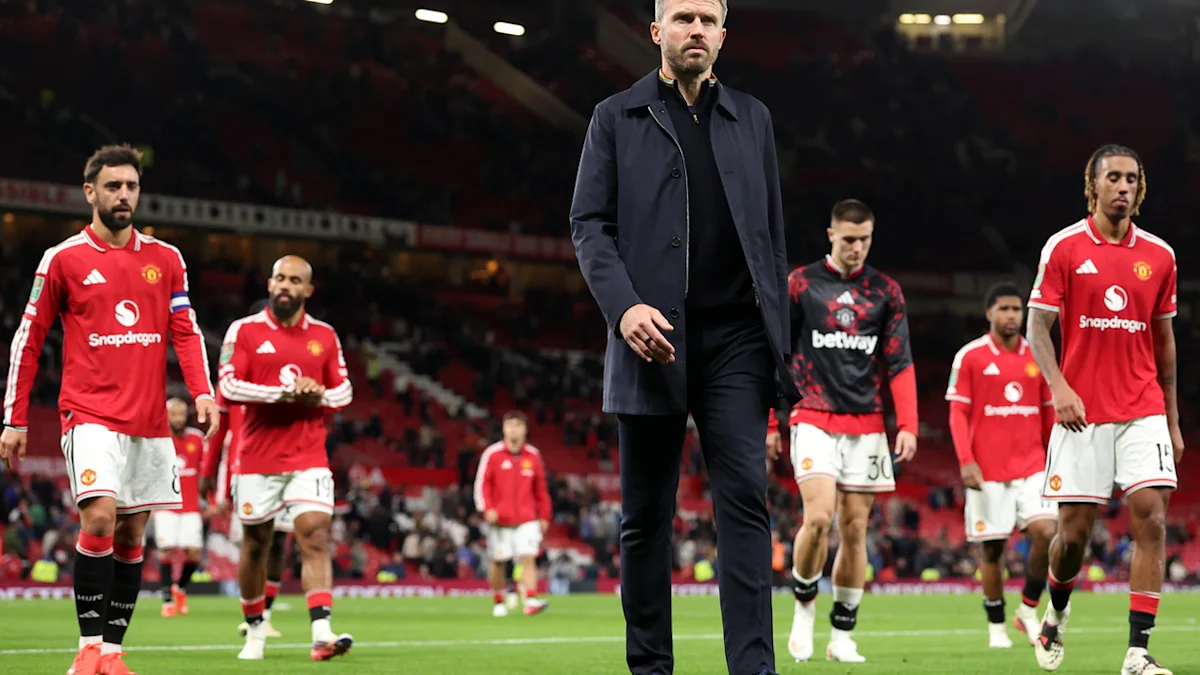 Manchester United’s crisis is now defined by the combination of poor results, individual mistakes, uncertainty about tactical identity and growing scrutiny of the club’s leadership.
SEE ALSO; Manchester United 1-1 Leeds: Carrick’s Crisis Exposes Deeper Problems
The next few days may clarify Carrick’s position, but the football problems already demand attention.
The defensive unit must become more reliable. The midfield needs a clearly understood pressing strategy. The attack must turn possession and shots into more productive opportunities. The players also need to recover the confidence to perform without allowing mistakes to dictate the rest of a match.
Carrick’s future will ultimately depend on the club’s assessment of his work and the direction it wants United to take. The publicly available reporting does not establish that a final decision has been made.
What is certain is that United cannot rely on reputation or history to deliver results. Their next performance must provide evidence that the team is learning from its failures.
The Football Xtra Verdict
The Manchester United crisis has five major warning signs:
1. Defensive instability: Errors and poor coordination are directly costing the team goals.
2. Tactical disagreement: The public debate about pressing has exposed questions over the team’s identity.
3. Inefficient attacking play: Possession and shot volume have not translated into enough goals or victories.
4. Declining confidence: A difficult atmosphere and poor results are making every decision more consequential.
5. Boardroom uncertainty: Discussions about Carrick’s future underline the lack of clarity over the club’s immediate direction.
Carrick still has a responsibility to find solutions, but the club must also examine the broader structure supporting the team. A change of manager might offer a new direction; it will not automatically correct every weakness in recruitment, performance and organisation.
The decisive question is no longer whether Manchester United can win one match. It is whether the club has a coherent plan capable of producing consistent performances after the immediate crisis passes.
The visit to Chelsea will provide another test. United need to show defensive discipline, tactical clarity and a more convincing attacking approach. If those improvements do not appear, the pressure on Carrick and the club’s decision-makers will only intensify.
Do you believe Michael Carrick deserves more time to rebuild Manchester United, or has the club reached the point where a change is necessary? Share your view in the comments and follow The Football Xtra for Premier League news, tactical analysis and informed football coverage.