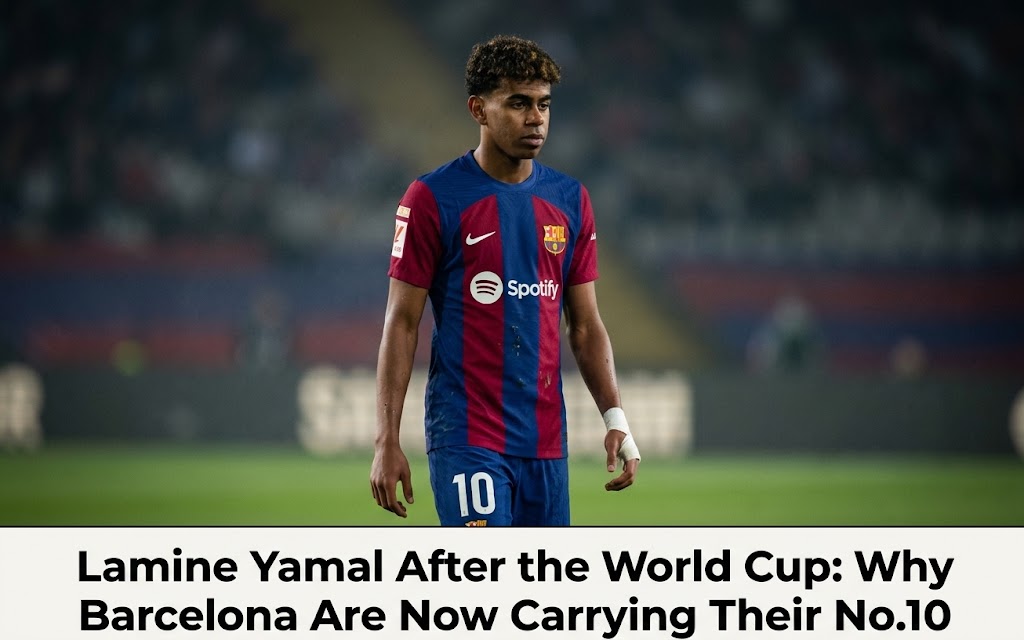
Lamine Yamal after the World Cup is entering a different chapter at Barcelona.
Not because the 19-year-old suddenly stopped being brilliant.
Not because the World Cup exposed him.
And certainly not because two LaLiga matches are enough to declare that one of the world’s most gifted young players has declined.
The real change is more subtle—and potentially far more important.
For much of Barcelona’s recent evolution, Yamal had become the player expected to create the moment, break the defensive line, produce the final pass and, when necessary, score the goal himself.
Now Barcelona have started the new LaLiga campaign by winning 5-0 against Elche and 2-0 against Athletic Club without Yamal scoring in either match. Raphinha has scored three times across those two victories, while Fermín López has also found the net. New signing Karim Adeyemi scored against Elche, and Barcelona have added more attacking options around their superstar.
That creates a fascinating reversal.
Barcelona may finally be carrying Lamine Yamal—rather than waiting for Lamine Yamal to carry Barcelona.
And after a summer in which Yamal became a World Cup winner with Spain, that could be exactly what he needs.
Lamine Yamal After the World Cup Has Not Been a Simple Decline
 The temptation after a superstar produces two quieter league appearances is predictable.
The headlines begin talking about a “drop-off.”
But football is rarely that simple.
Before the World Cup, Yamal had just completed an extraordinary club season. Barcelona officially recognised him as their 2025/26 LaLiga Player of the Season after he scored 16 league goals and supplied 11 assists. Those 11 assists led the entire competition.
FBref’s broader numbers are even more revealing: Yamal finished the campaign with 24 goals and 17 assists across all competitions, giving him 41 direct goal contributions for Barcelona.
That is an enormous creative burden for a player who had only just turned 18.
Then came the World Cup.
Yamal started seven of Spain’s eight matches according to FBref’s tournament log and played 614 minutes, scoring once. Spain ultimately beat Argentina in the final, where Yamal played the entire 120 minutes.
So the physical and mental context matters.
His summer did not look like the summer of a normal 19-year-old footballer.
He went from a full club season to a World Cup campaign, then straight into the expectations attached to being a world champion and Barcelona’s No.10.
The Most Important Evidence Came From Hansi Flick
 There is one piece of evidence that should prevent exaggerated conclusions.
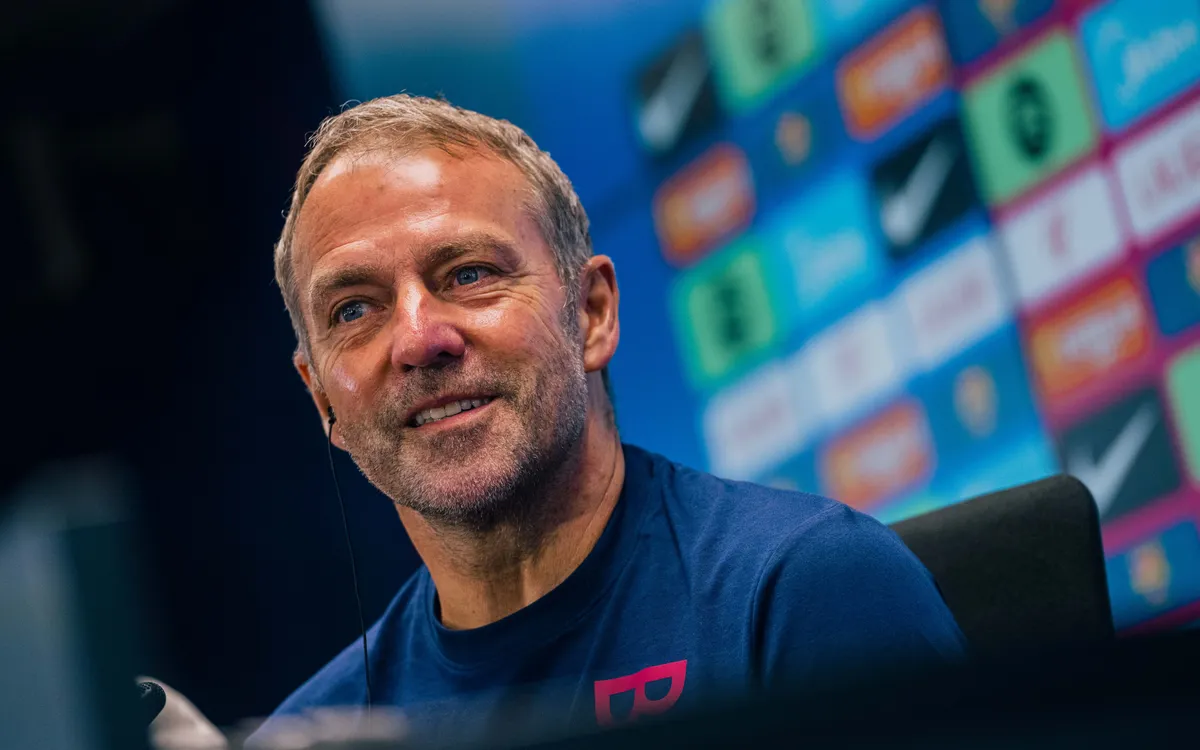
Flick himself said Yamal was not yet at maximum level.
After the Elche match, the Barcelona coach explained that Yamal had enjoyed three weeks of holiday following the World Cup and had only trained for a few days before returning to competitive football.
Flick also said the youngster had experienced headaches and stressed that it was normal that he was not yet at his best.
That changes the interpretation completely.
The story is not necessarily:
Yamal became worse after winning the World Cup.
It is:
Yamal returned from the World Cup with an unusually short preparation period and is being gradually rebuilt physically.
For a player whose game depends so heavily on acceleration, sharp changes of direction, dribbling and repeated high-intensity actions, a lack of rhythm can be significant.
And Barcelona appear to understand that.
The Numbers Against Elche Were a Warning—But Not a Crisis
 Barcelona’s 5-0 victory at Elche produced the first major talking point.
Yamal started and played 64 minutes according to StatMuse data. He produced two shots, one successful dribble and 41 touches, finishing without a goal or assist. His xG was only 0.21, while his xA was 0.15.
By Yamal’s extraordinary 2025/26 standards, that was quiet.
But Barcelona did not suffer.
That distinction is crucial.
Raphinha scored twice.
Adeyemi scored on his debut.
Anthony Gordon came from the bench and immediately contributed by setting up Raphinha and creating another goal for Fermín.
Barcelona therefore demonstrated something they could not always guarantee previously:
the attack had alternative sources of danger.
That is a structural development, not merely a match statistic.
Then Came Athletic—and Yamal Looked More Like Himself
 The narrative shifted again four days later.
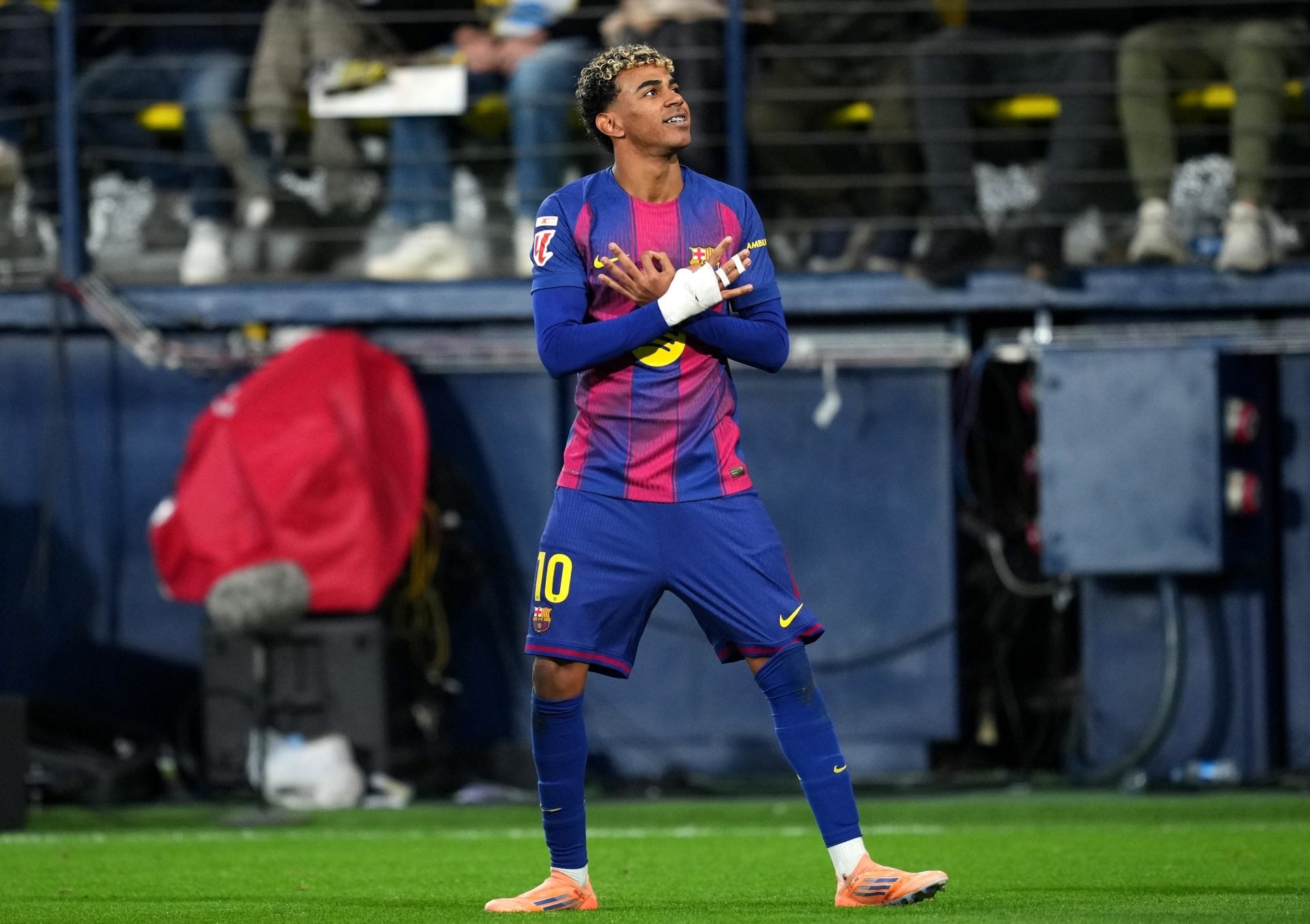
Against Athletic Club, Yamal looked considerably more involved.
He played all 90 minutes, registered seven shots, completed three successful dribbles and created several dangerous situations. Athletic goalkeeper Unai Simón had to intervene repeatedly, while one Yamal attempt struck the crossbar.
That does not sound like a player disappearing.
It sounds like a player recovering his rhythm.
The crucial difference was that his influence did not translate into a goal.
Barcelona still won 2-0.
Raphinha scored first after combining with Pedri, while Fermín López sealed the victory late in the game.
And that is exactly where this story becomes interesting.
Barcelona No Longer Need Every Attack to End With Yamal
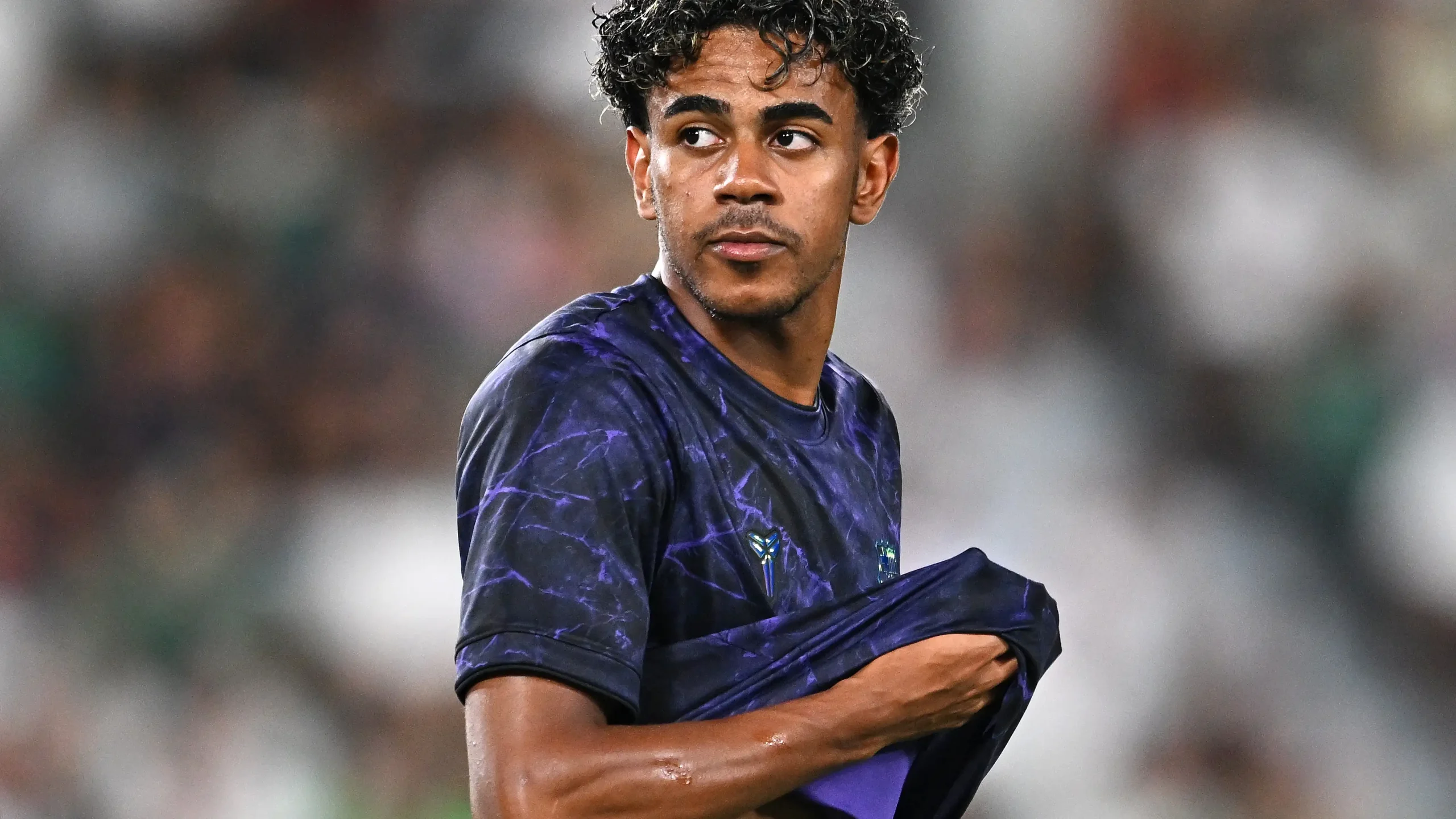 This may be the biggest tactical change surrounding Yamal.
Previously, when Barcelona encountered a difficult match, the natural instinct was often:
Get the ball to Yamal.
Against a low block?
Get Yamal isolated against the full-back.
Need a breakthrough?
Get Yamal into the half-space.
Need a final pass?
Find Yamal.
Need a goal?
Perhaps Yamal can create it himself.
The new Barcelona squad offers more solutions.
Raphinha remains capable of deciding games.
Fermín can arrive late into dangerous areas.
Pedri can dictate tempo.
Rodri adds another level of control from midfield.
Adeyemi gives Barcelona greater vertical threat.
Anthony Gordon offers another direct attacking outlet.
The result is significant.
Yamal can now be a weapon within the attack rather than being the entire attack.
The Arrival of Rodri Could Actually Help Yamal
One of Barcelona’s most significant changes this summer is not a forward.
It is Rodri.
The Spain midfielder made his Barcelona debut from the bench against Athletic Club.
That could eventually have enormous implications for Yamal.
Why?
Because controlling midfield changes the conditions in which attackers receive the ball.
A stronger midfield can:
- recover possession faster;
- prevent counterattacks;
- move opponents backwards;
- sustain possession higher up the pitch;
- deliver cleaner passes into attacking zones.
That potentially means Yamal receives the ball closer to goal and against a more disorganised defence.
For a player of his profile, that is enormously valuable.
Yamal’s World Cup May Have Changed the Expectations Around Him
This is the psychological side of the story.
Before the summer, Yamal was already a superstar.
After July 19, he was something else:
a World Cup winner.
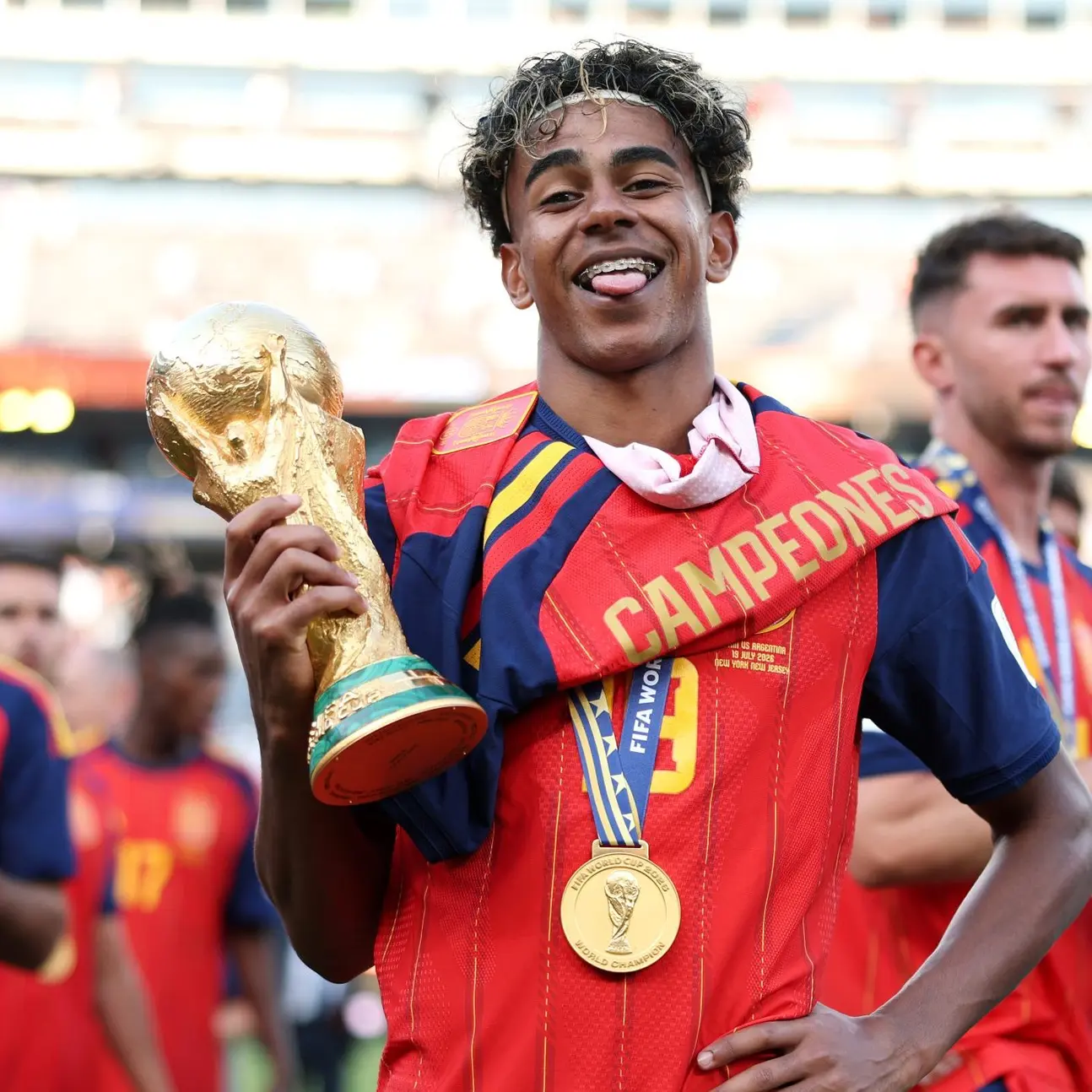
Barcelona’s official player profile now lists him as the winner of both the 2024 European Championship and the 2026 World Cup. The club also notes that he became the youngest player ever to win both major international titles.
That achievement changes public expectation.
A spectacular 19-year-old is allowed to have an average match.
A World Cup-winning Barcelona No.10 is expected to dominate every week.
SEE ALSO; Lamine Yamal: Barcelona’s New King Is Carrying A Weight Messi Never Had At 17
Those are different standards.
And they can create a dangerous analytical trap where every quiet performance becomes evidence of a crisis.
That is not justified by the current data.
The World Cup Final Tells Us Something Important
Yamal’s World Cup story itself was not simply one of relentless individual dominance.
He scored once during the tournament, despite playing more than 600 minutes. But he was also recognised twice as a match MVP and was an important part of Spain’s successful campaign.
Most revealingly, in the final against Argentina, Spain won 1-0 through Ferran Torres’ extra-time goal.
Yamal had an early effort saved, but he did not score or assist the winning goal. Spain nevertheless became world champions.
There is a lesson here.
The world’s best teams do not necessarily require their biggest star to decide every match.
That could be the exact lesson Barcelona are now learning.
Barcelona Carrying Yamal” Is Not an Insult
 The headline sounds provocative.
But tactically, it could actually represent progress.
A great club should not require a 19-year-old to rescue it every week.
Barcelona’s long-term objective should be to create a system in which Yamal can produce his best football without carrying an unreasonable percentage of the team’s creative responsibility.
Consider what happened against Athletic.
Yamal generated danger.
Pedri created.
Raphinha scored.
Fermín scored.
Rodri entered the game.
That is collective football.
And it could eventually make Yamal even more dangerous.
The Real Test Starts Now
There is still a substantial warning for Barcelona.
The first two league victories should not hide the fact that Yamal needs to regain his sharpest level.
The next phase of the season will tell us considerably more.
Can he maintain his explosiveness?
Can he return to producing goals and assists at anything close to last season’s extraordinary rate?
Can he handle opponents who double-mark him?
Can he remain decisive when Barcelona face elite Champions League opposition?
Can Flick manage his minutes intelligently after a summer of international football?
These are much better questions than simply asking whether Yamal is “out of form.”
Barcelona’s Biggest Win May Be Learning Not to Depend on Him
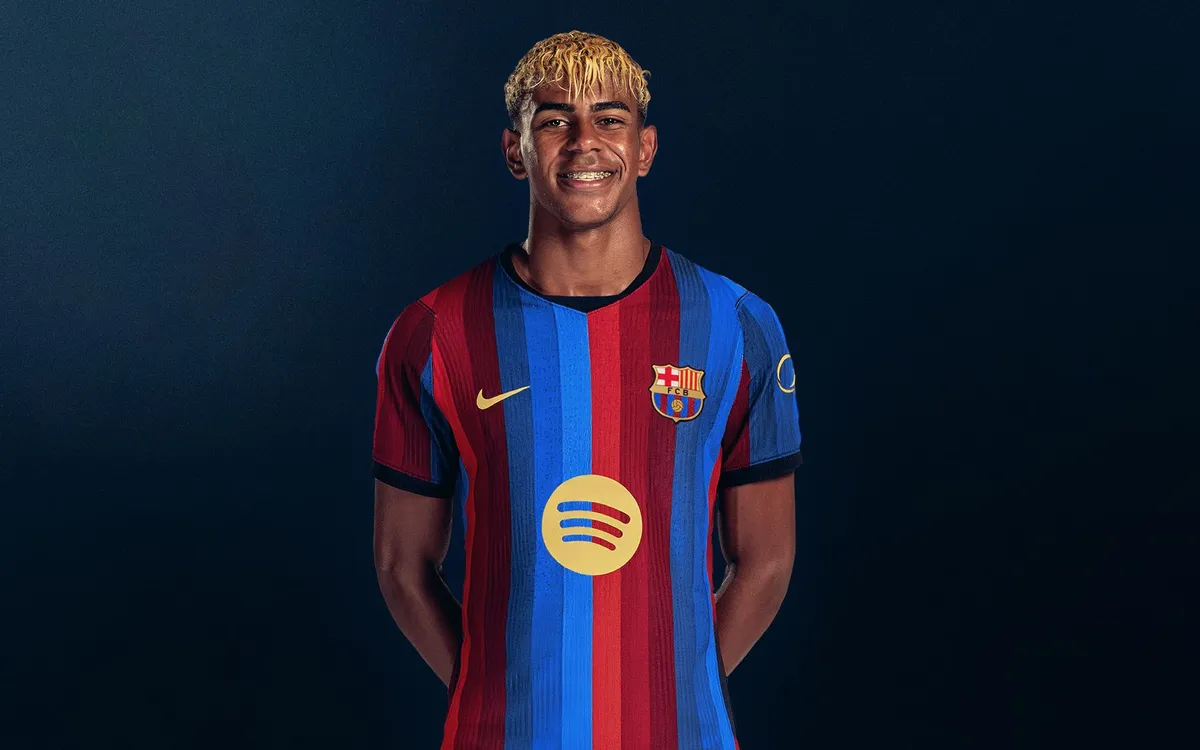 This is perhaps the most counterintuitive conclusion.
For years, Barcelona’s rebuilding project was partly about finding the next player capable of carrying the club after the Messi era.
They may have found that player in Yamal.
But the next stage of the rebuild cannot be:
“Give Yamal the ball and hope.”
It has to become:
“Build a team good enough for Yamal to become even better.”
The early signs are promising.
Barcelona began their title defence with a 5-0 win despite Yamal not being at his best. They followed that with a 2-0 victory against Athletic, where Yamal was much more influential but still did not score.
That is not necessarily Yamal’s decline.
It may be Barcelona’s evolution.
Conclusion: The Story Is Bigger Than Yamal’s Form
Lamine Yamal after the World Cup is not a story about a superstar suddenly losing his magic.
It is a story about what happens when a teenager returns from becoming a world champion and discovers that the expectations surrounding him have changed again.
He finished 2025/26 with 24 goals and 17 assists for Barcelona, was named LaLiga Player of the Season and then helped Spain win the World Cup.
Now, only weeks later, Barcelona have won their first two league matches without him scoring.
That should not be interpreted as evidence that Yamal is no longer carrying the team.
It may reveal something much more encouraging:
Barcelona are finally building a team capable of carrying Yamal when he is not at 100 percent.
And that could be the most important development of all.
Because the ultimate objective should never be to make a 19-year-old carry Barcelona forever.
It should be to build Barcelona strongly enough that Yamal can spend the next decade defining the club’s greatest era without having to carry every victory on his shoulders.
The No.10 does not necessarily need to carry Barcelona anymore. Perhaps Barcelona are finally learning how to carry their No.10.
That is the question The Football Xtra will be watching as Yamal’s post-World Cup chapter unfolds.