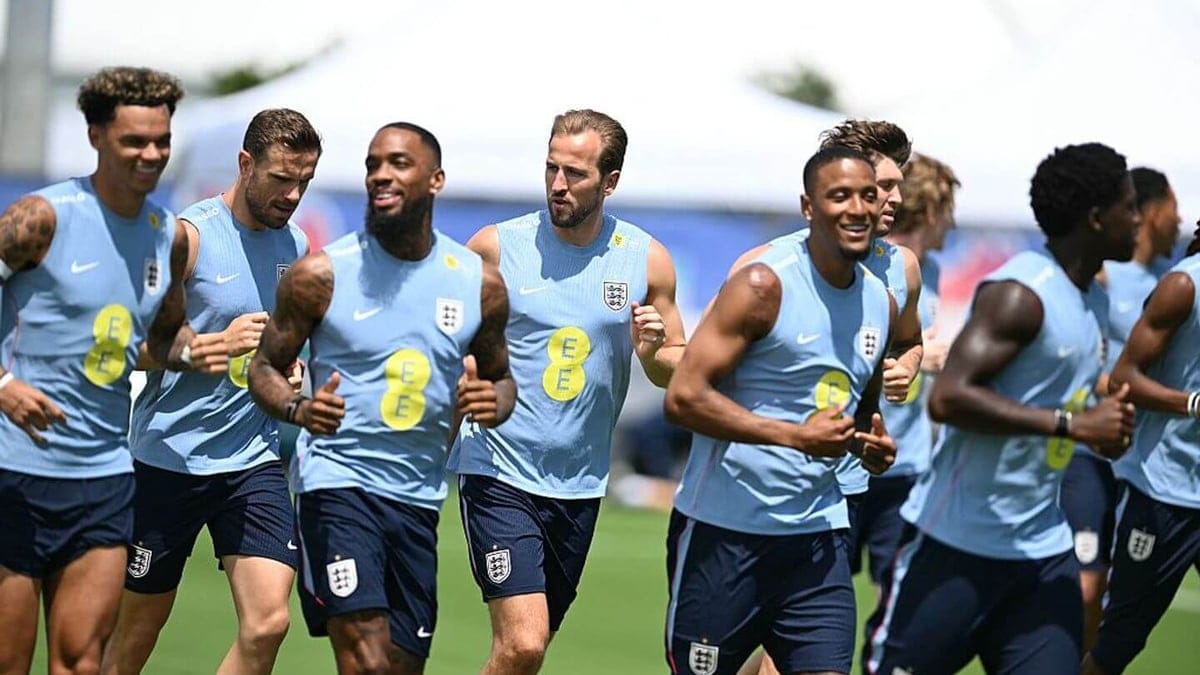
England’s run at the World Cup has already carried huge sporting stakes, but the financial prize attached to a potential triumph is just as striking. According to The Guardian, the FA would pay out around half of its £38m Fifa prize money in bonuses if England win the tournament, with players and staff in line for a combined bonus package of roughly £19m if Harry Kane lifts the trophy in New York next weekend. That makes the England World Cup win bonus payout one of the most eye-catching incentive stories in international football.
That figure is extraordinary even by elite football standards, and it frames the England World Cup win bonus payout as more than a simple reward mechanism. It is a reminder of how much value now sits behind success at the top level of the game, from prize money to pay structures to long-term planning across the entire England setup.
The plan, understood to have been agreed as part of a bonus scheme with the players’ leadership group before the tournament, would see England’s squad receive around £15m, Thomas Tuchel collect about £3m, and the German’s backroom team share approximately £1m if the team finishes the job on the biggest stage.
For England, it turns a World Cup win into more than a sporting breakthrough. It would be a moment with major financial consequences for the Football Association, the players and the staff who have helped drive the campaign.
What the England World Cup win bonus payout means for the FA
The key detail in the report is simple but significant: the FA would distribute around half of the money it receives from Fifa if England are crowned world champions.
That Fifa prize money is set at £38m. Under the bonus structure described by The Guardian, the FA would pay around £19m of that total back out to the people directly involved in the tournament campaign.
The split is understood to look like this:
- around £15m to England’s players
- around £3m to Thomas Tuchel
- approximately £1m to Tuchel’s backroom team
The bonus scheme was reportedly agreed before the tournament with the players’ leadership group, which suggests the terms were settled in advance rather than negotiated after the event.
That kind of planning matters in international football, where tournament bonuses can become a source of tension if they are left unresolved until after the competition. Here, the structure appears to have been agreed early enough to avoid uncertainty while England were still competing.
For readers following the wider tournament context, the economics behind elite football are not limited to national-team rewards. They also shape club-level ambition, which is why coverage such as Premier League Explained: Why It Remains the World’s Most-Watched Football League helps explain how the sport’s biggest competitions drive revenue and pressure across the game.
Why the England World Cup win bonus payout stands out
 The scale of the payout makes this one of the most striking incentive packages in international football.
A combined £19m bonus pool would be a huge reward for success in any environment, but it is especially notable in the context of a national team, where the players are representing England over a short tournament rather than operating under a club-style wage structure across a full season.
For the FA, the arrangement also shows how tournament income can be shared between the governing body and the football department. Fifa prize money is often viewed simply as a windfall for the national association, but this case underlines that a major part of it may be earmarked for the people who deliver the sporting result.
It is also an indication of the value attached to the World Cup itself. Winning the competition would bring not only global prestige, but also a substantial financial return that can be passed directly to the players and staff.
The same kind of high-stakes financial logic has become familiar across the modern game, from international tournaments to club competitions. That broader pattern is explored in Champions League Explained: Format, Money and Why It Defines European Football, where the link between performance and revenue is just as central.
The agreement with the players’ leadership group
The source says the bonus scheme was agreed with the players’ leadership group before the tournament.
That detail is important because it indicates the England camp entered the World Cup with clarity around the reward structure. In elite football, leadership groups often play a central role in setting standards inside the squad and in dealing with off-field matters such as incentives and conditions.
With such a large prize on offer, clarity before the tournament removes the possibility of disputes later on. It also creates a cleaner link between performance and reward: if the team wins, the England World Cup win bonus payout is triggered; if not, no such payout is activated.
That arrangement can matter psychologically too. Tournament football is full of pressure, and while players at this level are already highly motivated by reputation and history, a clearly defined bonus structure adds an additional layer of focus. It is not the main reason a team would chase the trophy, but it is part of the wider incentive environment around a World Cup campaign.
The same principle of planning ahead is visible in major club football too. Strategic thinking before a tournament or season often shapes long-term success, a theme that also appears in Why Premier League clubs increase spending after the 2026 World Cup — Powerful Momentum Explained, where financial preparation is shown to influence competitive behaviour.
Thomas Tuchel’s role and his bonus
The report says Thomas Tuchel would receive around £3m if England win the World Cup.
That is a substantial sum, but it reflects the scale of responsibility attached to the role. A national-team head coach at a World Cup is expected to manage not just tactics and selection, but also the broader rhythm of a short, high-pressure campaign where every match can define the tournament.
Tuchel’s bonus would sit well below the players’ total package, but it still represents a major reward for the coaching lead if England complete the job. His backroom team would also be recognised, with approximately £1m shared among them.
That split is telling from a football operations perspective. It suggests the FA has placed value not just on the manager but on the wider support structure that underpins a tournament run: assistants, analysts, and other staff whose work often remains out of view but is central to preparation and performance.
In modern international football, the quality of the staff around the head coach is a major competitive factor. Tournament wins are rarely the product of one figure alone.
For a broader look at how elite nations plan their routes through football’s biggest event, see FIFA World Cup 2026: 27 Days to Go…., 15 Key Things Every Fan MUST Know Before the Big Event., which breaks down the scale and structure of the tournament itself.
The wider financial angle for the FA
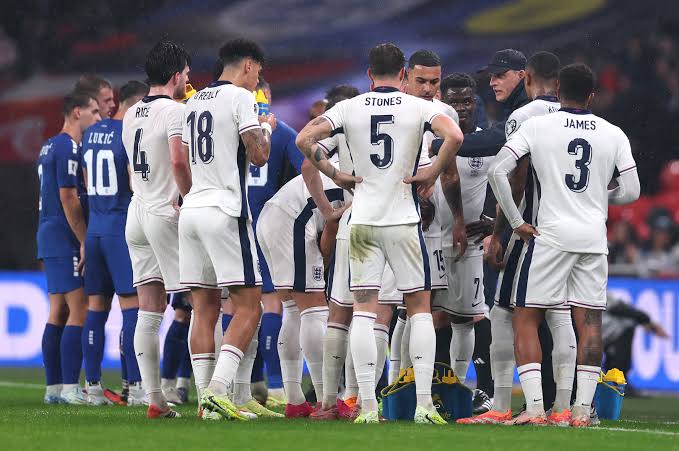 The FA’s position is especially interesting because the governing body would still retain a sizeable amount of Fifa prize money even after paying bonuses.
If around £19m is returned to players and staff from the £38m prize, the FA would still keep the other half. That leaves room for the association to balance its wider financial needs with the cost of rewarding a successful World Cup campaign.
From a governance standpoint, that balance is important. National associations are responsible for funding development, facilities, coaching structures and the broader health of the game. A World Cup windfall can therefore have value beyond the tournament itself.
But success at international level is also built on the people in the dressing room, on the training ground and in the tactical meetings. Sharing a large portion of the prize money can be seen as a way of acknowledging that the tournament income is generated by the performance of the team itself.
This is the business side of international football in its most direct form: the success of the team produces revenue, and the revenue is then divided according to an agreed framework.
What the numbers mean in practical terms
The headline numbers are easy to state, but their practical meaning is worth exploring.
A £15m bonus pool for the players would be divided across the squad according to the terms agreed within the camp. The source does not provide the individual distribution, so the exact amount each player would receive is not known from the report alone.
Likewise, the reported £1m for Tuchel’s backroom team would presumably be shared among the staff group, though the source does not specify the internal breakdown.
Even without those details, the overall structure reveals how tournament rewards at the top level can become very large very quickly. A World Cup win does not just create a legacy; it creates an immediate financial consequence for everyone directly involved.
For players, that is an additional layer to the prestige of representing their country. For coaches and staff, it is recognition of the collective effort behind the scenes.
England’s leadership model and the importance of agreements before tournaments
The fact that the bonus scheme was agreed before the tournament is a major piece of the story.
In major international competitions, teams often speak about unity, trust and preparation. Financial arrangements are part of that same environment. If reward structures are unclear, they can distract from the football. If they are settled in advance, they can disappear into the background and let the football take centre stage.
The mention of the players’ leadership group suggests that the squad had a voice in the discussions. That is consistent with the way elite international sides increasingly operate, where senior players are involved in important off-field matters and serve as a bridge between the squad and the governing body.
Such an approach can support team cohesion. It allows players to feel that the structure around the tournament is transparent and mutually understood. It also helps the FA manage expectations around one of the most valuable outcomes in football.
For comparison, many successful clubs have long understood the value of clear sporting and financial direction. That is part of the thinking explored in FROM 2004 TO 2026: How Arsenal’s Estimated $3.1bn Title Project Finally Delivered This Season’s Premier League Crown, which shows how long-term planning and investment can eventually produce a major payoff.
The World Cup final incentive
The final itself adds another layer of significance.
If Harry Kane lifts the trophy in New York next weekend, it would trigger not only the obvious footballing celebration but also the payment of the bonus package described by The Guardian. The mention of Kane in the source makes the stakes clear: England are at the point where one result could transform the financial picture attached to the campaign.
Kane’s position in the story is especially notable because the source identifies him as the player who would lift the trophy. That captures the scale of expectation around the England captain and the symbolism of a World Cup triumph.
For the squad, the financial reward would come after a tournament defined by pressure and consistency. For the FA, it would mean one of the biggest transfer-style outflows of prize income in modern England football history, even if the money is not a transfer fee but a bonus distribution.
How bonus culture fits into international football
Bonus structures are a routine feature of international tournaments, but the numbers vary widely depending on the competition, the association and the expected revenue.
What makes this case compelling is the size of the reward relative to the overall Fifa prize money available to the FA. Half of the federation’s earnings from the World Cup would be passed back to the team and staff if England win. That is a notable statement of how the footballing rewards are being shared.
It also underlines a broader trend in the sport: national-team success is no longer viewed solely through the lens of pride and prestige. There is now a highly developed financial layer beneath the competition, involving prize money, bonus structures and governance decisions that can shape the way a team is run.
For top-level players, that is part of the professional landscape. For fans, it offers another glimpse into the economics behind international football’s biggest prize.
Why this matters beyond the dressing room
A story like this matters because it connects performance, governance and finance in one place.
On one level, it is a straightforward incentive story: win the World Cup and there is a major payout. On another, it shows how the FA has structured its tournament finances to reward the people directly responsible for on-pitch success.
That approach has broader implications. It reflects a recognition that elite results are generated by collective effort, and that the financial gains from those results should be shared in a meaningful way. It also highlights the scale of money now flowing through international football at the very top.
The headline figure of £19m is not just a number. It is a sign of the value attached to one tournament, one squad and one opportunity.
External reference
For the original reporting, see The Guardian’s report on England’s World Cup bonus bonanza.
The source and what is confirmed
The details in this article are based on The Guardian’s report of July 10, 2026, which said the FA would pay out around half of its £38m Fifa prize money in bonuses if England win the World Cup.
According to the report, the players would receive around £15m, Thomas Tuchel around £3m, and his backroom team approximately £1m should Harry Kane lift the trophy in New York next weekend.
Those are the figures that have been made public through the source material. No other financial details are confirmed here.
What comes next
The immediate focus, of course, remains on the football itself.
If England go on to win the World Cup, the bonus arrangement will become part of the wider story around the triumph. If they do not, the scheme will remain an example of how the FA planned for success in advance of the tournament.
Either way, the reported structure offers a revealing look at how international football operates at the highest level. The biggest prize in the game does not just bring glory. It also activates a carefully arranged financial reward system that ties together the FA, the players and the coaching staff.
And if Harry Kane does end up lifting the trophy in New York next weekend, the celebration will extend far beyond the final whistle.