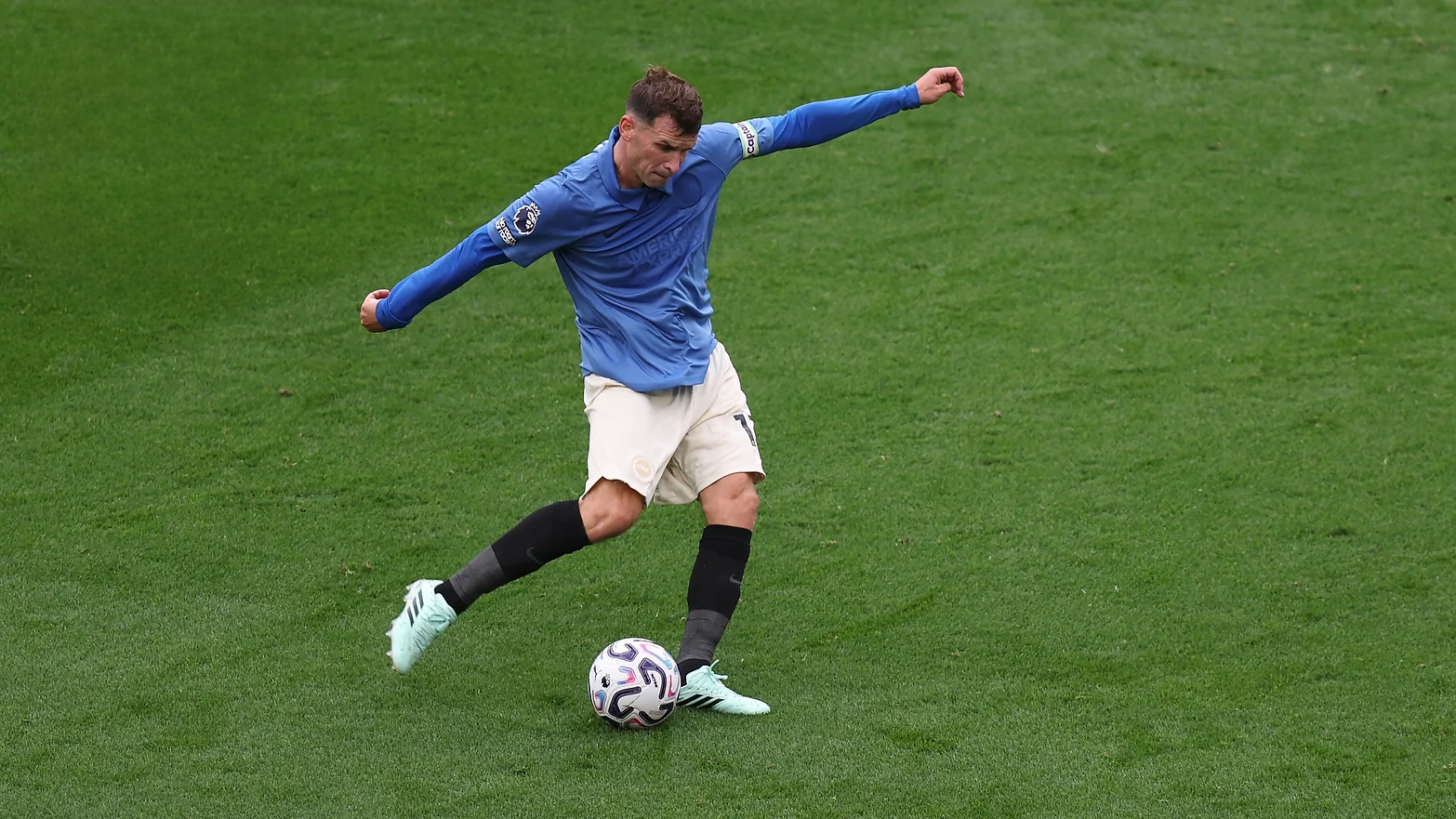
Brighton were supposed to spend the opening months of this season adjusting. Their squad had been stripped of experience, injuries removed key attacking players and another busy summer of sales appeared to have pushed the club towards a transition year. Five Premier League games later, the picture is very different.
Fabian Hürzeler’s side are third in the table. They have scored 16 league goals, more than any other team, and own the best goal difference at plus 11. Their most recent league match ended with a 3-0 win over champions Arsenal. Those are not the numbers of a side merely enjoying a couple of fortunate weekends.
Brighton have replaced players without replacing the idea
The most impressive part of Brighton’s start is not one signing or one tactical trick. It is that the football still looks coherent despite a summer of disruption. Carlos Baleba left for Manchester United, Jan Paul van Hecke moved to Tottenham and Danny Welbeck joined Chelsea. Kaoru Mitoma and Yankuba Minteh have also been unavailable through injury.
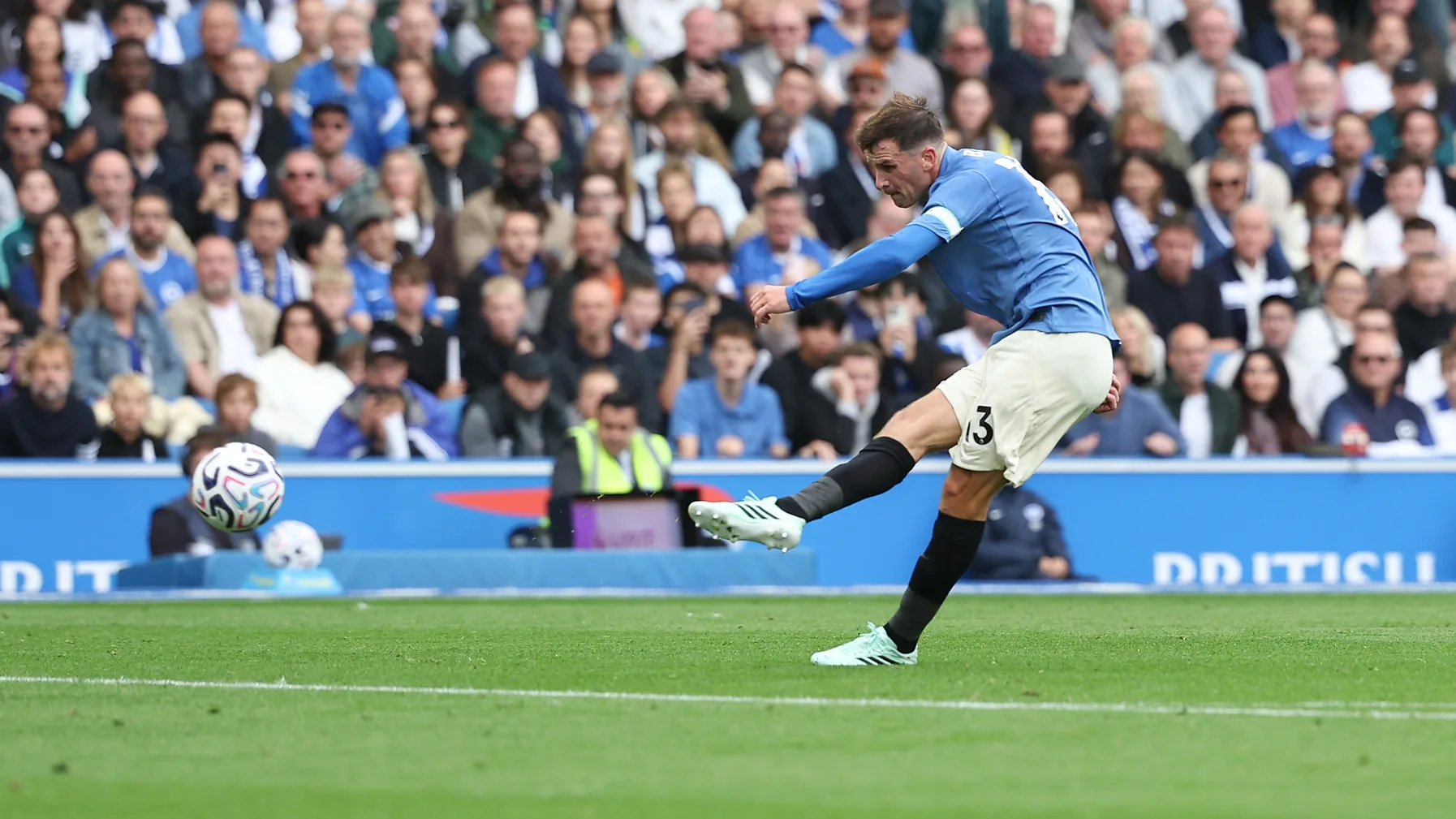
Yet Brighton continue to play as if the system is bigger than the names leaving it. Players move into unfamiliar roles, younger options are trusted and the press remains aggressive. That continuity matters if the question is whether a Champions League challenge can last beyond September.
The Arsenal performance was the clearest example. Brighton did not simply wait for mistakes. They forced them. Their pressure stopped Arsenal from settling into the controlled possession that has become a feature of Mikel Arteta’s team.
Pascal Gross has become the control room
At 35, Pascal Gross was not supposed to be the player around whom a new Brighton side would be built. His January return from Borussia Dortmund for a modest fee looked sentimental as much as strategic. Instead, he has become the player who connects almost every phase.
Gross has three goals and three assists in the league. He has created 15 chances, the highest total in the division, while covering 59.7 kilometres. That combination explains why Brighton can use him both as a controller and as an active part of their press.
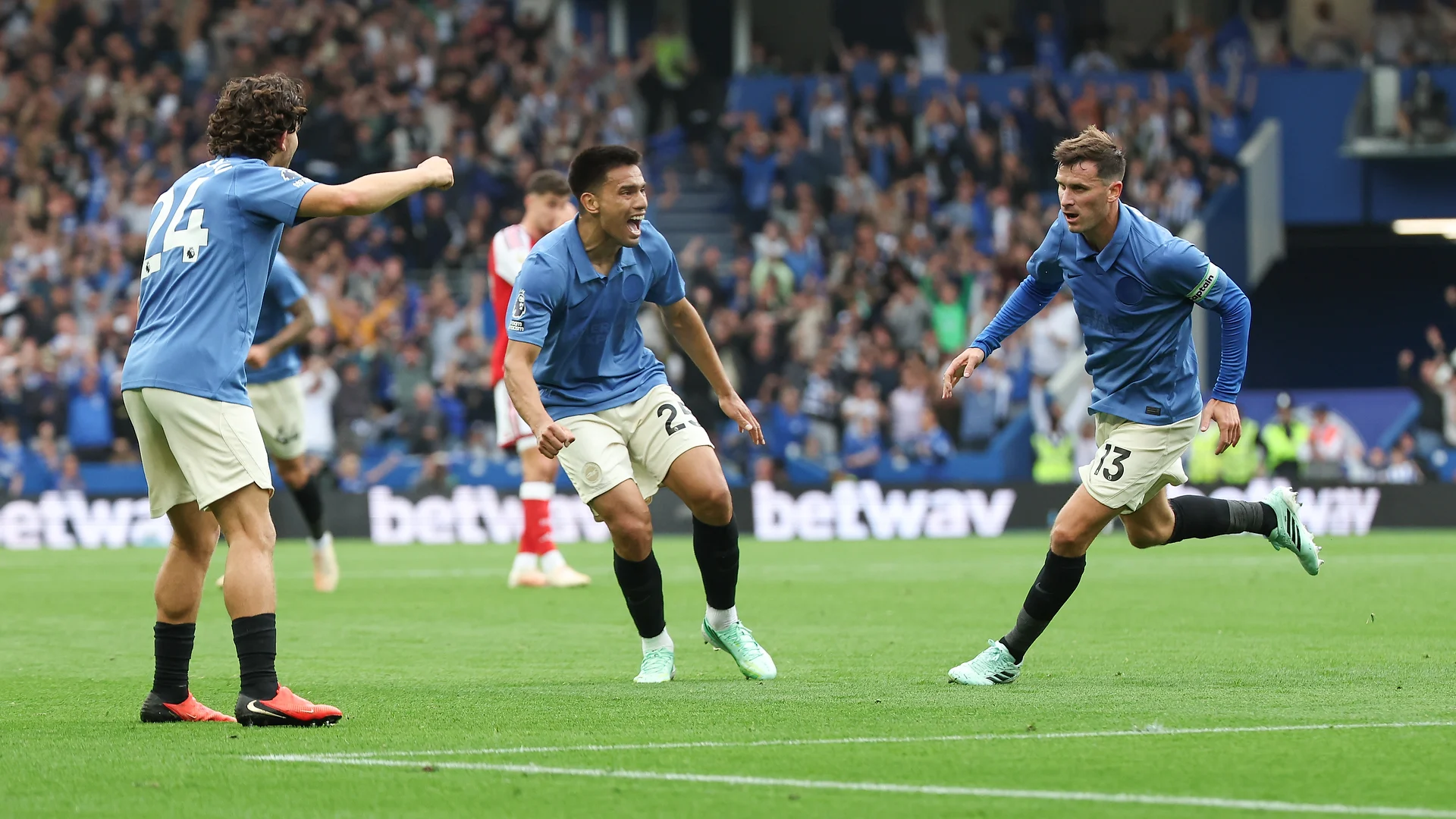
Hürzeler does not need Gross to play as a traditional No 10. He can drop near the defenders during buildup, step into the half-spaces once Brighton establish possession and arrive late around the penalty area. With younger legs around him, his job is to decide where the next attack should go.
The pressing numbers are the strongest evidence
Goals can fluctuate. Finishing runs hot and then cools down. Pressing behaviour is usually a more stable indicator of what a coach has built. Brighton currently allow only 7.4 opposition passes per defensive action, the lowest figure in the Premier League, and have recorded 56 high turnovers.
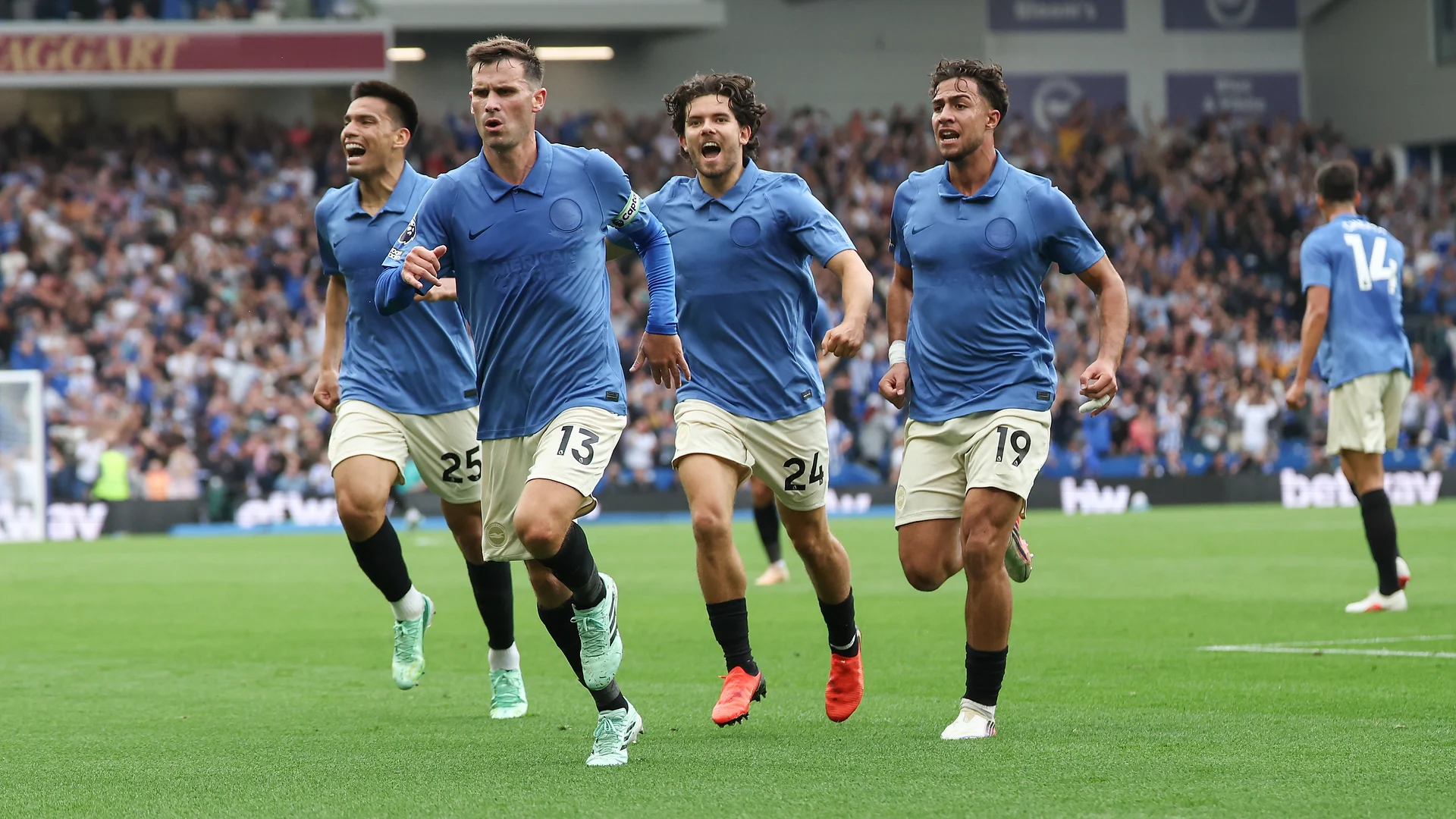
Those numbers help explain why nine different Brighton players have already scored in the league. The team are creating attacks before opponents have time to reorganise. It also gives players such as Maxim De Cuyper and Charalampos Kostoulas a platform to contribute without carrying the entire creative load.
The schedule will decide how serious this becomes
There is still a reasonable case for caution. Brighton have European football to manage, their injury list is already significant and the October schedule contains away matches at Liverpool and Manchester City. The physical demands will increase quickly.
The age of Gross is another factor. Brighton cannot reasonably expect him to play every three days at his current level for an entire season. Hürzeler will need to protect the player without removing the structure that has made the team so effective.
But the early evidence is stronger than a league position after five matches. Brighton lead important attacking metrics, press with a clear identity and have continued producing despite losing players who looked essential only a few months ago.
That gives context to Arsenal’s recent problems too. Our analysis of the Arsenal collapse against Brighton showed how uncomfortable the champions became when their buildup was attacked aggressively. For another look at the wider title picture, see the questions facing Arteta’s new Arsenal era.
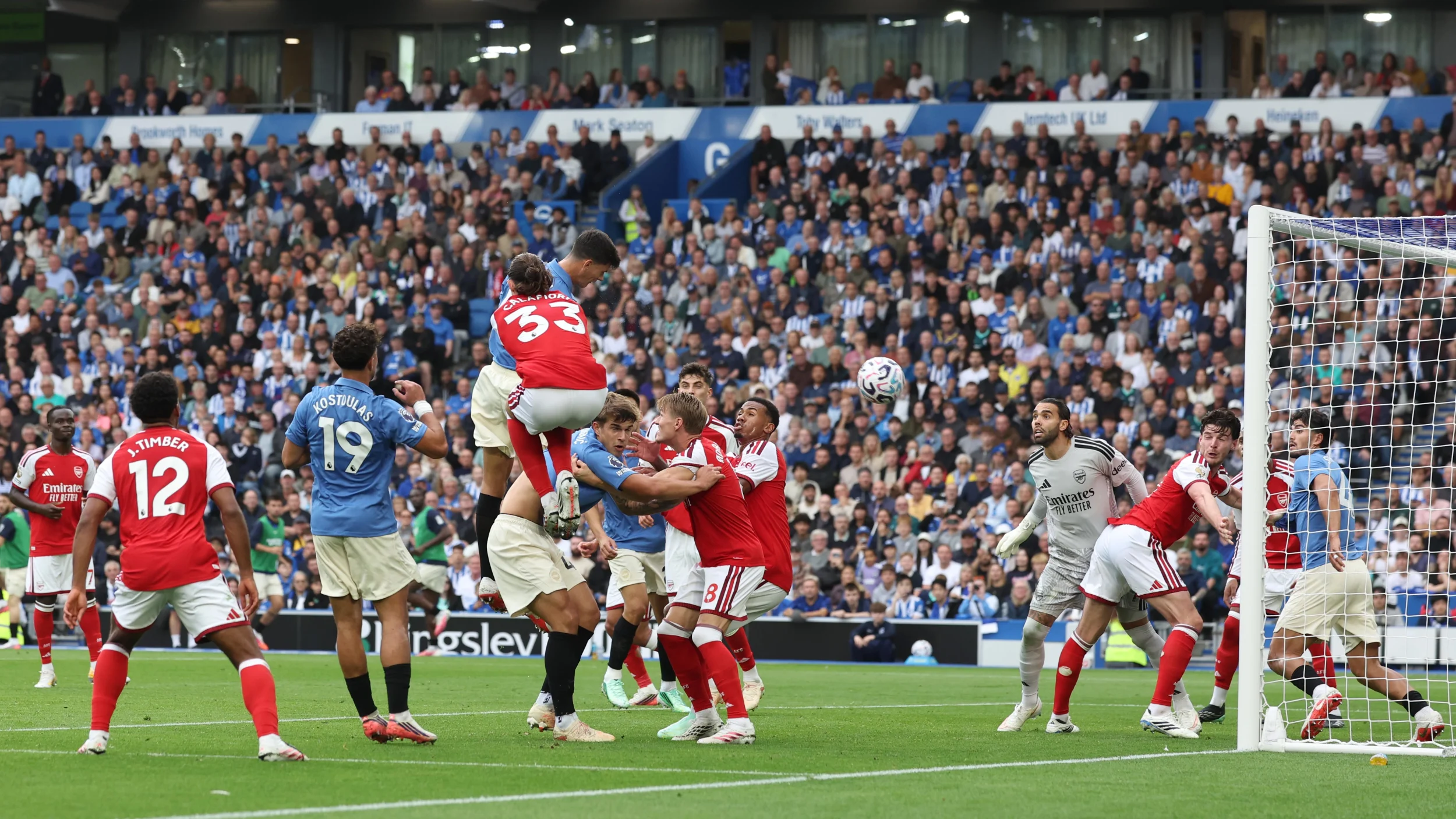
Champions League qualification remains a difficult target in a league with deeper and more expensive squads. Brighton, however, are no longer relying on surprise. The way they are creating chances, winning the ball and integrating replacements suggests there is a repeatable process behind the results.
The January question will matter
Brighton’s position in January may decide how seriously the club treats the Champions League race. A top-four place would strengthen the case for keeping key players through the winter and perhaps adding depth rather than selling. The club’s recruitment model has always depended on timing, but this season could demand a different calculation. Qualification for Europe’s biggest competition would change the financial value of the campaign and give Hürzeler a stronger argument for continuity. The next two months are therefore not only about points; they may shape Brighton’s transfer decisions as well.
Read Here: The Guardian’s analysis of Brighton’s Champions League credentials.