Atletico Madrid vs Manchester United is set to deliver a thrilling Champions League encounter on Tuesday, 13 October 2026, at the Riyadh Air Metropolitano. Manchester United face a difficult test against Diego Simeone’s Atlético Madrid, a team known for its defensive organisation, tactical discipline and ability to make life uncomfortable for visiting opponents. Can United overcome Atlético’s defensive wall and secure a crucial result away from home?
The challenge is clear: how do you break down a team that is comfortable without the ball, dangerous in transition and capable of turning a single corner or defensive mistake into a decisive moment?
For Michael Carrick’s Manchester United, the answer will depend on much more than individual talent. They must control the midfield, use their attacking pace intelligently and resist the temptation to force passes when Atlético close the available spaces.
The historical rivalry adds another layer of pressure. United’s 2021/22 Champions League campaign ended against Atlético, who drew 1-1 at home before winning 1-0 at Old Trafford to progress. That two-legged contest remains a reminder of how effectively Simeone’s team can frustrate opponents who struggle to turn possession into clear chances.
This time, United’s mission is to show that they have the tactical maturity to handle one of European football’s most demanding environments.
Atletico Madrid vs Manchester United: The Tactical Battle
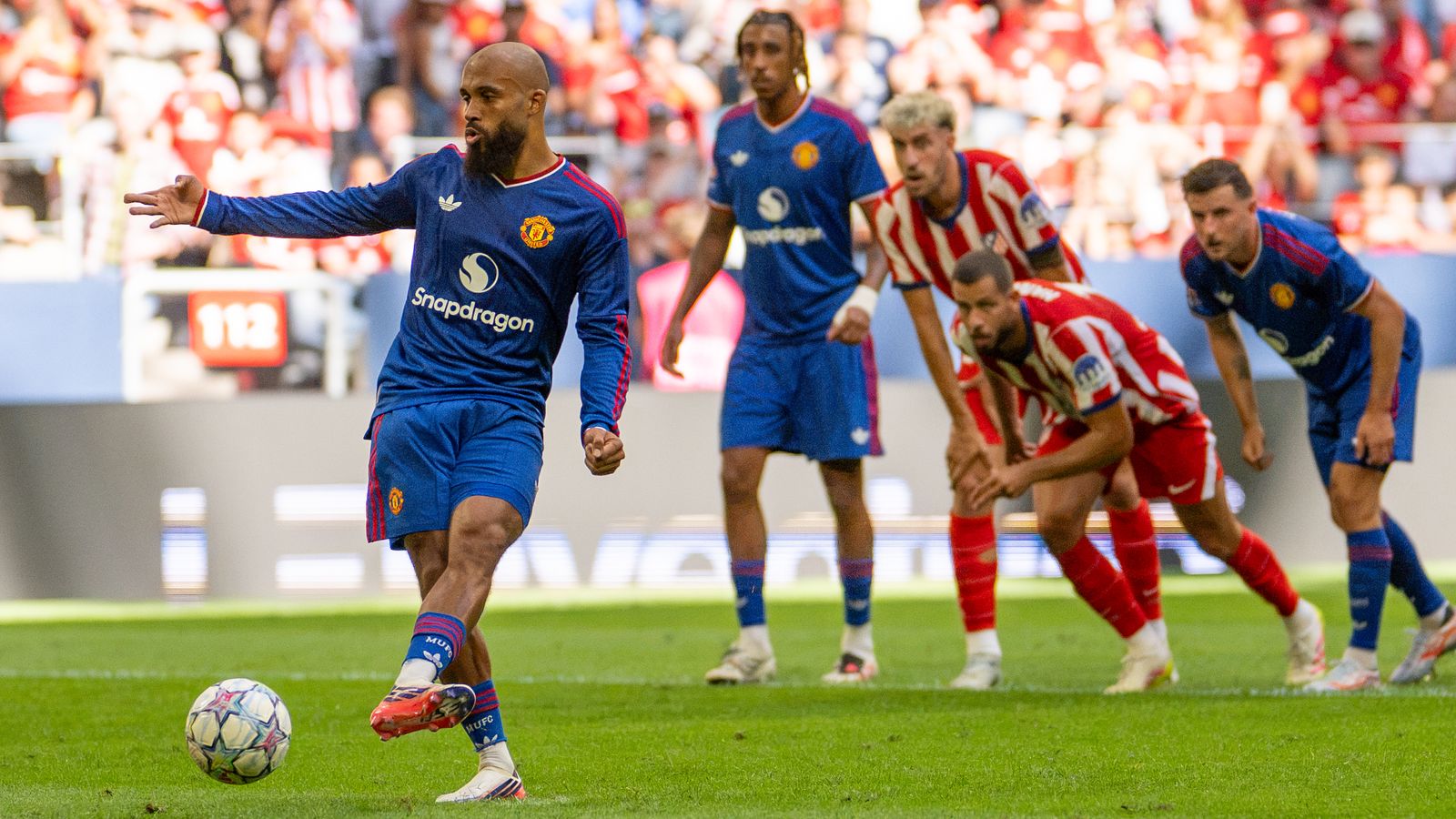 Under Simeone, Atlético have developed an identity built on organisation, aggression and collective responsibility. Their defensive approach is not simply about sitting deep. It is about controlling space, blocking passing lanes and forcing opponents towards areas where they pose less danger.
When Atlético defend in a compact shape, the distance between their midfield and defensive lines becomes difficult to exploit. Opposing attackers may enjoy possession, but possession alone does not guarantee progress.
That is the trap United must avoid.
If Bruno Fernandes receives the ball in crowded central areas without runners moving beyond Atlético’s defensive line, United risk circulating possession without creating meaningful opportunities. If their full-backs push forward too early, they could also leave spaces for Atlético to attack on the counter.
The Metropolitano’s atmosphere adds to the challenge. Atlético’s supporters can turn successful tackles, interceptions and clearances into momentum. For the home side, those moments help sustain pressure even when they are not dominating possession.
Simeone’s tactical priorities are likely to include three elements:
– Compact defending: Restrict the space between the lines and force United away from dangerous central positions.
– Quick transitions: Attack immediately when United lose possession, especially if their full-backs are advanced.
– Set-piece pressure: Use corners and free-kicks to create scoring opportunities in a match where open-play chances may be limited.
United will need to remain alert throughout. Against an organised opponent, one lapse in concentration can undo an otherwise disciplined performance.
Manchester United: Carrick Faces a Tactical Examination
For United, the central question is whether they can combine attacking ambition with the defensive control required in a difficult away fixture.
Carrick’s side need to show patience without becoming predictable. Moving the ball from side to side can stretch Atlético’s defensive structure, but the passing must be accompanied by intelligent movement. Wingers need to isolate defenders, midfielders must offer forward passing options, and attackers have to recognise when to run behind the back line.
Bruno Fernandes could be central to that process. His ability to deliver forward passes, create chances and operate between midfield and attack makes him an important figure in United’s attempt to unlock Atlético.
However, Fernandes cannot be expected to solve the problem alone. If Atlético crowd him out, United need alternative routes into the final third. Quick combinations on the wings, overlapping full-backs and runs from midfield could help create the gaps that central passing struggles to find.
The performance of United’s midfield will be equally important. They must be comfortable receiving the ball under pressure while maintaining enough defensive protection to prevent Atlético from exploiting turnovers.
United’s biggest danger may be impatience. If they chase the game too aggressively or attempt risky passes in congested areas, they could give Atlético precisely the spaces Simeone wants to attack.
Players Who Could Decide the Contest
 Bruno Fernandes — Manchester United
Fernandes is a potential difference-maker because of his creativity and willingness to attempt ambitious passes. His challenge will be to identify the right moments to accelerate attacks rather than repeatedly forcing the final ball.
Koke — Atlético Madrid
Koke’s experience and understanding of Atlético’s system make him an important reference point in midfield. His positioning and distribution can help the hosts control the rhythm of the contest and launch attacks when possession is regained.
The wide attackers — both teams
The flanks could provide the clearest route to goal. United need their wide players to create one-against-one situations, while Atlético will look to exploit any space left behind advancing defenders.
Final team selections, injuries and suspensions should be checked against official club updates before publication.
Tactical Battle: Can United Break Atlético’s Defensive Wall?
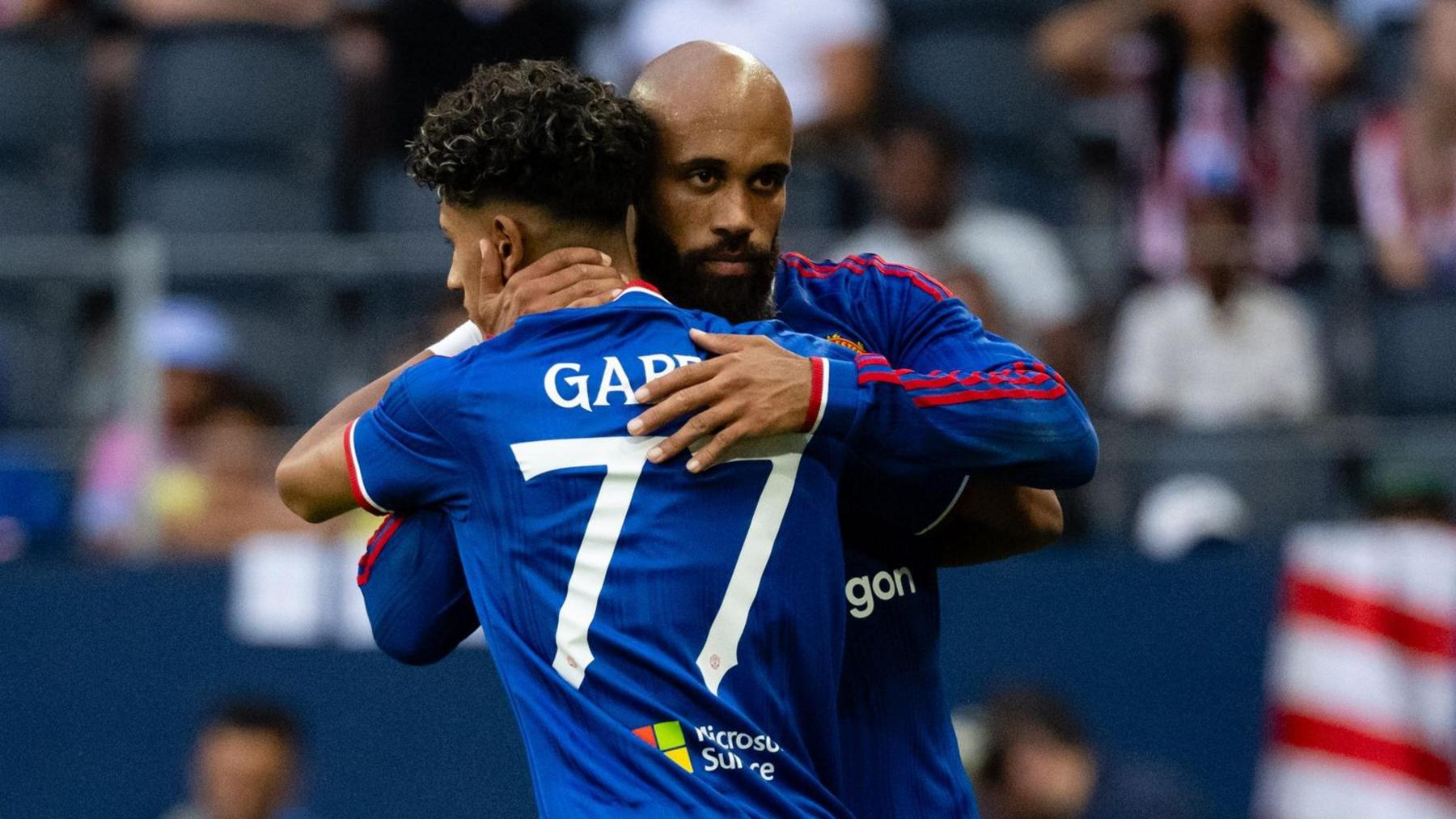 This match could be decided by the contrast between United’s need to create chances and Atlético’s ability to deny space.
Simeone may favour a compact defensive structure, potentially using a 4-4-2 shape that can become narrower when United have possession. The objective would be to protect the centre, limit access to dangerous areas and encourage United to attack from wider positions.
Carrick must respond by making Atlético defend across the entire width of the pitch.
If United’s wingers remain too narrow, Atlético can concentrate their numbers around the ball. But if United stretch the defence and move the ball quickly, gaps may emerge between the full-backs and centre-backs.
There are three decisive tactical battles to watch.
1. Midfield Control
United must find a way to progress the ball through midfield without exposing themselves to counter-attacks. Quick passing combinations and intelligent positioning could help them bypass Atlético’s pressure.
If they lose possession carelessly, however, the home side may attack before United can reorganise.
2. Width Against Defensive Organisation
Wide areas may offer United their best opportunity to create space. Overlapping runs, changes of direction and accurate deliveries into the penalty area can force Atlético’s defenders to make difficult decisions.
The danger is that attacking width must not come at the expense of defensive balance. United need enough players behind the ball to contain Atlético when attacks break down.
3. Set Pieces and Concentration
In a closely contested European fixture, corners and free-kicks can be decisive. Atlético are experienced at competing for second balls and capitalising on defensive confusion.
United must defend set pieces with discipline while looking for opportunities of their own. A well-delivered corner or a carefully rehearsed free-kick routine could provide a route to goal when open play offers little space.
Head-to-Head: The 2022 Lessons United Cannot Ignore
 The 2021/22 Champions League round of 16 provides the clearest recent competitive reference point.
Atlético secured a 1-1 draw in Madrid before winning 1-0 at Old Trafford, advancing 2-1 on aggregate. Anthony Elanga scored United’s equaliser in the first leg, but Atlético ultimately demonstrated their ability to manage the tie across two matches.
The lesson was not simply that Atlético could defend. It was that they could control the important moments, remain organised under pressure and punish opponents when opportunities appeared.
United must therefore avoid treating possession as proof of control. They need to create high-quality chances, protect their defensive structure and maintain concentration when Atlético launch attacks.
The previous meetings offer a useful tactical reference, but they cannot determine the outcome of a new match. Personnel, form and match conditions all influence how a contest develops.
Champions League Stakes: Why Every Point Matters
 The Champions League’s 36-team league phase rewards consistency. The top eight teams qualify directly for the round of 16, while teams finishing from ninth to 24th enter the knockout phase play-offs.
That format makes away points valuable, particularly against an opponent capable of challenging for qualification. A draw in Madrid could prove useful for United, but its importance would depend on their other results and the wider league-phase standings.
SEE ALSO; Michael Carrick Still Has Manchester United’s Backing — But Results Now Decide Everything
For Atlético, a strong home performance would reinforce their European ambitions and give their supporters a result to build on. For United, success would offer evidence that Carrick’s team can handle the tactical and psychological demands of elite European football.
The consequences extend beyond the pitch. Progress in the Champions League brings sporting prestige and significant financial rewards, making every step towards the knockout rounds important for both clubs.
Prediction: Can Manchester United Escape Madrid With a Result?
This fixture is likely to test United’s patience as much as their attacking quality. Atlético will want to keep the match compact, disrupt the visitors’ rhythm and exploit any mistakes. United must find the balance between controlling possession and attacking with enough speed to threaten the home defence.
The visitors’ best route to a positive result may be a disciplined opening, followed by faster attacks when space becomes available. They must also be prepared to defend without the ball and avoid giving Atlético easy opportunities from transitions and set pieces.
A low-scoring contest is a plausible scenario, although the final outcome will depend on team selection, current form and the quality of chances created.
The decisive question is whether United can turn possession into genuine danger without losing the defensive discipline that this fixture demands. If they can, they have a route to a valuable result. If they cannot, Atlético’s organisation and home advantage could make another difficult European night for the visitors.
Can Manchester United break Simeone’s defensive wall, or will Atlético Madrid make the Metropolitano a fortress once again?
Share your prediction in the comments and follow The Football Xtra for more Champions League previews and tactical analysis.