


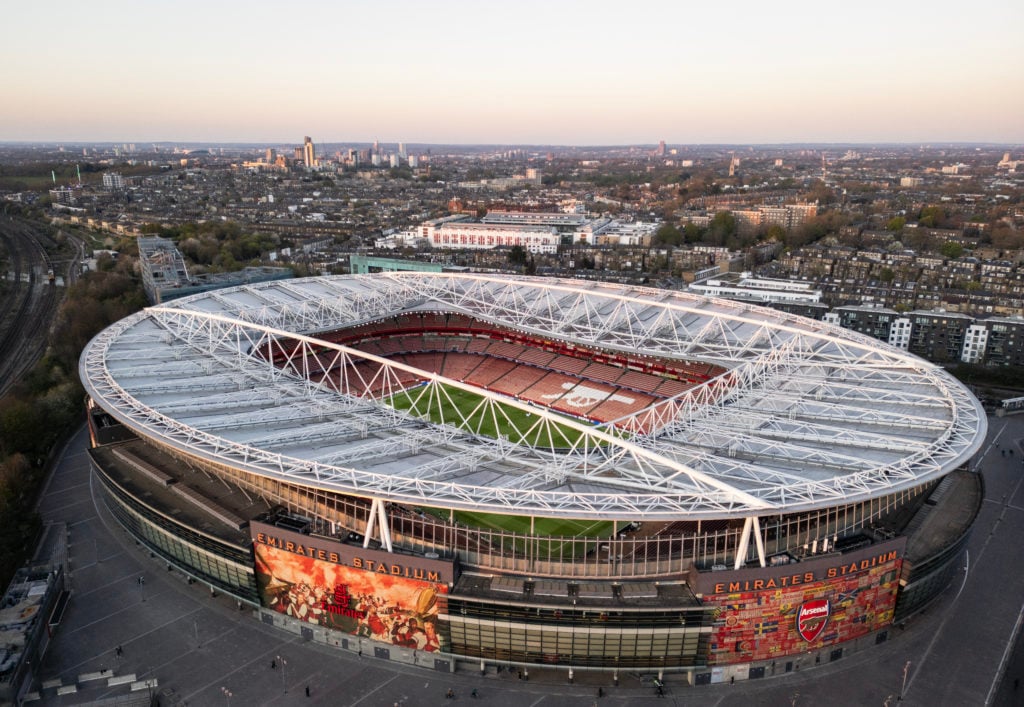
Arsenal have spent years trying to make the Emirates Stadium feel smaller on matchday. Now, with demand for tickets at a historic high, the club have had to confront the opposite question: should the stadium become much bigger?
A major redevelopment has been under review, with outside reports discussing an eventual capacity of around 80,000. For a club whose home currently holds just over 60,000 supporters, that would be a transformative jump. Yet Arsenal have stepped away from a large-scale rebuild for now and are focusing instead on more limited improvements around hospitality, retail, safe standing and the wider matchday experience.
The decision can look conservative when the waiting list for tickets is enormous and Arsenal are operating again as Premier League champions. But the economics, construction risk and sporting disruption explain why a bigger stadium is not automatically the smartest next move.
Why an 80,000-seat Emirates is attractive
The basic argument is easy to understand. Arsenal have more supporters wanting seats than the Emirates can accommodate, and matchday income has become a major part of the club’s financial strength. Adding thousands of extra general-admission seats would create more ticket revenue, more food and beverage sales and a larger base of supporters attending regularly.
It would also move Arsenal closer to the scale of Europe’s biggest modern venues. At a time when elite clubs are trying to grow revenue without depending entirely on transfer sales or owner funding, stadium income is one of the few areas a club can control over decades rather than seasons.
The timing appears tempting. Arsenal’s first league title in 22 years has changed the mood around the club, while the team are again competing deep into major competitions. Demand is not being created by a marketing campaign; it already exists.

The problem is what Arsenal would have to sacrifice
A stadium expansion of that scale is not just a construction project. It can interfere with the football operation itself. Significant work could reduce capacity for periods, alter access around the ground or even force Arsenal to play selected matches elsewhere. Wembley has previously been discussed as an emergency or temporary option when major London clubs undertake stadium work.
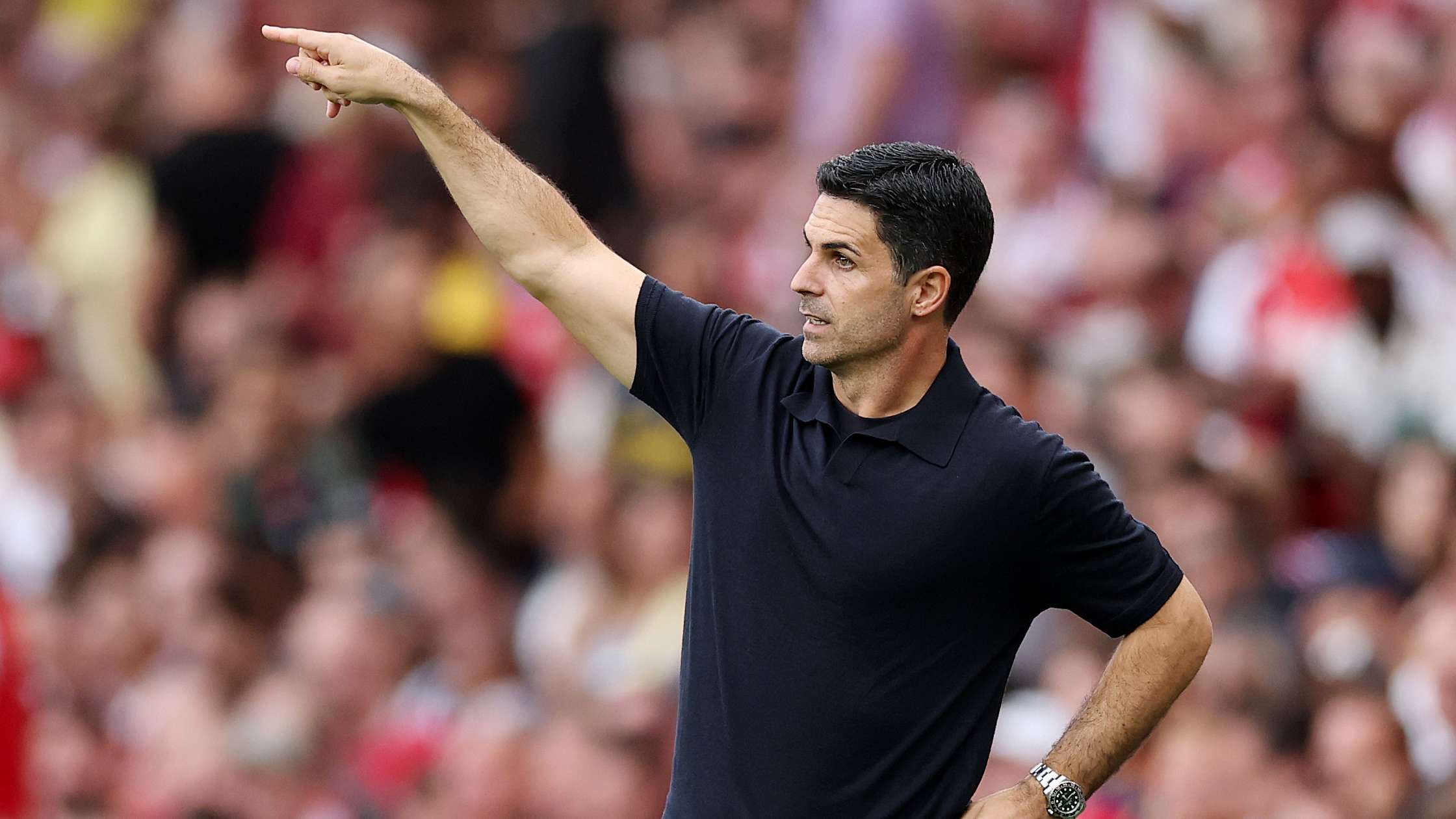
For Mikel Arteta, that matters. Home advantage is not an abstract concept when a title race can be decided by one or two results. The Emirates has become louder and more intimidating in recent seasons, and changing the environment during a competitive cycle carries a cost that is difficult to price.
Former Arsenal defender Martin Keown has made a related argument: success should come first. His view is that Arsenal should build a longer period of dominance before trying to turn a 60,000-seat ground into an 80,000-seat one. The point is not that the stadium should never grow, but that timing matters.
Arsenal can still grow revenue without adding 20,000 seats
The club’s current direction suggests a more targeted approach. Improving hospitality can raise revenue per seat without rebuilding an entire stand. Better retail spaces increase spending around matchdays. Safe-standing changes can improve atmosphere and potentially make parts of the ground more efficient, while upgrades to concourses and access can make the existing capacity work harder.
That is important because stadium economics are not simply about the headline number above the turnstiles. A high-value hospitality seat can generate several times the annual income of a standard seat. Clubs increasingly design stadium projects around premium experiences, restaurants, lounges, events and year-round commercial use.
Arsenal have already shown they are prepared to invest heavily in the squad while expanding the commercial side of the business. The Football Xtra previously examined how Arsenal’s spending has changed under Arteta, and the stadium debate is another part of the same question: how does the club turn sporting success into sustainable financial power?
The atmosphere question is more important than it sounds
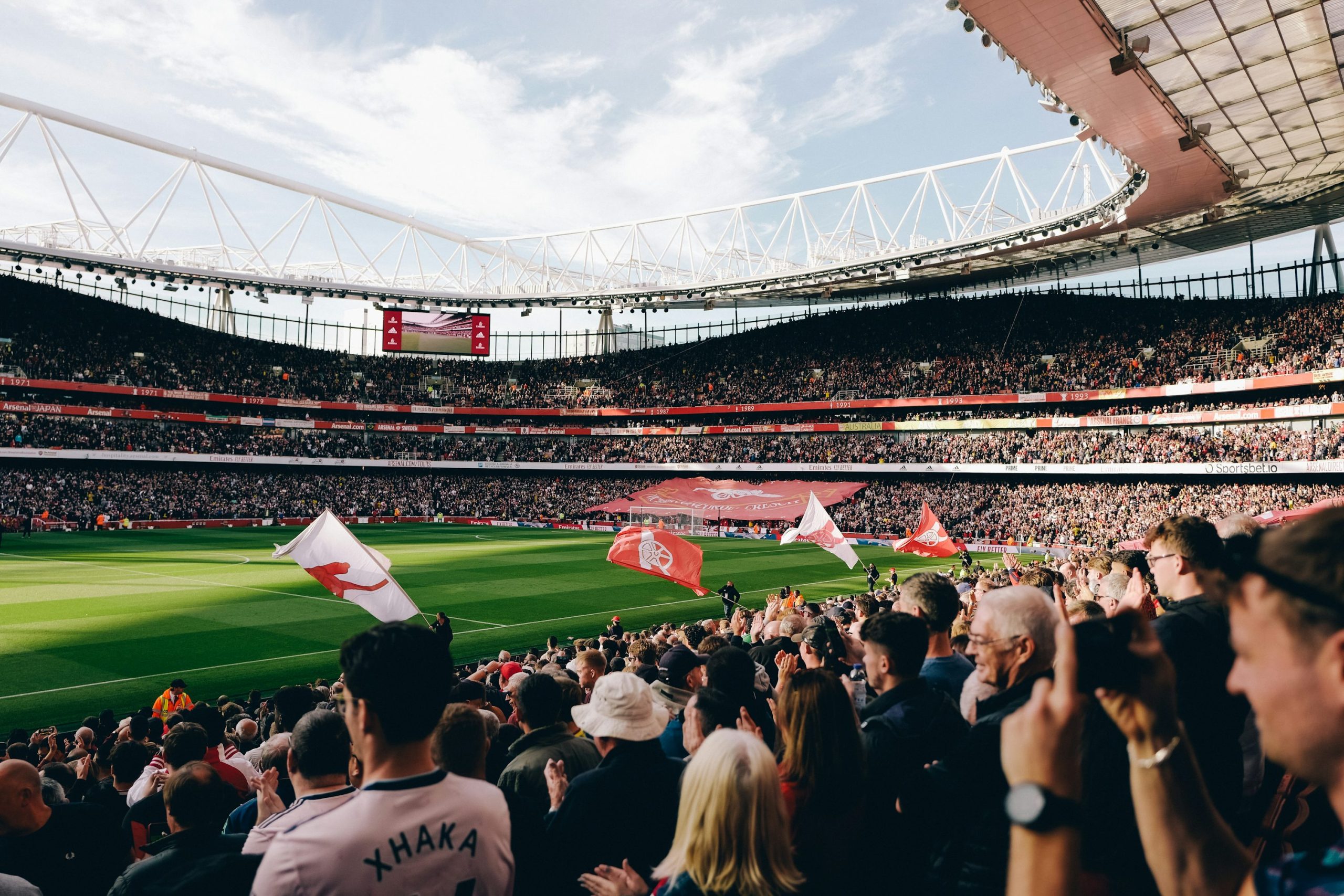
There is also a cultural calculation. Adding 20,000 people does not automatically make a stadium 30 per cent louder. If the expansion changes where vocal supporters sit, increases the proportion of occasional visitors or pushes ticket pricing further upward, the atmosphere can become less intense even as attendance rises.
That is why Arsenal’s work around safe standing and supporter consultation matters. The Emirates spent years fighting a reputation for being too quiet. The current generation of supporters has helped reverse that. A future expansion has to protect the character Arsenal have finally rebuilt.
The bigger stadium question has not disappeared
Shelving a major rebuild now does not mean Arsenal have rejected expansion forever. The pressure that created the discussion remains: the club have far more ticket demand than supply, London land is expensive, rivals continue to grow commercial income and the Emirates will eventually need another major phase of modernisation.
The key difference is urgency. Arsenal do not need to chase 80,000 seats simply because they can imagine filling them. They can improve the existing stadium, protect home advantage and keep the option of a larger project open for a period when construction can be managed with less sporting risk.
If the team continue winning and the waiting list remains huge, the argument for expansion will become stronger rather than weaker. The club’s decision is therefore better understood as a sequencing choice: maximise the Emirates they have, keep winning inside it, and only then decide how much bigger Arsenal’s home really needs to become.
Read Here: Premier League 2026/27: the early reality check shaping the title race.