

Barcelona’s 7-0 win over Real Madrid was the kind of scoreline that can distort a rivalry. It looks like one extraordinary afternoon, but the more revealing story is that the result fitted a pattern that Madrid have still not managed to break.
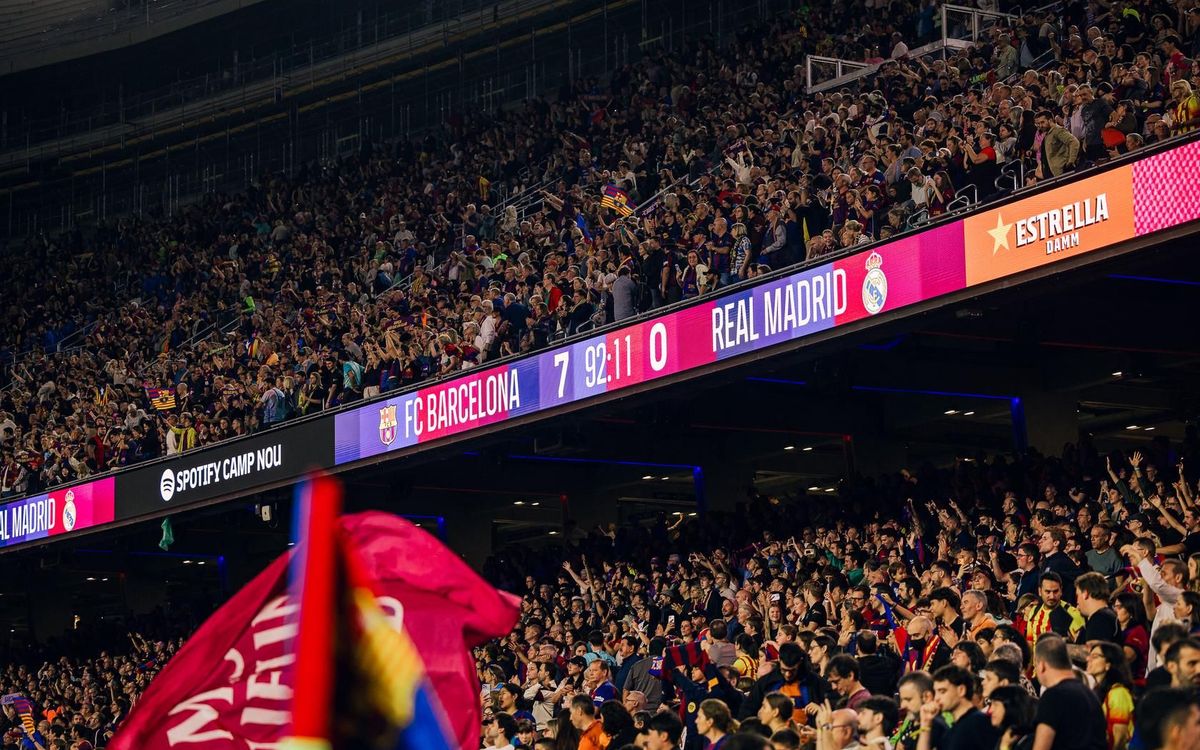
Clàudia Pina scored four times before half-time, Caroline Graham Hansen added another before the interval, Ewa Pajor struck after the restart and Sydney Schertenleib completed the scoring late on. In front of 40,533 supporters, a record crowd for a Liga F match, Barcelona turned the women’s Clásico into a demonstration of how far their attacking structure remains ahead of their biggest domestic rival.
Real Madrid have changed personnel, invested heavily and become a more serious European team. Yet against Barcelona, the gap is still visible in the speed of decision-making, the quality of pressing and the number of players capable of deciding the same attack.
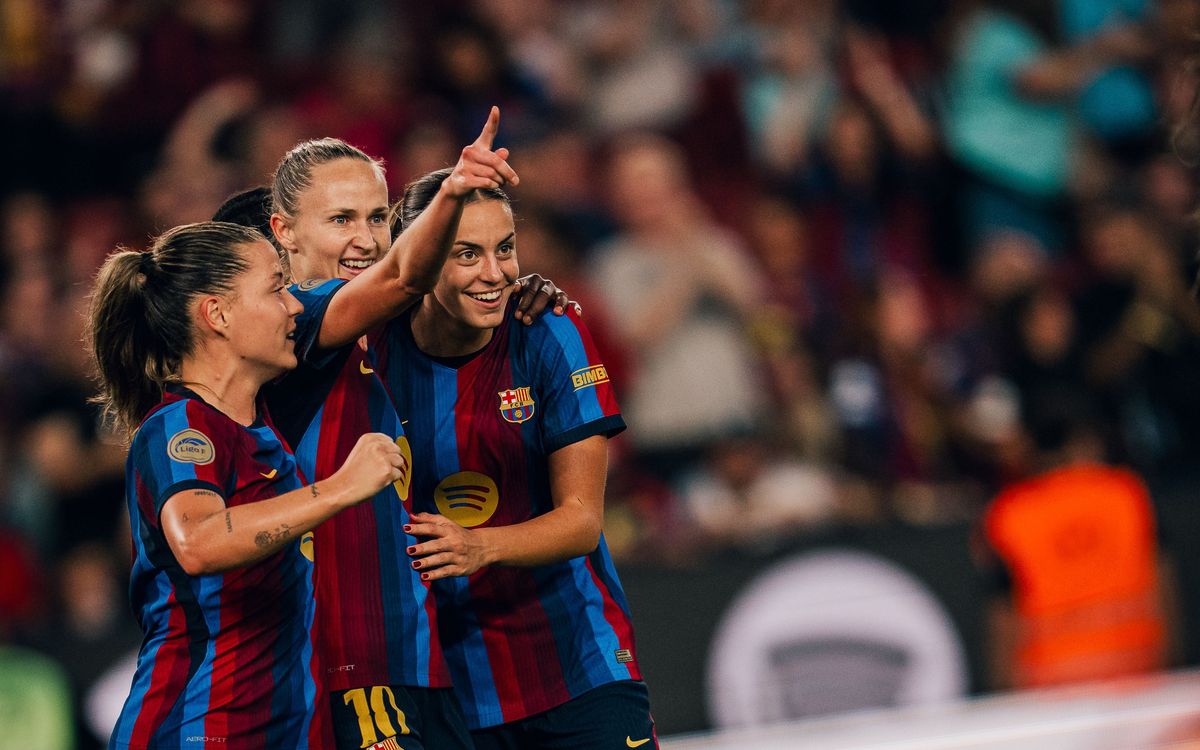
Pina’s four goals were a product of more than finishing
Scoring four times in a Clásico guarantees the headlines, and Pina became the first Barcelona player to do it against Real Madrid. But the important detail was where the chances came from.
Barcelona repeatedly moved Madrid’s defensive block before attacking the space it left behind. Pina was not standing between the centre-backs waiting for service. She arrived into dangerous zones after the first movement had dragged defenders away, which gave her cleaner shooting angles and made marking her much more difficult.
That is one reason Barcelona can make dominant performances look effortless. Their forwards do not attack as isolated individuals. One player widens the pitch, another occupies the last line, a midfielder arrives between lines and the final runner attacks the space that has just been created.
Pina’s finishing was ruthless, but Barcelona’s spacing made ruthlessness possible.
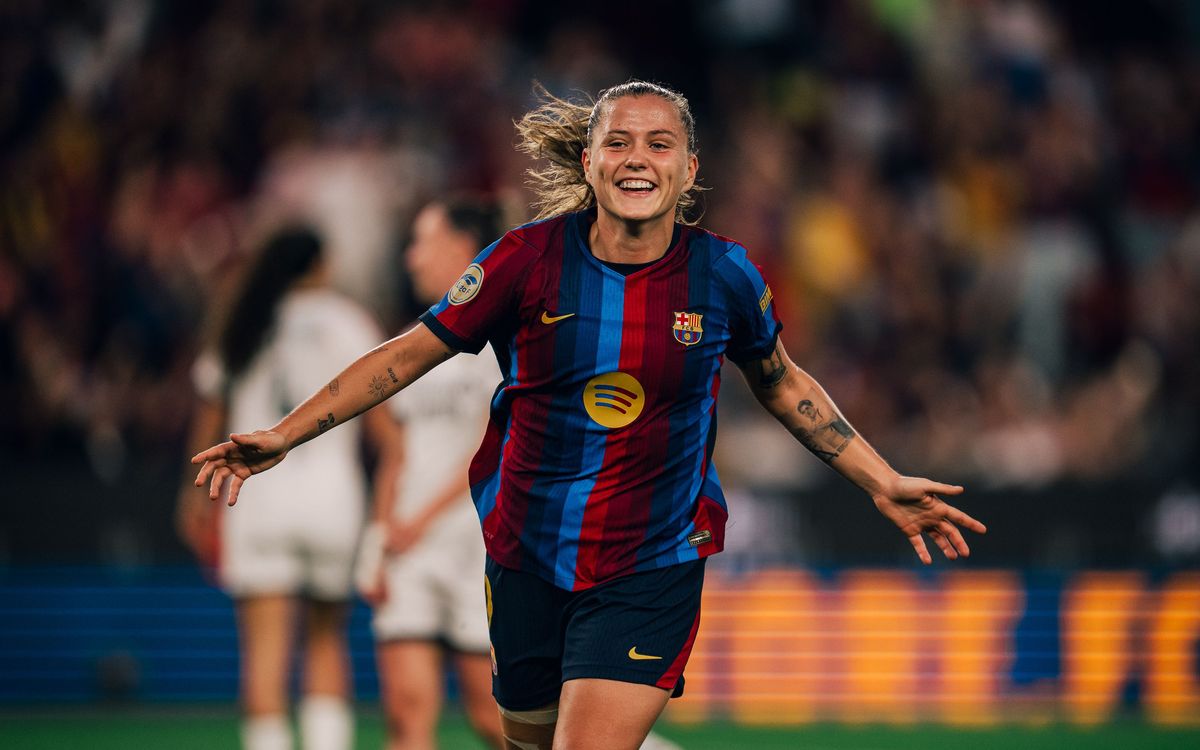
Real Madrid could not slow Barcelona’s first pass forward
The most damaging phase for Madrid was not simply defending inside their own penalty area. It was the moment immediately after they lost possession. Barcelona recovered the ball and played forward before Madrid could rebuild their shape.
That created repeated situations where defenders were running towards their own goal instead of facing the play. Against players as technically secure as Pina, Graham Hansen and Pajor, those transitions become almost impossible to control if the first pressure is late.
Madrid’s summer overhaul was supposed to make the team more capable of handling matches like this. There has been progress in other competitions and against other opponents, but Barcelona are an unusual benchmark. Their press is coordinated, their midfield is comfortable receiving under pressure and their wide players can punish either a narrow or stretched defensive block.
The result therefore exposed a structural problem rather than one bad defensive performance. Madrid were not only beaten in individual duels; they were repeatedly moved into positions where the next duel was already difficult.
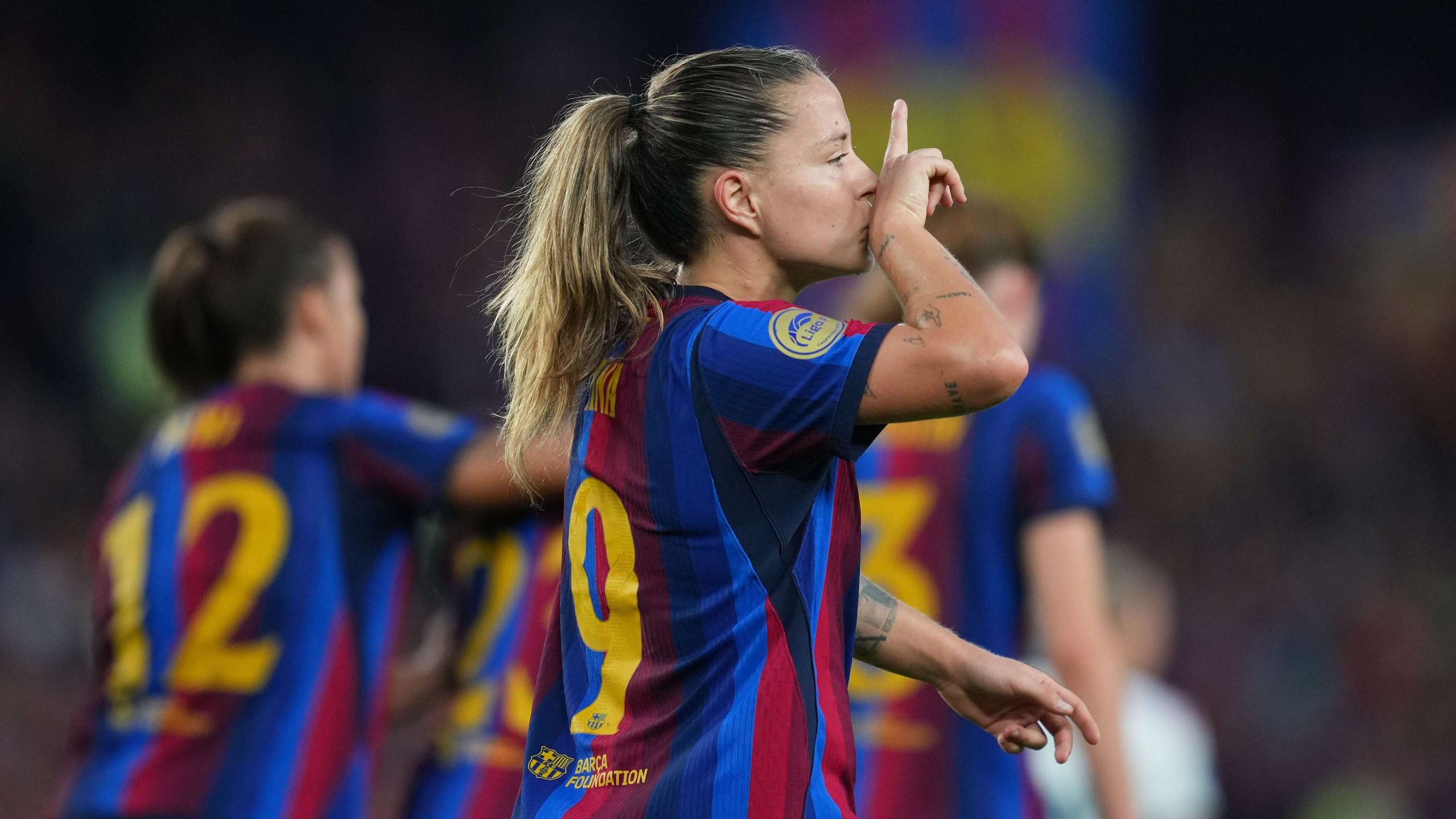
The rivalry has grown commercially faster than it has competitively
The crowd of 40,533 matters because it shows the Clásico is becoming a major event in its own right. Barcelona and Madrid can now attract national and international attention to the fixture, create sponsor value around it and pull supporters into a women’s football product that has expanded rapidly.
But a rivalry needs competitive uncertainty as well as brand power. Real Madrid have managed only one victory over Barcelona in their first 25 meetings across competitions. That record shapes the psychology of the fixture before kick-off. Barcelona enter expecting to impose themselves; Madrid still appear to enter needing almost everything to go right.
This is where the next stage of Madrid’s project has to be measured. Closing the gap does not require immediately matching Barcelona’s trophy history. It requires producing Clásicos in which Barcelona cannot play at their preferred rhythm for long stretches.
Barcelona’s academy and continuity still provide an edge
Barcelona’s advantage is not only a bigger collection of stars. The team has continuity in its positional principles. New players enter a structure that already has clear reference points: where the full-back should stand, when the winger stays wide, which midfielder drops and how the press begins after possession is lost.
That reduces the amount of time players need to think. Against Madrid, those fractions of a second became decisive. Barcelona knew the next movement earlier, which is why passing sequences often appeared faster than the opposition’s reactions.
The same broader club identity is visible in the men’s side, where young players have also been trusted with major responsibility. The Football Xtra’s analysis of Pau Cubarsí’s Golden Boy case shows how Barcelona continue to build around players educated in a clear technical model.
For Madrid, the target is control before revenge
The temptation after a 7-0 defeat is to talk about response, pride and the next Clásico. The more useful work is less emotional. Madrid need more control in midfield, cleaner exits against Barcelona’s press and a defensive structure that can survive losing the ball high up the pitch.
They also need time. Barcelona have won the league repeatedly with a core that understands how to dominate these games. Madrid are still trying to build the habits required to challenge that level consistently.
For Barcelona, the danger is assuming the gap will remain permanent. Madrid’s resources and the growth of Liga F mean the challenger is unlikely to stop investing. But the 7-0 showed that money and recruitment alone do not erase years of tactical continuity.
Barcelona did not merely have better finishers on the day. They controlled where the match was played, how quickly it moved and which team was forced to react. Until Madrid can change those three things, the Clásico will continue to look more established as an event than as an even contest.
Read Here: How Barcelona’s Lamine Yamal is redefining Spain’s attack.