
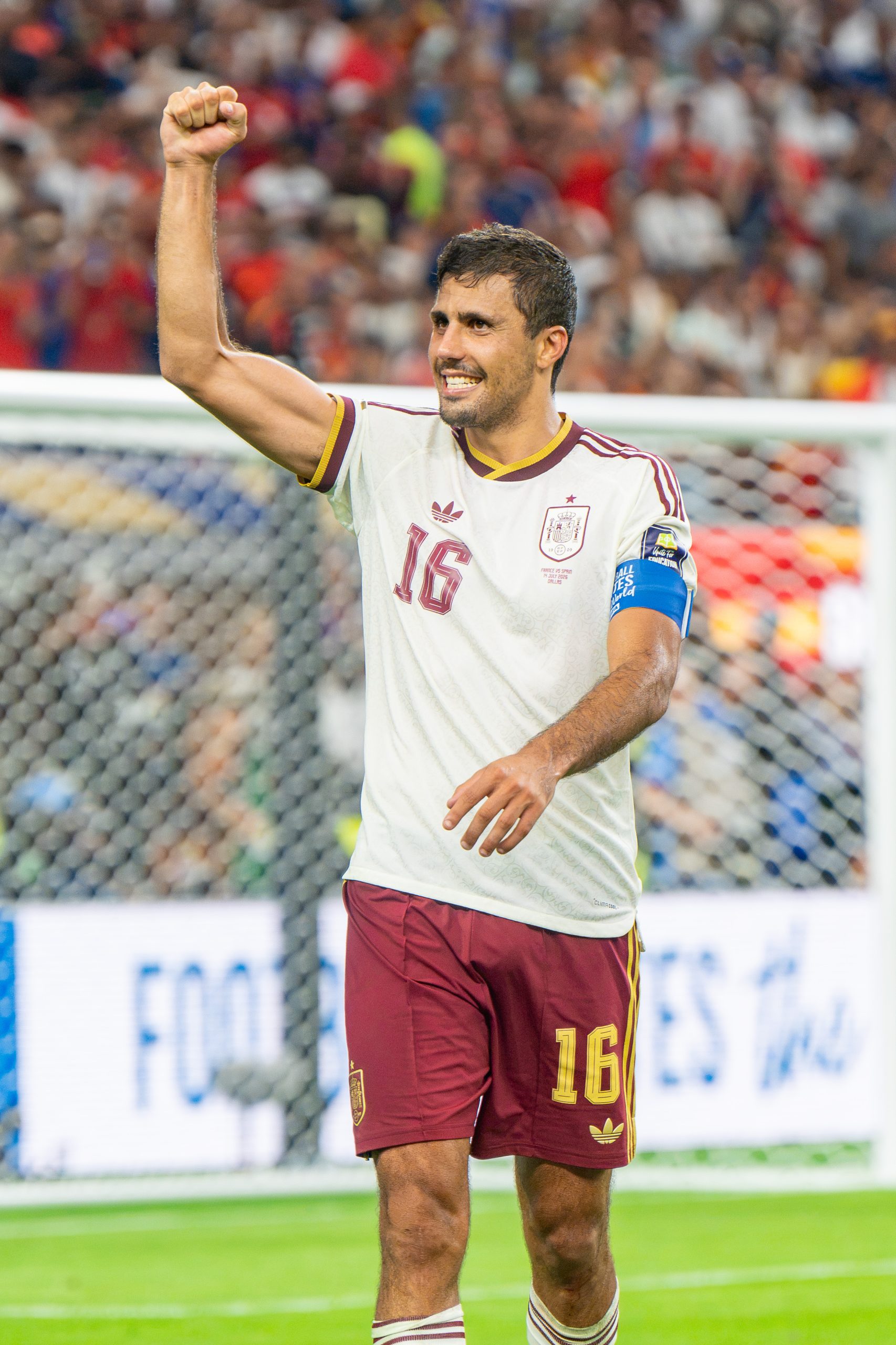
Real Madrid did plenty of business in the summer. José Mourinho received new defenders, experience, athleticism and another creative option. Yet the first weeks of the season have kept dragging the conversation back to the midfielder who did not arrive.
Rodri chose Barcelona after Madrid pushed hard for his signature. Mourinho later played down the failure, pointing to the quality already available to him. The early evidence, however, explains why the Spain captain had been such a specific target. Madrid do not lack midfielders. They sometimes lack control.
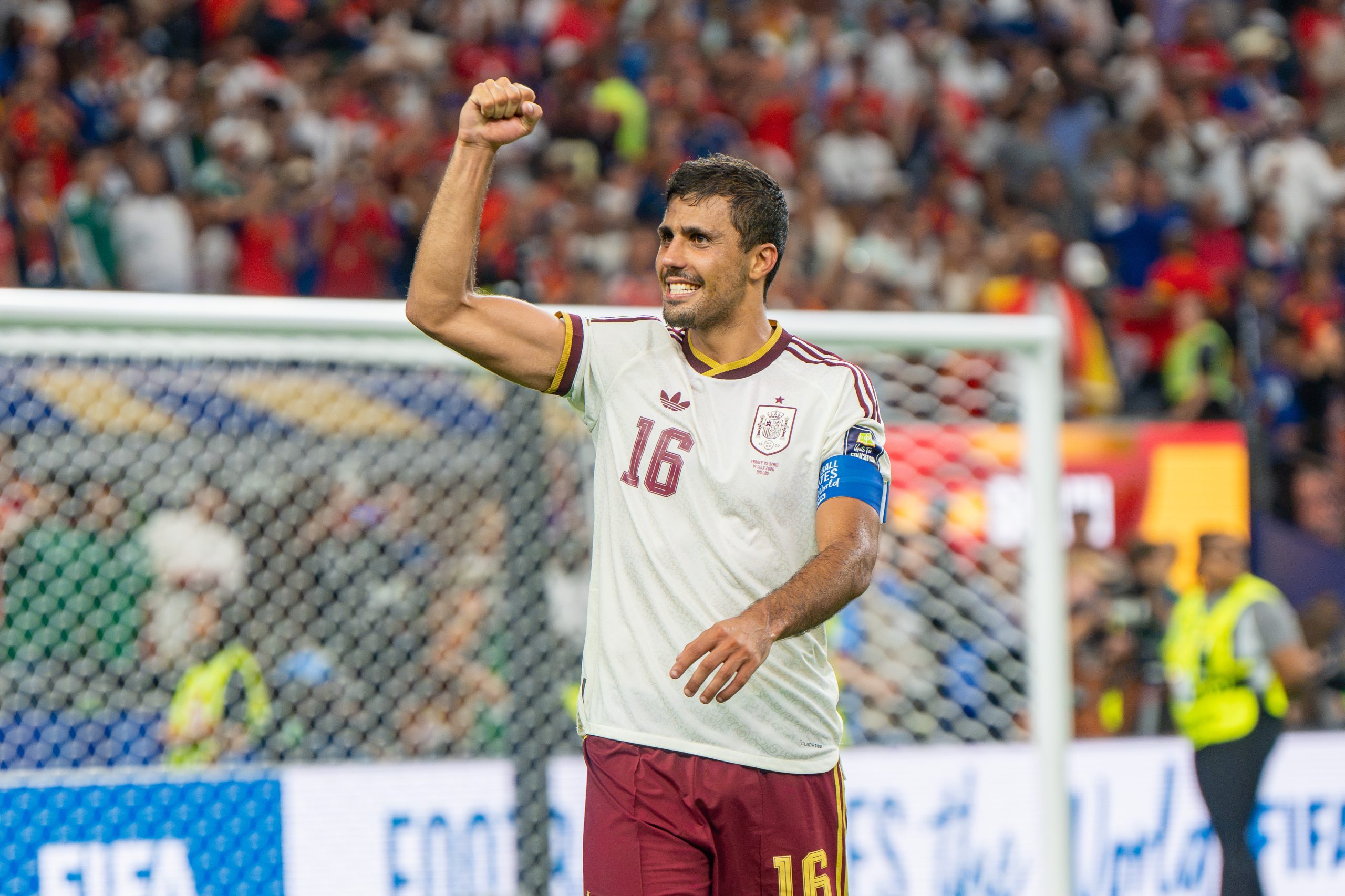
Mourinho wanted control, not simply another midfielder
A squad containing Aurélien Tchouaméni, Eduardo Camavinga, Federico Valverde, Bernardo Silva and Arda Güler should not be described as short of midfield talent. The problem is that those players solve different problems.
Rodri’s appeal was positional. He can receive under pressure, slow a match down, move the ball through the first two lines and protect the centre when attacks break down. Mourinho called him the cherry on top after the move failed, but the original pursuit suggests Madrid wanted precisely that kind of organiser.
Read Here: Why Vinícius Júnior’s struggles are part of Mourinho’s wider Real Madrid challenge.
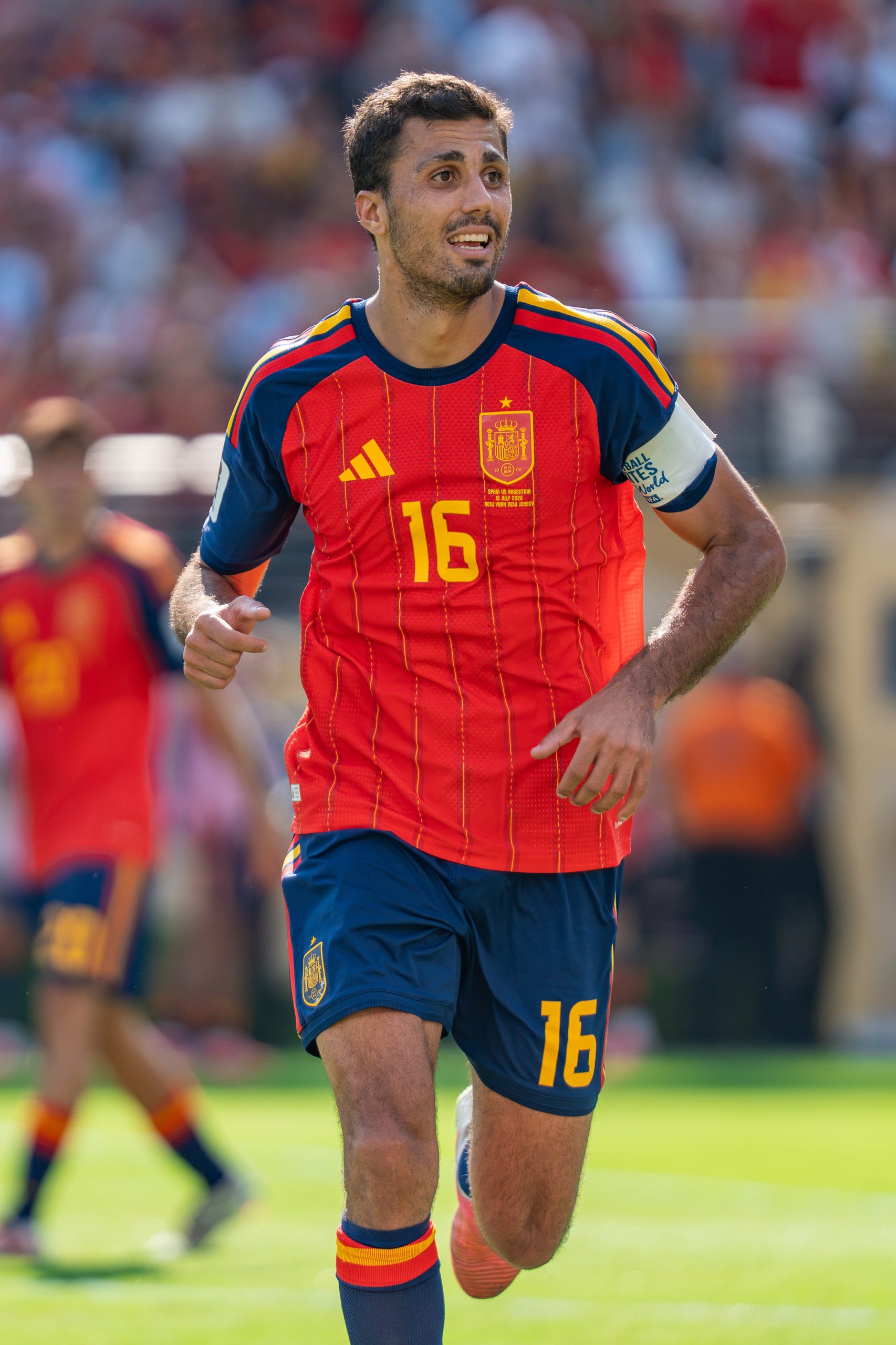
Barcelona did not only sign a player — they denied Madrid a solution
That is what makes Rodri’s choice more painful for Madrid. Barcelona strengthened an area central to their own possession game while removing the player most obviously suited to solving one of their rival’s structural problems.
Madrid can still dominate matches through talent. They can break quickly through Vinícius, use Bernardo between the lines and ask Valverde to cover enormous distances. But against opponents who press intelligently, the build-up can become dependent on individual escapes rather than a repeatable rhythm.
The defensive problem begins before the back four
Mourinho also wanted another central defender, and injuries have exposed the lack of depth there. But a defence is not protected only by defenders. When midfield spacing is poor, centre-backs have to step into larger areas and full-backs are asked to defend transitions with fewer numbers around them.
A controlling midfielder does not eliminate those problems. He can reduce how often they appear by helping the team decide when to accelerate and when to keep the ball.
Mourinho’s summer rebuild was substantial, but incomplete
Madrid added Ibrahima Konaté, Denzel Dumfries, Marc Cucurella, Bernardo Silva and other pieces designed to change the balance of the squad. That is significant investment and gives Mourinho little room to argue he was not backed.
At the same time, recruitment is not judged only by the number of arrivals. The missing profile can matter more than the sixth signing. Madrid’s early inconsistency has made the abandoned pursuit of Rodri look less like a luxury request and more like a clue to how Mourinho wanted his team to function.
The answer may have to come from within the squad
There is no point spending the autumn coaching a player who is now at Barcelona. Mourinho has to manufacture control from what he has. Bernardo can drop deeper, Tchouaméni can take more responsibility in first-phase possession and Güler can be used closer to the ball rather than waiting higher between the lines.
The solution does not have to look exactly like Rodri. It has to reproduce enough of the functions Madrid wanted from him: secure possession, clean progression and better protection when the ball is lost.
The schedule will test whether that adaptation is real. Against weaker sides, Madrid’s individual quality can hide structural flaws. Against teams that press high or attack transitions quickly, the midfield has to control the game before the forwards can decide it. That is why a transfer that never happened remains relevant weeks after the window closed.