
Zinedine Zidane’s first match in charge of France at the Stade de France delivered almost everything except the win. France had more of the ball, created the larger share of the pressure and went ahead through Michael Olise, but Italy left Paris with a 1-1 draw after Alessandro Bastoni equalised.
The result ended Zidane’s perfect start after two 1-0 away wins, yet it also offered more useful information than another narrow victory might have done. France had to solve a deep defence, respond to an equaliser and then survive the final minutes with 10 men after Dayot Upamecano’s dismissal.
France controlled the ball but not the match
France finished with roughly two-thirds of possession and produced more shots, but possession was not the same as complete control. Italy were willing to defend compactly, protect the centre and wait for moments when France’s attacking shape became stretched.
Gianluigi Donnarumma was central to the draw. He made important saves when France increased the tempo, including a strong sequence early in the second half. That is the detail Zidane will focus on: his team reached dangerous areas often enough to win, but did not convert dominance into separation on the scoreboard.
Read Here: How Zidane approached his first major away test with France.
Olise gives Zidane a reliable source of invention
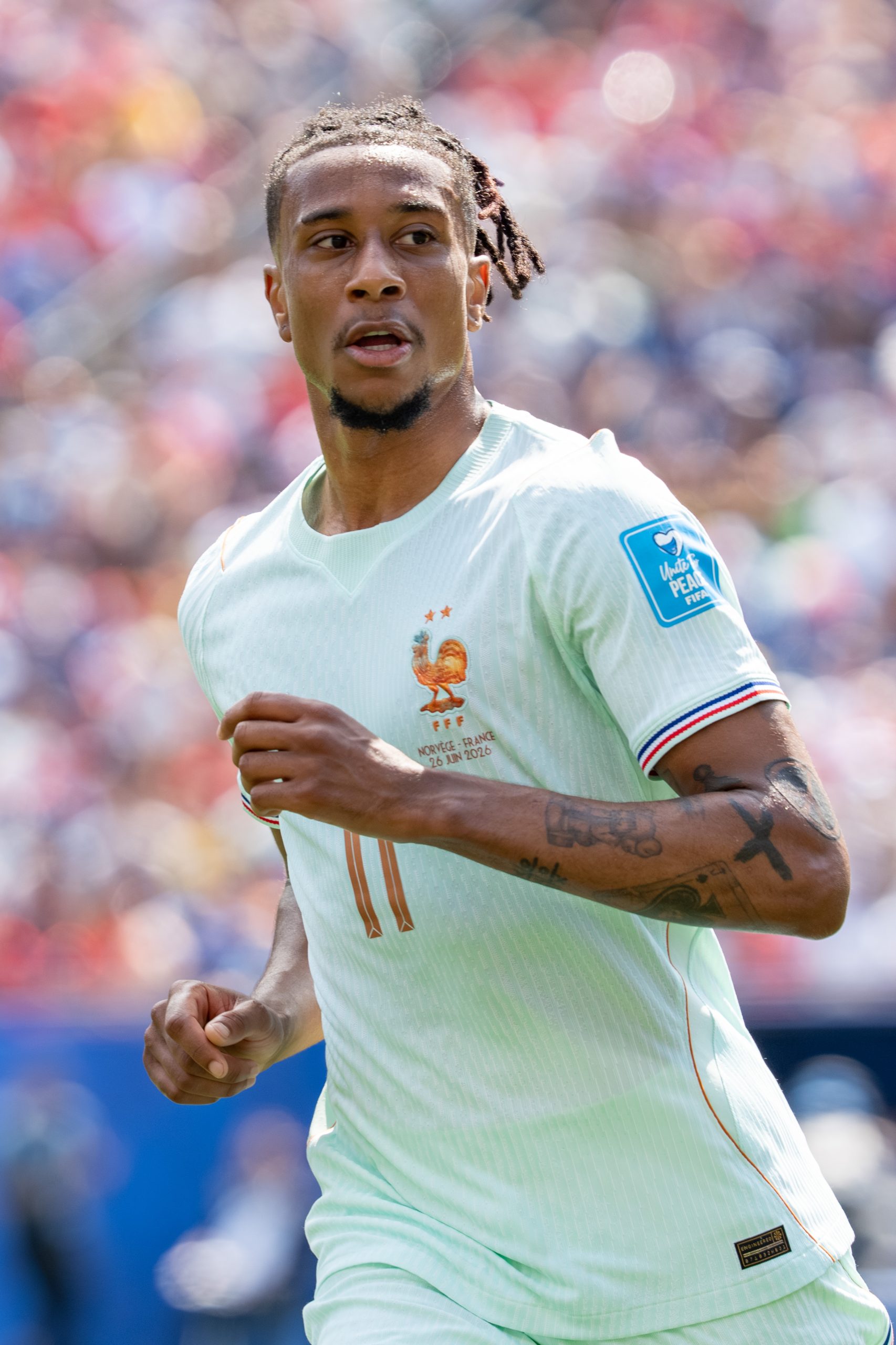
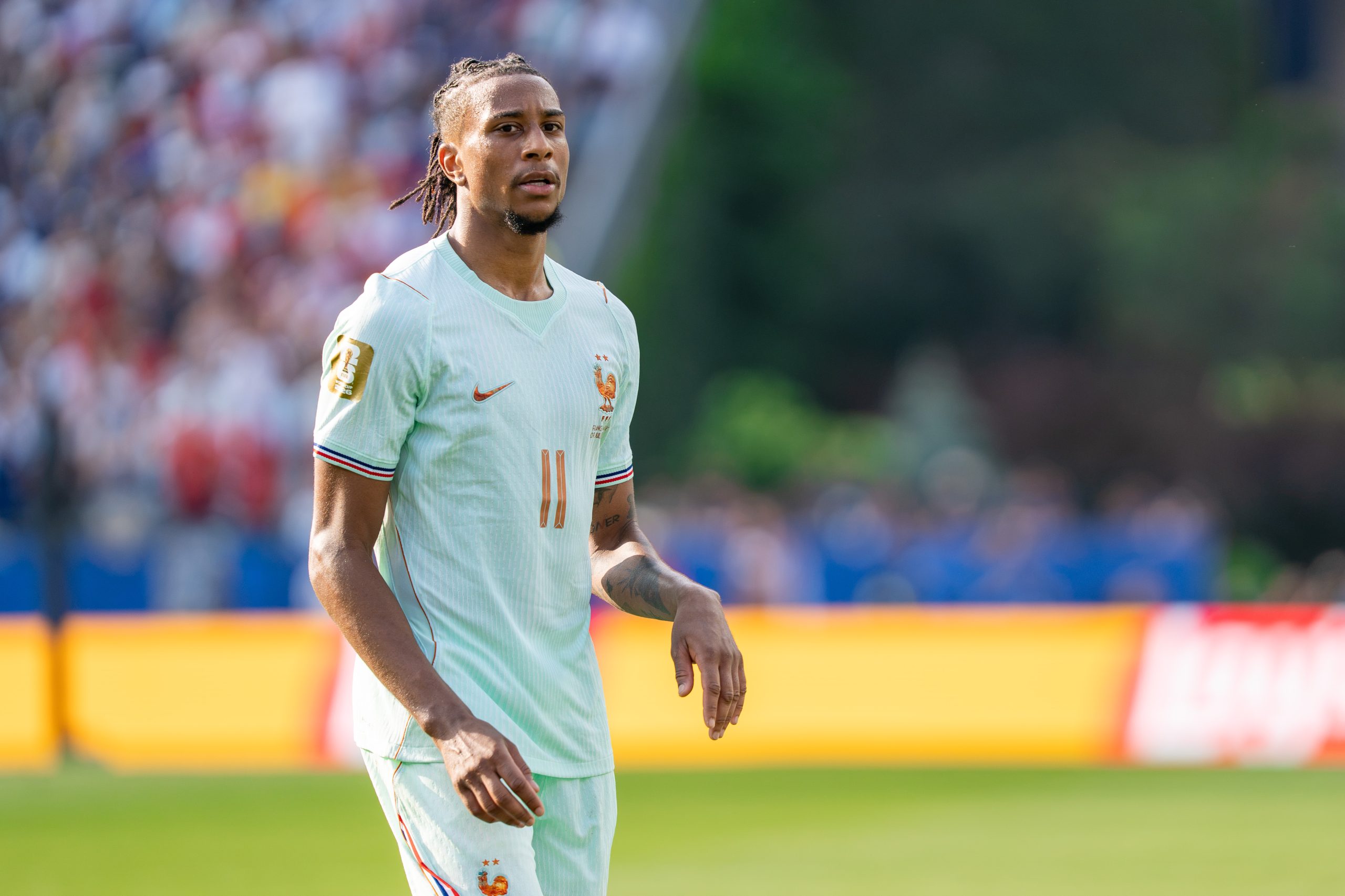
With Kylian Mbappé unavailable, France needed another player to take responsibility in the final third. Olise did it again. His second-half goal came after a short free-kick routine and a curling finish that went in off the crossbar.
His importance is becoming broader than goals. Olise can begin wide, drift inside, receive between midfield and defence and create from areas that are difficult for a full-back to follow. That flexibility gives Zidane a way to move opponents without constantly changing personnel.
The next step is turning dominance into repeated clear chances
France have enormous attacking talent, but the best international sides are not simply collections of dribblers. They create repeatable patterns. Zidane’s task is to make the relationships around Olise, Désiré Doué and the central striker predictable to team-mates but difficult for opponents to read.
Against Italy, some attacks were excellent and others depended on an individual producing something from a static position. That is normal early in a new coaching cycle, but it is also where the biggest improvement can come.
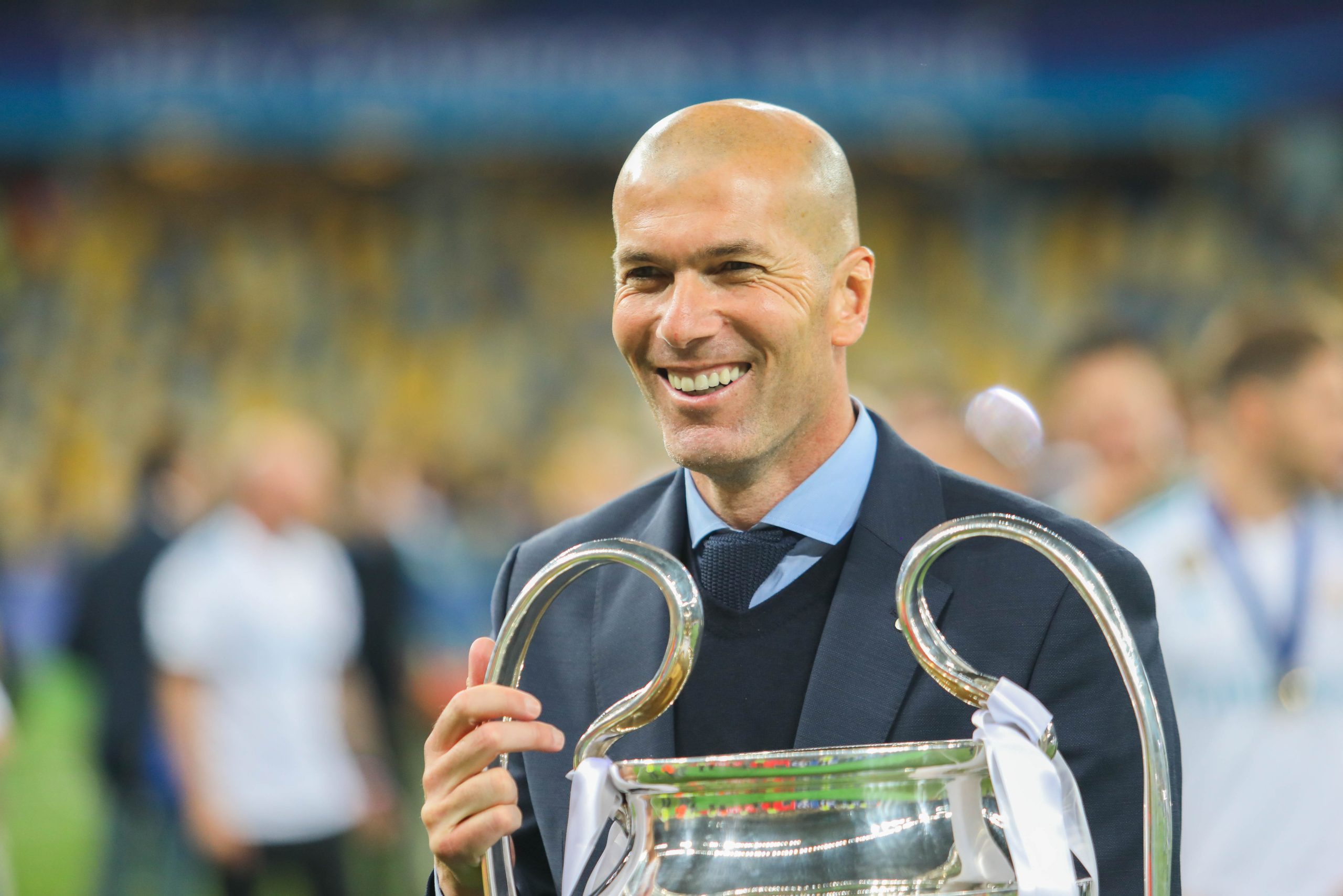
Upamecano’s red card changed the ending
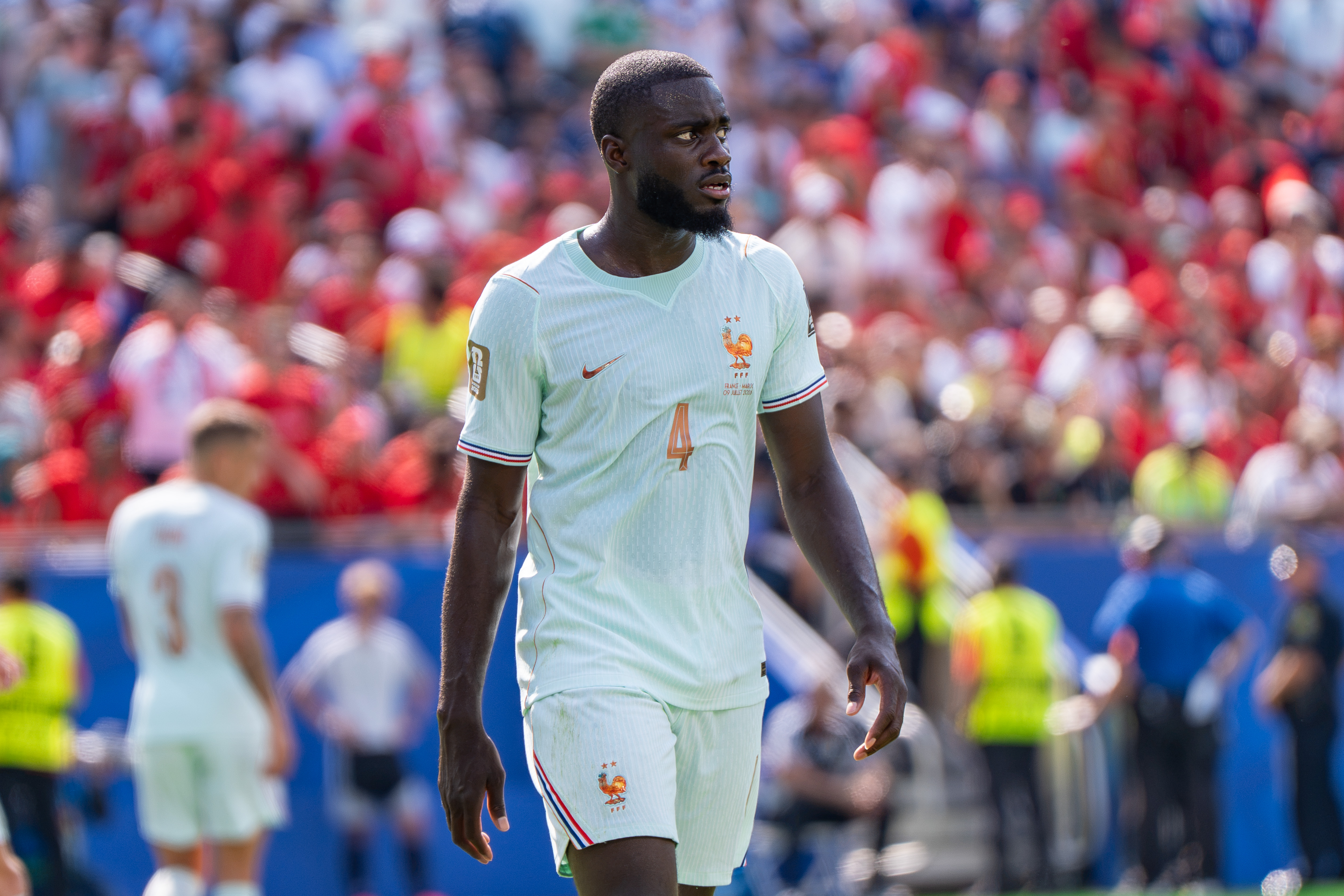
France were still pushing when Upamecano received a second yellow card late in the match. The dismissal changed the risk calculation immediately. A team searching for a winner suddenly had to protect itself against an opponent with an extra player.
The response was encouraging. France did not collapse into panic and still found a way to threaten in stoppage time. That matters because tournament football often includes uncomfortable phases that cannot be rehearsed perfectly.
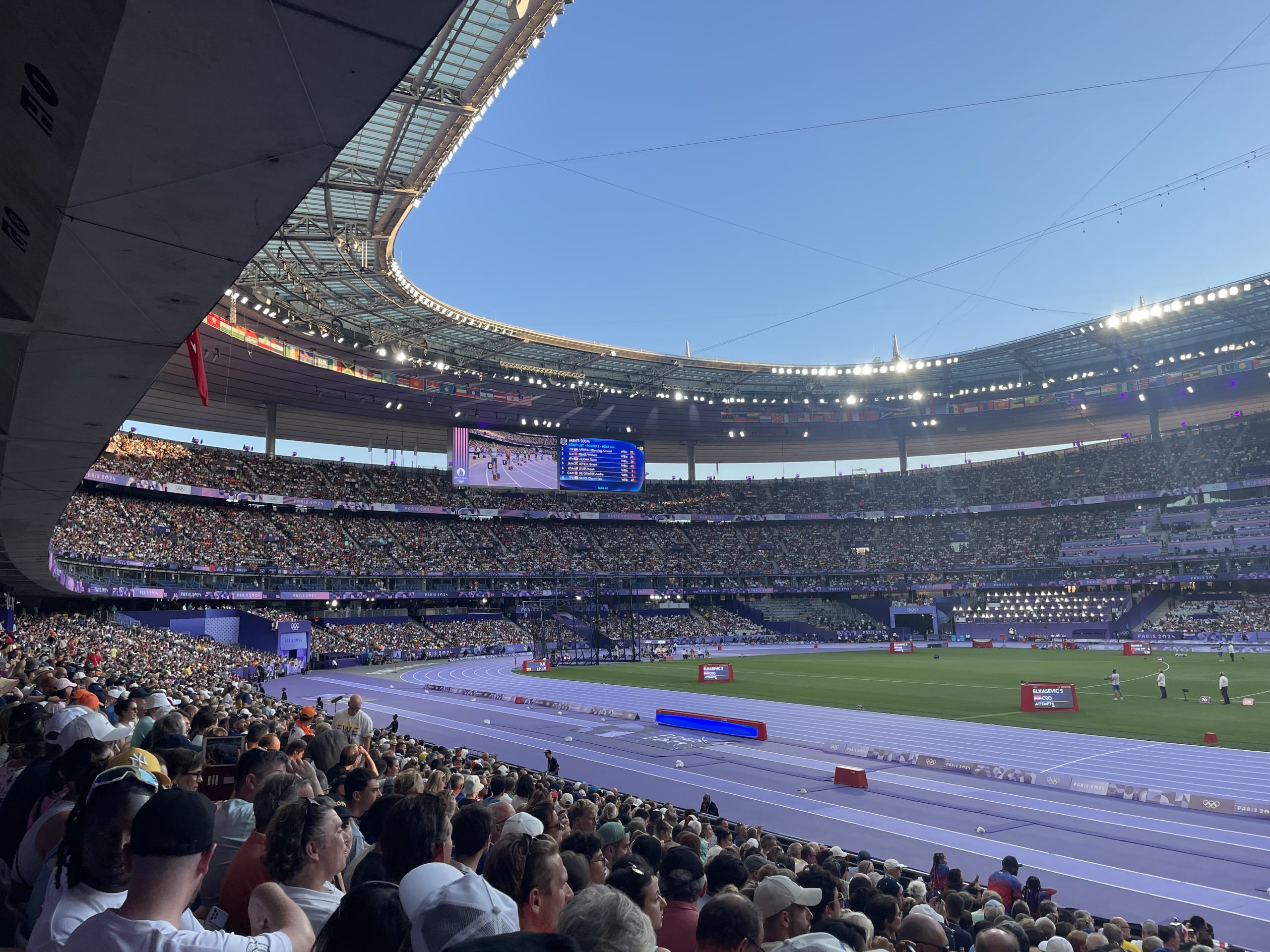
The group remains in France’s hands
The draw leaves France top of their Nations League group, one point ahead of Belgium. That is a solid position, especially after opening the campaign with two away victories.
Zidane will still see areas to sharpen. France need cleaner occupation of the penalty area, more consistent pressure after losing the ball and better control of moments when centre-backs are pulled away from their line.
The first home night was therefore neither a setback nor a statement performance. It was a useful test. France showed enough attacking quality to create against an experienced Italy side, but also enough imperfection to give Zidane clear work for the next camp. Olise’s form is providing the spark; the next challenge is building a structure that makes that threat repeatable across 90 minutes.