Barcelona’s perfect start to the season is over—and Paris Saint-Germain have exposed a weakness Hansi Flick must address before it becomes a recurring problem.
PSG 4-2 Barcelona was a Champions League thriller that produced six goals, dramatic momentum shifts and a decisive late surge from the reigning European champions. Barcelona twice fought back to level the score, first through Xavi Espart and later through Lamine Yamal, but PSG found another gear when the match entered its decisive final stages.
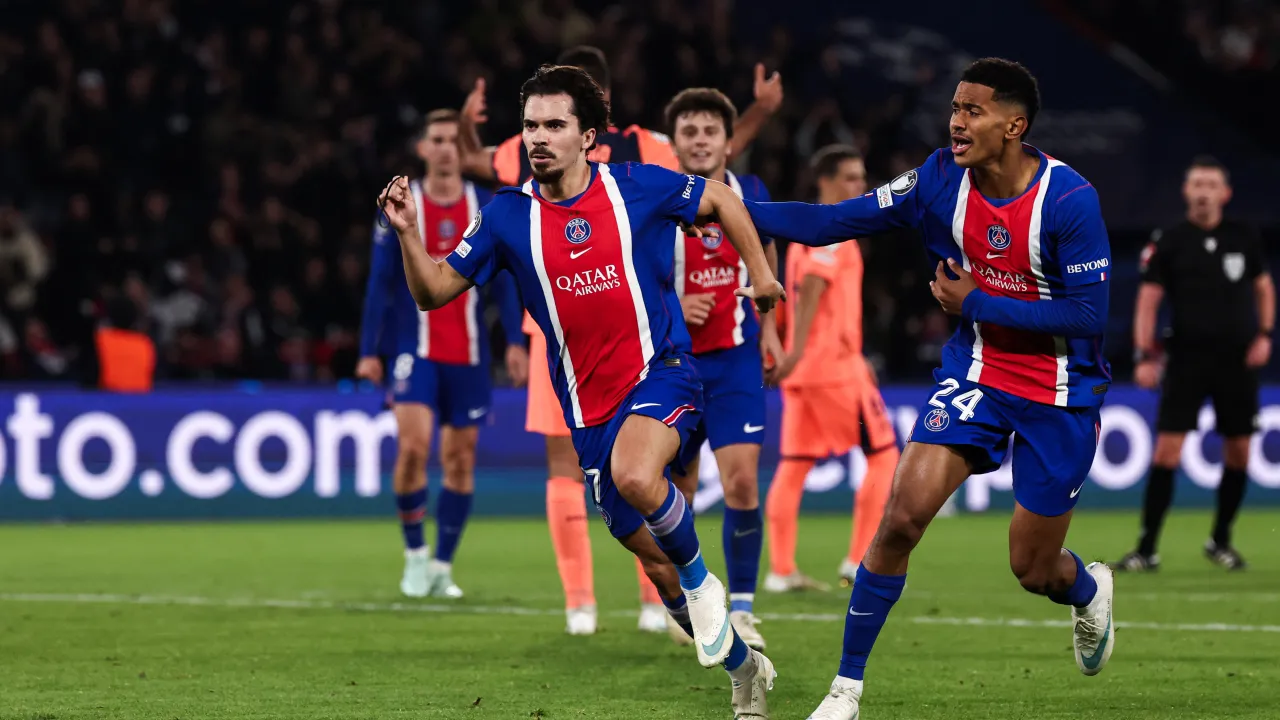
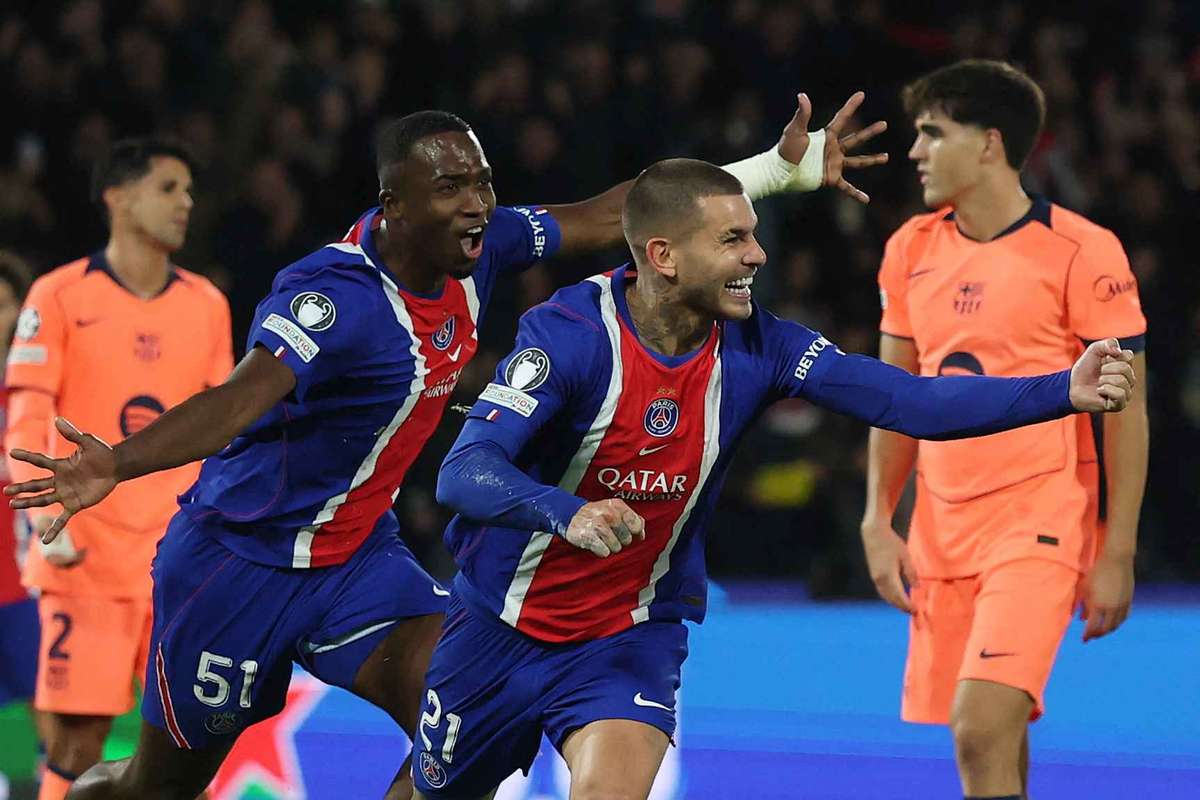
Désiré Doué opened the scoring in the 38th minute, before Espart equalised in the 55th. Lucas Hernández restored PSG’s advantage with a header from a corner in the 72nd minute, only for Yamal to make it 2–2 seven minutes later. Vitinha then scored in the 81st minute, and Fabián Ruiz completed the victory in the 87th. ([FC Barcelona official match report](https://www.fcbarcelona.com/en/football/first-team/news/4596285/paris-saint-germain-4-2-fc-barcelona-first-defeat))
The scoreline suggests a defensive collapse, but the full story is more complicated. Barcelona remained competitive for much of the contest, showing enough attacking quality to trouble the European champions. The decisive problem was their inability to maintain defensive control when PSG increased the tempo late in the match.
Injuries had already forced Flick to reorganise his back line. Against a PSG side possessing exceptional speed, movement and technical quality in transition, those weaknesses became increasingly costly.
Speaking after the defeat, Flick admitted that PSG had demonstrated their superiority on the night. He also highlighted the quality of their transitions and acknowledged that Barcelona were no longer fresh during the final 15 minutes. ([AS](https://en.as.com/soccer/flick-on-barcelonas-defeat-to-psg-f202610-n/))
For Barcelona, the result is more than a disappointing European evening. It offers five important lessons about defensive organisation, possession, fitness, tactical flexibility and the risks of an aggressive playing style.
PSG 4-2 Barcelona: Lesson 1 — A High Defensive Line Needs Better Protection
 One of Flick’s defining tactical principles is the high defensive line.
Barcelona attempt to compress the pitch by pushing their defenders forward, allowing their midfielders and forwards to press opponents closer to their own goal. When executed properly, this approach reduces the space available to the opposition and helps Barcelona recover possession in dangerous areas.
However, the system depends on coordination.
The defenders must move together, midfielders must close passing lanes, and the goalkeeper must be ready to deal with balls played behind the back line. If one part of that structure fails, the remaining defenders can suddenly find themselves defending enormous spaces.
PSG exposed the danger of that approach.
Their attacking players repeatedly looked for opportunities to move quickly after regaining possession. Rather than allowing Barcelona to reorganise, the Parisians used forward passes and intelligent movement to exploit moments when the visitors were stretched.
SEE ALSO: PSG vs Barcelona: 5 Key Battles That Could Redefine Europe
The opening goal illustrated the cost of losing possession carelessly. A misplaced Barcelona pass allowed PSG to regain the ball, and Doué finished from the edge of the penalty area in the 38th minute. ([Barcelona official match report](https://www.fcbarcelona.com/en/football/first-team/news/4596285/paris-saint-germain-fc-barcelona-first-defeat))
It was not simply a matter of one defensive player making a mistake. The turnover occurred in a dangerous area, allowing PSG to attack before Barcelona had time to restore their defensive structure.
This is the central challenge facing Flick.
A high line can be effective against teams that struggle to play through pressure, but PSG possess the technical quality to punish inaccurate passing and poor positioning.
Barcelona must therefore improve the relationship between their press and their defensive line. If the first wave of pressure is bypassed, the team needs a coordinated response rather than leaving defenders exposed in individual battles.
The lesson is clear: Barcelona do not necessarily need to abandon their high line, but they must become more disciplined about when and how they use it.
Lesson 2 — Barcelona’s Injury Crisis Exposed a Lack of Defensive Continuity
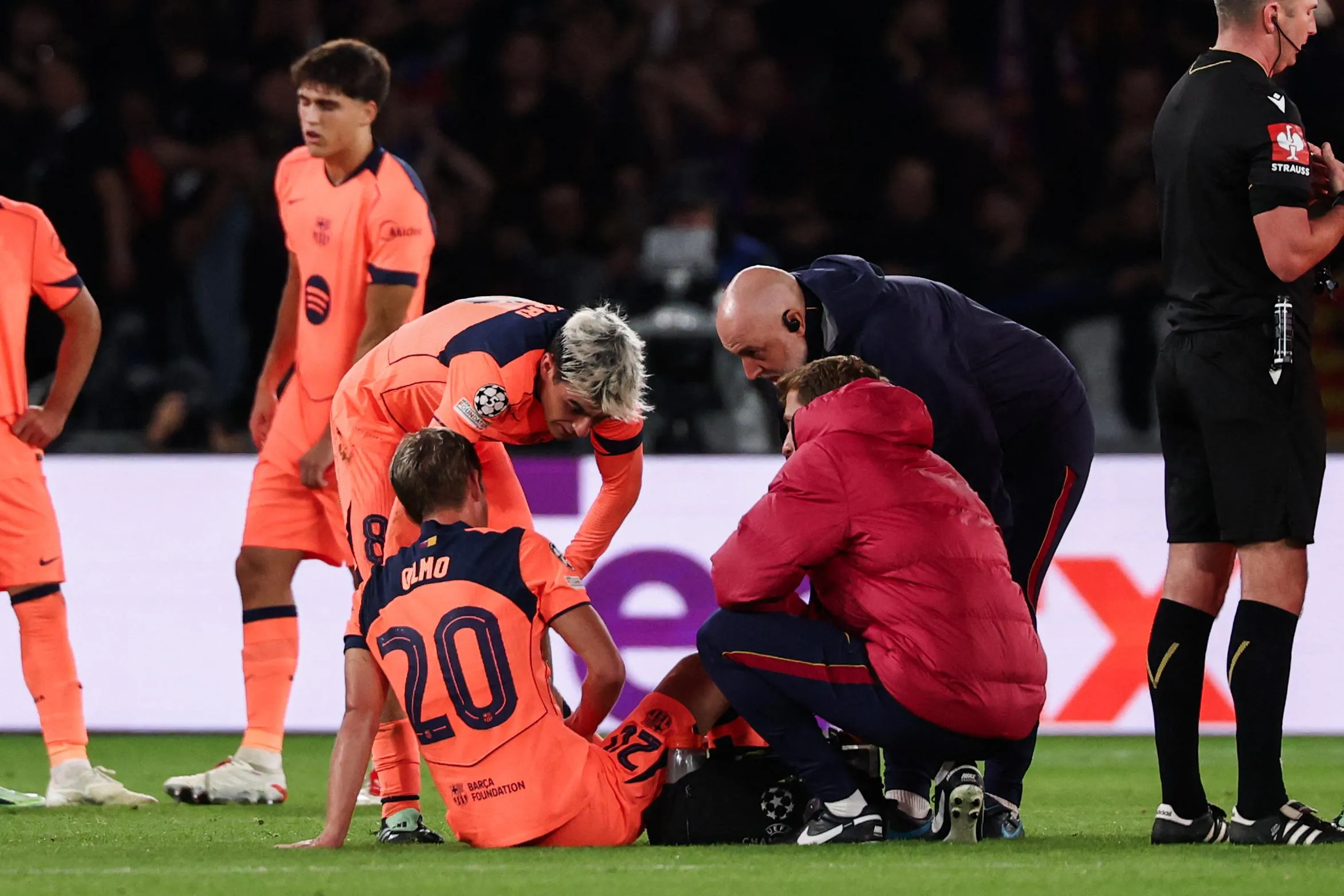 The absence of established defenders significantly complicated Flick’s preparations.
Jules Koundé was unavailable with an ankle injury, while Eric García was sidelined with a thigh problem. Andreas Christensen was also unavailable, reducing the number of experienced defensive options at the German coach’s disposal. ([Sports Illustrated](https://www.si.com/soccer/double-injury-blow-barcelona-creative-psg-tie))
Flick consequently had to make adjustments across the defensive line.
Xavi Espart, a young full-back, was included in the starting team and scored Barcelona’s opening goal. João Cancelo also had to operate within a defensive unit that lacked its usual combinations.
There were positives in Espart’s performance. He showed attacking initiative and demonstrated that Barcelona’s younger players can contribute meaningfully in major European fixtures. Flick subsequently praised his performance, describing it as fantastic. ([AS](https://en.as.com/soccer/flick-on-barcelonas-defeat-to-psg-f202610-n/))
But individual encouragement does not eliminate the difficulty of maintaining defensive consistency.
Established defensive partnerships develop an understanding of when to step forward, when to cover a teammate and how to respond when an opponent changes direction or switches the point of attack.
When multiple positions change, those automatic responses can become less reliable.
PSG’s movement increased the difficulty of the task. Their attackers changed positions, looked for spaces between defenders and attempted to force Barcelona into decisions before the visitors could settle into their defensive shape.
The corner-kick goal from Hernández was particularly significant because it showed how PSG could exploit Barcelona through a different type of attacking situation. Not every threat came from an open-play counterattack. ([Barcelona official match report](https://www.fcbarcelona.com/en/football/first-team/news/4596285/paris-saint-germain-fc-barcelona-first-defeat))
Barcelona must therefore distinguish between temporary problems caused by absences and deeper issues in their defensive system.
The injuries explain why Flick had fewer options, but they do not remove the responsibility to organise the available players effectively.
What Flick must change
Barcelona’s immediate priority should be to restore stability.
That means choosing clear defensive partnerships, ensuring midfielders provide sufficient cover and adjusting the intensity of the press when the available back line cannot safely defend large spaces.
The club’s younger defenders should be given opportunities to develop, but they must be supported by a structure that reduces the number of situations in which they are left isolated against elite attackers.
The wider recruitment question is also important. A club competing for domestic and European honours needs sufficient depth to cope with injuries without losing its identity or defensive balance.
One defeat does not prove Barcelona’s squad is inadequate, but it demonstrates how quickly a shortage of defenders can influence a high-level European match.
Lesson 3 — PSG’s Counterattacking Quality Turned Barcelona’s Possession Into a Risk
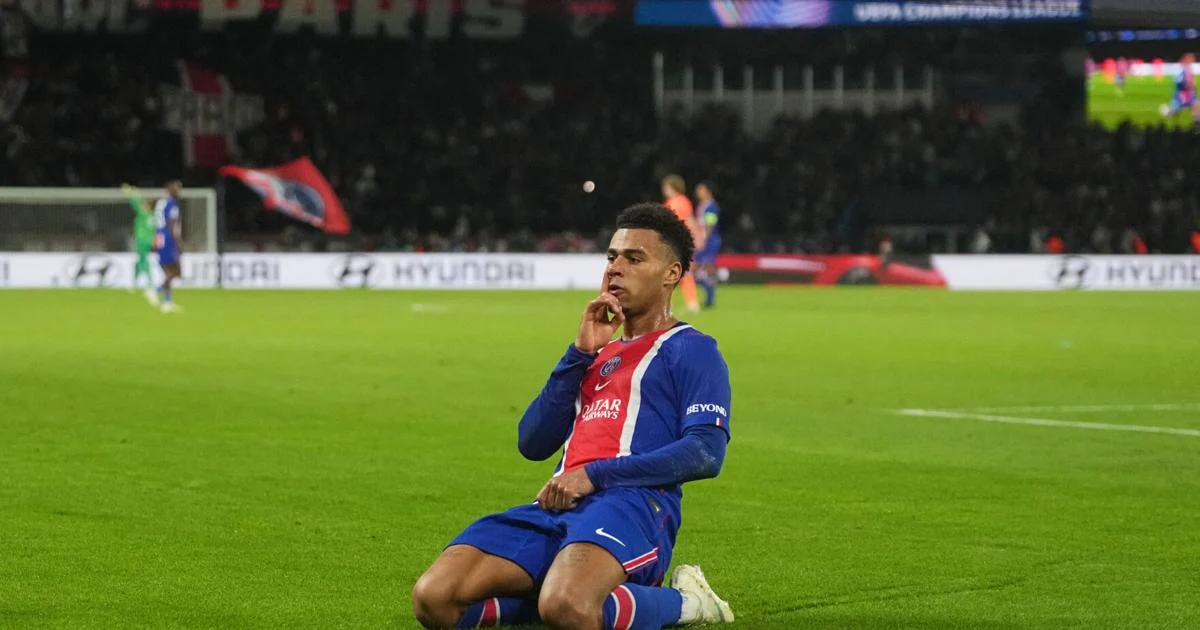 Barcelona enjoyed periods of possession, but controlling the ball did not guarantee control of the match.
That distinction was central to PSG’s victory.
Luis Enrique’s side demonstrated that possession can be sacrificed temporarily if the team has a clear plan for defending compactly and attacking quickly when an opportunity appears.
PSG did not need to dominate every phase of the game. They needed to recognise when Barcelona had committed too many players forward and then exploit the spaces that opened behind the midfield and defence.
The goals from Vitinha and Ruiz were particularly revealing.
After Yamal equalised in the 79th minute, Barcelona had restored parity and appeared capable of taking something from the match. Yet the response was immediate. Vitinha struck in the 81st minute with a superb effort from just outside the penalty area, restoring PSG’s lead. Ruiz then scored the fourth goal in the 87th minute after Barcelona pushed forward in search of another equaliser. ([Barcelona official match report](https://www.fcbarcelona.com/en/football/first-team/news/4596285/paris-saint-germain-fc-barcelona-first-defeat))
The sequence demonstrated how quickly a match can change when an attacking side is able to exploit the spaces left by an opponent chasing a result.
Barcelona’s possession-oriented approach requires players to advance and provide passing options. But when possession is lost or an attack breaks down, the team must preserve enough defensive protection to prevent an opponent from moving forward immediately.
Against PSG, that balance became increasingly difficult to maintain as the match approached its conclusion.
The problem is not that Barcelona tried to score. Their attacking ambition was necessary, particularly after falling behind twice.
The problem was that the pursuit of another goal created opportunities for PSG to exploit spaces behind the advancing players.
Flick needs his team to recognise that attacking with purpose does not mean committing everyone forward at every opportunity.
A more controlled approach would preserve outlets for possession while retaining enough players in defensive positions to delay PSG’s counterattacks.
Possession is useful only when it helps a team control the conditions of the match. Barcelona had the ball, but PSG controlled the decisive transitions.
Lesson 4 — Fitness and Game Management Matter as Much as Tactical Ideas
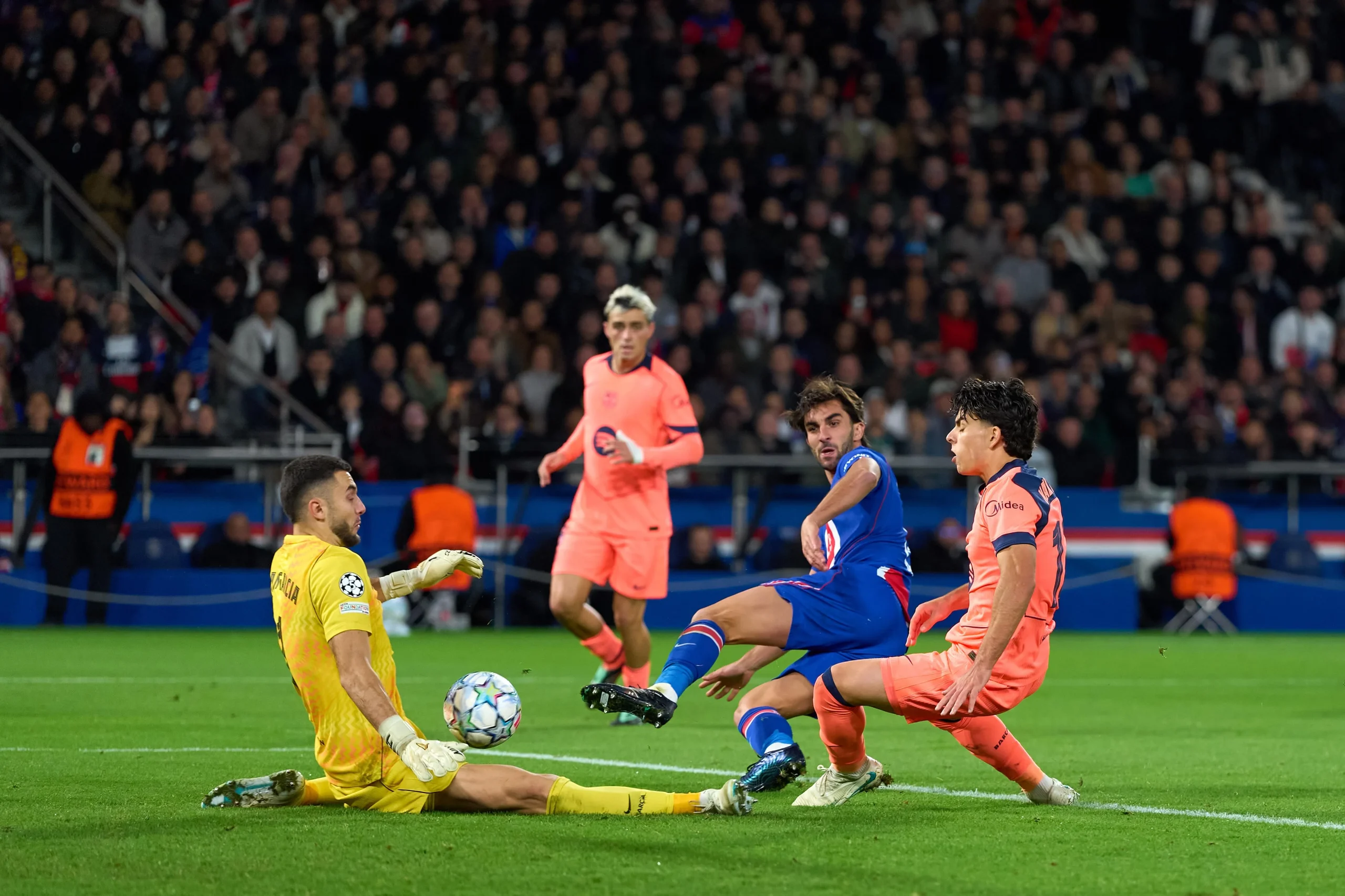 Barcelona’s late defensive problems were not solely a question of formation or player selection.
Flick acknowledged after the game that his players were not fresh during the final 15 minutes, while also insisting that fatigue could not serve as an excuse. ([AS](https://en.as.com/soccer/flick-on-barcelonas-defeat-to-psg-f202610-n/))
His comments deserve attention because the physical demands of an aggressive pressing system are substantial.
Players must repeatedly accelerate, recover their positions, track opponents and move forward together. If their energy levels decline, the coordination required to execute the system becomes more difficult to maintain.
The consequences can be especially serious against a team such as PSG, whose players can exploit even small gaps in an opponent’s structure.
Fatigue may affect a defender’s ability to recover after a forward run, a midfielder’s ability to track an opposing player, or a team’s ability to press the ball holder without leaving passing lanes open.
It can also influence decision-making.
A tired player may choose an inaccurate pass, arrive late to a challenge or misjudge the moment to step forward. In a match between elite teams, those apparently small mistakes can lead directly to goals.
Barcelona also lost Dani Olmo to an injury during the match, further complicating Flick’s ability to manage his options. ([AS](https://en.as.com/soccer/flick-on-barcelonas-defeat-to-psg-f202610-n/))
That said, fatigue should be understood as part of the wider context rather than a complete explanation for the defeat.
The manager must examine whether his tactical approach demands too much from particular players, whether substitutions can be introduced earlier and whether the team can maintain defensive organisation when it can no longer press with the same intensity.
The importance of substitutions
Substitutions are not merely a way to replace injured or exhausted players. They can change the rhythm of a match.
A fresh midfielder can help protect the centre of the pitch, while a forward capable of holding possession can reduce the pressure on the defence. A manager can also lower the defensive line slightly to reduce the distance defenders must recover when opponents break forward.
The objective is to adapt without abandoning the principles that make the team effective.
PSG benefited from maintaining their attacking threat during the closing stages. Barcelona, by contrast, struggled to prevent their opponents from finding spaces after the second equaliser.
The result provides a clear lesson for Flick: fitness preparation and in-game management must support the tactical system, not simply react to its failures.
Lesson 5 — PSG’s Squad Depth Gave Luis Enrique More Ways to Win
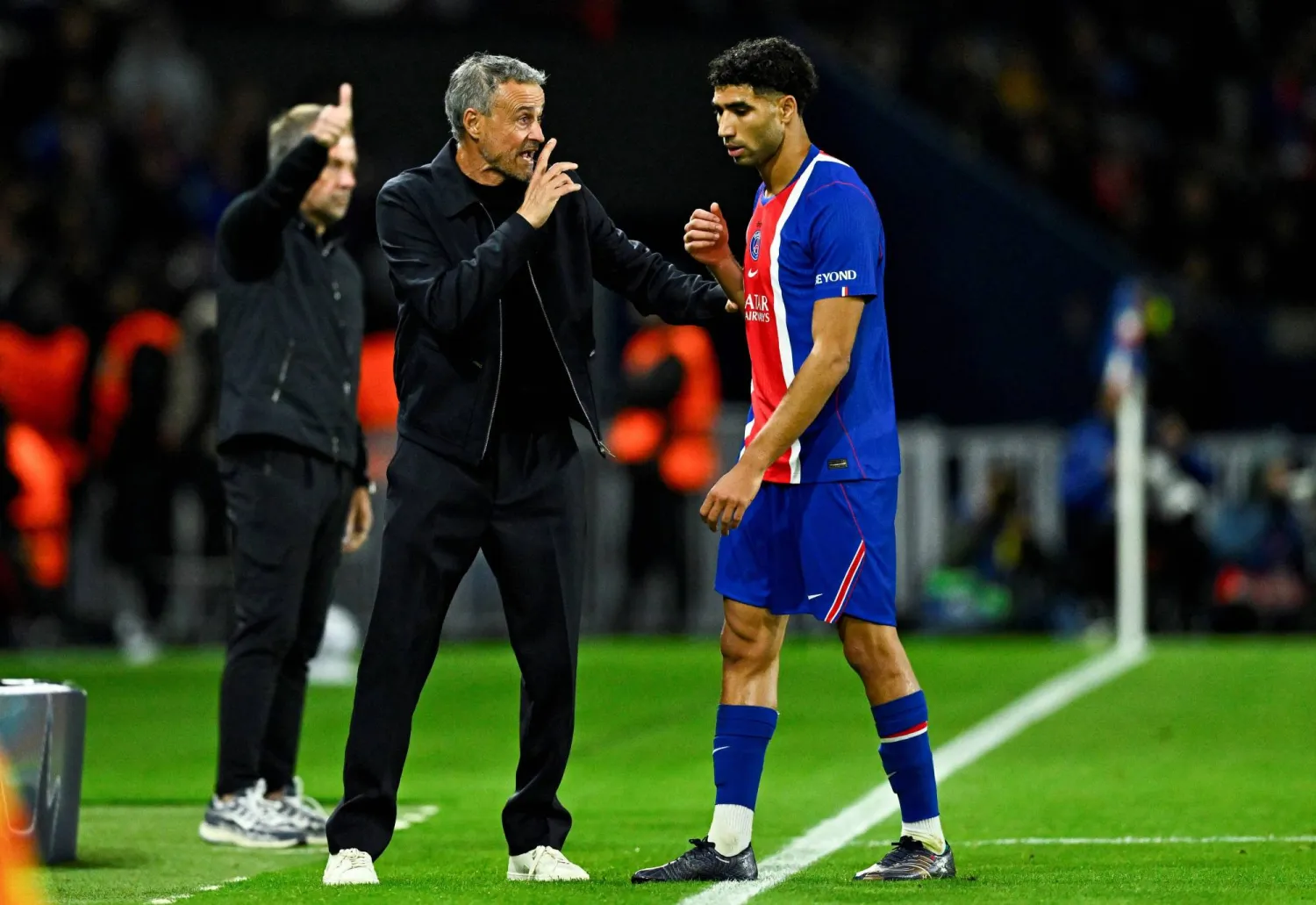 The final lesson concerns the difference between having talented starters and possessing a squad capable of sustaining performance throughout a match.
PSG began the season as the reigning European champions and entered the Barcelona fixture with a strong start to their Champions League campaign. They secured their third victory in three league-phase matches by defeating Barcelona, moving to the top of the standings alongside Liverpool. ([UEFA](https://www.uefa.com/uefachampionsleague/news/02aa-21e00a3e5c92-5f791084f24b-1000–champions-league-highlights-and-round-up-paris-saint-germain/))
Luis Enrique’s side had to manage difficult periods, particularly after Barcelona scored in the second half and threatened to change the momentum of the match.
The PSG coach acknowledged that Barcelona made the match difficult and that his team struggled to maintain complete control early in the second half. He nevertheless praised the contributions of his substitutes, saying they had provided a significant boost. ([PSG official post-match reactions](https://www.psg.fr/en/content/luis-enrique-we-have-to-keep-going-reactions-post-match-interviews-paris-saint-germain-fc-barcelona-uefa-champions-league-2026-2027))
That is an important distinction.
A strong squad is not simply a collection of high-profile players. It is a group in which the manager can introduce fresh legs, tactical alternatives and different qualities without losing the team’s overall structure.
Against Barcelona, PSG retained enough attacking quality to exploit the decisive moments late in the match.
The contributions of Doué, Hernández, Vitinha and Ruiz also illustrated the variety of threats available to the team. Their goals came from different situations, including open play, a set piece and late attacking movements.
This diversity makes PSG difficult to defend against because opponents cannot concentrate exclusively on stopping one player or one type of attack.
Barcelona have outstanding individual quality, but injuries restricted Flick’s selection options and made it more difficult to manage the entire game.
The lesson is not that PSG are necessarily superior in every position. It is that elite European competition rewards teams able to sustain intensity, respond to tactical changes and introduce players who can influence the match.
The Historical Context: Why PSG Remain a Difficult Opponent for Barcelona
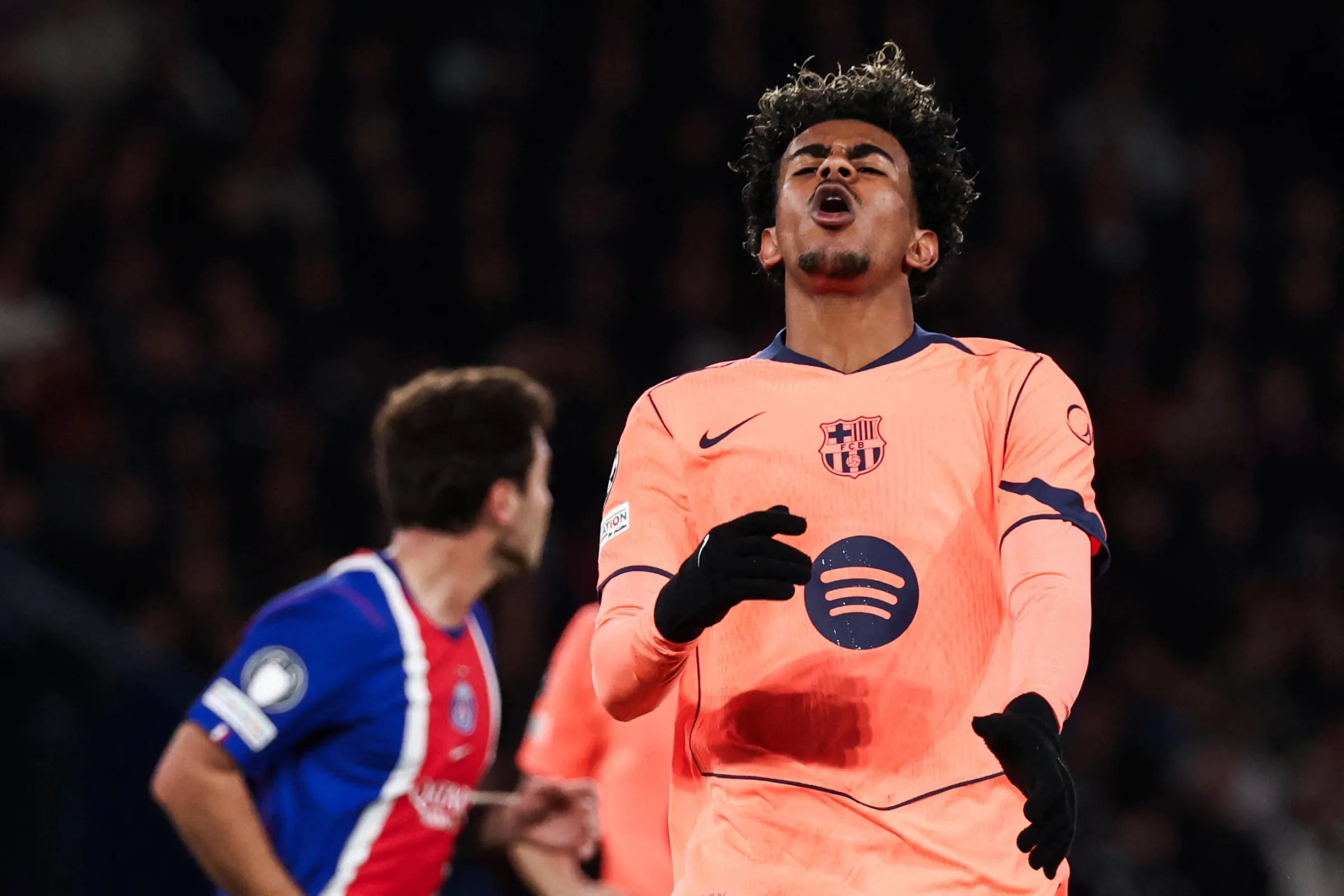 The rivalry between PSG and Barcelona has produced some of the Champions League’s most memorable matches.
Barcelona’s extraordinary 6–1 comeback in 2017 remains one of the competition’s defining moments. It followed a 4–0 defeat in Paris, with the Catalans overturning the aggregate deficit in a dramatic second leg at Camp Nou.
Since then, the fixture has continued to deliver high-stakes encounters, including the 2021 round-of-16 tie and the 2024 quarter-final.
The 4–2 defeat in Paris adds another chapter to that history.
Barcelona’s official match report described PSG as a particularly painful opponent for the club, noting how the French champions have continued to produce important victories in the fixture. ([FC Barcelona](https://www.fcbarcelona.com/en/football/first-team/news/4596285/paris-saint-germain-fc-barcelona-first-defeat))
Historical results cannot predict future matches, but they help explain the emotional importance of this rivalry.
For PSG, defeating Barcelona reinforces the belief that their current team can compete with the strongest clubs in Europe. For Barcelona, the loss is a reminder that historical success and attacking reputation do not guarantee control against an opponent with comparable technical quality.
The match also highlights how modern European football has evolved. Teams must now balance possession with rapid transitions, positional flexibility and the ability to defend a wide range of attacking patterns.
Barcelona’s tactical identity remains ambitious, but the defeat underlines the need to combine attacking bravery with greater defensive adaptability.
What Comes Next for Barcelona and Hansi Flick?
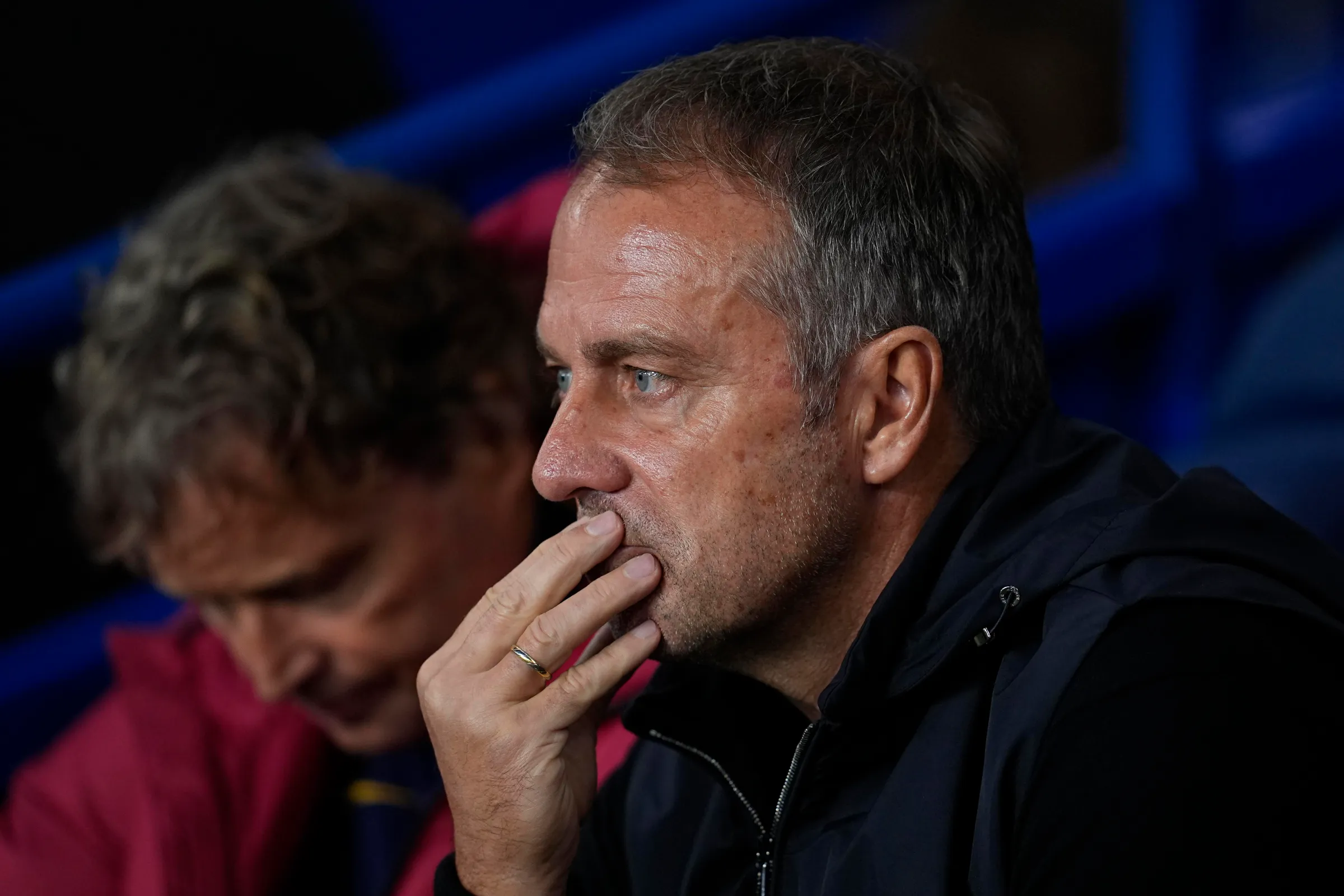 Barcelona must respond quickly to their first defeat of the season.
The result ended their perfect start to the campaign, but it does not mean the entire season is in crisis. Flick’s team remain capable of competing at the highest level, as demonstrated by their ability to score twice against the reigning European champions.
The immediate challenge is to analyse why the final stages became so difficult.
The coaching staff must review the defensive positioning before PSG’s goals, identify how possession was lost, assess whether fatigue influenced the team’s organisation and determine whether the substitutions came at the right time.
Injuries also require careful management. Koundé and García were already unavailable before the match, while Olmo’s injury during the game added another concern. Barcelona need clarity over recovery timelines and the availability of their regular starters before deciding how to approach upcoming fixtures.
The next major domestic challenge is El Clásico against Real Madrid on Sunday, 25 October. The short turnaround makes the PSG defeat particularly relevant, because Flick has limited time to address the problems without overloading the players. ([Barcelona official fixtures and match report](https://www.fcbarcelona.com/en/football/first-team/news/4596285/paris-saint-germain-fc-barcelona-first-defeat))
The priority should not be to abandon the team’s attacking identity after one loss. It should be to improve the details that make that identity sustainable.
A better defensive structure, more disciplined transitions and smarter management of the closing stages would help Barcelona retain their attacking strengths while reducing the risks opponents can exploit.
The Football Xtra Verdict: A Warning, Not the End of Barcelona’s Ambitions
PSG’s 4–2 victory revealed the difference between producing an entertaining attacking performance and controlling the decisive moments of a Champions League match.
Barcelona showed resilience by equalising twice, and young defender Xavi Espart provided an encouraging attacking contribution with his goal. However, the visitors were unable to maintain defensive discipline when PSG increased their intensity in the closing stages.
The absences of Koundé, García and Christensen limited Flick’s choices, while fatigue and the loss of Olmo complicated the task further. Yet the manager’s own comments make clear that Barcelona must learn from the defeat rather than rely on external explanations.
The five main lessons are straightforward:
- Barcelona’s high defensive line needs stronger protection when the press is bypassed.
- Defensive injuries make coordination and squad depth more important.
- PSG demonstrated how effective counterattacks can punish excessive attacking commitment.
- Fitness and timely substitutions are essential to sustaining an aggressive playing style.
- Elite teams need multiple attacking solutions and enough depth to change a match late on.
The final verdict: PSG did not prove that Barcelona’s entire system is broken. They exposed the weaknesses Barcelona must solve if they want their attacking football to succeed against Europe’s strongest opponents.
For Flick, the task is to turn the defeat into useful tactical information. For PSG, the victory reinforces their status as serious contenders to defend their European crown.
Barcelona’s response over the coming weeks will reveal whether this was an isolated setback or an early warning about a problem that could undermine their ambitions.
Was the defeat primarily caused by Barcelona’s defensive injuries, Flick’s tactical approach or PSG’s superior ability to exploit transitions? Share your opinion in the comments and follow The Football Xtra for more Champions League analysis, tactical breakdowns and football news.