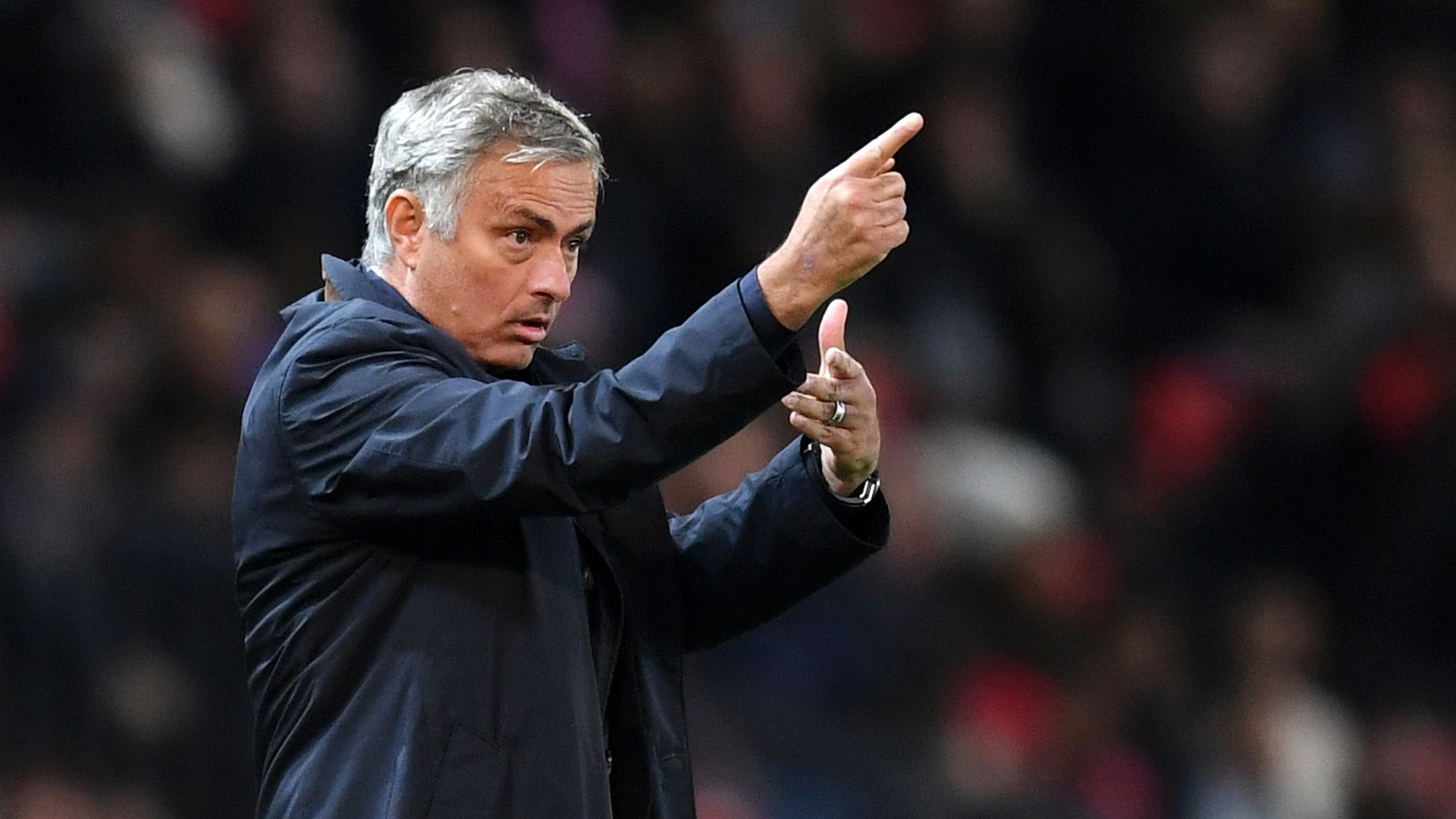
José Mourinho has never been short of an opinion. But his latest intervention in the Ballon d’Or debate goes beyond the usual Mourinho provocation. It is a question about what football should ultimately choose to remember.
For Mourinho, the greatest individual award in football should not simply follow the medals.
It should follow immortality.
The Portuguese coach has argued that the Ballon d’Or should belong to players who leave such an extraordinary impression on the game that their absence is felt long after their careers have ended.
“For me, the Ballon d’Or has to go to those players who, when they retire, we miss forever.”
Mourinho then pointed towards a group of names who require almost no introduction: Diego Maradona, Ronaldo Nazário, Lionel Messi, Zinedine Zidane and other players whose influence stretched far beyond statistics and trophy collections.
His argument is simple, but its implications are enormous.
Should the Ballon d’Or reward the most successful player of a particular season — or the footballer whose individual genius defines an era?
That question sits at the heart of Mourinho’s latest comments.
Jose mourinho’s argument: trophies cannot tell the whole story
 The Ballon d’Or has always been an individual award, but football is a collective sport.
That creates an unavoidable contradiction.
A player can win the Champions League without necessarily being the best individual footballer in Europe. A midfielder can dominate games without scoring 30 goals. A forward can produce extraordinary numbers while playing for a team that wins nothing.
Mourinho believes those distinctions matter.
He specifically rejected the idea that winning the biggest team competitions should automatically determine the individual prize.
“You can’t give the Ballon d’Or just because they won the Champions League or the World Cup,” Mourinho said.
His reasoning is deliberately provocative.
If winning the Champions League were enough, Mourinho suggested, perhaps the award should go to the coach responsible for winning it. The same logic could apply to an international tournament.
But the Ballon d’Or is not the Champions League trophy.
It is not the World Cup.
And it certainly is not the Coach of the Year award.
It is supposed to identify the player who, above all others, stood apart.
That distinction is where Mourinho’s philosophy becomes particularly interesting.
What does it mean to be “missed forever”?
Mourinho’s choice of words is important.
He did not say the Ballon d’Or should go to the player with the most goals.
He did not say it should automatically go to the player with the most trophies.
He talked about being missed.
That is a completely different measurement.
Football history is full of successful players. But only a relatively small group become cultural icons whose names remain instantly recognisable across generations.
Maradona belongs to that category.
So does Ronaldo Nazário.
So does Zidane.
And, unquestionably, Messi.
These players did something more than win matches. They changed how supporters experienced football.
Maradona could turn an entire stadium into a theatre of anticipation. Ronaldo Nazário made acceleration and finishing appear almost effortless. Zidane possessed a control and elegance that made midfield football look like an art form.
Messi took that idea to another level, combining extraordinary dribbling, passing, goalscoring and chance creation across an era of unprecedented statistical scrutiny.
This is the standard Mourinho appears to be describing.
The Ballon d’Or, in his view, should recognise players whose departure creates a hole in football itself.
The Messi and Ronaldo era changed the meaning of greatness
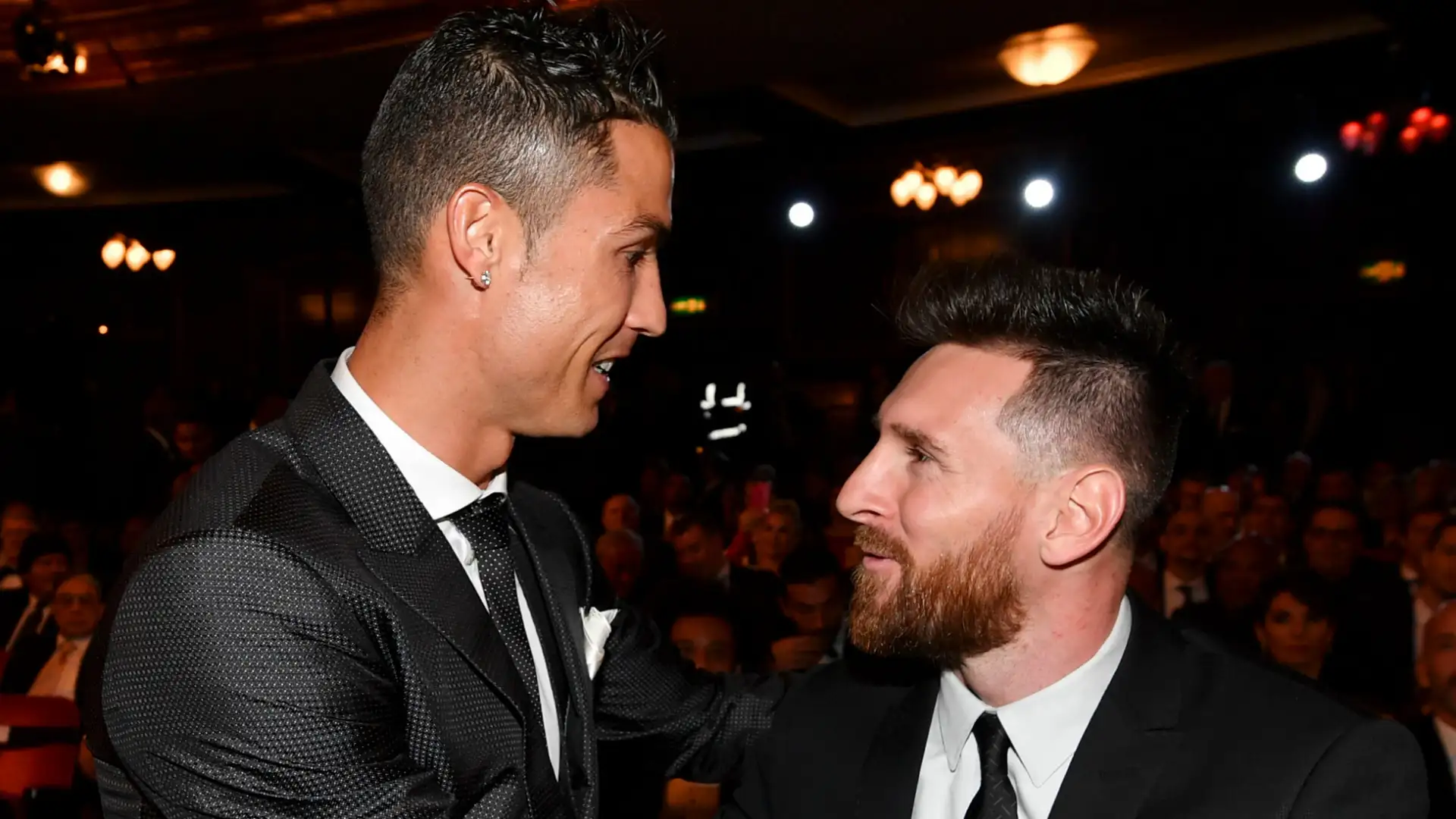 For more than a decade, the Ballon d’Or debate was dominated by Messi and Cristiano Ronaldo.
Their rivalry transformed the award.
Messi ultimately won the prize eight times, while Ronaldo collected it five times. Between them, they created a statistical and sporting standard that made almost every other elite player appear to be competing for third place.
Yet their significance was never purely numerical.
Messi became synonymous with Barcelona’s possession-based dominance and Argentina’s long-awaited return to World Cup glory.
Cristiano Ronaldo developed into one of the most relentless goalscorers the sport has ever seen, succeeding in England, Spain, Italy and on the international stage.
Their longevity also matters.
A truly great player does not simply produce one spectacular season. He remains relevant long enough to become part of football’s collective memory.
That is precisely what Mourinho’s “missed forever” argument captures.
Recent Ballon d’Or history shows why the debate matters
The recent history of the award demonstrates how complicated the question has become.
In 2022, Karim Benzema won the Ballon d’Or after an extraordinary campaign for Real Madrid. He scored 44 goals in 46 matches in all competitions and played a central role in the club’s La Liga and Champions League double.
That was a relatively straightforward case: individual excellence and team success aligned.
The following year produced a more complicated debate.
Lionel Messi won his eighth Ballon d’Or after helping Argentina win the 2022 World Cup. Erling Haaland, meanwhile, had just completed a remarkable debut season at Manchester City, scoring 52 goals in 53 matches as Pep Guardiola’s side won the Premier League, Champions League and FA Cup.
Haaland’s numbers were extraordinary.
Yet Messi’s World Cup triumph proved decisive.
The episode demonstrated the difficulty of separating individual performance from the most important team achievements in football.
Then came 2024.
Rodri won the Ballon d’Or after a season in which he helped Manchester City to another Premier League title before playing a central role in Spain’s European Championship triumph.
Vinícius Júnior finished second, with Jude Bellingham third.
Kylian Mbappé finished sixth and Haaland fifth.
The rankings once again raised the question of how much collective success should influence an individual award.
And that is precisely the territory Mourinho is entering.
Why Mourinho’s philosophy could favour Mbappé
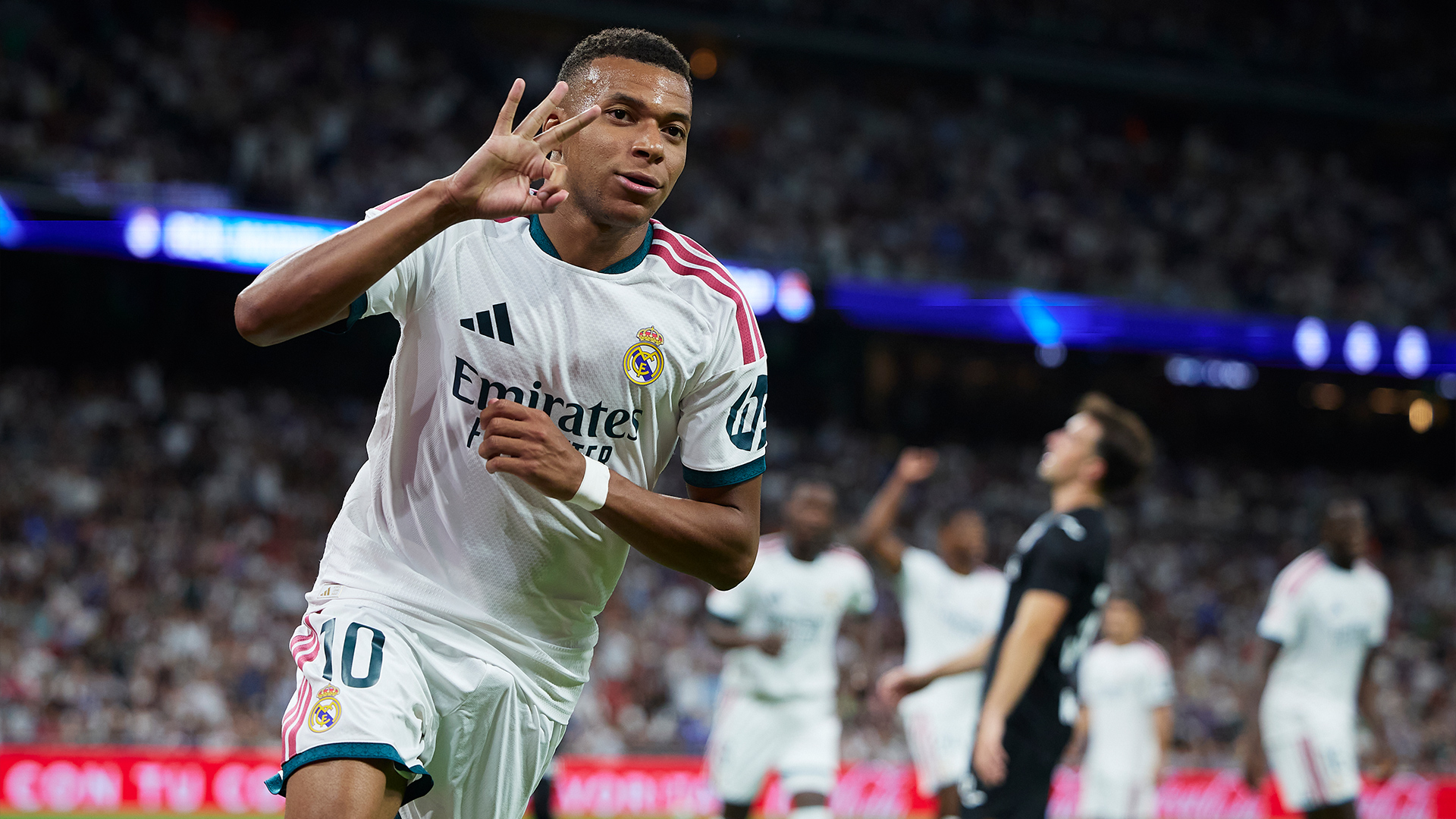 Mourinho’s comments also have an obvious contemporary dimension.
Kylian Mbappé increasingly fits the profile of the kind of player Mourinho is describing.
The French forward is no longer simply a promising superstar. He has already produced defining moments on football’s biggest stage.
His World Cup performances have placed him among the tournament’s most prolific scorers, while his speed, finishing and ability to attack space have made him one of the most feared forwards of his generation.
The 2026 World Cup only strengthened that reputation.
Mbappé moved to within one goal of Messi’s all-time World Cup scoring record during France’s run in the tournament, according to Reuters.
That statistic is significant because it illustrates the longevity Mourinho’s argument requires.
The question is no longer whether Mbappé can have one spectacular season.
It is whether, when his career eventually ends, supporters will look back and feel that they witnessed something they will never see again.
That is the true test.
Statistics matter — but they cannot measure everything
Modern football has become increasingly data-driven.
Goals, assists, expected goals, progressive carries, key passes, pressures and chance creation can tell us an enormous amount about a player’s performance.
But they cannot completely capture greatness.
There is no statistical category for making millions of people fall in love with football.
There is no metric for the anticipation that filled a stadium whenever Maradona received the ball.
There is no data point that fully explains the feeling generated by Ronaldo Nazário running at a defence.
And there is no number that can adequately describe why generations of supporters still debate Messi and Cristiano Ronaldo years after watching them dominate the sport.
That does not mean statistics should be ignored.
Far from it.
They provide essential evidence.
But Mourinho’s point is that football’s biggest individual honour should not become a spreadsheet competition.
The irony in Mourinho’s argument
 There is also an interesting irony here.
Mourinho has spent much of his managerial career building teams around organisation, structure, defensive discipline and collective responsibility.
He has repeatedly emphasised that individual talent must serve the team.
Yet when discussing the Ballon d’Or, he is asking football to protect individuality.
That is not necessarily contradictory.
The greatest players do both.
They produce individual moments of genius while making their teams better.
Messi did it.
Zidane did it.
Ronaldo Nazário did it.
Cristiano Ronaldo did it.
The argument, therefore, is not necessarily individual brilliance versus team football.
It is about recognising the individual within the collective.
A great footballer should not receive the Ballon d’Or simply because his team lifted a trophy. He should receive it because his contribution to that success was exceptional — or because his individual brilliance was so extraordinary that it transcended the results around him.
What Mourinho is really asking football to remember
Perhaps the most fascinating element of Mourinho’s argument is that it asks us to look beyond the next 12 months.
Football awards are inherently short-term.
Every year produces a new shortlist.
Every season creates new statistics.
Every major tournament creates new heroes.
But football history operates differently.
History remembers players through moments.
Maradona’s Argentina.
Zidane’s elegance.
Ronaldo Nazário’s explosiveness.
Messi’s impossible dribbles.
SEE ALSO; Mourinho Real Madrid Return: The Billion-Dollar Business Strategy Behind His Comeback
Cristiano Ronaldo’s extraordinary athleticism and goalscoring.
Those memories survive long after the final whistle.
That is what Mourinho means by players we “miss forever”.
He is effectively proposing a different test for greatness:
When this player is gone, will football feel different without him?
If the answer is yes, then perhaps that player deserves consideration for the game’s greatest individual honour.
The Ballon d’Or cannot escape the trophy debate
 There is, however, a legitimate counterargument.
Football is ultimately about winning.
The greatest players are expected to perform when the stakes are highest. Champions League nights, domestic title races and international tournaments provide the stage on which reputations are built.
Team trophies therefore cannot simply be ignored.
Rodri’s 2024 Ballon d’Or victory, for example, was not merely about Manchester City’s success. His performances as a controlling midfielder and his importance to Spain’s European Championship campaign were central to the case.
Similarly, Benzema’s 2022 victory combined extraordinary personal production with decisive contributions to Real Madrid’s biggest victories.
The problem arises when trophies become the argument rather than the evidence.
Winning the Champions League should strengthen a player’s Ballon d’Or case.
It should not automatically settle it.
That distinction is at the heart of Mourinho’s criticism.
A debate that will outlive Mourinho
The Ballon d’Or will continue to evolve.
The voting criteria can change. New stars will emerge. Statistical analysis will become increasingly sophisticated.
But the fundamental debate will remain.
What makes someone the best footballer in the world?
Is it goals?
Assists?
Trophies?
Consistency?
Big-game performances?
Influence?
Or something less measurable — the ability to make supporters feel that they are watching a player who comes along once in a generation?
Mourinho has made his position clear.
For him, the Ballon d’Or should not merely reward the player who had the most successful year.
It should honour the footballer whose genius becomes part of the sport’s permanent memory.
That is a much higher bar.
And perhaps that is exactly why his comments have resonated.
What’s next?
As the next generation of football superstars continues to emerge, the Ballon d’Or debate will increasingly become a battle between production and legacy.
Players such as Mbappé, Haaland, Bellingham and Vinícius Júnior have the opportunity to define their generation. But numbers alone will not determine whether they eventually join the likes of Maradona, Ronaldo Nazário, Zidane, Messi and Cristiano Ronaldo in football’s most exclusive historical conversation.
Time will.
Because Mourinho’s ultimate test is not what a player wins today.
It is what football feels like when that player is no longer there.
And perhaps that is the most difficult Ballon d’Or criterion of all.
When the final chapter of their careers is written, which players will football refuse to forget?
That is the question Mourinho has put back on the table.