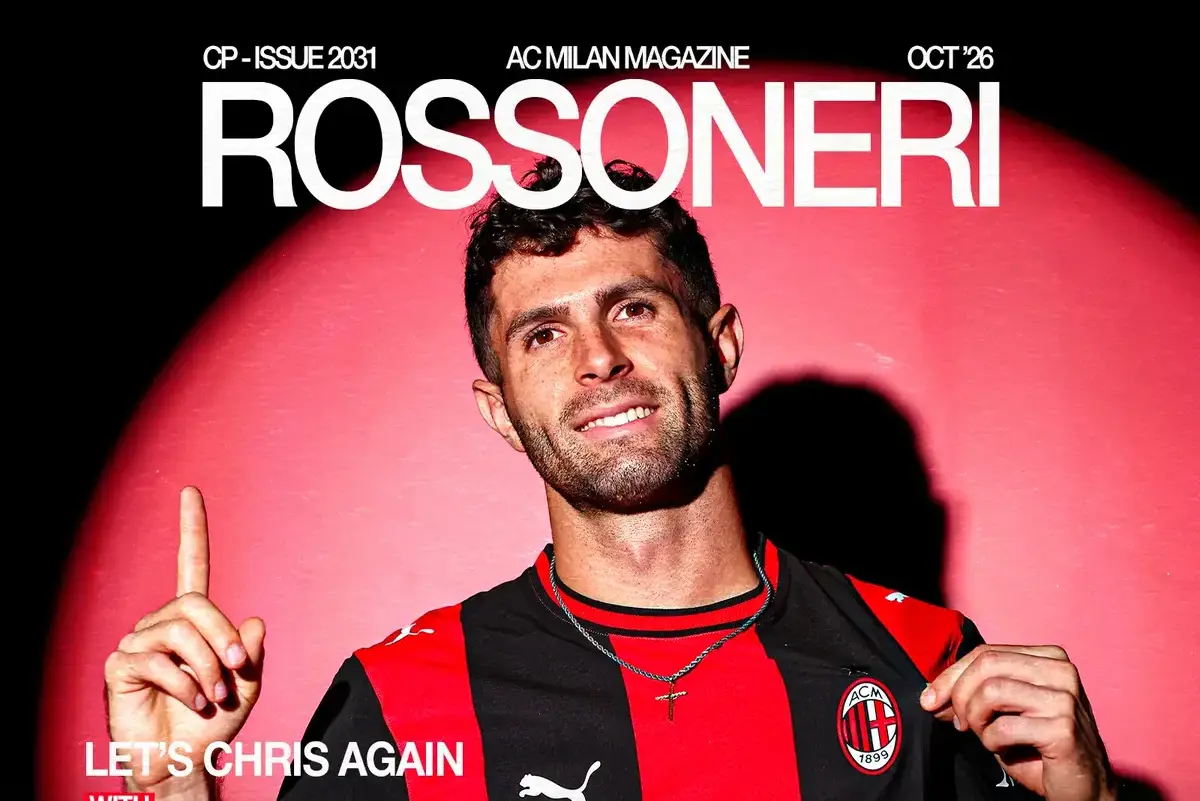
AC Milan have made a significant statement about the direction of their project: Christian Pulisic is staying at San Siro until 30 June 2031. The American forward’s new contract is more than a reward for good performances. It is a declaration that Milan see him as one of the central figures in their sporting future.
Since arriving from Chelsea in July 2023, Pulisic has scored 44 goals in 141 appearances for the Rossoneri. At 28, he is entering a stage of his career when experience, physical maturity and attacking consistency can combine to make him even more influential. Milan have therefore secured a player who already understands the club and still has important years ahead of him.
The timing is also significant. Milan announced the extension on the eve of the Derby della Madonnina against Inter. With the club looking to strengthen its identity and return to sustained success, keeping one of its most productive attacking players sends a message to supporters, rivals and the transfer market.
But why has Pulisic become so important to Milan’s plans, and what does this long-term commitment reveal about the club’s ambitions?
1. Christian Pulisic has delivered consistent attacking value
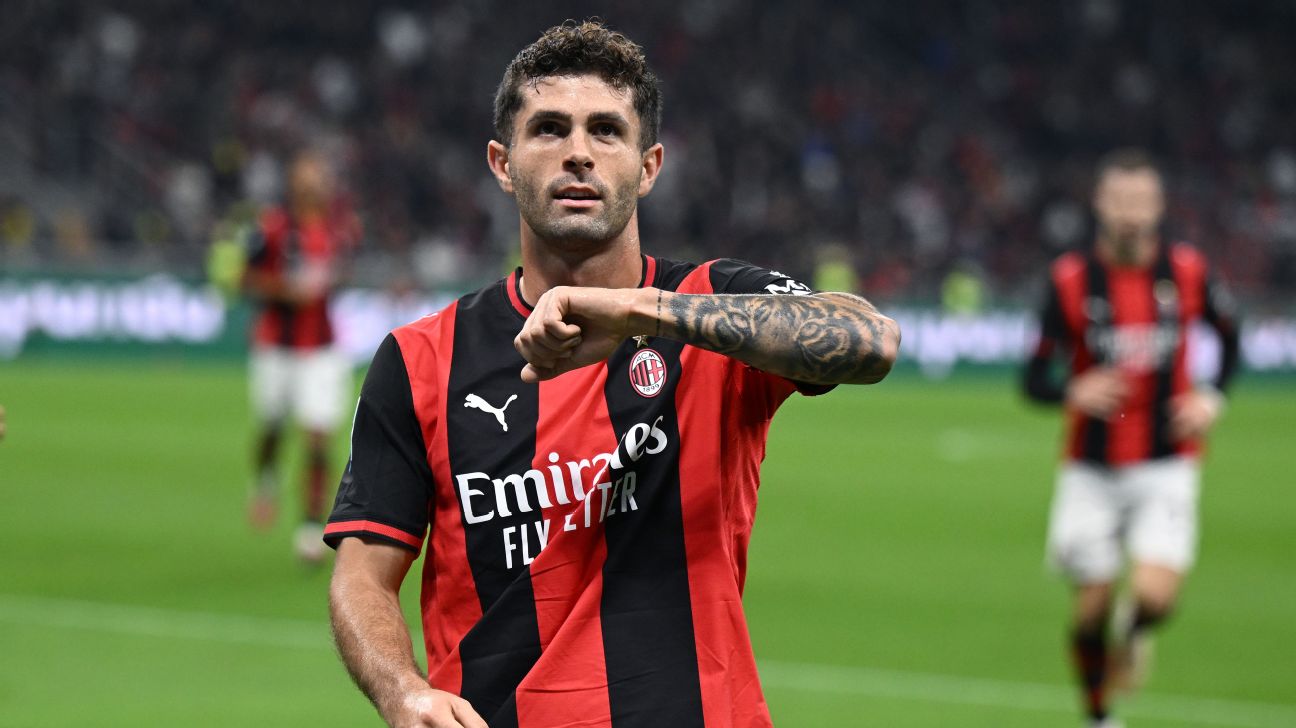 The strongest argument for extending a player’s contract is what he contributes on the pitch. In Pulisic’s case, the numbers provide a compelling explanation.
Milan’s official announcement confirmed that the American has registered 44 goals in 141 appearances since joining the club in July 2023. That record represents a significant attacking contribution from a player who has operated in different positions across the forward line.
He is not simply a winger who stays close to the touchline and waits for opportunities to deliver crosses. Pulisic can attack from wide areas, move into central positions, combine around the penalty area and arrive in scoring positions when defenders are focused on Milan’s central striker.
That variety makes him difficult to defend against. A full-back must consider the possibility of Pulisic driving towards the byline, cutting inside onto his stronger foot or exchanging positions with another attacker. Each movement creates a different defensive problem.
His goalscoring record also matters because Milan need more than one dependable source of goals. A team that relies too heavily on its centre-forward can become predictable, particularly against opponents who defend with a compact block.
Pulisic gives Milan another route to goal. He can finish attacks himself, but he can also create opportunities for teammates by drawing defenders away from dangerous spaces.
The 44-goal milestone does not automatically make him the most important player in the squad. However, it demonstrates that his influence has been substantial enough to justify a long-term commitment.
2. His versatility gives Milan valuable tactical flexibility
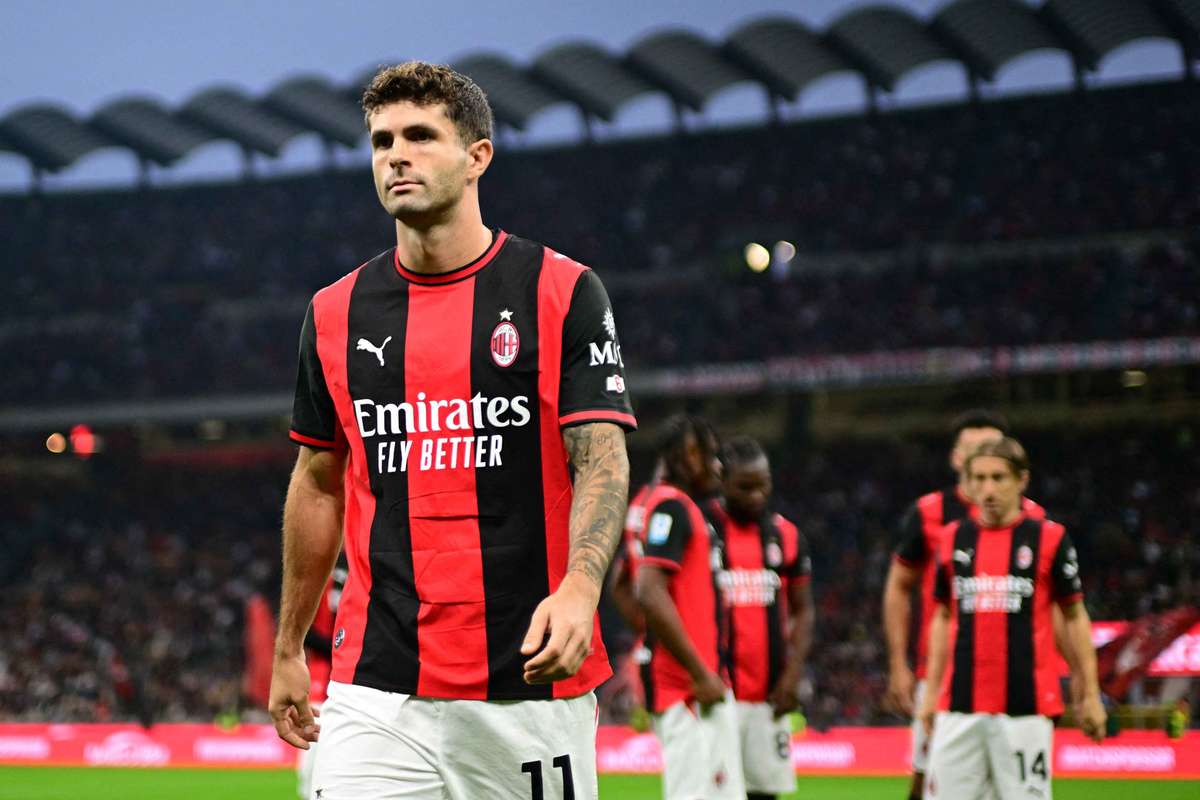 Modern football increasingly rewards attackers who can perform more than one tactical function. Pulisic fits that requirement.
He is naturally comfortable operating from the right or left side, but his game is not restricted to a traditional winger’s responsibilities. He can receive the ball between the opposition’s midfield and defensive lines, carry possession through pressure and make runs into the penalty area.
That flexibility gives Milan several options when preparing for different opponents.
Against a team defending deep, Pulisic can move inside and combine with midfielders in tight spaces. His acceleration and close control can help Milan break defensive lines without depending exclusively on crosses.
Against a side that presses aggressively, he can provide an outlet in transition. When Milan recover possession, his ability to carry the ball forward can turn a defensive action into an attacking opportunity within seconds.
He can also exchange positions with other forwards. Such rotations can make it harder for defenders to identify which player should track a particular run.
This is especially important in Serie A, where tactical organisation and defensive concentration often determine the outcome of closely contested matches. An attacker who can change the rhythm of a game without requiring a complete change of system is a valuable asset.
For Milan, retaining that versatility reduces the need to search for another player with similar characteristics in the transfer market.
3. Milan are securing a player entering his prime years
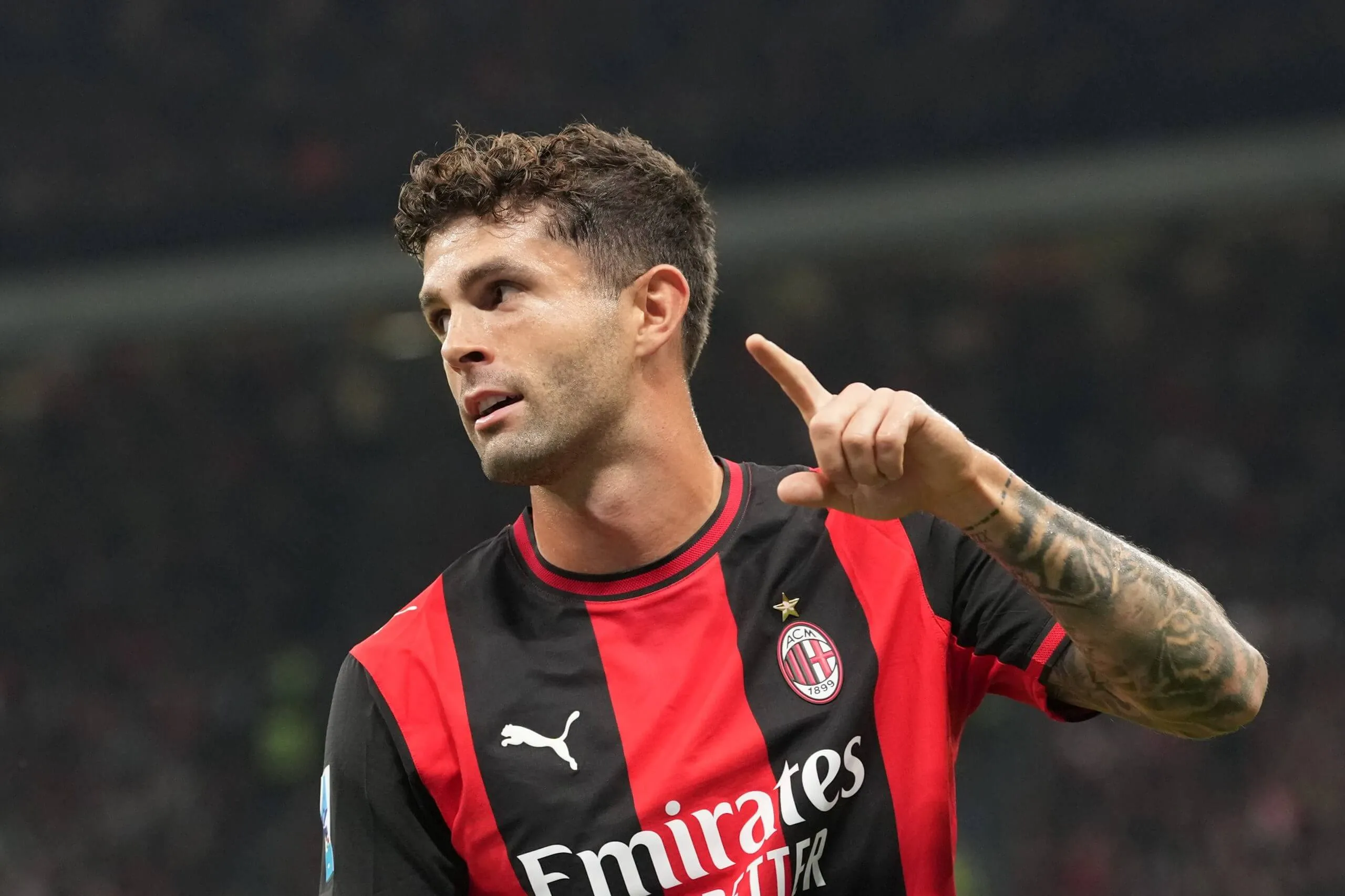 Pulisic was born on 18 September 1998 and is 28 years old. His new agreement runs until June 2031, when he will be approaching his 33rd birthday.
That timeline is important.
Milan are not committing their future to a teenager whose development remains uncertain, nor are they extending a player whose best years are necessarily behind him. They are securing an established international who has already adapted to Italian football and has experience in major European competitions.
The next stage of his career could be particularly productive if he maintains his fitness and consistency.
At this age, attacking players can benefit from a combination of physical ability and tactical maturity. They have accumulated experience against different defensive systems and generally understand when to accelerate, when to retain possession and when to make the decisive movement.
Pulisic has also experienced football in Germany, England and Italy. His previous spells with Borussia Dortmund and Chelsea exposed him to different football cultures and tactical demands before he established himself at Milan.
That experience can help him become a more complete attacker.
There are, of course, risks attached to any long contract. Injuries, changes in form and the natural effects of ageing can influence a player’s contribution. Milan will need to manage his workload carefully, particularly if they expect him to remain a key figure across domestic and European competitions.
Nevertheless, the age profile makes the extension understandable. Milan are buying continuity during a period when Pulisic should still have several productive seasons ahead.
4. Christian Pulisic has become part of Milan’s identity
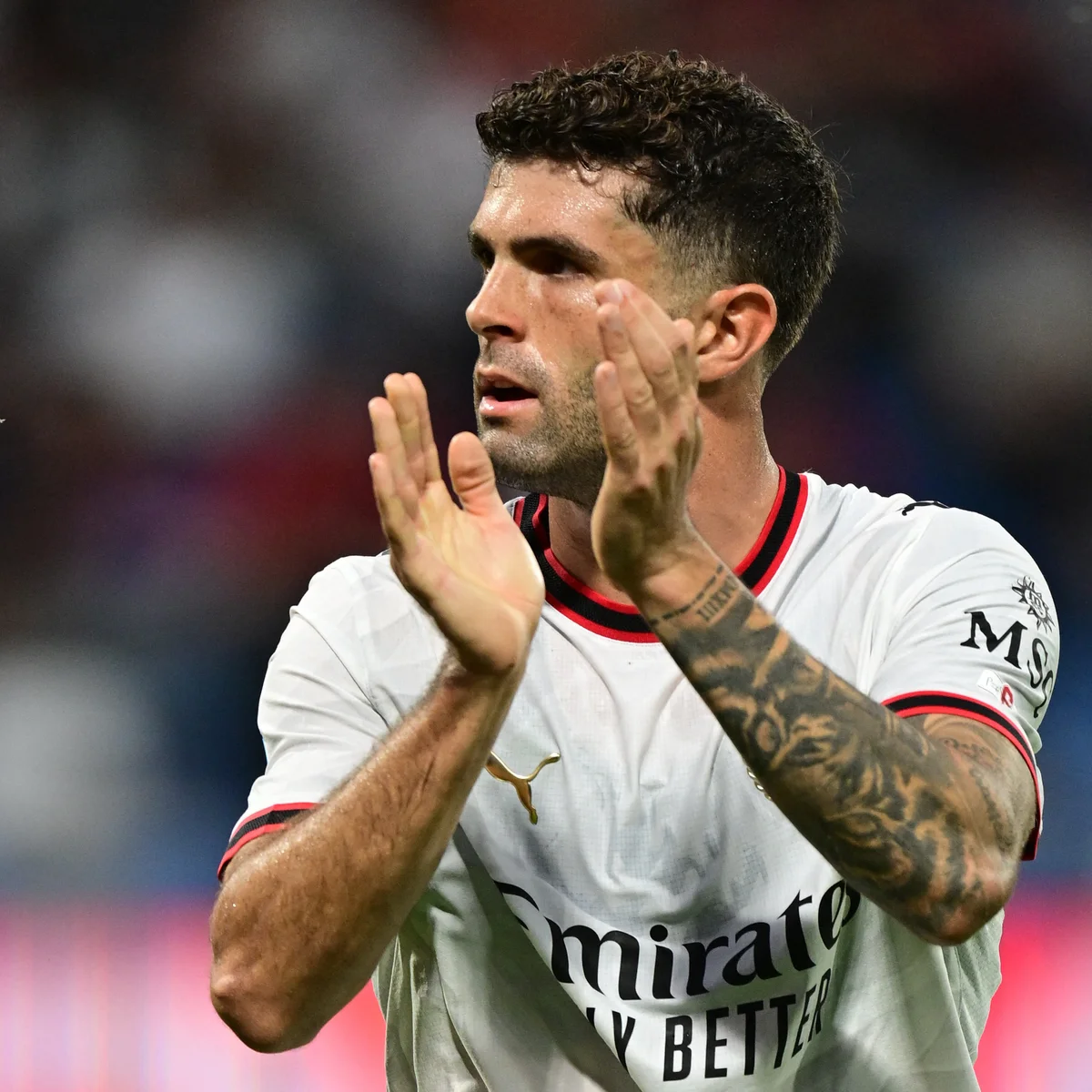 A successful club project requires more than talented individuals. It needs players who understand the expectations, culture and pressure associated with representing the institution.
Pulisic has spent more than three years at Milan. That period has allowed him to become familiar with the demands of playing for one of Italy’s most recognised clubs.
Milan’s official statement specifically highlighted his technical ability, character, consistency and work ethic. The club also described him as an important member of the team and connected the renewal to its future plans.
That language matters because it suggests the decision is not based only on his goalscoring record.
Milan are also retaining a player who has become familiar to supporters and recognisable beyond Italy. Pulisic’s international profile gives the club additional visibility, particularly in the United States, where interest in football continues to provide commercial opportunities for major European teams.
His nickname, Captain America, reflects that connection with the American audience. But his value to Milan cannot be reduced to marketing.
The most important factor is that his reputation has been built alongside performances in the Rossoneri shirt. Supporters are more likely to connect with a player who contributes on the pitch than one whose importance exists mainly through commercial campaigns.
For Milan, keeping an established and recognisable performer can help maintain continuity in the dressing room and strengthen the club’s identity.
5. The contract sends a message about Milan’s ambitions
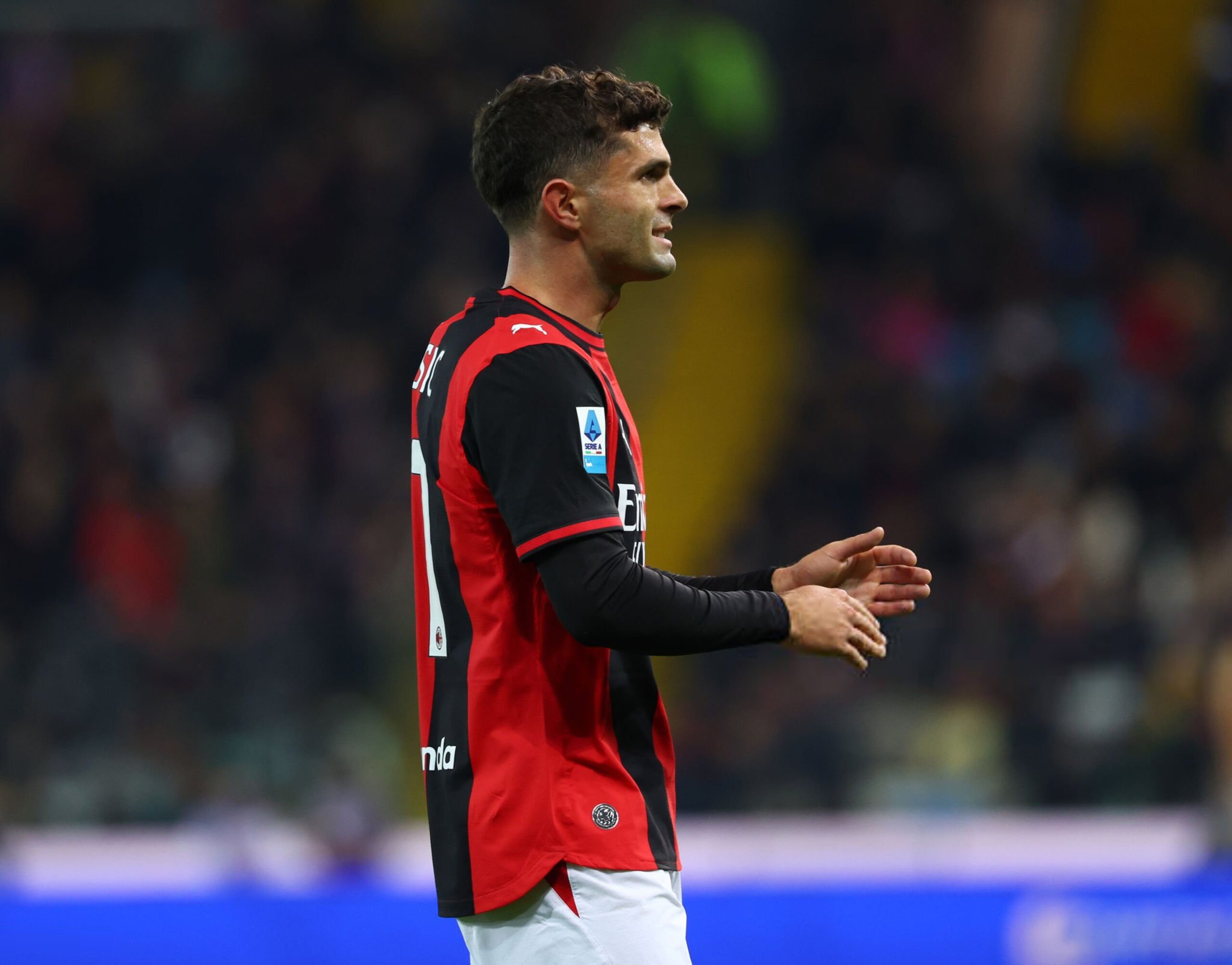 Long-term contracts are also statements about a club’s intentions.
By securing Pulisic until 2031, Milan have removed uncertainty around the future of one of their key attackers. That gives the coaching staff a clearer foundation when planning the squad and allows the club to focus on other areas of recruitment.
It also sends a message to potential rivals in the transfer market. Milan are not simply developing players for other clubs to acquire when they become successful. They want to retain important performers and build a competitive team around them.
However, one contract cannot solve every problem.
If Milan want to challenge consistently for the Serie A title and compete strongly in Europe, they must continue improving the overall quality of the squad. Pulisic needs teammates capable of matching his ambition and providing the support required to turn individual contributions into collective success.
That means investing in defensive stability, midfield control and additional attacking options. It also means ensuring that the team has enough depth to compete across a demanding season.
The extension is therefore a positive step, but it should be viewed as part of a wider sporting strategy rather than a complete solution.
What the new contract means financially
Milan have not disclosed the full financial terms of the agreement in their official announcement. Reports about salary figures should therefore be treated as media estimates rather than confirmed contractual details.
The more important financial question is the value of continuity.
Replacing a productive attacker can be expensive. A club must consider a transfer fee, salary demands, agent commissions, adaptation time and the possibility that a new signing may not perform at the expected level.
By extending an established player, Milan avoid having to address that particular position immediately through an expensive transfer.
SEE ALSO: Inter vs AC Milan: 5 Tactical Battles That Could Decide the Derby della Madonnina
There is also a sporting cost to losing a familiar attacker. A new arrival may need months to understand the team’s movements, build relationships with teammates and adapt to the demands of Serie A.
Pulisic already knows the environment. That familiarity has value, particularly when the club is trying to compete rather than spend another season rebuilding.
The contract does not guarantee that Milan will receive a financial return through a future transfer. Instead, it gives the club greater certainty over the availability of a player it considers central to its plans.
The American market gives Milan another advantage
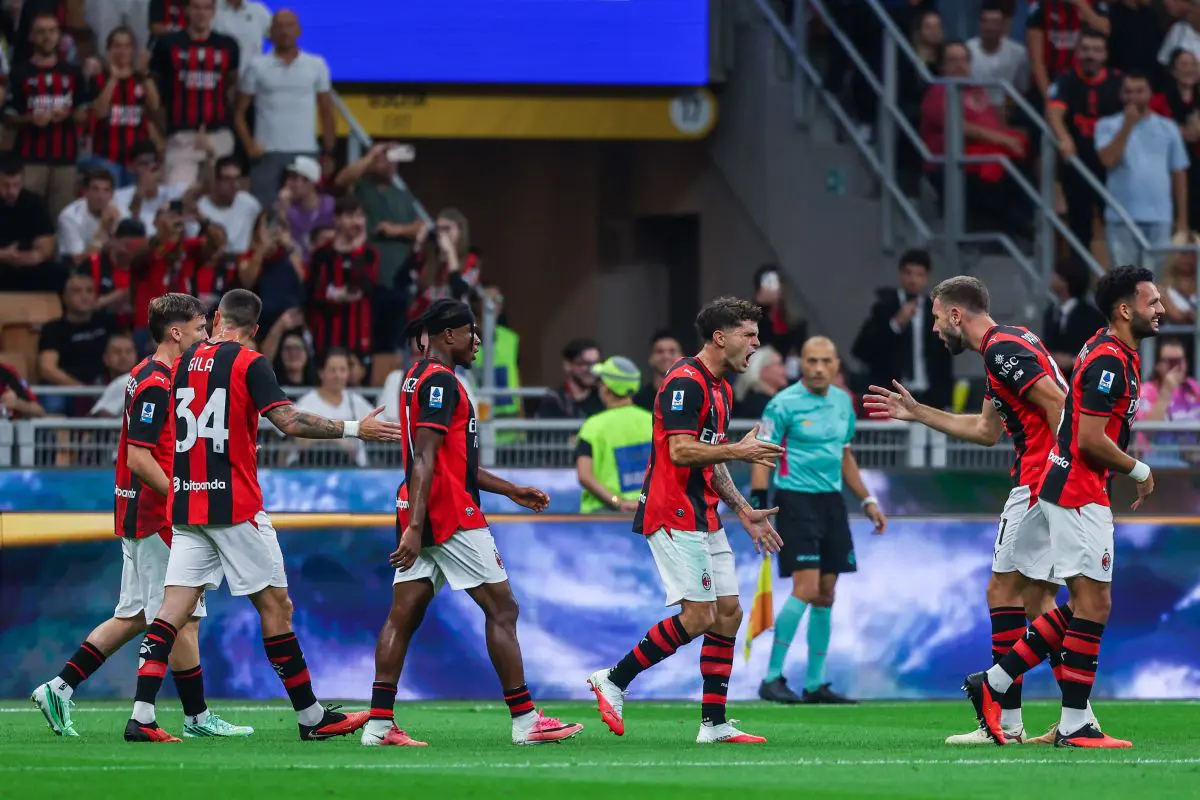 Pulisic’s importance extends beyond the Italian game.
As one of the most recognisable United States internationals, he provides Milan with a direct connection to a large football audience. His performances can help attract attention to the club from American supporters, broadcasters, sponsors and commercial partners.
That connection is particularly relevant with the United States continuing to grow as an important market for international football.
Milan have a long-established global identity, but modern football clubs must constantly find ways to strengthen their international reach. Players with strong profiles in important markets can contribute to that strategy.
Pulisic offers Milan a combination that is difficult to manufacture: an established international reputation, experience at major European clubs and a record of contributing in the Rossoneri shirt.
The commercial benefits should not be exaggerated. A player’s nationality alone does not guarantee sponsorship revenue or a major increase in global support. Performance, visibility, club strategy and commercial execution all matter.
But having an American star who is genuinely important to the first team gives Milan a credible platform for building stronger relationships with supporters in the United States.
The challenge now: turn individual quality into trophies
The most important test of this extension will not be the announcement itself. It will be what Milan achieve during the years covered by the contract.
Pulisic has delivered goals and attacking quality, but individual success must eventually contribute to collective achievements.
Milan supporters expect more than promising performances. They want domestic titles, strong European campaigns and a team capable of competing with the strongest clubs on a consistent basis.
For that to happen, Pulisic must remain productive while the club builds a balanced squad around him.
He will need reliable attacking partnerships, a midfield capable of supplying him in dangerous areas and a tactical structure that allows him to influence matches without carrying an unrealistic share of the team’s attacking responsibility.
The coaching staff must also find ways to protect his physical condition. A player who contributes in several attacking roles can become a target for opponents and may accumulate considerable minutes across competitions.
Managing that workload will be essential if Milan want to benefit from the full length of his new deal.
Conclusion: Milan have chosen continuity, now they must deliver success
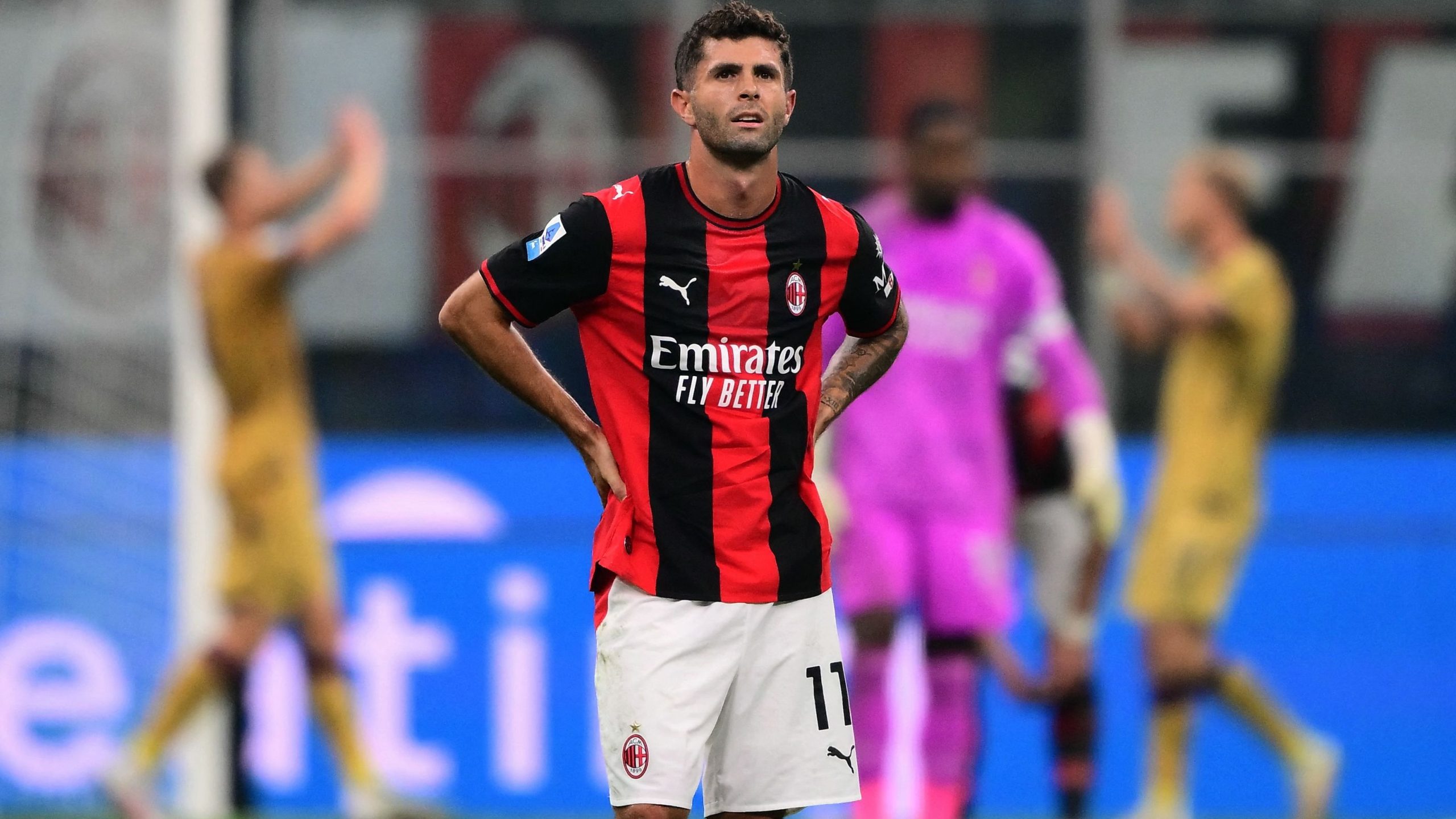 Christian Pulisic’s contract extension until 2031 is a clear vote of confidence from AC Milan.
His 44 goals in 141 appearances explain why the club wanted to secure his future. His versatility offers tactical options, his experience makes him an established figure and his international profile gives Milan additional global visibility.
But the real significance of this agreement lies in what comes next.
Milan have secured a player they believe can help shape their future. Now they must build a team capable of turning that confidence into trophies and sustained success.
For Pulisic, the challenge is equally clear: continue producing decisive performances and become one of the defining players of this Milan era.
Do you believe Christian Pulisic can become one of AC Milan’s most important players of the next five years? Share your thoughts in the comments.