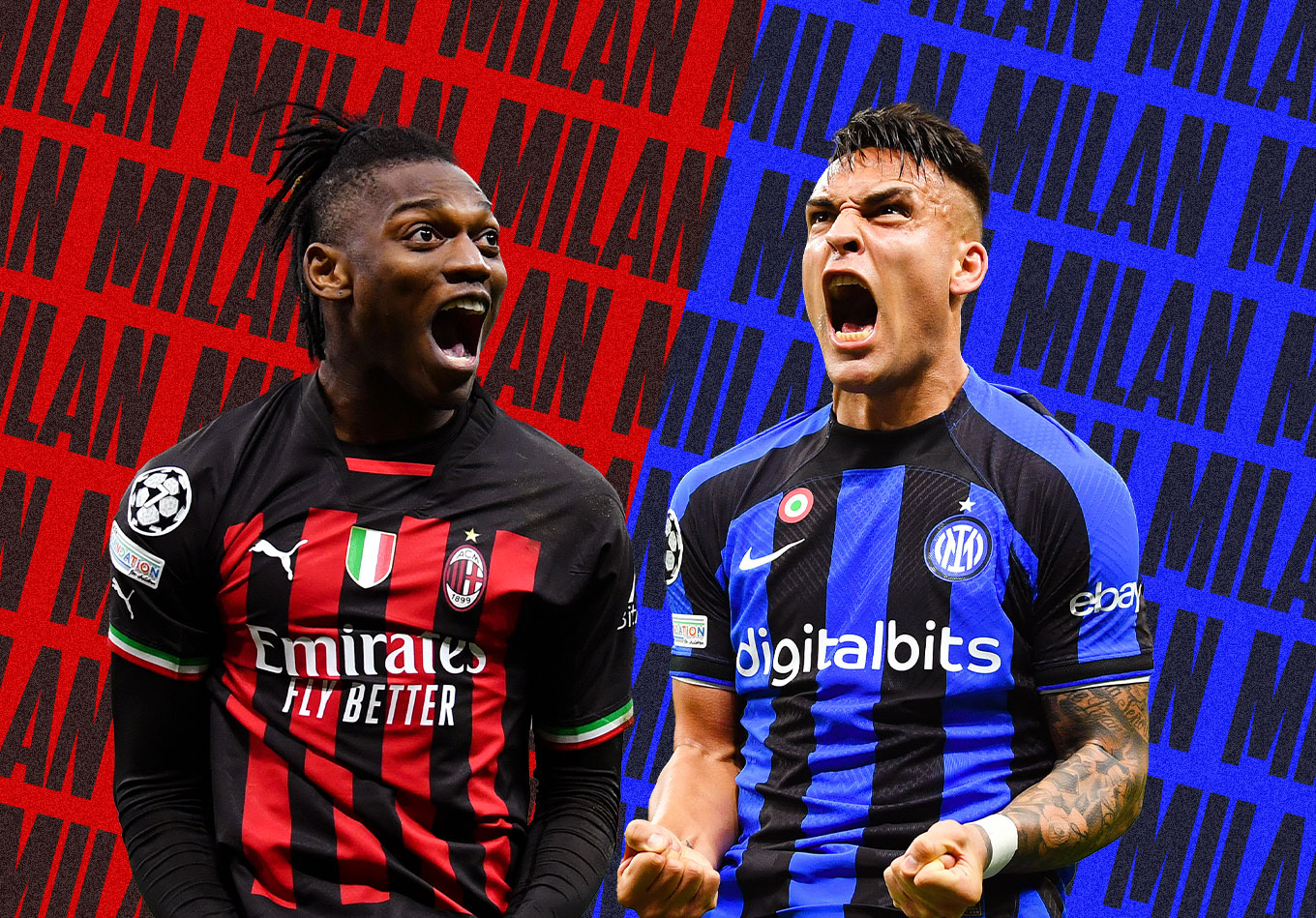
The Derby della Madonnina is rarely decided by reputation alone. In a fixture where emotion, pressure and individual quality are guaranteed, the decisive difference often comes down to which team controls the spaces that matter.
Inter arrive with momentum and a place among Serie A’s leading sides to protect, while AC Milan have an opportunity to turn a difficult recent result into a defining response. Seven points separate the rivals, but the tactical contest promises to be much closer than the league table might suggest.
For Cristian Chivu, the challenge is to maintain Inter’s attacking rhythm without allowing Milan to exploit the spaces behind the defensive structure. For Rúben Amorim, the priority is to make Milan’s possession more dangerous, improve their attacking positioning and prevent Inter from turning defensive transitions into scoring opportunities.
Here are five tactical battles that could decide the Derby della Madonnina.
1. Inter vs AC Milan: The midfield battle for territorial control
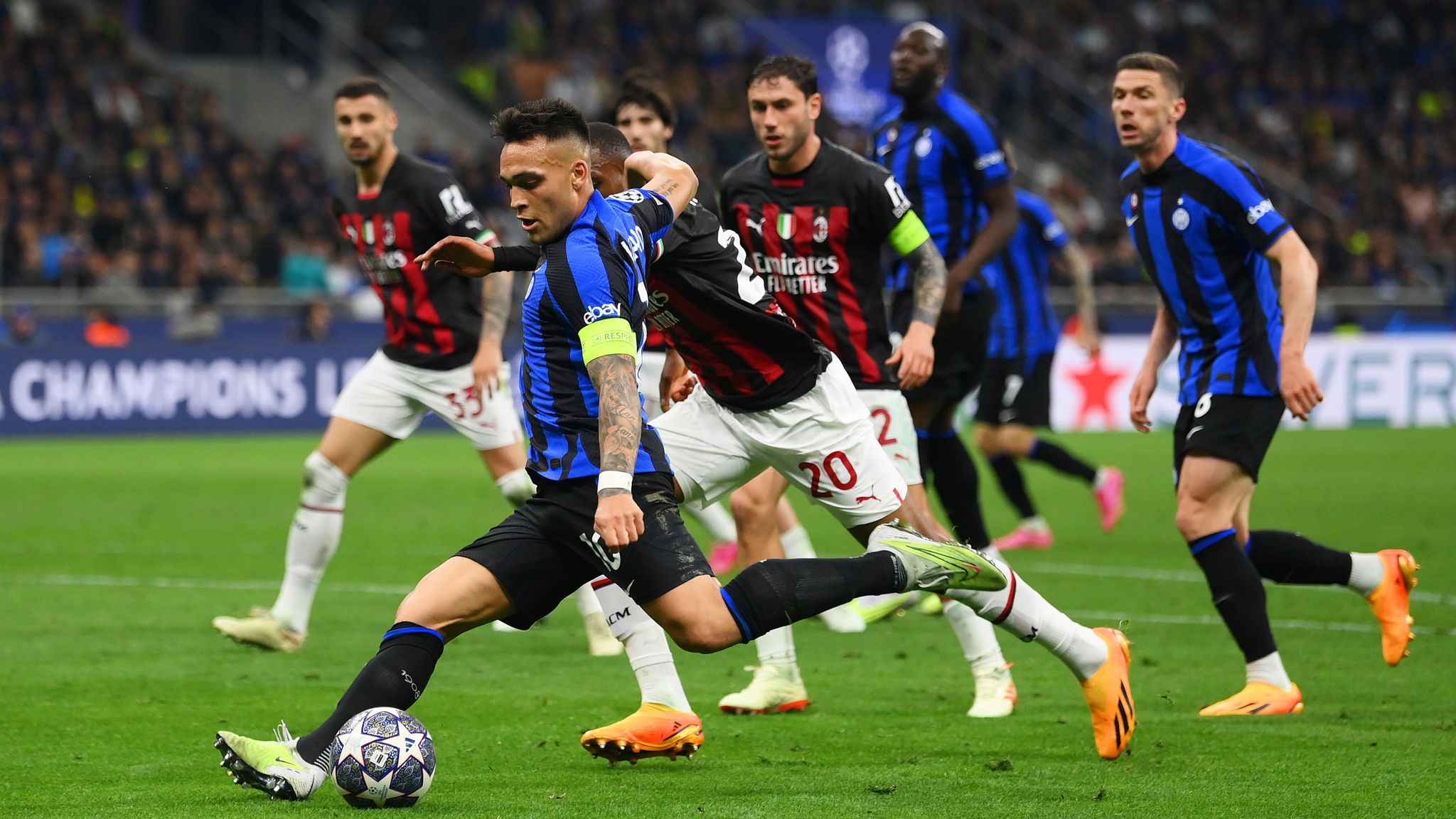 The first decisive contest will take place in midfield, where the two teams will attempt to dictate the speed, direction and rhythm of the game.
Milan’s approach under Amorim is built around possession and movement. Their 3-4-3 structure gives them opportunities to circulate the ball through the defensive line, use midfielders as passing options and create overloads in wide areas. The attacking players are encouraged to move between positions, making it difficult for opponents to maintain their defensive references.
Inter, meanwhile, have a midfield structure that can combine technical quality with positional discipline. Their ability to move the ball quickly and create passing angles allows them to progress through the centre without necessarily forcing risky passes.
The question is whether Milan can dominate possession in areas that actually hurt Inter.
Possession by itself will not be enough. Milan must move Inter’s midfielders away from their preferred positions, create passing lanes between the lines and give their forwards opportunities to receive the ball facing goal.
If Milan circulate possession slowly in front of Inter’s defensive block, they could find themselves controlling the ball without controlling the match.
Inter will want to prevent that.
The Nerazzurri can use their midfield positioning to close central passing lanes and force Milan towards the touchlines. Once the ball travels wide, Inter can attempt to compress the space around the receiver and force a backward pass or an uncomfortable delivery.
The tactical advantage: Inter will benefit if they can disrupt Milan’s central combinations and turn possession into turnovers. Milan need their midfielders to receive under pressure, play forward quickly and move into dangerous spaces rather than simply accumulate passes.
2. Inter’s selective pressing against Milan’s build-up from the back
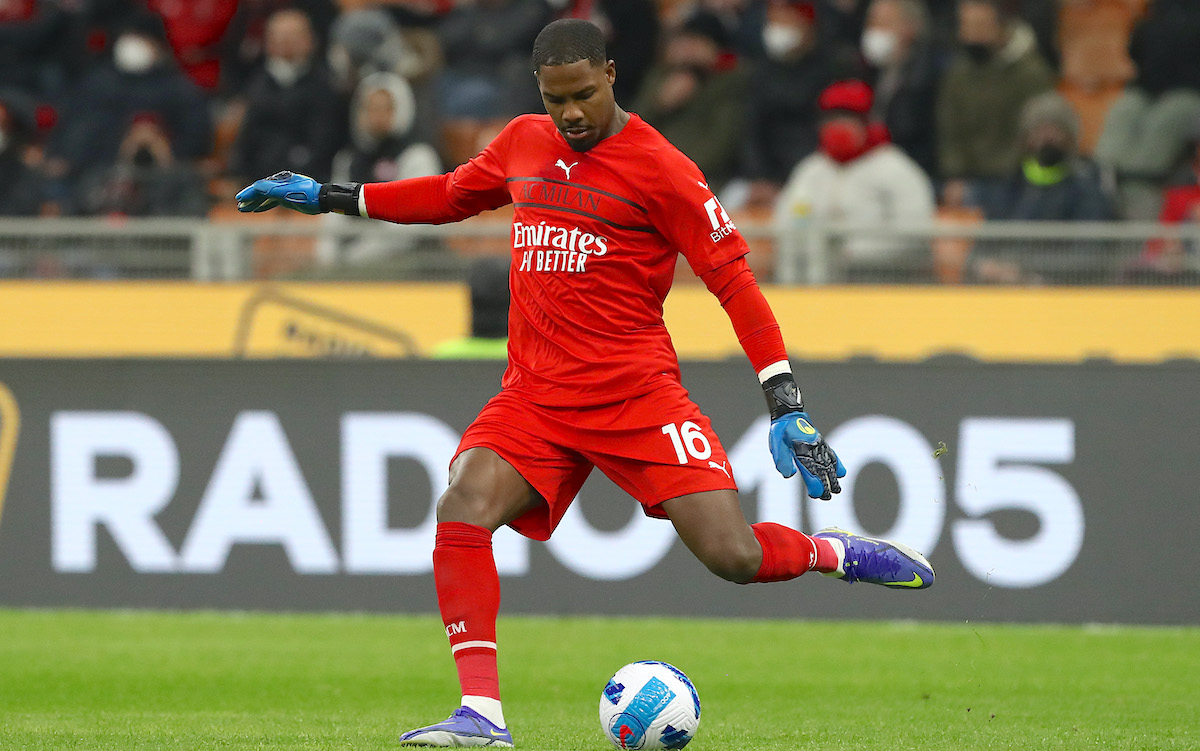 One of the most intriguing tactical questions concerns how Inter will press Milan’s first phase of possession.
Amorim wants his team to build from the back. Mike Maignan’s distribution is an important part of that approach, while the defenders and midfielders move into positions that create passing options.
The objective is to attract the opposition forward before finding space beyond the first pressing line.
However, this approach carries risk. If the passing angles are blocked, Milan can become trapped close to their own penalty area. That is particularly dangerous against a team capable of recognising pressing opportunities and attacking immediately after winning possession.
Milan’s 4–2 defeat against Bologna exposed some of these problems. Inter’s own pre-match tactical analysis noted that Milan struggled against Bologna’s pressure, with mistakes in their build-up contributing to gaps in the defensive structure.
Chivu has also offered an important explanation of Inter’s pressing philosophy. He said his team does not simply press opponents man-to-man. Instead, the players use specific references and choose particular moments to trigger pressure. He wants the team to understand when to press, how to press and why to press.
That distinction could be decisive.
Inter do not need to chase every Milan defender. They can wait for a pass into a midfielder who receives with limited options, then use the nearest players to close the space and force a mistake.
Milan’s response must be intelligent. Maignan and the defenders need to recognise when short passing is safe and when a longer ball is the better option. Gonçalo Ramos can help by dropping towards the ball, providing a direct passing target and bringing the attacking midfielders into play.
The tactical advantage: If Milan repeatedly lose possession while attempting to build from the back, Inter could create dangerous chances without needing long periods of attacking pressure. But if Milan bypass the first pressing line consistently, they could expose the spaces behind Inter’s midfield.
3. The wing-back battle: Can Milan stretch Inter’s defensive structure?
 Wide areas could become one of the most important zones in this derby.
Amorim’s system relies heavily on width. Milan’s wing-backs help stretch the opposition, while the players ahead of them can move inside to create combinations and overload central spaces.
This movement creates a difficult defensive question for Inter.
If Inter’s wide defenders follow Milan’s attacking players into central positions, space can become available outside. If they remain wide, Milan may find opportunities to combine inside.
The timing of these movements will be crucial.
Milan can attempt to create two-versus-one situations on the flanks, using a wing-back and an attacking player to isolate Inter’s wide defender. Quick passing combinations could force Inter’s defensive line to shift across the pitch, potentially opening a passing lane towards Ramos or a late-arriving midfielder.
However, Inter can exploit the same attacking commitment.
When Milan push their wing-backs forward, the space behind them becomes a potential target. Inter can move the ball quickly towards the channels and ask their forwards to attack the spaces left by Milan’s advancing players.
This is where Marcus Thuram’s movement becomes particularly important. His ability to run into channels, carry the ball and occupy defenders can give Inter a direct route towards goal.
Milan must therefore balance their desire to attack with the need to protect their defensive structure.
The wing-backs cannot advance simultaneously without adequate cover. At least one midfielder or defender must be ready to protect the space behind them, especially when possession is lost.
The tactical advantage: Milan can create problems through wide overloads, but Inter may have the more dangerous opportunities if they win the ball and attack the space behind the wing-backs. The team that manages these transitions better could control the most dangerous attacking zones.
4. Inter without Lautaro Martínez: Can Thuram lead the attacking threat?
 Lautaro Martínez’s absence changes the nature of Inter’s attacking challenge.
The Argentine captain is more than a goalscorer. His movement, pressing, link-up play and ability to occupy central defenders make him an important reference point in Chivu’s attacking structure.
Inter will therefore need other players to compensate for the qualities he brings.
Marcus Thuram is expected to carry a major share of that responsibility. The French forward has scored five league goals and is enjoying a strong run of form. His physical strength, acceleration and ability to attack space make him a difficult opponent for defenders to control.
The question is who will partner him.
Bonny or Esposito could provide a different attacking profile, depending on Chivu’s selection. One option may offer more movement behind the defensive line, while another could help Inter connect their midfield and attack.
But Inter’s attacking threat is not limited to the forwards.
The club’s pre-match analysis highlighted that 10 different players have already scored in Serie A this season. That distribution gives Inter alternatives when their main attacking figures are unavailable or tightly marked.
Milan cannot simply concentrate on Thuram and assume the danger has disappeared.
Inter’s midfielders can arrive in the penalty area, while the wide players can attack the far post or create space for runners from deeper positions. Their ability to change the point of attack could become especially important if Milan defend narrowly.
For Milan, the defensive priority will be to prevent Thuram from receiving the ball with room to turn. The centre-backs must communicate effectively, while the midfielders need to limit the passes that allow Inter’s forwards to combine between the lines.
The tactical advantage: Lautaro’s absence is a significant loss, but Inter’s collective scoring contribution means Milan must defend the entire attacking structure. If Thuram receives consistent support, the Nerazzurri can remain dangerous without their captain.
5. Defensive transitions and set pieces: Milan’s biggest warning signs
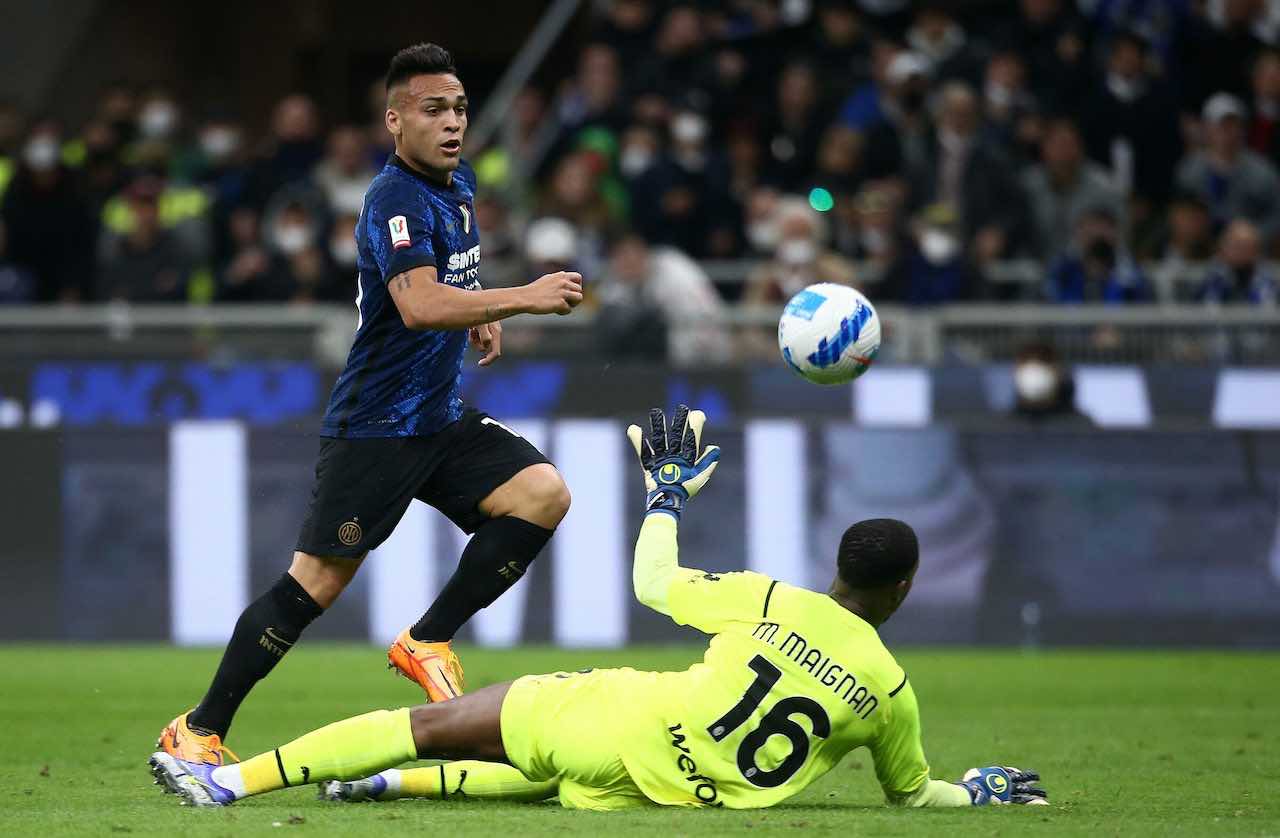 The fifth battle could ultimately decide the match because it concerns the moments when both teams are most vulnerable.
Milan want to attack with numbers, move their wing-backs forward and use quick combinations to reach the final third. But every attacking movement creates a defensive responsibility.
When possession is lost, the nearest players must immediately press the ball or recover into protective positions. If they fail, the opposition can attack before the defensive line has reorganised.
This is an area Inter could target.
The Nerazzurri have shown an ability to respond when matches become difficult. According to AC Milan’s pre-match analysis, Inter have collected 13 points from losing positions this season, more than any other Serie A side at this stage. They have also scored in 19 consecutive Serie A matches.
Those figures suggest a team that remains dangerous even when the initial plan does not work.
Milan must therefore avoid losing their defensive shape after conceding or missing an opportunity. Amorim himself acknowledged that his players lost composure and changed their positions after going 3–2 down against Bologna, despite having time to recover.
That admission is important because Inter are particularly capable of punishing disorganisation.
There is another issue: set pieces.
Milan’s defensive work at dead-ball situations has been a concern. Inter’s analysis identified goals conceded from set pieces against Torino, Juventus, Sassuolo and Bologna.
In a derby where open-play opportunities may be limited, corners and free-kicks could provide a decisive route to goal.
Inter will look to use their physical presence and coordinated movement to attack dangerous delivery zones. Milan must defend their assignments with concentration, protect the space around the goalkeeper and avoid allowing free headers inside the penalty area.
At the other end, Milan can also use set pieces to test Inter’s defensive organisation. The key will be the quality of delivery and the timing of runs rather than simply sending bodies into the box.
The tactical advantage: Inter have reasons to target Milan’s transition defence and set-piece organisation. Milan must remain compact when attacking and defend dead-ball situations with greater discipline than they showed in recent matches.
The coaching duel: Chivu’s organisation against Amorim’s ambition
Beyond the five individual battles, this derby is also a test of two different stages of team development.
Chivu has inherited an Inter side with established patterns, experienced players and a strong understanding of positional responsibilities. Amorim is attempting to build a more dynamic Milan around his preferred system, with possession, width and attacking movement at the centre of the project.
Amorim openly acknowledged the difference in collective maturity before the match, describing Inter as a team that can play almost automatically even when personnel change.
That does not mean Milan lack quality. Their possession numbers and attacking options show that they can create problems for leading opponents. But their challenge is to turn that quality into consistent control across the full 90 minutes.
SEE ALSO: Generali Stadium: Inter & Milan’s Stunning £1bn Revolution
For Chivu, the biggest danger may be assuming that Inter’s superior league position will automatically translate into control. Milan have technical players capable of exploiting space, and a derby can quickly become unpredictable if the Nerazzurri lose their defensive discipline.
The coaches’ in-game decisions could therefore matter as much as their starting formations.
If Milan dominate possession without creating clear chances, Amorim may need to introduce more direct attacking movement. If Inter find space behind the wing-backs, Chivu could encourage earlier forward passes and more aggressive runs into the channels.
The team that adapts first may gain the decisive advantage.
Final verdict: Which tactical battle could decide the Derby della Madonnina?
Inter have the stronger league position, a more settled collective structure and an impressive record of scoring consistently. Milan, however, have the technical quality and attacking movement to make this a difficult evening for their city rivals.
The most decisive battle may be the space behind Milan’s advancing wing-backs. If Inter can win possession and attack those areas quickly, they could create opportunities without needing to dominate the ball.
For Milan, the route to success is clearer: build with composure, move the ball forward faster, maintain defensive protection and avoid giving Inter easy transition opportunities.
The absence of Lautaro Martínez gives Milan an opportunity, but it does not remove Inter’s attacking threat. Thuram and the supporting players have enough quality to punish defensive mistakes.
Ultimately, this derby may be decided by one question: Can Milan turn their possession into genuine attacking danger without exposing the spaces Inter are waiting to exploit?
That is the tactical challenge Amorim must solve. Chivu will be hoping his team can make the answer painfully clear.
What’s your prediction? Will Inter’s organisation and attacking depth overcome Milan’s possession game, or can Amorim deliver a statement derby victory? Share your thoughts in the comments and follow The Football Xtra for more tactical analysis.