One victory can restore belief, but it cannot erase months of problems. Roberto De Zerbi has given Tottenham Hotspur a reason to believe again after their 3–1 Premier League victory over Coventry City. Now comes a far more demanding examination: a London derby away to Chelsea, a side beginning to find its rhythm under Xabi Alonso.
The Chelsea vs Tottenham encounter on Saturday, 24 October 2026, could reveal whether Spurs’ latest performance represents the beginning of a genuine recovery or simply a welcome interruption to a difficult start. Chelsea welcome their London rivals to Stamford Bridge after consecutive league victories against Bournemouth and Everton, while Tottenham are attempting to build momentum after finally recording their first Premier League win of the campaign. [Premier League preview](https://www.premierleague.com/en/news/4744256/ten-key-questions-for-matchweek-8s-fixtures)
The challenge facing De Zerbi is considerable. Chelsea have attacking quality, growing confidence and a formidable recent record in this fixture. Tottenham, meanwhile, must show that their new tactical approach can survive against a more aggressive opponent capable of exploiting spaces between the lines.
The result matters to both managers. For Chelsea, another victory would strengthen the impression that Alonso is establishing a more stable team. For Spurs, defeat could undermine the confidence generated by their win over Coventry before the new manager has had time to build consistency.
Here are four brutal tests that could determine whether De Zerbi’s revival survives the trip to Stamford Bridge.
1. Chelsea vs Tottenham: Winning the Midfield Battle
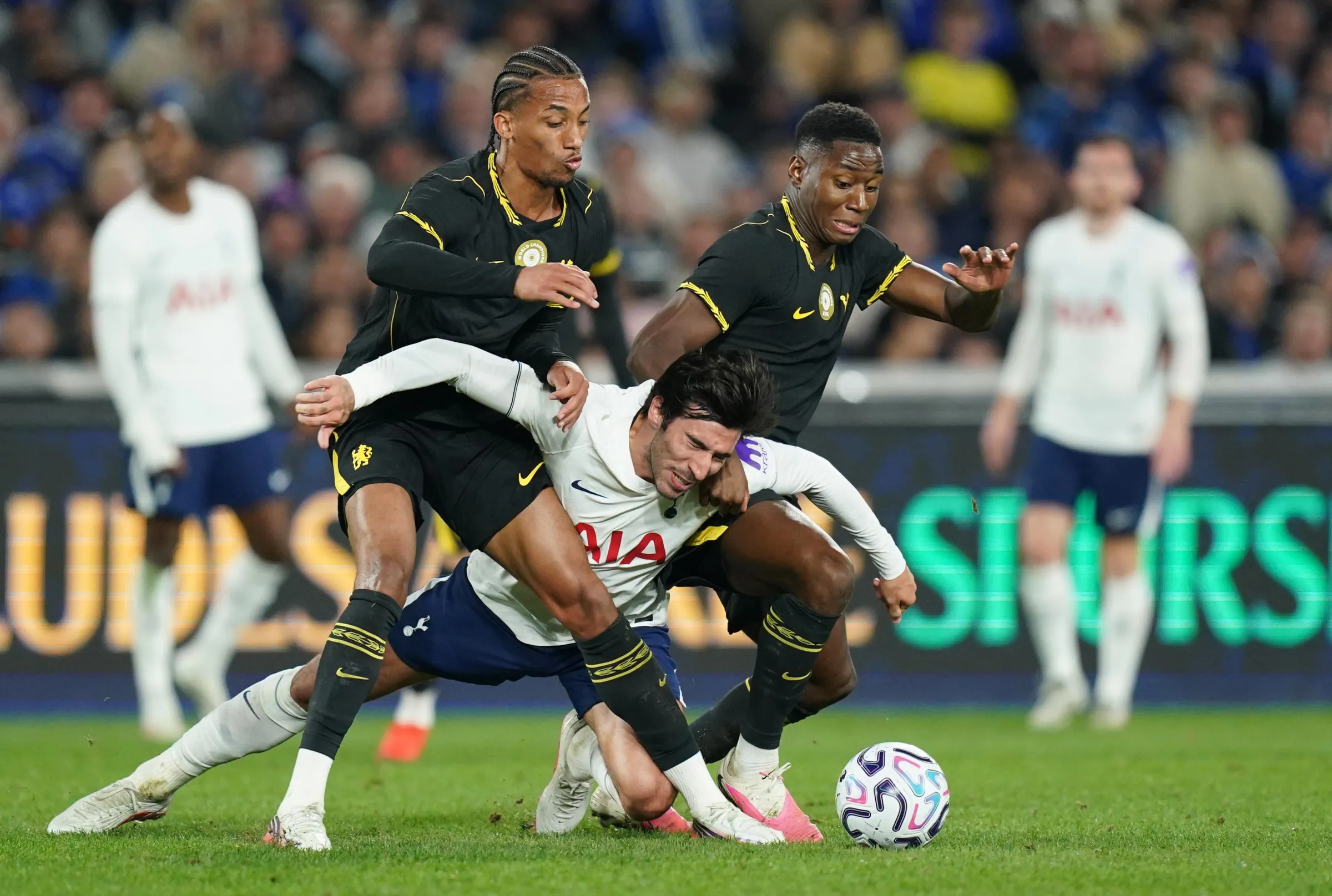 The first and potentially most decisive test will take place in midfield.
Chelsea’s recent improvement has coincided with greater stability in their central areas. Moisés Caicedo offers ball-winning ability and defensive coverage, while Jordan Henderson brings experience, organisation and a willingness to connect different phases of possession.
Tottenham will need to disrupt that partnership without leaving their own defence exposed.
The Premier League’s tactical preview identifies this contest as one of the key questions ahead of the derby. It also highlights the contrast between Chelsea’s more conventional 4-2-3-1 structure against Everton and De Zerbi’s attacking arrangement against Coventry, in which three players operated as narrow attacking midfielders. Cite refs={[“turn610608search3”]}
That contrast makes the tactical battle particularly interesting.
Can De Zerbi overload Chelsea’s midfield?
Against Coventry, Tottenham used a narrow group of attacking midfielders to occupy central spaces and create passing options close to the opposition’s defensive line. The approach can help Spurs establish combinations through the middle, particularly when their forwards receive the ball between the lines.
However, Chelsea are unlikely to allow those players the same freedom.
Caicedo and Henderson can press receivers, close passing lanes and force Tottenham to move the ball towards wider areas. If Spurs cannot progress possession cleanly, they risk becoming predictable and allowing Chelsea to recover their defensive shape.
De Zerbi must therefore decide how much attacking freedom to give his advanced midfielders without compromising the team’s defensive balance.
James Maddison could be important in this respect. His creativity and ability to receive the ball in advanced positions can help Tottenham connect midfield possession with attacking movement. But if he and the other attacking midfielders push forward simultaneously, Chelsea could find space to counter through the centre.
Tottenham also need their deeper midfielders to offer reliable passing options under pressure.
The key battle: Can Spurs create numerical advantages between Chelsea’s midfield and defence without losing control of the spaces behind their attackers?
If they can, De Zerbi’s system could trouble Chelsea. If they cannot, the hosts may dominate territory and force Tottenham into a reactive performance.
2. Tottenham’s Defensive Structure Must Survive Chelsea’s Attacking Threat
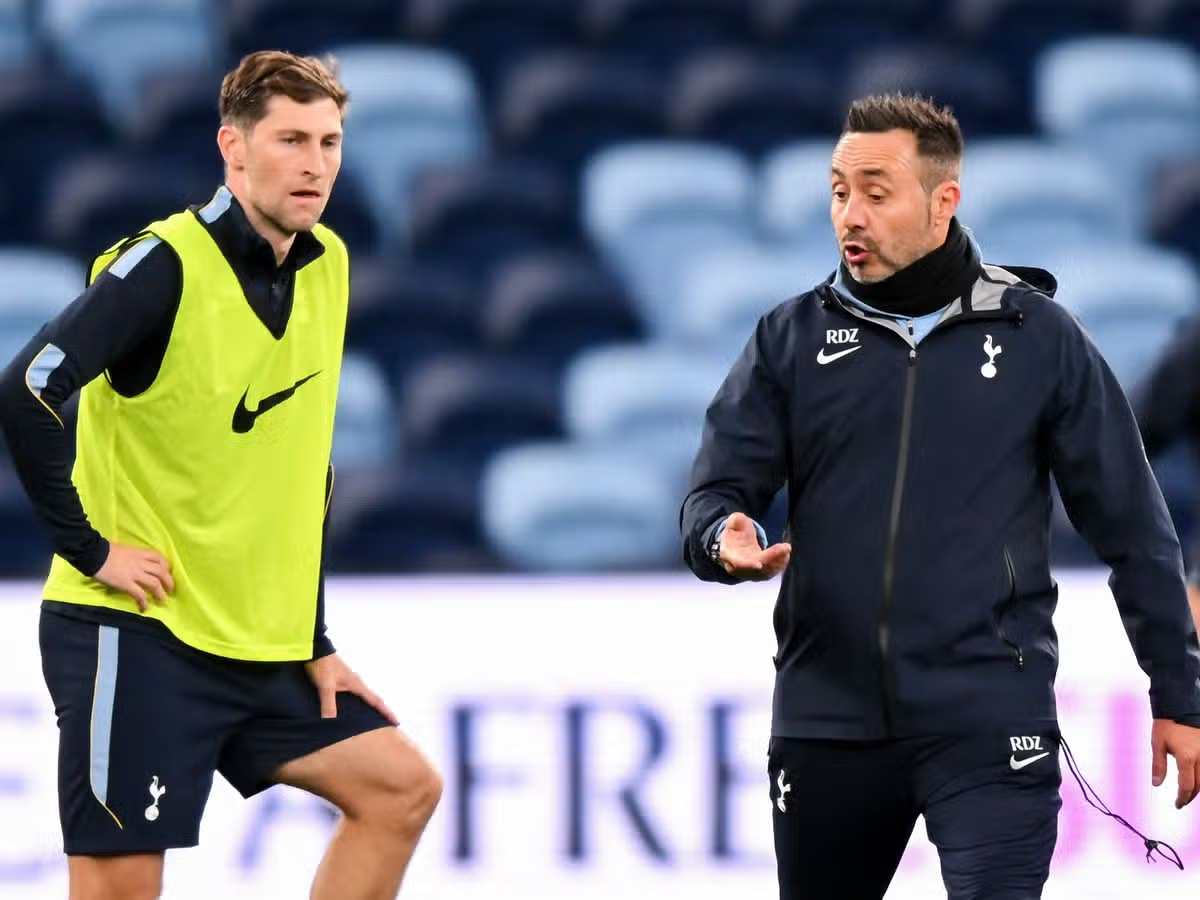 A second test concerns Tottenham’s ability to defend transitions and protect the spaces around their back line.
Chelsea enter this fixture with encouraging attacking numbers. Sports Mole’s preview reported that they had scored 17 Premier League goals in their opening seven matches, placing them among the division’s highest-scoring sides at that stage. Their recent results include a 5–1 victory over Bournemouth and a 2–0 win away to Everton.
SEE ALSO: Pochettino Says Tottenham Deserve Chelsea’s 2017 Title — Could Spurs Really Be Crowned Champions?
Those performances suggest Chelsea have several ways to hurt opponents. They can build attacks through midfield, use wide players to stretch defensive lines and exploit openings created when opponents lose possession.
Tottenham cannot afford to attack recklessly.
The danger of space behind the wing-backs
De Zerbi’s willingness to use an adventurous attacking shape can help Spurs create passing triangles and put pressure on opponents. But an attacking system becomes vulnerable when possession is lost and players are positioned ahead of the ball.
Chelsea will look to exploit precisely those moments.
If Tottenham commit several players into central attacking positions, Chelsea could recover possession and release runners into the spaces left behind. Quick forward passes would force Spurs’ defenders to retreat while attempting to protect the centre and cover wide areas.
The defensive midfielder’s positioning will be crucial. Someone must recognise when to support the attack and when to remain in a position that prevents Chelsea from launching a dangerous counter.
The centre-backs will also need to communicate effectively. Stepping forward to press can disrupt Chelsea’s combinations, but mistimed pressure may leave space for runners to attack behind the defensive line.
Tottenham’s recent defensive difficulties make this particularly important. Sports Mole reported that Spurs had conceded ten goals across their first seven league matches of the season. That figure does not mean Chelsea are guaranteed to score, but it underlines why defensive organisation must improve if Tottenham are to turn their recent victory into a sustained recovery.
The answer is not necessarily to abandon De Zerbi’s principles. Instead, Spurs must execute them with better coordination: press together, maintain appropriate distances between the lines and react quickly when possession changes hands.
If Tottenham leave too much space behind their attacking midfielders, Chelsea have the quality to punish them.
3. Stamford Bridge History Could Become a Psychological Obstacle
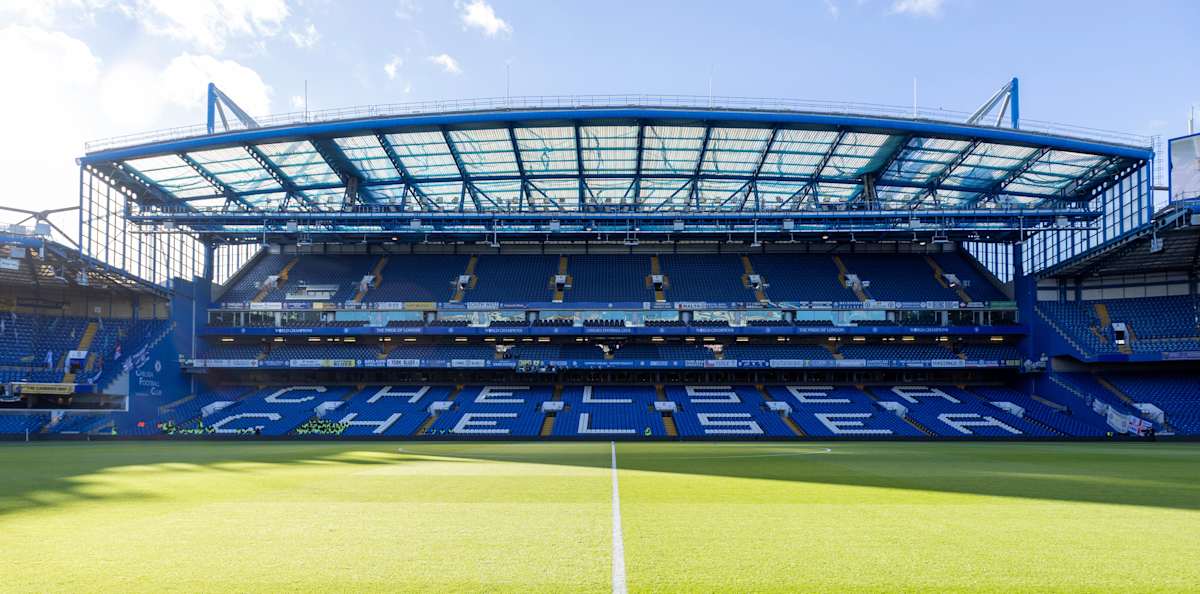 Football matches are decided on the pitch, but history can influence the expectations surrounding a contest.
Tottenham’s recent record at Stamford Bridge is an uncomfortable one. According to Sports Mole’s preview, Spurs had won just once in their previous 36 Premier League visits to Chelsea’s home ground, recording 11 draws and 24 defeats in that period. Their only victory in that sequence came in the 2017–18 season.
Chelsea have also won their last six Premier League meetings with Tottenham, according to the Premier League’s Matchweek 8 preview.
These records do not decide Saturday’s result, but they explain why Chelsea will enter the derby with considerable confidence.
For Tottenham, the challenge is to avoid allowing the occasion to dictate their decisions.
De Zerbi must demand courage without carelessness
A team struggling for results can become cautious when facing a familiar rival with a strong historical advantage. Players may hesitate to attempt forward passes, avoid pressing aggressively or retreat too early when the opposition begins to dominate possession.
That would suit Chelsea.
If Spurs allow their opponents to settle comfortably into the game, the hosts could control possession and gradually increase the pressure. Tottenham would then face the difficult task of chasing the match while trying to maintain defensive discipline.
De Zerbi needs his players to approach the fixture with confidence, but confidence must not become recklessness.
That means choosing the right moments to press, remaining calm when Chelsea dominate possession and continuing to create attacking opportunities even if the opening stages are difficult.
An early Tottenham goal could change the atmosphere and force Chelsea to take greater risks. Equally, conceding early could expose Spurs’ tendency to become stretched when searching for an equaliser.
The first goal may therefore carry significant tactical and psychological weight.
Chelsea have a historical advantage, but Tottenham can begin to change that narrative only by producing a disciplined performance on the day.
4. Injuries, Squad Depth and Consistency Could Expose Tottenham’s Limits
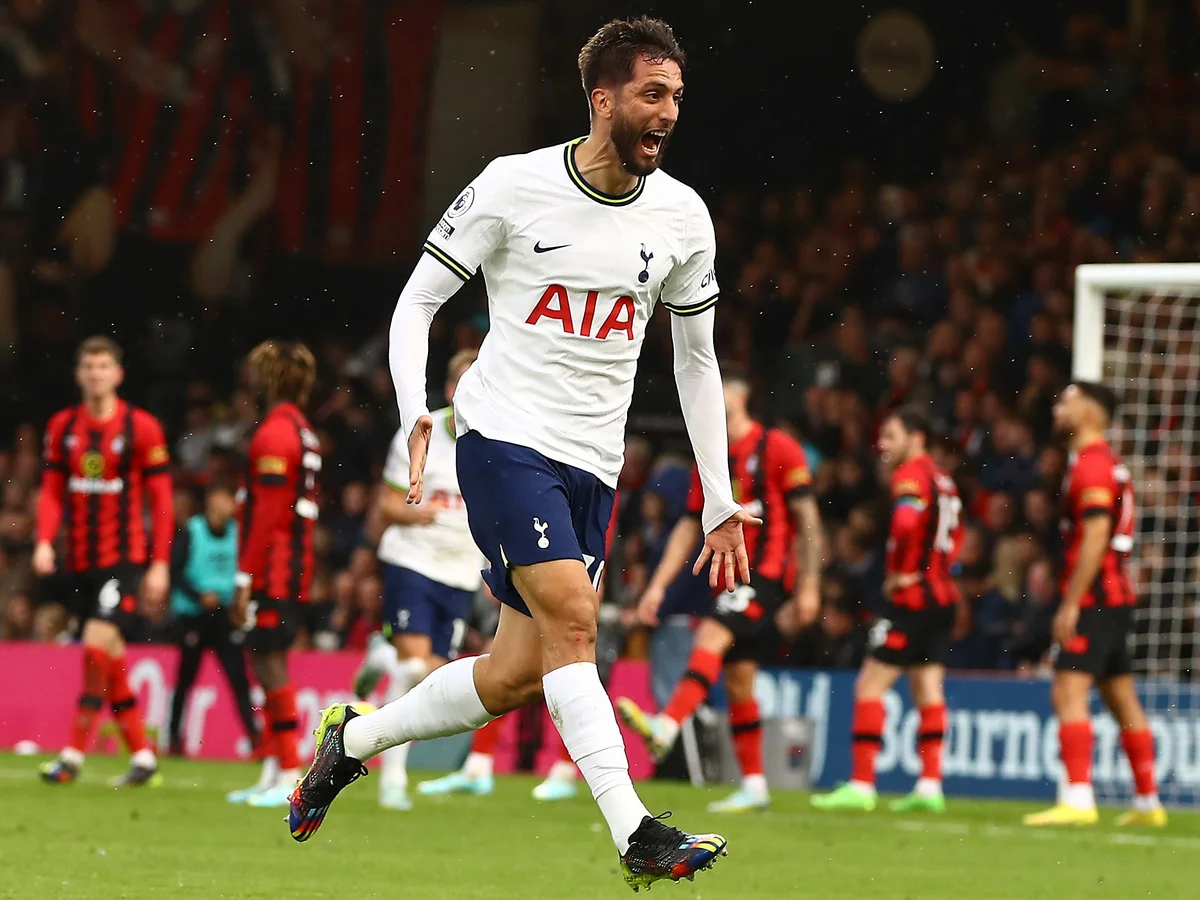 The fourth test is less about one tactical decision and more about the resources available to De Zerbi.
A manager can devise an effective game plan, but its success depends on having players capable of carrying out their roles. Injuries, suspensions and fitness concerns can force changes that affect the balance of the team.
Ahead of the derby, Sports Mole listed Rodrigo Bentancur as suspended and identified several Tottenham players, including Destiny Udogie and Pedro Porro, as injury or fitness concerns. Porro was reported to be a possible returnee after a hamstring problem, while Udogie’s availability was uncertain. These were pre-match assessments, not confirmation of the final squad.
The situation means Tottenham must prepare for more than one possible scenario.
Why the right balance matters
If Porro is fit enough to feature, his ability to contribute from the right could provide width and help Tottenham progress the ball. If he is unavailable or not ready to start, De Zerbi may need another player to perform those duties.
The same principle applies across the squad. Replacing an unavailable player is not simply a matter of selecting someone in the same position. The replacement must also fit the tactical responsibilities of the role.
A change at full-back, for example, could influence how aggressively Tottenham press, how much width they create and how much protection the centre-backs receive.
The manager must also consider the demands placed on players returning from injury. Rushing someone into a high-intensity derby could create further fitness risks, while relying too heavily on players who are not fully match-fit may reduce the team’s ability to sustain its pressing throughout the game.
Chelsea have their own selection concerns. Sports Mole reported that goalkeeper Emiliano Martínez had undergone surgery on a fractured jaw, while Reece James and other players were also listed among the potential absentees. Mike Penders was expected to deputise in goal.
That gives Tottenham potential opportunities, but they must exploit them rather than assume Chelsea will be weakened.
The broader question is whether De Zerbi can maintain his tactical identity while adapting to the players available. One encouraging performance is valuable; repeating it against different opponents is what turns a promising start into genuine progress.
One victory is a beginning, not a revival
Tottenham’s 3–1 win over Coventry offered welcome relief after a difficult opening to the league campaign. It also gave De Zerbi a chance to build confidence around his attacking ideas.
But Chelsea represent a different challenge. They have more attacking depth than many opponents and are beginning to show greater consistency under Alonso.
If Spurs lose, that does not automatically mean De Zerbi’s project has failed. Equally, a victory would not instantly solve every issue. What matters is whether Tottenham can compete with discipline, create meaningful chances and demonstrate that their tactical approach works against a stronger opponent.
The derby will provide a useful measure of their progress.
The Football Xtra Verdict: Can De Zerbi’s Revival Survive Chelsea?
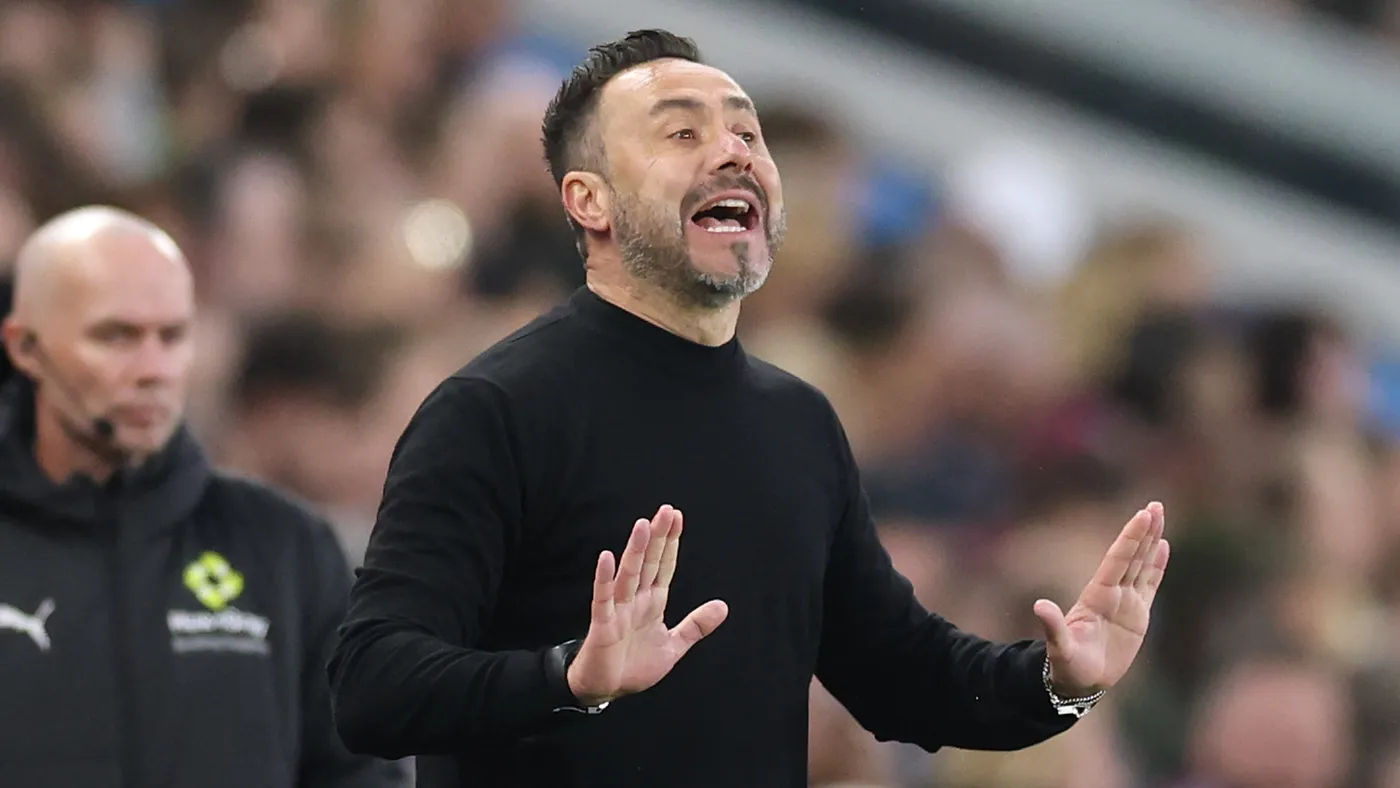 The Chelsea vs Tottenham derby arrives at an important moment for both clubs. Chelsea want to extend their recent winning run and reinforce their growing confidence. Tottenham want to prove that their victory over Coventry was the start of something more substantial.
Four factors could determine the outcome:
1. Midfield control: Tottenham must find ways to bypass Chelsea’s central pressure without losing possession in dangerous areas.
2. Defensive transitions: Spurs need to protect the spaces left behind when their attacking players push forward.
3. Psychological resilience: Chelsea’s strong recent record in this fixture makes a disciplined start especially important for Tottenham.
4. Squad availability and consistency: De Zerbi must adapt his selection and tactical demands to the players who are fit and ready.
Chelsea have reasons to be confident, particularly given their recent attacking form and historical advantage at Stamford Bridge. Tottenham, however, have an opportunity to demonstrate that their new manager can produce a competitive performance against one of their biggest rivals.
The decisive question is whether De Zerbi can turn attacking ambition into a balanced team performance. Spurs do not need to abandon their identity, but they must show that they can control the risks that come with it.
If Tottenham win the midfield battle, defend transitions intelligently and remain composed under pressure, their revival could gather momentum. If Chelsea exploit the gaps and force Spurs into reactive football, the optimism generated by the Coventry result could quickly fade.
For The Football Xtra, this is more than a London derby. It is an early examination of two developing projects—and a chance to discover whether Tottenham’s recovery is ready for its toughest test yet.
What do you think? Can Roberto De Zerbi lead Tottenham to a statement result at Stamford Bridge, or will Chelsea’s recent dominance continue? Share your prediction in the comments and follow The Football Xtra for more Premier League previews, tactical analysis and football news.