African Football Revolution is no longer just a dream — it is becoming a serious project backed by money, ambition and a new generation of football leadership.
For decades, Africa has produced some of the greatest football talents in history, from George Weah and Didier Drogba to Samuel Eto’o and Mohamed Salah.
But there has always been one painful reality:
Africa has produced the players, while Europe has built the strongest football businesses.
The continent’s best talents have traditionally moved abroad because European clubs offered:
- Better salaries.
- Better infrastructure.
- Bigger competitions.
- Greater global exposure.
Now, a new question is emerging:
Can African clubs finally become powerful enough to keep their best players and compete with Europe’s football giants?
With CAF increasing investment in club competitions and pushing for greater commercial growth, African football is entering a new chapter.
African Football Revolution: The Rise Of CAF Clubs And The Battle Against Europe
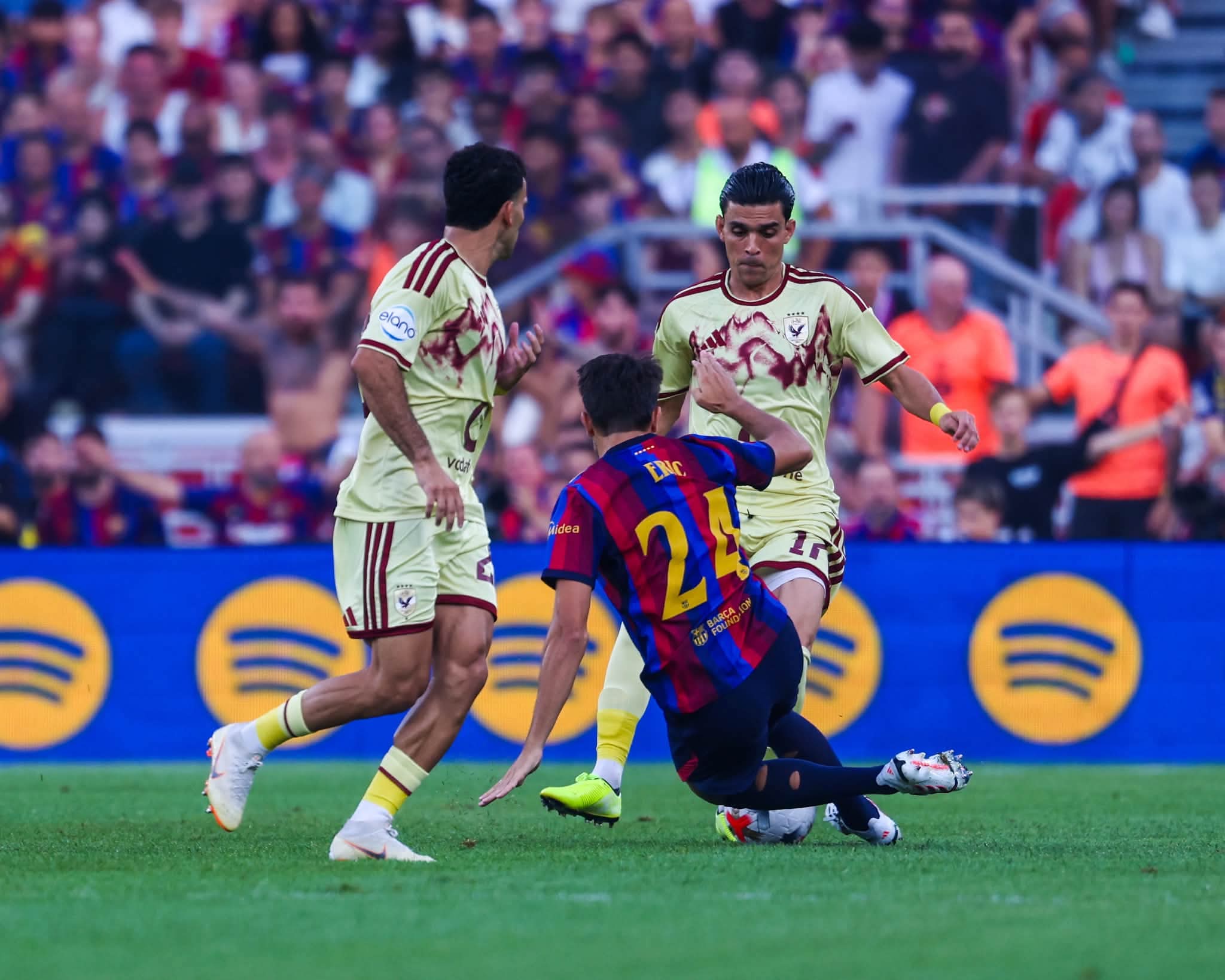 Africa Has Always Had Talent — But Never Enough Power
The biggest misunderstanding about African football is that the continent lacks quality.
That has never been the problem.
Africa has always produced elite players.
The problem has been the football ecosystem around them.
A talented teenager in Africa often faces a difficult choice:
Stay and develop locally, or move to Europe where opportunities and financial rewards are much greater.
This created a cycle:
- Africa develops talent.
- European clubs discover talent.
- Players move abroad.
- African clubs rebuild again.
The result?
African clubs became famous for producing stars, but rarely for keeping them.
Why European Clubs Have Dominated For Decades
 To understand the challenge facing CAF clubs, we must understand Europe’s advantage.
1. Broadcasting Power
European leagues generate enormous television revenue.
The Premier League alone has transformed clubs into global businesses.
Even mid-table English teams often have financial resources that surpass many African champions.
2. Commercial Infrastructure
European clubs benefit from:
- Global sponsorships.
- International fanbases.
- Merchandise sales.
- Modern stadium experiences.
A club like Real Madrid, Manchester City or Bayern Munich is not only a football team.
It is a global brand.
3. Player Retention
Europe’s biggest advantage is the ability to keep elite talent.
A young African player with world-class potential is often attracted by:
- Champions League football.
- Higher wages.
- Global recognition.
This remains the biggest challenge for CAF clubs.
The CAF Transformation: A New Financial Era Begins
 The biggest change in African football is investment.
CAF has increased financial support for club competitions dramatically.
Funding for interclub competitions has grown from approximately $19 million in 2021 to $48 million in 2026, representing a major increase in the economic value of African club football.
This matters because money changes everything.
More investment allows clubs to improve:
- Training facilities.
- Player development.
- Recruitment.
- Professional structures.
CAF Champions League Is Becoming More Valuable
 The CAF Champions League remains the continent’s biggest club competition.
The increase in prize money is designed to make success more financially meaningful.
The winner’s reward has reached $6 million, showing CAF’s ambition to increase competitiveness and commercial appeal.
But money alone does not create football power.
The question is:
How effectively will clubs use this investment?
The New African Club Giants
Several clubs are already showing signs of becoming stronger international brands.
Al Ahly — The African Benchmark
 The Egyptian giants remain one of Africa’s most successful clubs.
Their strengths:
- Huge fanbase.
- Winning culture.
- Continental experience.
- Strong organisation.
Al Ahly represents what African clubs can become when sporting success combines with commercial power.
Mamelodi Sundowns — The Modern Model
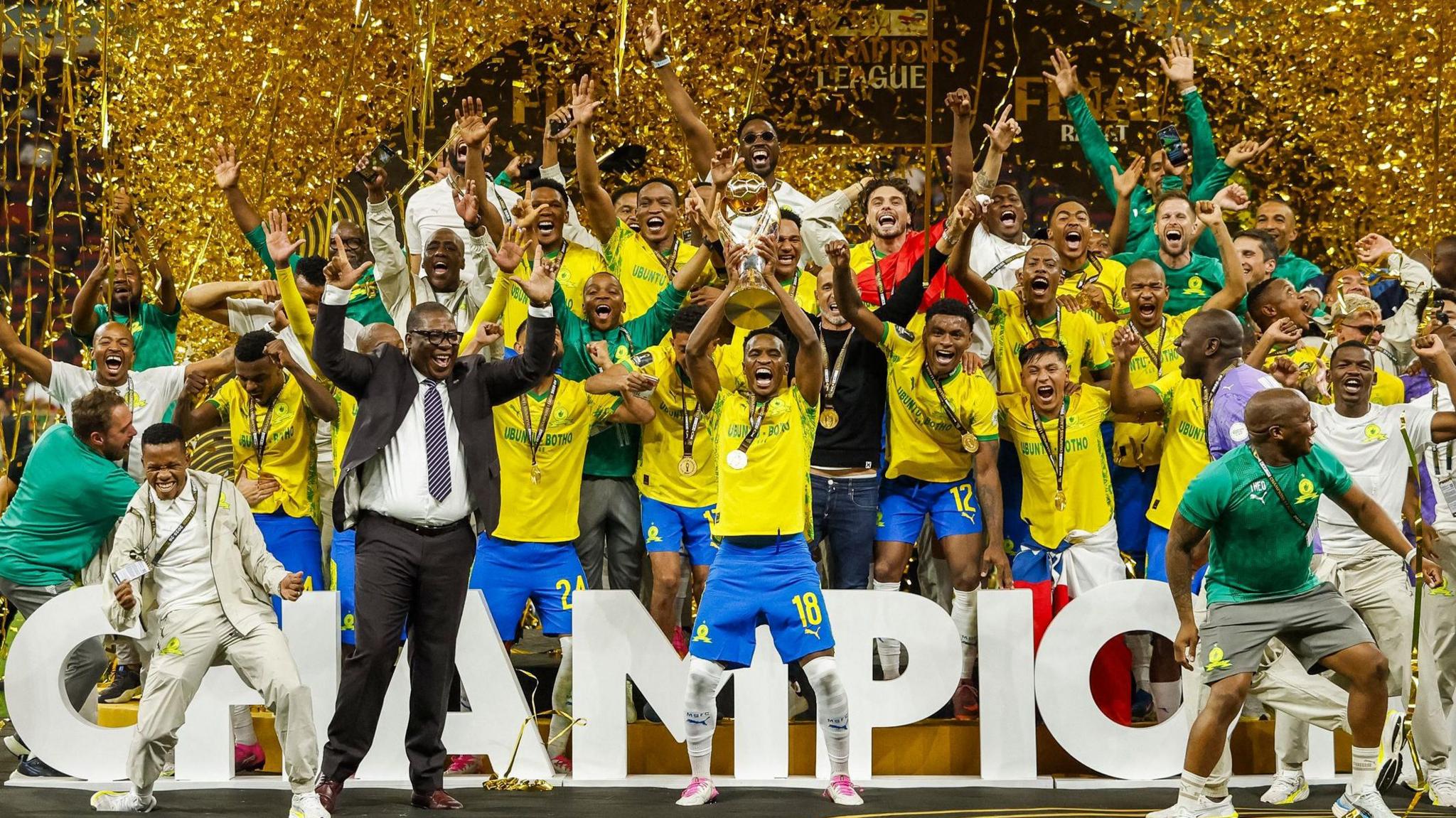 South Africa’s Mamelodi Sundowns have become an example of strategic development.
Their approach:
- Strong recruitment.
- Tactical identity.
- Financial stability.
They represent a different model:
Not simply buying success.
Building it.
Wydad, Raja, Esperance And Others
North African clubs have historically shown stronger organisational structures.
Their advantages:
- Competitive domestic leagues.
- Continental experience.
- Strong supporter cultures.
The Biggest Challenge: Keeping African Stars At Home
 This is where the real battle begins.
Winning CAF Champions League is one thing.
Keeping the best players is another.
Imagine if African clubs could keep players like:
- Victor Osimhen.
- Achraf Hakimi.
- Mohamed Salah.
- Sadio Mané.
The competitive level would completely change.
SEE ALSO; Why African Players Are Becoming More Valuable in European Football
But to achieve this, clubs need:
- Higher salaries.
- Better facilities.
- Stronger leagues.
- Global commercial growth.
Could African Clubs Eventually Challenge Europe?
The realistic answer:
Not immediately.
The financial gap remains enormous.
However, football history shows that power can change.
Look at examples:
- Saudi clubs attracting global stars.
- MLS growing internationally.
- Asian leagues increasing investment.
Football is not permanently controlled by one region.
Africa has the ingredients:
Talent:
One of the world’s richest football talent pools.
Population:
A massive young football audience.
Passion:
Some of the most dedicated supporters in world football.
The missing ingredient has always been structure.
The Business Battle: Africa’s Biggest Opportunity
The future of African football may depend less on producing players and more on building football companies.
Successful clubs must become:
- Media brands.
- Commercial organisations.
- Global entertainment products.
CAF competitions need:
- Better broadcasting.
- More international sponsors.
- Stronger storytelling.
The world needs to see African football as a product, not just a talent factory.
What African Clubs Must Do To Close The Gap
1. Invest In Academies
The best clubs must create systems similar to Europe.
Develop players.
Keep some.
Sell strategically.
2. Improve Domestic Leagues
Strong continental clubs require strong domestic competition.
Weak leagues create weak Champions League campaigns.
3. Build Global Brands
African clubs need worldwide recognition.
The future belongs to clubs that can attract:
- Fans.
- Sponsors.
- Investors.
The Future: Africa’s Football Moment Could Be Coming
The biggest change is mentality.
Previously, African football often accepted being behind Europe.
Now clubs are thinking bigger.
The goal is not only:
“Produce players for Europe.”
The goal is:
“Build football powers in Africa.”
Conclusion: African Football Revolution Has Started — But The Hardest Part Remains
African Football Revolution represents one of the most exciting developments in global football, but challenging Europe will require more than talent and passion.
CAF clubs now have increased investment, growing commercial opportunities and a stronger platform to develop.
However, the real test will be whether African football can create sustainable clubs capable of:
- Keeping elite players.
- Building global brands.
- Competing financially.
Europe remains ahead, but the gap is no longer impossible to imagine closing.
The next decade could determine whether Africa remains football’s greatest talent producer — or becomes home to some of the world’s most powerful clubs.
Can CAF clubs eventually challenge Europe, or will the financial gap remain too large? Share your opinion with The Football Xtra community.