El Clásico rarely gives a manager a quiet evening, but José Mourinho left Camp Nou with precisely the result Real Madrid needed: a 2–1 victory built on defensive discipline, dangerous transitions and Kylian Mbappé’s decisive finishing.
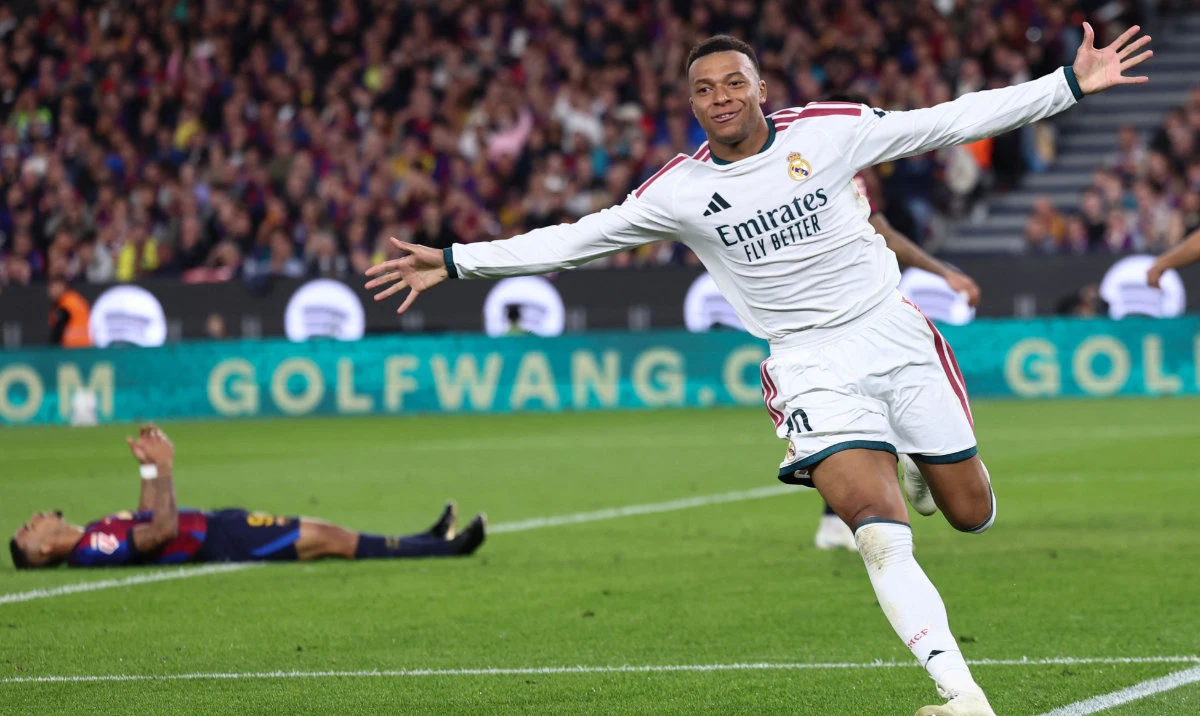
Real Madrid beat Barcelona on Sunday, 25 October 2026, ending their rivals’ nine-match winning start to the La Liga campaign. Mbappé scored twice, including an 87th-minute winner, after Raphinha had brought Barcelona level in the second half. The result moved Madrid to 24 points, three behind league leaders Barcelona, who remained on 27. Atlético Madrid sat between them on 25 points.
But reducing the victory to Mbappé’s goals would miss the larger story. Real Madrid had to withstand Barcelona’s attempts to control the match, defend their own penalty area under pressure and identify the right moments to attack the spaces behind the home side’s defence.
Mourinho’s side did not dominate every phase. Barcelona equalised, increased the pressure and created dangerous moments of their own. Madrid’s achievement was to remain threatening even when they could not dictate possession—and then deliver a decisive attacking move late in the contest.
For The Football Xtra, four tactical factors stand out: Madrid’s defensive organisation, their threat in transition, their ability to exploit space behind Barcelona’s defence, and the attacking quality that turned a late opening into three points.
1. Mourinho’s Defensive Organisation Restricted Barcelona’s Attack
 The first reason Real Madrid beat Barcelona was their ability to make the hosts work for clear opportunities, particularly during the first half.
Barcelona are most dangerous when they can establish possession high up the pitch, move opponents from side to side and find attackers between the defensive and midfield lines. Those patterns can force a defence to make repeated decisions: whether to press the ball, protect the central channel or follow runners into the penalty area.
Madrid needed to resist that pressure without allowing their defensive line to become disconnected.
The official Real Madrid match report described the visitors’ first-half performance as disciplined, noting that Barcelona were offered few opportunities before the interval. Meanwhile, Arda Güler had two early chances for Madrid, including an effort saved by Joan García.
SEE ALSO; Anthony Gordon at Barcelona: How La Liga Is Rebuilding His England Game
That contrast matters. Madrid were not simply defending deep and hoping for a lucky break. They remained alert to the possibility of attacking when Barcelona’s structure left an opening.
Protecting the centre without surrendering the counterattack
Against a possession-oriented opponent, a defensive block must balance two objectives. It needs enough compactness to restrict passes through the middle, but it must also retain players who can carry the ball forward when possession is recovered.
If the defensive and midfield lines become too far apart, Barcelona can find pockets of space for quick combinations. If Madrid retreat too far without an outlet, they risk returning the ball to their opponents almost immediately.
Mourinho’s side showed the value of keeping the contest alive in both directions. They defended with concentration, but their willingness to move forward quickly meant Barcelona could not treat every attack as a risk-free opportunity to push more players into advanced areas.
This balance became particularly important after the break. Barcelona increased their pressure and eventually equalised, but Madrid continued to look dangerous whenever they escaped the home side’s press.
The tactical lesson: Good defending is not only about preventing shots. It is also about creating the conditions for the next attack. Madrid’s defensive work gave them a platform to threaten Barcelona when the opportunity appeared.
2. Real Madrid’s Counter-Attacks Turned Barcelona’s Pressure Into a Risk
 The second major factor was Madrid’s ability to attack quickly after regaining possession.
Barcelona’s attacking approach requires players to commit forward and offer passing options around the ball. That can create sustained pressure, but it also means a lost pass or poor touch may leave space behind the advancing players.
Madrid repeatedly threatened to exploit those moments.
Reuters reported that the visitors’ quick movement of the ball continued to expose the Barcelona back line, particularly in the early stages of the second half. The late winner followed a transition in which substitute Eduardo Camavinga had enough pace to get behind the defence before squaring the ball for Mbappé.
Why the first pass after regaining possession mattered
A successful counterattack often begins before the forward runner accelerates. The first pass must move the ball away from pressure and find a teammate who can make the next decision quickly.
If that pass is delayed, the opposing team has time to recover its shape. If it goes forward at the right moment, the recovering defenders may be forced to run towards their own goal while tracking several threats.
Madrid’s approach made the transition phase a persistent concern for Barcelona. Rather than requiring long periods of possession, the visitors could create danger through quick forward movement and intelligent support runs.
This was particularly relevant late in the game, when Barcelona were pushing for a winner. The more aggressively they committed players into attack, the more important it became to protect the spaces behind them.
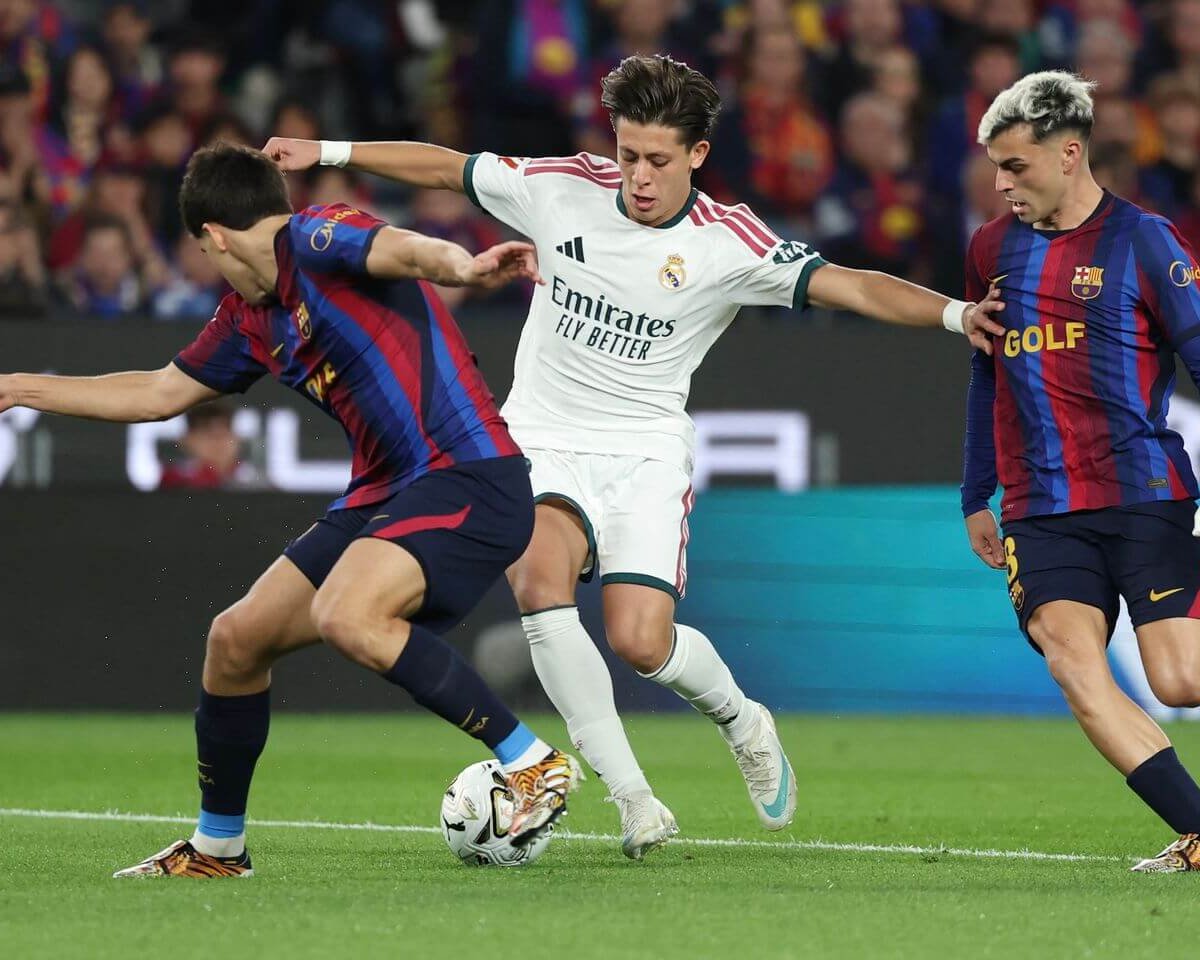
The decisive move illustrated the danger. Jude Bellingham produced a piece of skill to escape pressure and helped move the ball through Arda Güler towards Camavinga. The French midfielder advanced and delivered the final pass for Mbappé, who finished from close range.
The sequence was not just about individual quality. It depended on several players making forward decisions at speed while Barcelona’s defensive structure was vulnerable.
The risk Barcelona could not completely eliminate
Barcelona had legitimate reasons to press for victory, especially after Raphinha’s equaliser. But attacking more aggressively always carries a cost when the opponent possesses players who can accelerate into open space.
Madrid did not need every transition to lead to a chance. The continuing threat itself forced Barcelona to consider the danger of overcommitting.
That tension is a major part of the tactical story. Mourinho’s team could defend under pressure while preserving a route to goal.
The decisive difference was not that Madrid counterattacked constantly, but that they remained capable of turning the right recovery into an opportunity before Barcelona could reorganise.
3. Madrid Exploited Space Behind Barcelona’s Defensive Line
 The third reason Real Madrid beat Barcelona was their ability to attack the spaces left open as the home side advanced.
Barcelona’s defenders are often required to support possession high up the pitch. That can help the team sustain pressure and keep opponents pinned back, but it can also expose the space behind the defensive line if an opponent moves the ball forward quickly.
Madrid sought to take advantage of that trade-off.
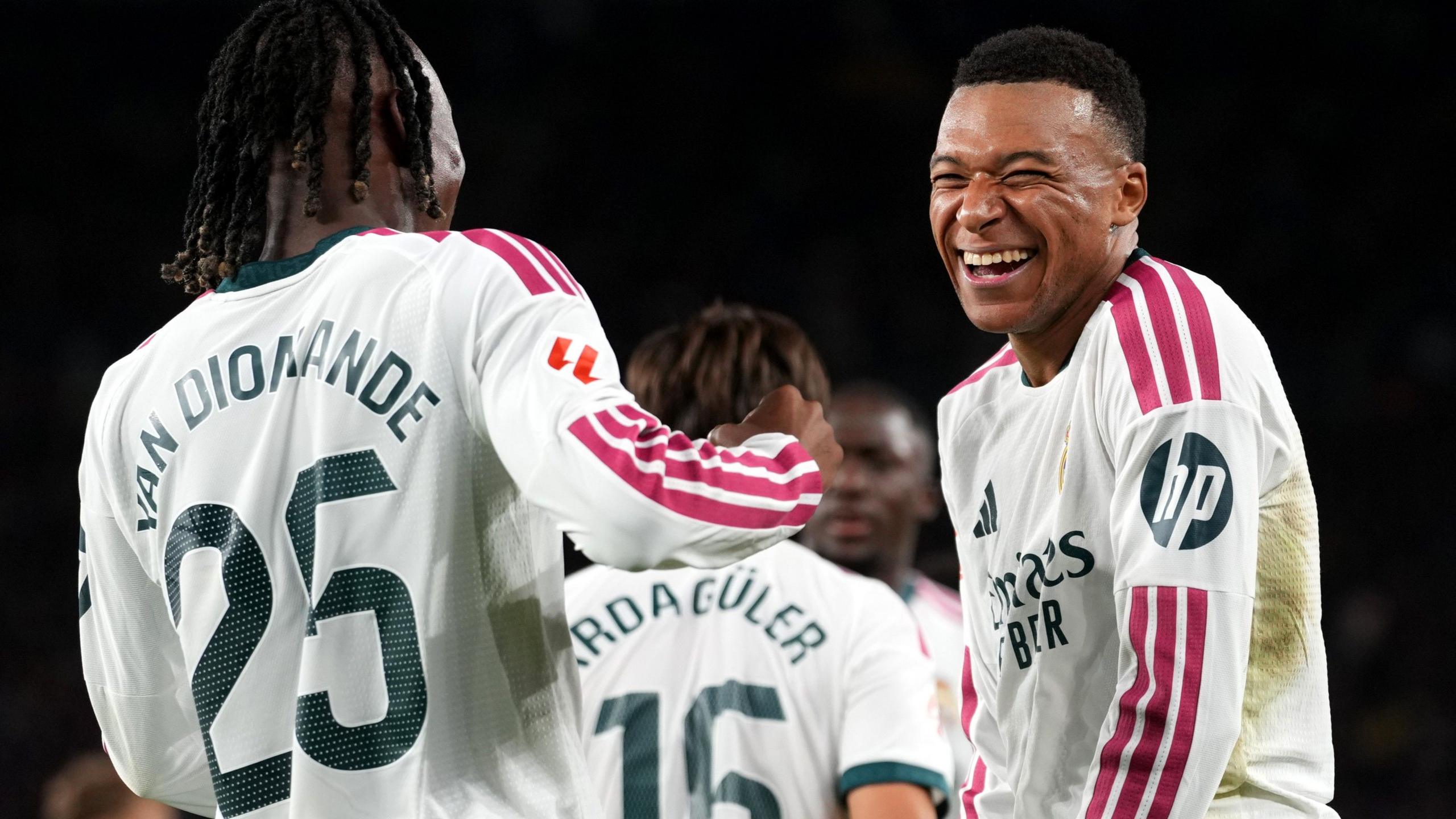
Their first goal arrived in the 41st minute. Yan Diomande delivered a cross, and Gerard Martín’s attempted clearance deflected off Mbappé and into the net. The finish involved a fortunate ricochet rather than a perfectly controlled strike, so the goal should not be presented as proof that every detail of the move went exactly as planned. Nevertheless, the attack had taken Madrid into a dangerous area and placed Mbappé in a position to influence the outcome.
The late winner provided a clearer example of Madrid turning space into a decisive opportunity. Following the move involving Bellingham and Güler, Camavinga accelerated beyond the defensive line and pulled the ball back for Mbappé.
Why forward runs troubled Barcelona
Defending against runs in behind requires coordination between the centre-backs, full-backs and midfielders. A defender who steps forward too early may leave space behind; one who retreats too quickly can give an attacker room to receive the ball and turn.
The problem becomes more complex when several runners attack at different angles.
Madrid’s threat came from making Barcelona account for forward movement while also protecting the ball carrier. That creates difficult decisions for the defence, particularly when the attacking side can change direction quickly.
The winner demonstrated the consequences. Camavinga’s pace turned a developing move into a direct threat, while Mbappé’s movement placed him in the right area to finish.
It was also important that Madrid did not rely solely on Mbappé to carry the ball. Bellingham helped initiate the sequence, Güler connected the play and Camavinga supplied the final delivery. The attack required different qualities at each stage.
The significance of the wide areas
Madrid’s first goal also highlighted the value of progressing the ball into wide attacking positions. A cross can force defenders to make decisions while facing their own goal, particularly when an attacker is arriving centrally.
Although the deflection made the opener unusual, the move showed why Madrid wanted to deliver the ball into dangerous areas rather than allow Barcelona to settle into a comfortable defensive shape.
For Barcelona, the lesson is not necessarily to abandon a high line. It is to ensure that pressure on the ball is coordinated with the positioning of the defenders behind it.
When the ball carrier has time to look up and runners can accelerate into space, even a well-organised defence can be forced into difficult situations.
4. Mbappé’s Movement and Madrid’s Late-Game Execution Settled El Clásico
 Tactics create opportunities, but players still have to convert them. The fourth decisive factor was Mbappé’s ability to remain a threat throughout a demanding match and finish the opportunity that mattered most.
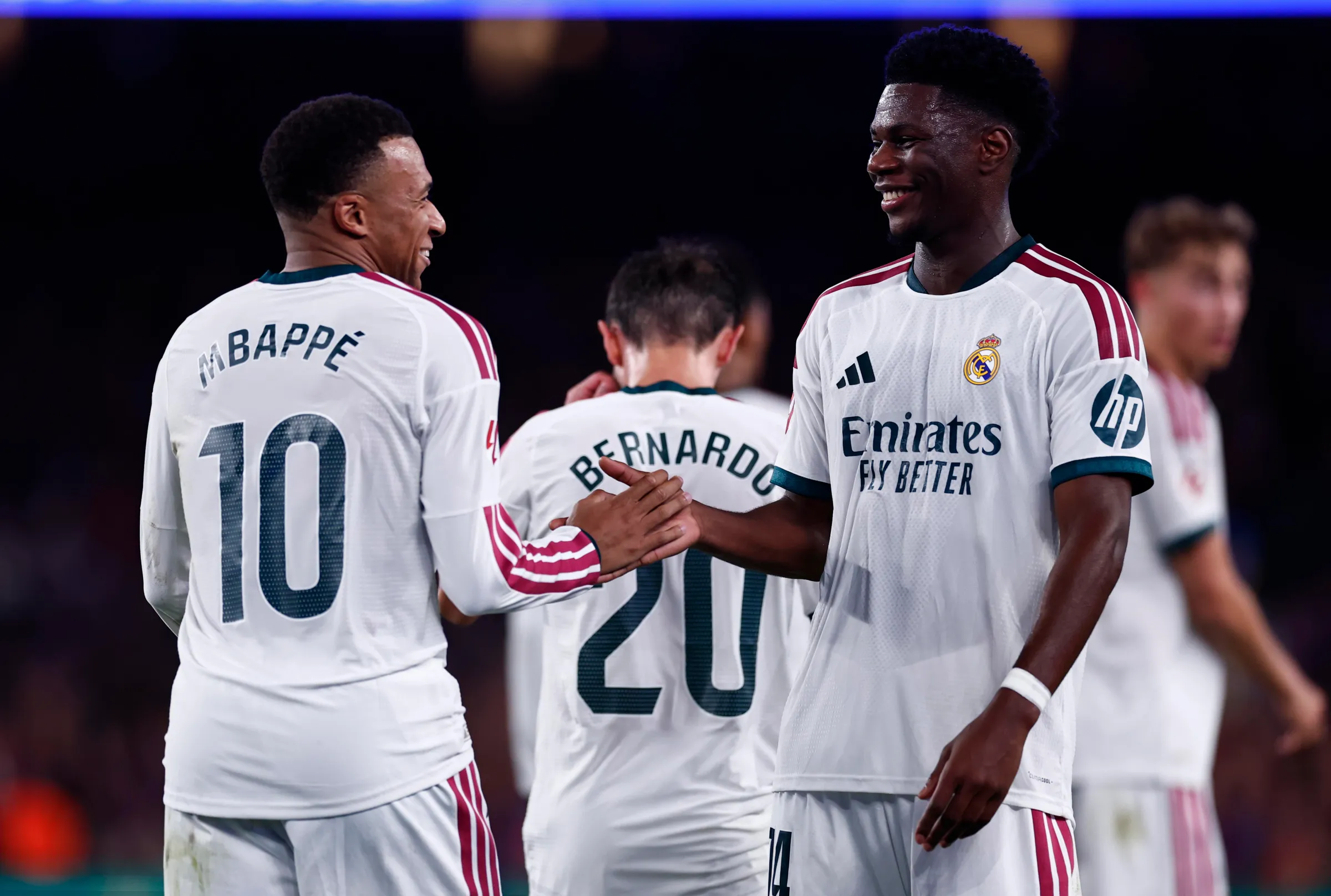
The French forward scored in the 41st minute and again in the 87th. Reuters reported that the second goal took his league tally to 11 in 10 appearances. Real Madrid’s official match report also noted that the brace brought him to 100 goals for the club.
The opener came via a deflection, but his second goal was the product of a rapid attacking move and a composed finish. Mbappé had maintained a position from which he could benefit when the opportunity arrived.
Why Mbappé is so dangerous in transition
Mbappé’s threat comes from more than speed. He can attack the channel between a centre-back and full-back, move into the penalty area before defenders recover, and finish quickly when a teammate finds him.
Those qualities make him particularly dangerous against a team pushing forward. Defenders must track his movements while also responding to the ball carrier, increasing the possibility that one player will lose sight of a runner.
On the winning goal, Camavinga’s forward run created the opportunity to deliver the ball across the penalty area. Mbappé was there to turn the move into the decisive goal.
That combination is an important part of Madrid’s attacking threat: one player stretches the defence, another advances with the ball, and the centre-forward finishes the move. It is considerably harder to stop than a direct pass to a forward standing alone against two defenders.
Bellingham and Camavinga provided the supporting quality
Mbappé deserves credit for scoring both goals, but the second also reflected the contribution of his teammates.
Bellingham’s skill helped the attack escape pressure, while Güler offered the next connection and Camavinga provided the pace and final pass. The move demonstrated how Madrid could create an opening through a combination of technical quality, timing and movement.
This matters because a team cannot expect its star striker to solve every problem independently. Against an opponent with Barcelona’s attacking quality, the supporting players have to help the forward receive the ball in useful positions.
Madrid’s late winner was a collective action completed by a clinical finisher.
Game management after Barcelona equalised
Barcelona’s goal in the 61st minute gave the hosts renewed belief. Raphinha finished after a short-corner routine involving Pedri, and the game became more demanding for Madrid as Barcelona searched for a decisive advantage.
Madrid still faced pressure and had to defend dangerous moments. Their victory was not a demonstration of total control. Instead, they survived the period of pressure and remained capable of exploiting the next opening.
That distinction is important. Top-level matches often depend less on controlling every minute than on making the most of the decisive moments.
Mourinho’s team found one late enough to settle the contest. Mbappé provided the finish, but the move required Bellingham, Güler and Camavinga to execute their roles under pressure.
The result was a reminder that tactical organisation creates the opportunity, while individual quality determines whether that opportunity becomes a winning goal.
What the El Clásico Result Means for the La Liga Title Race
 The result changes the pressure around the top of the table, but it does not settle the title race.
Barcelona remain first with 27 points from 10 matches. Atlético Madrid have 25, while Real Madrid have 24. Madrid have therefore closed the gap to Barcelona to three points, but they still need consistent results to move above both rivals.
For Barcelona, the immediate concern will be how they respond to their first league defeat of the season. Their problems should not be exaggerated after one match, but the defeat offers clear areas for review: defensive protection during transitions, the timing of forward runs and the management of attacking pressure when the score is level.
Barcelona manager Hansi Flick also pointed to a demanding schedule and a lack of freshness after the match, according to Reuters. The club had suffered a 4–2 Champions League defeat to Paris Saint-Germain earlier in the week. Fatigue may have contributed to the performance, but it cannot explain every tactical moment in the game.
Madrid, meanwhile, will take confidence from winning a difficult away fixture without needing to dominate every phase. Their ability to defend, transition and finish could prove important against other opponents who try to control possession.
For Mourinho, the result was a significant statement in his return to El Clásico. But the bigger test is whether Madrid can repeat this level of discipline across the season rather than treating the victory as an isolated achievement.
The Football Xtra Verdict
Real Madrid beat Barcelona because their performance combined four important qualities:
1. Defensive organisation: Madrid restricted Barcelona’s opportunities for long periods and remained concentrated under pressure.
2. Dangerous transitions: They moved the ball forward quickly when Barcelona’s structure was vulnerable.
3. Attacking space intelligently: Their runners forced the home defence to make difficult decisions, especially when Madrid attacked behind the line.
4. Decisive execution: Mbappé scored twice, while Bellingham, Güler and Camavinga played crucial roles in the late winning move.
The result does not prove that Barcelona’s possession-based approach is flawed, nor does it mean Madrid will dominate every future meeting. It does show the danger of allowing an opponent with Madrid’s pace and technical quality to attack open space.
For Barcelona, the task is to improve the balance between sustaining pressure and protecting the defence. For Madrid, the challenge is to turn this performance into a consistent standard.
El Clásico was decided by the moments when Madrid defended together, recognised the opportunity to attack and moved forward without hesitation. Mbappé supplied the goals, but Mourinho’s victory was built on a team capable of surviving Barcelona’s pressure and punishing the spaces that followed.
Can Madrid use this result to take control of the title race, or will Barcelona respond strongly in the weeks ahead? Share your analysis in the comments and follow The Football Xtra for more La Liga news, tactical breakdowns and in-depth football coverage.