Two European heavyweights, two contrasting footballing identities and a Champions League encounter that could be decided by the smallest tactical details. Bayern vs Arsenal promises a fascinating contest, but the latest team news has complicated preparations for both managers.
Bayern Munich welcome Arsenal to the Allianz Arena on Wednesday, 21 October 2026, for their third match of the Champions League league phase. Bayern need a convincing European performance after drawing 3–3 away to Viking FK, while Arsenal arrive with an impressive run of results and two Champions League victories without conceding a goal. ([Bayern Munich official preview](https://fcbayern.com/en/news/matchpreviews/2026/10/preview-bayern-vs.-arsenal-champions-league-md-3))
However, Bayern’s preparations have been disrupted by the absence of Joshua Kimmich, who will miss the match following a bereavement in his immediate family. The club has asked the public to respect the family’s privacy. Winger Michael Olise is also suspended, while the availability of head coach Vincent Kompany and goalkeeper Manuel Neuer has been uncertain in the latest reports. ([Reuters](https://www.reuters.com/sports/soccer/bayerns-kimmich-miss-arsenal-clash-due-family-bereavement-2026-10-21/), [Reuters team news](https://www.reuters.com/sports/soccer/bayerns-kompany-kimmich-neuer-doubtful-arsenal-clash-says-assistant-coach-2026-10-20/))
Arsenal have their own concerns, with William Saliba and Piero Hincapié expected to be unavailable according to pre-match reporting. Yet Mikel Arteta’s side have demonstrated impressive defensive discipline in Europe, making this a challenging contest for Bayern’s attacking players. ([The Standard](https://www.standard.co.uk/sport/football/arsenal-fc-xi-vs-bayern-predicted-lineup-confirmed-team-news-injury-latest-2026-champions-league-b1301552.html))
The historical rivalry adds another dimension. Bayern have won eight of the teams’ 15 previous Champions League meetings, compared with four Arsenal victories and three draws. But Arsenal won the most recent encounter, defeating Bayern 3–1 in London last season. ([UEFA](https://www.uefa.com/uefachampionsleague/news/02aa-21da0b9aa671-0eb5c5e72750-1000–champions-league-matchday-3-bayern-munchen-vs-arsenal-facts/))
This match will not simply be decided by which team possesses more attacking talent. It could come down to four tactical battles: midfield control, the loss of Bayern’s creative options, Arsenal’s defensive structure and each side’s ability to exploit transitions.
Bayern vs Arsenal: Tactical Battle 1 — Can Bayern Control Midfield Without Kimmich?
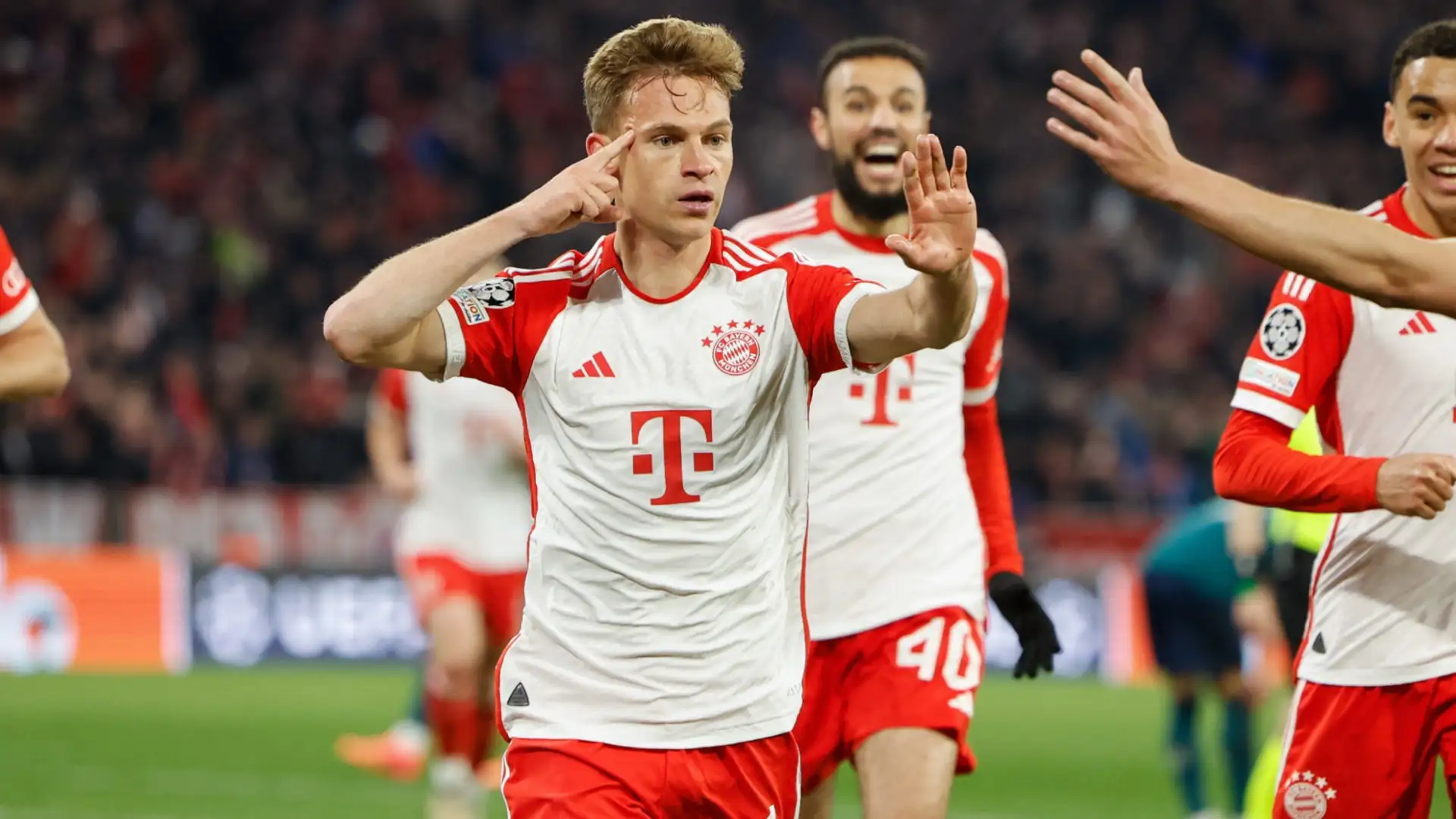 The absence of Kimmich is one of the most significant developments in Bayern’s preparation.
His importance extends beyond passing accuracy or the ability to distribute the ball from deep. Kimmich helps determine how Bayern build attacks, maintain their defensive shape and control the tempo when opponents try to press aggressively.
Without him, Bayern must find another way to connect their defensive line with the attacking midfielders.
Aleksandar Pavlović is one potential option to assume greater responsibility in central midfield. However, the task is not simply to replace Kimmich’s passing. Bayern need to preserve the balance between progressing possession, protecting the defence and preventing Arsenal from launching dangerous counterattacks.
That challenge becomes more complicated against an Arsenal side organised around pressing, positional discipline and quick transitions.
Declan Rice could become Arsenal’s decisive player
Declan Rice offers Arsenal a powerful combination of defensive awareness, physical strength and forward distribution. He can help protect the central areas, challenge for second balls and carry possession into advanced positions when space opens.
If Bayern’s midfield becomes disorganised without Kimmich, Rice could help Arsenal win possession in useful areas and launch attacks before Bayern’s defensive line has recovered.
The English midfielder’s role will be especially important when Arsenal regain the ball. Bayern often commit players forward to sustain pressure, creating opportunities for opponents who can quickly find the space behind the advancing midfielders.
Rice does not need to dominate every phase of possession to influence the contest. His ability to disrupt Bayern’s rhythm and then move the ball forward could be enough to shift the balance.
Bayern must respond with intelligent positional play rather than trying to compensate for Kimmich’s absence through more aggressive pressing alone.
If Pavlović can maintain possession and provide defensive cover, Bayern may still control the central areas. If Arsenal repeatedly win second balls and break through the first line of pressure, however, the home side could find themselves defending too many dangerous transitions.
The first tactical battle is about stability: can Bayern replace Kimmich’s influence without weakening their ability to build attacks and defend counterattacks?
Tactical Battle 2 — Who Replaces Michael Olise’s Creativity?
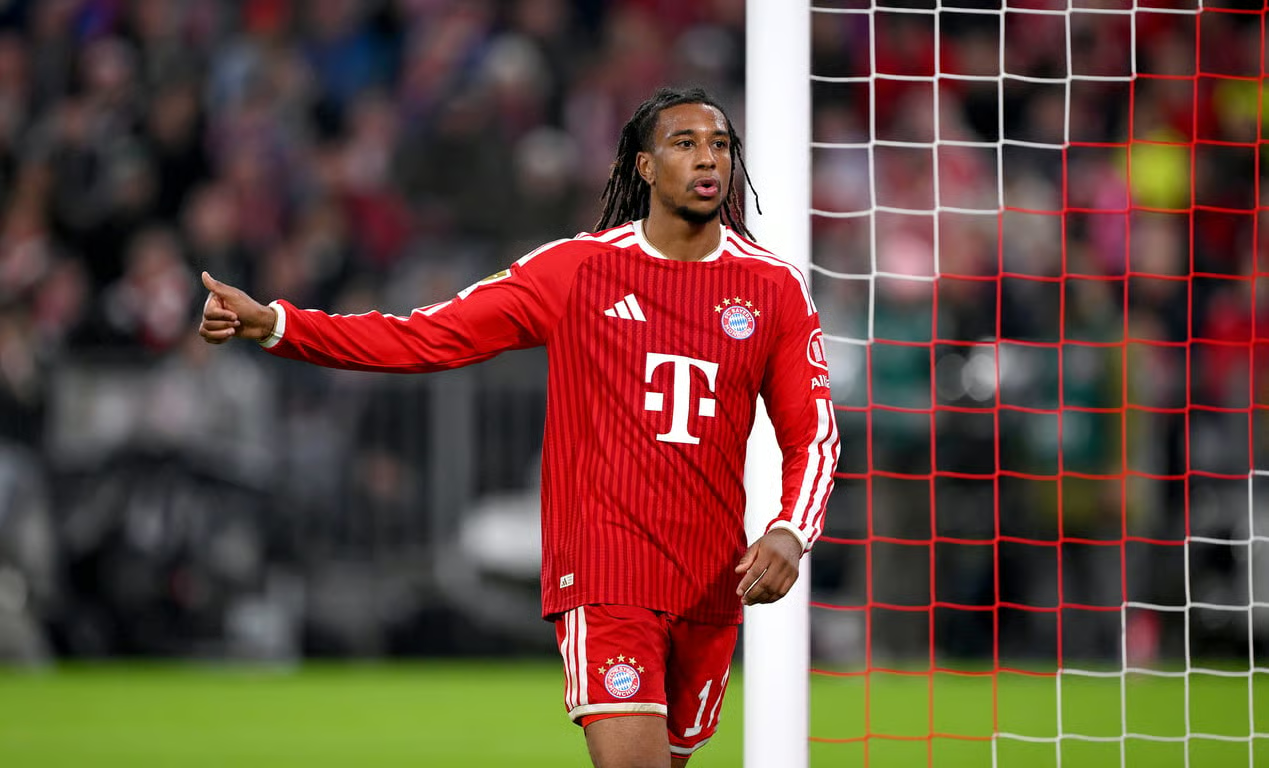 Olise’s suspension removes another important attacking option from Bayern’s line-up.
The French winger has been one of the Champions League’s most productive creative players in recent campaigns. Bayern’s own statistical preview states that, since the start of last season, Olise has recorded more shot assists than any other player in the competition. He is unavailable against Arsenal following his sending-off in Bayern’s 3–3 draw with Viking FK. ([Bayern Munich](https://fcbayern.com/en/news/2026/10/preview-bayern-vs.-arsenal-champions-league-md-3))
That absence matters because Bayern cannot rely exclusively on Harry Kane to create and finish attacks.
Olise provides the ability to receive the ball in wide areas, move inside onto his stronger foot and deliver passes that force defenders to make difficult decisions. His combinations with Kane and the surrounding midfielders help Bayern move from controlled possession into dangerous final-third situations.
Without him, Kompany must determine where the team’s creativity will come from.
Serge Gnabry is an experienced alternative who can operate in attacking midfield and wide positions. Luis Díaz can supply direct dribbling and movement, while Jamal Musiala offers an option between the lines if available and selected.
However, those players do not necessarily reproduce Olise’s exact contribution.
Bayern need more than crosses into Kane
Kane remains one of Bayern’s most reliable attacking outlets, combining elite finishing with the ability to link play and create opportunities for teammates.
But if Bayern repeatedly attempt to find Kane with crosses or direct passes, Arsenal’s defenders can focus on protecting the penalty area and contesting aerial deliveries.
Bayern need variety.
Their wide attackers must be willing to move inside, midfielders need to make forward runs, and full-backs must provide width when the opposition narrows its defensive shape.
The absence of Olise could encourage Bayern to develop attacks through different combinations rather than relying heavily on one player. That might ultimately make their approach less predictable, but it also creates the risk that they lack the final pass needed to convert possession into high-quality chances.
Arsenal will try to exploit that uncertainty.
If Bayern struggle to create clear openings, Arsenal can keep their defensive block compact and use the opportunity to break forward through Bukayo Saka, Eberechi Eze or the available attacking players.
Bayern’s challenge is to ensure that losing one major creator does not lead to an attack built around predictable patterns.
Bayern vs Arsenal: Tactical Battle 3 — Can Arsenal’s Defence Contain Kane?
 Arsenal’s defensive organisation has been a major factor in their strong European start.
Before this fixture, they had won both of their opening Champions League matches without conceding. Their 3–0 victory over Lille was followed by a 1–0 win against Napoli, giving them confidence that their defensive structure could withstand pressure from high-level opponents. ([Bayern Munich official facts and statistics](https://fcbayern.com/en/news/2026/10/facts-on-fc-bayern-vs.-arsenal-in-the-champions-league))
Kane presents a different challenge from the forwards Arsenal have faced in those matches.
The Bayern striker is not simply a penalty-box finisher. He can move into deeper areas, receive possession under pressure and play passes that release teammates into dangerous positions.
If Arsenal’s centre-backs follow him too aggressively, spaces can open behind them for Bayern’s wingers and advancing midfielders. If they remain deep, Kane may have time to turn and dictate the attack from between the lines.
The absence of Saliba increases the importance of Arsenal’s organisation. A defender’s ability to communicate with his partner, cover space and defend one-on-one situations is particularly valuable when facing an opponent who varies his movement.
Gabriel and the remaining defensive options must therefore be alert to two types of threat: Kane receiving the ball to create attacks and Kane occupying the centre-backs while teammates attack the spaces around him.
Arsenal’s midfield must protect the central channels
Rice’s positioning will be crucial, but the responsibility cannot rest on one player.
Arsenal need the midfield to restrict the passes that allow Kane to turn towards goal. Their central players must decide when to press Bayern’s midfielders and when to remain compact in front of the defence.
If Arsenal press too aggressively, Bayern can attempt to play around the pressure and release attackers into space. If they retreat excessively, Kane may receive possession in comfortable positions and encourage Bayern to sustain attacks around the penalty area.
The solution requires coordination.
The nearest midfielder needs to apply pressure, the others must block passing lanes, and Arsenal’s defenders must avoid being dragged into unnecessary challenges.
Bayern’s lack of Olise may reduce one of their creative routes, but Kane’s ability to link play remains a major threat.
Arsenal cannot assume that keeping the ball away from Olise’s usual areas will solve the problem. They must defend Bayern’s central combinations and wide movements as a collective unit.
Tactical Battle 4 — Bayern’s High Press Against Arsenal’s Ability to Play Through Pressure
Both teams favour proactive football, but they approach the problem of controlling possession in different ways.
Bayern often attempt to recover the ball high up the pitch and overwhelm opponents through quick attacking combinations. Arsenal also press aggressively, although Arteta’s team place considerable emphasis on defensive organisation and carefully chosen moments to accelerate the game.
That creates a tactical contest over who can play through the first wave of pressure.
Arsenal arrive in Munich after winning 10 of their first 11 matches in all competitions, according to The Guardian. Their 1–0 victory over Nottingham Forest on 18 October was not their most fluent attacking performance, however, and Arteta admitted that his team needed to improve their execution in the final third. ([The Guardian](https://www.theguardian.com/football/2026/oct/20/bayern-munich-arsenal-champions-league))
The Bayern match could provide a different kind of opportunity.
Against a team willing to press and attack, Arsenal may find more room to play forward than they encounter against opponents defending deep.
Arteta highlighted that distinction ahead of the game, explaining that a high defensive line presents different opportunities and challenges from a compact low block. He also argued that Arsenal have developed greater attacking variety this season. ([The Guardian](https://www.theguardian.com/football/2026/oct/20/bayern-munich-arsenal-champions-league))
Saka and Arsenal’s transition threat
Bukayo Saka remains a key player in Arsenal’s attacking structure because he can receive the ball in wide areas, draw defenders towards him and create chances through either dribbling or passing.
If Bayern lose possession while their full-backs are advanced, Saka and the other available attackers could exploit the resulting spaces.
Arsenal do not need to dominate possession to cause problems. They need to recognise when Bayern’s structure is stretched and attack before the home side can restore its defensive shape.
However, Arsenal must also avoid losing the ball carelessly in central areas.
If Bayern recover possession close to Arsenal’s penalty area, Kane and the surrounding attackers can immediately apply pressure. That risk makes the visitors’ build-up decisions especially important.
Arteta’s side must combine composure with vertical intent: retaining possession when necessary, but moving forward quickly when Bayern’s shape allows it.
For Bayern, the objective is to make Arsenal uncomfortable during the build-up and prevent Rice and the other midfielders from turning towards goal with time and space.
If Bayern’s press is coordinated, the home side can force turnovers and attack before Arsenal’s defence is organised. If the press is broken, Arsenal could create some of their most dangerous opportunities.
Bayern’s Managerial Uncertainty: Could Kompany’s Absence Matter?
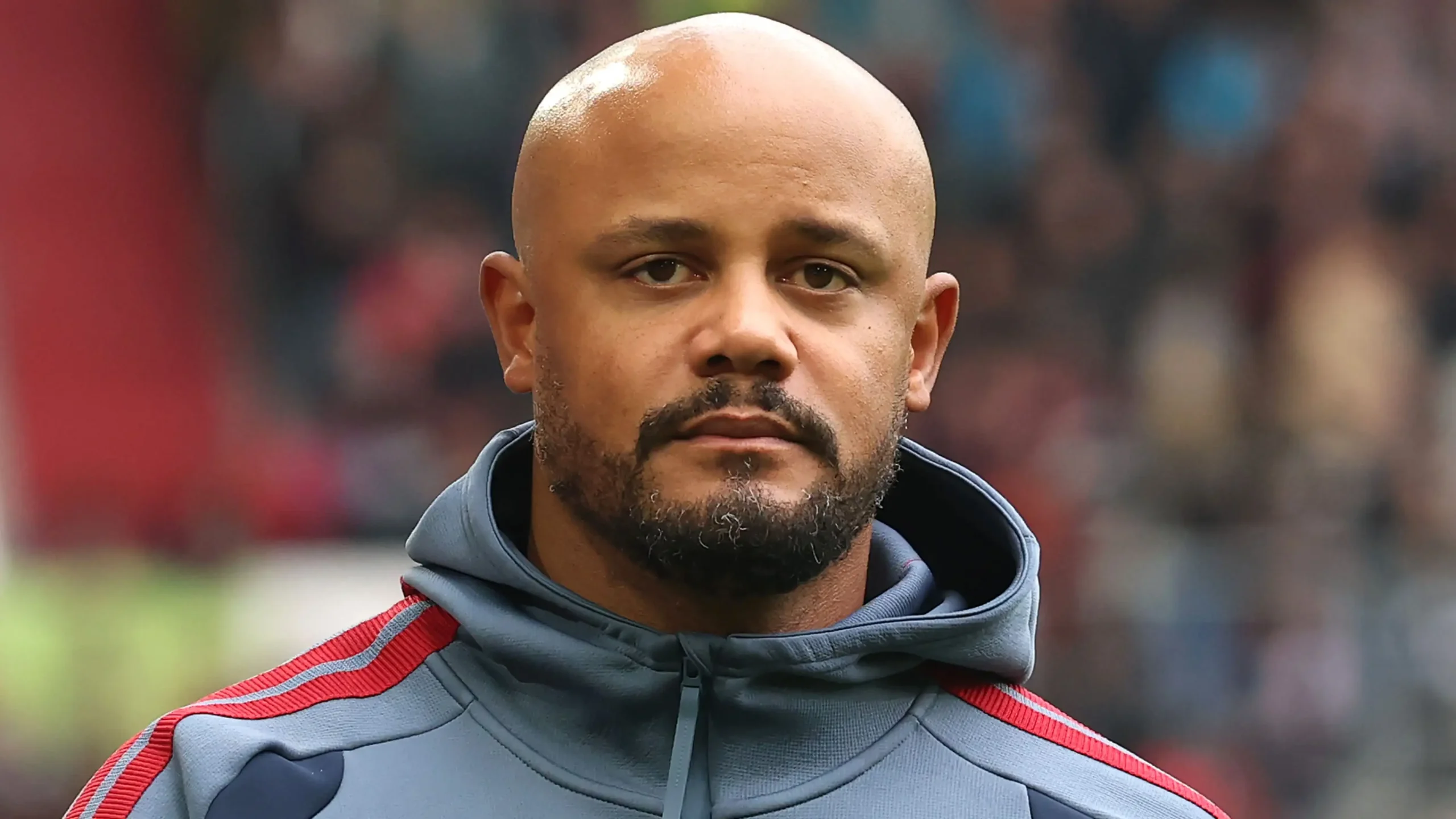 Bayern’s preparation has also been affected by uncertainty over Kompany’s health.
Reuters reported that the coach had been suffering from a virus and was unable to attend training on Tuesday. Assistant coach Aaron Danks said Kompany would continue contributing to preparations whether or not he was physically present at the Allianz Arena. ([Reuters](https://www.reuters.com/sports/soccer/bayerns-kompany-kimmich-neuer-doubtful-arsenal-clash-says-assistant-coach-2026-10-20/))
SEE ALSO: Florian Wirtz Bayern Rumours: Why Liverpool Won’t Sell in January
The manager’s final availability should be confirmed through official matchday updates.
If Kompany cannot be on the touchline, Danks is expected to oversee the team. That possibility does not automatically make Bayern less effective, particularly because the coaching staff will have prepared for multiple scenarios.
However, the match demands rapid decisions.
A manager may need to adjust the pressing structure, introduce a creative player or protect a lead as the opponent changes its approach. Clear communication between the coaching staff and players becomes particularly important when the match turns on small margins.
Bayern’s recent 6–1 victory over RB Leipzig demonstrated the team’s attacking potential, but the 3–3 draw against Viking FK also showed that they can struggle to protect a favourable position. ([Bayern Munich official preview](https://fcbayern.com/en/news/matchpreviews/2026/10/preview-bayern-vs.-arsenal-champions-league-md-3))
Against Arsenal, that distinction matters.
The home side must be able to change its approach when necessary rather than relying on the same attacking pattern throughout the game.
Arsenal, meanwhile, must prepare for the possibility that Bayern’s coaching arrangements change without assuming that this will affect their tactical quality.
The Historical Context: Bayern’s Home Record Against Arsenal
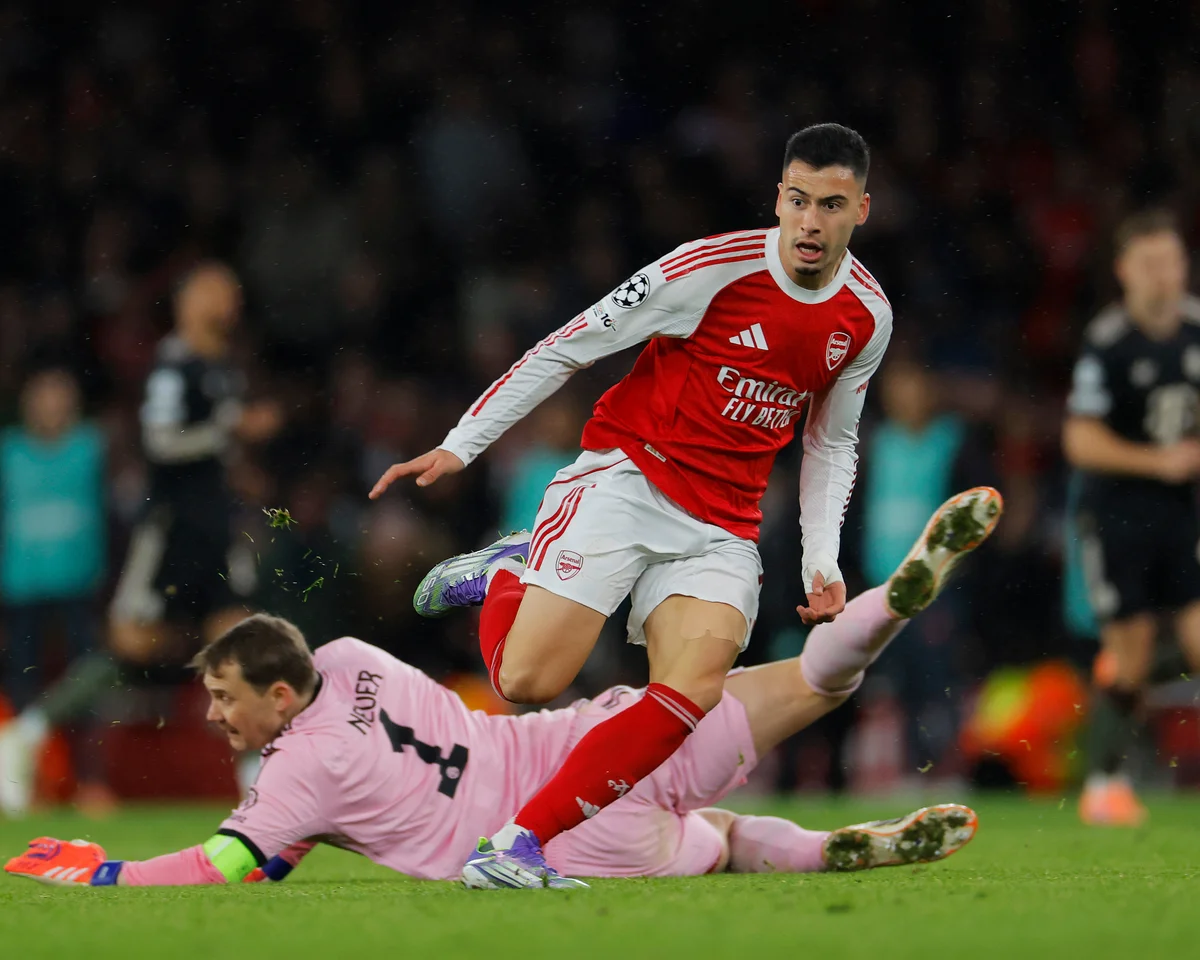 History gives Bayern reason for confidence at the Allianz Arena.
The clubs have met 15 times in the Champions League, with Bayern winning eight matches, Arsenal four and three ending in draws. Bayern have scored 31 goals in those encounters, compared with Arsenal’s 18. ([UEFA head-to-head statistics](https://www.uefa.com/uefachampionsleague/news/02aa-21da0b9aa671-0eb5c5e72750-1000–champions-league-matchday-3-bayern-munchen-vs-arsenal-facts/))
The home record is also favourable to Bayern.
Across seven Champions League home games against Arsenal, Bayern have won five, drawn one and lost one. They have won their three most recent home meetings with the Gunners. ([Bayern Munich official statistics](https://fcbayern.com/en/news/2026/10/facts-on-fc-bayern-vs.-arsenal-in-the-champions-league))
Yet Arsenal’s 3–1 victory in London last season showed that the historical trend is not decisive. That result ended Bayern’s five-match unbeaten run against Arsenal, demonstrating that the English side can exploit the German champions when their pressing and attacking combinations function effectively.
The current match is also different from their previous knockout encounters because it belongs to the league phase.
Both teams must think about the broader competition, but three points would provide an important boost to their position in the table.
Bayern entered the fixture with four points from their first two matches, while Arsenal had won both of theirs. The contrast gives the match an added strategic dimension: Bayern need to regain momentum, whereas Arsenal can strengthen an already positive start.
History provides context, but tactical execution and the availability of key players will determine the outcome.
The Football Xtra Verdict: Four Tactical Problems, One Major European Test
Bayern vs Arsenal promises to be decided by the details that separate two highly organised teams.
Bayern need to replace Kimmich’s influence in midfield, compensate for Olise’s creativity and ensure that uncertainty around Kompany and Neuer does not disrupt preparations. Their attacking quality remains significant, particularly through Kane, but they must avoid becoming predictable.
Arsenal have their own challenges. Saliba’s expected absence creates questions about defensive partnerships, while the visitors must find a way to protect the centre against Kane and prevent Bayern’s high press from disrupting their build-up.
The four decisive tactical battles are clear:
- Midfield control:Can Bayern remain composed without Kimmich, or will Rice and Arsenal exploit the gap?
- Attacking creativity: How will Bayern replace Olise’s chance creation?
- Defensive organisation: Can Arsenal contain Kane without allowing Bayern’s other attackers to exploit the spaces around him?
- Pressing and transitions: Which team will be better at turning possession wins into dangerous attacks?
Bayern’s home record and attacking potential make them formidable opponents, but Arsenal have shown that their defensive structure can withstand difficult European challenges. Neither side can afford to assume that historical reputation or recent form will automatically guarantee success.
The Football Xtra verdict: Bayern may have the advantage at home, but Arsenal’s ability to control midfield and exploit transitions could make this a much closer contest than the head-to-head record suggests.
The decisive factor may be which team adapts more intelligently when its preferred tactical plan becomes difficult to execute.
Will Bayern overcome their selection problems and protect their home advantage, or can Arteta’s Arsenal exploit the weaknesses exposed by the absences of Kimmich and Olise?
Share your prediction in the comments and follow The Football Xtra for more Champions League previews, verified team news and tactical analysis.