

Florian Wirtz and Bayern Munich are being linked again, but the latest transfer discussion presents two very different timeframes. Reports on 24 September suggest Liverpool have no intention of considering a January sale, while Bayern’s longer-term interest is being discussed in relation to their own attacking plans. It is a story about future possibilities, not evidence that the clubs are negotiating an imminent deal.
For Liverpool supporters, the timing makes the rumour particularly sensitive. Wirtz arrived amid huge expectations, and the early debate has focused on whether he is delivering immediately in a demanding new league. Treating that adjustment period as proof that Liverpool should sell would overlook both the club’s investment and the football reasons a talented attacking midfielder can take time to settle.
What is being reported about Florian Wirtz and Bayern?
Transfer coverage this week, including a BBC gossip round-up drawing on German reporting, says Liverpool would not consider selling Wirtz to Bayern in January. One version of the longer-term story links a possible summer scenario to Michael Olise’s situation in Munich. None of this amounts to a confirmed bid, agreed fee or official Liverpool decision to place Wirtz on the market.
That difference should lead the story, rather than appear as a qualification at the end. A club monitoring a player is not the same as that club pursuing a transfer; a future contingency is not the same as an active negotiation. It is also possible for reporting on a player’s market to change quickly when his form changes or the buying club’s existing players make new decisions.
Earlier coverage from Goal described Bayern keeping an eye on the Liverpool midfielder after a difficult opening spell. Monitoring makes sense for a club familiar with his Bundesliga qualities, but it does not tell us what Liverpool would accept or what the player wants. Those would be essential details in any genuine transfer story.
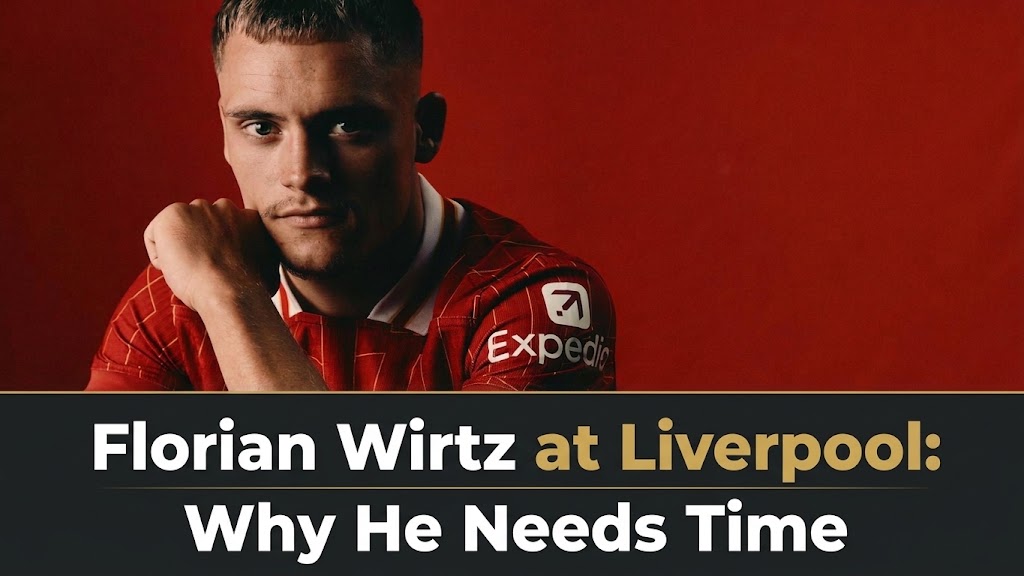
Why a January Liverpool sale would be a very different proposition
January transfers operate under pressures that summer deals do not. Teams have less time to find replacements, new signings must learn a system immediately and an injury can change the recruitment picture within days. Selling an expensive, recently recruited creator halfway through the campaign would therefore require a compelling sporting reason as well as a financial one.
That is especially true for a player whose value lies in combinations. Wirtz needs relationships with runners, the central forward and the midfielders supplying him. Those movements are developed through repeated matches and training sessions. If Liverpool believe the underlying qualities remain, selling during the adaptation stage could mean giving up before the team has found a reliable way to use them.
There is also no reason to assume that an interested club’s preferred price would satisfy Liverpool. Transfer figures circulating without attributable negotiation details should not be presented as formal offers. Contract terms, amortisation, squad priorities and the difficulty of replacing creativity would all affect any decision, even before the player’s preferences entered the discussion.
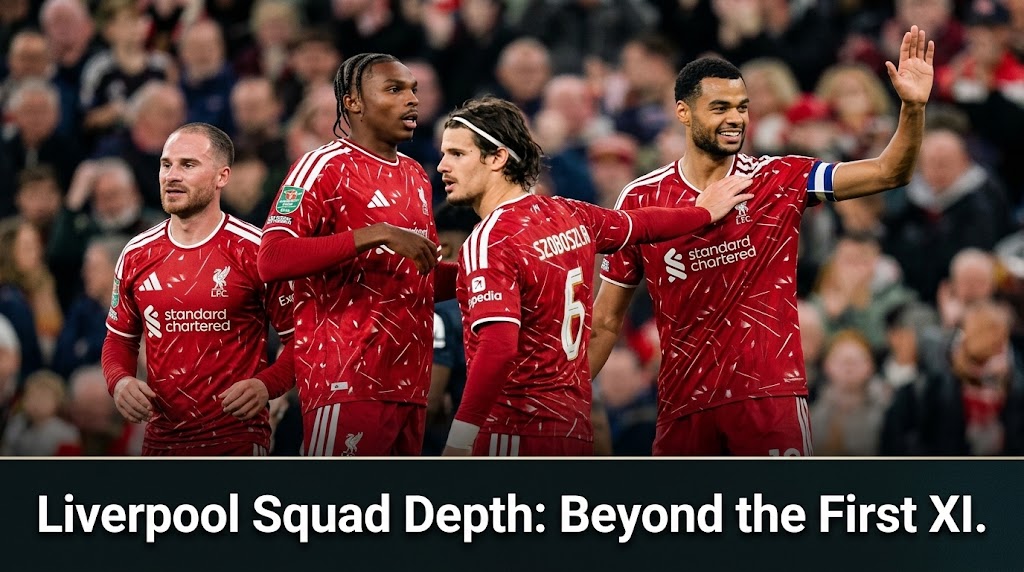
What Wirtz needs from Liverpool’s attacking structure
The conversation around Wirtz has often framed the problem as a simple question of individual output. Yet an attacking midfielder needs access to the zones where a clever pass or quick turn can change a defensive shape. If he receives with his back to goal, far from runners or after the opponent has already settled, even an imaginative player faces low-percentage decisions.
Liverpool can improve those conditions by giving him options on both sides of the ball. A forward must threaten the space behind; a wide player should hold or attack the flank at the right moment; a midfielder needs to offer a safe outlet if the central lane closes. Without that movement, Wirtz may be forced into difficult dribbles and passes that make his performance look less effective than his positioning deserves.
Patience should not mean ignoring form. The relevant measures are whether he is receiving more often between the lines, creating chances from those areas and helping Liverpool move the ball into dangerous positions. A goal or assist can transform a headline overnight, but repeatable patterns provide a better guide to whether the tactical fit is improving.
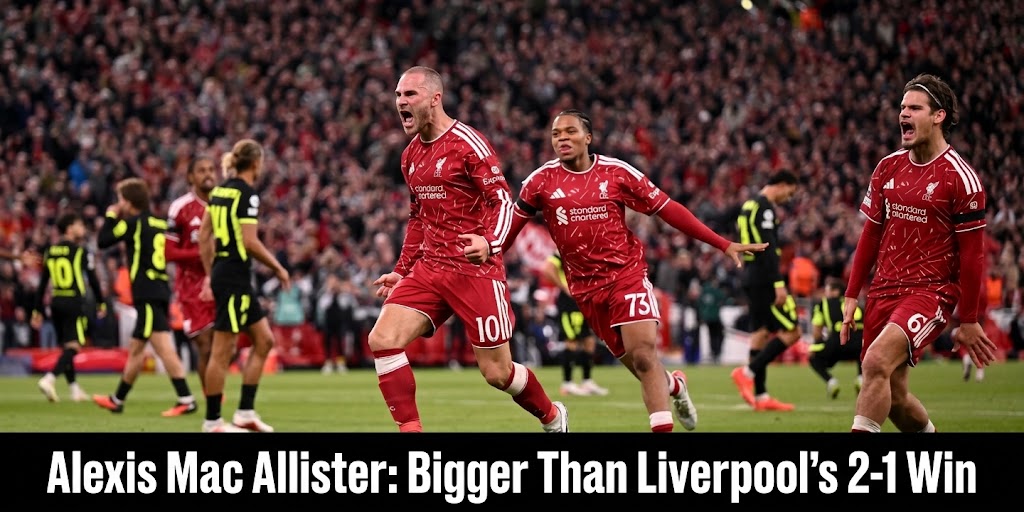
Why Bayern’s interest makes sense without proving a deal
Bayern know the German market, and Wirtz’s earlier Bundesliga work makes him a recognisable fit for discussions about creative players. The reported Michael Olise angle is significant precisely because it is conditional. If Bayern ever needed to reconsider their attacking balance, several names might enter the conversation; it does not follow that a Liverpool player has already been selected, priced or approached.
For Bayern, the question would be role as much as reputation. Two creative attackers may prefer similar central spaces, while a system still requires runners, width and defensive discipline. Signing a famous playmaker only makes sporting sense if the coach can define what he adds and what the rest of the attack must do differently.
The same logic explains why Liverpool are unlikely to judge their investment only through Bayern’s interest. A player can be admired elsewhere while remaining central to his present club’s plans. Public speculation often treats that admiration as an invitation to sell; the two are not equivalent.

What should Liverpool fans watch next?
Look for credible reporting of direct club contact rather than repeated versions of the same rumour. Watch how Liverpool use Wirtz in forthcoming fixtures and whether his relationships with teammates become sharper. Watch Bayern’s own squad decisions, particularly any verified development involving Olise. These are separate stories until evidence connects them.
A difficult start does not guarantee a successful finish, but neither does it require an immediate transfer exit. Liverpool have time to test whether Wirtz’s movement and passing can become a consistent part of their attack. That process will provide more useful answers than a January price tag invented before negotiations exist.
The Football Xtra view
The latest reporting points towards Liverpool retaining Wirtz in January, while Bayern’s interest remains a longer-range possibility. The responsible conclusion is not that a transfer is imminent or impossible forever. It is that Liverpool’s immediate priority is to make the player work in the team they built around him, and any future Bayern approach would need fresh, verifiable evidence.
Read here: Goal’s report on Bayern monitoring Wirtz, BBC’s 24 September gossip report (syndicated), the latest German-reporting round-up and our earlier analysis of Wirtz’s adaptation at Liverpool.