


France against Italy was one of the most searched football stories of the day in Britain and France, and the match justified the attention. Zinedine Zidane’s first home game as France coach ended 1-1 at the Stade de France, but the scoreline only tells part of the story.
Michael Olise gave France the lead with a superb second-half free-kick. Alessandro Bastoni answered for Italy after France failed to deal cleanly with a dangerous moment around their box, and the night became more complicated when Dayot Upamecano was sent off late on.
France still remain top of their Nations League group, but this was the first home match of the Zidane era and it exposed a question that will follow the coach whenever Kylian Mbappé is unavailable: who gives this team the same certainty in the final third?
That question matters because the wider picture around France has changed quickly. Our recent look at Zidane’s first away test with France focused on how he was beginning to reshape the side. The draw with Italy showed that the process will not be smooth every week.

Olise gave France the moment they needed
For long periods, France had enough possession and enough technically gifted players to control territory, but Italy were comfortable without the ball and dangerous when the game opened up. Olise became the player most likely to break that structure.
His goal was the clearest example. The free-kick was struck with the confidence of a player who increasingly looks comfortable carrying creative responsibility at international level. Without Mbappé available, France needed another attacker to turn control into something decisive, and Olise did that.
But a national side cannot rely on one brilliant set-piece whenever its most dangerous forward is missing. France’s problem was not a lack of talented attackers. It was that their attacks sometimes lacked the direct threat that forces a defence to retreat five or ten metres before the final pass is even played.
Read Here for The Guardian’s match coverage.
Italy were patient enough to stay in the match
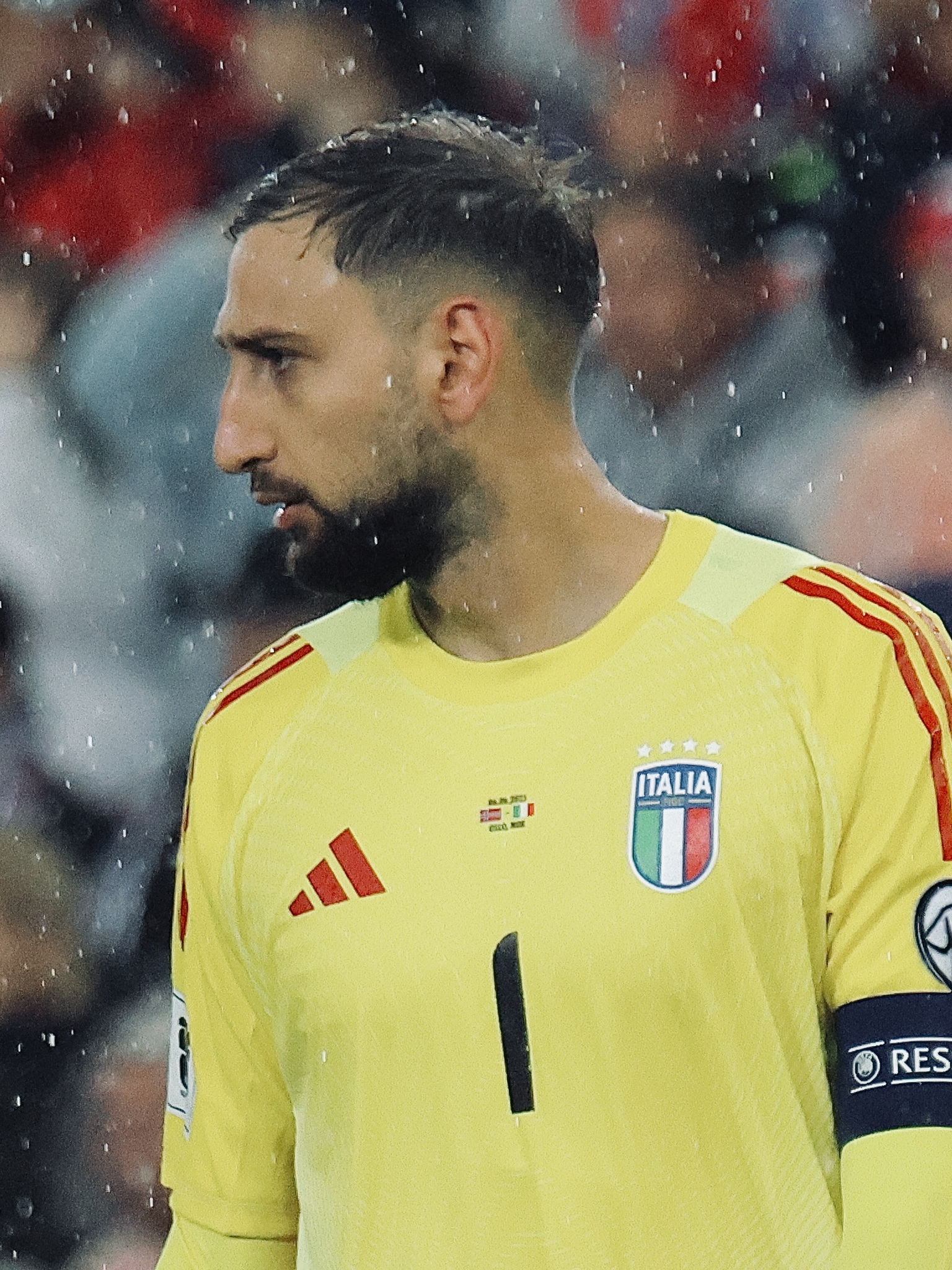
Italy’s response was important. They did not panic when France moved ahead and continued to look for moments when the hosts’ shape could be stretched. Bastoni’s equaliser rewarded that patience and reinforced why Italy remain awkward opponents even when they do not dominate the ball.
Donnarumma also played a major part in keeping the game level. France created pressure after taking the lead, but Italy’s goalkeeper produced the kind of interventions that stop a match from becoming comfortable for the opposition.
The balance changed after the red card
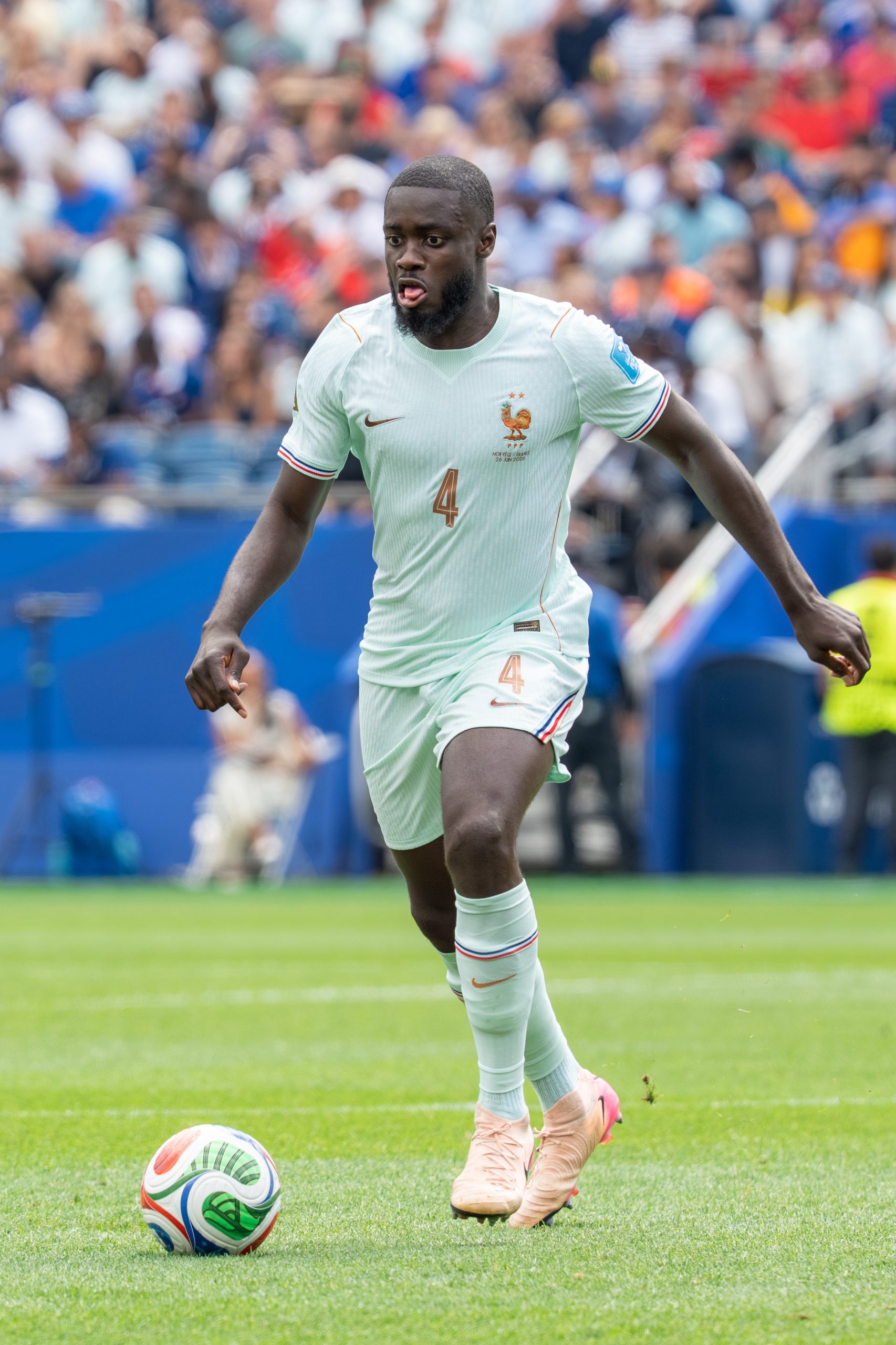
Upamecano’s late dismissal forced France to protect the point rather than chase a winner with the same freedom. It was a reminder that Zidane’s early work is not only about attacking combinations. France must also learn how to manage difficult phases when a match stops following the plan.
The red card will attract attention because Upamecano is an important defender, but the broader defensive issue was visible before the sending-off. Italy found enough space in transition to keep France alert throughout the evening.
Zidane is still learning what this France side looks like without Mbappé
The temptation is to reduce every France discussion to Mbappé, but his absence changes more than the team sheet. It changes how opponents defend France. A back line facing Mbappé must constantly protect the space behind it. Without him, defenders can sometimes step higher and compress the area where France’s midfielders and wide players want to combine.
That places more responsibility on players such as Olise and Ousmane Dembélé to create separation through movement, combination play and one-versus-one quality. It also asks France’s midfield to move the ball faster before an organised defence can reset.
Zidane has enough options to solve the problem, but the solution may be collective rather than finding a single replacement for Mbappé. The encouraging sign was that France continued to create. The concern was how difficult it became to turn those periods of control into clear chances.
The goalkeeper situation is another part of Zidane’s early rebuild. Our piece on Fabien Barthez’s role around France’s goalkeepers looked at the experience being added behind the scenes. Against Italy, the pressure came at the other end too: France needed to find a way past Donnarumma more than once and could not do it.
Why the result matters beyond one Nations League night
France remain in a strong group position, so a 1-1 draw is not a crisis. What makes the match useful for Zidane is that it revealed a different type of test from the games his team had already navigated.
Italy did not allow France to play at one comfortable rhythm. They defended, countered, survived pressure and took advantage of a mistake. France had to solve several different problems in the same match and, after the red card, had to accept that protecting a point was more realistic than forcing a winner.
Those are the nights that tell a new coach more than an easy victory. Zidane knows France have elite individual quality. His challenge is building a team that can keep its threat when the obvious superstar is missing and when the opponent refuses to give the game the shape France would prefer.
The 1-1 draw did not derail the Zidane era. It simply made the next stage of it clearer.
Sources: The Guardian, UEFA match coverage and FC Barcelona international updates. Image credits: Hadi Abyar/Tasnim News Agency (CC BY 4.0), WikiPortraits contributors, MichaelEmilio and Ilan Costica via Wikimedia Commons.