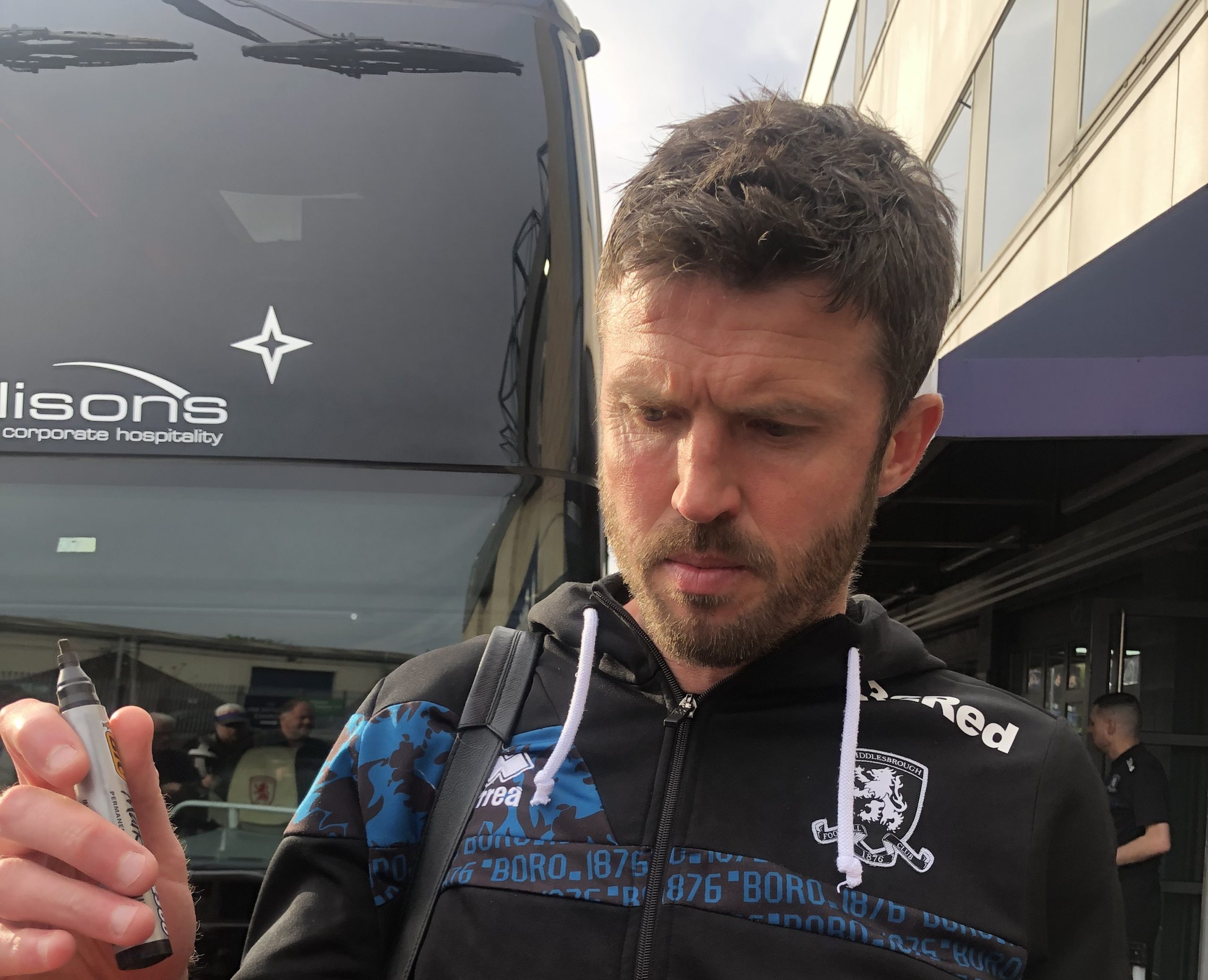
Michael Carrick is under pressure at Manchester United, but the latest indications from inside and around Old Trafford are not pointing to an immediate change of manager.
Interest around Carrick surged on Google Trends in the UK on Sunday, with searches for “Fabrizio Romano Michael Carrick news” rising sharply. The reason was a fresh report carried by GOAL, in which transfer reporter Fabrizio Romano said Manchester United and INEOS had not contacted other coaches and that the situation around Carrick remained calm. That came alongside a separate report from The Sun saying the United dressing room still backs the head coach.
That does not mean Carrick has been handed unlimited time. United are still a club whose judgement of managers ultimately comes back to results, and the mood can change quickly when performances stop supporting the project. But the latest reporting suggests the board is not yet behaving like a hierarchy preparing for an imminent dismissal.
Why Manchester United are not rushing into another decision
The most significant detail in Romano’s update is not simply that Carrick remains in charge. It is that United are reported to have made no approach to alternative coaches. In modern football, clubs can publicly support a manager while quietly sounding out replacements. If United have genuinely not started that process, it points to a level of patience behind the scenes.
That patience is easier to understand when the dressing room is considered. The Sun reports that Carrick retains the support of his players. For a club that has spent years moving through different managerial ideas, losing the squad would be one of the clearest signs that another reset was approaching. At present, the reporting points in the opposite direction.
The dressing room matters, but it cannot protect Carrick forever
Player support buys a coach working space. It can keep training standards high, reduce leaks and stop poor results becoming a full institutional crisis. But it is not a substitute for points. Carrick still has to show that United are developing a recognisable way of playing and that setbacks are being corrected rather than repeated.
That was already the central issue in The Football Xtra’s earlier analysis of Carrick’s position. The debate was never simply about whether one defeat should cost him his job. It was about whether the team’s problems looked temporary or structural.
United’s recent matches have also made defensive control a recurring theme. The VAR controversy against Manchester City generated understandable anger, but it also highlighted how often Carrick’s side can find themselves defending moments they should have prevented earlier in the move.
INEOS are judging more than the league table
For INEOS, the difficult part is separating short-term volatility from evidence about the direction of the team. A club can react too slowly to decline, but it can also make itself worse by changing coach every time form dips. United have experienced enough managerial turnover to know the cost of starting again without a clear plan.
Carrick’s advantage is that he is familiar with the club, has support from the squad and, according to the latest reports, has not yet triggered a search for his successor. His disadvantage is equally clear: Manchester United do not provide long periods of quiet development when results are poor.
What Carrick now has to show
The next stage is less about statements of backing and more about evidence on the pitch. United need cleaner possession under pressure, better protection when attacks break down and greater consistency from match to match. Carrick also needs his strongest players to look comfortable within the structure rather than relying on individual moments to rescue games.
The wider Manchester context makes that task harder. City’s evolution has increased the pressure on United to prove that their own rebuild is coherent. As we examined in our Manchester derby analysis, the gap between ideas can be exposed quickly when the two clubs meet.
Carrick has support — and a narrowing margin for error
The latest picture is therefore more measured than the social-media noise around his future. United are not reported to be interviewing replacements. The players are still behind him. INEOS appear willing to let the current project breathe.
But support at a club of United’s size is always conditional. Carrick has avoided the point where the hierarchy feels compelled to act; he has not removed the possibility. The most important information over the coming weeks will not come from another briefing about his future. It will come from whether United begin to look like a team moving forward.
Read Here: GOAL — Fabrizio Romano update | The Sun — United dressing-room report
Featured image: Michael Carrick, Wikimedia Commons (CC0).