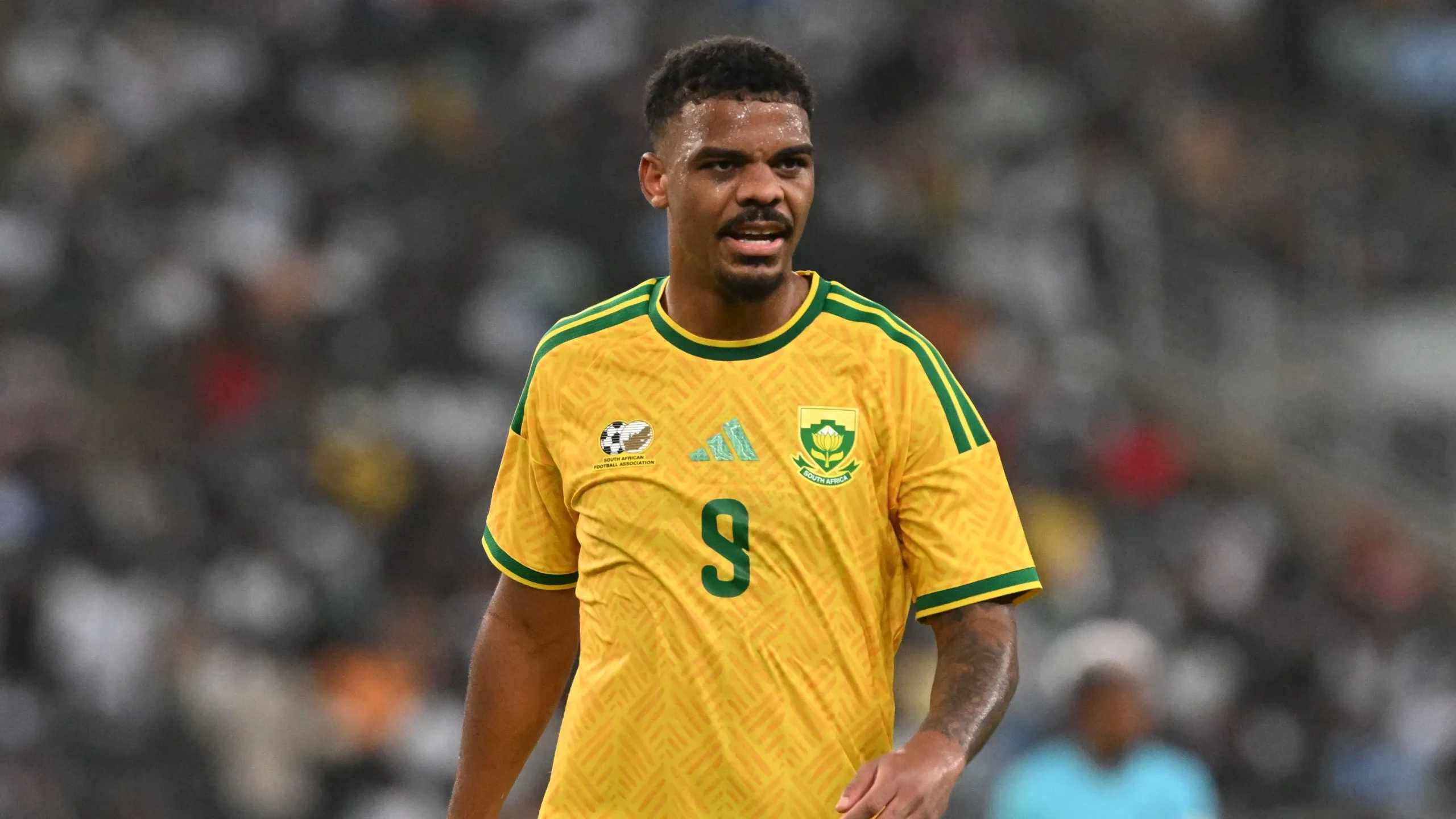
Lyle Foster is back in the Bafana Bafana picture, but his return comes with a serious challenge: prove that he still has what it takes to lead South Africa’s attack. Pitso Mosimane has welcomed the Houston Dynamo forward back into the national team setup, yet the message from the new coach is unmistakable. Reputation alone will not secure a starting position.
For Foster, the upcoming 2027 Africa Cup of Nations qualifiers against Kenya could become an important turning point. He has already demonstrated his value in South Africa colours, particularly during the country’s successful qualification campaign for the 2026 FIFA World Cup. However, a new coaching regime means previous achievements cannot automatically guarantee future opportunities.
Mosimane has acknowledged Foster’s quality but believes the striker still has work to do before returning to the level he demonstrated during his time in England.
The question is no longer simply whether Foster is talented enough to lead Bafana Bafana’s attack. It is whether he can convince Mosimane that he is currently the best option for the job.
Pitso Mosimane Sends Lyle Foster a Strong Message
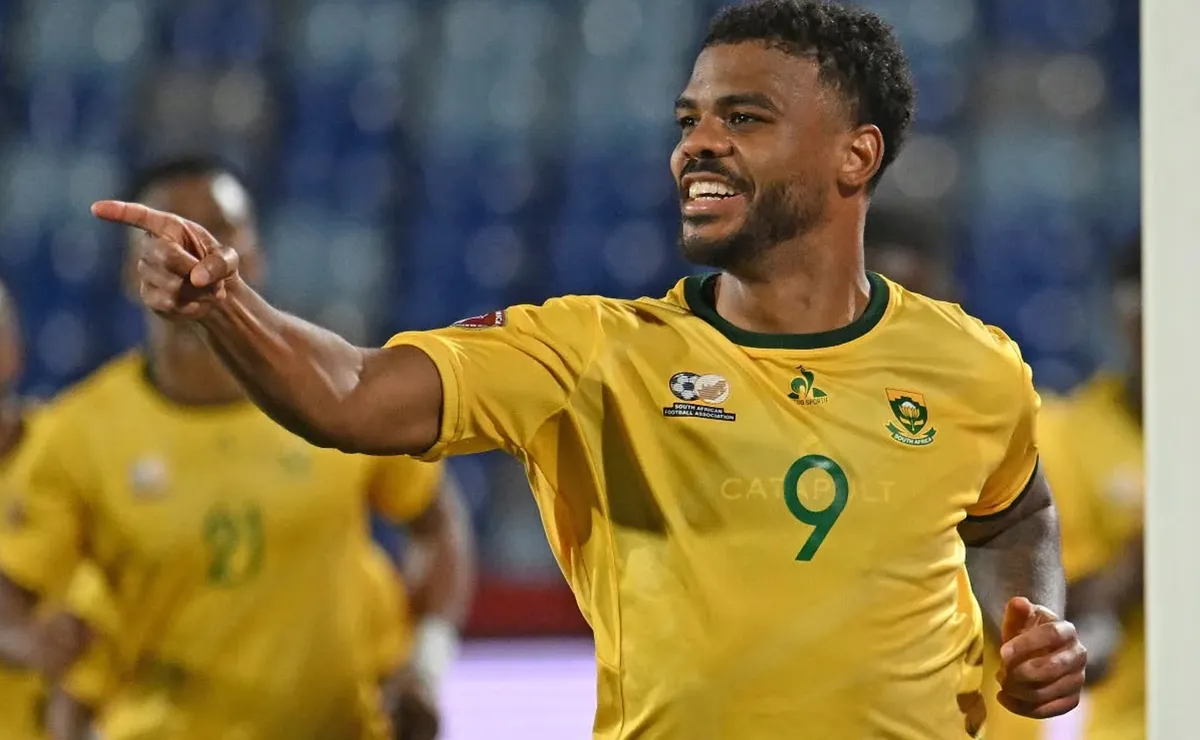 Mosimane’s comments about Foster have attracted attention because they reveal the standards he intends to establish within the national team.
The coach has not questioned the striker’s natural ability. Instead, he has challenged him to demonstrate that his current performances justify an important role in the team.
Speaking about Foster’s return, Mosimane acknowledged that the forward had started getting minutes at Houston Dynamo. However, he also admitted that the player was not yet operating at the level he had reached during his earlier years in England.
The coach’s most striking observation was:
“Yesterday’s price is not today’s price.”
It was a short statement, but it carried a significant message.
In international football, a player’s reputation can open the door, but performances determine whether that door remains open. Mosimane wants a team in which selection is based on current contribution rather than previous achievements.
He also explained that he had held private conversations with Foster, although he refused to disclose their content. The coach described the relationship between a manager and a player as a space that requires trust and confidentiality.
That approach is important. Rather than publicly criticising the forward, Mosimane appears to be giving him an opportunity to respond on the pitch.
For Foster, the responsibility is now straightforward: turn the coach’s confidence into performances.
Why Lyle Foster Must Prove Himself Again at Bafana Bafana
Foster is not returning to the national team as an unknown player who needs to introduce himself to South African supporters.
He has already established an international reputation.
According to Houston Dynamo’s official announcement, the striker has scored 11 goals in 33 senior appearances for South Africa. He also contributed to the country’s qualification for the 2026 FIFA World Cup, scoring during the qualifying campaign.
Those achievements explain why his return matters.
However, international football is constantly changing. A player who was previously an important attacking figure can quickly find himself competing for a place when circumstances change.
Mosimane has made it clear that players must demonstrate their readiness through training, match performances, fitness and mentality.
That philosophy creates a competitive environment in which Foster cannot expect automatic selection.
There are three immediate areas in which he needs to convince the coaching staff:
- Match sharpness: He must demonstrate that he can maintain the physical intensity required at international level.
- Attacking contribution: His movement, finishing and ability to create opportunities must translate into meaningful performances.
- Consistency: One encouraging appearance will not necessarily guarantee a permanent place in the starting eleven.
The challenge is not necessarily about whether Foster can score goals. It is about whether he can deliver consistently enough to become the striker around whom Mosimane builds his attacking structure.
Houston Dynamo Form: The Challenge Behind Foster’s Return
 Foster’s move to Major League Soccer was an important development in his career.
On 3 September 2026, Houston Dynamo announced that they had signed him on loan from Burnley until June 2027, with an option to make the transfer permanent.
The move offered the South African forward an opportunity to restart his career in a different football environment after several seasons in English football.
His experience at Burnley was valuable. He played in both the Premier League and Championship, experienced promotion campaigns and developed against different levels of opposition.
Houston’s official announcement recorded 89 league appearances and 11 goals for Burnley across his time at the club. During the 2025–26 Premier League season, he registered three goals and two assists in 26 appearances.
However, his move to the United States has not immediately produced the level of attacking output that would silence questions about his match sharpness.
Opta Analyst’s available 2026 MLS figures list eight appearances, 464 minutes and one goal for Houston Dynamo. He has not completed a full 90 minutes in those appearances.
These numbers should be interpreted carefully. They do not prove that Foster has lost his ability, nor do they tell the complete story of his performances. But they help explain why Mosimane wants to see more before considering him fully restored to his previous level.
There is also an important distinction between playing regularly and being ready to lead a national team attack.
A striker may receive minutes at club level without yet having the rhythm, sharpness and confidence required to dominate international matches.
For Foster, the immediate objective should be to build on his opportunities in Houston and carry that progress into the Bafana Bafana environment.
Iqraam Rayners and the Competition for Bafana Bafana’s No. 9 Position
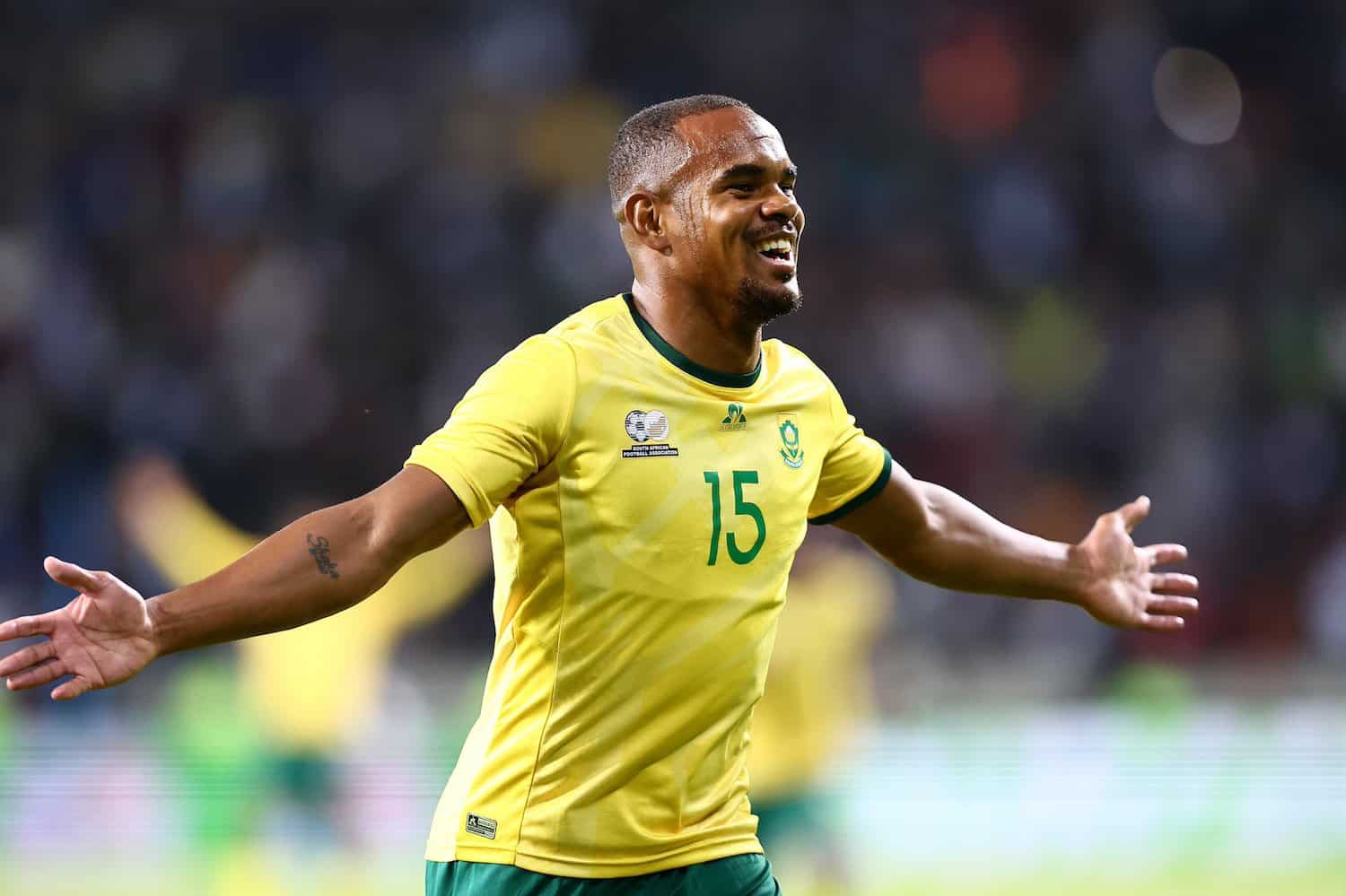 One of the biggest challenges facing Foster is the competition for attacking positions.
Mosimane is not selecting a national team in which the striker’s position belongs to one individual. He has several attacking options available, including Iqraam Rayners, Cassius Mailula and Luther Singh.
That competition is particularly important because different forwards offer different tactical qualities.
Rayners provides another option in the central attacking areas, while Mailula and Singh give the coach additional attacking profiles to consider depending on the opponent and the match situation.
For Foster, this means that simply being included in the squad is not enough.
He must demonstrate why his particular qualities should make him the preferred option.
What Can Foster Offer That Other Strikers Cannot?
Foster’s physical profile and experience in European football give him qualities that can be valuable against different defensive systems.
He can provide a central reference point for the attack, compete physically with opposing centre-backs and create space for attacking midfielders and wide players.
His mobility is another important feature. Houston Dynamo highlighted his ability to threaten space behind defensive lines, link up with teammates and contribute defensively through his work rate.
Those qualities could be useful for Bafana Bafana, particularly when facing opponents who defend in compact formations.
However, physical presence alone does not make a striker indispensable.
Foster must combine his movement and link-up play with intelligent positioning, decisive finishing and an ability to influence matches when opportunities are limited.
The competition with Rayners and the other attacking options could therefore benefit the national team. It gives Mosimane alternatives and forces every forward to maintain high standards.
For Foster, the message is clear: earn the position rather than expect it.
South Africa vs Kenya: A Crucial Opportunity for Lyle Foster
The timing of Foster’s recall makes the upcoming matches against Kenya especially significant.
South Africa are scheduled to host Kenya at Orlando Amstel Arena on Friday, 13 November 2026, in a 2027 AFCON qualifier.
The return fixture is scheduled to take place in Nairobi on 17 November.
These matches provide Foster with an opportunity to demonstrate his readiness in a competitive international environment.
They also present a different challenge from club football. International teams often have limited preparation time, making tactical understanding, communication and the ability to make decisive contributions particularly important.
Mosimane will be looking beyond whether Foster scores.
He will want to see how the forward behaves when Bafana Bafana do not have possession, whether he presses effectively, how he combines with the midfield and whether he makes intelligent movements inside the penalty area.
The Importance of His Movement and Decision-Making
Against a team that defends with discipline, Foster must avoid becoming isolated between opposing centre-backs.
He needs to recognise when to drop deeper and connect the attack, when to stretch the defensive line and when to attack the space inside the penalty area.
His movement can also create opportunities for teammates.
If he occupies defenders effectively, South Africa’s wide attackers and attacking midfielders may find more room to operate.
This is where Foster’s overall contribution becomes important.
A striker can influence a match without scoring, but at international level, the ability to convert clear opportunities remains essential.
If Foster can combine intelligent movement with clinical finishing, he will give Mosimane a strong argument for making him a regular starter.
Pitso Mosimane’s Selection Philosophy Could Change Foster’s Role
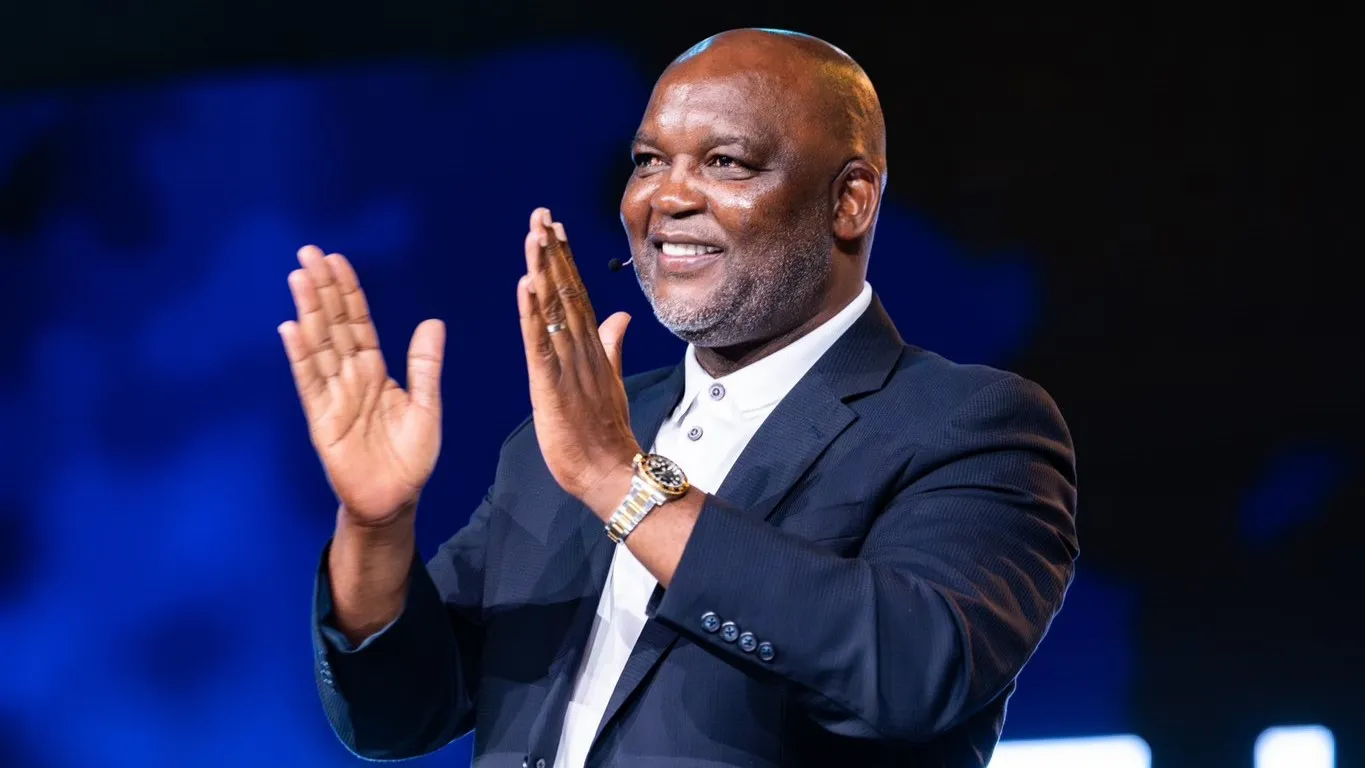 Mosimane’s comments suggest that he wants to establish a competitive culture in which no player is guaranteed a place because of their reputation.
That approach could have wider implications for Bafana Bafana.
South Africa are entering an important period following their participation in the 2026 World Cup. The next challenge is to build a team capable of remaining competitive in African football while developing the consistency required for future international tournaments.
That process requires difficult decisions.
Established players must remain competitive, while younger footballers need opportunities to demonstrate their potential.
SEE ALSO: Pitso Mosimane Bafana Bafana Return: Can He Deliver AFCON 2027 Glory?
Foster sits at an interesting point in that process. He has international experience, has played in major European competitions and remains young enough to be an important part of South Africa’s future.
At 26, he should be approaching a stage of his career where consistency and leadership become increasingly important.
Mosimane’s challenge could therefore be an opportunity rather than a threat.
The coach is effectively telling Foster that he still believes in his ability, but the player must provide evidence that he deserves responsibility.
This could push the striker to become more decisive, more consistent and more influential.
It also sends a message to every other Bafana Bafana forward: selection is earned through performance.
Can Lyle Foster Become Mosimane’s First-Choice Striker?
The answer will depend on how effectively Foster responds to the opportunity.
There is little doubt that his experience makes him a valuable option. He has played in England, competed in the Premier League and represented South Africa at the highest international level.
His 11 international goals also demonstrate that he has previously delivered for the national team.
However, football is not decided by historical achievements.
Mosimane needs a striker who can contribute to the team’s current objectives. That means performing consistently, understanding the tactical demands of the system and delivering when opportunities arrive.
Foster must also understand that competition is not necessarily a disadvantage.
If Rayners or another forward performs better, the coach has every reason to select that player. Equally, if Foster demonstrates superior form and tactical suitability, he should have the opportunity to lead the attack.
The most important factor will be his response to the challenge.
A strong performance against Kenya could strengthen his position, but sustained consistency at both club and international level will ultimately determine whether he becomes Mosimane’s preferred No. 9.
What Happens Next for Lyle Foster?
 Foster’s return to Bafana Bafana has created an important moment in his international career.
He has received another opportunity, but Mosimane has deliberately avoided making promises about his position in the team.
That is a reasonable approach from a coach who wants competition and accountability throughout the squad.
For Foster, the Kenya fixtures represent an opportunity to demonstrate that his international career can enter another successful chapter.
He does not need to prove that he was once a good striker. His previous record has already established that.
He needs to prove that he is still one of South Africa’s best attacking options right now.
If he responds positively, Mosimane could gain a reliable attacking weapon for the challenges ahead. If he struggles, the competition for the No. 9 position will become even more intense.
The opportunity is there. The responsibility belongs to Foster.
Can Lyle Foster win Pitso Mosimane’s trust and become Bafana Bafana’s undisputed first-choice striker, or should the coach look towards other attacking options? Share your thoughts in the comments.