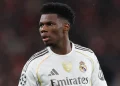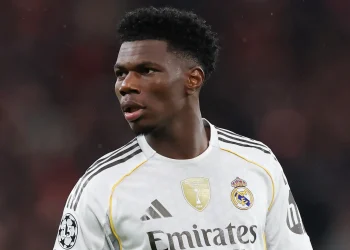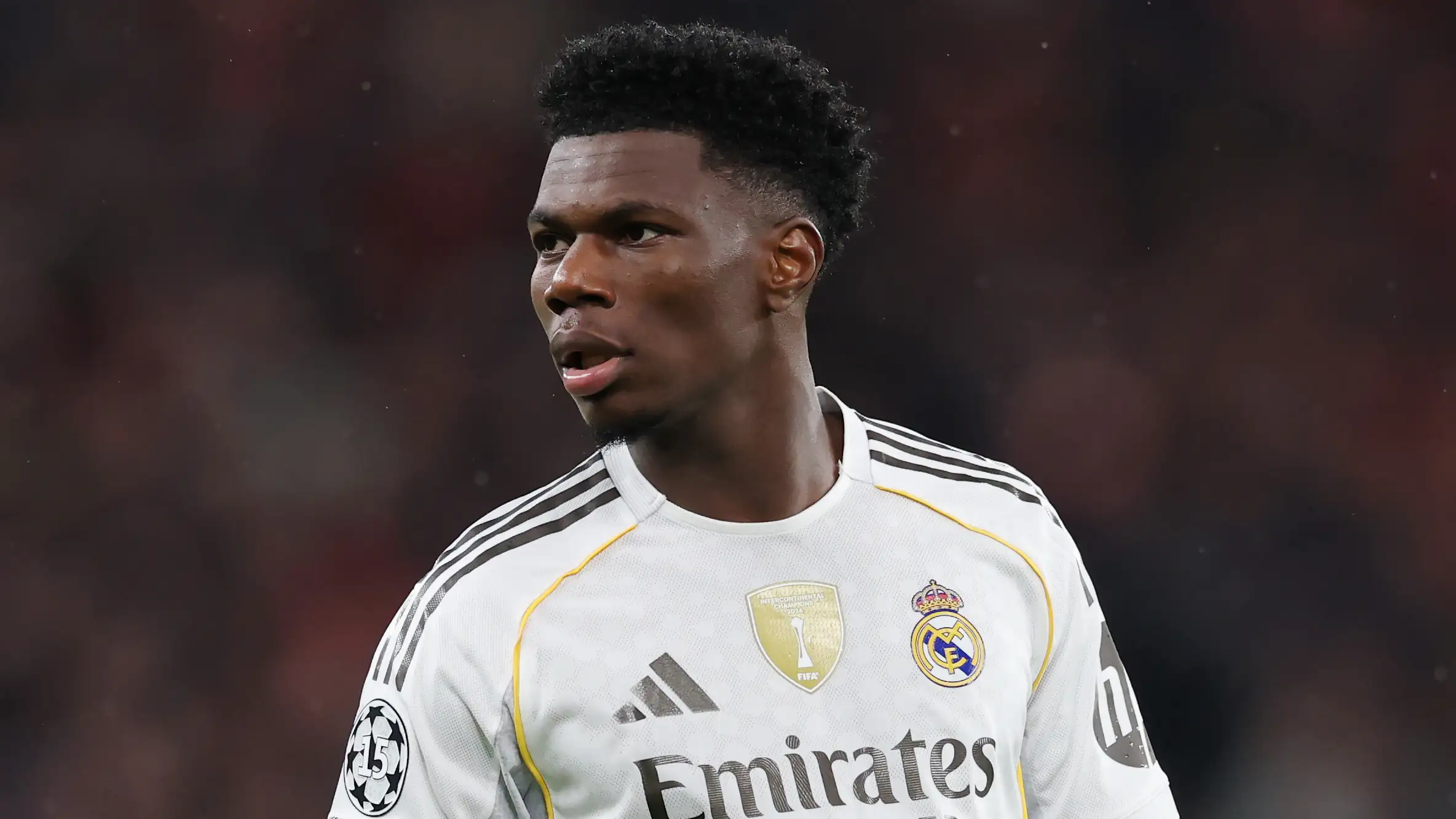
The biggest danger for Real Madrid may not be losing Aurélien Tchouaméni for a few matches. It may be losing the midfield balance José Mourinho has spent weeks trying to establish.
The latest Tchouaméni injury concern has arrived at a particularly delicate moment. The French midfielder has been released from France’s national-team camp after experiencing discomfort in his right adductor—the same area that troubled him during the 2026 World Cup. He is returning to Madrid for assessment and treatment by the club’s medical staff.
For Mourinho, this is more than an ordinary fitness setback. Tchouaméni has become an important defensive reference point in a midfield that also includes Jude Bellingham, Bernardo Silva and Arda Güler. His absence could force the Portuguese manager to reconsider the balance between defensive protection, possession and attacking freedom.
Yet there is an important distinction: Real Madrid are not currently in a results crisis. They have won eight consecutive matches, beaten Valencia 3–0 and collected 12 points from their opening four Champions League matches. The concern is whether they can maintain that momentum if their midfield anchor is unavailable.
1. Tchouaméni Injury: What Has Actually Happened?
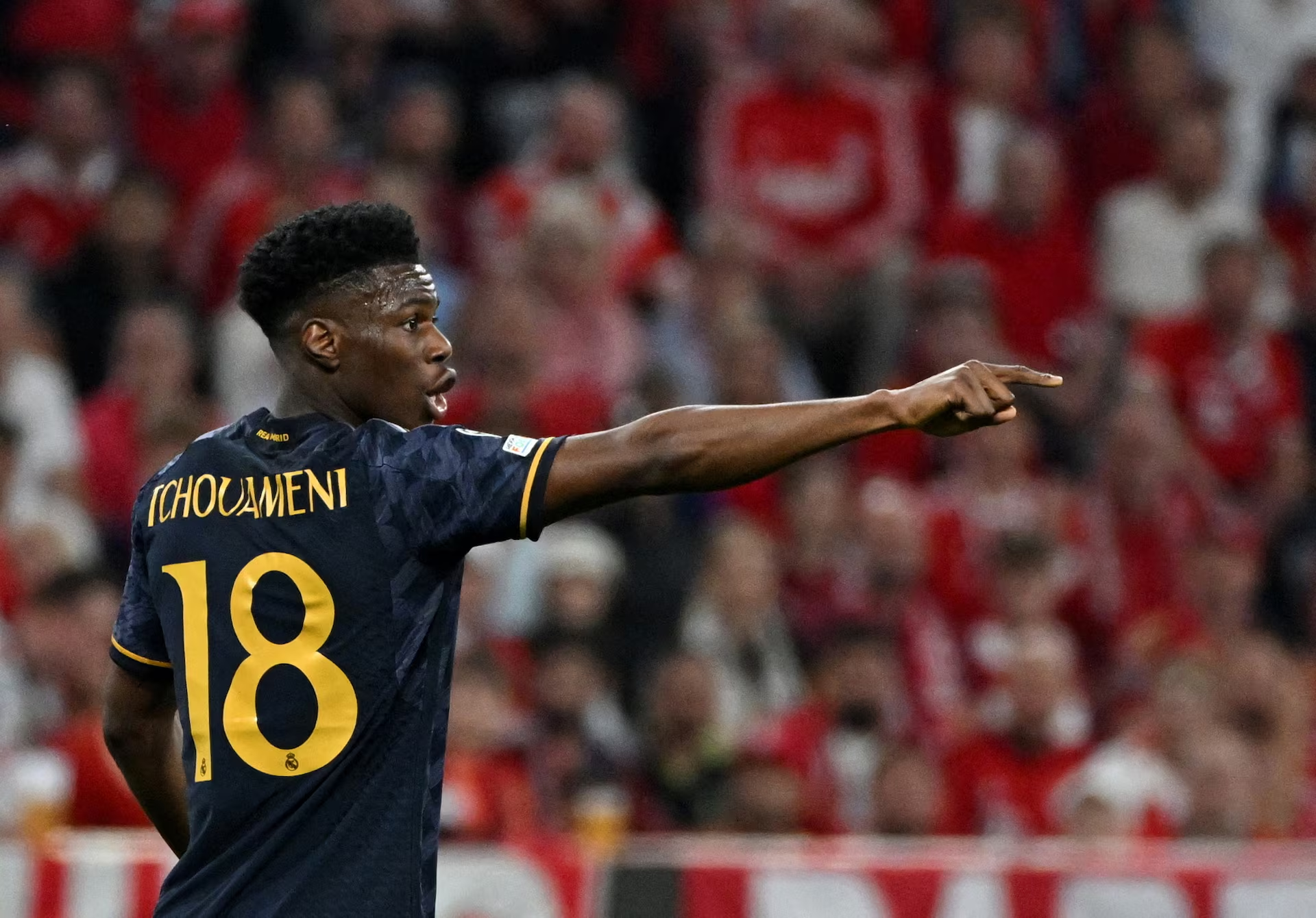 The French Football Federation confirmed on November 10 that Tchouaméni was experiencing discomfort in his right adductor.
After discussions involving France’s medical department, Real Madrid’s doctors and the player, it was decided that he should return to his club for treatment. France also confirmed that he would not be replaced in the squad.
The most concerning detail is that this is not an entirely new problem.
Tchouaméni experienced an issue in the same area during the 2026 World Cup. That earlier setback disrupted his preparations for the 2026/27 campaign and delayed his return to regular involvement.
According to Sports Illustrated, he did not make his first start for Real Madrid this season until September 15, when the Spanish giants defeated Elche 3–2.
His latest setback therefore raises questions about whether the previous problem has fully disappeared.
However, there is no confirmed medical assessment establishing the severity of the current issue or a specific recovery date. It would be premature to claim that he will miss a particular number of weeks.
What is certain is that Madrid must prepare for the possibility of playing without one of their most important central midfielders.
2. Mourinho’s New Midfield Masterplan Could Be Disrupted
 To understand the importance of this setback, it is necessary to examine the tactical changes Mourinho has introduced at Real Madrid.
Earlier in the season, the Portuguese manager explored a midfield structure built around Tchouaméni and Federico Valverde.
The idea was relatively straightforward: Tchouaméni would provide defensive protection, while Valverde would contribute energy, ball progression and coverage across the pitch.
However, Mourinho gradually began exploring other combinations to improve Madrid’s possession and attacking control.
Arda Güler’s increased involvement in central midfield became particularly important.
In October, Mourinho explained that players such as Bernardo Silva and Güler offered Madrid additional options during build-up, greater control and more speed in transition.
His tactical thinking reflected a desire to build a team capable of controlling matches rather than relying exclusively on individual attacking quality.
That evolution produced some encouraging results.
Against Sevilla, Madrid recorded 65.1% possession, while their performance against RB Leipzig produced 64.4%. Both figures were among the highest possession totals recorded by the team in its opening 12 matches of the campaign.
The tactical transformation was becoming visible.
But Tchouaméni remained an important component of the structure, particularly when Madrid needed defensive security behind their more creative midfielders.
His injury now threatens to complicate that development.
3. Why Tchouaméni Is More Important Than His Goals and Assists Suggest
One of the biggest mistakes when analysing defensive midfielders is judging their importance through attacking statistics alone.
Tchouaméni is not expected to compete with Kylian Mbappé or Jude Bellingham for goals. His primary responsibilities involve controlling central spaces, protecting the defensive line and helping his team maintain possession under pressure.
His contribution becomes particularly important when Madrid commit several players forward.
Consider what happens when Bellingham moves into advanced positions, Güler looks for opportunities between the lines and Bernardo Silva participates in the build-up.
Those movements create attacking possibilities, but they also increase the responsibility of the deeper midfielders.
Someone must remain positioned to protect the centre of the pitch.
That is where Tchouaméni becomes valuable.
His four most important responsibilities
1. Protecting the defensive line
Tchouaméni provides a protective presence in front of Madrid’s centre-backs. His positioning helps reduce the space opponents can exploit when they recover possession.
2. Winning possession
His physical strength, anticipation and tackling ability allow Madrid to challenge opponents in central areas.
3. Controlling transitions
When Madrid lose the ball, Tchouaméni can help slow down opposition counterattacks before they become dangerous.
4. Supporting build-up play
His passing ability allows the team to circulate possession through midfield and find more advanced players.
His 2026/27 statistics underline his regular involvement. Opta Analyst records eight La Liga appearances and 628 minutes played at the time of its latest update, including one assist. Real Madrid’s official player profile also lists 10 appearances and 709 minutes across competitions.
The difference between those totals reflects the distinction between league-only and all-competition figures.
The important point is that he has become a regular part of Mourinho’s plans.
His value cannot be measured simply by counting goals.
4. Camavinga vs Valverde: Who Can Replace Tchouaméni?
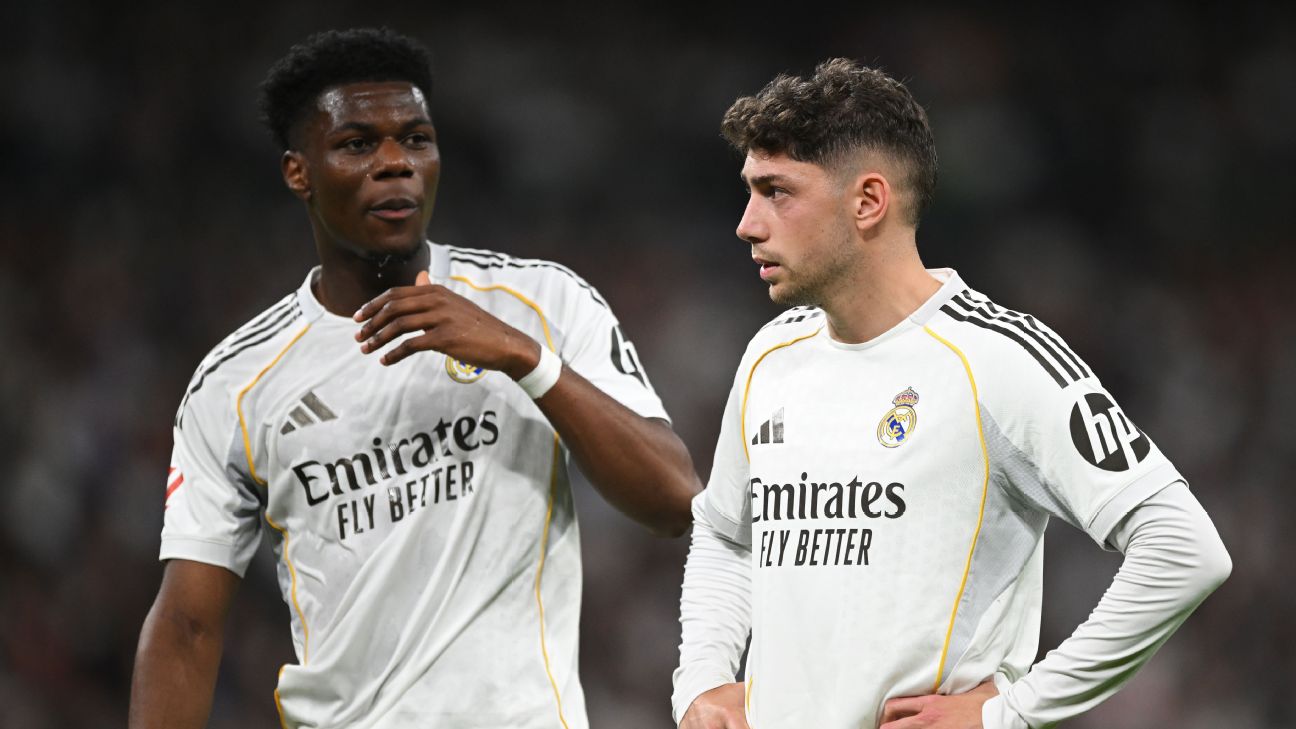 Mourinho has several options, but none offers exactly the same combination of qualities.
The two most obvious alternatives are Eduardo Camavinga and Federico Valverde.
Eduardo Camavinga: The natural midfield alternative
Camavinga possesses many of the qualities required to operate in a deeper midfield position.
He is mobile, technically gifted and capable of carrying the ball away from pressure. His defensive work also allows him to contribute when Madrid need to recover possession.
His ability to cover different areas makes him an attractive option.
However, replacing Tchouaméni is not simply about selecting another defensive midfielder.
Camavinga would need to demonstrate the positional discipline required to protect the space in front of the defence while allowing Madrid’s attacking midfielders to operate freely.
If he moves too aggressively towards the ball, Madrid could become vulnerable through the centre.
His challenge would be maintaining the balance between defensive responsibility and his natural instinct to carry possession forward.
Federico Valverde: The tactical solution
Valverde offers a different possibility.
His energy, physical strength and versatility make him one of the most useful players in Mourinho’s squad.
He can operate centrally, play on the right and contribute defensively when the team needs additional protection.
However, Valverde’s role has become particularly interesting under Mourinho.
In recent matches, he has been used at right-back, allowing Madrid to retain several creative players in central midfield.
Reuters reported that Valverde continued in that position during the 3–0 victory over Valencia, while Güler, Bellingham, Bernardo Silva and Tchouaméni occupied the midfield.
Moving Valverde back into central midfield could solve one problem while creating another.
Mourinho would have to decide who fills the right-back position and whether changing Valverde’s role would disrupt the team’s improved attacking structure.
The real decision is not simply Camavinga versus Valverde. It is about which replacement allows Madrid to preserve the tactical balance they have developed.
5. Bernardo Silva and Jude Bellingham Could Face Greater Defensive Responsibilities
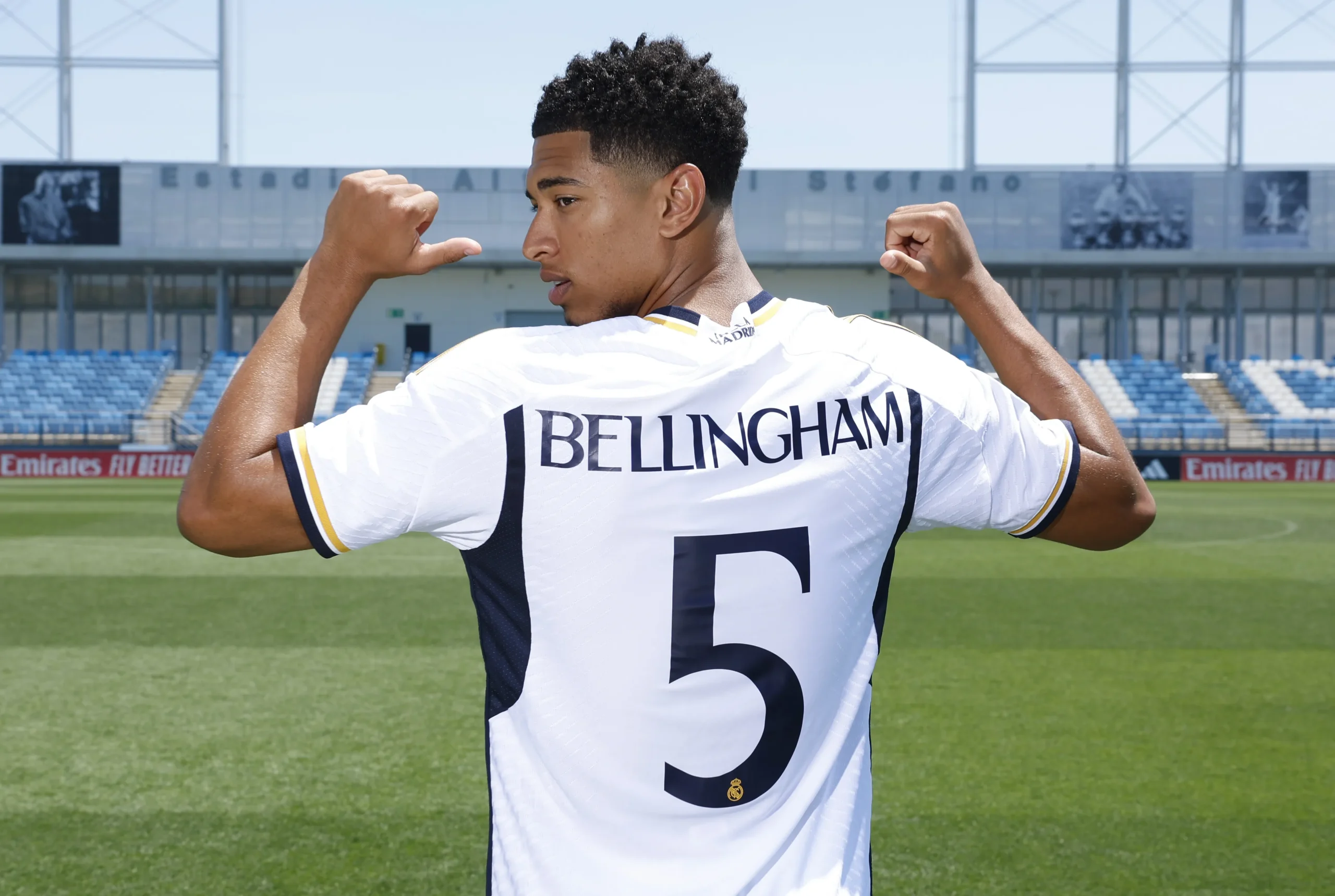 Tchouaméni’s absence could also influence the responsibilities of players who normally operate further forward.
Bernardo Silva is particularly important to this discussion.
The Portuguese midfielder brings technical quality, intelligent movement and the ability to retain possession in tight spaces.
His presence helps Madrid connect different areas of the pitch.
However, asking Bernardo to replace Tchouaméni’s defensive contribution would be a different proposition.
He could help Madrid control possession, but that would not automatically solve the problem of protecting the defensive line.
Jude Bellingham could also face a tactical adjustment.
The English midfielder is most dangerous when he can receive possession in advanced positions, attack spaces and influence the final third.
If Madrid lose their natural defensive midfielder, Mourinho may need to ask Bellingham to contribute more frequently to the defensive phase.
That could reduce some of the freedom that makes him such an influential attacking player.
The challenge is to avoid creating a situation in which Madrid become defensively secure but lose their attacking effectiveness.
Mourinho needs both qualities.
6. The Recurring Adductor Problem Is a Bigger Concern
Perhaps the most worrying aspect of this story is the recurrence of discomfort in the same area.
Tchouaméni already experienced an adductor problem during the World Cup, and that issue affected his preparations for the current campaign.
Now, several weeks after returning to regular involvement, he has encountered another setback.
This creates a legitimate question about his physical management.
Madrid must establish whether the current discomfort is a minor recurrence or evidence of a problem requiring a more cautious rehabilitation programme.
The distinction matters because rushing a player back before he is fully ready can create further complications.
For a defensive midfielder who relies heavily on acceleration, changes of direction and physical challenges, full fitness is particularly important.
There is also a scheduling consideration.
Madrid have an important sequence of fixtures after the international break, and Mourinho will need his squad to be ready for a demanding period.
The club’s medical department must therefore balance the urgency of returning Tchouaméni with the longer-term importance of keeping him available.
7. Why the Timing Could Affect Real Madrid’s La Liga and Champions League Campaigns
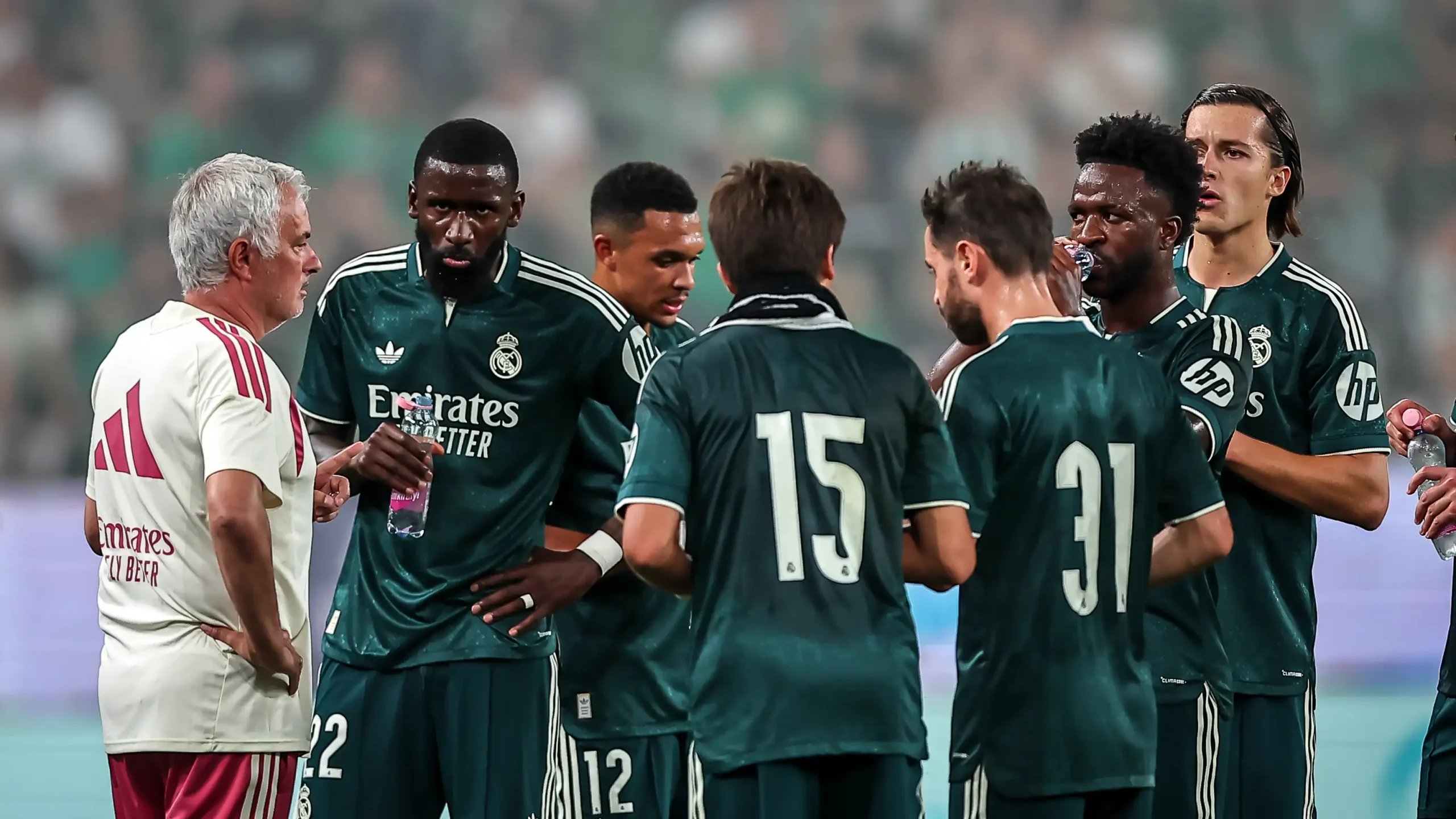 Real Madrid’s current form makes this injury particularly frustrating.
The Spanish giants defeated Valencia 3–0 on November 7, recording their eighth consecutive victory across competitions.
They also moved to 30 points in La Liga, level with Barcelona, although the Catalan club remained ahead on goal difference and had a game in hand.
In Europe, Madrid defeated AEK Athens 3–2 on November 4, collecting a perfect 12 points from their opening four Champions League matches.
Those results demonstrate that Mourinho’s team is developing momentum.
However, the upcoming schedule will test their squad depth.
Their next fixtures include:
- November 21: Real Madrid vs Celta Vigo – La Liga.
- November 24: Real Madrid vs PSV Eindhoven – Champions League.
- November 28: Real Madrid vs Deportivo Alavés – La Liga.
- December 2: Real Sociedad vs Real Madrid – La Liga.
- December 6: Athletic Club vs Real Madrid – La Liga.
- December 9: Arsenal vs Real Madrid – Champions League.
The Arsenal encounter is particularly significant because it represents a major European test against strong opposition.
If Tchouaméni is unavailable for part of this period, Mourinho will have to find a midfield combination capable of maintaining Madrid’s defensive stability.
The Celta and PSV matches could provide an opportunity to assess alternative combinations before the more demanding fixtures arrive.
But the manager cannot assume that Madrid will dominate every opponent simply because they have won their recent matches.
Their ability to control central areas will remain essential.
8. Mourinho’s Biggest Challenge: Protecting the System Without Losing Creativity
 The temptation for Mourinho could be to make a straightforward substitution and ask Camavinga to perform Tchouaméni’s role.
However, tactical systems rarely work through direct player replacements alone.
Each midfielder influences the responsibilities of the players around him.
If Camavinga replaces Tchouaméni, Mourinho may need to adjust the positioning of Bellingham and Bernardo.
If Valverde moves into central midfield, Madrid may need another solution at right-back.
Alternatively, Mourinho could use a more conservative midfield arrangement in certain matches, sacrificing some attacking freedom in exchange for additional defensive security.
Each option carries advantages and disadvantages.
The most important thing is that Madrid do not become predictable.
SEE ALSO: JJ Gabriel to Real Madrid? 5 Shocking Reasons Manchester United Could Lose Their Next Superstar
Their recent improvement has been built partly on greater possession control, intelligent movement and more coordinated attacking combinations.
Abandoning those developments simply because one player is unavailable could undermine the progress Mourinho has made.
The best solution will be the one that preserves the team’s overall structure while adapting to the strengths of the available players.
Conclusion: Real Madrid Need Tchouaméni Fit, But Mourinho Must Have a Plan B
Aurélien Tchouaméni’s latest injury concern is undoubtedly an important setback for Real Madrid.
His defensive qualities, positional discipline and ability to protect the midfield make him difficult to replace directly.
More importantly, the timing is unfortunate because Mourinho’s team has started to show greater tactical consistency and has built an impressive winning run.
Nevertheless, this situation does not automatically mean that Real Madrid’s season is in danger.
The squad has experienced players capable of adapting to different midfield responsibilities. Camavinga offers mobility, Valverde provides energy and versatility, while Bernardo Silva and Bellingham bring technical quality and attacking intelligence.
The challenge is finding the right combination.
Mourinho must now demonstrate that his midfield project is strong enough to survive the absence of one of its most important components.
Real Madrid may have the quality to overcome Tchouaméni’s absence, but the bigger test is whether Mourinho can maintain the balance that has made his team so effective in recent weeks.
Can Camavinga or Valverde fill the gap without weakening Madrid’s midfield, or will Tchouaméni’s absence expose a problem Mourinho has yet to solve?
Share your thoughts in the comments.