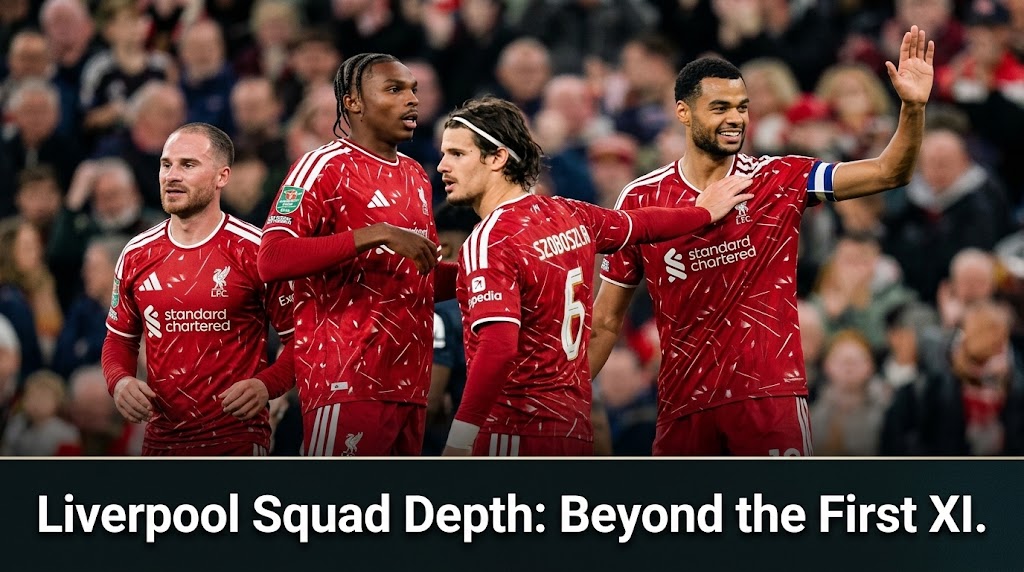
Liverpool did not just beat Tottenham 3-1 at Anfield. They offered an early glimpse of something potentially more important: a squad that is beginning to look bigger than its starting XI.
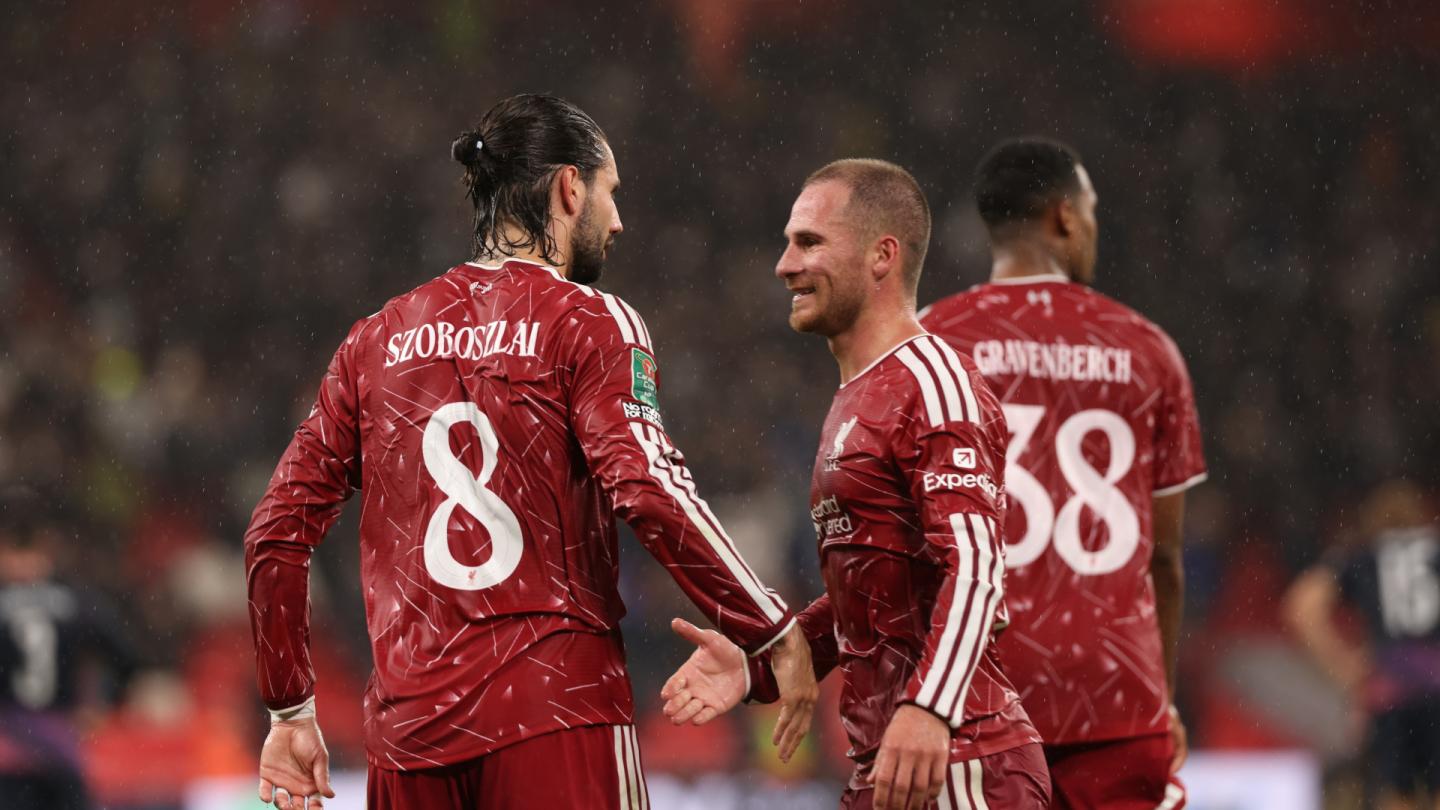
Alexis Mac Allister opened the scoring, Cody Gakpo doubled the advantage and Dominik Szoboszlai finished the job with a spectacular late strike as Liverpool eliminated Tottenham from the Carabao Cup on Tuesday night. Conor Gallagher’s goal briefly gave Spurs hope, but Liverpool ultimately progressed with a 3-1 victory.
Yet the scoreline is not the most interesting part of the story.
The bigger development was the extent of Liverpool’s rotation and the way several players outside the presumed strongest XI contributed to the result.
Youngsters were trusted.
Senior players who needed minutes stepped forward.
Experienced internationals remained capable of deciding the match.
And the team’s overall intensity survived significant changes.
That is the real story behind Liverpool squad depth.
For a club expected to compete across the Premier League, Champions League and domestic competitions, the ability to change personnel without completely changing the team’s identity could prove just as important as the quality of its headline stars.
And there is another crucial detail.
This is not Arne Slot’s Liverpool anymore.
It is Andoni Iraola’s Liverpool.
The 3-1 victory over Tottenham therefore offered an early window into what the new manager is attempting to build.
Liverpool Squad Depth Was the Real Winner Against Tottenham
 Cup football can be deceptive.
A strong team can beat a weaker opponent with a heavily rotated side, only for that result to have little relevance to the rest of the season.
But Tottenham presented a different test.
This was a Premier League opponent at Anfield, and Liverpool did not simply select a full-strength XI and cruise through.
Iraola made substantial changes while still demanding intensity from his players.
Liverpool’s starting lineup included a mixture of established senior players and younger members of the squad, while several familiar first-team names were either rested or used later in the game.
The result was significant because the performance did not collapse under rotation.
Liverpool still scored three goals.
They still created attacking moments.
They still had players capable of controlling midfield areas.
And they still had enough quality on the bench to influence the closing stages.
That is what Liverpool squad depth should mean in practical terms.
It is not merely having 20 or 25 recognisable names.
It is having players who can enter the team and preserve enough of the manager’s principles to keep the side competitive.
Andoni Iraola Is Building a Different Liverpool
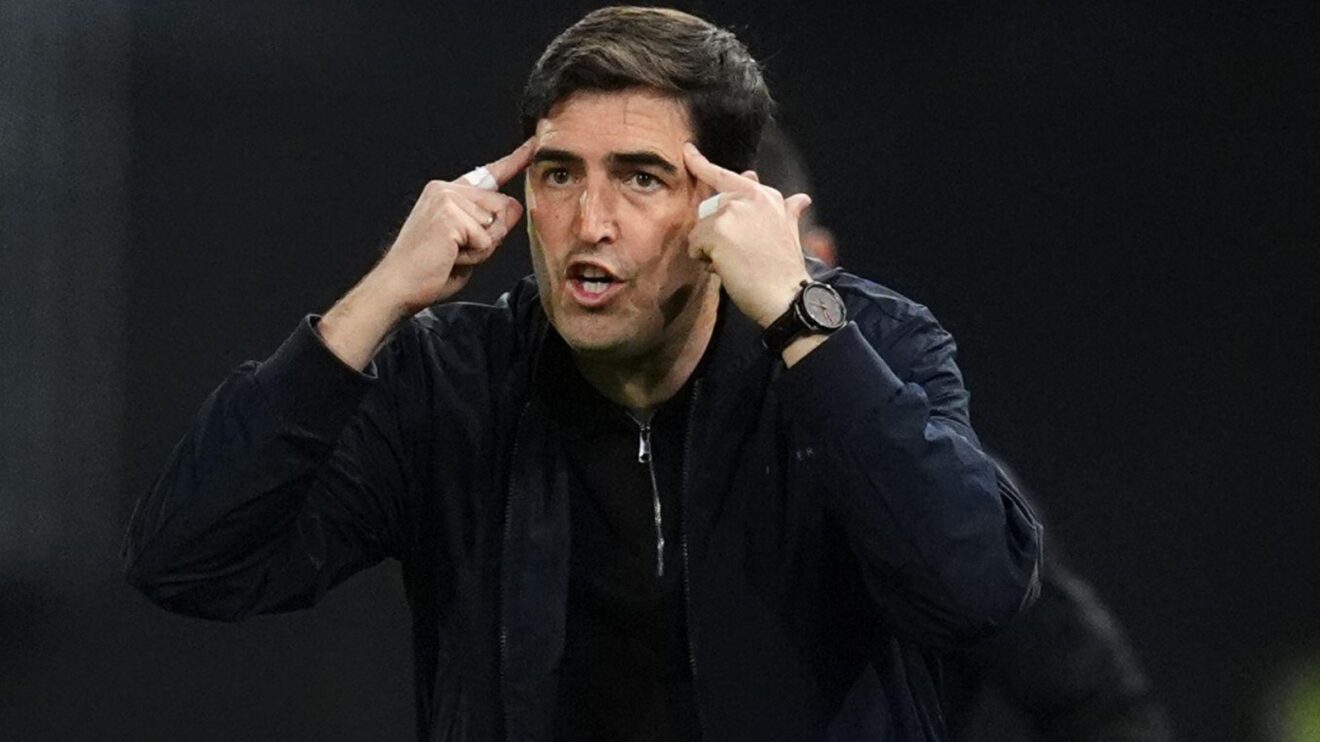 The biggest correction needed in the original premise is the identity of the manager.
Arne Slot’s Liverpool belongs to the previous chapter.
The current Liverpool project is being shaped by Andoni Iraola, who arrived with his own tactical ideas and a different set of demands.
That makes the Tottenham victory particularly interesting.
A new manager inheriting an expensive and talented squad has two choices.
He can attempt to preserve the existing hierarchy, relying heavily on established players.
Or he can gradually create a squad in which roles are more fluid and competition for places becomes genuine.
The Tottenham match suggested the second process may already be developing.
Young players were not simply included to make up numbers.
They were expected to contribute to the team’s intensity.
That distinction matters.
Liverpool’s Young Players Are Becoming Part of the Rotation
One of the most encouraging elements from the victory was the contribution of Liverpool’s younger players.
Trey Nyoni, James McConnell, Lewis Koumas and Rio Ngumoha were among the youngsters given significant opportunities. Iraola praised their energy and commitment after the match, particularly highlighting Koumas’ intensity.
This is more than a feel-good academy story.
For a club competing in multiple competitions, youth development is also a squad-management strategy.
The Premier League schedule creates an unavoidable problem.
There are only so many minutes available to senior players.
If the same 13 or 14 footballers are used continuously, fatigue eventually becomes a factor.
That becomes even more important when Champions League matches are added to the calendar.
Young players therefore provide something extremely valuable:
fresh legs without necessarily requiring a major tactical compromise.
The Tottenham game demonstrated that Liverpool’s younger players are being given an opportunity to show they can operate within the intensity Iraola demands.
Lewis Koumas and the Importance of Intensity
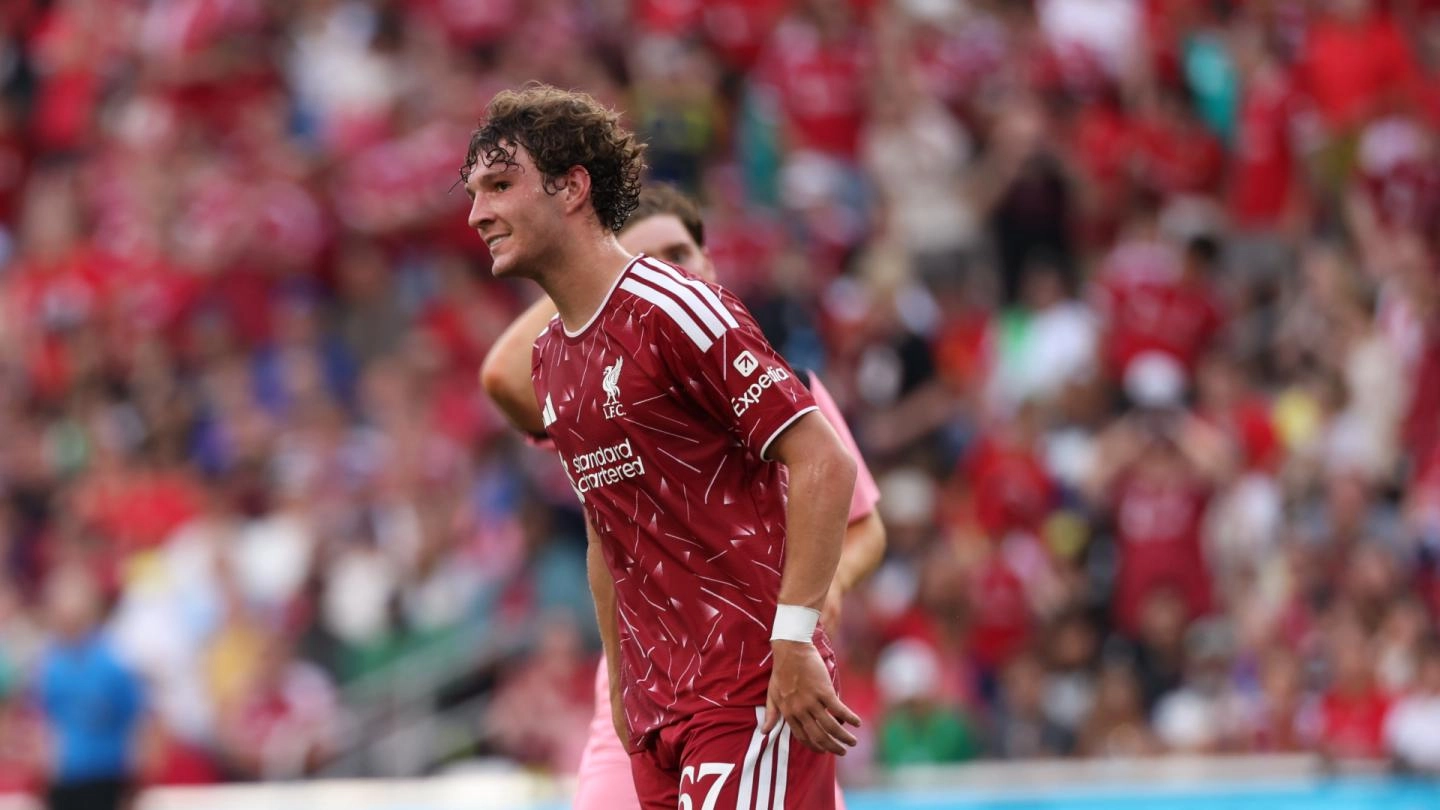 Among the younger players, Lewis Koumas attracted particular attention.
Iraola’s comments after the match were revealing because he focused not simply on technical quality but on the youngster’s energy and contribution to the team’s collective intensity.
That is important in understanding Iraola’s football.
Managers can tolerate young players making occasional mistakes if they consistently provide energy, pressing and commitment.
A youngster who understands when to press, when to recover his position and when to support a teammate can become tactically useful long before becoming a complete player.
That gives Liverpool another layer of squad flexibility.
Instead of asking:
“Can this teenager replace a senior star?”
the more appropriate question is:
“Can this teenager give the manager 20 or 30 useful minutes without changing the team’s structure?”
If the answer is yes, the player’s value increases significantly.
Mac Allister Proved Experience Still Matters
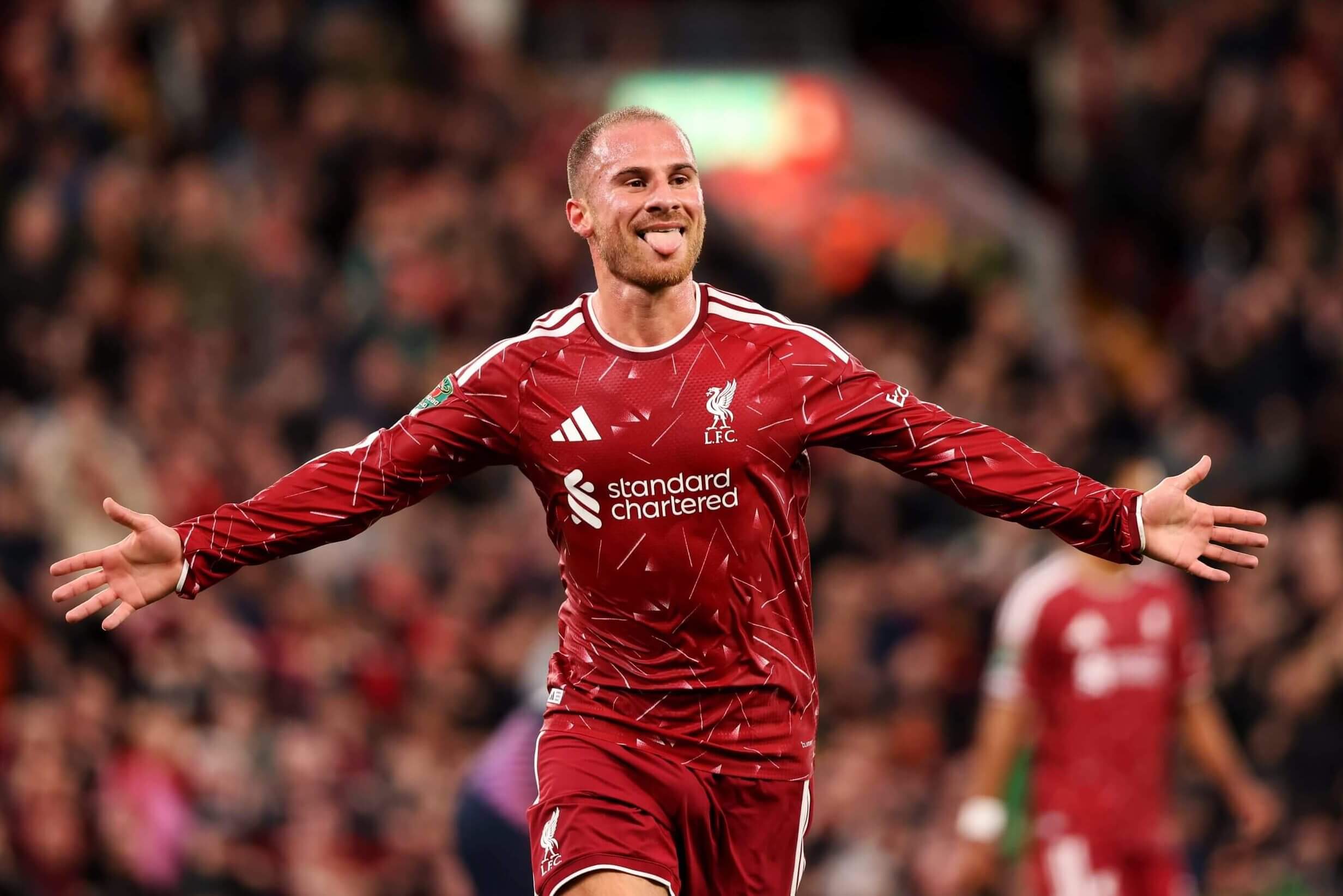 While Liverpool’s youngsters provided energy, Alexis Mac Allister demonstrated why squad depth cannot be built entirely around youth.
The Argentine opened the scoring against Tottenham with a powerful finish, setting Liverpool on their way to victory.
His contribution illustrates another principle of squad construction.
Rotation does not mean replacing experienced players with youngsters.
It means finding the right combination.
A team may need one senior midfielder to control the tempo while two younger players provide energy around him.
That balance can be particularly valuable in cup competitions.
Mac Allister brings experience of high-pressure matches, technical quality and an understanding of midfield positioning.
Those qualities become even more important when younger players are introduced around him.
In that sense, his performance was not just about the goal.
It demonstrated how senior players can become the stabilising framework around which squad rotation works.
Cody Gakpo Shows the Value of Versatility
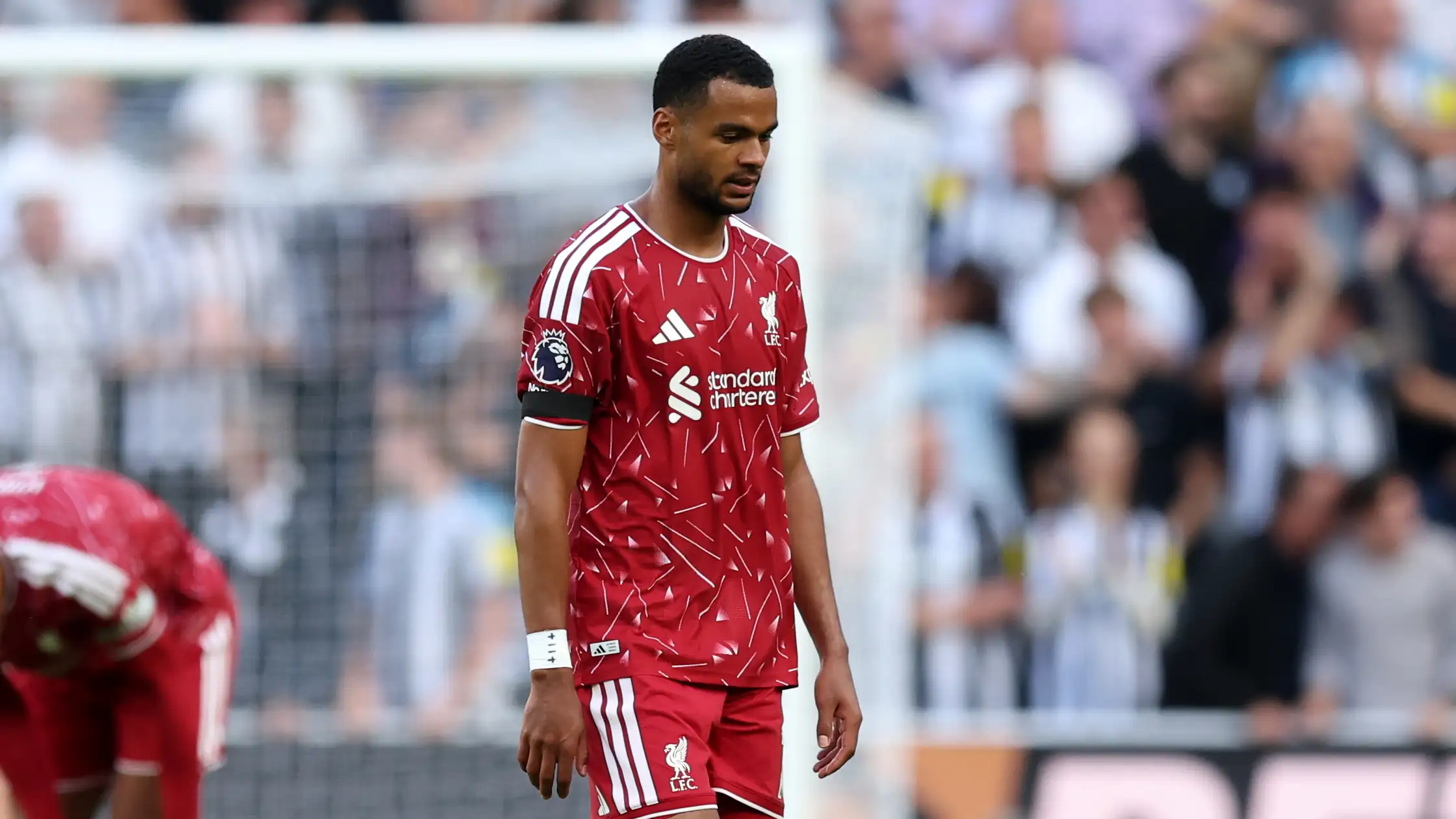 Cody Gakpo’s goal added another layer to the story.
The Dutch forward doubled Liverpool’s advantage in the second half, scoring after a well-executed attacking sequence.
But Gakpo’s importance goes beyond scoring.
His ability to operate across different attacking roles gives Iraola another tactical option.
Modern squad depth is increasingly about versatility.
A player who can perform effectively in two or three positions can be more valuable to a manager across a long season than a specialist who offers only one solution.
Liverpool’s attacking group includes several players capable of moving between wide areas, central positions and deeper attacking roles.
That means Iraola can alter the structure without necessarily making multiple substitutions.
For example, Liverpool can change the position of one forward and immediately create a different attacking shape.
That flexibility makes opponents’ preparation more difficult.
Szoboszlai’s Late Strike Was More Than a Highlight
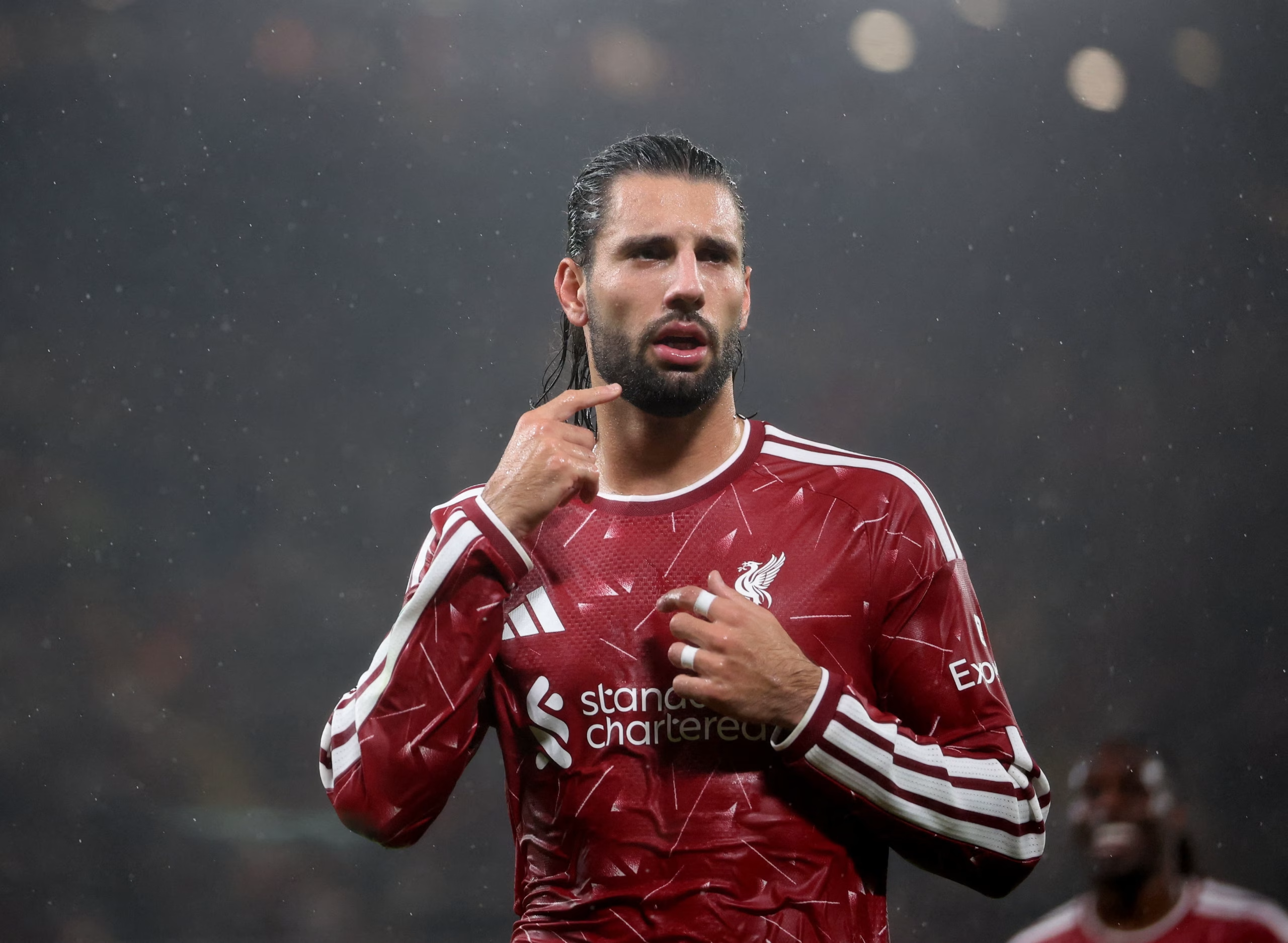 Dominik Szoboszlai’s stoppage-time goal was the spectacular ending to the match.
The Hungarian produced a long-range strike to make it 3-1 and remove any remaining doubt about Liverpool’s progression.
It was also a reminder of Liverpool’s individual quality beyond its most obvious attacking options.
A match can be tactically controlled for long periods, but knockout football often comes down to moments.
A midfielder capable of producing a goal from outside the box adds another weapon.
And that matters when opponents defend deep.
If a team can only score through combinations inside the penalty area, its options become easier to predict.
A midfielder who can threaten from distance changes the geometry of the opposition’s defensive block.
Suddenly, defenders have to step forward.
That creates space behind them.
That space can then be attacked by Liverpool’s forwards.
Liverpool’s Squad Is Designed for a Different Kind of Season
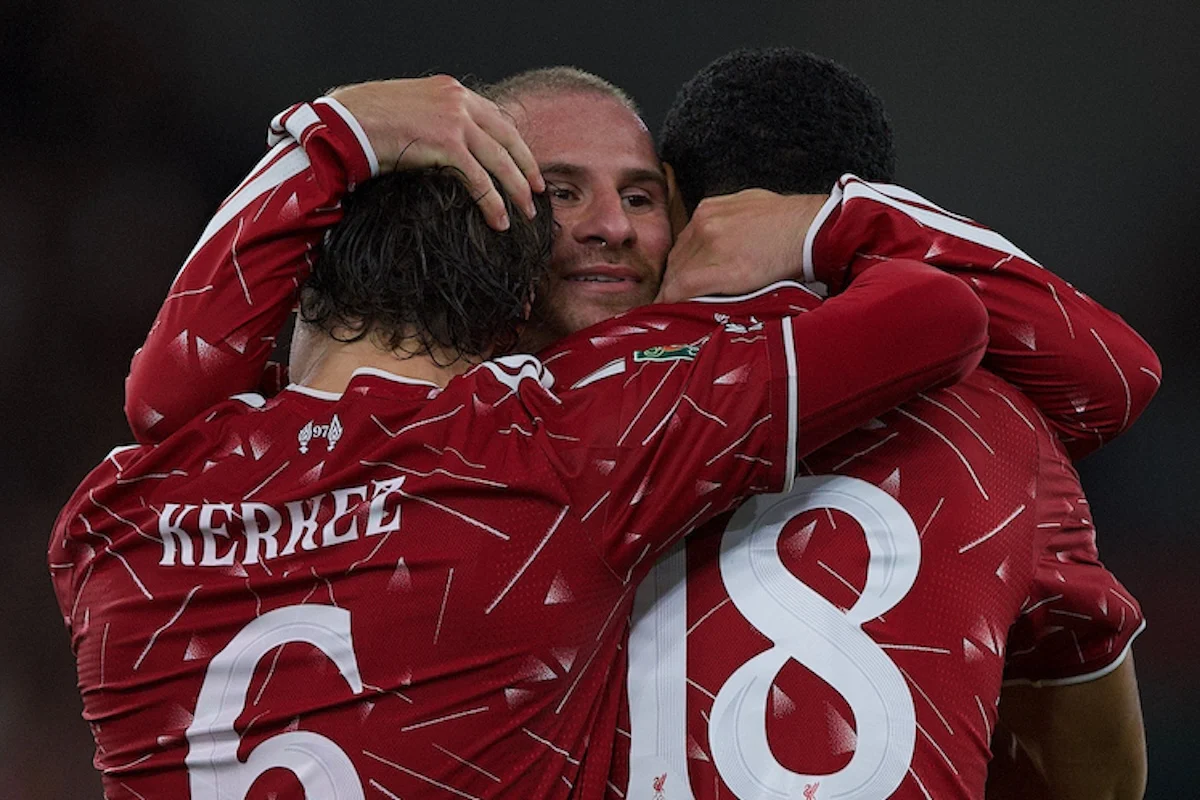 The size and quality of Liverpool’s 2026/27 squad reflect the demands of modern elite football.
The current group includes major attacking investments such as Alexander Isak, Florian Wirtz and Hugo Ekitike, alongside players such as Gakpo, Barcola and Szoboszlai. Liverpool’s official Premier League squad information also lists Wirtz, Szoboszlai and Barcola among the registered squad.
That creates a very different competitive environment inside the squad.
Players are not simply competing to make the starting XI.
They are competing for:
- Premier League starts;
- Champions League minutes;
- domestic cup opportunities;
- substitute appearances;
- tactical roles;
- and long-term importance under the new manager.
That internal competition can become a major source of performance.
But it also creates a managerial challenge.
Iraola has to keep enough players involved without creating instability.
The Isak Factor Changes Liverpool’s Attacking Options
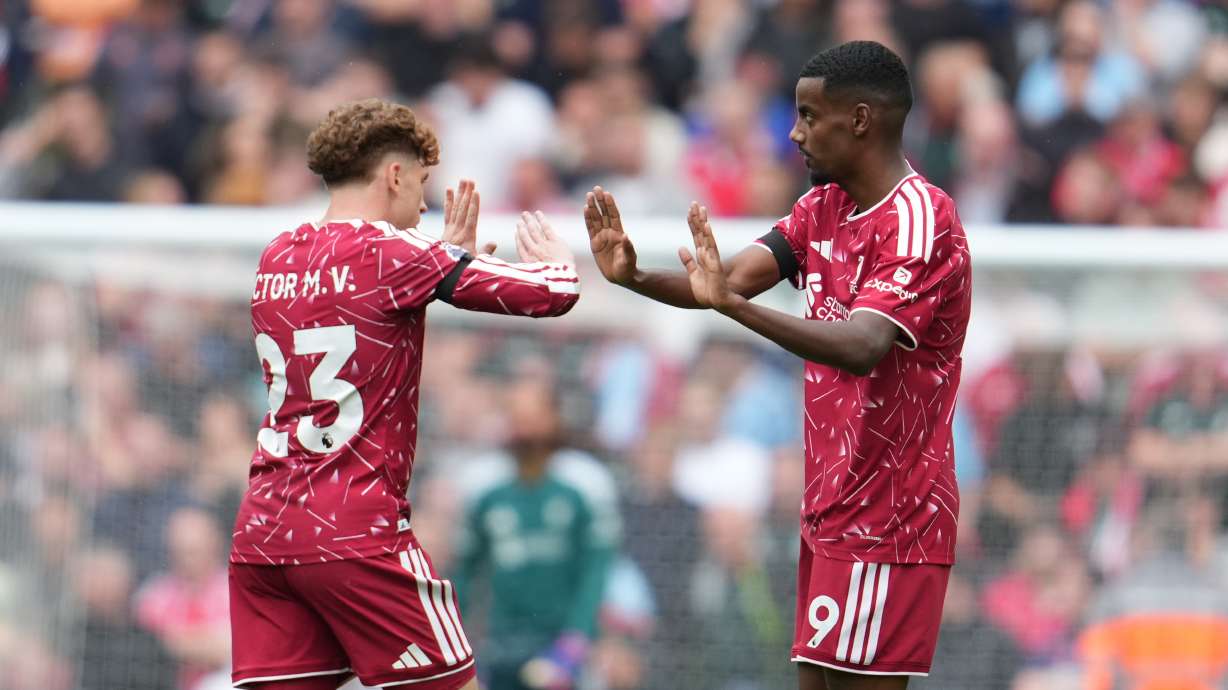 Alexander Isak is particularly important to this discussion.
A striker of his profile changes the way Liverpool can approach matches.
He gives the team a central reference point capable of threatening depth while also participating in combination play.
But the existence of Isak does not mean every match must revolve around him.
That is precisely where squad depth becomes valuable.
There will be games requiring a central striker.
Others may benefit from a more fluid front line.
Some opponents may defend deep.
Others may press aggressively.
The manager needs different solutions.
Liverpool’s attacking personnel now provide those possibilities.
The Tottenham match was another demonstration that goals do not necessarily have to come from the same players every week.
The First XI Is No Longer the Whole Story
This is the fundamental change.
For years, football analysis often begins with the question:
“What is Liverpool’s best XI?”
That question remains useful.
But it is increasingly incomplete.
The more important question may be:
“What does Liverpool’s 16-player matchday rotation look like?”
Because that is where seasons are won and lost.
A starting XI can dominate in August.
But by February, players are dealing with:
- accumulated fatigue;
- injuries;
- suspensions;
- Champions League travel;
- international commitments;
- fixture congestion;
- and changing tactical demands.
The teams that maintain their level during that period usually have more than 11 reliable players.
The Tottenham game provided an early demonstration of that principle.
Liverpool’s Rotation Could Become a Tactical Weapon
Rotation is often described as a necessity.
It can also become a weapon.
Imagine an opponent prepares for Liverpool’s strongest attacking combination.
They study the movements.
They prepare pressing triggers.
They identify preferred passing lanes.
Then Liverpool changes two or three players.
Suddenly, the opponent has to adjust.
If those replacements maintain the same principles but offer different individual qualities, Liverpool can create tactical uncertainty.
That is one of the potential advantages of having a deep squad.
The system stays familiar while the individual profiles change.
For a manager like Iraola, that flexibility can become particularly useful.
The Tottenham Match Also Exposed One Remaining Concern
Liverpool were deserved winners, but the match was not flawless.
Tottenham created opportunities and, at times, exposed spaces in Liverpool’s defensive structure.
Conor Gallagher’s goal came after Liverpool conceded from a set-piece situation, reducing the score to 2-1. Liverpool eventually restored the two-goal advantage through Szoboszlai.
That is a reminder that squad depth does not automatically equal defensive security.
Rotation can sometimes affect communication.
Young players are still learning.
Players returning from injury may lack rhythm.
And new combinations require time.
For Iraola, the challenge will be finding the balance between giving players opportunities and maintaining defensive consistency.
That will become particularly important in the Champions League.
Why Liverpool’s Youth Strategy Could Matter in Europe
Champions League football is different from domestic cup football.
The margin for error becomes smaller.
Opponents punish mistakes more efficiently.
The tempo can be higher.
And squad management becomes essential because of the number of matches.
Liverpool therefore need young players who can eventually contribute in Europe.
The Tottenham match offered them a useful platform.
Nyoni, McConnell, Koumas and Ngumoha were not being asked to carry Liverpool’s season.
They were being introduced into an environment where experienced players could provide protection.
That is exactly how youth integration can work.
Gradually.
Strategically.
Without unnecessary pressure.
The Bigger Picture: Liverpool Are Building a Squad, Not Just a Team
This is where the Tottenham victory becomes particularly relevant.
Liverpool’s ambitions cannot be measured by one XI.
They have invested heavily across the squad and now have multiple players competing for attacking and midfield positions.
The Premier League squad list confirms the scale of the available options, while the Tottenham match demonstrated how that depth can be used in practice.
The challenge is now turning quantity into functional depth.
There is a difference.
Having talented players does not automatically create a strong squad.
They must:
1. Understand their roles.
2. Accept rotation.
3. Maintain intensity.
4. Develop chemistry.
5. Compete without destabilising the dressing room.
6. Perform when called upon.
The Tottenham match provided evidence of several of these elements.
What Iraola Must Get Right
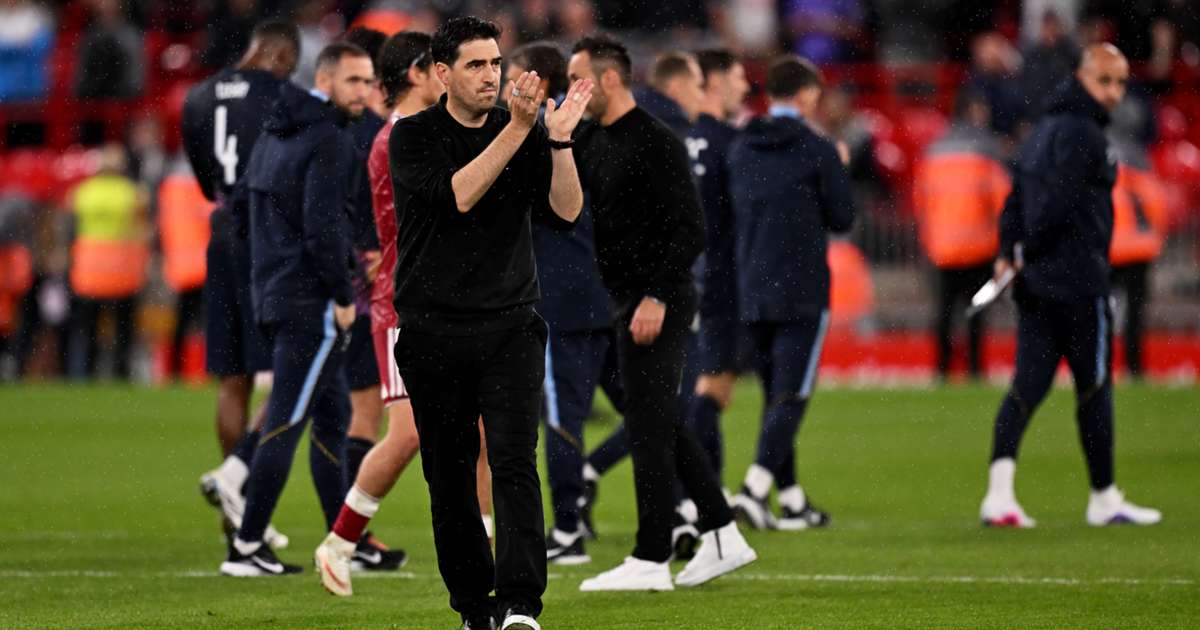 The next stage of Liverpool’s development will depend heavily on management.
Iraola must decide:
Who are the core players?
Some players will naturally become central to the project.
Who can rotate?
Not every player needs to start every match.
Who can change matches from the bench?
This is increasingly important in elite football.
Which youngsters are genuinely ready?
Not every academy prospect needs immediate promotion.
How does Liverpool preserve intensity?
This may ultimately be the most important tactical question.
SEE ALSO; Liverpool vs Atlético Madrid: 5 Tactical Battles That Could Decide the Champions League Opener
If Iraola can maintain the same intensity with different combinations, Liverpool’s depth becomes a genuine competitive advantage.
Liverpool vs Tottenham Was Only the Beginning
The Carabao Cup victory does not prove that Liverpool’s squad will dominate the season.
One match cannot provide that conclusion.
But it can reveal trends.
And the trend at Anfield is interesting.
Liverpool have senior quality.
They have expensive attacking options.
They have experienced midfielders.
They have young players pushing for opportunities.
They have players capable of playing multiple roles.
And, under Iraola, they are beginning to establish a new tactical identity.
The Tottenham match therefore becomes more significant when viewed through the lens of the entire season.
What’s Next for Liverpool?
The real test begins when the fixtures become relentless.
Cup football will demand rotation.
The Premier League will demand consistency.
The Champions League will demand tactical flexibility.
And injuries will inevitably force Iraola into decisions he did not plan to make.
That is when Liverpool squad depth will truly be tested.
The question is not whether Liverpool can field a strong XI.
Almost every elite club can do that.
The question is whether Liverpool can field a competitive XI after changing four, five or six players.
Against Tottenham, there was an encouraging answer.
Conclusion: Liverpool’s Most Important Asset May Be the Players We Don’t See Every Week
The 3-1 victory over Tottenham will be remembered for three goals.
Mac Allister’s opener.
Gakpo’s finish.
And Szoboszlai’s spectacular strike.
But the deeper story is what happened around those goals.
Young players were trusted.
Senior players delivered.
Rotation did not destroy the team’s intensity.
And Liverpool advanced without needing to rely exclusively on the strongest possible XI.
That is why this victory matters.
The real development at Liverpool may not be the emergence of another superstar. It may be the emergence of a squad in which the difference between the first XI and the players behind them becomes increasingly difficult to identify.
For Andoni Iraola, that could become one of the foundations of his Liverpool project.
The season will eventually reveal whether that depth can survive injuries, European nights, fixture congestion and pressure.
But against Tottenham, Liverpool showed something valuable.
They showed that the team is becoming bigger than the XI.
And for a club competing on multiple fronts, that may ultimately matter more than any individual victory.
The first XI gets you into the race. The squad determines how long you can stay in it.
What did you make of Liverpool’s rotation against Tottenham? Which player outside the strongest XI could become increasingly important for Iraola this season? Share your thoughts in the comments.