Football has witnessed Lionel Messi overcome injuries, relentless pressure and the expectations of an entire nation. But the challenge now confronting him is one no footballer can ever prepare for.
 In an emotional farewell to his father, Jorge Messi, the Argentine icon admitted that he now has “quite a few doubts” about continuing his playing career. It was a deeply personal statement that shifted the global football conversation from trophies and records to grief, family and the uncertain future of one of the sport’s greatest players.
For years, retirement speculation surrounding Messi has centred on age, fitness and his move to Inter Miami. This time, however, the discussion is different. It is no longer about whether his legs can carry him through another season—it is about whether his heart still wants to.
A Farewell That Shocked the Football World
Lionel Messi’s message was unlike any he has written before.
Rather than speaking about football achievements, he reflected on the loss of the man who had guided almost every step of his journey—from a gifted youngster in Rosario to an eight-time Ballon d’Or winner and World Cup champion.
Jorge Messi passed away at the age of 68 following a prolonged illness. Beyond being his father, he was also Lionel’s longtime adviser and representative, helping shape one of the most successful careers in sporting history.
In his tribute, Messi revealed that he no longer knows what life—or football—looks like without his father’s constant presence.
Those words immediately sparked worldwide debate over whether the Inter Miami captain could be preparing for retirement sooner than expected.
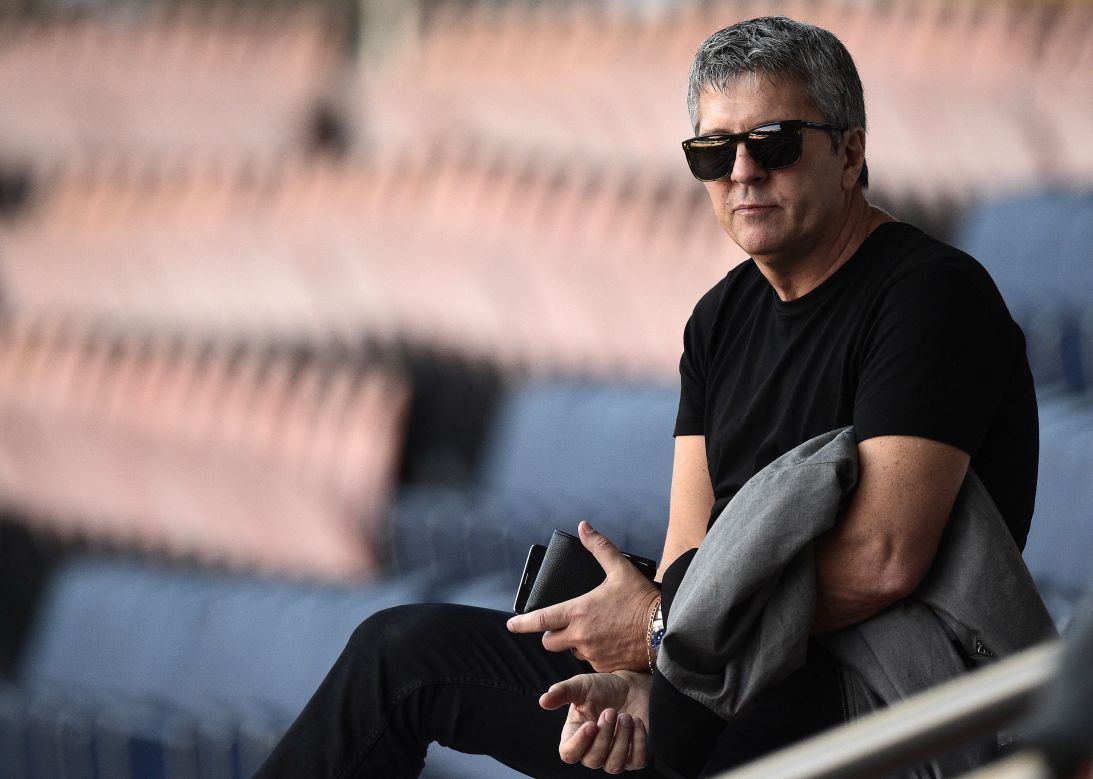
Jorge Messi: The Architect Behind a Football Legend
 When people discuss Lionel Messi’s career, attention naturally falls on his extraordinary talent.
Yet behind that talent stood Jorge Messi.
He made the life-changing decision to move with his son from Argentina to Spain so Barcelona could provide treatment for Lionel’s growth hormone deficiency. He negotiated contracts, managed commercial relationships and became one of the most influential figures behind the scenes in modern football.
Without Jorge’s sacrifices and guidance, football history might have unfolded very differently.
The World Cup That Meant More Than Football
Messi also revealed that one of the main reasons he agreed to play in the 2026 FIFA World Cup was because his father wanted him to.
During the tournament, Jorge’s health deteriorated significantly. Messi later admitted that every match carried extra emotional weight because he hoped his father would recover in time to watch Argentina play again.
Argentina ultimately reached the World Cup final but fell short against Spain. Even so, Messi described every appearance in the tournament as a tribute to his father.
This context also explains the visible emotion Messi displayed during the competition, moments that many fans initially believed were related only to football.
Why Retirement Suddenly Feels More Real
For several seasons, questions about Messi’s future have focused on physical decline.
That narrative has now changed.
This is no longer about sprint speed or match fitness.
It is about motivation.
Elite athletes often describe retirement as one of the most difficult transitions of their lives because competition becomes a defining part of their identity. Losing the person who shared every major career milestone can fundamentally alter that relationship with the sport.
Messi’s comments suggest exactly that.
He has not announced his retirement.
Nor has he set a timeline.
But for the first time, he has publicly acknowledged genuine uncertainty about continuing his career.
Tactical Impact: What Would Football Lose?
Even at 39, Messi remains one of football’s most influential players.
His game has evolved dramatically.
Rather than relying solely on explosive acceleration, he now dominates through:
- Vision
- Passing range
- Positional intelligence
- Tempo control
- Chance creation
At Inter Miami, he functions almost as a hybrid playmaker and forward, dictating attacks rather than constantly running behind defences.
Removing a player with that profile would represent more than the loss of goals.
It would mean losing one of football’s greatest decision-makers.
The Emotional Side Elite Athletes Rarely Show
Professional football often celebrates resilience.
Players are expected to perform regardless of what happens away from the pitch.
Messi’s message offered a reminder that even the greatest athletes experience grief like everyone else.
Throughout his career, he has rarely spoken publicly about deeply personal matters.
That made this statement particularly powerful.
It was not carefully crafted for headlines.
It was simply a son mourning his father.
That authenticity explains why the message resonated far beyond football.
What This Means for Inter Miami and Argentina
Messi’s uncertainty inevitably creates questions for both club and country.
Inter Miami
The MLS club has built much of its sporting and commercial identity around Messi’s presence.
His retirement would affect:
- Matchday attendance
- Sponsorship value
- Global television audiences
- Shirt sales
- MLS international visibility
His influence extends well beyond performances on the pitch.
Argentina
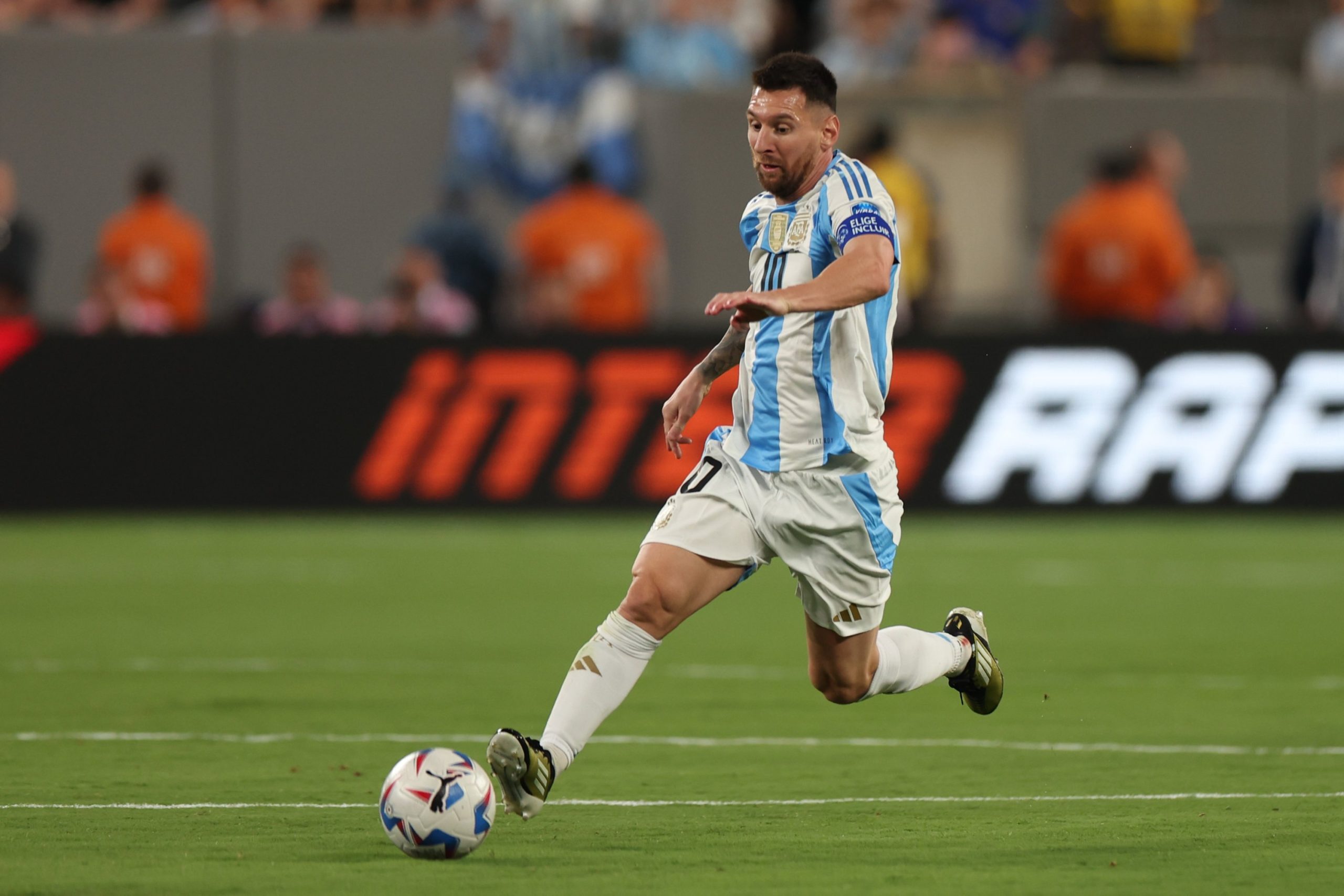 Although the national team is entering a new generation, Messi remains its emotional leader.
If retirement comes soon, Argentina will face the enormous challenge of replacing not only a legendary player but also a symbol of an era.
The Football Xtra Verdict
Football supporters often discuss retirement as if it were simply another tactical decision.
Lionel Messi’s latest comments remind us that it is often something far more personal.
The death of Jorge Messi has clearly changed how the Argentine legend views both life and football.
Whether he ultimately retires this season, next year or later, one thing has become increasingly clear:
The conversation has shifted from “When will Messi retire?” to “Is he emotionally ready to keep playing?”
That distinction matters.
Because sometimes the biggest decisions in football are not made in boardrooms or dressing rooms.
They are made in moments of profound personal reflection.
What’s Next?
Messi has not confirmed that retirement is imminent, and there is no official indication that he has made a final decision. What he has done is share his deepest uncertainty since becoming a professional footballer more than two decades ago.
Whether this marks the beginning of football’s final chapter for Lionel Messi remains to be seen.
One thing is certain: the world will watch every appearance, every interview and every decision more closely than ever before.
What do you think? Should Lionel Messi continue playing if he still feels physically capable, or would stepping away to focus on family be the right decision? Share your thoughts in the comments below.