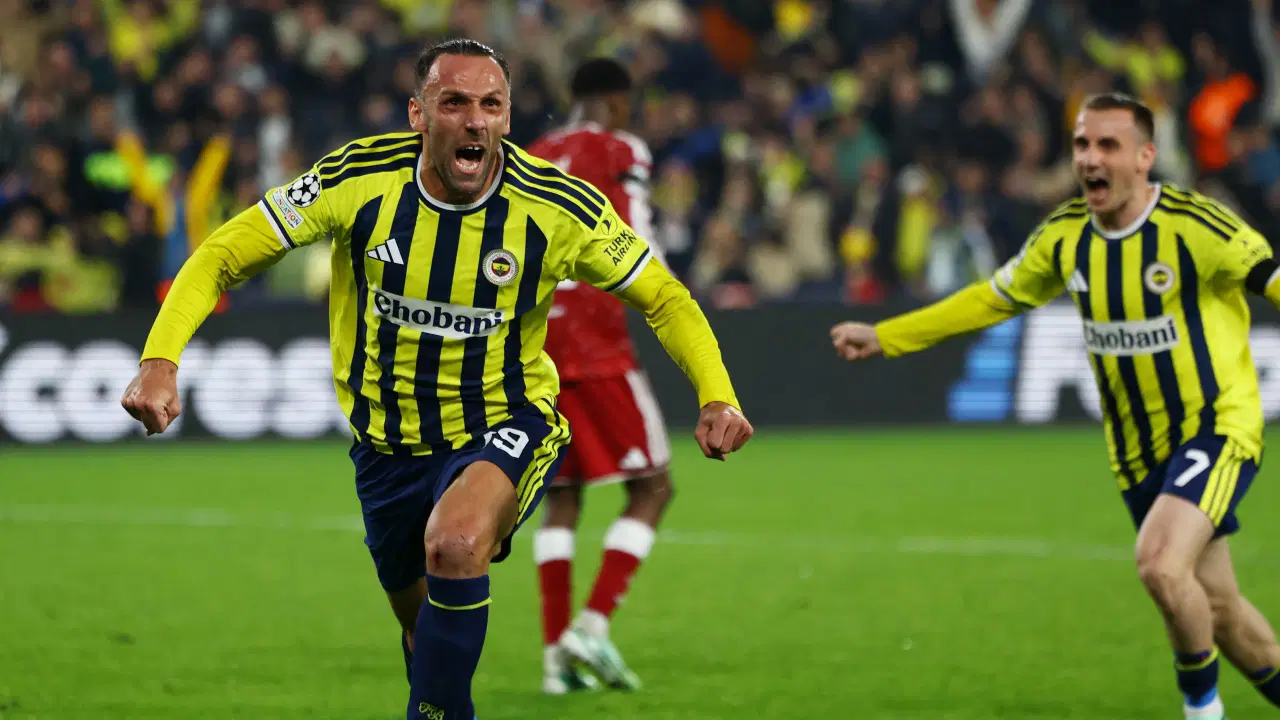
Liverpool travelled to Istanbul with a perfect Champions League record and the confidence of a team that believed it could control its European campaign. They left with a painful defeat, having surrendered the lead twice in a match that exposed serious weaknesses in their defensive organisation.
Fenerbahce 3-2 Liverpool was not simply a story of an impressive home comeback. It was a warning about Liverpool’s inability to protect their own advantage when the pressure increased.
Trey Nyoni gave the visitors the lead in the 25th minute, but Mason Greenwood responded four minutes later. Alexander Isak restored Liverpool’s advantage in the 69th minute, only for Archie Brown to equalise in the 73rd before Vedat Muriqi completed the comeback six minutes later.
The result ended Liverpool’s perfect start to the Champions League campaign. More importantly, it raised difficult questions about their defensive concentration, communication and ability to manage decisive moments.
For manager Andoni Iraola, the defeat provides a significant tactical problem to solve. Liverpool showed enough attacking quality to score twice away from home, but their defensive performance repeatedly undermined that work.
Here are five defensive failures that explain how Fenerbahçe turned Liverpool’s promising evening into a damaging European defeat.
Fenerbahçe 3–2 Liverpool: The Five Defensive Failures
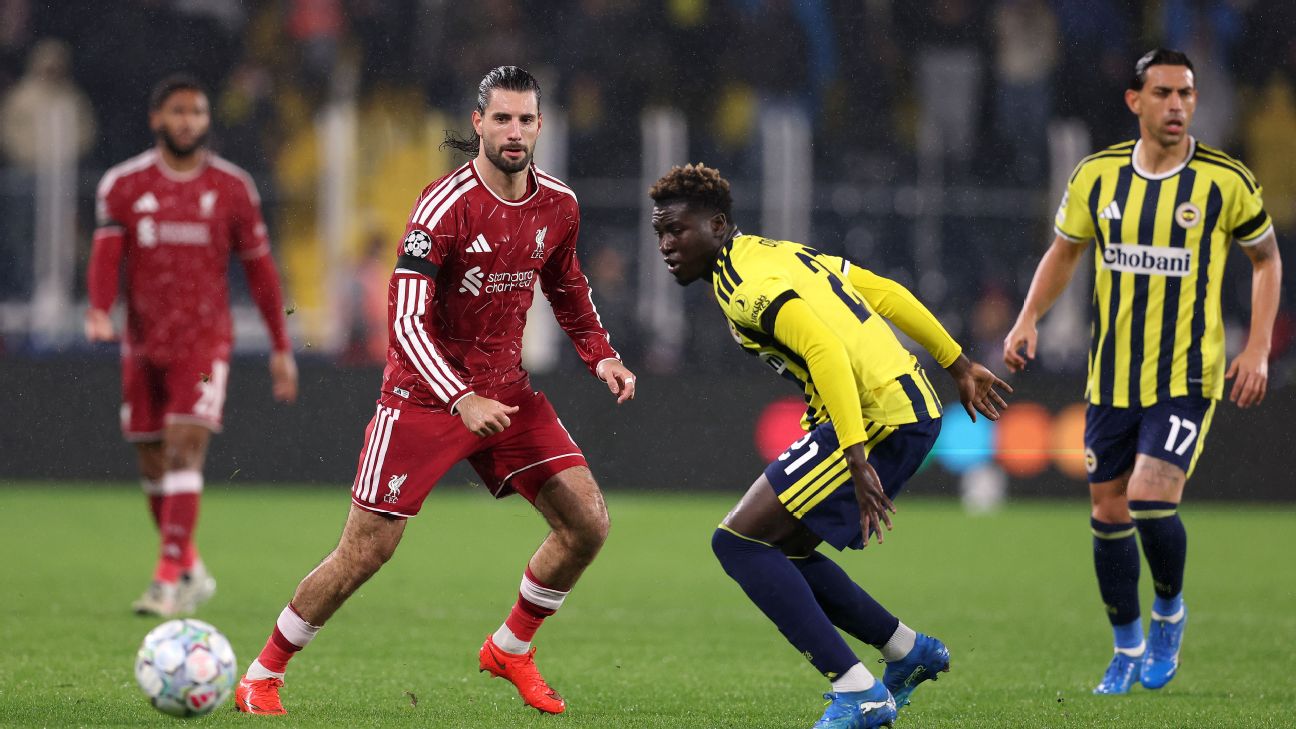 1. Liverpool Failed to Protect Their Advantage After Taking the Lead
One of the most concerning aspects of Fenerbahçe 3–2 Liverpool was the visitors’ inability to turn a positive moment into sustained control.
Nyoni’s 25th-minute goal gave Liverpool an important advantage. The teenager’s deflected volley rewarded the visitors’ attacking approach and appeared to place them in a strong position to dictate the match.
However, Liverpool did not maintain the defensive concentration required after scoring.
Fenerbahçe responded almost immediately. Greenwood’s free-kick took a deflection and beat Alisson, bringing the home side level in the 29th minute.
The deflection was an important element of the goal, meaning it would be unfair to describe the entire incident as a straightforward individual mistake. Nevertheless, the equaliser demonstrated how quickly Liverpool’s advantage disappeared.
A team competing at the highest level of European football must understand the importance of the minutes immediately following a goal. Opponents often respond with increased aggression, more direct attacks and greater urgency.
Liverpool needed to slow the game down, maintain their distances between defensive units and avoid allowing Fenerbahçe to build momentum.
Instead, the hosts found an immediate route back into the contest.
This was the first warning that Liverpool were struggling to manage the emotional and tactical rhythm of the match.
2. The Defensive Response to Fenerbahçe’s Set-Piece Threat Was Not Convincing
Greenwood’s equaliser also highlighted the danger of allowing Fenerbahçe to create opportunities from dead-ball situations.
The free-kick was deflected, but Liverpool still had to defend the delivery and its potential consequences. In European away matches, set pieces can become decisive because they allow the home team to create danger without necessarily dominating possession.
Liverpool’s challenge was particularly important against a Fenerbahçe side featuring physically powerful players such as Romelu Lukaku, Milan Škriniar and, later, Muriqi.
The issue was not simply the height or quality of individual defenders. It was the collective responsibility to organise the defensive line, protect dangerous spaces and react quickly when the initial delivery caused uncertainty.
A deflected free-kick can be difficult for any goalkeeper to deal with. However, the wider lesson is that Liverpool could not afford to give the opposition repeated opportunities to turn set pieces into moments of chaos.
The goal changed the atmosphere inside the stadium and gave Fenerbahçe renewed belief.
For Liverpool, it was an early reminder that defensive organisation must remain consistent even when the opposition is not producing sustained attacking pressure.
3. Communication Between Alisson and His Defence Broke Down for Archie Brown’s Equaliser
The third failure was arguably the most damaging from a communication perspective.
Liverpool had just regained the lead through Isak in the 69th minute. The Swedish striker, introduced from the bench, headed home Cody Gakpo’s delivery to make it 2–1.
But the advantage lasted only four minutes.
Fenerbahçe continued attacking, and N’Golo Kanté delivered the ball into the penalty area. Gakpo, who was positioned in front of Alisson, made contact with the delivery and diverted it towards the far side.
The ball fell to Archie Brown, who converted to make it 2–2 in the 73rd minute.
This incident exposed a major problem: the lack of clarity over responsibility inside Liverpool’s penalty area.
When a goalkeeper comes to claim or deal with a cross, defenders and teammates must understand their roles. The goalkeeper needs a clear route to the ball, while players in front of him must avoid creating additional uncertainty.
Gakpo’s intervention was unfortunate, but the situation also raised questions about Liverpool’s collective organisation.
Was Alisson sufficiently protected? Was the delivery dealt with decisively? Did the defenders react quickly enough when the ball reached Brown?
These are the questions the coaching staff must examine.
The goal was especially damaging because Liverpool had worked hard to regain the lead. Conceding so quickly prevented them from establishing control and gave the home crowd another reason to believe a comeback was possible.
4. Liverpool Lost the Crucial Aerial Battle Before Muriqi’s Winner
If Brown’s equaliser exposed communication problems, Muriqi’s winning goal exposed Liverpool’s vulnerability when defending a dangerous delivery.
In the 79th minute, Fenerbahçe found the decisive breakthrough.
Brown delivered the ball into the penalty area, and substitute Muriqi rose to head home from close range, placing his effort beyond Alisson.
Liverpool had been warned about the threat of Fenerbahçe’s physical attackers, yet they failed to prevent the decisive aerial connection.
The goal was not just about the quality of Brown’s delivery or Muriqi’s finishing. It was also about the defensive responsibility of the players protecting the central area.
Defending crosses requires more than standing in the correct position. Players must identify their opponents early, maintain contact where necessary, judge the flight of the ball and attack it with conviction.
Muriqi was able to find the space and execute the header that decided the contest.
For Liverpool, the concern is that the winning goal came after they had already conceded once from a dangerous delivery into the penalty area.
The coaching staff must therefore investigate whether the problem was individual marking, collective positioning or a failure to respond to the second phase of the attack.
Against opponents with strong aerial forwards, these details can determine the outcome of an entire European campaign.
5. Liverpool Could Not Manage the Final Stages of a High-Pressure European Match
The fifth failure was broader than any single defensive action.
Liverpool were ahead twice, yet they failed to manage the final stages of the match effectively.
After Isak’s goal, the visitors needed to demonstrate maturity. They could have slowed the tempo, reduced unnecessary risks and forced Fenerbahçe to work harder to create opportunities.
Instead, the hosts continued to attack with confidence.
The speed of Brown’s equaliser was particularly important. Liverpool had little time to reorganise after conceding, and the 79th-minute winner arrived before they could recover their composure.
This is where game management becomes a defensive responsibility.
It is not enough for defenders to make tackles or for midfielders to track runners. The entire team must recognise when to keep possession, when to press and when to protect the space behind the defensive line.
Liverpool’s substitutions also deserve examination, although the available match evidence does not establish that any individual change directly caused the defeat.
Isak and Gakpo combined for the second goal, demonstrating that the substitutions improved Liverpool’s attacking threat. Yet the team still needed a more reliable structure to protect that advantage.
The problem was collective: Liverpool could create decisive moments but could not control what happened immediately afterwards.
Why Fenerbahçe Deserved Credit for the Comeback
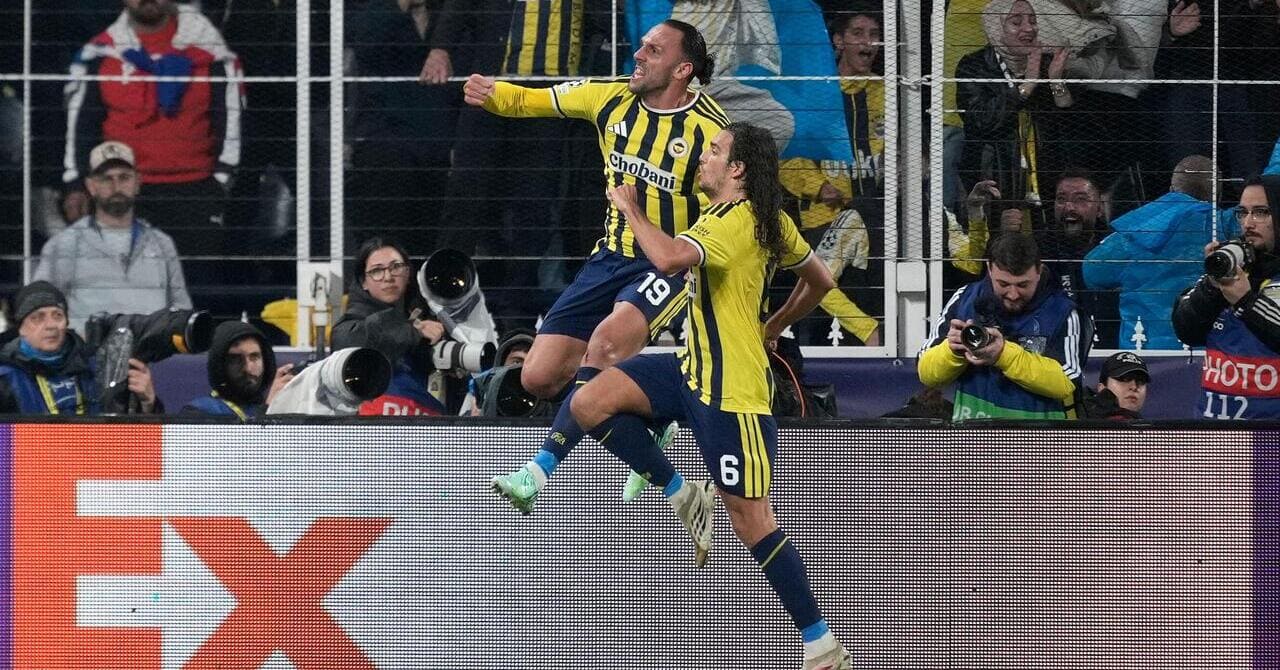 Liverpool’s mistakes should not overshadow Fenerbahçe’s response.
The Turkish side had entered the match seeking its first Champions League victory of the campaign. Facing an opponent with three consecutive wins, the hosts needed both tactical discipline and belief.
They demonstrated those qualities after falling behind.
Greenwood’s equaliser restored confidence, while Brown became one of the most influential players of the evening. His goal made it 2–2, and his delivery for Muriqi’s winner completed a decisive contribution.
Muriqi also made an immediate impact after coming off the bench, providing the physical presence and penalty-area threat required to turn the match around.
Fenerbahçe’s ability to respond twice to Liverpool’s goals was particularly impressive. Rather than allowing the visitors to settle after taking the lead, they continued to attack the spaces around the penalty area.
The victory was also significant for Dirk Kuyt, who guided the team during his interim spell in charge.
Fenerbahçe’s performance showed that determination alone was not enough; the hosts also recognised the areas where Liverpool could be exposed and repeatedly delivered dangerous balls into those spaces.
What Does Fenerbahçe 3–2 Liverpool Mean for Liverpool’s Champions League Campaign?
The defeat is a setback, but it does not automatically destroy Liverpool’s hopes of progressing deep into the competition.
Before the match, Liverpool had won their opening three Champions League fixtures. The defeat in Istanbul ended that perfect record and left them with nine points after four matches.
Reuters reported that Liverpool dropped to fifth in the league-phase standings, while Fenerbahçe moved to 19th with five points.
That position makes the result important in the race for the top eight, which offers direct qualification to the round of 16.
Liverpool must now respond in their remaining fixtures. Their attacking quality remains a positive, particularly with players such as Isak, Gakpo, Wirtz and Szoboszlai available to influence matches.
However, attacking talent cannot compensate indefinitely for defensive instability.
The next challenge is to restore consistency in three key areas:
- Penalty-area communication: The goalkeeper and defenders must make clearer decisions when dealing with crosses.
- Aerial defending: Liverpool need to improve their organisation against physically strong forwards.
- Game management: The team must protect leads with better possession, positioning and collective concentration.
If these weaknesses remain unresolved, Liverpool could find themselves surrendering points in matches where their attacking performance should be enough to secure victory.
Andoni Iraola Faces an Important Defensive Test
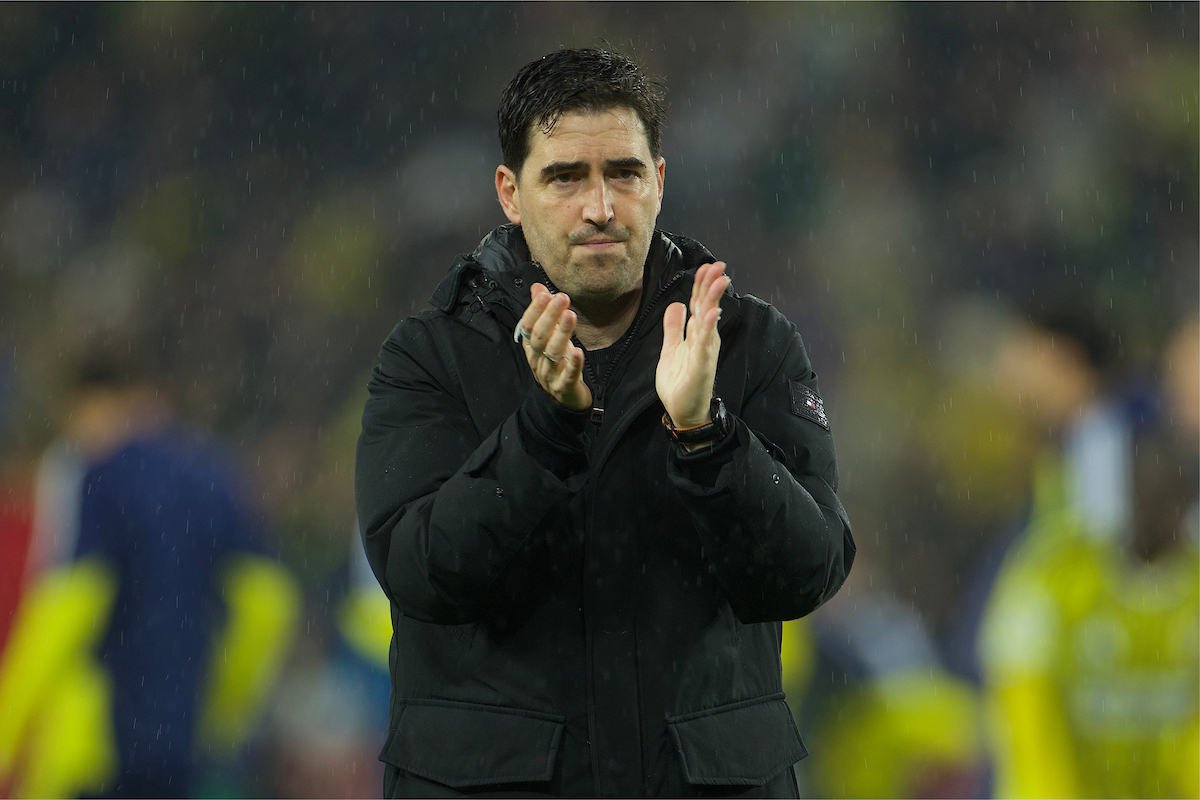 For Iraola, the Istanbul defeat presents a challenge that extends beyond the result.
Liverpool’s defensive problems cannot be solved simply by changing one centre-back or replacing one full-back. The team must improve how its different units work together.
The midfield must provide protection in front of the defence. The full-backs must understand when to engage and when to hold their positions. Centre-backs must communicate clearly when defending crosses, while Alisson needs reliable support from those around him.
The manager must also decide whether Liverpool’s approach leaves too much responsibility on the defensive line when opponents attack quickly.
SEE ALSO; Fenerbahçe vs Liverpool: 5 Tactical Battles That Could Decide a Champions League Night
A team can play aggressive, attacking football without becoming careless. The most successful European sides understand how to combine forward pressure with defensive security.
Liverpool have the attacking tools to trouble almost any opponent. The question now is whether they can develop the defensive consistency required to turn that potential into results.
Conclusion: Liverpool’s Biggest Problem Was Protecting What They Had Already Won
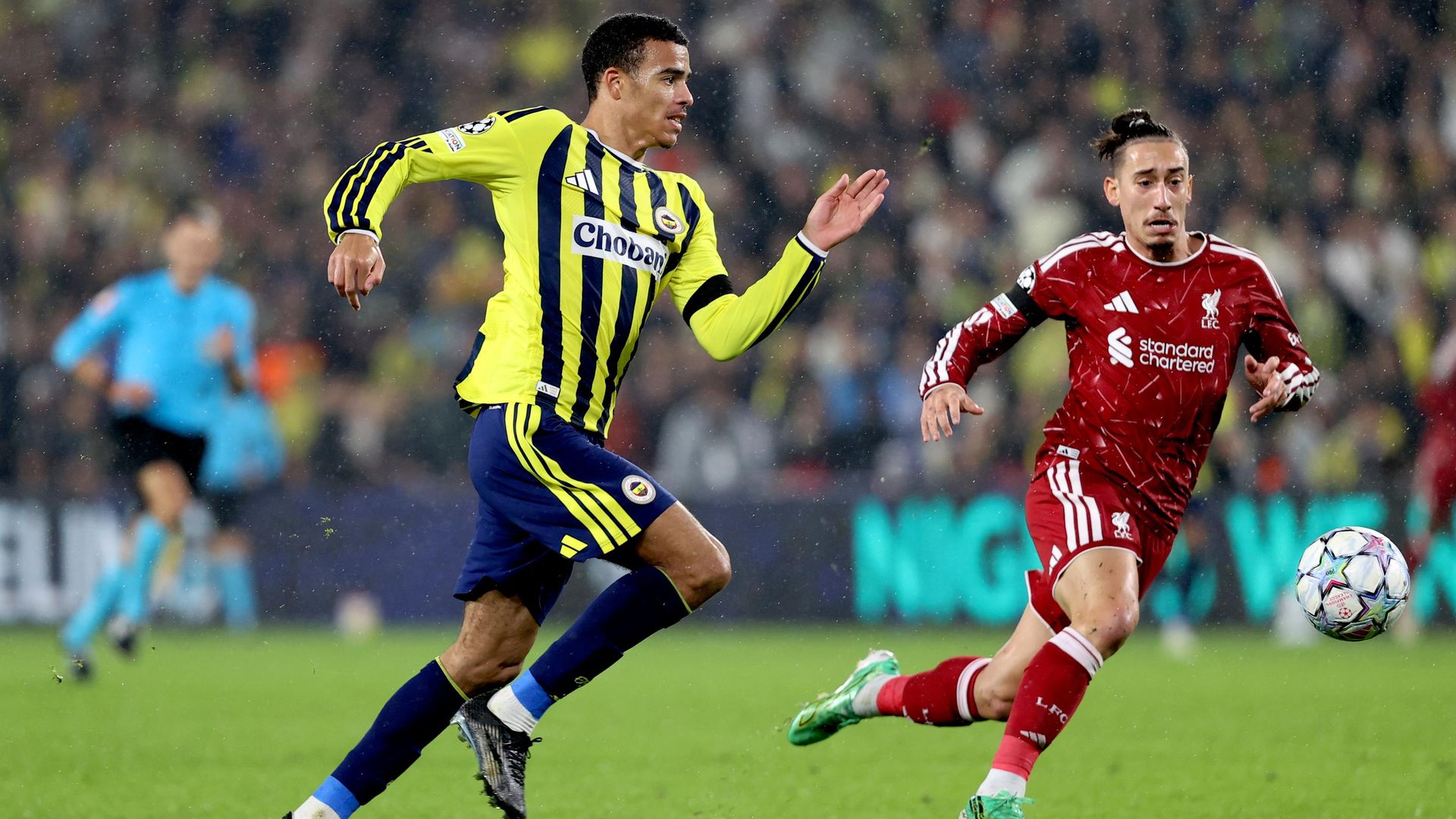 Fenerbahçe 3–2 Liverpool will be remembered for the Turkish side’s comeback, but the deeper story is Liverpool’s inability to defend their advantage.
They scored twice, led twice and still lost.
Greenwood’s equaliser, Brown’s opportunistic finish and Muriqi’s winning header exposed different aspects of the same problem: Liverpool were not sufficiently organised or decisive when defending their penalty area.
The defeat should not trigger panic, but it must trigger an honest assessment. Champions League ambitions are built on more than attacking quality. They depend on the ability to survive difficult moments, defend leads and make the right decisions under pressure.
Liverpool have already demonstrated that they can score against strong European opposition. Now they must prove they can protect those goals.
Can Andoni Iraola fix Liverpool’s defensive problems before the next Champions League challenge, or will this defeat become the beginning of a bigger European struggle? Share your thoughts in the comments and follow The Football Xtra for more in-depth football analysis.