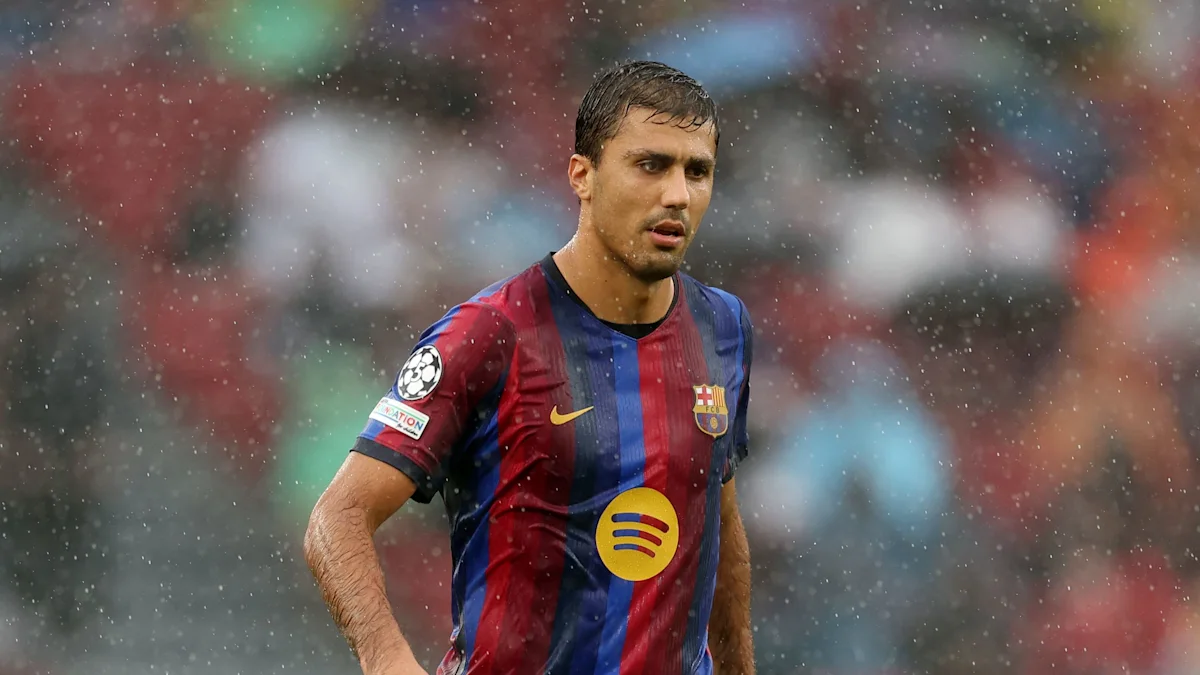
Football may be reaching a point where even its strongest midfielders struggle to keep up with the demands placed on their bodies. For Rodri, the latest muscular discomfort is another reminder that the physical cost of elite football cannot be ignored.
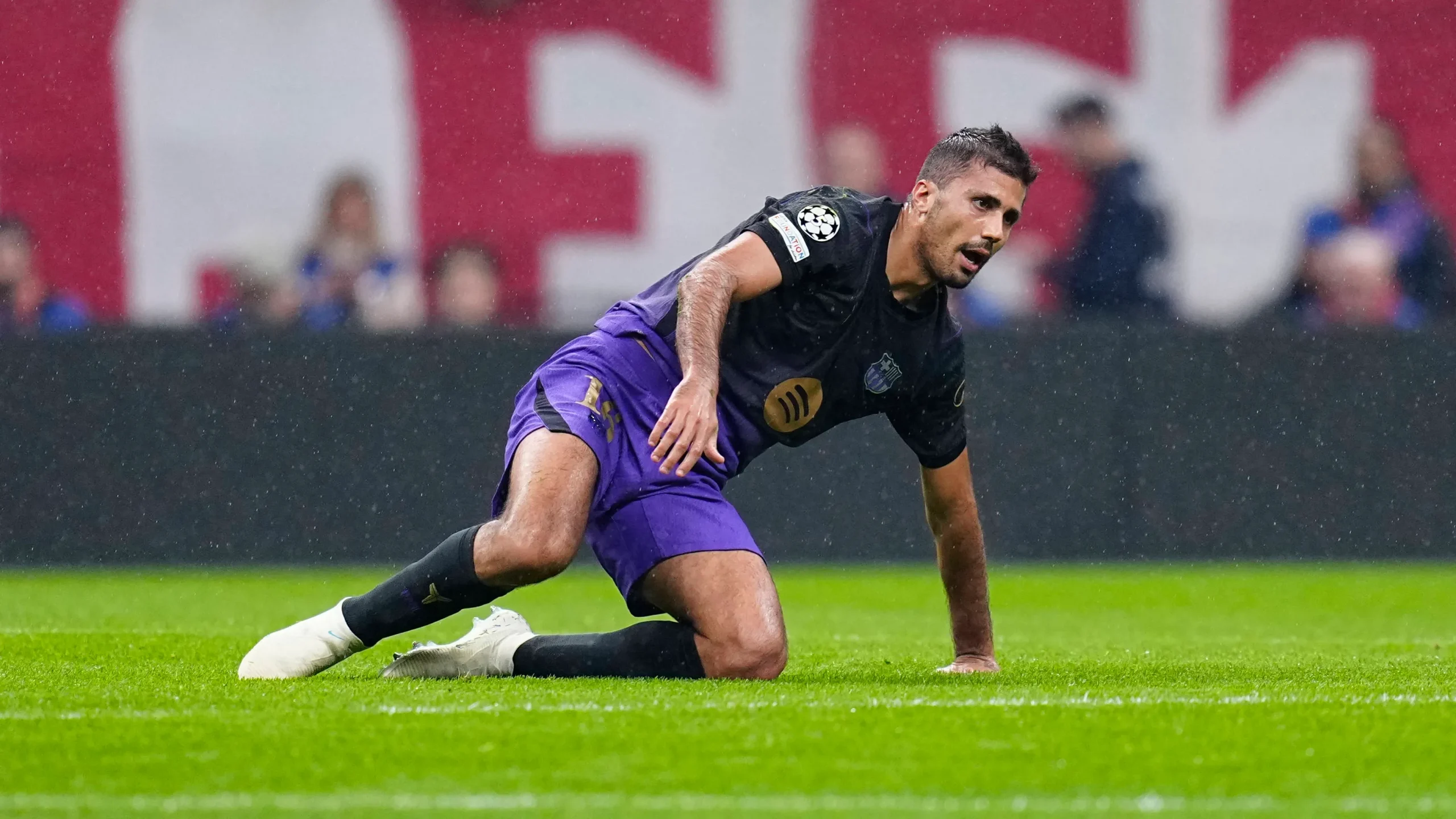
The Rodri injury concerns have become increasingly relevant following his early substitution during Barcelona’s 3–0 Champions League victory over Aston Villa on 3 November 2026. The Spanish midfielder started the match but did not return for the second half after experiencing discomfort.
Barcelona manager Hansi Flick confirmed that the player had felt a muscular problem and that further assessment was necessary. At the time of writing, the club had not confirmed a serious diagnosis or a specific recovery period.
However, this incident carries significance beyond one Champions League match.
Rodri previously endured a serious ACL injury, spent months away from competitive football and experienced further fitness problems during his return. Now playing for Barcelona after leaving Manchester City in August 2026, the midfielder faces another important period in his career.
The central question is not whether one substitution proves that his body is failing. It does not. The bigger question is whether the demands of modern football are creating a dangerous environment for players whose tactical responsibilities require exceptional physical and mental consistency.
Here are five warning signs that make Rodri’s situation worth examining.
1. Rodri Injury Concerns Highlight the Physical Cost of His ACL Recovery
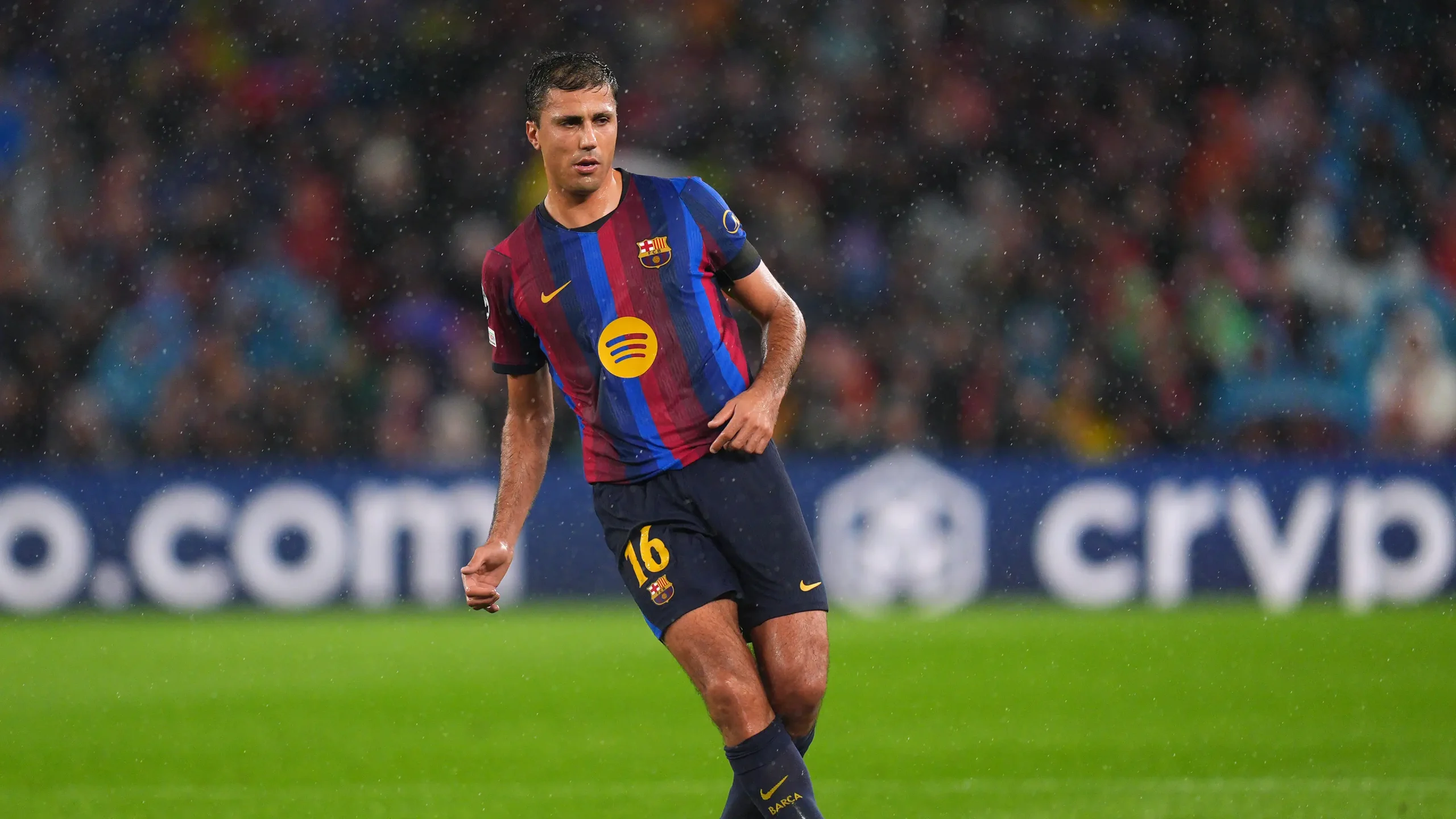 The first major warning sign is the history of Rodri’s serious knee injury.
In September 2024, the midfielder suffered an anterior cruciate ligament injury during Manchester City’s Premier League match against Arsenal. The injury brought his season to a premature end and kept him away from competitive football for more than seven months.
For any professional footballer, an ACL injury represents a major physical and psychological challenge.
Recovery is not simply about reaching a point where a player can run, train and participate in matches again. It involves rebuilding strength, stability, coordination and confidence in movements that are essential to elite performance.
For a defensive midfielder such as Rodri, those requirements are particularly demanding.
His position requires constant changes of direction, rapid acceleration, deceleration, physical challenges and the ability to react to movements around him. He must also maintain balance while receiving the ball under pressure.
These movements place significant demands on the lower body.
Rodri eventually returned to action, but his subsequent fitness problems demonstrated that returning to competitive football and maintaining consistent availability are two different challenges.
This is why the latest muscular discomfort deserves attention, although it must not automatically be interpreted as a recurrence of his ACL problem.
The important lesson is that successful rehabilitation does not eliminate the need for careful workload management after a major injury.
Barcelona must therefore evaluate Rodri’s condition carefully rather than prioritising his immediate availability over his long-term fitness.
2. Modern Football’s Demanding Calendar Is Becoming a Serious Problem
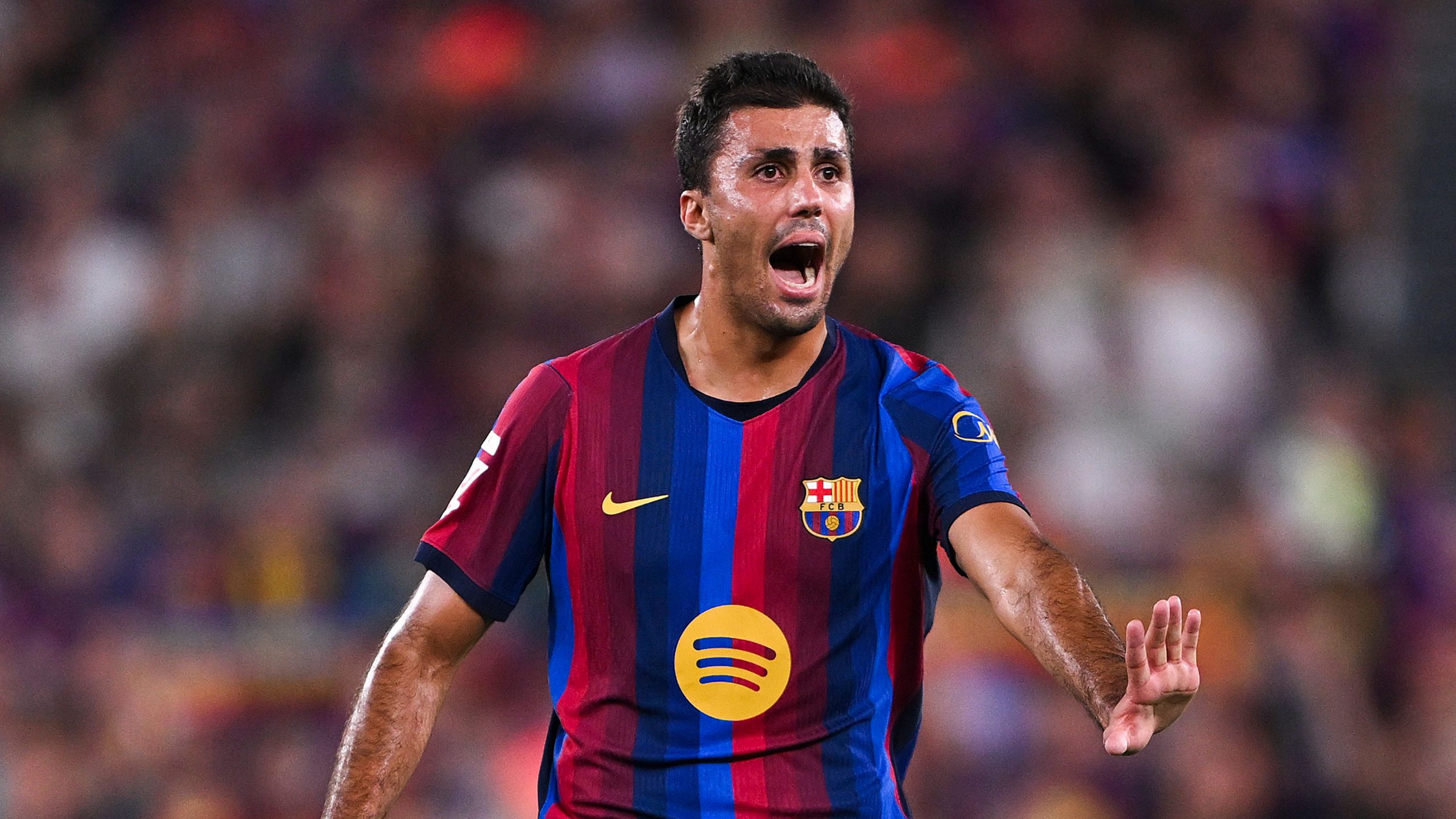 The second warning sign goes beyond Rodri himself: the increasing demands of the football calendar.
Elite footballers are expected to compete across domestic leagues, domestic cups, continental competitions and international tournaments.
The expansion of international and club competitions has also intensified discussions about how much football players can realistically sustain.
Rodri has previously spoken publicly about this issue.
In September 2024, while still at Manchester City, he warned that players were approaching the point of considering strike action because of the increasing number of fixtures.
He argued that 40–50 matches represented a more sustainable range for maintaining high performance, while the modern calendar could push some players towards 70 or even 80 appearances.
His comments were not merely complaints about being tired. They raised a fundamental question about the relationship between football’s commercial expansion and the physical limits of the athletes who make the sport possible.
More matches can generate additional broadcasting revenue, sponsorship opportunities and global audiences.
However, those commercial benefits must be balanced against the recovery time required by players.
A footballer does not recover simply because the final whistle has blown. Travel, training, treatment, tactical preparation and the psychological demands of competition all form part of the workload.
For Rodri, whose game depends heavily on positioning, concentration and physical readiness, inadequate recovery could affect the consistency of his performances.
The issue is particularly relevant at Barcelona, where domestic and European ambitions demand a high level of availability from key players.
The club must ensure that Rodri’s importance does not become a reason to expose him to unnecessary physical risks.
3. Rodri’s Tactical Importance Makes Barcelona’s Dependence a Risk
 The third warning sign is tactical rather than medical.
Rodri is not simply another midfielder in Barcelona’s squad. His value comes from his ability to control the rhythm of matches, protect the defence and provide a reliable passing option under pressure.
A defensive midfielder operating at his level performs several jobs simultaneously.
The player who connects Barcelona’s entire structure
When Barcelona build from the back, Rodri can provide a passing option between the central defenders and more advanced midfielders.
His positioning helps the team maintain possession while reducing the risk of losing the ball in dangerous areas.
When Barcelona attack, he can remain behind the ball and provide defensive protection against counterattacks.
When possession is lost, he must quickly identify danger, close passing lanes and prevent opponents from advancing through the centre.
These responsibilities require tactical intelligence, physical endurance and constant concentration.
His absence can therefore affect more than one position.
Without a reliable holding midfielder, Barcelona may need to adjust their midfield structure, ask another player to take on unfamiliar responsibilities or use a different combination of players.
That can influence the positioning of the full-backs, the freedom of attacking midfielders and the amount of defensive protection available to the central defenders.
This does not mean Barcelona cannot function without Rodri. They have other midfield options and must build a system capable of surviving his absence.
However, it highlights a potential problem: the more responsibility a team places on one player, the greater the consequences when that player becomes unavailable.
Barcelona’s challenge is to maximise Rodri’s influence without making the entire midfield dependent on his physical availability.
4. Rodri Injury Concerns Raise Questions About Barcelona’s Transfer Investment
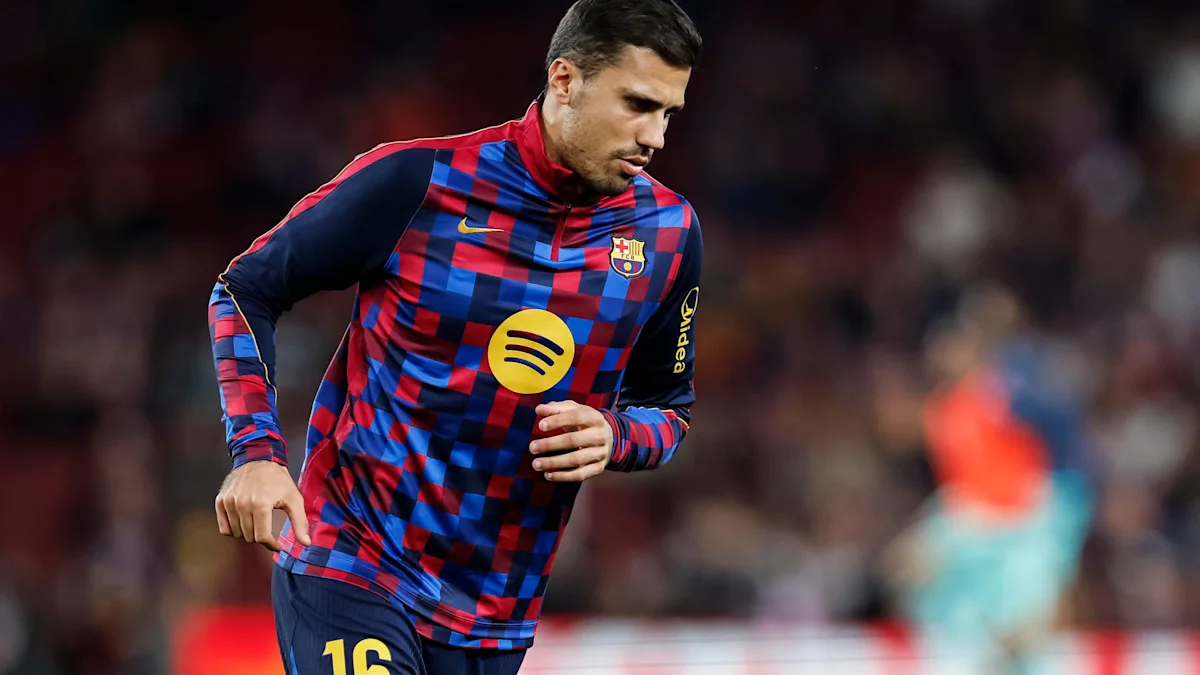 Barcelona’s decision to sign Rodri from Manchester City in August 2026 was a major statement of sporting ambition.
The midfielder committed to the club until June 2030, while reports placed the transfer fee at approximately £65.4 million.
That investment reflects the value Barcelona place on his experience, tactical intelligence and ability to control matches.
However, a significant transfer fee also creates expectations.
Barcelona did not sign Rodri simply to provide another name in the squad. They brought him in to become a central figure in their midfield project.
That makes his availability an important sporting and financial consideration.
The difference between signing a star and managing his value
A transfer investment should not be judged only by the player’s reputation or technical quality.
Clubs must also consider how frequently the player can perform, how much recovery time he requires and whether the squad has sufficient alternatives.
If a team repeatedly depends on one midfielder to play through demanding periods, it risks reducing the value of its own investment.
A carefully managed rotation policy can protect both the player and the club.
Barcelona should therefore consider:
- Managing Rodri’s minutes during congested periods.
- Avoiding unnecessary risks when he reports discomfort.
- Building alternative midfield combinations.
- Using medical and performance data to monitor recovery.
- Maintaining tactical consistency when he is unavailable.
The financial argument is straightforward: protecting an expensive, influential player is not a sign of weakness. It is part of responsible squad management.
For Barcelona, the objective must be to get the best possible contribution from Rodri over the length of his contract, rather than chasing short-term availability at any cost.
5. Rodri’s Situation Could Become a Warning for the Next Generation
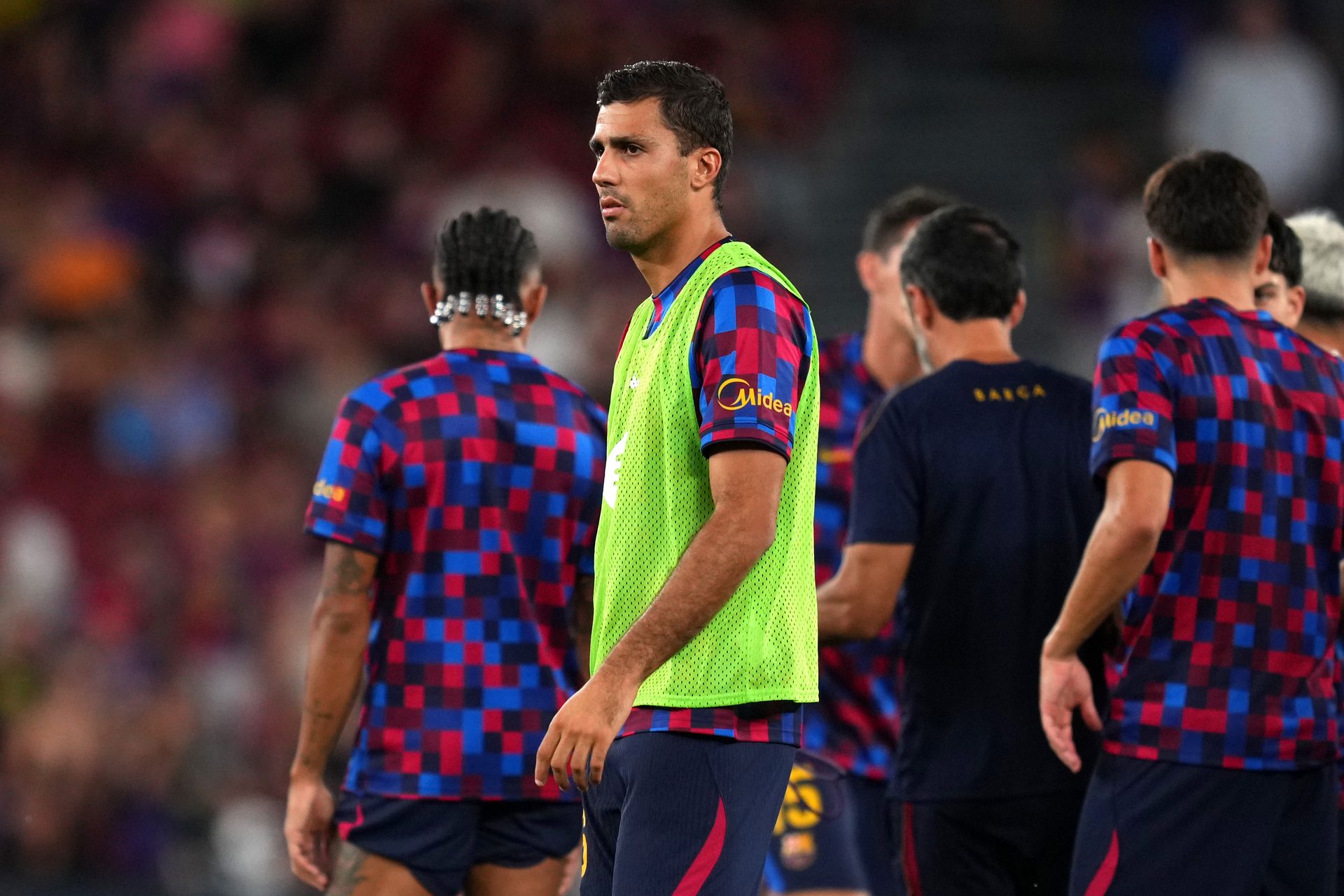 The fifth warning sign concerns the future of football.
Rodri’s career illustrates the physical demands placed on modern elite midfielders. Players in his position are expected to defend large spaces, participate in build-up play, control possession, support pressing and remain available across several competitions.
The modern defensive midfielder is often asked to perform the responsibilities of multiple positions.
That tactical evolution has made players such as Rodri enormously valuable.
But it also raises questions about how clubs develop and protect the next generation.
Young midfielders are increasingly expected to adapt quickly to high-intensity football. They must understand complex tactical systems while maintaining the physical capacity to compete against experienced professionals.
If the football calendar continues expanding, clubs may need to rethink how they develop players and manage their careers.
That could mean:
- More intelligent rotation during the season.
- Greater investment in sports science and rehabilitation.
- More realistic expectations around the number of minutes played.
- Better communication between clubs and national teams.
- Greater consideration of player welfare when competitions are expanded.
Rodri’s previous comments about fixture congestion make this issue particularly relevant.
He has already challenged the football authorities to recognise that players have physical limits.
His latest discomfort does not prove that the modern calendar caused his problem. Establishing such a connection would require medical evidence.
Nevertheless, his experience provides an opportunity to examine whether the sport is doing enough to protect its most important players.
Barcelona Must Resist the Temptation to Rush Rodri Back
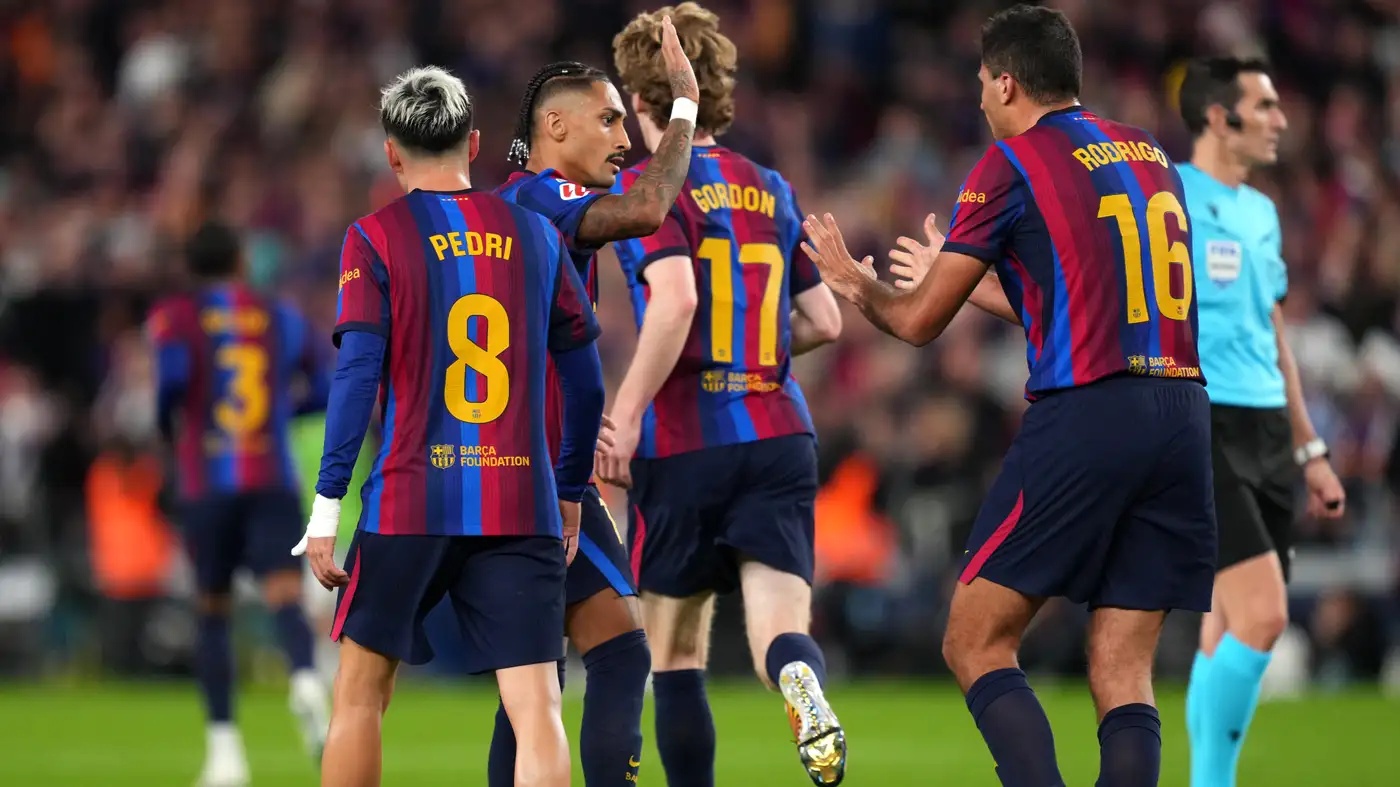 The immediate priority for Barcelona should be medical clarity.
Hansi Flick confirmed that Rodri experienced muscular discomfort against Aston Villa and that further tests were required.
Until the club provides a diagnosis, speculation about the severity of the problem should be avoided.
If the issue is minor, Barcelona will still need to assess whether the player is ready to return without increasing the risk of another setback.
If the problem is more serious, the club must be prepared to operate without him.
That is where squad planning becomes important.
Barcelona have technical quality in midfield, but replacing Rodri’s exact combination of defensive positioning, passing range and game management is not a simple task.
SEE ALSO: Rodri Pedri Partnership: Barcelona’s New Midfield Weapon That Could Change Everything
The coaching staff may need to distribute those responsibilities across several players instead of asking one individual to replicate everything he does.
Such an adjustment could even benefit the team in the long term by creating a more flexible midfield structure.
The most successful clubs do not merely protect their best players. They build systems that can continue functioning when those players are unavailable.
The Bigger Question: Is Modern Football Asking Too Much?
Rodri’s situation should not be turned into an unsupported prediction about the end of his career.
At 30, he still has the experience and footballing intelligence to remain an influential midfielder. His transfer to Barcelona also represents an opportunity to begin a new chapter after a difficult period of injuries.
But the latest muscular discomfort, when considered alongside his ACL recovery and previous fitness problems, highlights the importance of careful management.
The wider football industry must also confront difficult questions.
How many matches can elite players reasonably be expected to play? Are recovery periods sufficient? Do clubs and governing bodies place enough importance on long-term player welfare?
These questions matter because the quality of football depends on the players being physically capable of performing at their best.
A calendar that creates more matches but leaves players exhausted risks undermining the very spectacle it is designed to expand.
Conclusion: Protecting Rodri Could Be as Important as Signing Him
The Rodri injury concerns are about more than one substitution against Aston Villa.
They connect a recent fitness scare with a history of serious injury, the demands of an increasingly crowded football calendar and Barcelona’s dependence on a midfielder who plays a crucial tactical role.
The five warning signs are clear: the challenge of returning after an ACL injury, the physical cost of fixture congestion, Barcelona’s tactical reliance on Rodri, the responsibility attached to a major transfer investment and the wider consequences for the next generation.
However, there is an important distinction between a warning sign and a medical conclusion. Rodri’s latest discomfort must be assessed by Barcelona’s medical team before anyone can determine its seriousness.
For Barcelona, the priority should be protecting the player’s long-term contribution rather than rushing him back for a single fixture.
For football as a whole, his situation should encourage a more serious discussion about player workload and the limits of the modern game.
Is modern football demanding too much from its biggest stars, or can better rotation and medical management solve the problem? Share your thoughts with The Football Xtra.