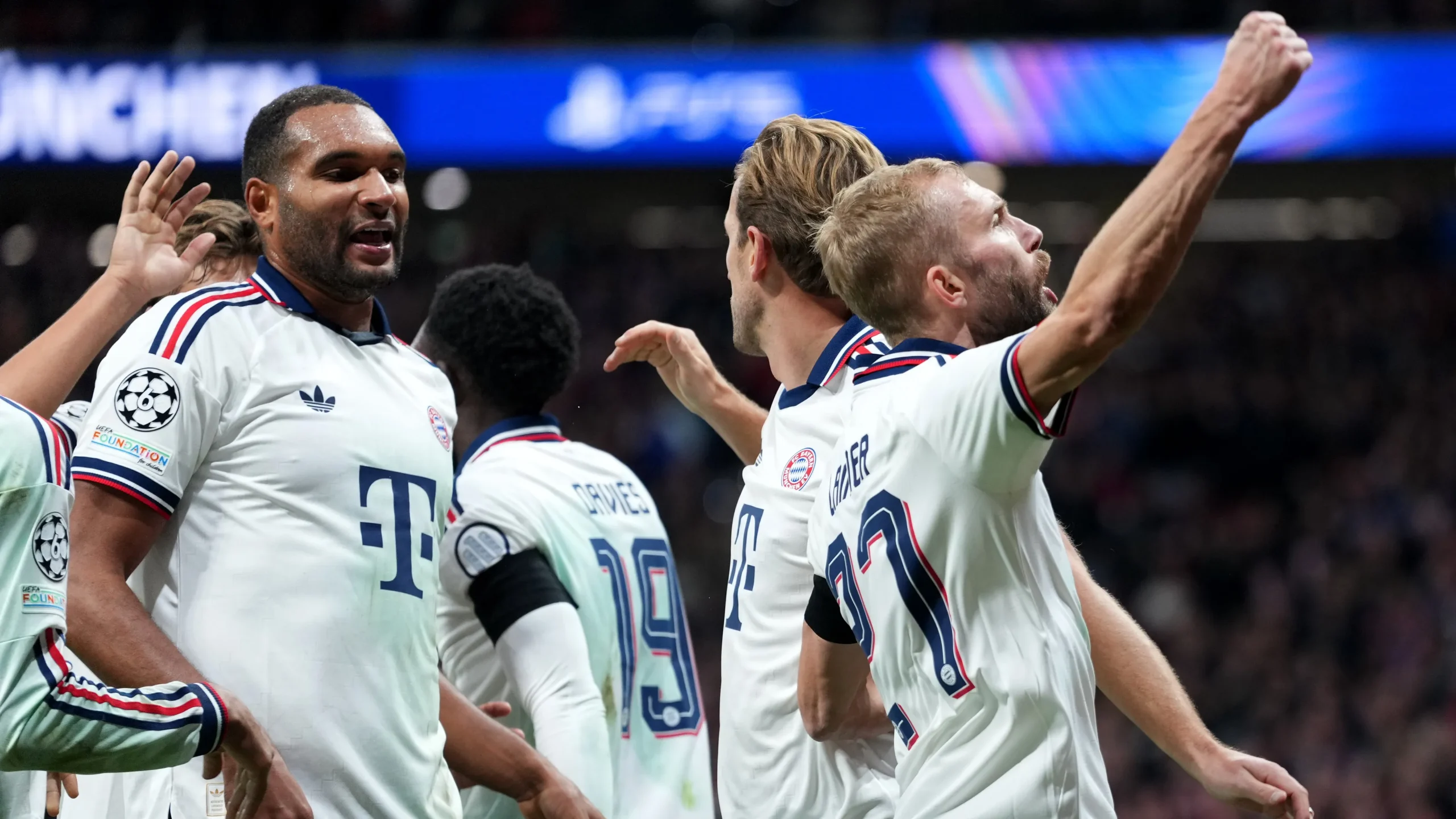
Bayern Munich arrived in Madrid facing a difficult Champions League examination, missing several important players and without Vincent Kompany on the touchline. They left with something far more valuable than three points: evidence that their European ambitions do not depend on having every star available.
The Bayern squad depth question was central to this contest. With Jamal Musiala, Luis Díaz and Serge Gnabry among the unavailable players, Bayern needed contributions from different areas of the team. Lennart Karl and Konrad Laimer delivered the goals, while Harry Kane, Joshua Kimmich and the defensive unit helped control a demanding away fixture.
A 2–0 victory over Atlético Madrid at the Riyadh Air Metropolitano on 3 November was therefore more than a successful night in the Champions League. It was a demonstration of how a strong squad, tactical discipline and collective responsibility can overcome difficult circumstances.
Here are five powerful lessons from Bayern’s victory and what they could mean for the club’s European ambitions.
1. Bayern Squad Depth Is Becoming a Serious European Advantage
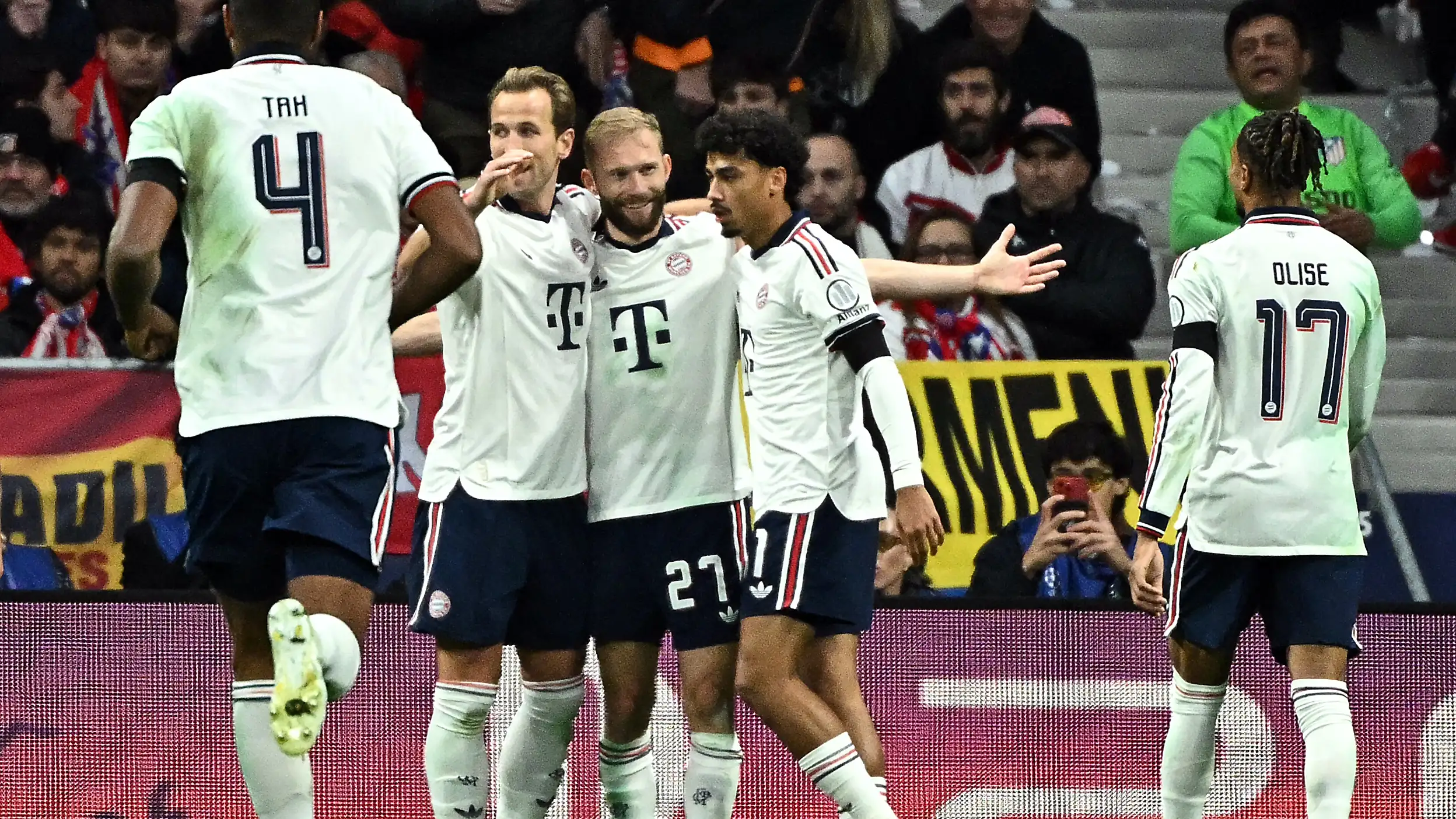 The most important lesson from the victory was Bayern’s ability to remain competitive despite significant absences.
Musiala, Luis Díaz and Gnabry are players capable of changing matches through individual quality, creativity and attacking movement. Their absence could have weakened Bayern’s attacking options, particularly against an Atlético side known for its organisation and defensive discipline.
However, Bayern still had Michael Olise, Harry Kane, Lennart Karl and Alphonso Davies available to provide attacking quality.
The performance also highlighted the importance of players who do not always dominate the headlines. Tom Bischof started in midfield, while Josip Stanišić and Jonathan Tah helped provide defensive stability.
This is what makes squad depth valuable. It is not simply about having expensive players on the bench. It is about having footballers who understand their responsibilities and can perform when circumstances demand it.
Bayern’s victory demonstrated that the team can find solutions even when several established attacking options are unavailable.
For a club competing in the Bundesliga and Champions League, that flexibility could become decisive during the demanding months ahead.
2. Lennart Karl Shows Why Bayern Must Trust Young Talent
 Lennart Karl provided one of the defining moments of the match when he scored Bayern’s opening goal in the 54th minute.
The goal came after Atlético failed to clear the danger effectively. Karl reacted quickly, won possession from Robin Le Normand inside the penalty area and finished past Jan Oblak.
It was a goal that reflected more than technical ability. It demonstrated awareness, confidence and the importance of being alert in decisive moments.
Bayern’s decision to trust young players can be particularly important when injuries reduce the number of experienced options available. Rather than treating youth development as a long-term project disconnected from first-team football, the club can use emerging talent to solve immediate problems.
Karl’s contribution also sends a message to other young players in the squad: opportunities can arrive unexpectedly, but they must be ready to take them.
However, one impressive performance should not create unrealistic expectations. Young footballers need consistent opportunities, protection from excessive pressure and time to develop.
If Bayern manage Karl’s progress carefully, his performance against Atlético could become an important step in his development.
3. Konrad Laimer Proves Bayern Need More Than Goalscorers
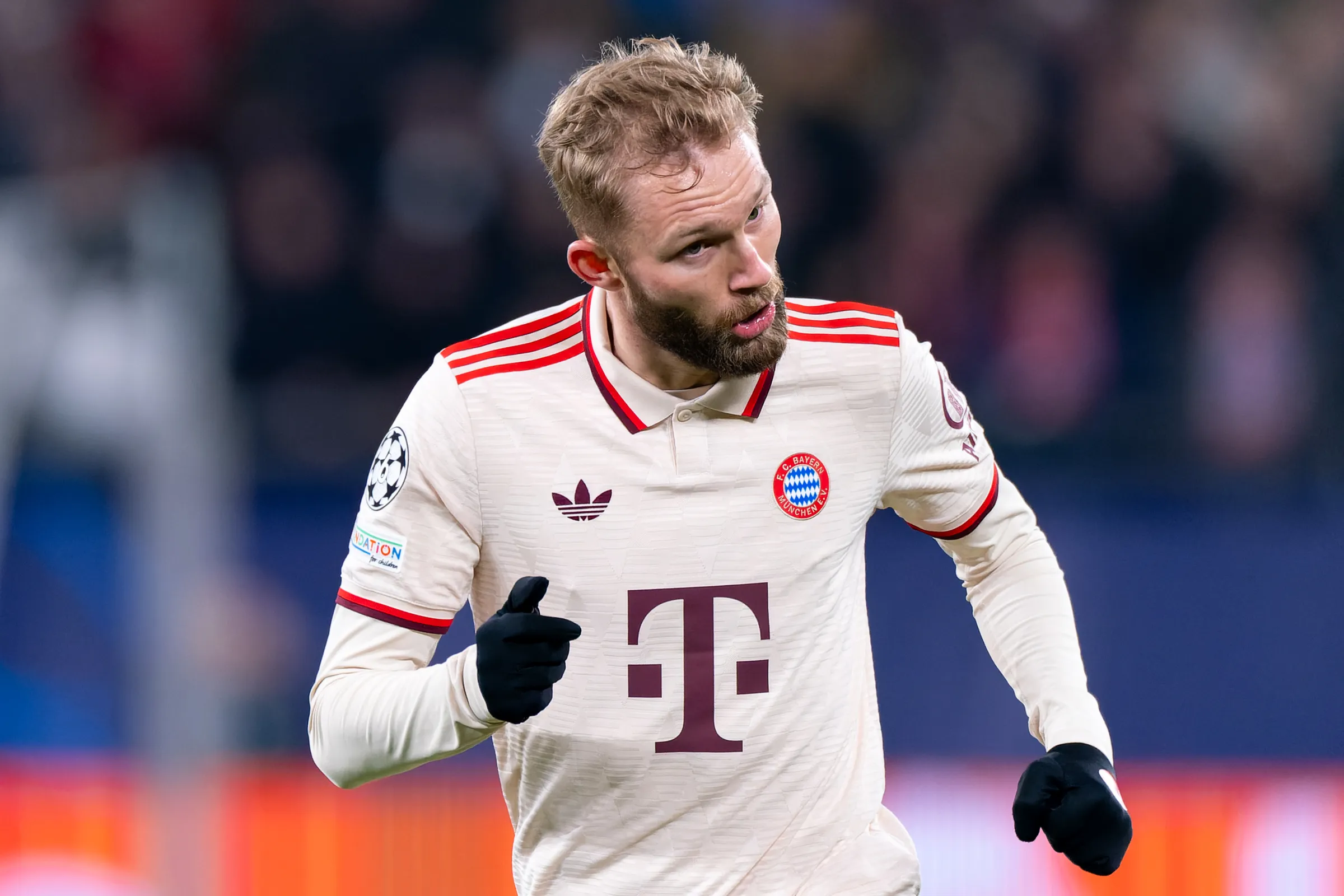 While Karl delivered the breakthrough, Konrad Laimer provided the decisive second goal.
In the 74th minute, Harry Kane supplied the pass and Laimer drove a powerful finish beyond Oblak to make it 2–0.
His goal was significant, but his overall contribution was arguably just as important.
Laimer offered energy, defensive commitment and the ability to support Bayern’s attacking transitions. His movement helped the team maintain pressure, while his willingness to cover ground gave Bayern an important balance between attack and defence.
This is a crucial element of Bayern’s squad construction.
Champions League campaigns are not won by attacking stars alone. Teams also need midfielders and defenders capable of performing several roles, maintaining intensity and responding to different tactical situations.
Laimer represents that type of player. He can contribute to the team’s defensive structure while also making important runs into attacking areas.
His performance showed why Bayern’s European ambitions require a complete squad rather than a collection of individual stars.
4. Bayern’s Tactical Discipline Was More Important Than Possession Alone
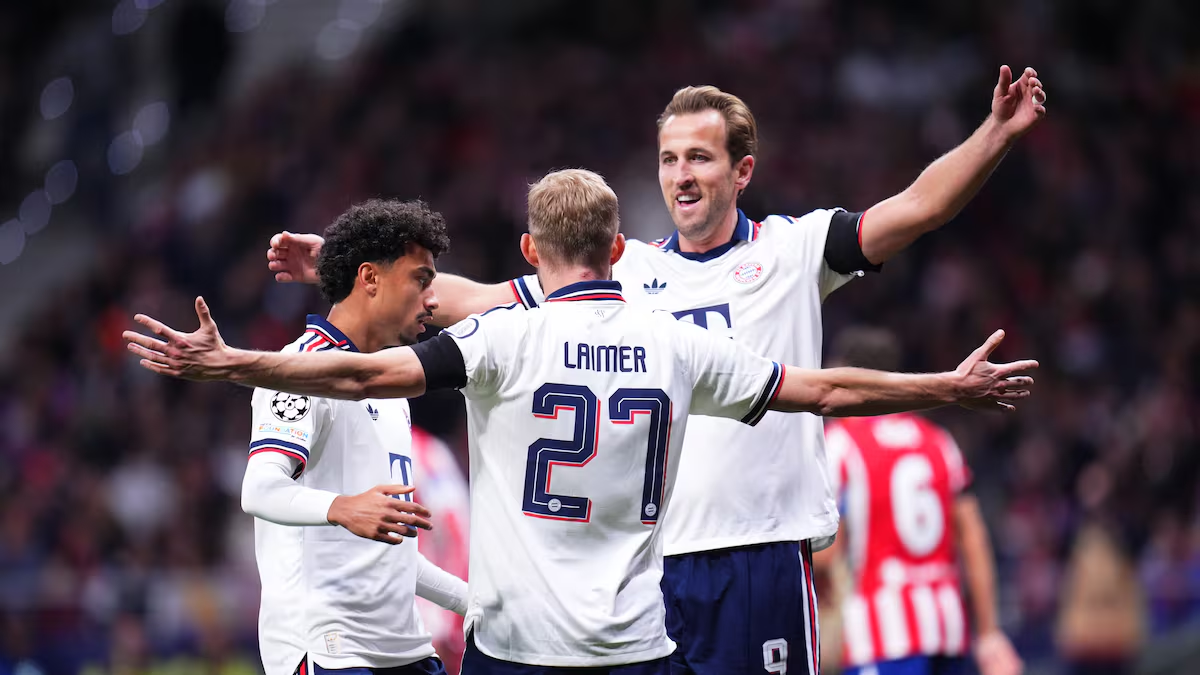 Bayern enjoyed 58.5% possession and attempted 19 shots compared with Atlético’s nine. They also registered five shots on target, while the hosts managed three.
These numbers underline Bayern’s control, but the most interesting aspect was how they managed the match.
Atlético initially attempted to make the contest uncomfortable. Julián Álvarez threatened early, while Alexander Sørloth offered a physical presence in attack. Bayern had to remain patient rather than force passes into crowded areas.
The first half ended goalless, but Bayern continued to apply pressure after the restart.
Their midfield helped control possession, while the attacking players looked for opportunities to exploit spaces around Atlético’s defensive structure. Bischof’s involvement in the move leading to Karl’s goal was particularly important.
Bayern also showed defensive concentration when Atlético attempted to respond. The visitors did not allow the home side to turn the final stages into a sustained attacking siege.
This was an important contrast with matches in which Bayern’s attacking ambition can leave spaces for opponents to exploit.
The victory suggested that Bayern can combine aggressive attacking football with the patience and defensive discipline required in difficult European away matches.
5. Bayern’s European Ambition Now Has a Stronger Foundation
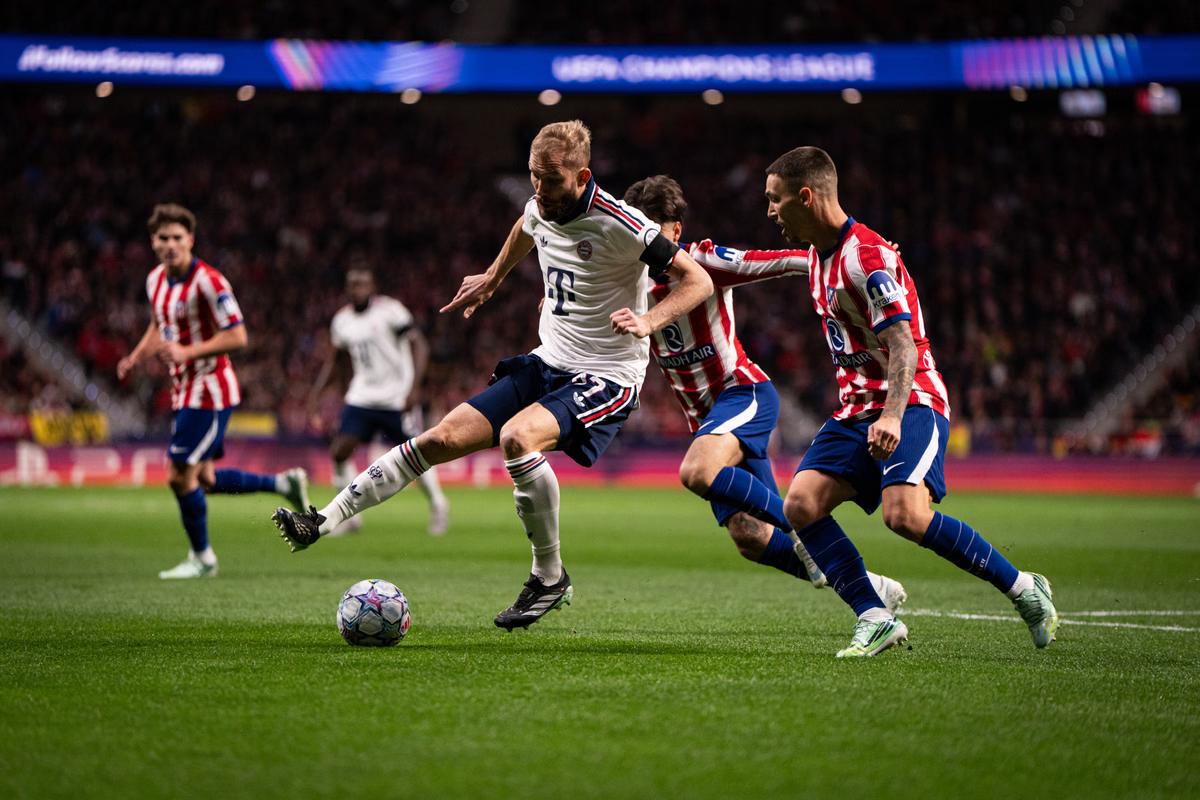 Winning away against Atlético is a meaningful result because the Spanish side are difficult opponents, particularly at home.
Atlético have built their reputation around defensive organisation, physical intensity and the ability to make matches uncomfortable for technically gifted teams.
Bayern had to work through that challenge rather than expect an easy victory.
The result also improved Bayern’s position in the Champions League league phase. Before the match, the club had collected five points from their opening three fixtures. The victory gave them three valuable additional points as they pursued a top-eight finish and direct qualification for the round of 16.
The importance of that objective should not be underestimated.
Direct qualification would reduce the possibility of an additional knockout play-off and help Bayern manage their schedule during a busy period of domestic and European football.
However, the victory should not be interpreted as proof that Bayern are already guaranteed to reach the final.
The Champions League remains unpredictable, and Bayern will face different tactical challenges against opponents with different strengths. Their ability to maintain fitness, manage injuries and reproduce this level of performance will determine how far they can go.
SEE ALSO: Harry Kane Ballon d’Or: 5 Shocking Moments in Bayern’s 2–2 Dortmund Draw
Nevertheless, beating Atlético in Madrid provides a strong indication that Bayern possess the mentality and collective quality required to compete with Europe’s leading clubs.
The Vincent Kompany Absence: A Test of Bayern’s Leadership Structure
Another important detail from the match was the absence of Vincent Kompany.
Assistant coach Aaron Danks took charge of the team while Kompany was unavailable through illness. Bayern still produced a controlled performance, suggesting that the club’s footballing structure can maintain continuity when the head coach is temporarily absent.
This should not be exaggerated into a claim that the manager is unimportant. Kompany remains central to Bayern’s project, and his influence cannot be measured by one match.
However, successful clubs need more than one individual capable of communicating ideas and maintaining standards.
The coaching staff must be prepared to make decisions, manage players and preserve the team’s identity when unexpected circumstances arise.
Danks’ involvement was therefore another example of Bayern’s collective strength on a difficult European night.
What Bayern Must Improve Before the Champions League Knockout Rounds
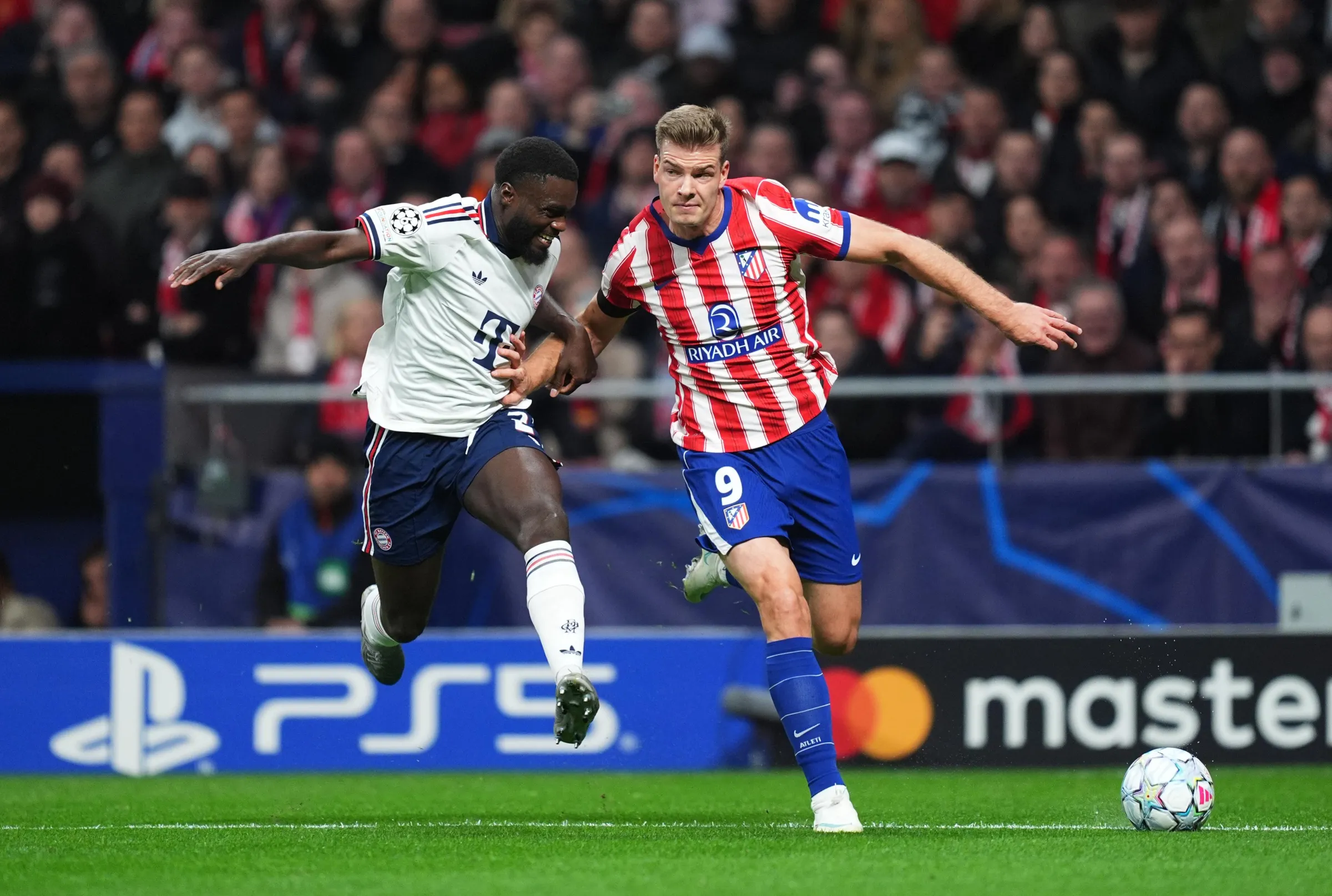 Despite the impressive result, Bayern still have areas to develop.
First, they must improve their efficiency in front of goal. Nineteen attempts produced only two goals, meaning there were opportunities to make the scoreline more convincing.
Second, the club must manage the fitness of key players. The absences of Musiala, Díaz and Gnabry showed how quickly an injury list can affect attacking options.
Third, Bayern must continue developing their defensive consistency. Their clean sheet in Madrid was important, particularly against an Atlético team capable of creating dangerous moments.
Finally, emerging players such as Karl must receive the right balance of responsibility and protection. Their contributions could be valuable over the season, but consistency will be the real test.
Conclusion: Bayern Are Building More Than a Team of Stars
Bayern’s 2–0 victory over Atlético Madrid delivered five important lessons about the value of squad depth, young talent, versatile players, tactical discipline and collective leadership.
Lennart Karl provided the breakthrough, Konrad Laimer delivered the decisive second goal, and Harry Kane helped connect Bayern’s attacking play. Behind them, the team demonstrated the organisation required to win in one of Europe’s most demanding away environments.
The Bayern squad depth discussion is now more than a theoretical debate. This performance offered a practical example of how different players can step forward when established stars are unavailable.
There is still a long road ahead, and Bayern must prove they can reproduce this standard against different opponents. But if they maintain their current balance between individual quality and collective responsibility, their European ambitions will deserve serious attention.
Can Bayern Munich turn this squad depth into another Champions League title, or will injuries and tougher opponents eventually expose their weaknesses? Share your opinion in the comments.