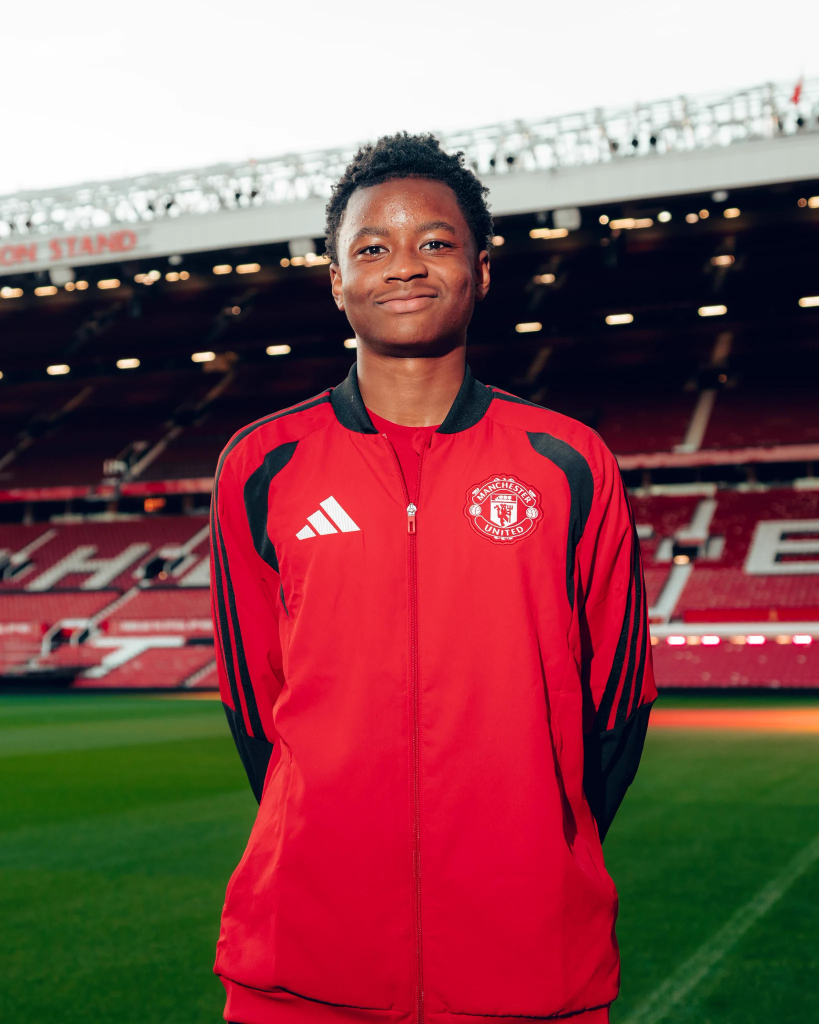
Manchester United’s signing of 16-year-old Isaac Konde from Liverpool is easy to treat as a small academy transaction. In reality, it fits a much bigger recruitment pattern at Old Trafford.
Isaac Konde to Manchester united after leaving Liverpool, where he had already begun featuring regularly at Under-18 level towards the end of the 2025/26 season. He can operate from either wing and through central areas, giving United another flexible attacker for a youth structure that has been rebuilt aggressively over the past year.
One teenager will not change United’s first team. The significance is in the type of deal. Under INEOS, United are trying to get elite young players into the building before their value explodes rather than paying senior-market prices once the rest of Europe is interested.
Why the Konde deal matters beyond academy football
The traditional academy model is built around developing local players over many years. Modern elite clubs still do that, but they also recruit teenagers from rival systems with the same intensity that first-team departments scout established professionals.
Konde is a good example. United are not signing a finished player. They are buying development time, positional versatility and the possibility that a player with experience in Liverpool’s academy can move through their own pathway quickly.
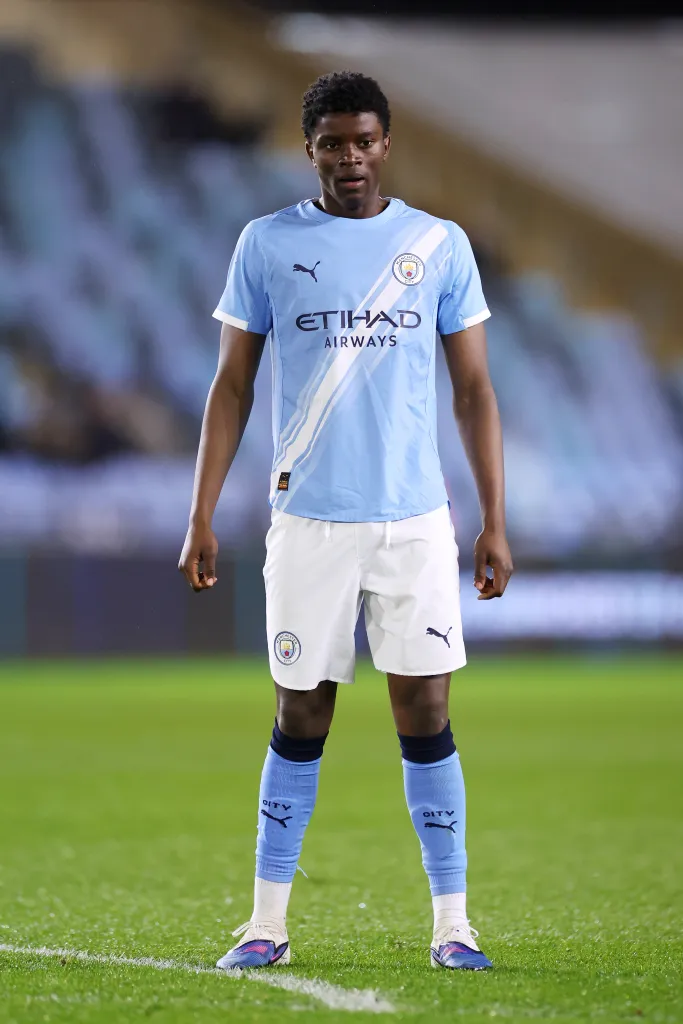
The timing is important. United have also recruited Karim Cassim and David Eze from Manchester City’s youth set-up, Tynan Thompson from Tottenham and Christian Orosco. Taken together, those moves show a club trying to build a concentration of high-level prospects rather than waiting for one exceptional age group to emerge naturally.
The Sun reported United’s confirmation of Konde’s arrival and the wider sequence of youth signings. Read Here.
INEOS are attacking a market with different economics
Manchester United’s first-team transfer history has often involved expensive fixes: a problem becomes obvious, the club enters a competitive market and the final price rises. Academy recruitment works differently.
The cost of acquiring elite teenagers can still be significant, especially when compensation or tribunals are involved, but the financial risk is much lower than spending £60 million or £80 million on a senior player who must succeed immediately.
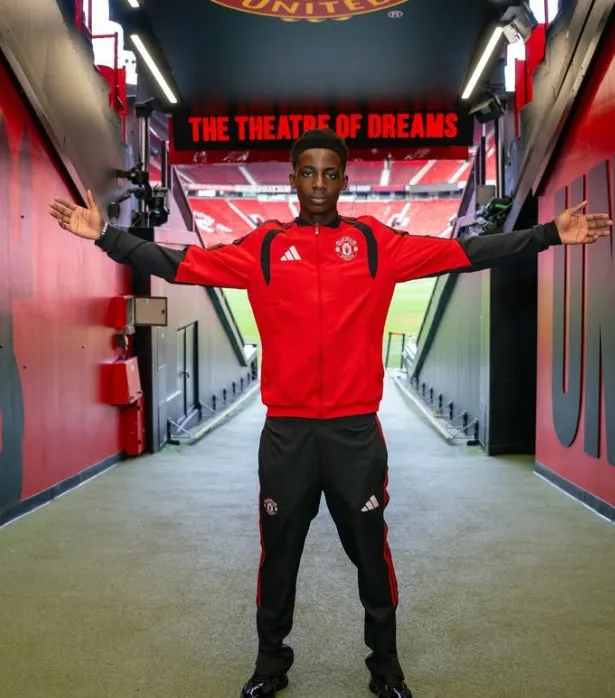
For INEOS, the attraction is obvious. If two or three players from a larger group reach the senior squad, United save enormous future transfer costs. If one develops into an elite player, the sporting and financial return can be huge.
That approach also creates competition inside the academy. A young player arriving from Liverpool or City is not guaranteed a pathway because of where he came from. He increases the standard for everyone around him.
Konde’s versatility gives coaches options
Konde’s ability to play on both flanks and through the middle matters at youth level because physical development can change a player’s long-term position. A 16-year-old who looks like a winger today may eventually become an inside forward, a No 10 or even a forward who plays closer to goal.
United can therefore develop his decision-making before deciding exactly where he belongs. The priority will be touches, minutes and competitive exposure rather than rushing him towards senior football because of the attention around the transfer.

United are trying to rebuild the pathway as well as the squad
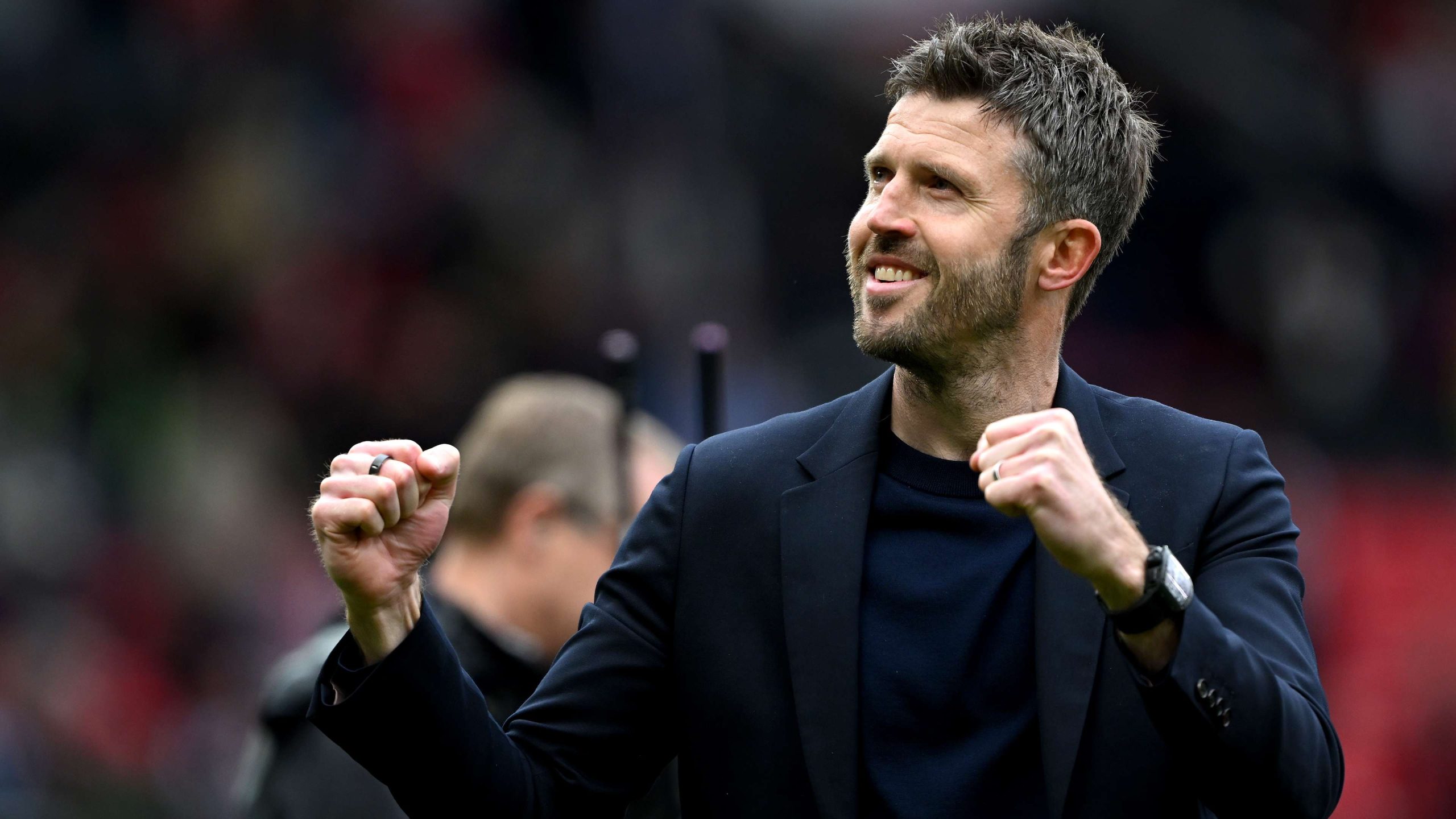
Academy recruitment only works if the best players believe there is a genuine route to senior football. That is why United’s first-team environment matters to Konde even if he is not close to Michael Carrick’s starting XI today.
The club’s identity has always been tied to youth, but history alone is not a development plan. Young players and their representatives look at minutes, loans, coaching, first-team training opportunities and whether managers are willing to trust teenagers when the pressure rises.
The Football Xtra recently examined why Carrick still has the backing of Manchester United’s hierarchy. Part of the wider project around the manager is creating a squad structure that does not depend entirely on expensive external recruitment.
That is also why the Konde move sits alongside United’s recent approach to other young players rather than alongside a normal senior transfer story.
Liverpool’s loss adds another layer to the deal
Any direct movement between Liverpool and Manchester United attracts attention because of the rivalry, even at academy level. But the practical issue is development opportunity, not symbolism.
Liverpool had given Konde Under-18 football and clearly rated him. United have convinced him that the next phase should happen at Carrington. If compensation cannot be agreed, the financial detail may eventually require a formal process, but the football decision has already been made.
For United, the challenge is now to justify that decision. Recruiting promising teenagers is the easy part of an academy strategy. Turning them into first-team players is where the value is created.
Konde arrives as one name in a much larger youth drive. If United’s plan works, the real measure will not be how many prospects they can take from rivals this year. It will be how many of them are still at Old Trafford when senior football starts asking much harder questions.