

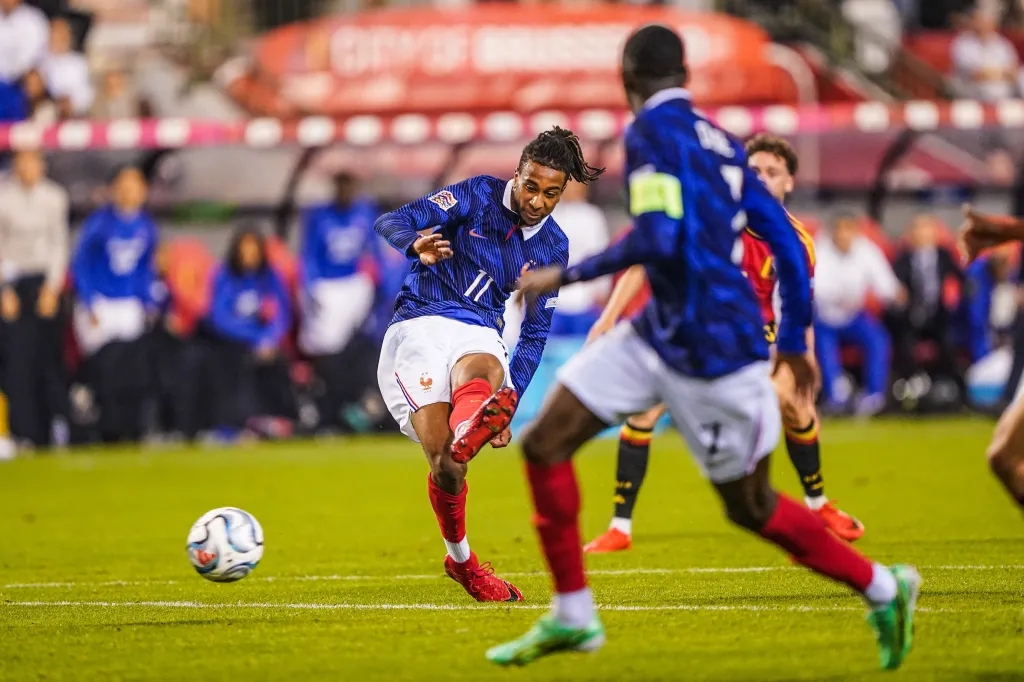
Michael Olise needed only a short spell on the pitch to change France’s night in Brussels. Introduced in the 77th minute against Belgium, the Bayern Munich winger produced the decisive moment in the 88th, carrying the ball from his own half before finishing low to secure a 1-0 victory.
It was the kind of goal that instantly becomes the story of a match, but the wider significance was what it told Zinedine Zidane about the attacking options available to him. France had controlled territory for long periods without finding a breakthrough. Olise gave them the one thing Belgium had managed to remove: unpredictability.
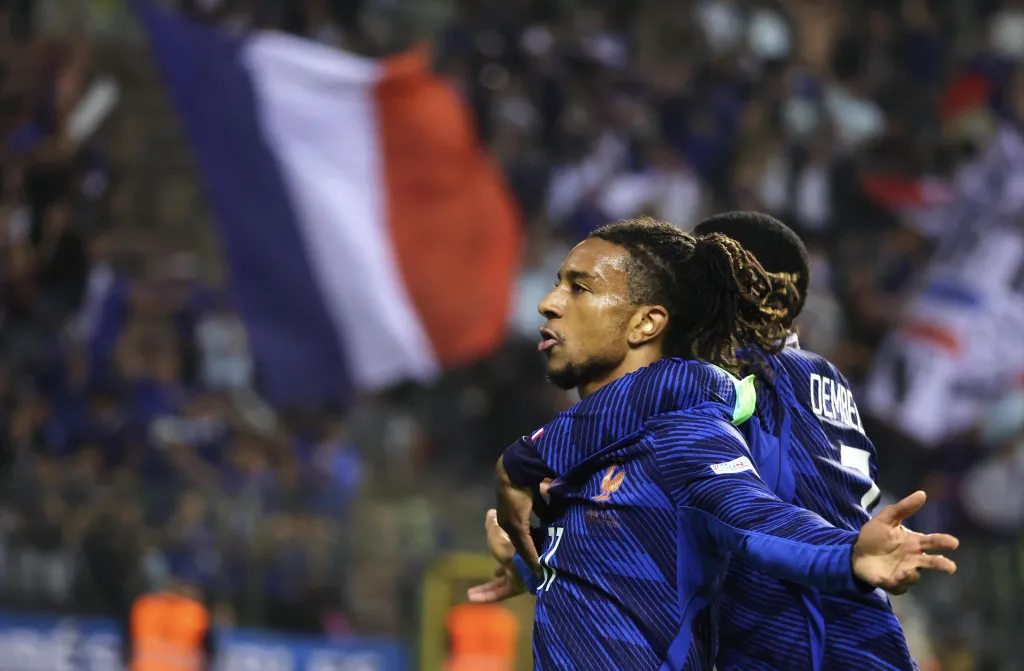
France had control before Olise gave them penetration
France finished with 65 per cent possession and 18 attempts according to GOAL’s post-match assessment. Those numbers suggest dominance, but the match was far more uncomfortable than the statistics alone imply. Belgium defended with discipline, protected central spaces and repeatedly forced France to recycle the ball rather than attack the penalty area cleanly.
Désiré Doué struck the crossbar, while Belgium also carried enough threat to keep Mike Maignan involved. Zidane therefore faced the familiar international-manager problem: how to change a match without damaging the control that had prevented the opponent from taking over.
His solution was the bench. Ousmane Dembélé entered first, before Rayan Cherki and Olise were introduced for the closing stages. The changes increased the number of players willing to receive the ball facing goal rather than simply moving it from side to side.
Olise’s goal was an individual action inside a collective plan
The winning move started deep. Olise controlled the ball around the halfway line, accelerated into space and kept carrying it as Belgium retreated. Once he reached the edge of the area, he had already forced the defence into a decision it had avoided for most of the night: step towards him and leave space, or continue backing off and allow him to shoot.
He chose the shot and found the bottom corner.
That matters because France had spent much of the game trying to create advantages through positioning. Olise created one through movement. His dribble compressed several phases into a few seconds, and that is often what separates elite attacking players from technically good ones.
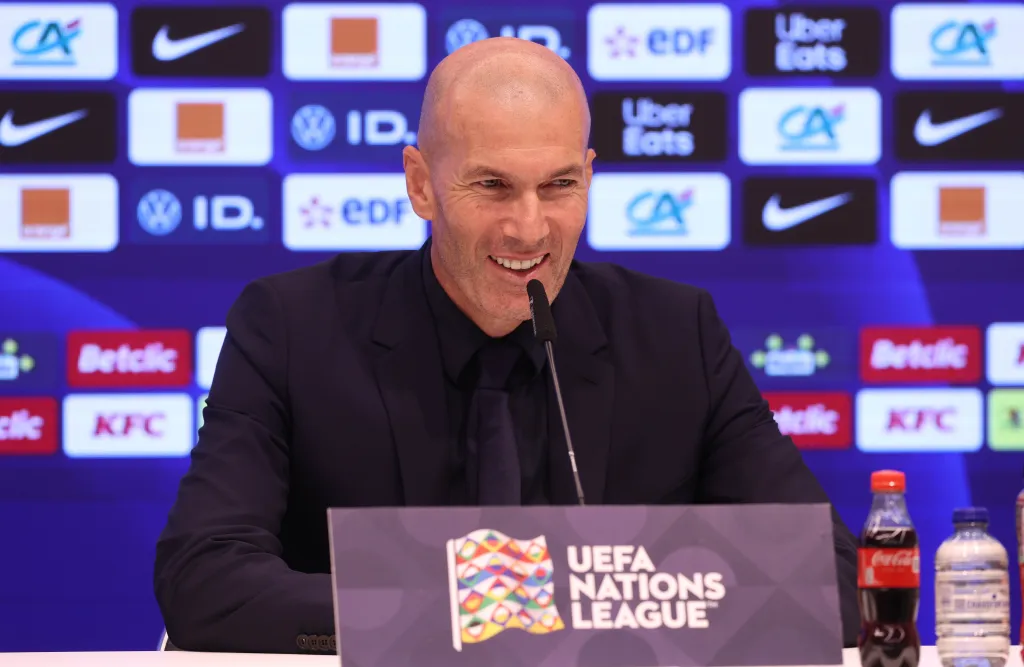
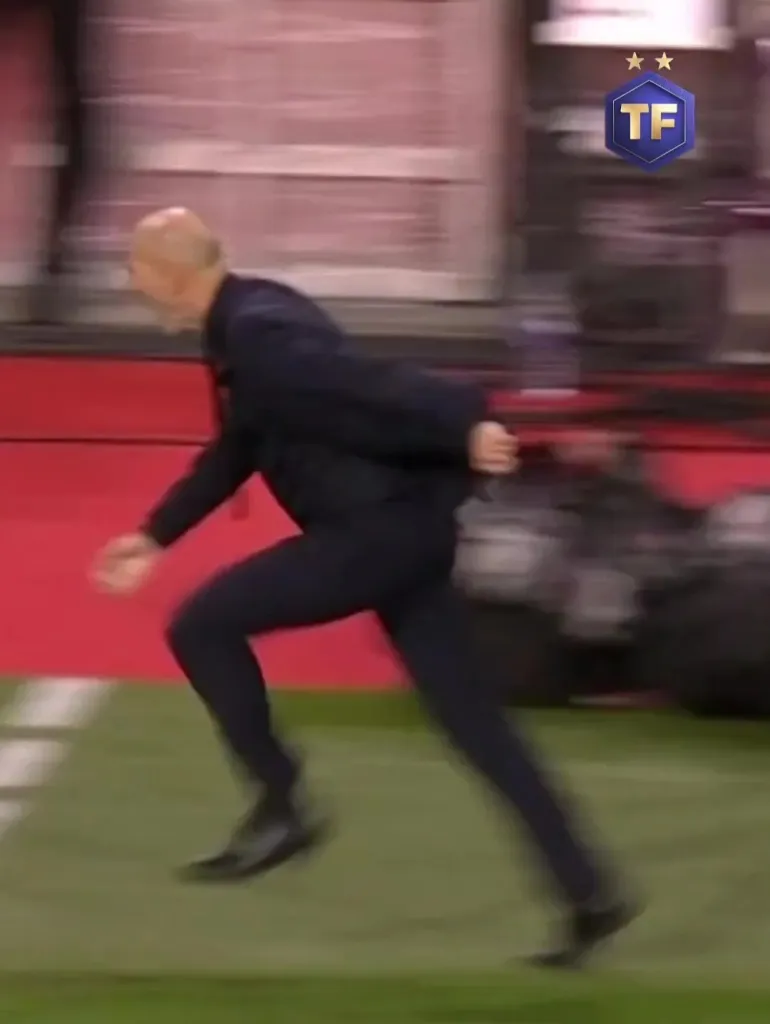
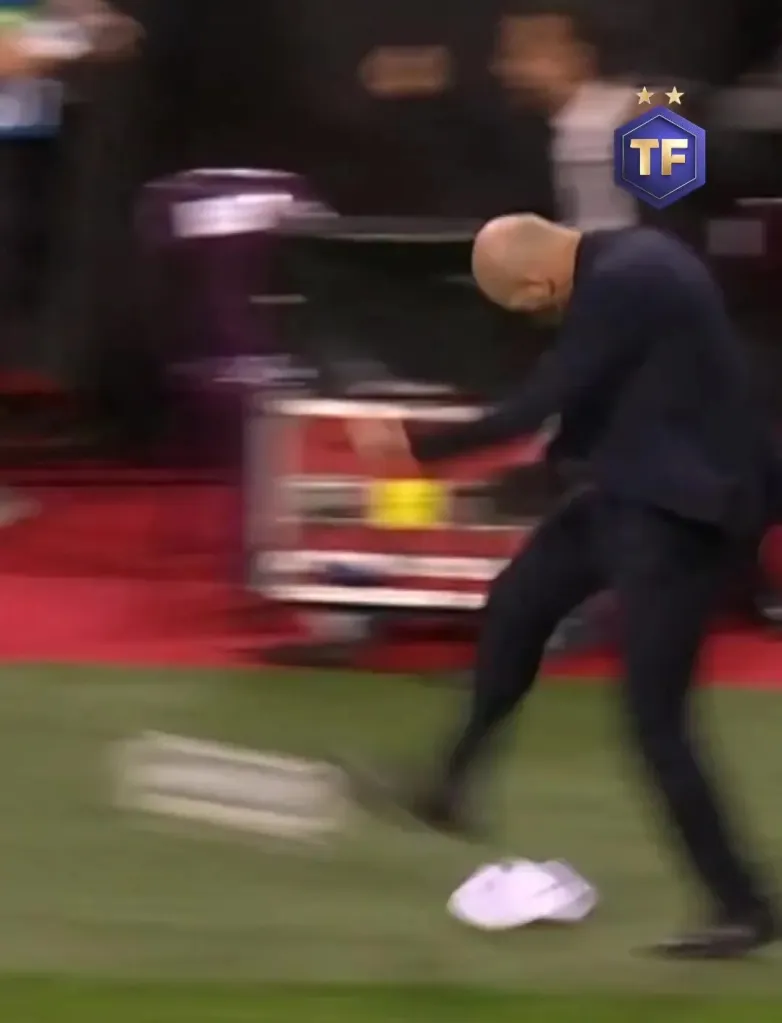
Zidane’s reaction on the touchline said plenty. He sprinted from his technical area and kicked a spare ball in celebration, later admitting the moment had taken over. It was only his second match as France manager, but the emotion was closer to a knockout tie than an early Nations League fixture.
Zidane now has two wins and a selection problem
France also won Zidane’s first match 1-0 in Turkey, when Kylian Mbappé scored before leaving with a knee problem. With Mbappé unavailable in Belgium, the question was whether France could still produce a decisive attacking moment without their captain.
Olise’s answer does not mean Mbappé is replaceable. It means France have another route to the same end. The winger can create from the right, play inside as a secondary creator and carry the ball over long distances when a match becomes stretched.
That depth is especially important in an international calendar that gives managers very little time to build automatisms. Zidane cannot coach every attacking sequence in the way a club manager might over a full season. He needs players who recognise situations quickly and solve them on the pitch.
Our earlier preview of Belgium vs France under Zidane focused on how the new coach would balance control with the absence of Mbappé. The answer in Brussels was not a dramatic tactical reinvention. It was patience, depth and a substitute with the confidence to take responsibility.
Olise is becoming more than a luxury option
At Bayern, Olise has developed in a team where he is expected to produce rather than simply entertain. That difference is visible with France. His touch and dribbling still draw attention, but his decisions are increasingly tied to the score, the space and the needs of the game.
Against Belgium, he did not need repeated chances. He needed one moment when the defence was retreating and the lane opened. France’s stronger attacking depth gave Zidane the freedom to wait for that moment instead of forcing changes too early.
France now move to Zidane’s first home match in charge with two victories, two clean sheets and a new attacking storyline. The headline belongs to Olise because he scored the goal. The more important development is that Zidane already has evidence that his bench can change matches without France losing their structure.
That will matter when stronger opponents force France to chase a match rather than manage it. Zidane has already shown he is prepared to leave elite attackers on the bench and use them later, a decision that demands trust from the squad. Olise rewarded that approach immediately. If France can continue to get match-changing contributions from players who do not start, the coach gains tactical flexibility without creating the feeling that every big name must be on the pitch from the first minute.
Read Here: GOAL’s report on Michael Olise’s winner and Zidane’s reaction.